













































Probiotics
Support your microbiome with probiotic supplements designed for everyday gut health.
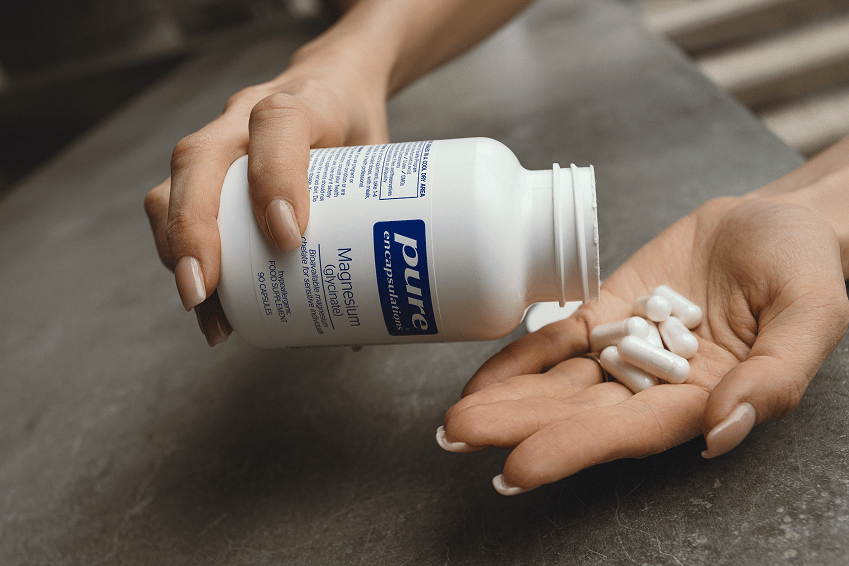
Probiotics contain live bacteria that help support the balance of your gut microbiome. From multi-strain biotics and spore-based probiotics to targeted formulas for digestion, immunity, oral health and children’s wellbeing, probiotic supplements can be a simple addition to your daily routine, especially when paired with prebiotics.
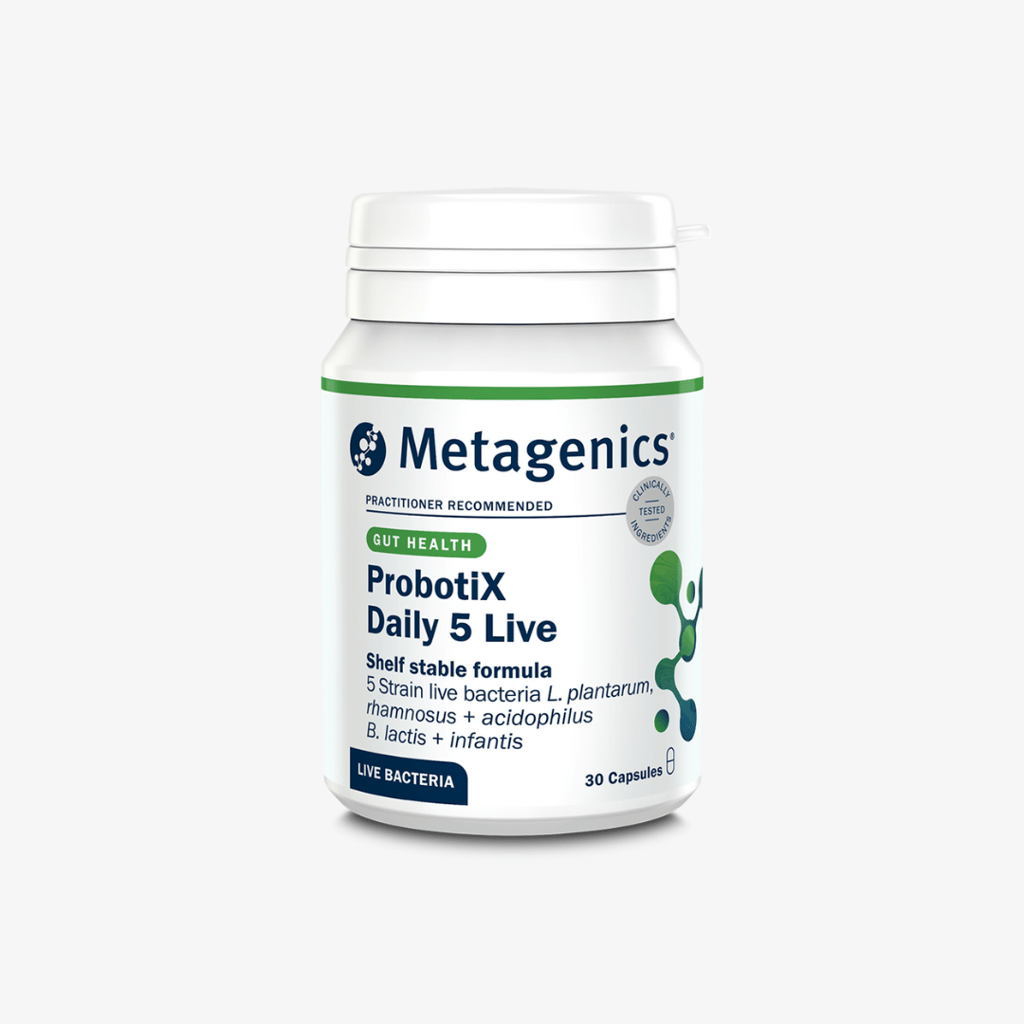
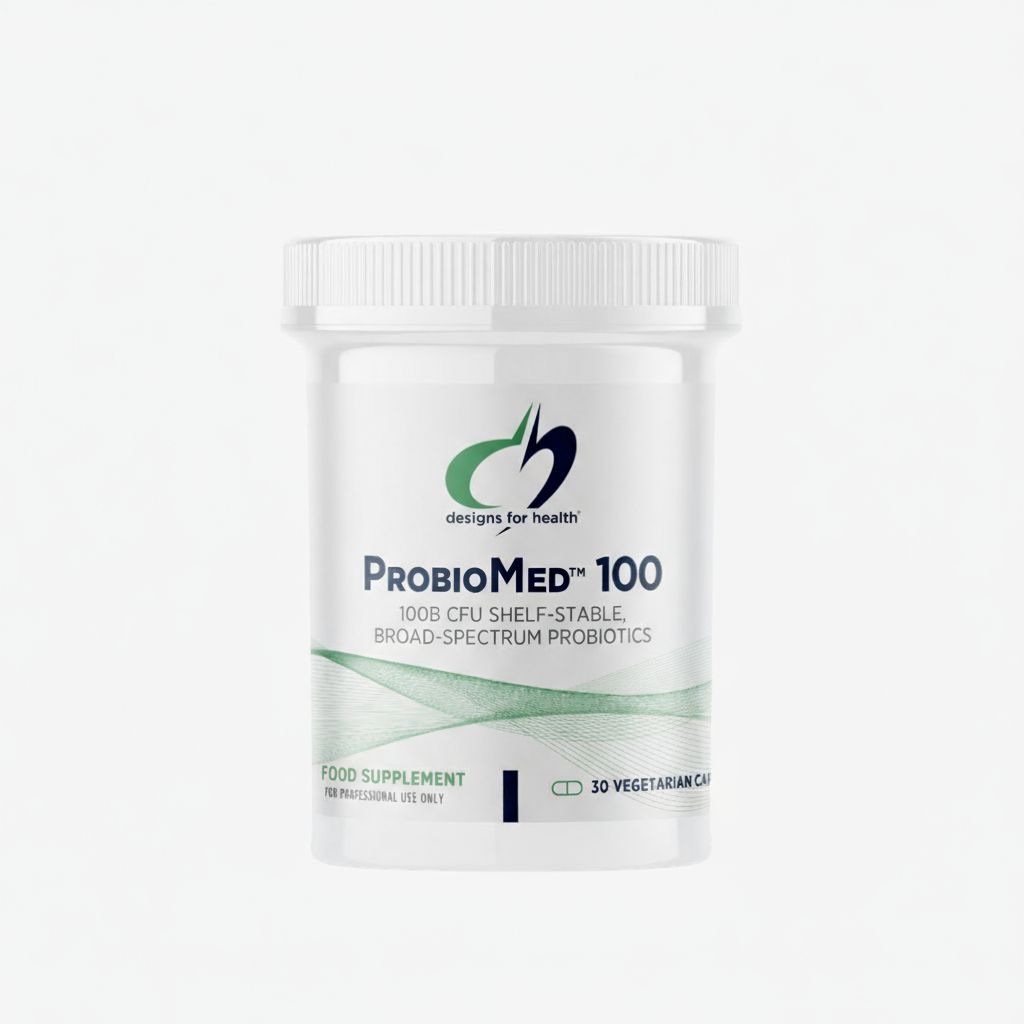
This collection brings together capsules, powders, liquids and gummies from leading wellbeing brands, with options including Bifidobacterium, acidophilus, daily live cultures and advanced microbiome support. Explore formulas designed for everyday use, as well as more targeted support for gut barrier function, digestive comfort and microbial balance.
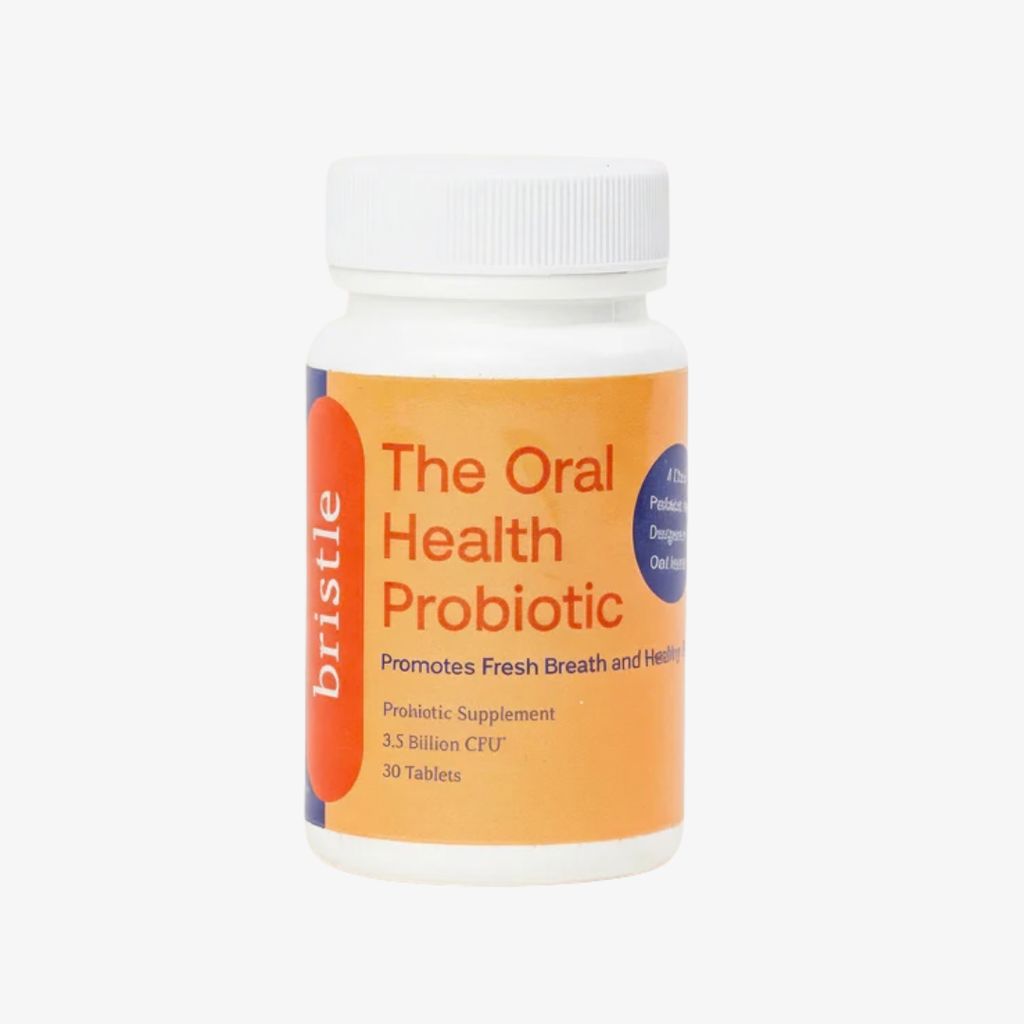
Whether you’re looking for a daily probiotic, a kids’ probiotic, a dental probiotic or a clinical-strength gut health formula, these supplements are designed to fit seamlessly into your wider wellbeing ritual. As a UK stockist of probiotic supplements from leading brands including BioCare, JSHealth, Metagenics and Seeking Health, browse the selection at Healf.













Frequently asked questions
What are probiotics?
Probiotics are live microorganisms, often referred to as "good bacteria", that help balance the gut microbiome. They can aid in restoring the natural balance of bacteria in the gut and offer additional health benefits.
Is it safe to take a probiotic every day?
For most healthy adults, taking a probiotic every day is generally considered safe. Daily probiotics can help support microbiome balance, digestive wellbeing and immune health, especially during or after antibiotics. The best choice depends on your body, your goals and the specific probiotic strain, so it is not always one-size-fits-all.
Should you take probiotic supplements in the morning or at night?
The best time to take probiotics depends on your personal routine and the type of probiotic. Many people take them in the morning, 30 minutes before breakfast or a few hours after dinner, as this may help the probiotics reach your intestines more effectively by avoiding stomach acid. If you have a sensitive stomach, taking probiotics at night might be better so you can sleep through any discomfort. The most important thing is to take probiotics consistently at a time that works best for you.