
























The Best Magnesium for Sleep (And How To Choose The Right One)
From magnesium glycinate to threonate, here’s what actually helps with sleep, recovery and switching off.
%20(1)-2.jpg)
Written by: Samantha Nice
Written on: 26 May 2026
Magnesium is one of the most researched minerals when it comes to sleep, largely because of how it influences the nervous system, muscle relaxation, and recovery. It’s involved in over 300 enzymatic reactions in the body, including energy production and nerve function, all of which play a role in overall sleep quality.
In the UK, the recommended magnesium intake is around 300mg per day for men and 270mg for women, yet many people fall short through diet alone. Low levels can show up as difficulty switching off, restless sleep or waking up feeling less than fully recovered.
That said, not all magnesium supplements work the same way. Different forms vary in absorption and effect, and some are far better suited to sleep than others.
The real challenge isn’t whether magnesium can help, it’s choosing the right type for what you actually need. With that in mind, here’s an expert-led edit of the best magnesium for sleep in the UK, broken down by form, function and lifestyle.
The best magnesium for sleep (at a glance)
If you’re not sure where to start, these are the standouts:
At a glance:
- For deep sleep: BiOptimizers Magnesium Breakthrough
- For brain health and calm: Momentous Magnesium L-Threonate
- For sensitive stomachs: Pure Encapsulations Magnesium Glycinate
- For added benefits: Pique R•E Fountain Electrolyte
- For value: Thorne Magnesium Glycinate
- For topical use: Cymbiotika Magnesium Oil
- For full-spectrum support: Qualia Magnesium+
- For advanced delivery: Liposomal Magnesium Complex
Best magnesium for deep sleep
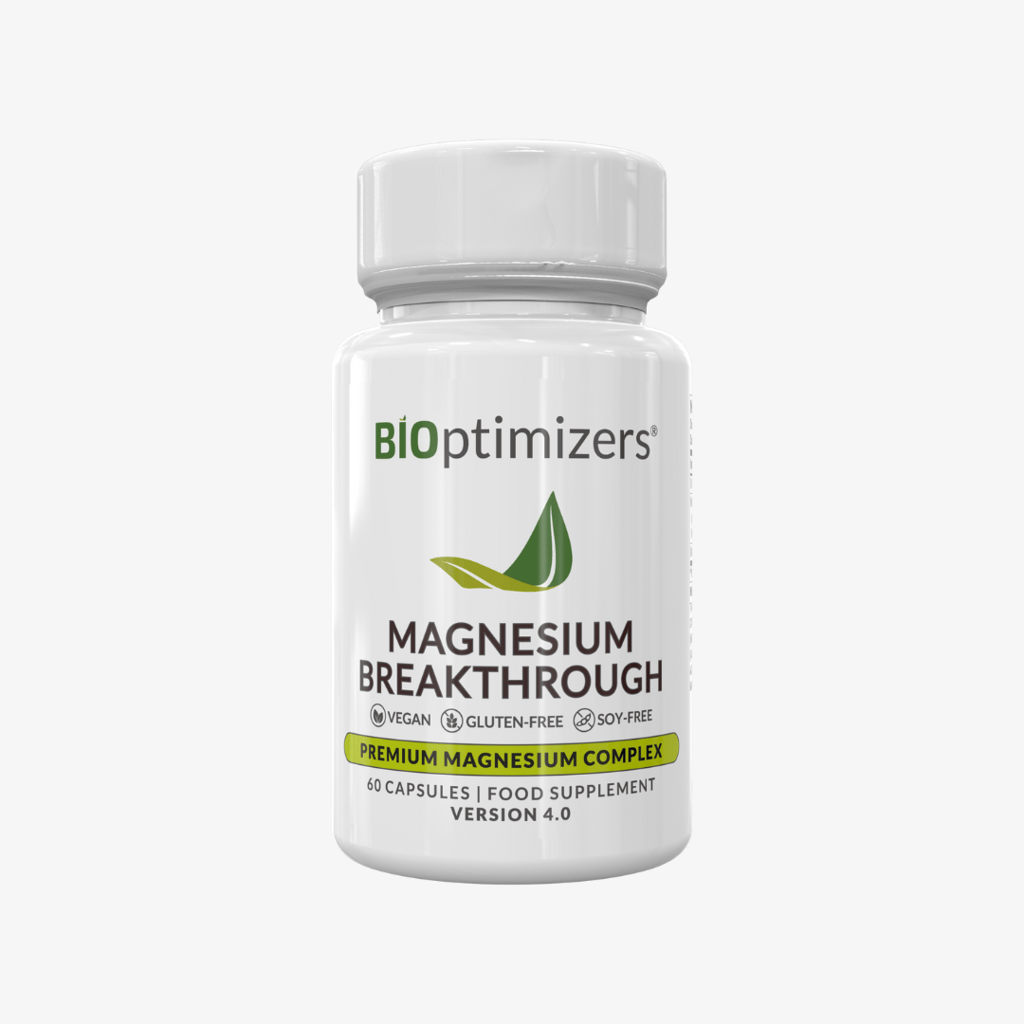
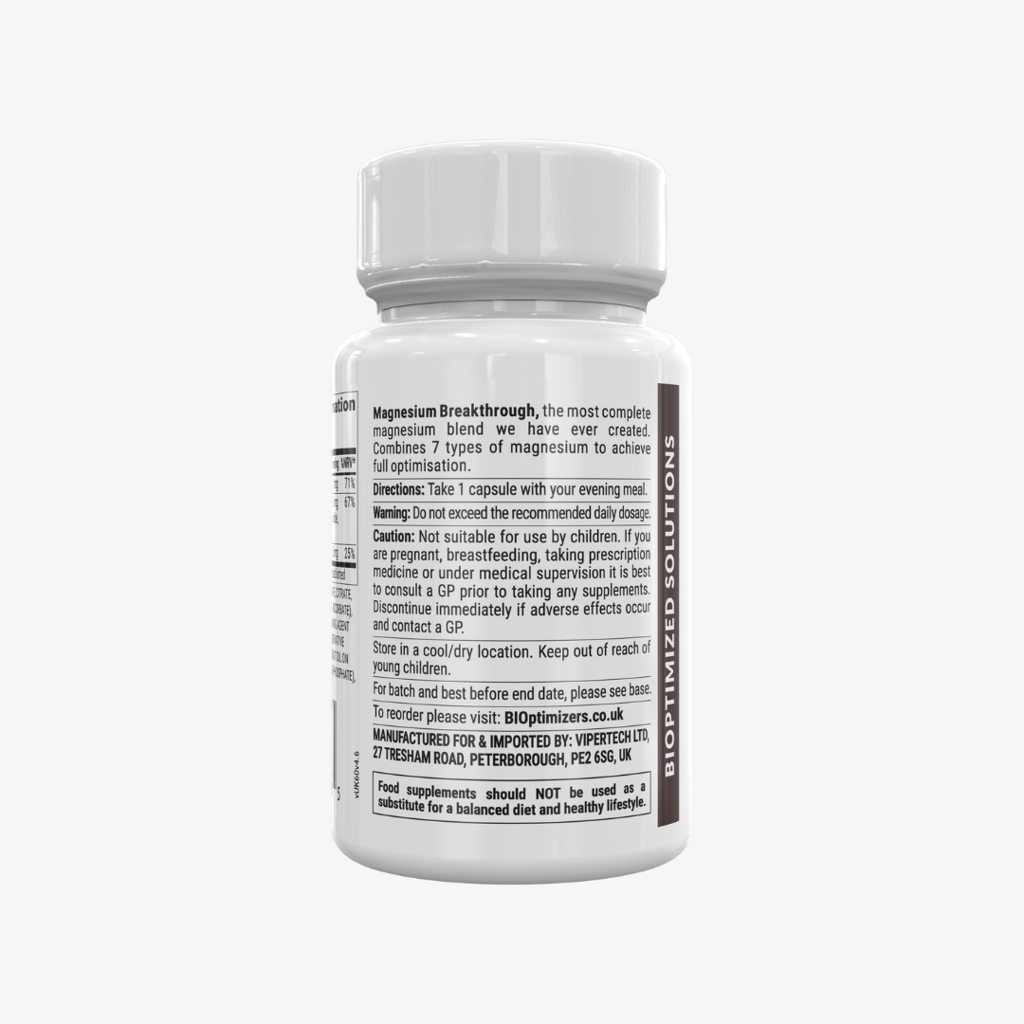
If sleep feels light or broken, a multi-form approach can make a difference. BiOptimizers Magnesium Breakthrough combines seven types, including glycinate, taurate, and malate, to support relaxation from multiple angles. That broader coverage works to calm the nervous system while also easing muscle tension, both of which play into deeper sleep quality. Rather than relying on one form, this blend improves overall absorption and effectiveness. It’s particularly useful if your sleep feels inconsistent or influenced by stress, recovery or restlessness at night.
Form of magnesium: bisglycinate, citrate, taurate, oxide, malate, phosphate, ascorbate
Best magnesium for brain health and calm
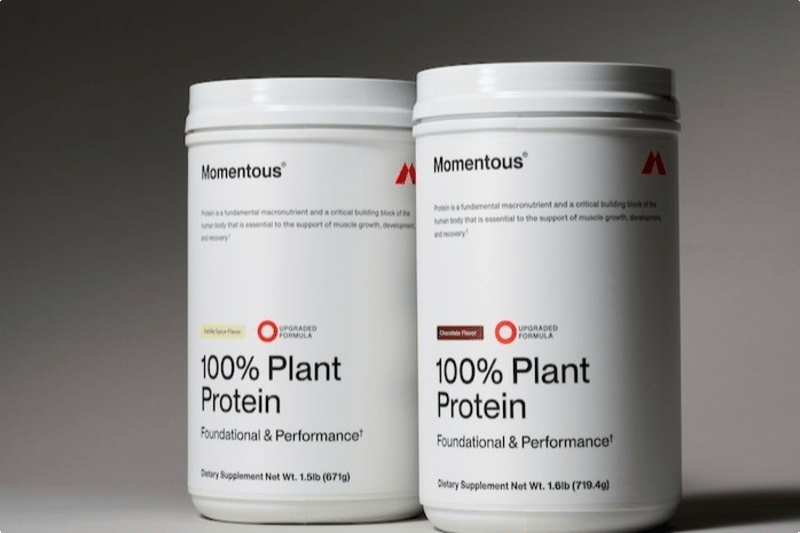
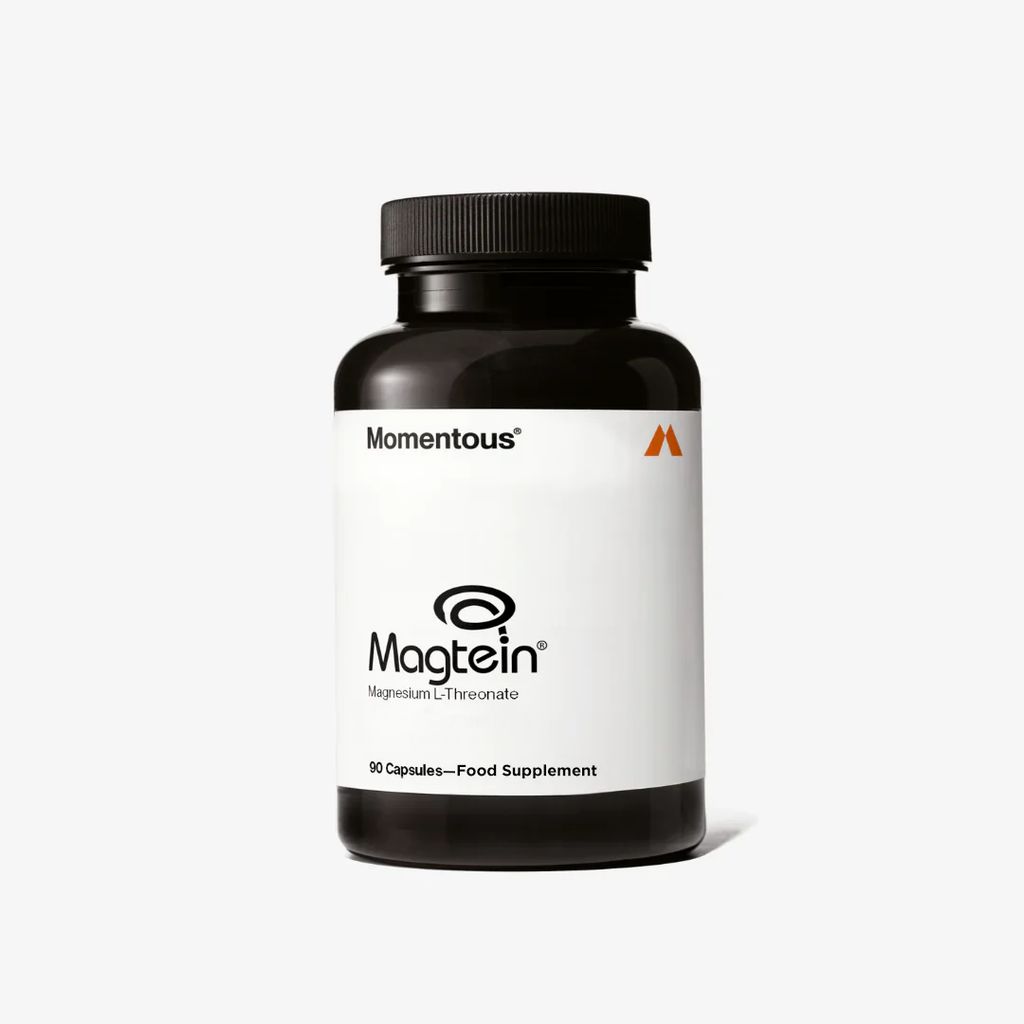
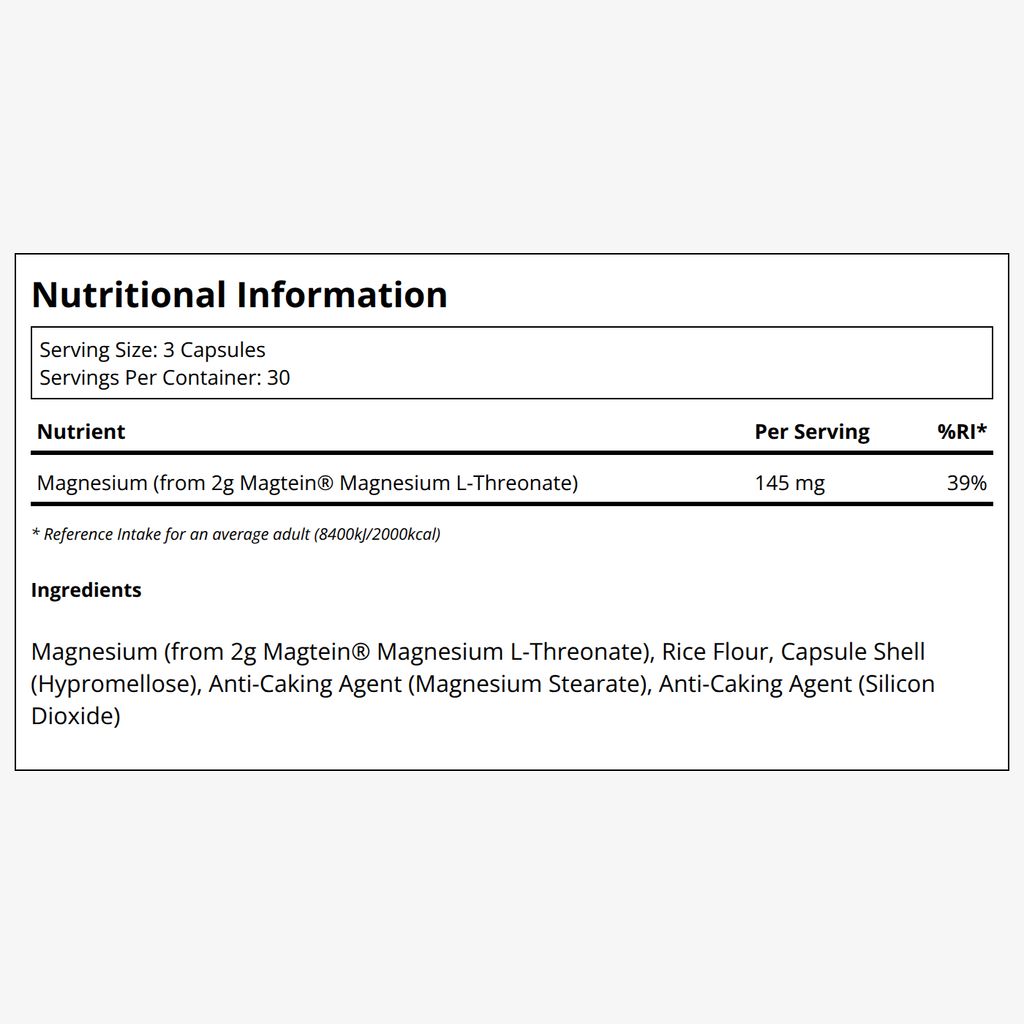
When sleep issues feel more mental than physical, that’s where magnesium L-threonate stands out. Momentous Magnesium L-Threonate uses a highly absorbable form that can cross the blood-brain barrier, making it more effective for stress, focus, and cognitive balance. By supporting the nervous system at that level, this supplement can help reduce racing thoughts and make it easier to wind down in the evening. Rather than forcing sleep, it helps create the conditions for it to happen more naturally over time.
Form of magnesium: L-threonate
Best magnesium for sensitive stomachs
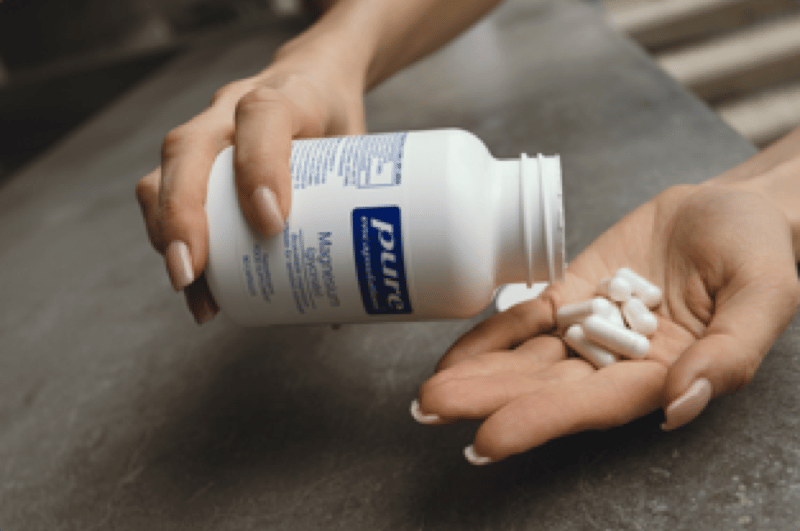
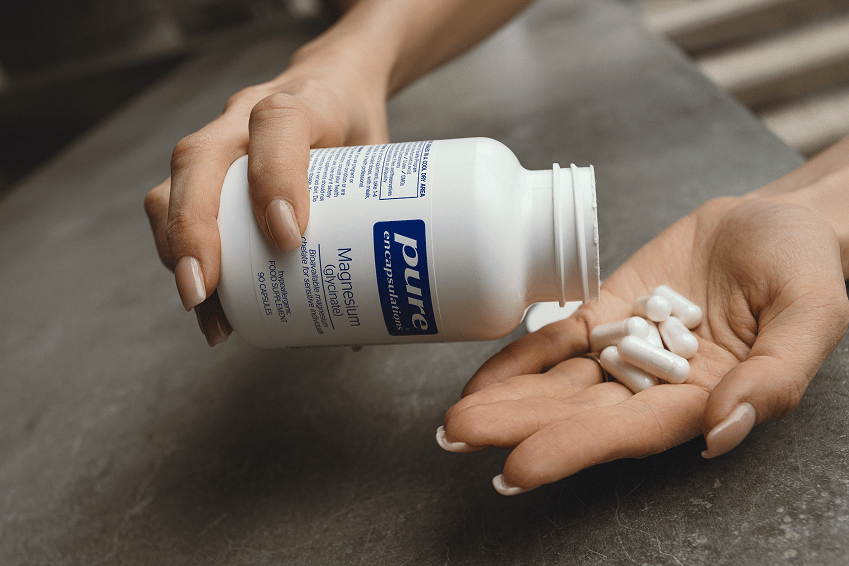
If you’ve had issues with magnesium before, glycinate is usually the safest place to start. Pure Encapsulations Magnesium Glycinate is bound to glycine, an amino acid with calming properties, and is widely known for being gentle on digestion while still absorbing well. That makes it a strong option if you want something simple that supports relaxation without causing discomfort. It’s also one of the most commonly recommended forms for sleep, particularly when stress or nervous system imbalance is involved.
Form of magnesium: glycinate (bisglycinate)
Best magnesium with added benefits
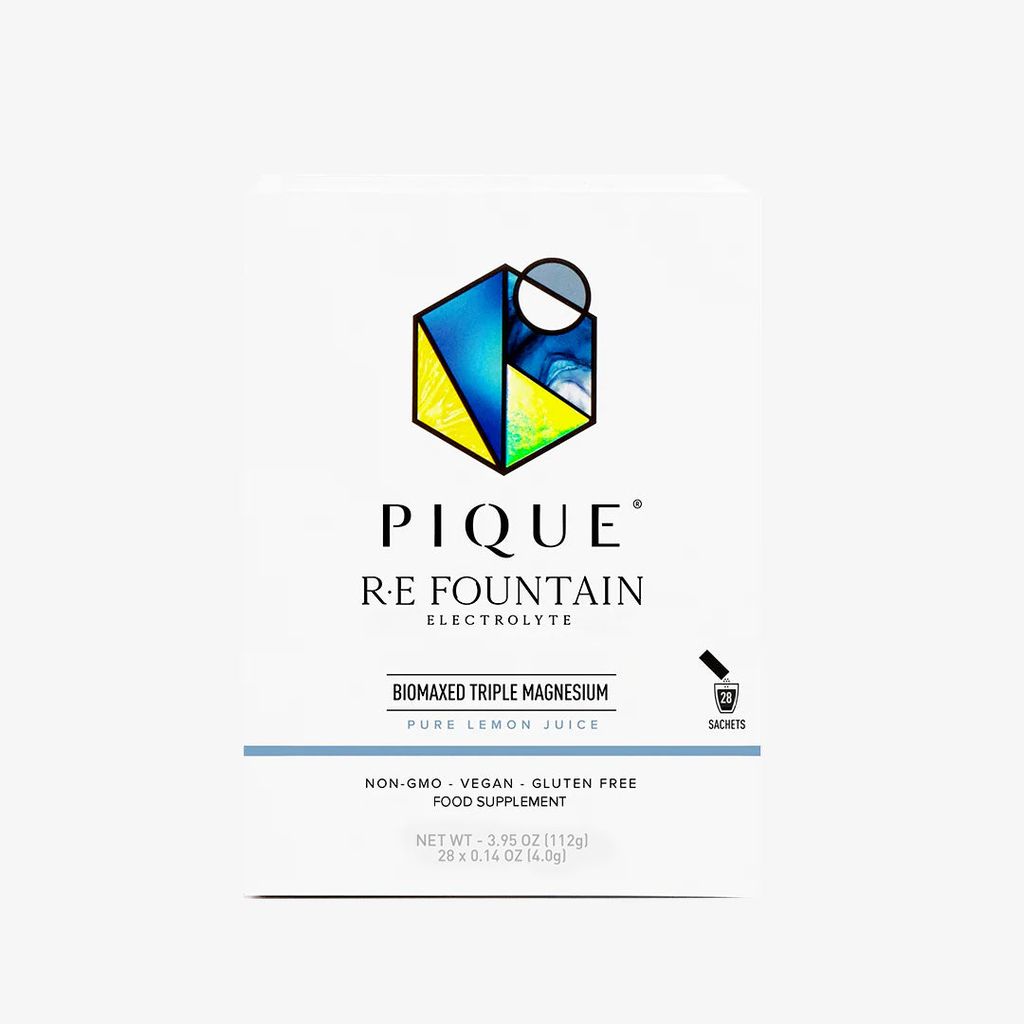
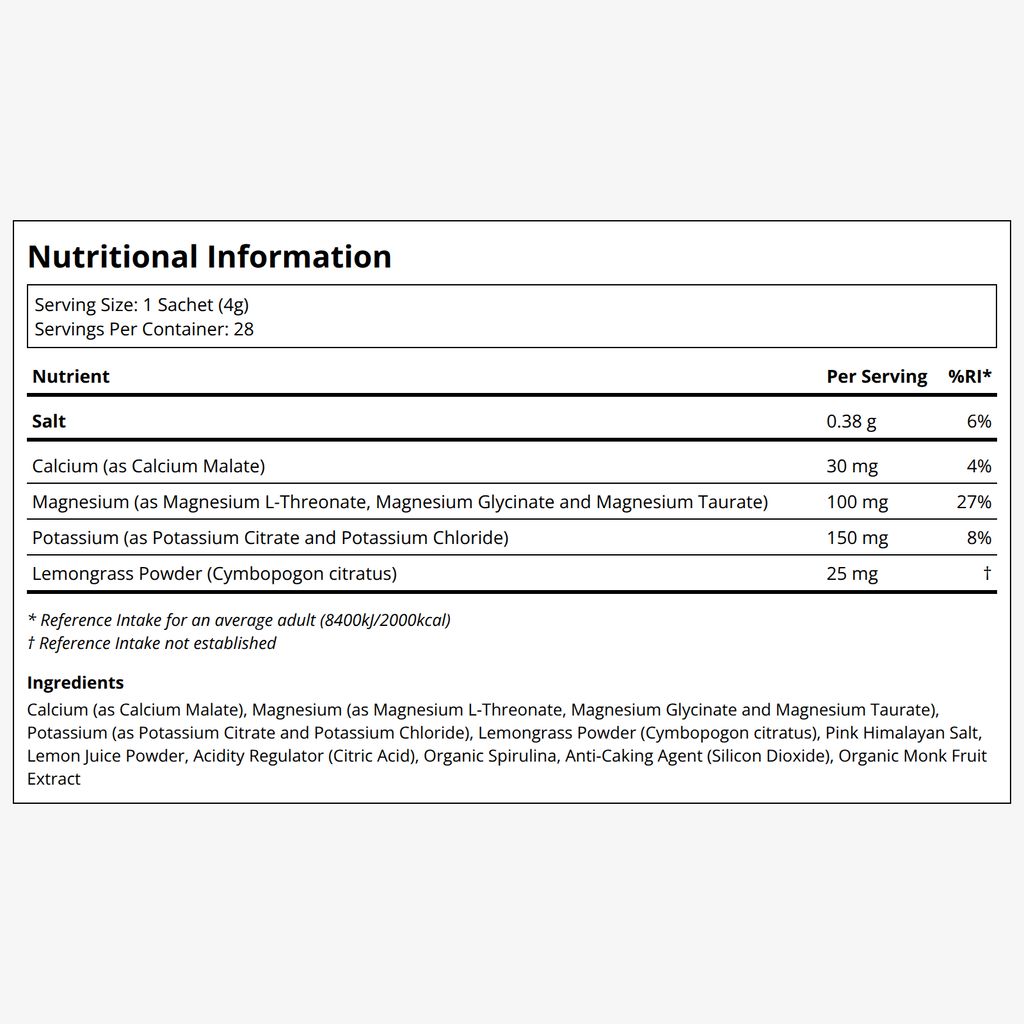
This goes beyond a standard magnesium supplement. Pique R•E Fountain Electrolyte combines glycinate, taurate and threonate with electrolytes like potassium and pink Himalayan salt, creating a broader mineral blend that supports hydration alongside relaxation. It works particularly well if sleep is affected by long days, stress or dehydration, where recovery is lagging. The powder format also makes it easy to integrate into an evening routine, offering a more functional, all-in-one approach to winding down.
Form of magnesium: L-threonate, glycinate, taurate
RE·Fountain
Best budget magnesium for sleep
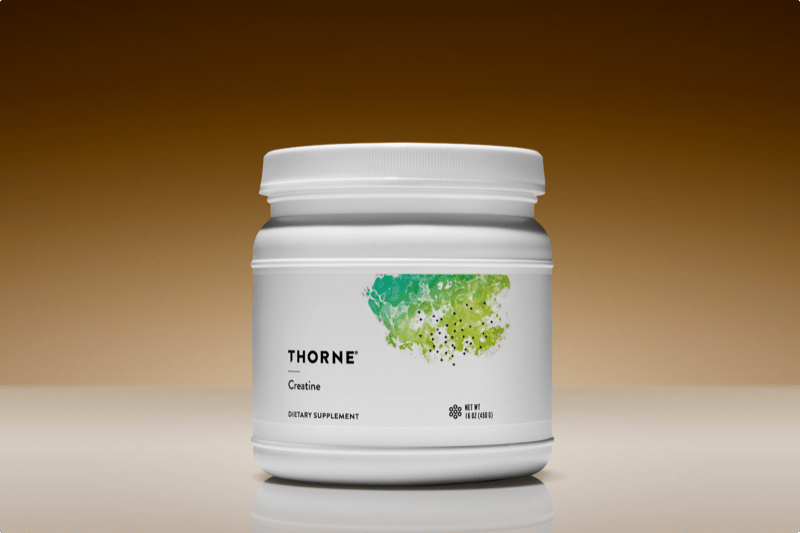
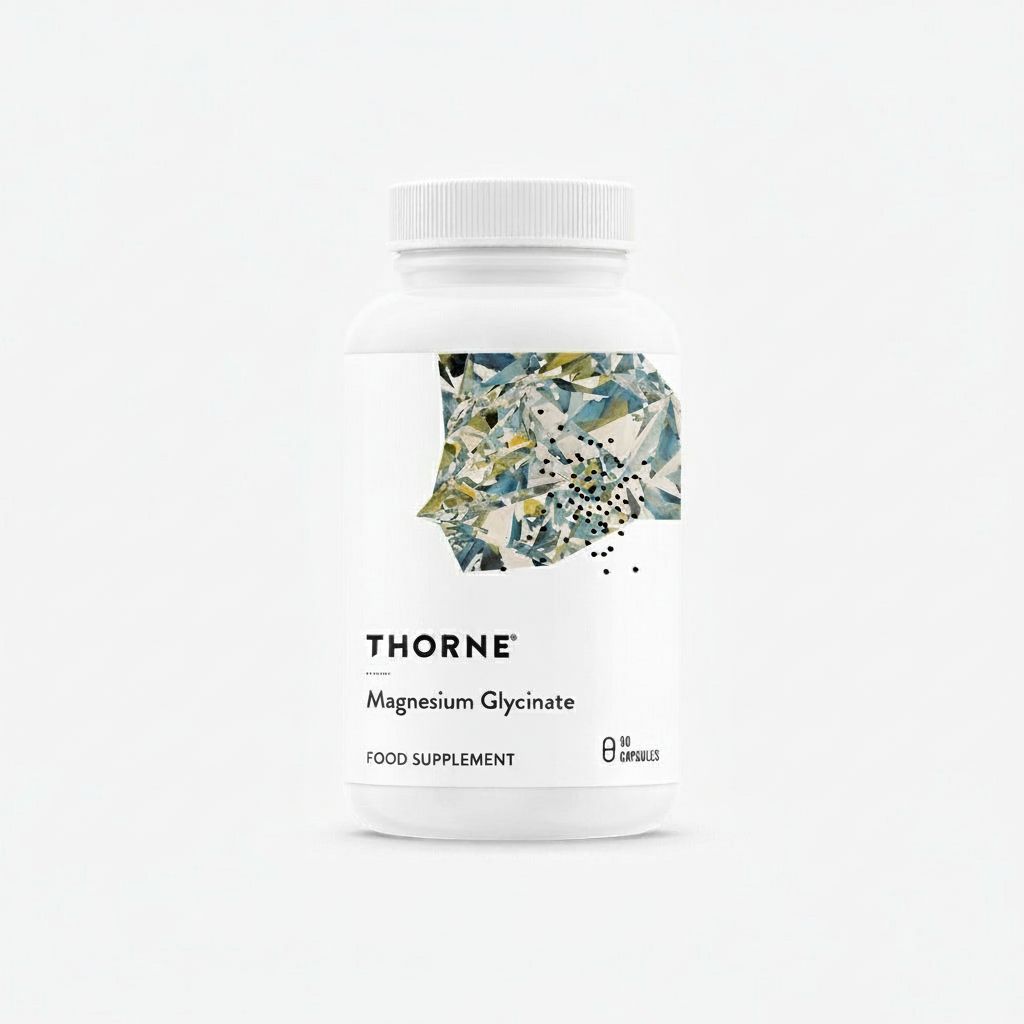
Magnesium doesn’t need to be complicated to work. Thorne Magnesium Glycinate keeps things simple with a highly absorbable form that’s well suited to relaxation and sleep. It’s easy to tolerate, consistent, and effective, which is what matters most when you’re taking it daily. If you’re looking for a reliable option that supports better sleep without overcomplicating things or increasing cost, this is a solid place to start.
Form of magnesium: glycinate
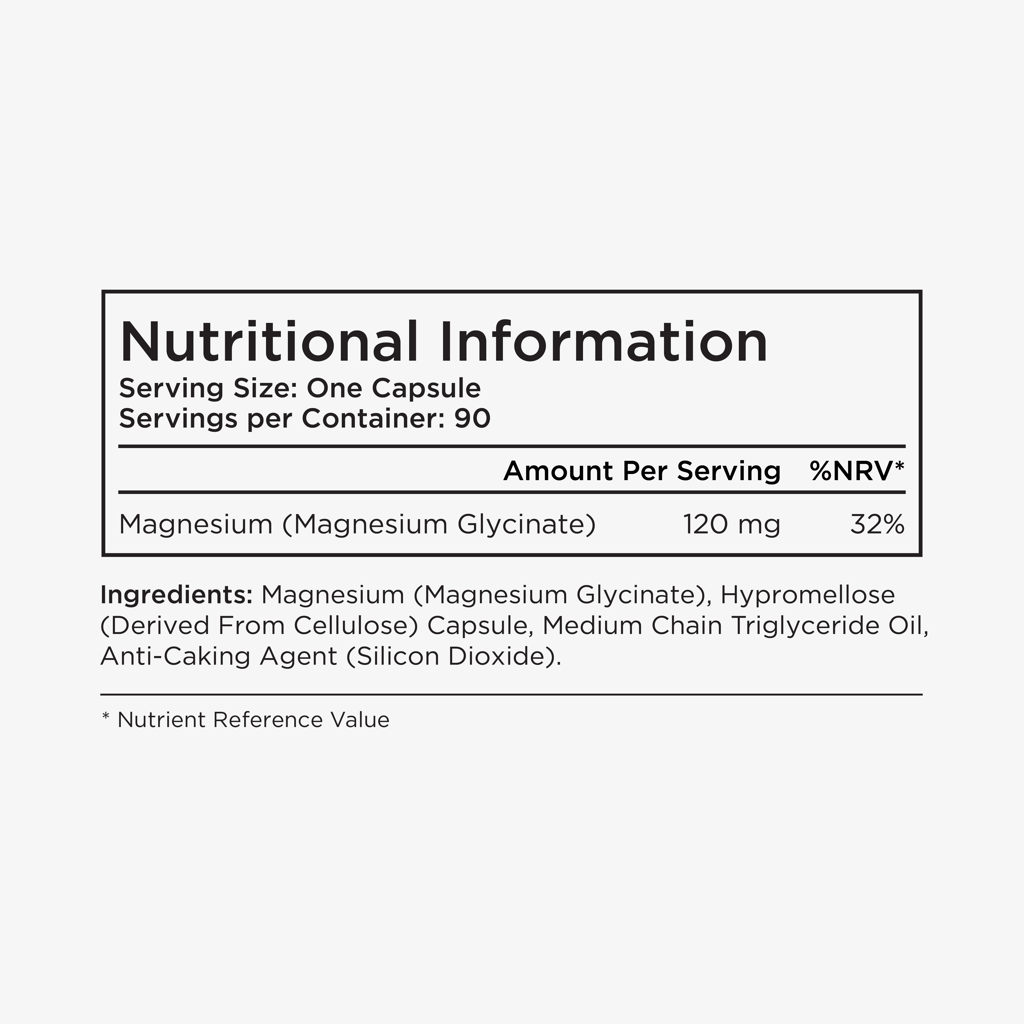
Best topical magnesium for sleep
If capsules aren’t for you, topical magnesium offers a different approach. Cymbiotika Magnesium Oil is applied directly to the skin, bypassing the digestive tract and working well as part of a physical wind-down routine. This formula uses magnesium chloride alongside calming botanicals like lavender, making it particularly well suited to evening use. It’s useful for easing muscle tension and creating a stronger signal to relax before bed without adding anything internally.
Form of magnesium: chloride
Best full-spectrum magnesium
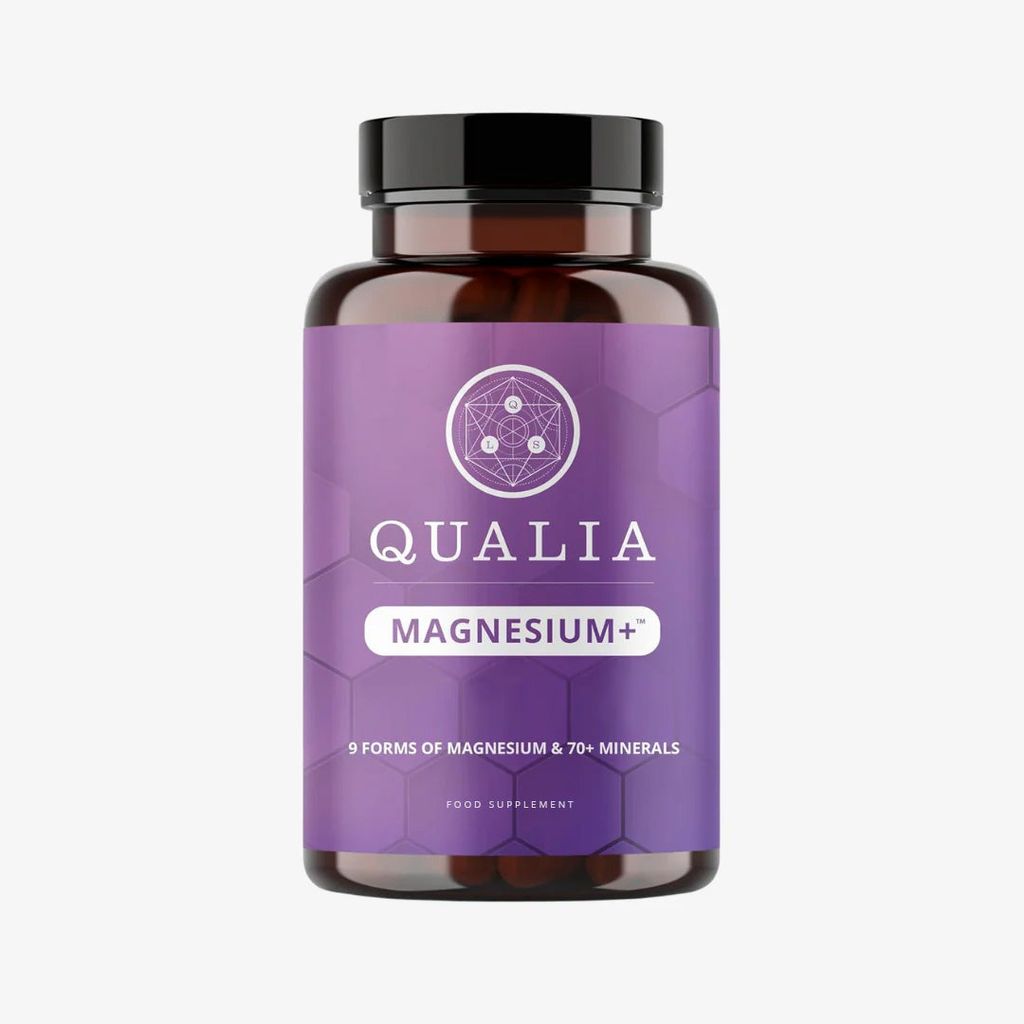
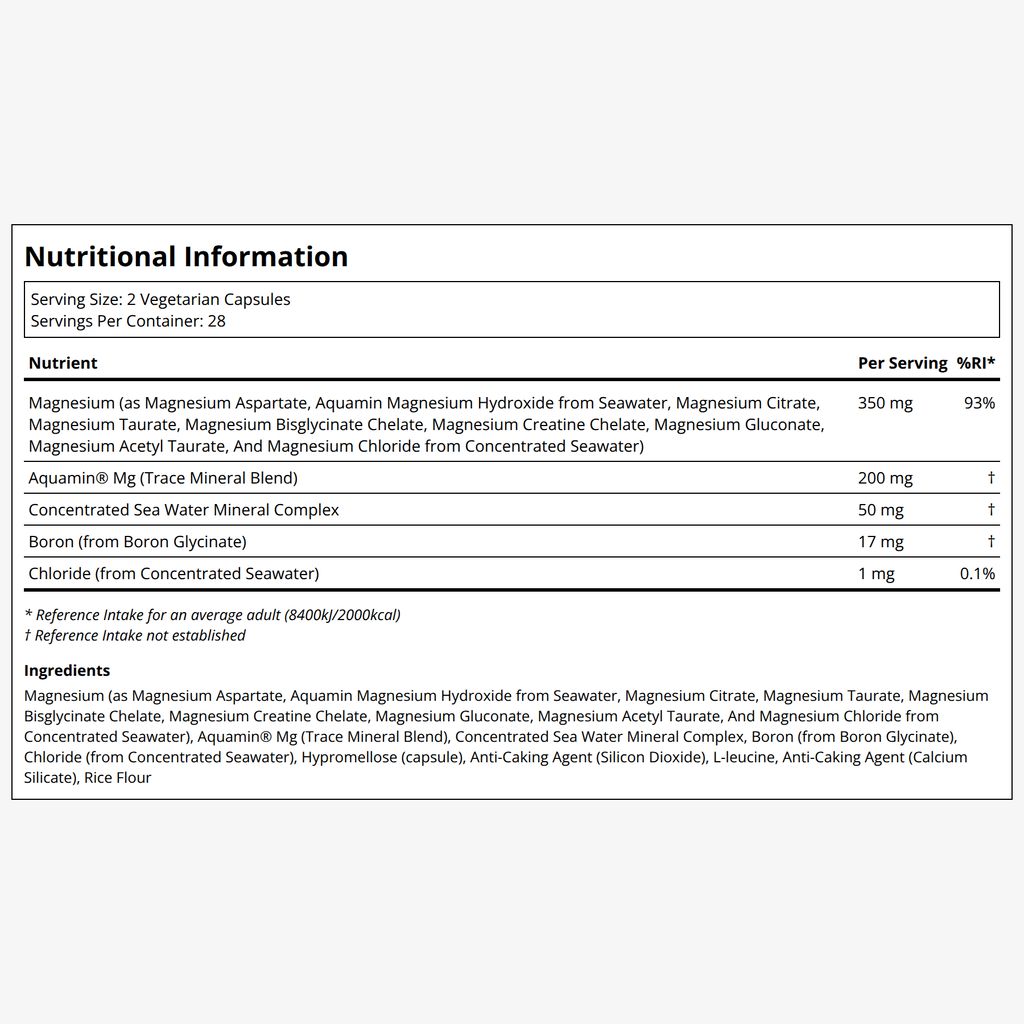
For broader coverage, Qualia Magnesium+ combines nine forms of magnesium with trace minerals, allowing it to work across multiple systems, from muscle recovery to stress regulation and sleep quality. It’s less about targeting one specific issue and more about helping bring more balance across different systems, which can be helpful if your sleep is affected by multiple factors. Consider this a comprehensive all-rounder for those looking to cover more ground with one supplement.
Form of magnesium: citrate, taurate, bisglycinate, chloride
Best liposomal magnesium
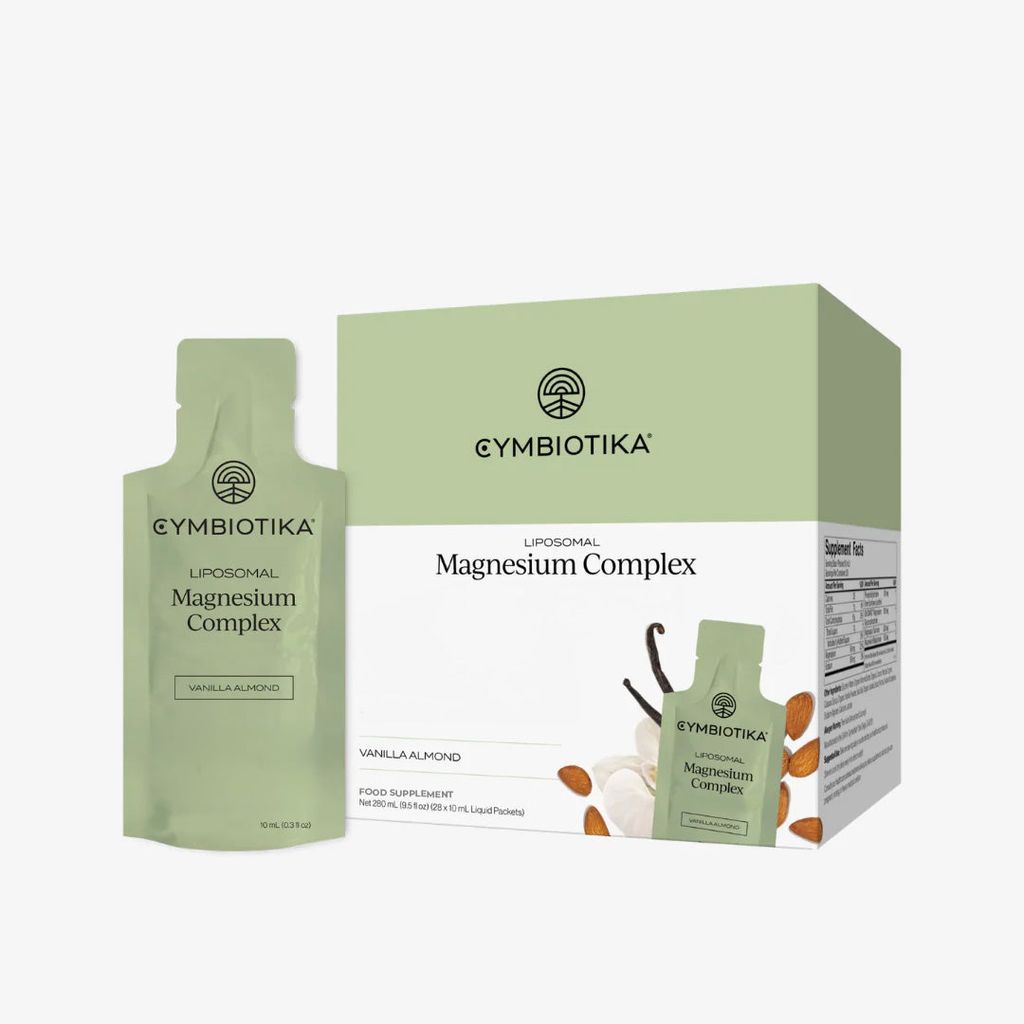
Absorption isn’t always guaranteed, which is where liposomal delivery comes in. Liposomal Magnesium Complex uses this format to protect magnesium through digestion, improving how much is actually absorbed. With forms like taurate and bisglycinate included, it’s a good one if you’ve tried magnesium before but haven’t noticed much difference. With a more advanced approach, this one focuses on how effectively magnesium is delivered and used.
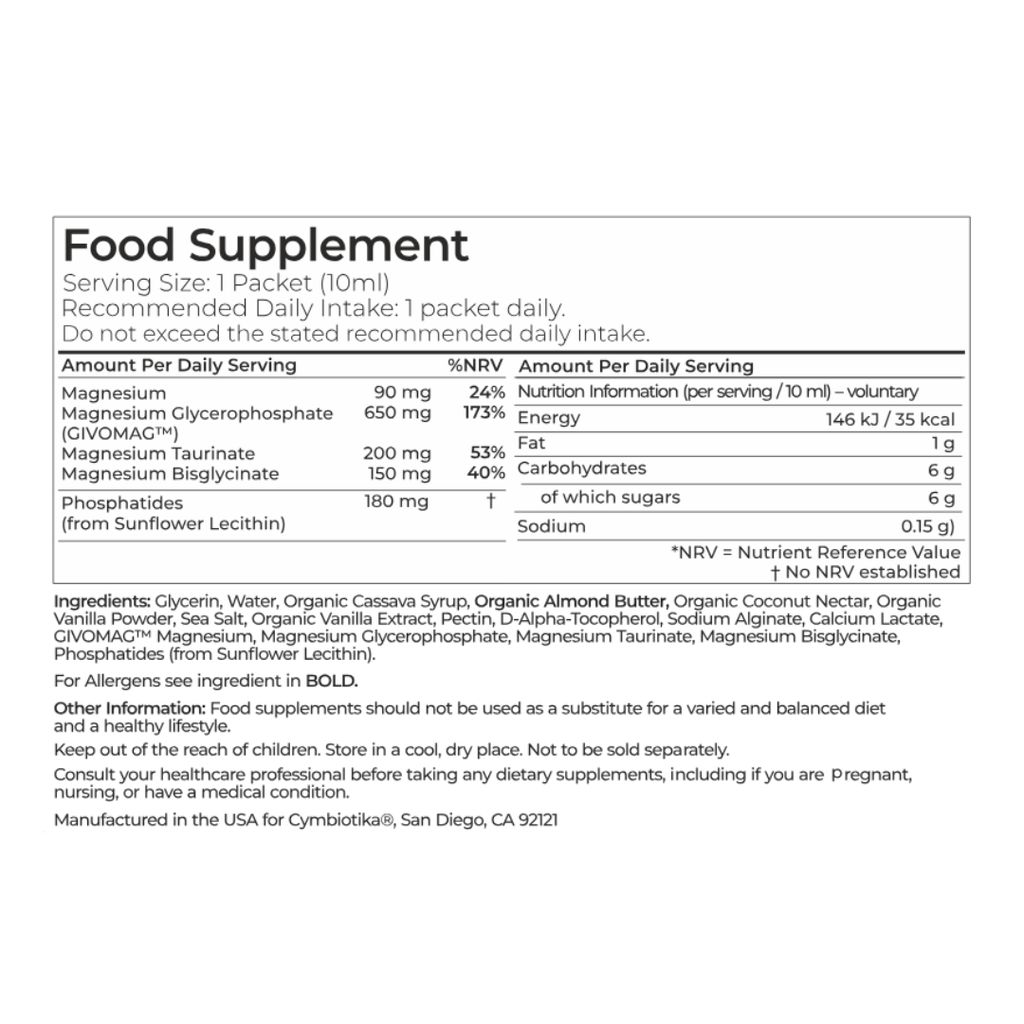
Form of magnesium: taurate, bisglycinate, glycerophosphate
Do you actually need magnesium for sleep?
Magnesium can be a smart addition to your supplement stack but, as nutritionist Jasmine Bliss, ANutr., explains, “it's not a blanket solution for everyone with poor sleep.” She notes it tends to be most useful in people with higher stress levels, muscle tension, or low magnesium intake. In those cases, it can help regulate the nervous system and improve relaxation. For others, the issue may lie elsewhere. “Sleep is multifactorial, meaning magnesium alone will not be enough,” she adds, pointing to other key drivers like caffeine intake, blood sugar balance, and circadian rhythm disruption.
What is the best form of magnesium for sleep?
Form matters more than you may expect. “I commonly recommend magnesium glycinate,” says Bliss. “It’s well absorbed and bound to glycine, an amino acid that has calming properties.” Other forms serve different purposes. Citrate is often used for digestion, while threonate is associated with cognitive support. When comparing magnesium glycinate versus citrate for sleep, glycinate is typically the better choice for relaxation.
How to choose the best magnesium supplement
If you’re searching for the best magnesium supplement for sleep, the key is choosing a form that aligns with relaxation rather than digestion or general use. Look for well-absorbed options like magnesium glycinate or bisglycinate, which are better suited to relaxation and sleep. Then turn your attention to dosage. The recommended magnesium dosage for sleep is typically around 200–400mg of elemental magnesium.
Beyond that, keep things simple. Short ingredient lists, transparent sourcing and a well-balanced formulation are usually the clearest signs of quality.
When should you take magnesium for sleep?
Timing can help, but consistency matters more. “Typically, it’s best taken in the evening, around one to two hours before bed,” says Bliss. That allows it to become part of a wind-down routine. Some people prefer splitting doses across the day, depending on tolerance. The key is finding what works for you and sticking with it.
Your most asked questions about magnesium for sleep
What is the best magnesium for sleep in the UK?
Magnesium glycinate is widely considered one of the best forms for sleep due to its calming properties and absorption. Other options like threonate or multi-form blends can also be effective depending on your needs.
Does magnesium help you sleep better?
It can support sleep by helping regulate the nervous system and promote relaxation, particularly if you have low magnesium levels.
Which magnesium is best for anxiety and sleep?
Glycinate and L-threonate are commonly used for both sleep and stress, as they support relaxation and cognitive balance.
How long does magnesium take to work?
Some people notice changes within a few days, but consistent use over a few weeks is usually needed for noticeable improvements.
What are signs of magnesium deficiency?
Common signs include muscle cramps, fatigue, poor sleep, irritability and difficulty relaxing.
Is magnesium glycinate better than citrate for sleep?
Yes, glycinate is typically preferred for sleep as it promotes relaxation, while citrate is more commonly used for digestion.
Can you take magnesium every night?
Yes, magnesium can be taken daily within recommended doses in the UK. Consistency really is key for sleep-related benefits.


This article is for informational purposes only, even if and regardless of whether it features the advice of physicians and medical practitioners. This article is not, nor is it intended to be, a substitute for professional medical advice, diagnosis, or treatment and should never be relied upon for specific medical advice. The views expressed in this article are the views of the expert and do not necessarily represent the views of Healf
Samantha Nice is a seasoned wellness writer with over a decade of experience crafting content for a diverse range of global brands. A passionate advocate for holistic wellbeing, she brings a particular focus to supplements, women’s health, strength training, and running. Samantha is a proud member of the Healf editorial team, where she merges her love for storytelling with industry insights and science-backed evidence.
An avid WHOOP wearer, keen runner (with a sub 1:30 half marathon) hot yoga enthusiast and regular gym goer, Samantha lives and breathes the wellness lifestyle she writes about. With a solid black book of trusted contacts (including some of the industry’s leading experts) she’s committed to creating accessible, well-informed content that empowers and inspires Healf readers.