




































The Vitamin D Sources You Need To Know About
Written by: Olivia Aurora
Written on: 12 March 2024
Vitamin D also known as the sunshine vitamin has a crucial role in a multitude of bodily functions that range from bone health to immune function and mood balance. With the absence of sunshine currently in the UK, we're diving into how you can optimise your Sunlight Vitamin status.
Vitamin D is actually a hormone not a Vitamin as the name suggests. It has mainly two crucial forms-Vitamin D2 (from plant sources) and Vitamin D3 which is what your body synthesizes as a response to sunlight and can also be found in animal sources like egg yolks and fatty fish.
Am I deficient in Vitamin D?
Low vitamin D levels and a lack of calcium and phosphorus absorption can cause bone pain, bone fractures, muscle pain, and muscle weakness. Low vitamin D levels in older adults (less than one ng/mL) are linked to increased risk of bone fractures in severe cases. It's also important to keep a note and look out for further signs of deficiency that we may sometimes not associate with absence of sunlight such as
Bone pain and muscle weakness
Mood swings and depression
Hair loss
Impaired wound healing
Fatigue and weakness
Recurrent infections
Hormonal Fluctuations
Compromised or weakened immune function
Sources of Vitamin D
1. Sunlight - When UVB rays hit the skin the body in turn is triggered to synthesis Vitamin D3
2. Nutrients - Certain foods contain Vitamin D or are added to them. Fatty fish like Salmon, Tuna, Mackerel as well as egg yolks and fortified dairy products are all good sources.
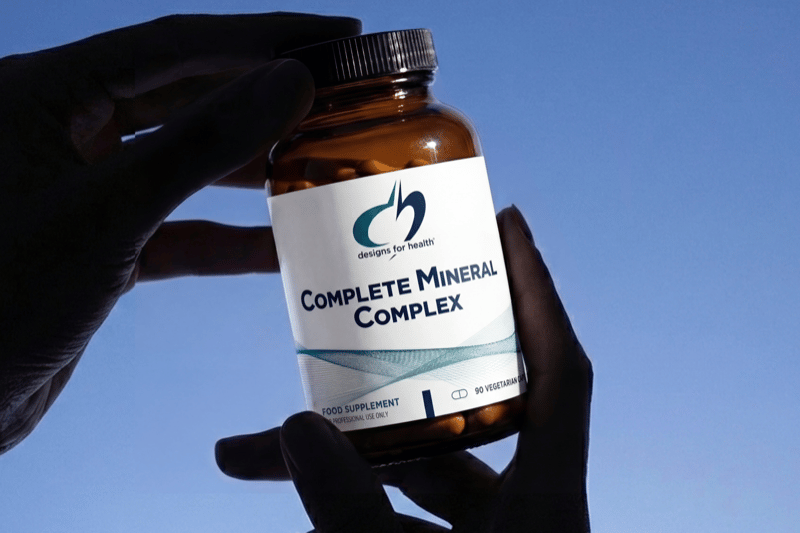
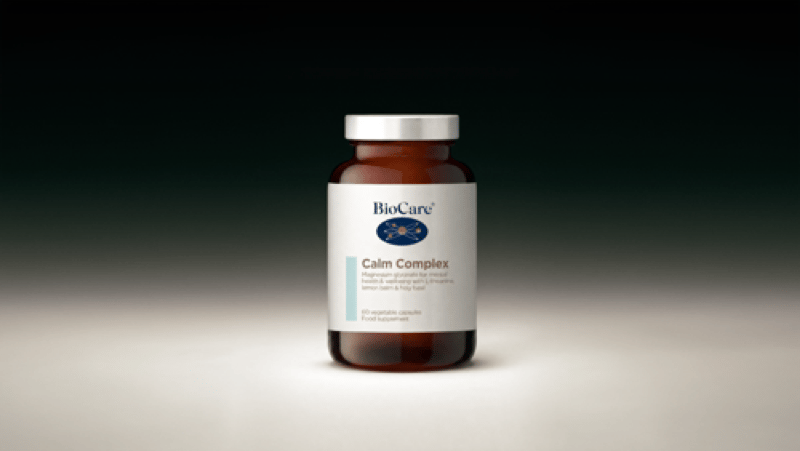
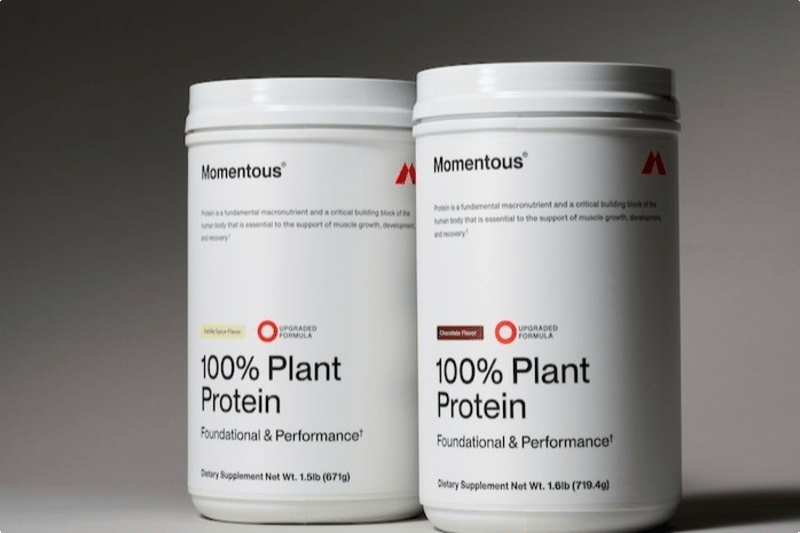
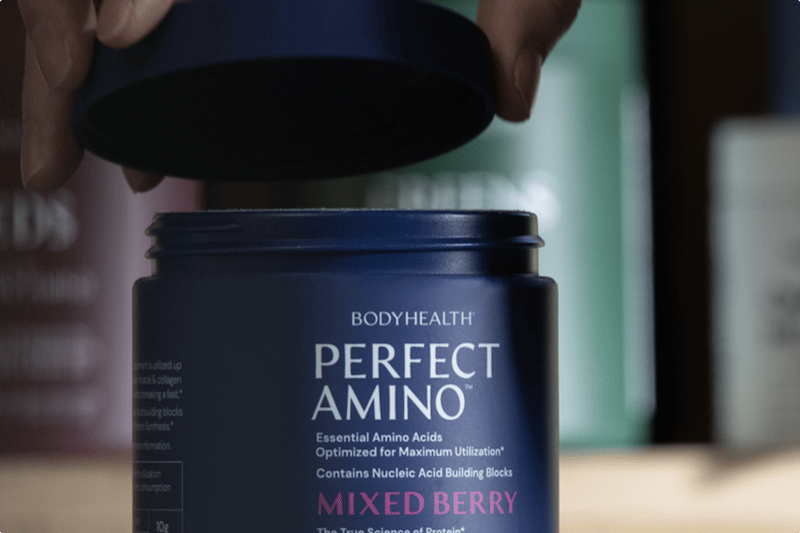
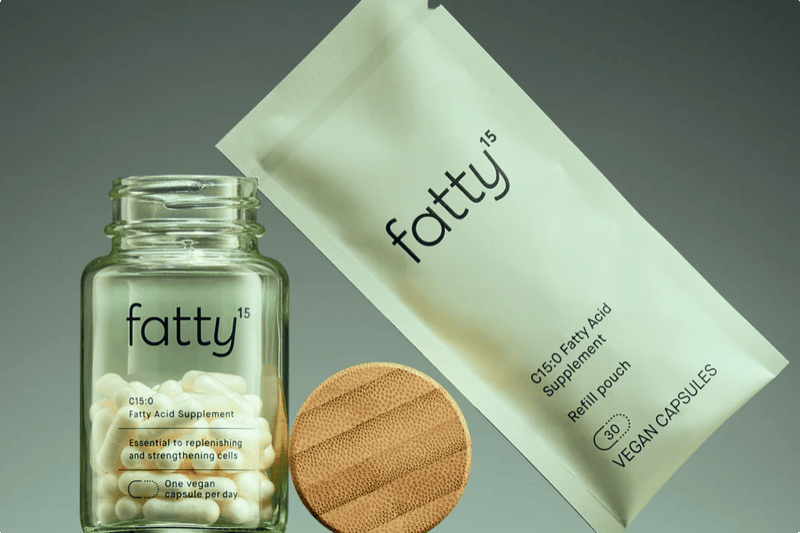
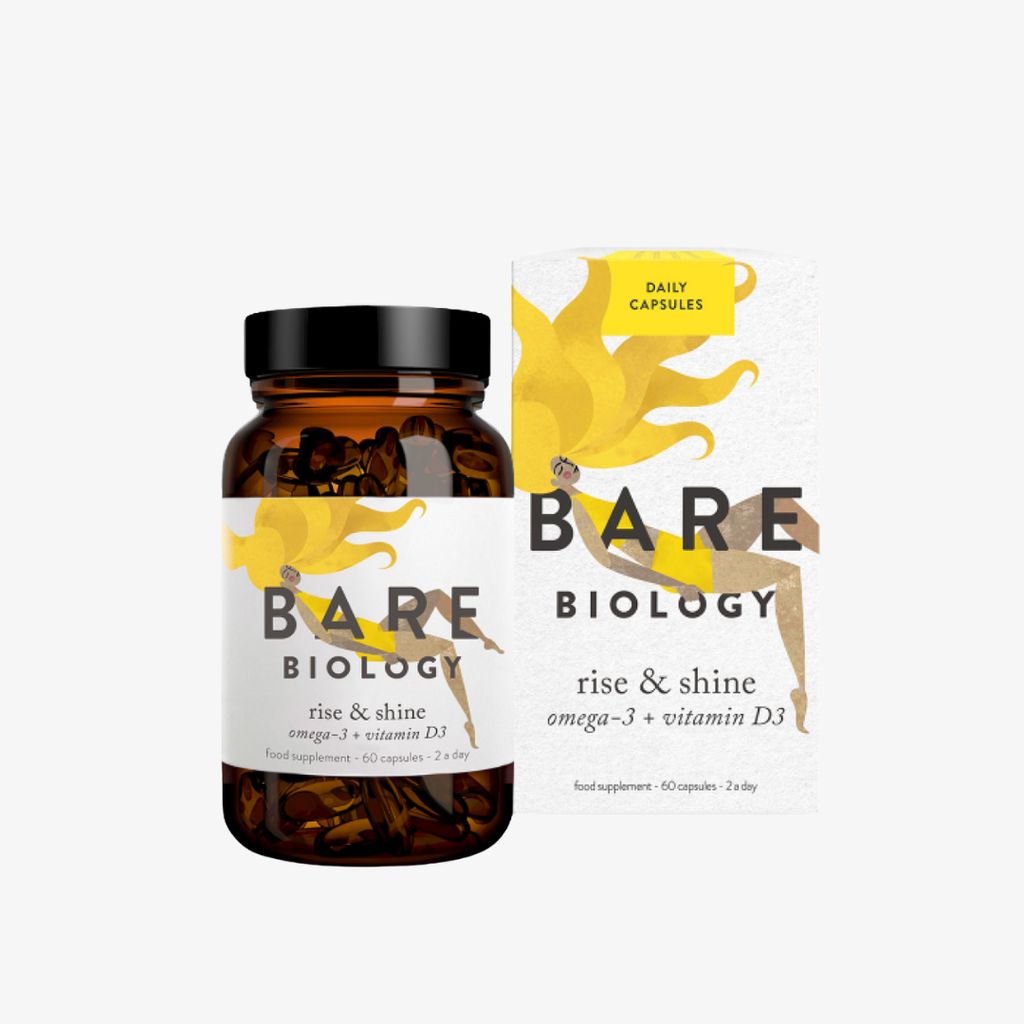
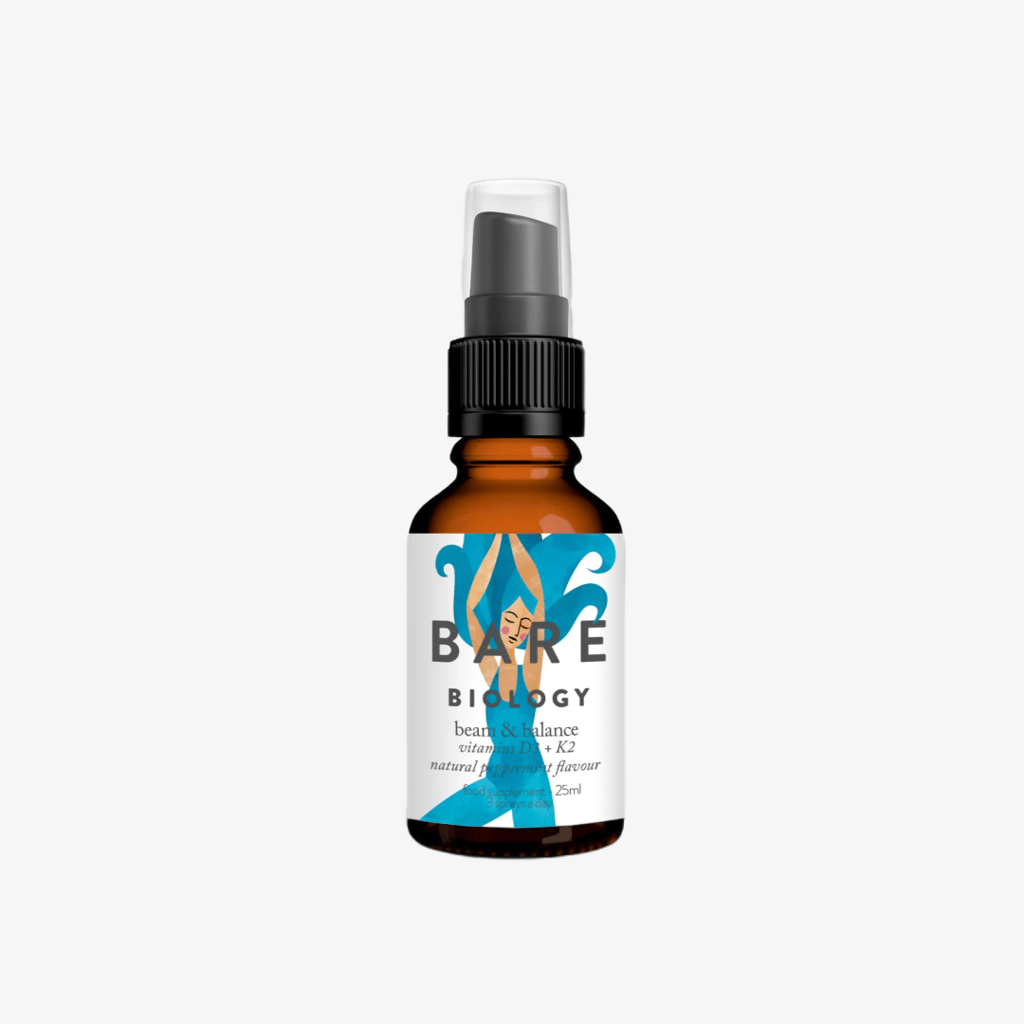
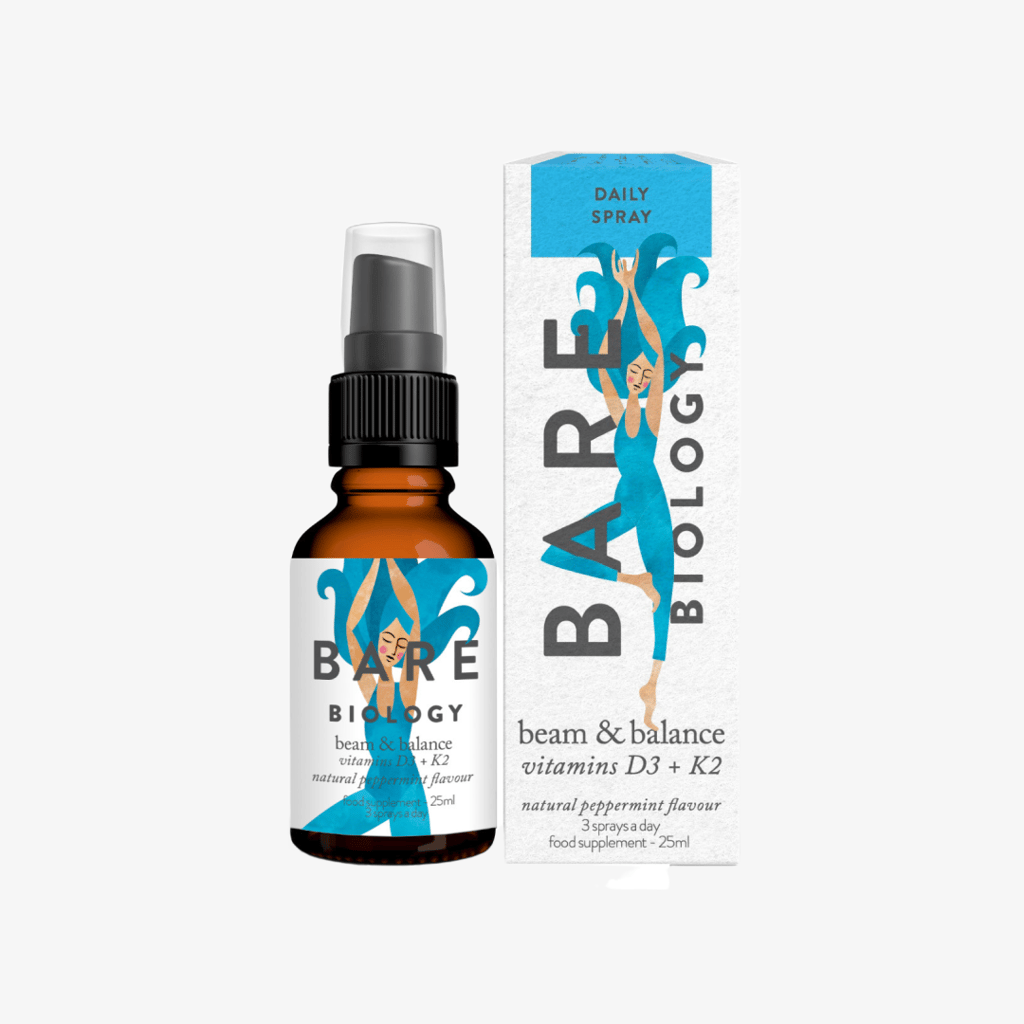
3. Supplementation - Many brands now offer good options for Vitamin D if one is deficient.
Bone Health: The main function of Vitamin D is to help the body absorb calcium and phosphorus which are key to bone formation and strength.
Immune Function: Vitamin D is essential to lower inflammation and fight off infections.
Mood Regulation: Vitamin D has been shown to majorly influence ones mood. Disorders such as depression and SAD (seasonal affective disorder) can be alleviated.
Heart Health: Vitamin D has been shown to regulate blood pressure thus reducing inflammation and protecting against Cardiovascular disease.
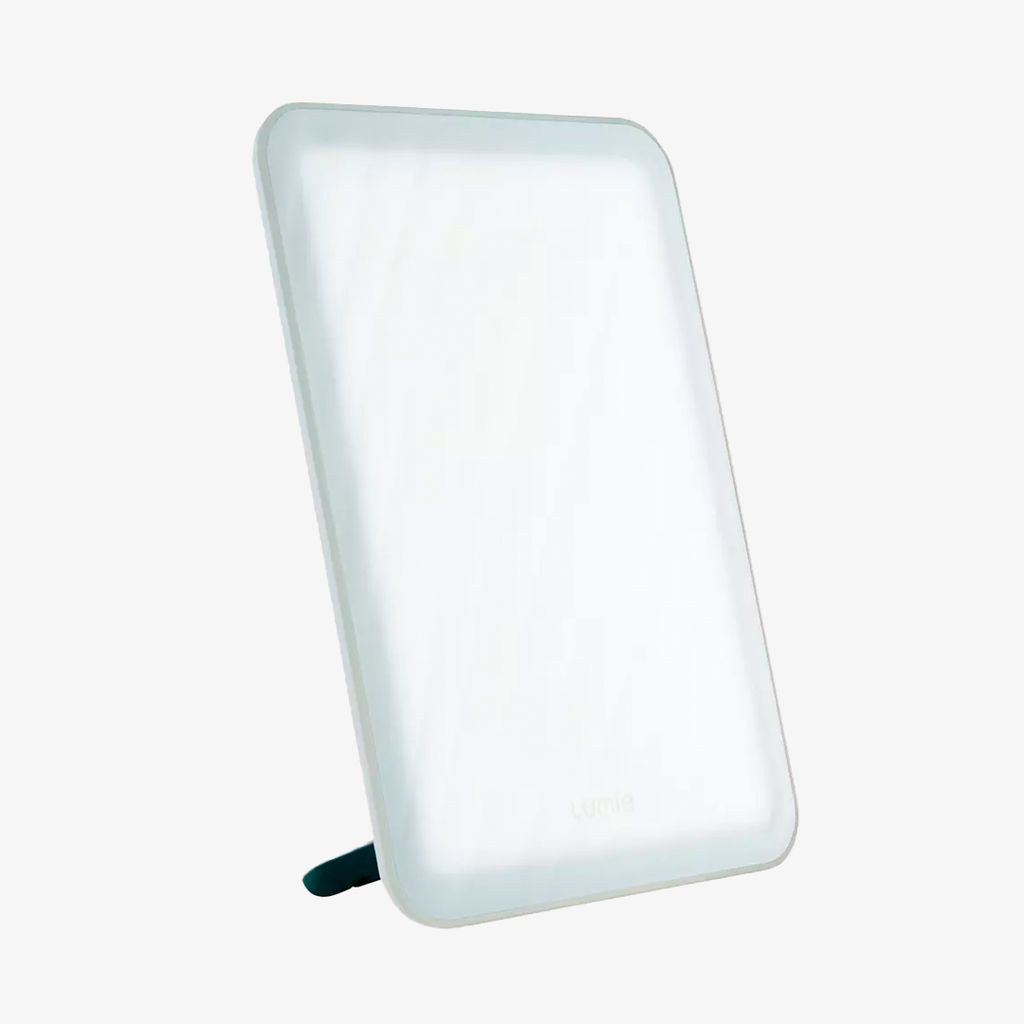
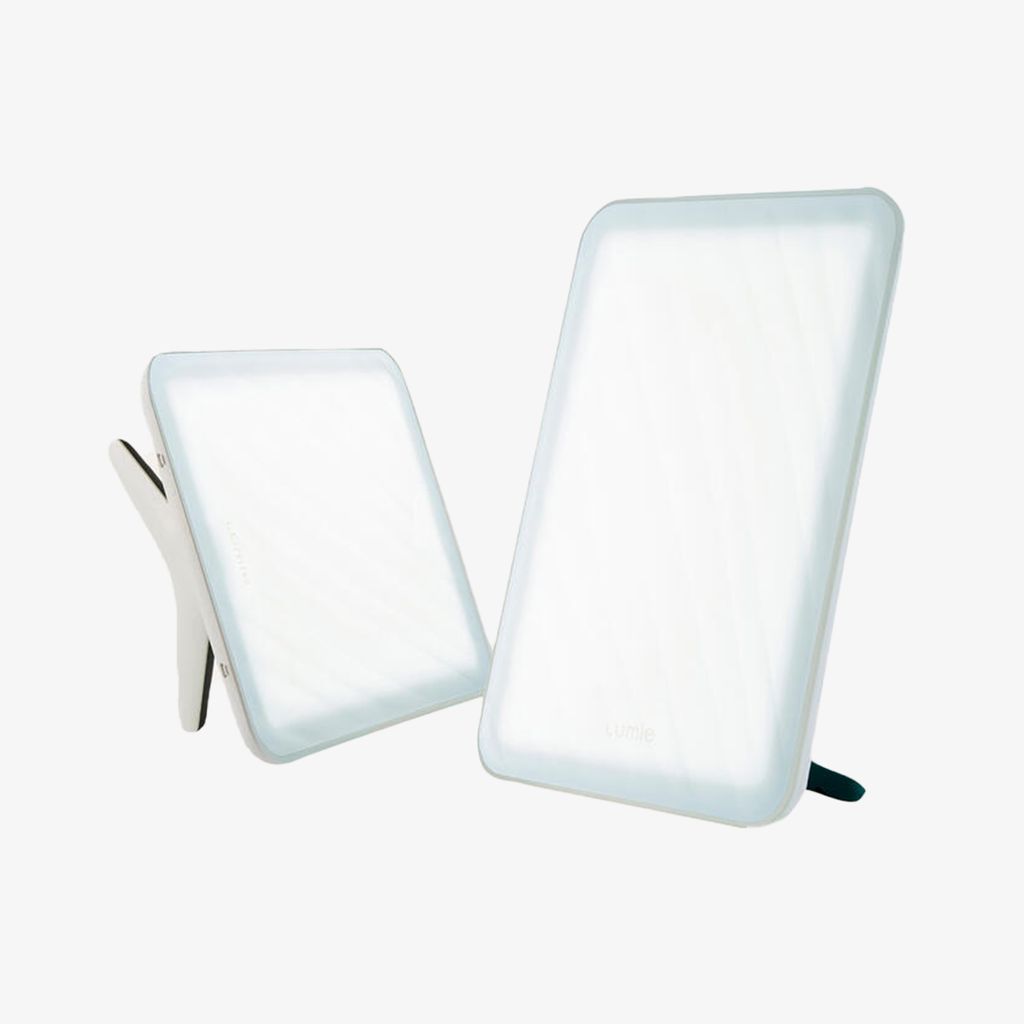
The Lumie Vitamin L SAD light is a portable and versatile light therapy device that delivers mood-enhancing light, effectively addressing Seasonal Affective Disorder and winter blues symptoms. It boosts mood, energy, and concentration.
How to increase your Vitamin D:
There are simple, actionable tips that you can do to gradually increase your intake of Vitamin D.
Sun exposure even if for just 10-30 minutes on your face, arms, back, or legs without sunscreen a couple times a week ideally during the midday sun as the UVB rays are at their strongest being mindful not to overexpose yourself to avoid skin damage.
Incorporate more Vitamin D rich foods into your diet such as fatty fish such as salmon, mackerel and tuna, cod liver oil, egg yolks and dairy products like milk, orange juice, cereals and yogurt. There are also some Plant based sources that are enriched with Vitamin D like milk alternatives, Organic Tofu can all contribute to your intake.
Supplementation - if you have been diagnosed with a Vitamin D deficiency and cannot meet your Vitamin D needs through sunlight and diet alone and are not regularly exposed to the sun, supplementation is a great option.
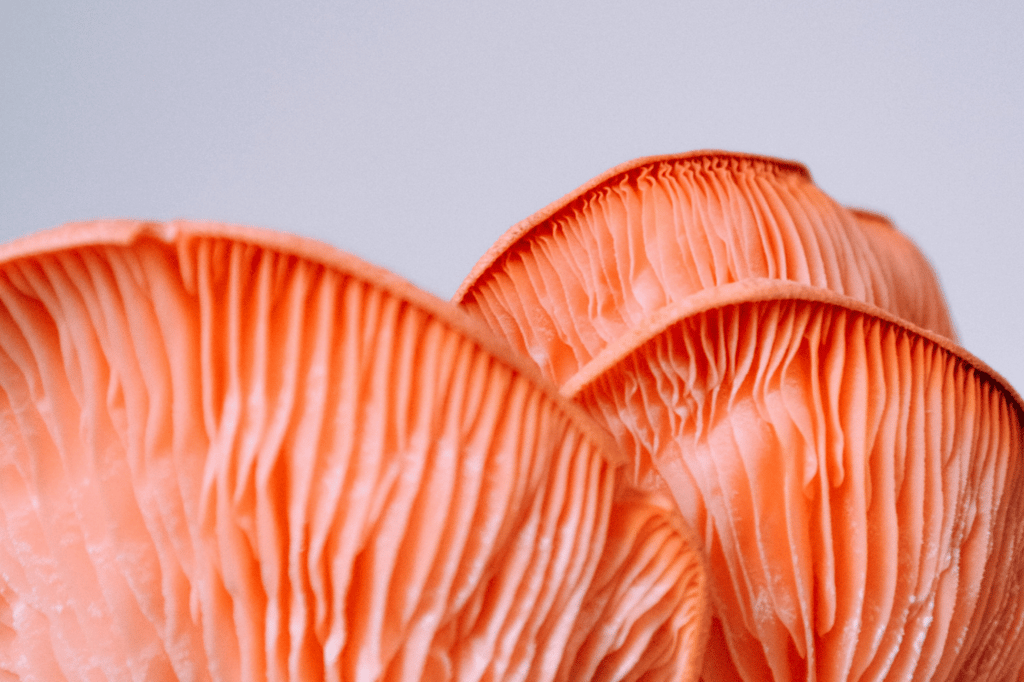
Mushrooms - Certain Mushrooms like Maitake and Shiitake contain Vitamin D as they absorb a good amount of UV light when exposed to sunlight during growth. Including them in your diet can help provide an additional source of Vitamin D.
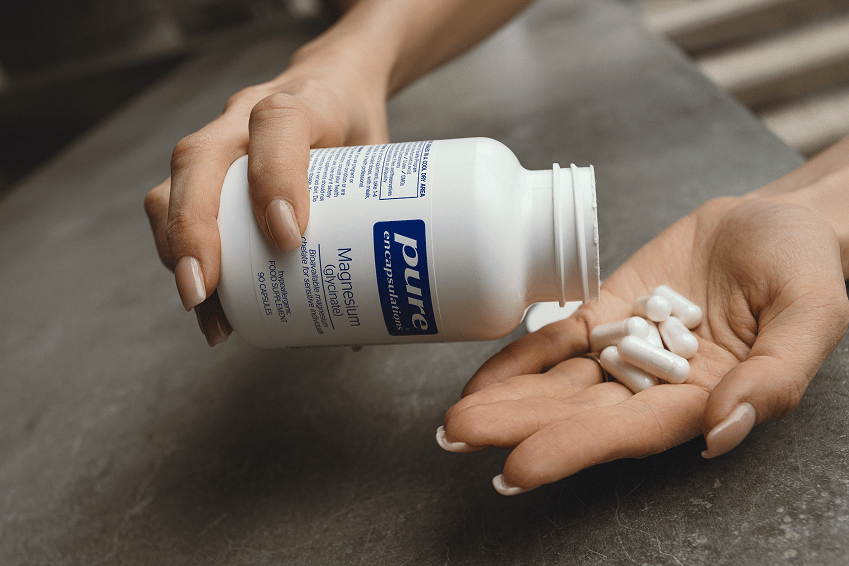
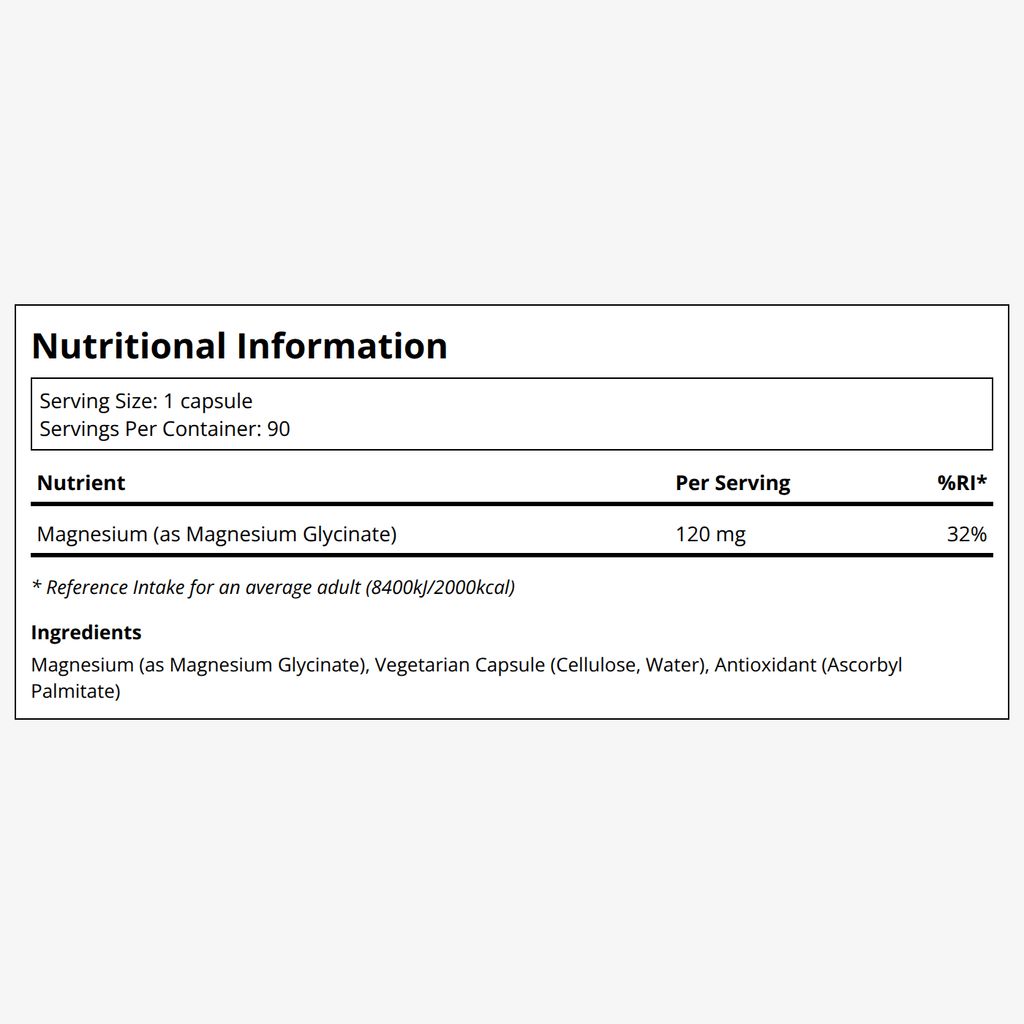
Pair Vitamin D with Magnesium: Magnesium is a key element to activate Vitamin D in the body. Magnesium rich foods like nuts and seeds, whole grains and leafy greens can enhance its absorption and the way our body utilises it.\
Maintain a Healthy Weight - Vitamin D is fat-soluble which means it's stored in our fat tissues. Individuals with higher percentages of body fat may have lower circulating levels of Vitamin D. Maintaining a healthy weight through balanced nutrition and regular physical activity can help support optimal levels.

Vitamin D is an essential nutrient needed to perform vital bodily functions and well-being. It is therefore important to incorporate it into one's diet through sunlight exposure, dietary intake or supplementation when necessary in order to reach the optimal levels needed for good overall health.
This article is for informational purposes only, even if and regardless of whether it features the advice of physicians and medical practitioners. This article is not, nor is it intended to be, a substitute for professional medical advice, diagnosis, or treatment and should never be relied upon for specific medical advice. The views expressed in this article are the views of the expert and do not necessarily represent the views of Healf