








_2026-10-13_14-11-48.png)


Do These 10 TikTok Sleep Hacks Actually Work?
From sleep trackers to grounding sheets, discover 10 trending sleep hacks shaking up TikTok, and find out which ones genuinely support better sleep, and which are perhaps best left behind.
Written by: Pippa Thackeray
Written on: 30 June 2025
“Sleep is for the weak" is becoming an outdated concept. Perhaps the grind has finally worn us all down because nowadays, good sleep is being pursued with increasing seriousness. Therefore, TikTok's latest obsession with sleep trends really is no surprise. Ranging from the bizarre to the extreme, from mouth taping to mocktails and sleep divorces to smart rings, this article explores whether these viral techniques are actually effective or just another digital distraction taking up our screens.
Sleep trackers: help or a hindrance?
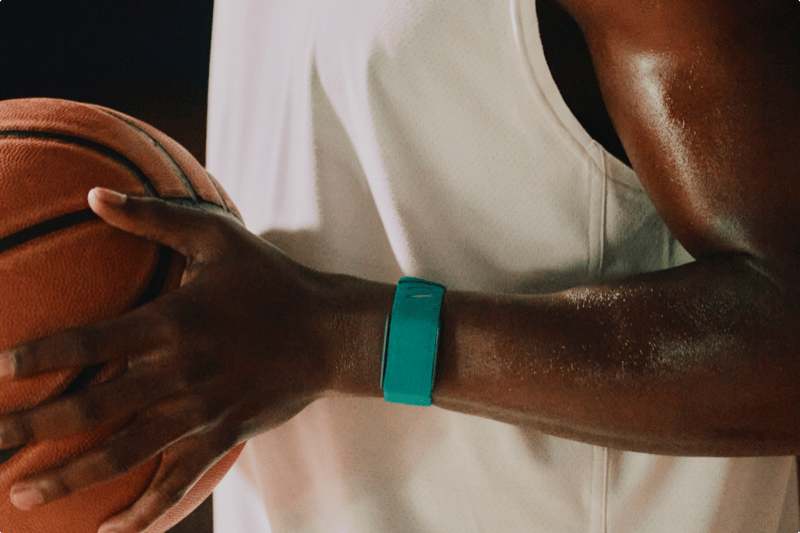
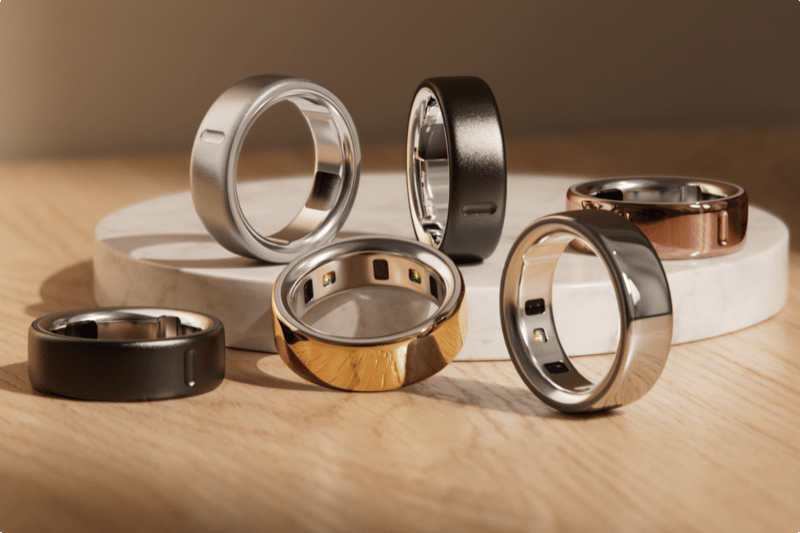
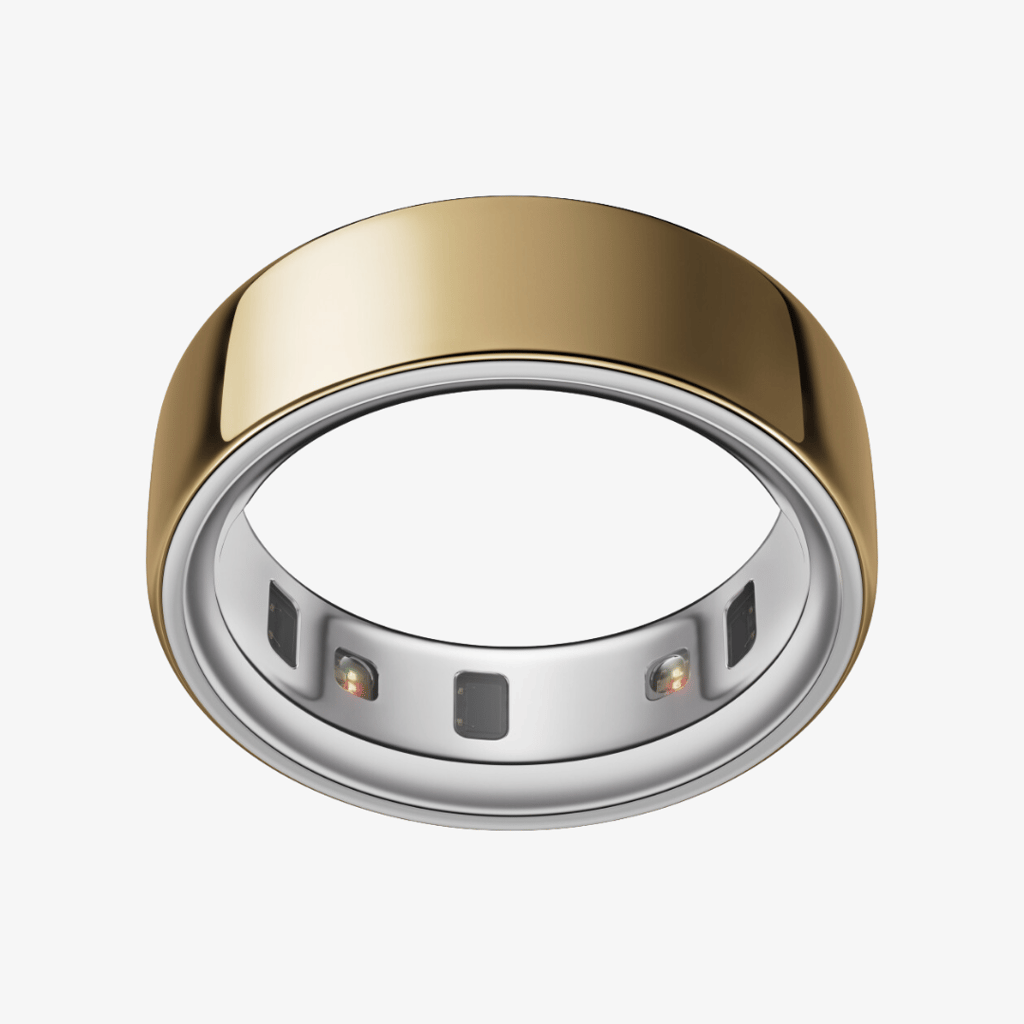
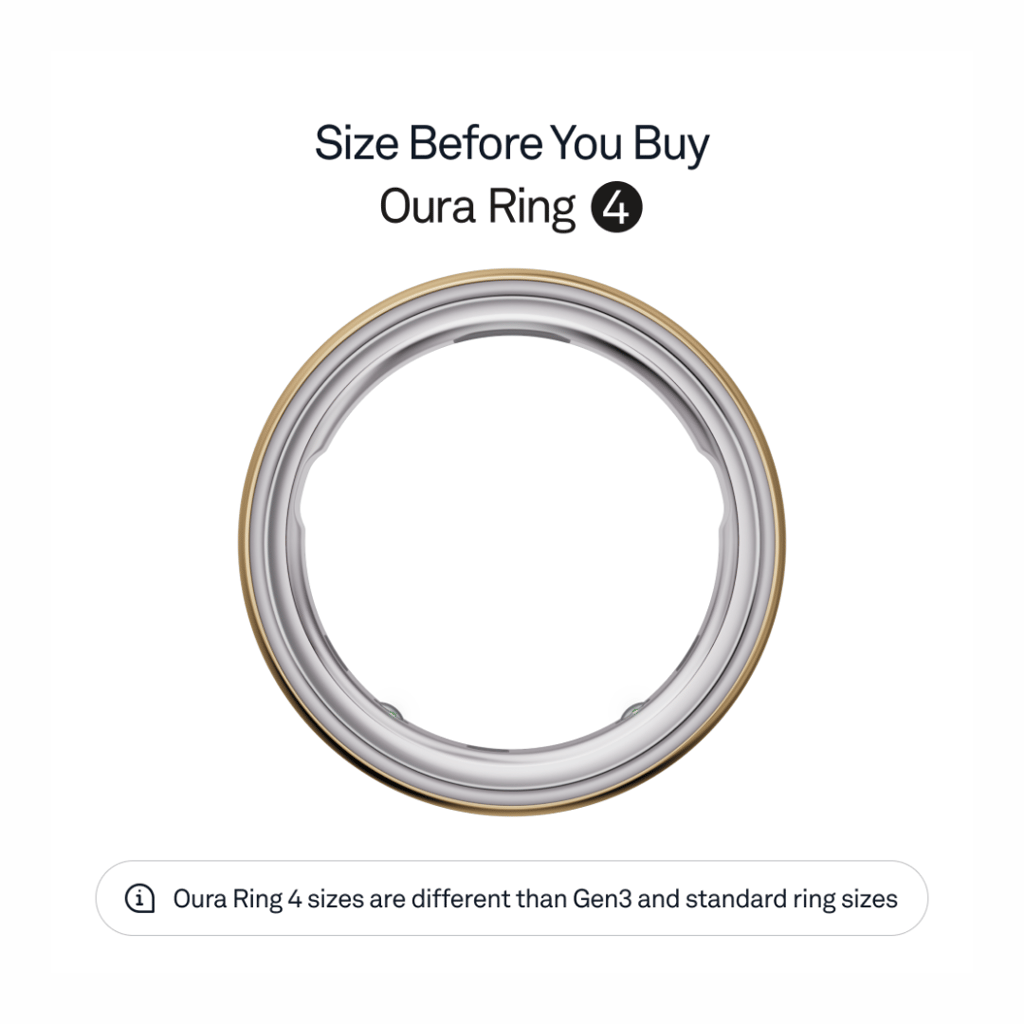
Sleep tracking gadgets like the Oura Ring claim to give you deeper insight into your rest by tracking readings such as heart rate, body temperature, and movement. By using them, you can spot patterns, like how alcohol or late-night scrolling can potentially ruin your deep sleep. For those chasing performance goals, this data can be extremely useful.
On the contrary, obsessing over the numbers could easily backfire. There's a term given to this: orthosomnia. It’s defined as a point where you become so anxious about getting a "perfect" sleep score that it actually keeps you from getting a good rest. The trick is to use trackers purely as guides, not taskmasters (nobody’s perfect).
If you're new to sleep tech, try the WHOOP Peak 5.0 for full-body recovery stats or the Ultrahuman Ring AIR with a minimalist design that tracks your sleep, movement and metabolism in sync.
White noise and sleep sounds
White noise machines aren't new, but they're getting a revival thanks to the rise of Sleepmaxxing.
Noise for sleep is built on the idea that the sounds will mask environmental noise to help you fall asleep faster. Pink noise is getting attention for being a softer, less mechanical hum than white noise (think rainfall through rustling leaves). For some, it proves a good option to improve deep sleep, and even memory consolidation.
That said, sleep sounds are deeply personal, so for those who find other options a bit grating, brown noise offers a more grounding, lower-frequency experience, with all the same purported benefits.
If you live in a city (or sleep next to a snoring partner), these sounds can help you. However, it is recommended that you avoid using them at full volume or all night long, as they could end up waking you up again. It’s good advice to set a timer to stop the sound playing after 90 minutes.
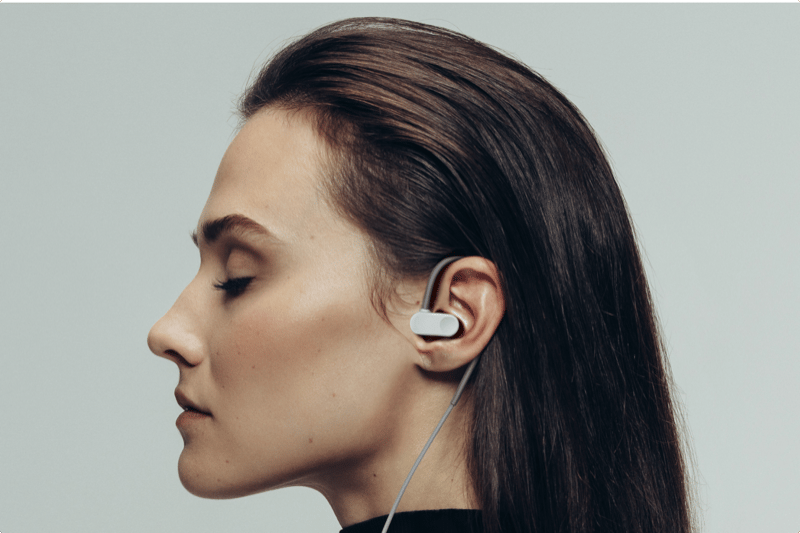
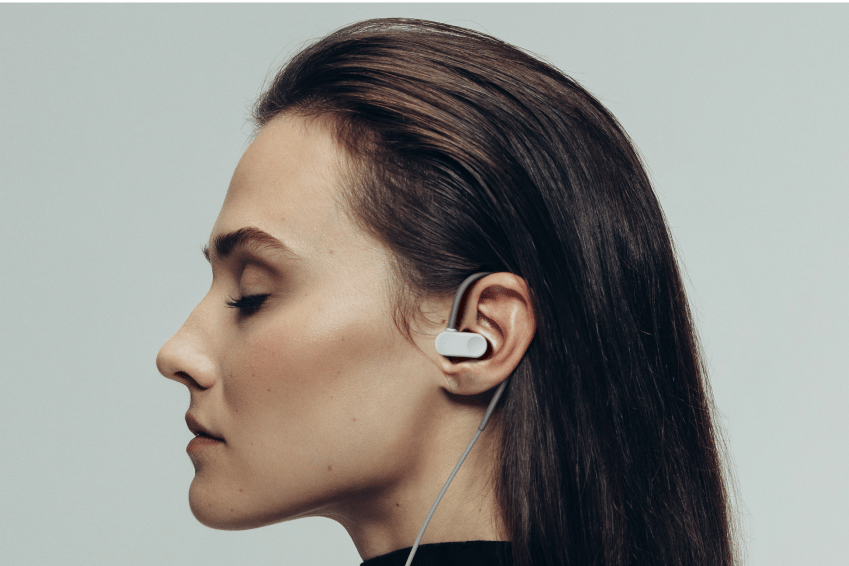
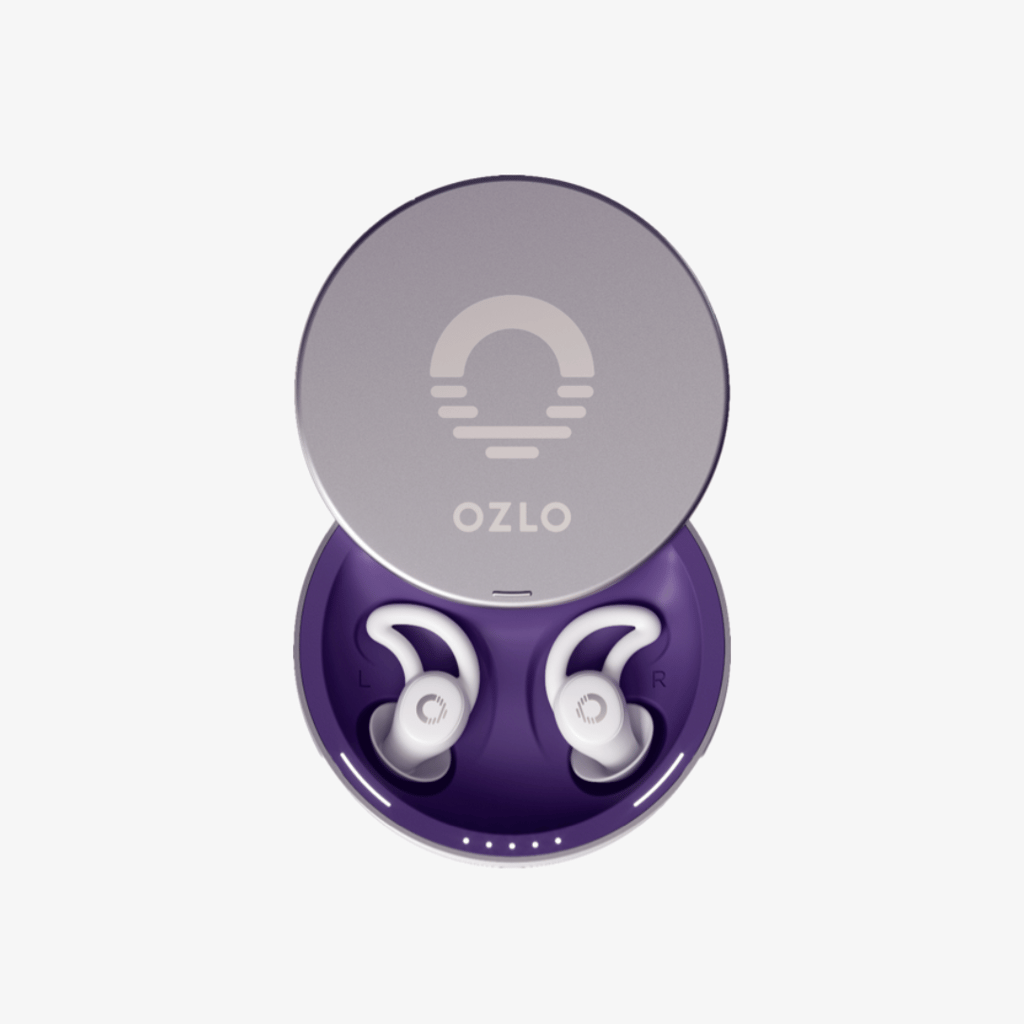
You can have sleep noise in a convenient and portable earphone package, with a consolidated design in the form of Ozlo Sleepbuds. Also search for pink, brown or green noise playlists via your streaming service.
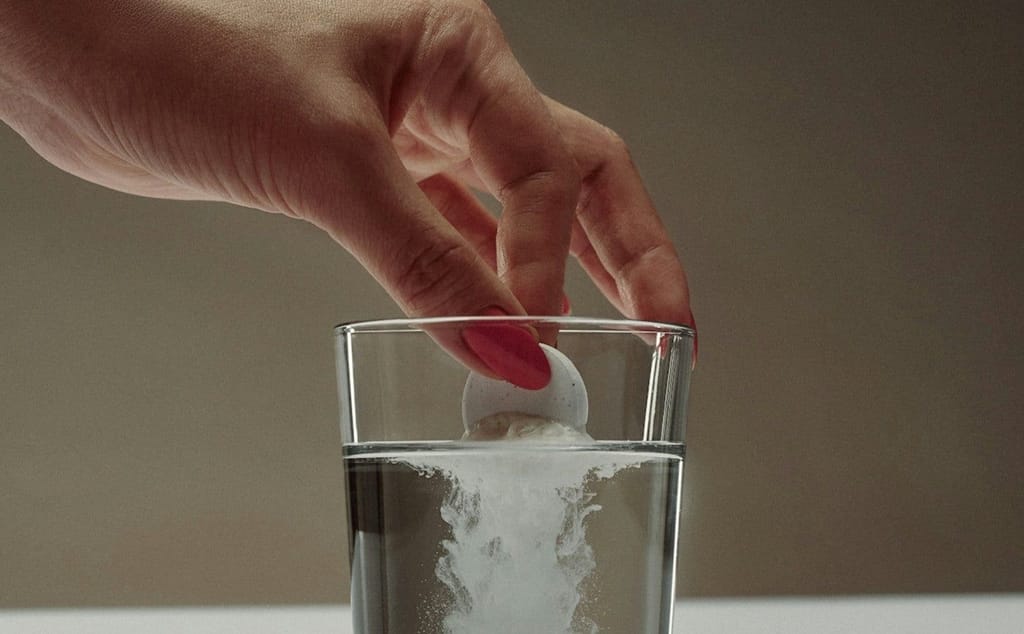
The ‘Sleepy Girl Mocktail’
Getting a ‘Sleep Divorce’
It might sound quite dramatic, but sleeping in separate beds or rooms could be the thing that saves your rest (and possibly even your relationship). Irritating sleep disturbances from your partner, different body clocks, duvet hogging, etc., are all issues that commonly affect sleep quality. On average, around 20% of awakenings are caused by a partner's movement.
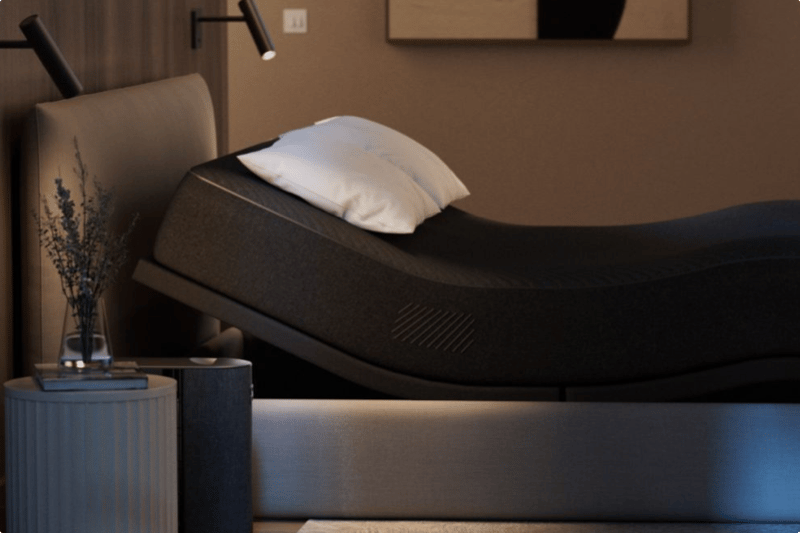
The "Scandi sleep method" offers a solution. Two duvets, one bed and no midnight tug-of-war. Then there are new products like the Eight Sleep Pod 4, which achieves dual-zone temperature control and real-time adjustment based on your movement and temperature, so you can enjoy uninterrupted sleep that leaves you both refreshed.
The comfort of weighted blankets
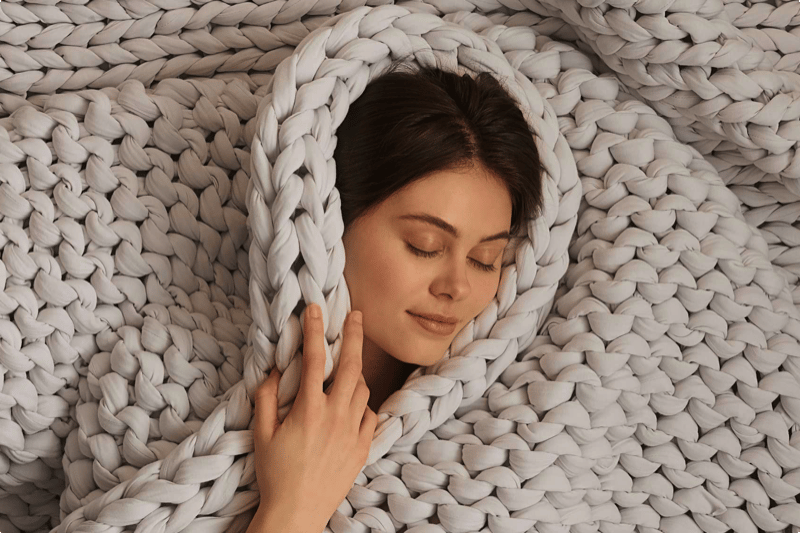
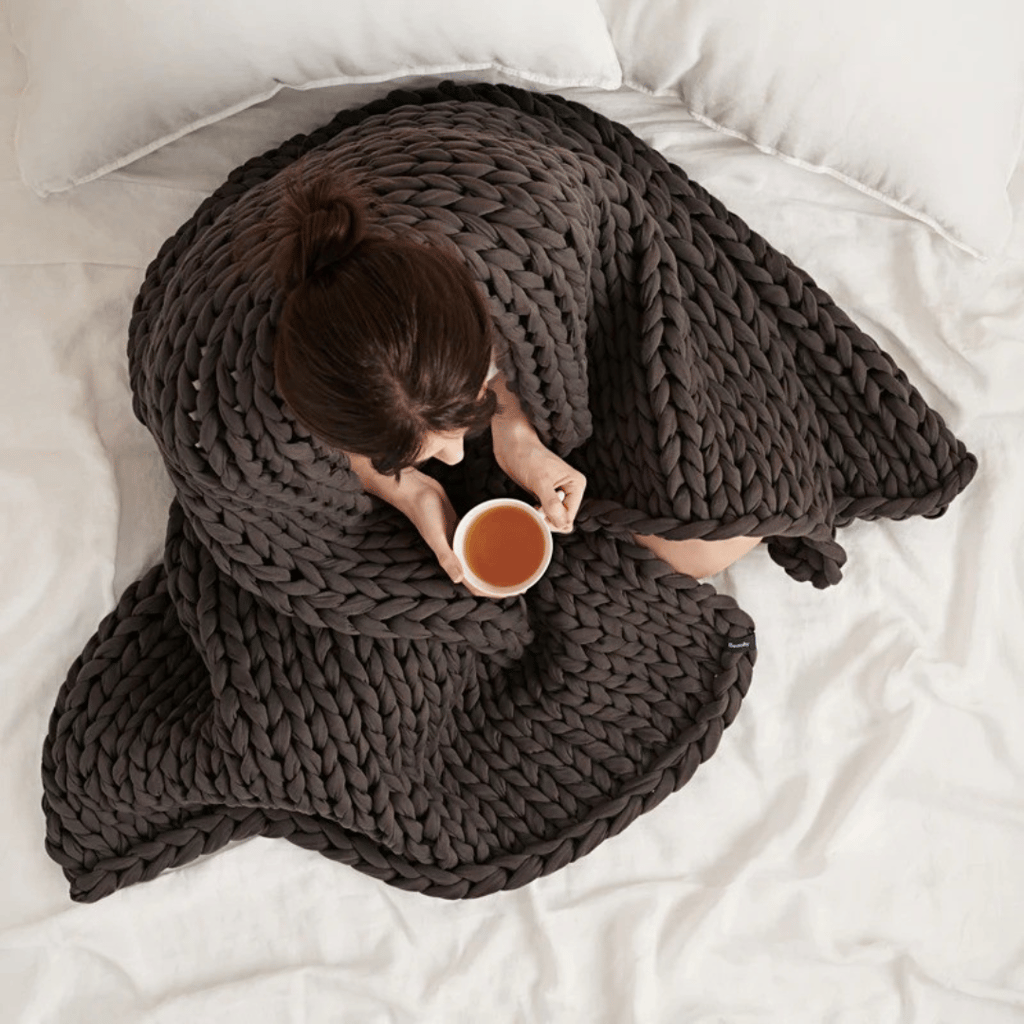
They've been around for a while, but weighted blankets are still trending for good reason. The gentle pressure they provide, known as ‘deep pressure stimulation,’ can calm the nervous system and reduce cortisol.
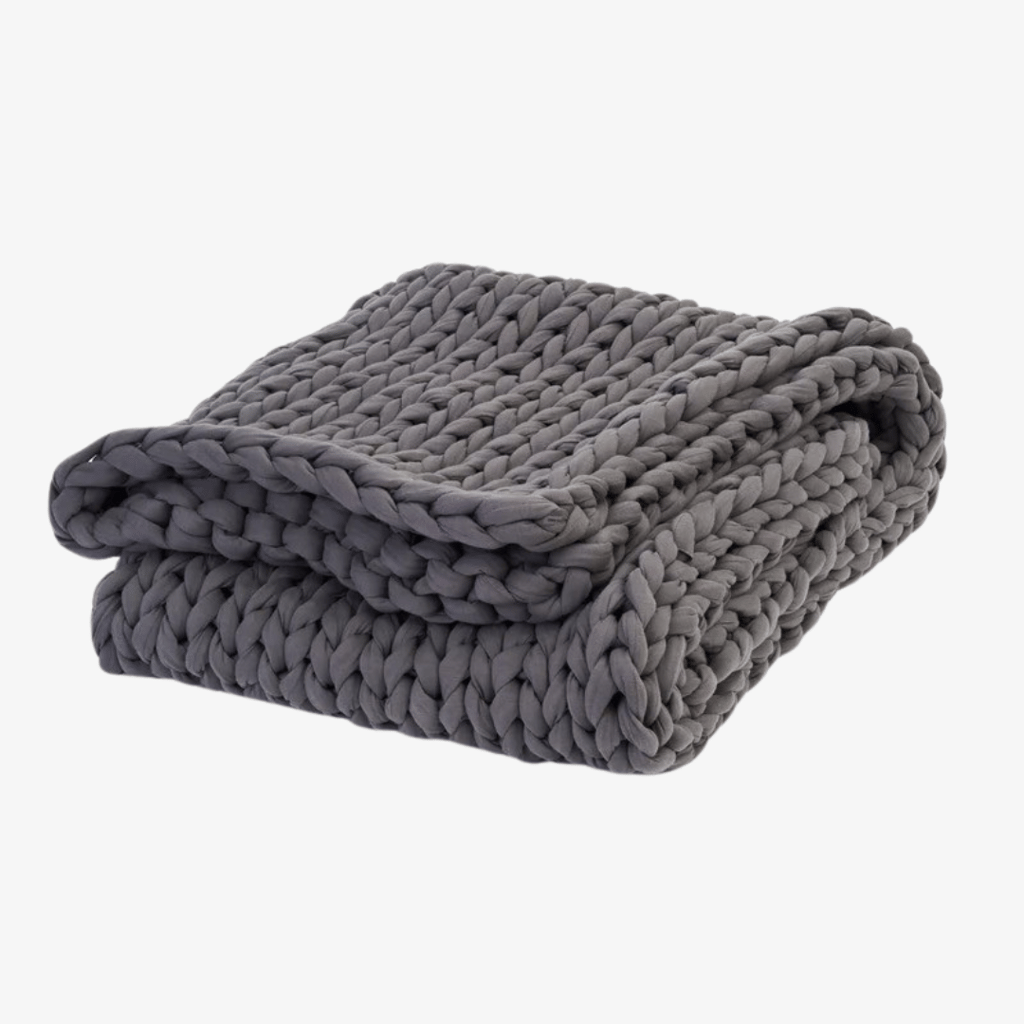
They're used for anxiety and insomnia relief, but not all weighted blankets on the market are made equal. Overheating is a very common complaint, so go for sustainable designs like the Bearaby Cotton Weighted Blanket, made with breathable natural fibres to avoid discomfort.
The right weight is usually around 10% of your body weight, but it’s also fine to start lighter and build up.
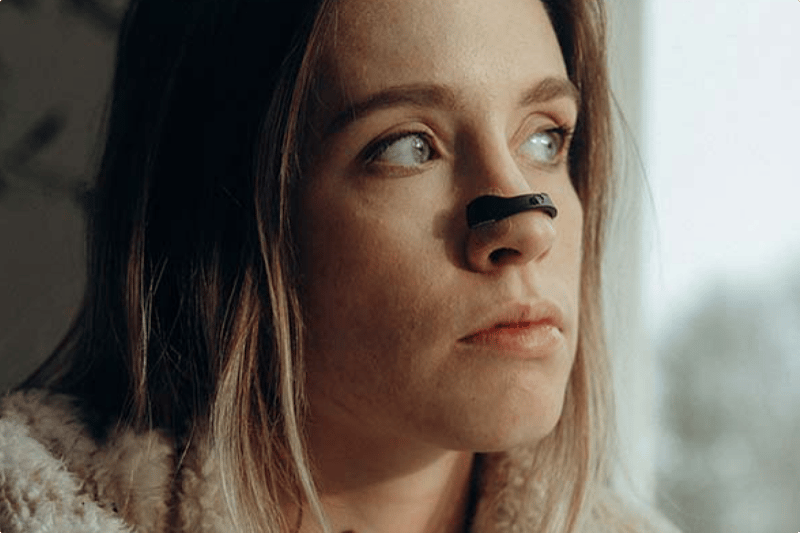
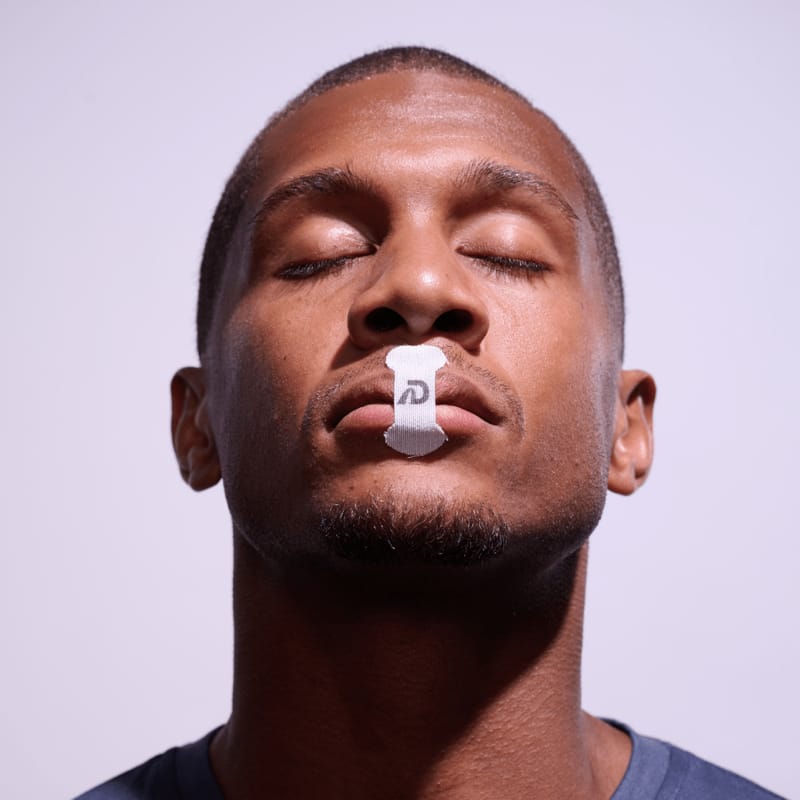
Is mouth taping a smart sleep hack?
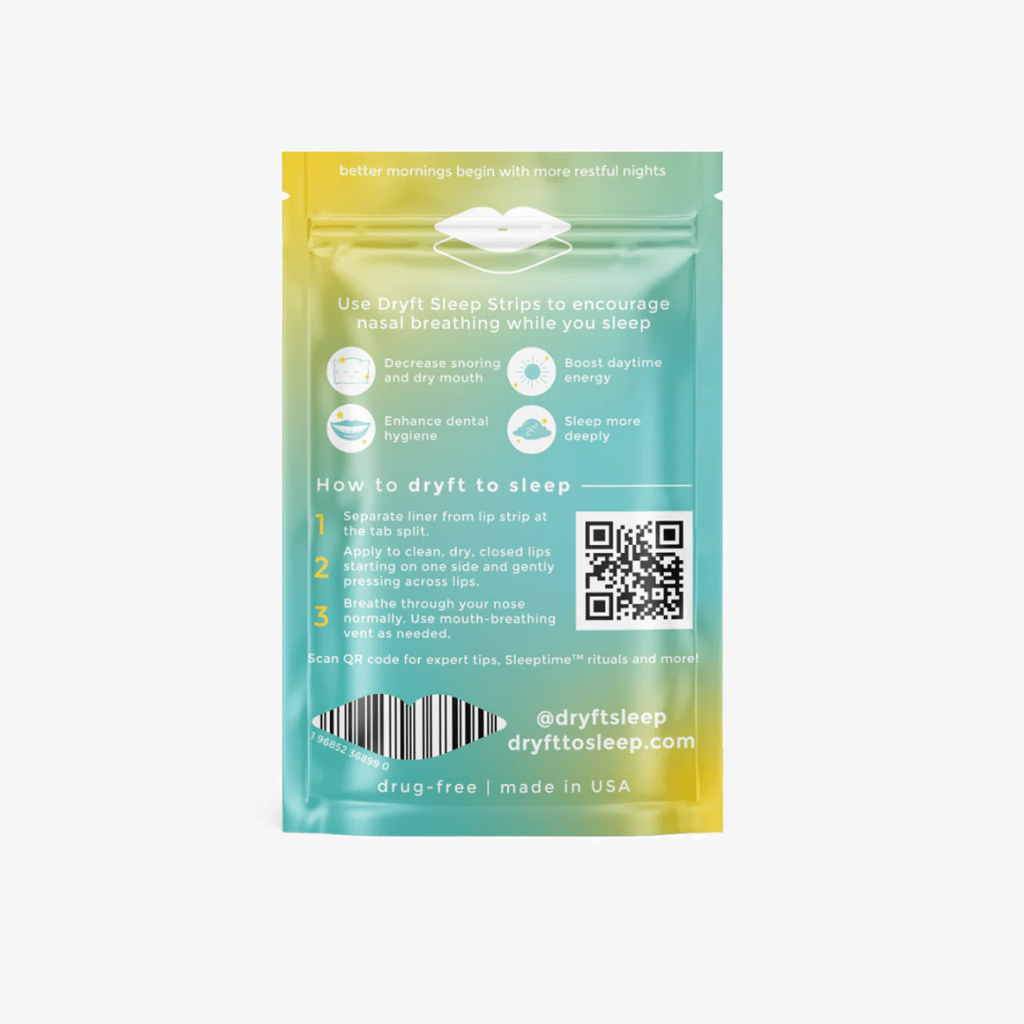
Popularised by biohackers, mouth taping encourages nasal breathing while you sleep. The idea is that breathing through your nose increases nitric oxide production and supports deeper sleep. It’s also said to reduce snoring and dry mouth.
Is it safe?
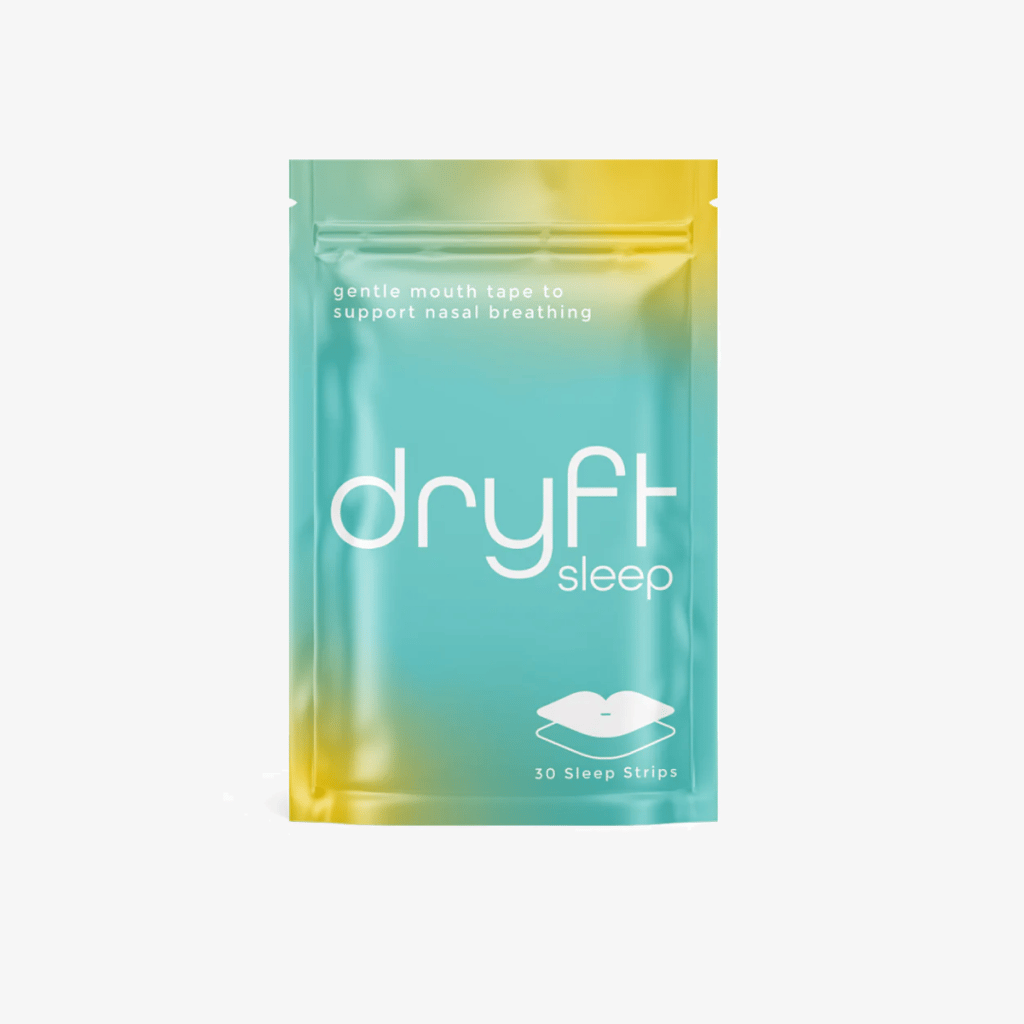
People with sleep apnoea or nasal issues should speak to a healthcare provider first. And please choose a tape that’s safe for skin and designed for this purpose. Dryft Sleep Mouth Tape and Hostage Tape are both designed for comfort and breathability.
The drunken monkey method
While the trend’s name is a little odd, the underlying concept appears to be legitimate. It involves a series of movements like swaying, hip shimmies, shoulder rotations, and arm swings, all done for a minute or so before bed. There is a routine to follow with several hip and shoulder exercises to get blood flowing to the extremities.
Age-old progressive muscle relaxation (PMR) is also recommended. In progressive muscle relaxation exercises, you tense up particular muscles and then relax them to help put your nervous system into a resting state. PMR is clinically recognised for reducing anxiety and promoting calm.
It may feel a bit strange at first, but if it helps you fully relax into sleep, go for it.
Polyphasic sleep
Polyphasic sleep splits rest into smaller segments across the day and night. Versions include the 'Everyman' (a three-hour core sleep with short naps), 'Uberman' (a variation with 20-30 minute daytime naps), and 'Triphasic' (three brief rests throughout a 24 hour period).
While it might suit shift workers or those on demanding schedules, there’s little evidence to support long-term use. Research suggests it could impair mental function, hormone balance, and physical recovery. Sleep quality depends not just on quantity, but on consistency and depth, which are factors that something like polyphasic patterns can compromise.
Is "Bed Rotting" a complete shutdown?
It’s the term Gen Z has coined for spending extended time in bed doing little else. It’s scrolling, snacking, and just purely existing under a duvet. Yet, while there’s a stigma around laziness, some people use it as a form of well-needed R+R.
While constant scrolling doesn’t support deep rest, tuning in to when your body genuinely needs to pause, does. Research shows that having some alone time is the best way to get rest in your waking hours. So, there is value in stepping back and doing nothing some days, just make sure your 'rot' is health-promoting, considered, and not stopping you from doing the things you enjoy.
Grounding sheets
Grounding sheets are woven with conductive fibres and plugged into a grounded outlet. They have been shown in early studies to improve sleep quality, normalise stress hormone rhythms, and reduce inflammation when used consistently.
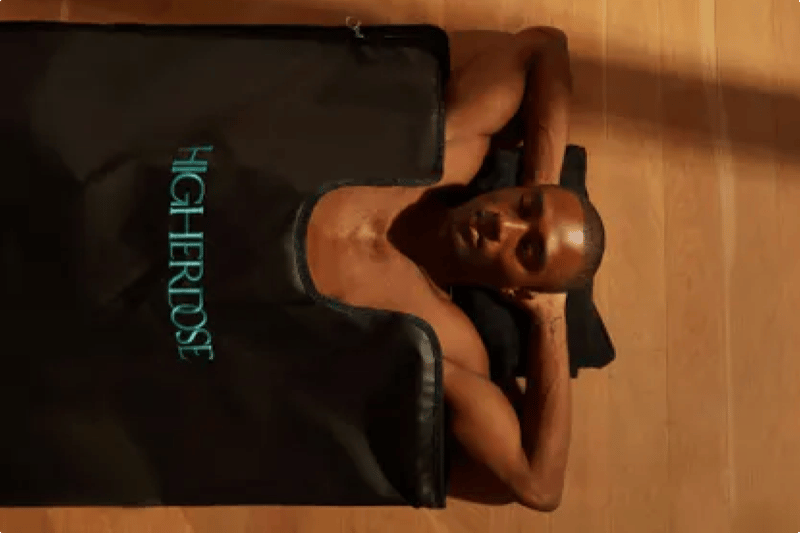
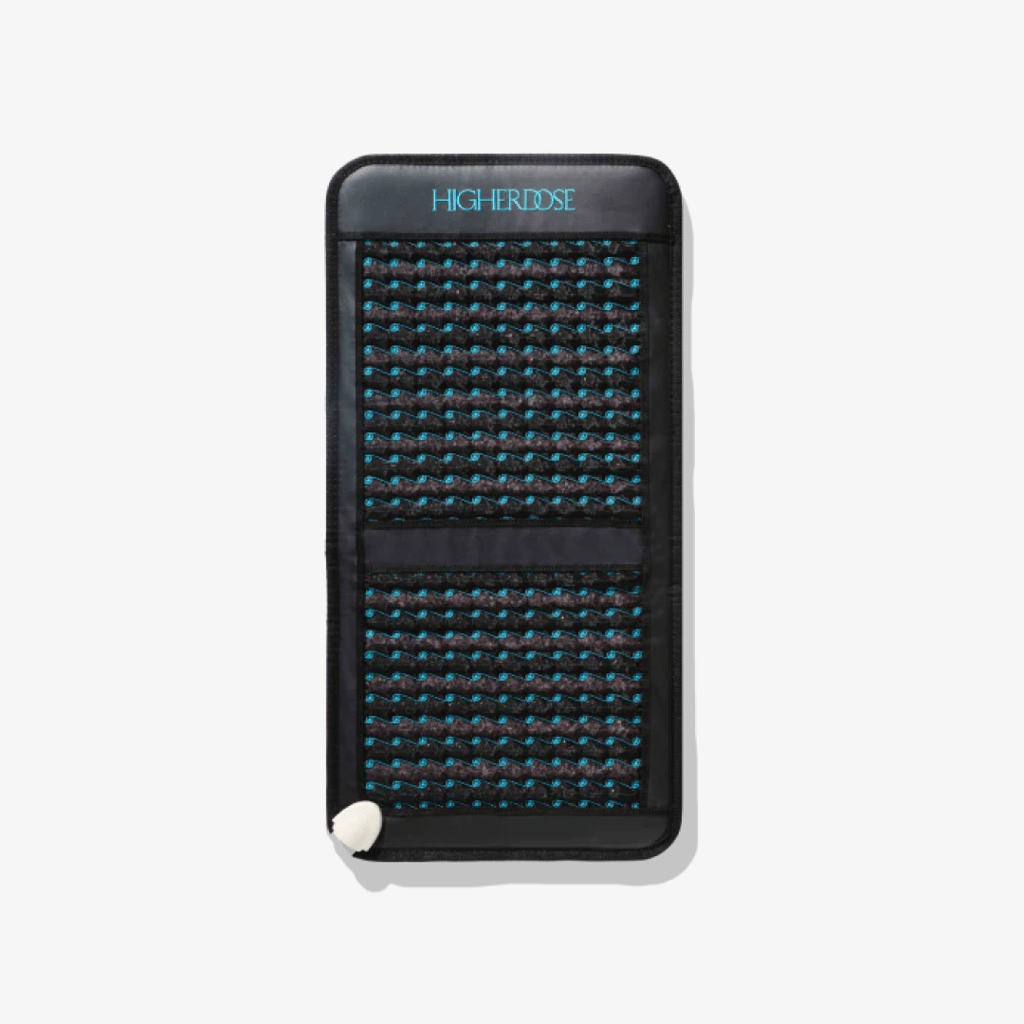
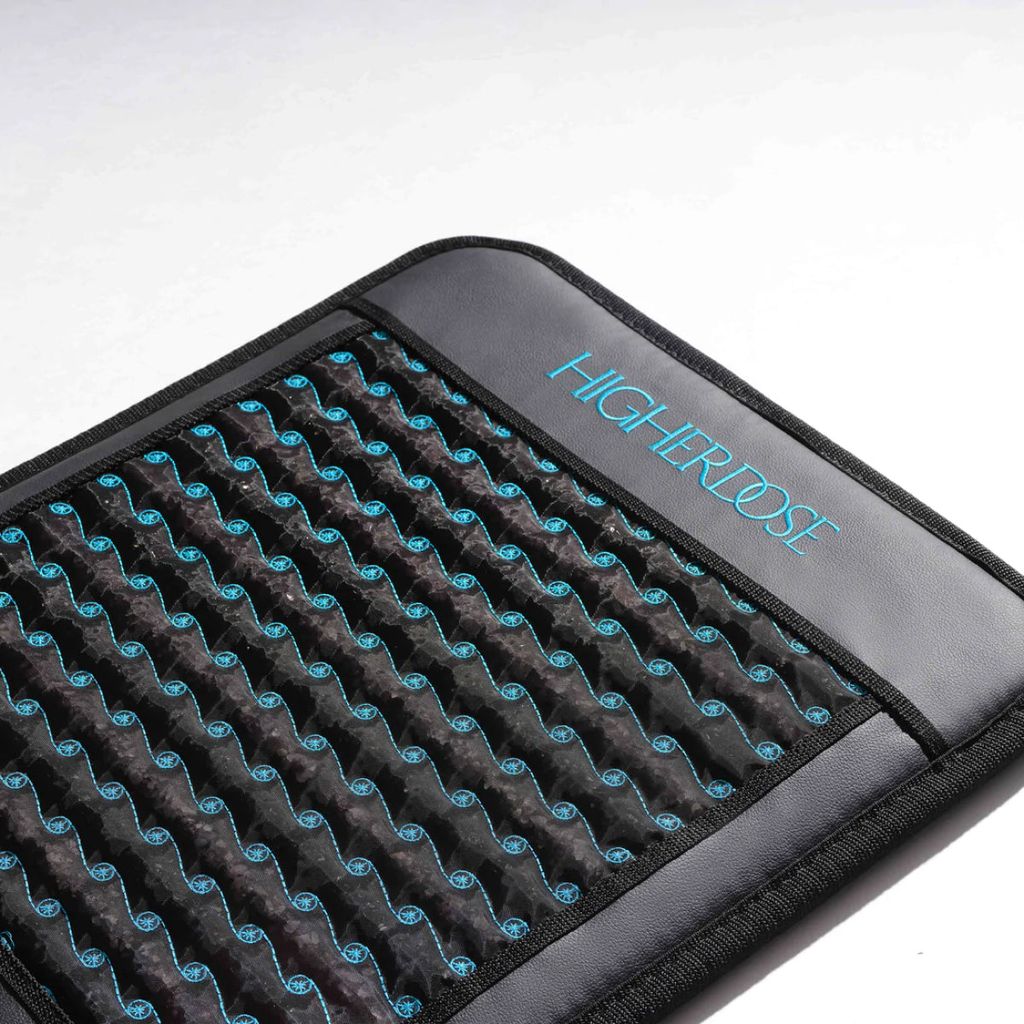
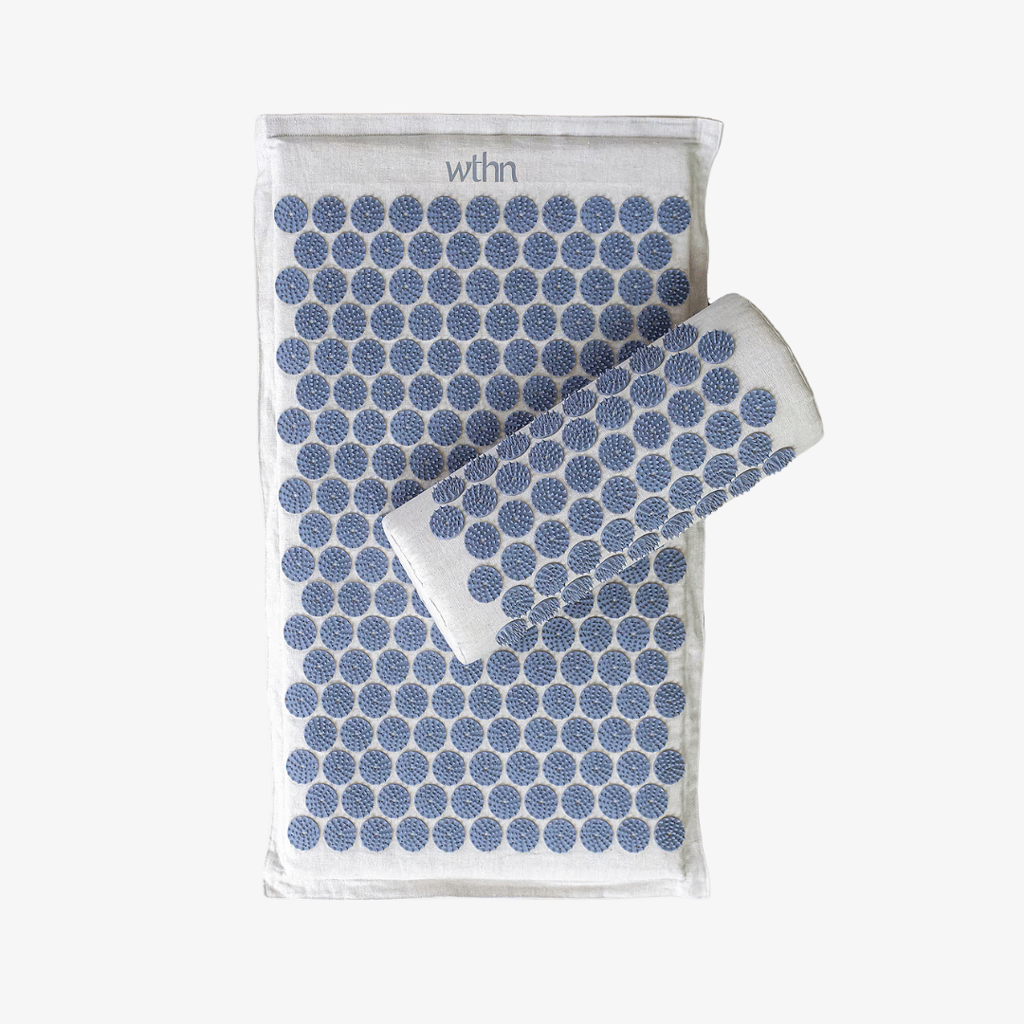
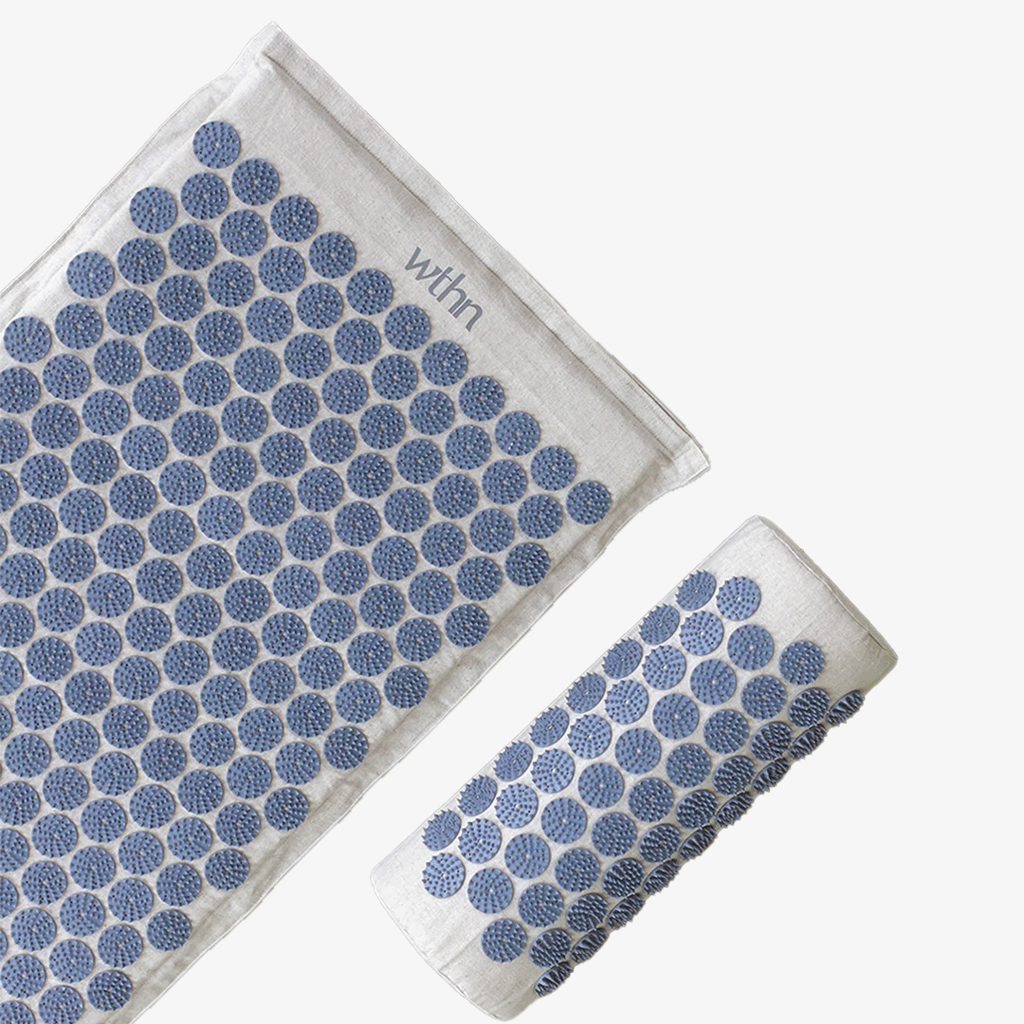
If you're curious, explore tried-and-tested tools like the HigherDose Infrared PEMF Mat or combine a grounding sheet with an Acupressure Mat Set.
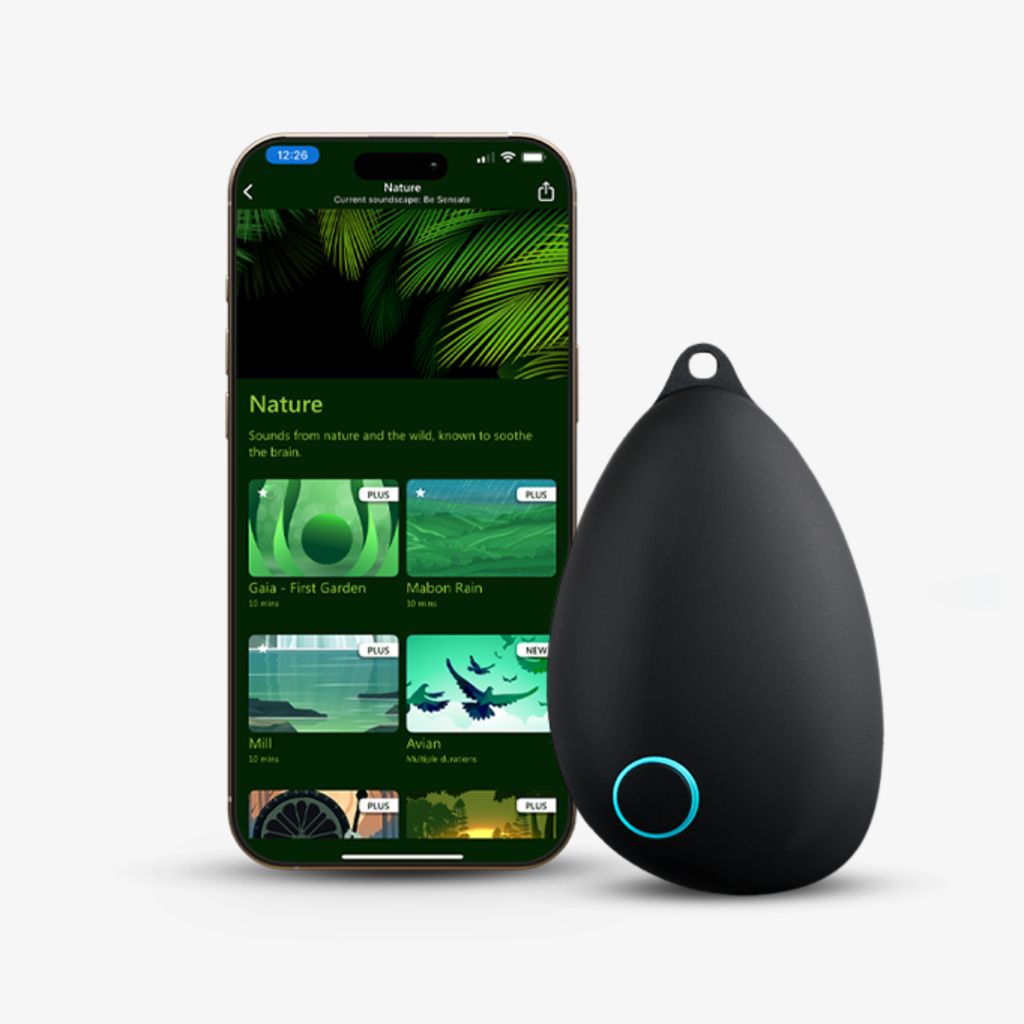
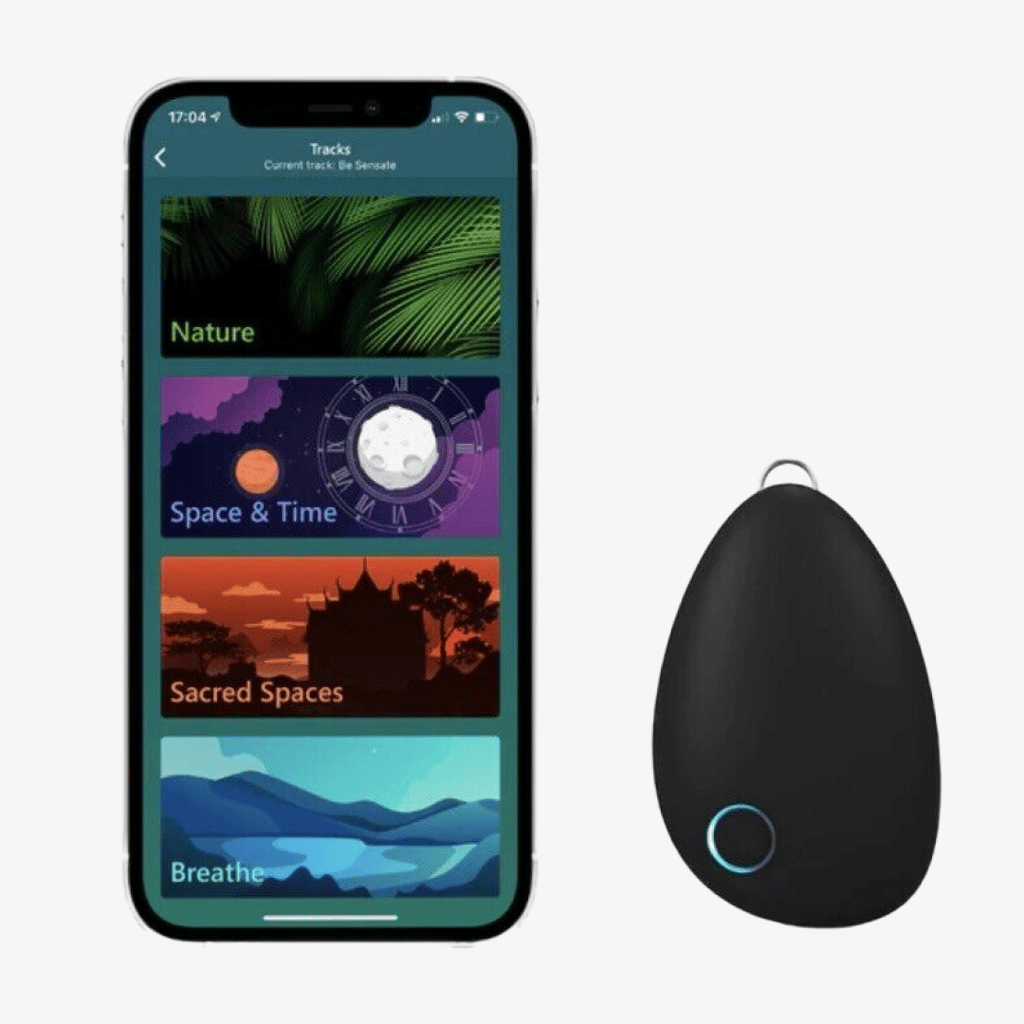
For those more focused on stress relief techniques, the Sensate device or a quick self massage with Sweet Bee Sleep Magnesium Butter with Lavender would make great additions to your nightly wind-down.

Key takeaways
• Sleepmaxxing isn't about perfection. It's about finding what genuinely works for you.
• Don’t let tracking tools or rituals become a source of stress.
• The best solutions are often the simplest. So prioritise darkness, stillness, and effective routines.


References:
- https://pubmed.ncbi.nlm.nih.gov/38205895/
- https://pubmed.ncbi.nlm.nih.gov/39455526/
- https://pmc.ncbi.nlm.nih.gov/articles/PMC9875581/
- https://www.vogue.co.uk/article/sleepmaxxing-anxiety
- https://www.sciencedirect.com/science/article/abs/pii/S1087079220301283?via%3Dihub
- https://www.sleepfoundation.org/noise-and-sleep
- https://link.springer.com/article/10.1007/s00394-011-0263-7
- https://pmc.ncbi.nlm.nih.gov/articles/PMC5617749/
- https://www.ncbi.nlm.nih.gov/books/NBK507250/
- https://www.psychologytoday.com/gb/blog/think-act-be/202004/trouble-sleeping-you-can-blame-your-bed-partner
- https://www.sleepfoundation.org/best-weighted-blankets/weighted-blanket-benefits
- https://www.sleepfoundation.org/best-weighted-blankets/weighted-blanket-weight-chart
This article is for informational purposes only, even if and regardless of whether it features the advice of physicians and medical practitioners. This article is not, nor is it intended to be, a substitute for professional medical advice, diagnosis, or treatment and should never be relied upon for specific medical advice. The views expressed in this article are the views of the expert and do not necessarily represent the views of Healf
Pippa is a content writer and qualified Nutritional Therapist (DipNT) creating research-based content with a passion for many areas of wellbeing, including hormonal health, mental health and digestive health.
As a contributor to The Healf Source, she regularly attends seminars and programmes on a plethora of contemporary health issues and modern research insights with a drive to never stop learning. In addition, interviewing experts and specialists across The Four Pillars: EAT, MOVE, MIND, SLEEP.
In her spare time, she is an avid swimmer, mindfulness and yoga lover, occasionally bringing a raw, honest approach to the topics she faces. You may also discover some personal accounts of eye-opening wellbeing experiences amidst the reality of a disorientating, and often conflicting, modern wellbeing space.