































_2026-10-13_14-11-48.png)


The Overlooked Odd-Chain Saturated Fat Linked To Cellular Health, Metabolism and Even Sleep
C15:0 isn’t widely known, but research from fatty15 and independent scientific teams suggests it may play a role in metabolism, resilience and how well the body recovers over time.

Written by: Samantha Nice
Written on: 19 May 2026
Some changes in energy are subtle enough to ignore at first. Recovery isn’t as quick, energy doesn’t carry in the same way, and sleep doesn’t always translate into feeling restored the next day. It’s less about being exhausted and more about something not working as efficiently as it used to.
That’s part of the reason interest in C15:0 has grown so quickly. With more than 100 peer-reviewed studies from the fatty15 research team and independent scientific groups worldwide, this lesser-known odd-chain saturated fatty acid is now being studied for its role in cellular health, metabolism and recovery. In particular, how well cells maintain their structure, recover from stress, and support overall energy systems.
It still sits outside most mainstream nutrition discussions, which is partly why it’s been overlooked for so long. But newer research is starting to suggest that C15:0 may play a more important role in long-term resilience, recovery, and cellular function than previously understood.
What is C15:0?
C15:0, also known as pentadecanoic acid, is an odd-chain saturated fatty acid found mainly in whole-fat grass-fed dairy, with smaller amounts present in certain fish and plants. What makes it different from many other fats is the role it appears to play inside the body. Rather than mainly being used for energy, C15:0 is being researched for how it helps support the structure and stability of cells under stress, and its signaling activities.
Cell membranes act like protective outer layers around each cell, helping regulate what moves in and out, from nutrients and signals to waste products and cellular communication. That balance is crucial. It influences how cells communicate, recover from stress, and maintain normal function.
When those membranes become less stable, cells may also become more vulnerable to inflammation, oxidative stress, and general wear. Researchers believe this may be one reason C15:0 is now being studied in relation to ageing and recovery.
Why it’s being linked to recovery, sleep, and energy
C15:0 isn’t connected to one single pathway. Its relevance comes from the fact that stable, resilient cells underpin so many systems involved in how we feel day to day, including energy production, inflammation regulation, and recovery after stress or exercise.
There’s also growing interest in how C15:0 interacts with the endocannabinoid system, which helps regulate sleep, recovery, mood, and stress response. Research linked to fatty15 has identified a metabolite of C15:0, pentadecanoylcarnitine (PDC), which appears to activate receptors involved in those recovery and regulation pathways.
That connection has become particularly interesting in athletic populations. Some endurance research, including data collected from Tour de France-level athletes, suggests intense exercise may reduce circulating saturated fatty acids, including a C15:0 compound called pentadecanoylcarnitine. This suggests that the athletes were burning not just fuel, but the very compounds their cells need to stay structurally sound and resilient.
This doesn’t make C15:0 a sleep supplement or recovery “hack.” The more likely explanation is that it may help support some of the cellular systems that recovery and restoration depend on in the first place.
Why levels may be lower than expected
One reason C15:0 is receiving more attention is because intake levels may have slowly declined in recent years. C15:0 is found primarily in whole-fat dairy foods, which many people now eat less of or avoid altogether. Researchers associated with fatty15 have suggested this may have contributed to lower C15:0 levels across parts of the population.
Some scientists have proposed the term Cellular Fragility Syndrome to describe what may happen when C15:0 levels become too low. The theory suggests that without enough structural support, cells may become more susceptible to lipid peroxidation and therefore, less resilient. This makes it much harder for the body to efficiently manage stress, inflammation, and repair. It’s still an evolving area of research, but recent clinical findings have added more weight to the idea that C15:0 may be more biologically important than previously understood.
What the research actually shows
Research into C15:0 is still relatively new, but several findings are becoming more consistent. A recent randomised, placebo-controlled clinical trial led by researchers at the University of California San Diego looked at whether supplementation with fatty15 could improve C15:0 levels in young adults with low baseline levels and signs of metabolic dysfunction.
They found that those taking fatty15 did, in fact, increase their circulating C15:0 levels over the 12-week study period. More interestingly, the participants who reached what researchers considered a sufficient C15:0 threshold also saw improvements in haemoglobin, a protein that helps red blood cells carry oxygen around the body, alongside reductions in liver enzymes, which are commonly used as markers of liver stress.
Not everyone experienced the same changes. The strongest effects were seen in participants whose C15:0 levels moved above the proposed “healthy zone,” suggesting the benefits may depend on correcting an underlying insufficiency rather than just pushing levels higher for the sake of it.
At the same time, the research is still early. While studies show measurable biological effects, it’s too soon to say whether everyone supplementing with C15:0 will notice major changes in energy, sleep, or recovery day to day.
Where fatty15 fits in
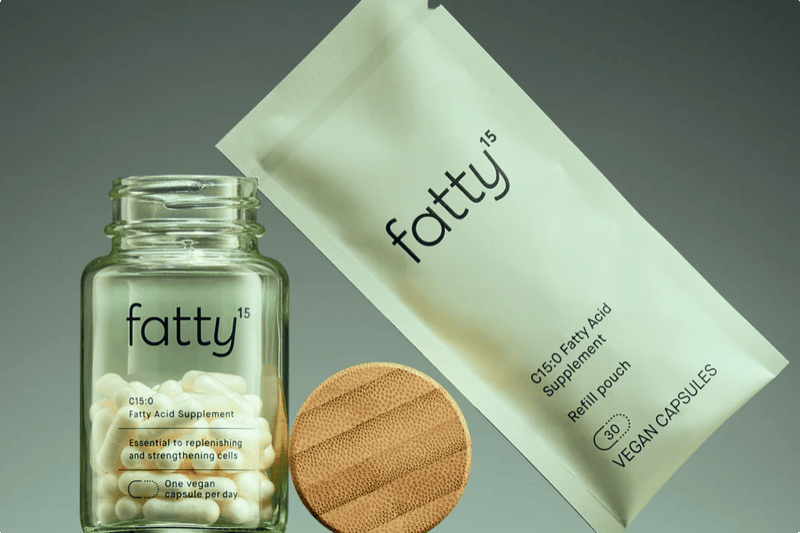
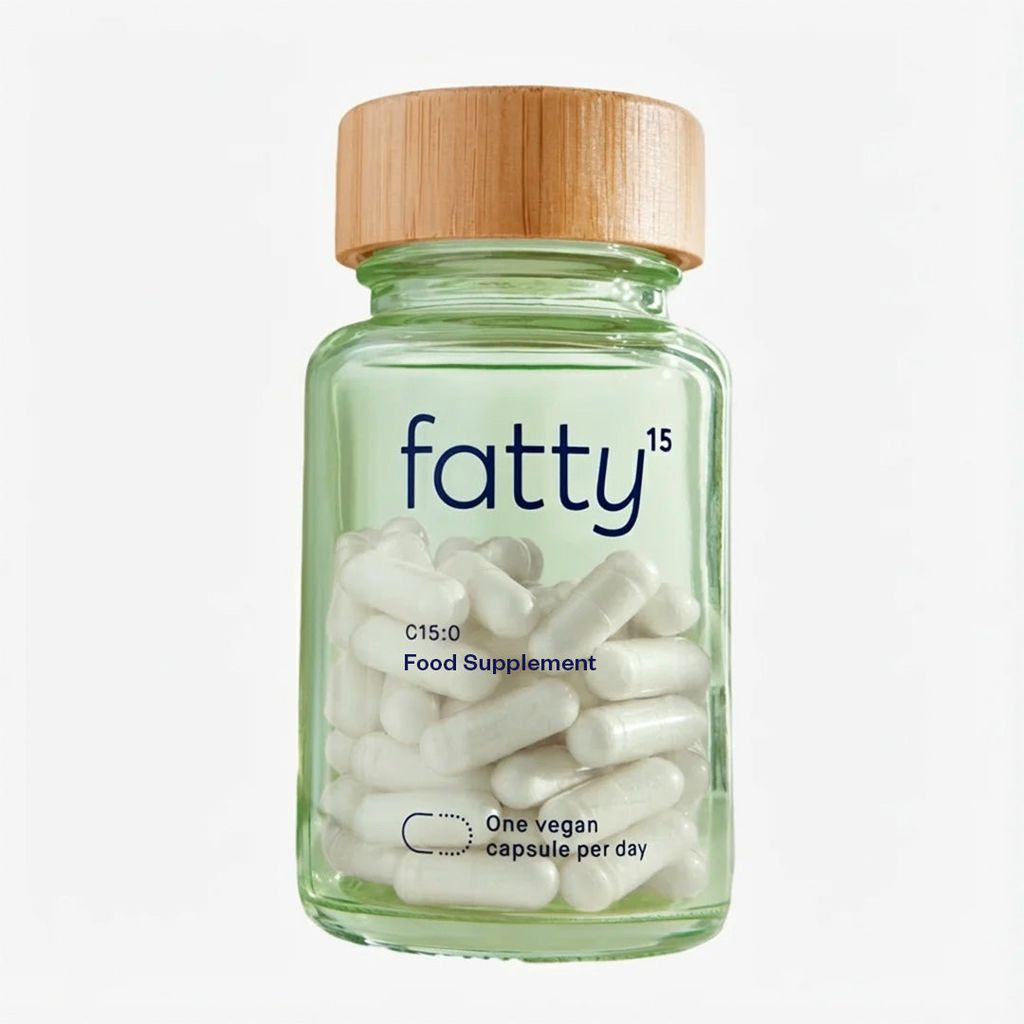
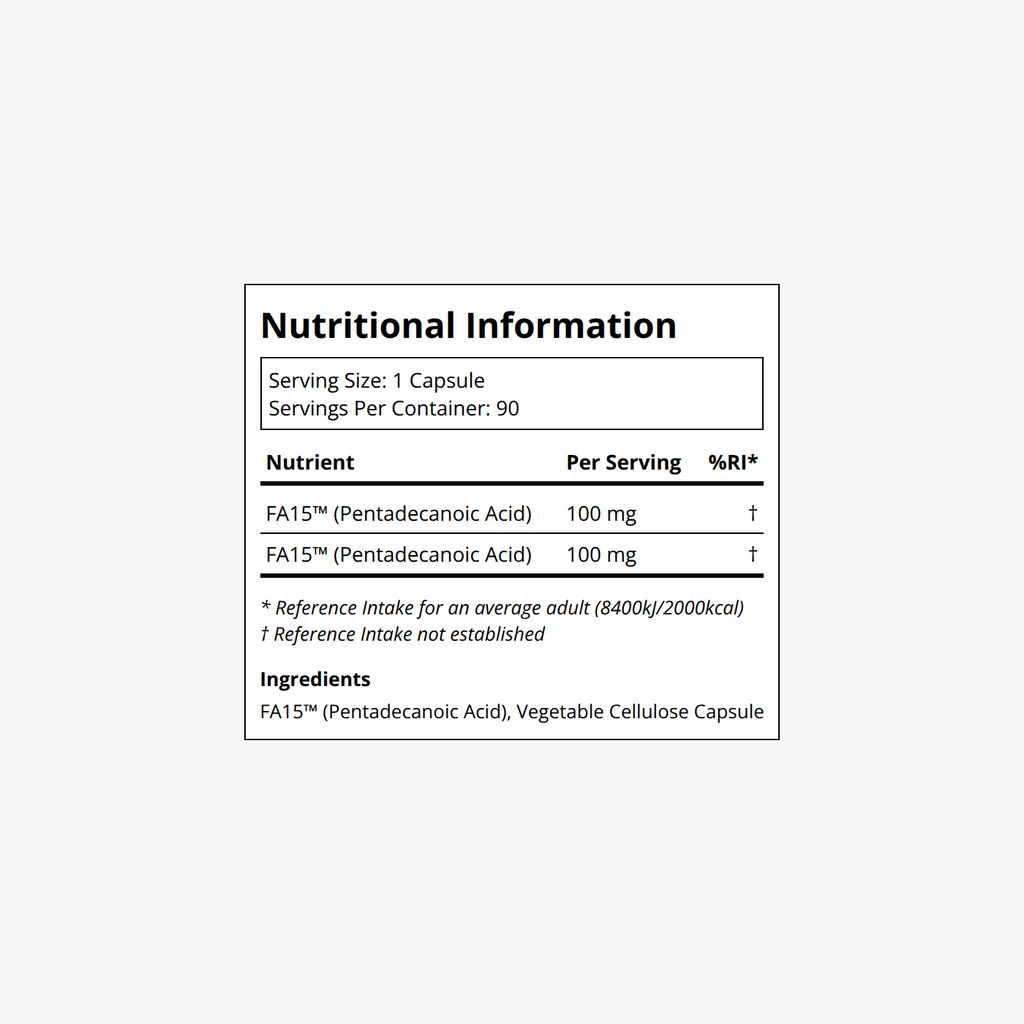
Since C15:0 is difficult to get consistently through diet alone, fatty15 was formulated as a purified C15:0 supplement designed to raise levels in a more reliable way. Two extensive studies (one by Stallings et al. and a second by Mascarhenas et al.) both show that every 100mg of fatty15 increases C15:0 blood levels. Although response varies from person to person depending on starting levels, consistency, and individual metabolism, some may notice improvements in recovery, resilience, or general energy, particularly if levels were low to begin with. Others may not notice dramatic day-to-day changes, even if measurable health markers improve.
That distinction matters because C15:0 appears to work more like a foundational nutrient than a stimulant. The aim isn’t to create an immediate effect, but to support the systems that help cells function properly over time.
So, is it actually worth considering?
C15:0 probably isn’t the first thing most people need to focus on, but it is increasingly being viewed as a foundational nutrient — more like making sure you’re getting enough essential vitamins and nutrients, rather than chasing a quick-fix supplement.
Where it becomes more relevant is when the basics are already fairly solid, but something still feels slightly off. Recovery takes longer than expected, energy feels less reliable, or there’s a broader interest in supporting long-term metabolic and cellular health.
What makes C15:0 different from many supplements is that the research isn’t centred on stimulation or quick effects. It’s focused on whether cells have the structural support they need to stay resilient and function well over time.
The science is still developing, but the findings so far are strong enough to suggest this isn’t just another wellbeing trend. Researchers are seeing measurable effects linked to cellular resilience, recovery, and metabolic health, particularly in people starting with lower C15:0 levels.




This article is for informational purposes only, even if and regardless of whether it features the advice of physicians and medical practitioners. This article is not, nor is it intended to be, a substitute for professional medical advice, diagnosis, or treatment and should never be relied upon for specific medical advice. The views expressed in this article are the views of the expert and do not necessarily represent the views of Healf
Samantha Nice is a seasoned wellness writer with over a decade of experience crafting content for a diverse range of global brands. A passionate advocate for holistic wellbeing, she brings a particular focus to supplements, women’s health, strength training, and running. Samantha is a proud member of the Healf editorial team, where she merges her love for storytelling with industry insights and science-backed evidence.
An avid WHOOP wearer, keen runner (with a sub 1:30 half marathon) hot yoga enthusiast and regular gym goer, Samantha lives and breathes the wellness lifestyle she writes about. With a solid black book of trusted contacts (including some of the industry’s leading experts) she’s committed to creating accessible, well-informed content that empowers and inspires Healf readers.