




























_2026-10-13_14-11-48.png)


Does Your Gut Need Collagen?
Could collagen be doing something far more interesting than keeping your skin smooth and your joints moving? We're taking a closer look.

Written by: Ed Cooper
Written on: 17 June 2026
Skin, hair, nails — these three words are usually the ones we associate with collagen. As the most abundant structural protein in humans, it makes up a third of all protein in our bodies and, as the primary building block for connective tissues, it works alongside minerals and complex molecules to build the strength and elasticity found in your bones, tendons, and cartilage.
There is, however, another significant area that increased collagen intake could benefit — and it’s connected with almost every mechanism in the body: your gut health. Collagen's components actually interact with the trillions of bacteria and microbes that live in the digestive tract, which impact everything from digestion and metabolism to immunity and brain function. To help separate collagen fact from fiction, we spoke to Rachel Butcher, ANutr, SENr, head of nutrition at Natural Fitness Food, to get her take on what the protein can actually do for you.
What collagen actually does in your digestive system
While collagen has been widely marketed as a fountain-of-youth supplement for skin, hair, and joints, its role in gut health is less understood and offers a useful starting point when understanding the supplement’s effect on our broader health. “Collagen provides amino acids, particularly glycine, glutamine and proline, which are involved in maintaining and repairing connective tissues throughout the gut,” says Butcher. “However, collagen itself is digested into amino acids before it is absorbed.”
This is important because these amino acids, including glycine, glutamine, and proline, are the building blocks of proteins. Glycine plays a role in supporting the gut lining and reducing inflammation, while glutamine is a primary fuel source for the cells that line the intestinal wall. Proline, on the other hand, contributes to the structural stability of connective tissue. But it's important to point out that the supplement's benefits come after it has been digested into raw amino acids.
How collagen supports your gut lining and intestinal barrier
Your gut lining is a single layer of cells separating your bloodstream from everything passing through your digestive tract. When that barrier becomes compromised, a scenario sometimes referred to as increased intestinal permeability or ‘leaky gut’, it can allow bacteria and undigested particles to pass through in ways they shouldn't.
This is where collagen's amino acid makeup, particularly the glutamine and glycine, might help. Glutamine is a key fuel source for the epithelial cells that make up the intestinal lining, while glycine has shown some anti-inflammatory properties in early research. “Some of the amino acids found in collagen may help support the structure and function of the intestinal lining,” says Butcher. “Theoretically, this could help maintain barrier integrity, although human evidence is limited.”
The caveat is that most of the evidence here remains preliminary. “Most claims are based on theoretical mechanisms or animal studies rather than robust human clinical trials,” says Butcher. If there are benefits, “they're unlikely to be immediate,” Butcher says, as most studies examining collagen-related outcomes run for “at least eight to 12 weeks and digestive-specific data sets remain limited.”


The link between collagen, inflammation, and leaky gut
If you’ve not come across the term ‘leaky gut’ before, the phrase refers to the breakdown of the intestinal lining, allowing partially digested food, toxins, and bacteria to seep into the bloodstream. When used in reference to collagen, the hypothesis is that collagen-derived amino acids may support gut barrier function and help reduce processes associated with gut inflammation or ‘leaky gut’, however, “direct evidence showing that collagen reverses this breakdown is currently lacking,” says Butcher. “The biggest myth is that collagen directly 'heals' the gut or cures leaky gut,” she confirms. “Most claims are based on theoretical mechanisms or animal studies rather than robust human clinical trials.
Best food sources and supplements for gut health
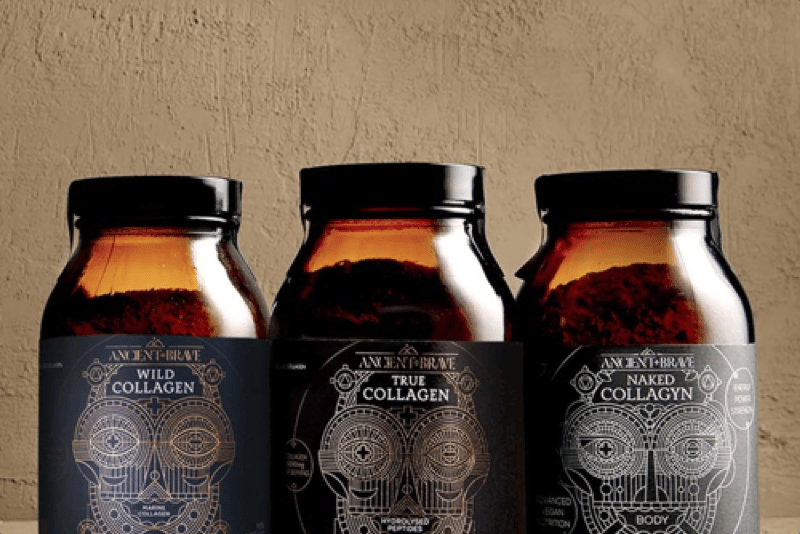
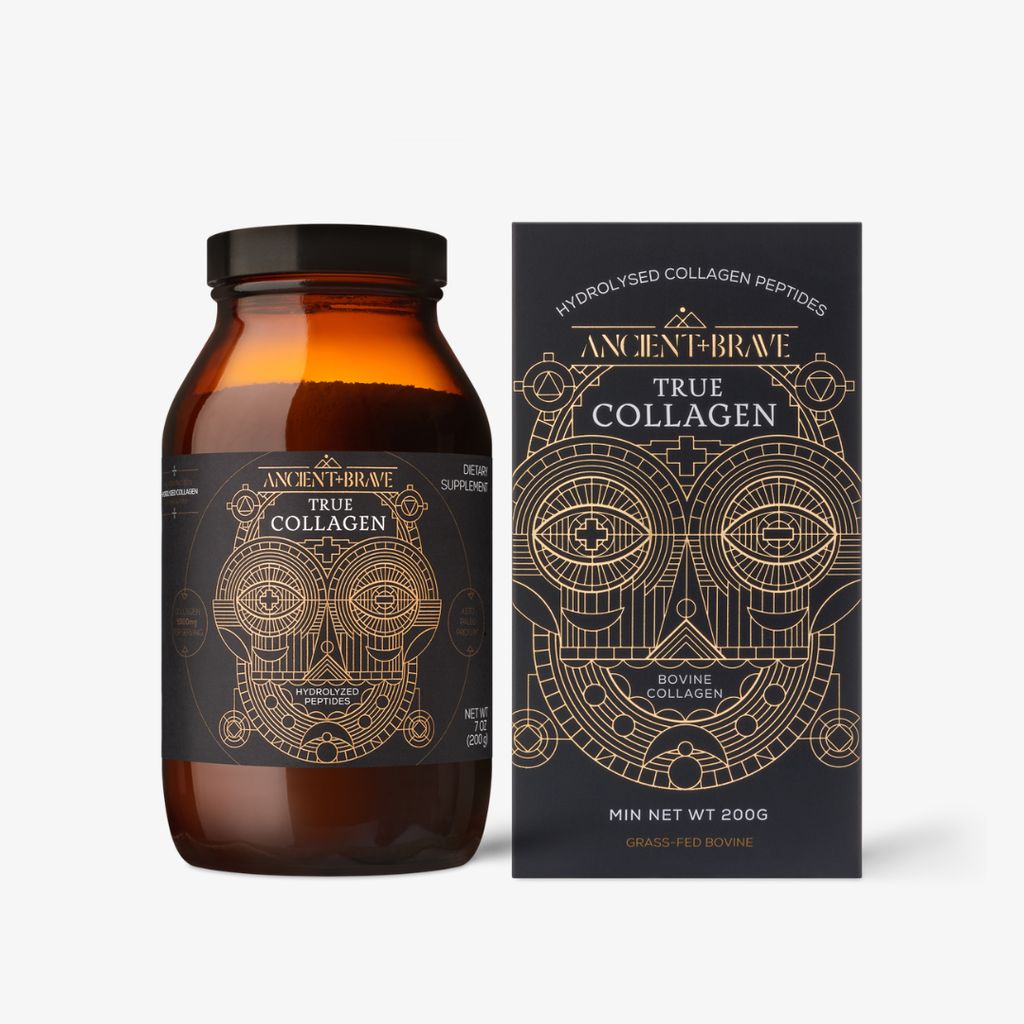
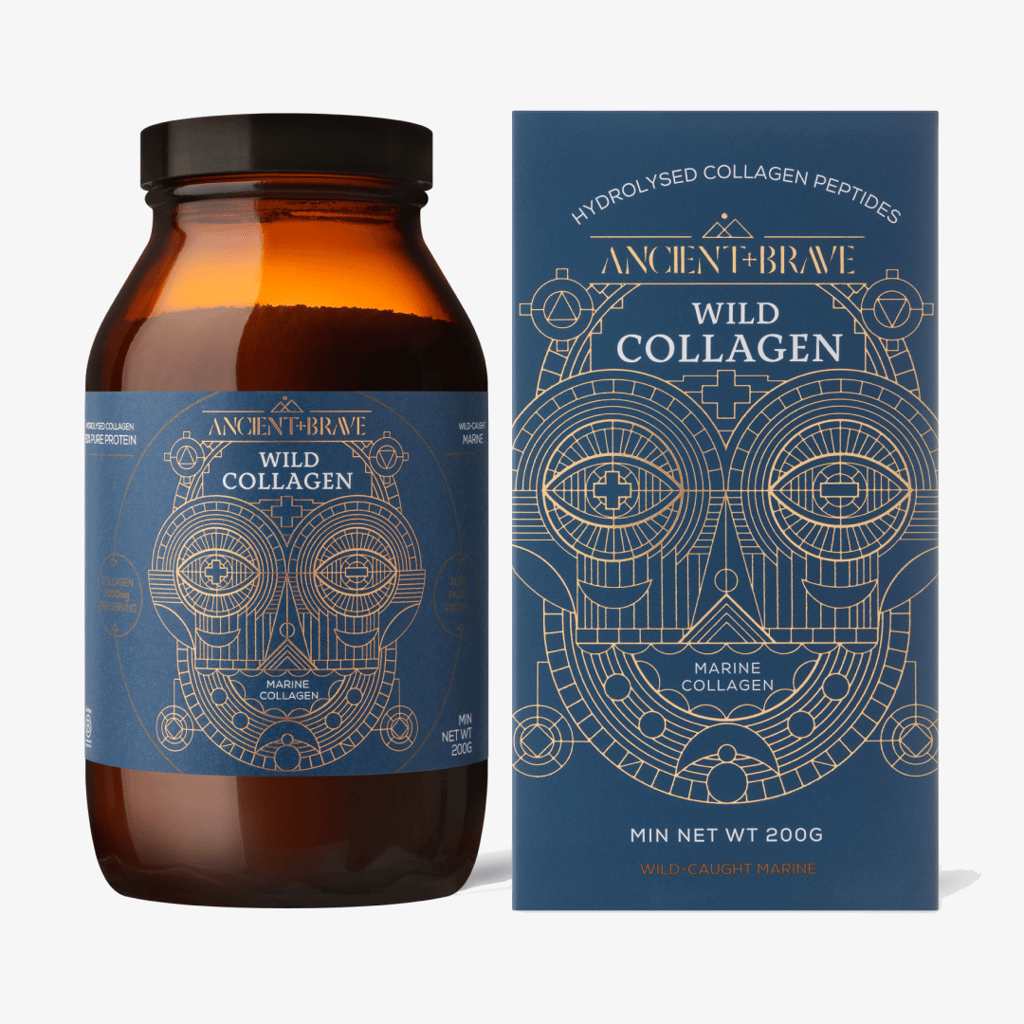
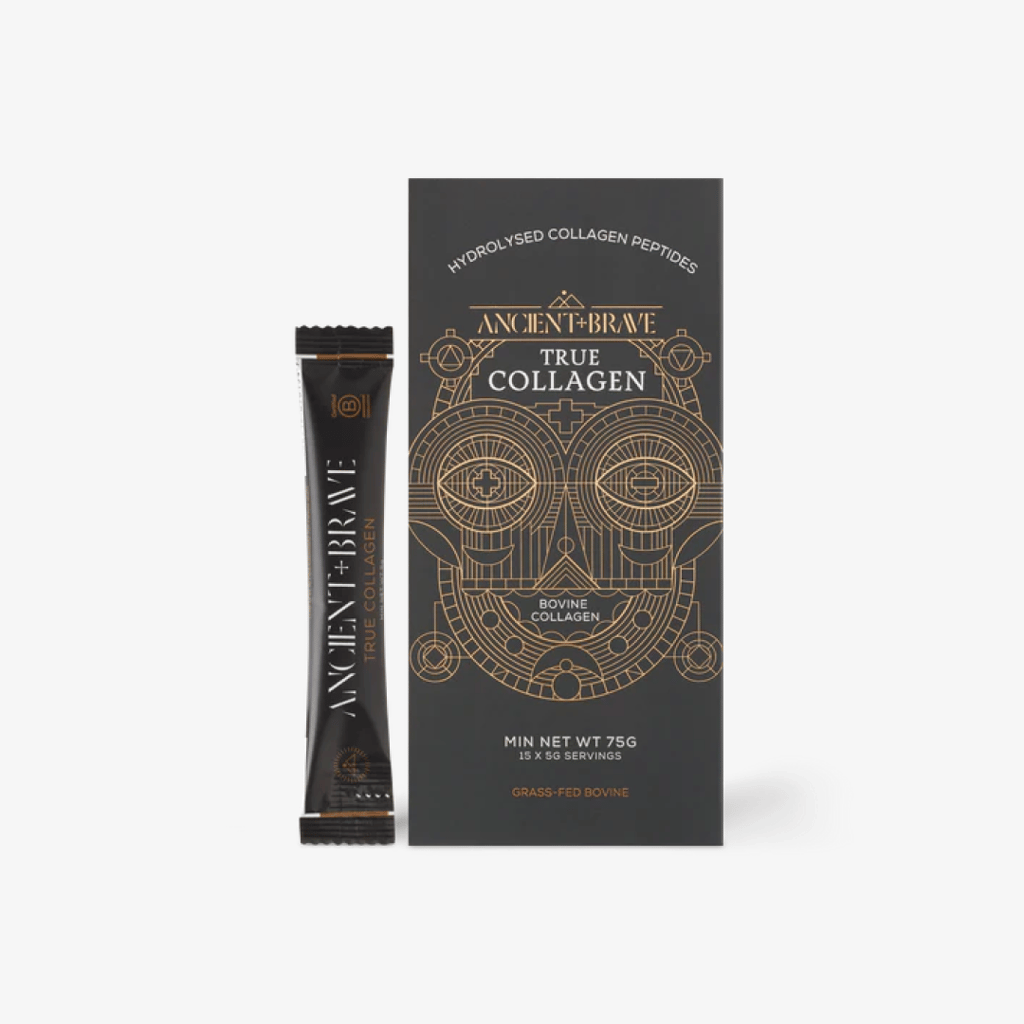
If you're looking to improve your gut health, collagen is one piece of a considerably larger puzzle. “A gut-friendly diet should prioritise fibre-rich plant foods, fermented foods, adequate protein and overall dietary diversity,” says Butcher. If you do want to supplement, she recommends hydrolysed collagen peptides as the most practical form — broken down into smaller chains that are easier for the body to absorb than intact collagen protein.
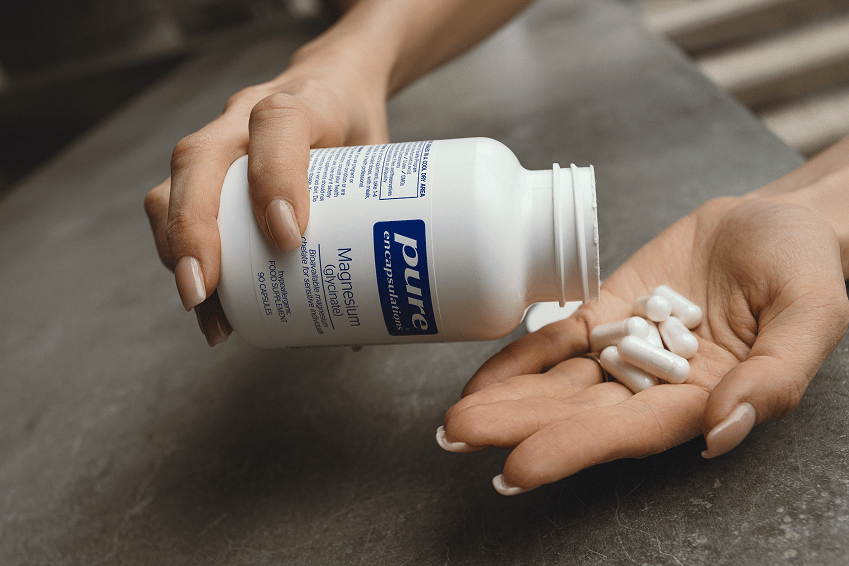
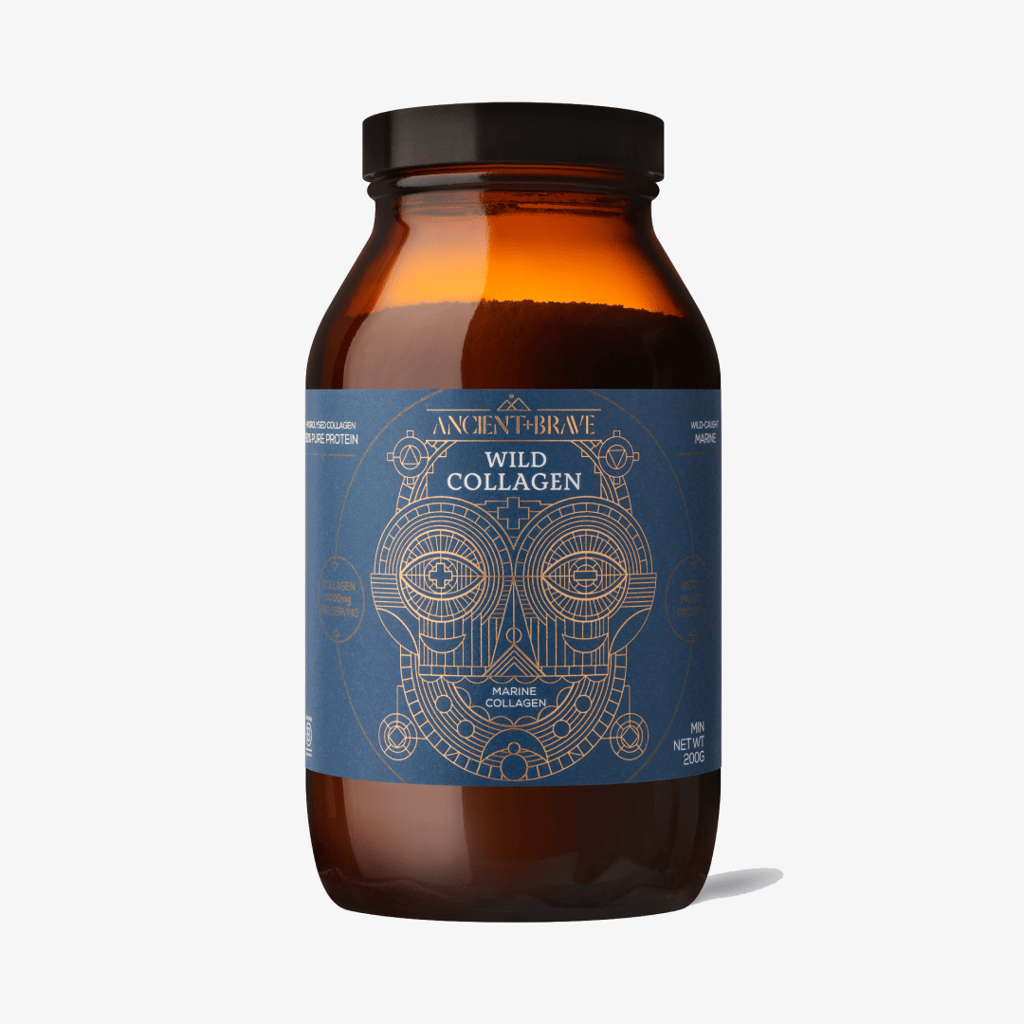
As for the question of collagen powder versus collagen capsules, Butcher says “powders are generally more cost-effective and make it easier to achieve doses used in research, typically 5 to 15 grams daily.” While pills “may be more convenient and travel-friendly,” they often “require multiple capsules to provide a meaningful dose.” When it comes to the label itself, “look for hydrolysed collagen peptides, a clearly stated dose per serving, and independent quality batch testing,” says Butcher. The source — whether marine, bovine, or porcine — “should also be clearly stated.”
Look for hydrolysed collagen peptides, a clearly stated dose per serving and independent quality batch testing where possible. The source (marine, bovine or porcine), should also be clearly stated
Who should consider collagen for gut health (and who shouldn't bother)
Collagen is unlikely to be a magic fix for digestive complaints, but it isn't without merit for the right person. “Those with low protein intakes, or people looking to support overall connective tissue health, may find collagen a useful addition to a balanced diet,” says Butcher. Just don't expect it to resolve specific digestive symptoms on its own, she suggests, because you're likely to be disappointed.
That’s because most studies examining collagen-related outcomes run for at least eight to 12 weeks, and thus, digestive-specific data remain sparse. “If benefits occur, they're unlikely to be immediate," Butcher notes. “Most of the evidence for collagen comes from skin, joint and connective tissue research.”
Of course, plausible mechanisms for collagen's impact on gut health exist, but high-quality human studies specifically investigating these digestive outcomes are still being explored. Remember that collagen can be a great addition to your supplement stack — particularly if protein intake is low, or overall connective tissue support is the goal. Just don't expect it to do the heavy lifting by itself.



This article is for informational purposes only, even if and regardless of whether it features the advice of physicians and medical practitioners. This article is not, nor is it intended to be, a substitute for professional medical advice, diagnosis, or treatment and should never be relied upon for specific medical advice. The views expressed in this article are the views of the expert and do not necessarily represent the views of Healf
Ed is a freelance journalist and former Men’s Health digital editor, with bylines in Red Bull, BBC StoryWorks, Guardian Labs, Third Space, Natural Fitness Food and Form Nutrition, among others. Having run marathons, conducted sleep experiments on himself and worked with some of the world’s most in-demand experts — from sleep scientists and strength athletes to high-performance trainers and elite-level nutritionists — one thing remains clear for The Healf Source contributor: fitness trends come and go, but as long as you keep turning up for yourself, consistency will win every time.