

































_2026-10-13_14-11-48.png)


Collagen Supplements: Do They Work And Should You Take One?
Ever wish you could sip from the fountain of youth? You might already have it tucked away in your supplement drawer: collagen. This protein helps keep your skin plump, your joints flexible, and your bones strong—and there’s science to back it up. Keep reading to uncover what the research really says about collagen.

Written by: Dahlia Rimmon
Written on: 29 July 2025
Medically Reviewed by: Patricia Weiser, PharmD and Jared Meacham, PhD, RD, CSCS
If you’ve started noticing fine lines around your brows or that your joints don’t feel quite as flexible as they used to, you’re definitely not alone. And if you’re someone who perks up when a product claims to help with these inevitable signs of ageing, like collagen supplements, you’ve probably wondered: do they actually work, or is it all just clever marketing?
In this article, we’re diving into everything you need to know about collagen supplements: what they are, whether they’re truly effective, and what to look for in a high-quality supplement if you decide to give them a try.
What is collagen and why does it matter?
Collagen is a protein naturally produced by the body that provides structural and functional support to connective tissues, bones, and skin. It’s primarily made up of the amino acids, glycine, proline, and hydroxyproline.
As the most abundant protein in the body, collagen forms fibrous networks that compose extracellular matrices for cells and helps maintain the integrity and function of various tissues. Think of it as the internal support system that keeps your skin firm, your joints moving smoothly, and your bones sturdy.
But here’s the catch: as we get older, our bodies start producing less collagen, causing the once tightly organised fibrous network to loosen and fragment. In fact, this starts happening as early as your late teens or twenties, and by the time you hit 40, you’re losing about 1% of your collagen each year. That’s when you’ll start noticing fine lines, wrinkles, and joint stiffness.
Since collagen is closely tied to ageing, collagen has attracted significant attention in the skincare, wellness, and longevity circles. While you can get collagen from dietary sources such as bone broth, many people are turning to collagen supplements to reduce visible (and often uncomfortable) signs of ageing.
Do collagen supplements work?
Even though collagen plays a crucial role in the body, it doesn’t automatically mean popping a collagen pill will give you the results you’re looking for. “Current research shows moderate evidence that collagen supplements (typically hydrolyzed collagen peptides) may benefit skin elasticity and hydration, joint pain and osteoarthritis, muscle mass, and bone mineral density in postmenopausal women,” says Cara Shaw, DipCNM, mANP, mGNC, Nutritional Therapist and Nutrigenomics Practitioner.
Results have been mixed, though. For example, some studies found no benefits for muscle mass.
However, Shaw notes that while some results are promising, the research has limitations. “It’s important to caveat that some of the research is based on small sample sizes and some is based on specific types of people, like elderly men with sarcopenia.”
Shaw explains that many studies are funded by the supplement industry (which can introduce bias), long-term effects are unknown, and the studies include proprietary peptide blends that aren’t representative of every supplement on the market, meaning results can’t necessarily be generalised to everyone.
Additionally, many collagen supplements are marketed to improve hair and nails, but Shaw points out that the research in this area is unclear. That said, the interest in collagen isn’t without reason, and there are some exciting findings that deserve a closer look.
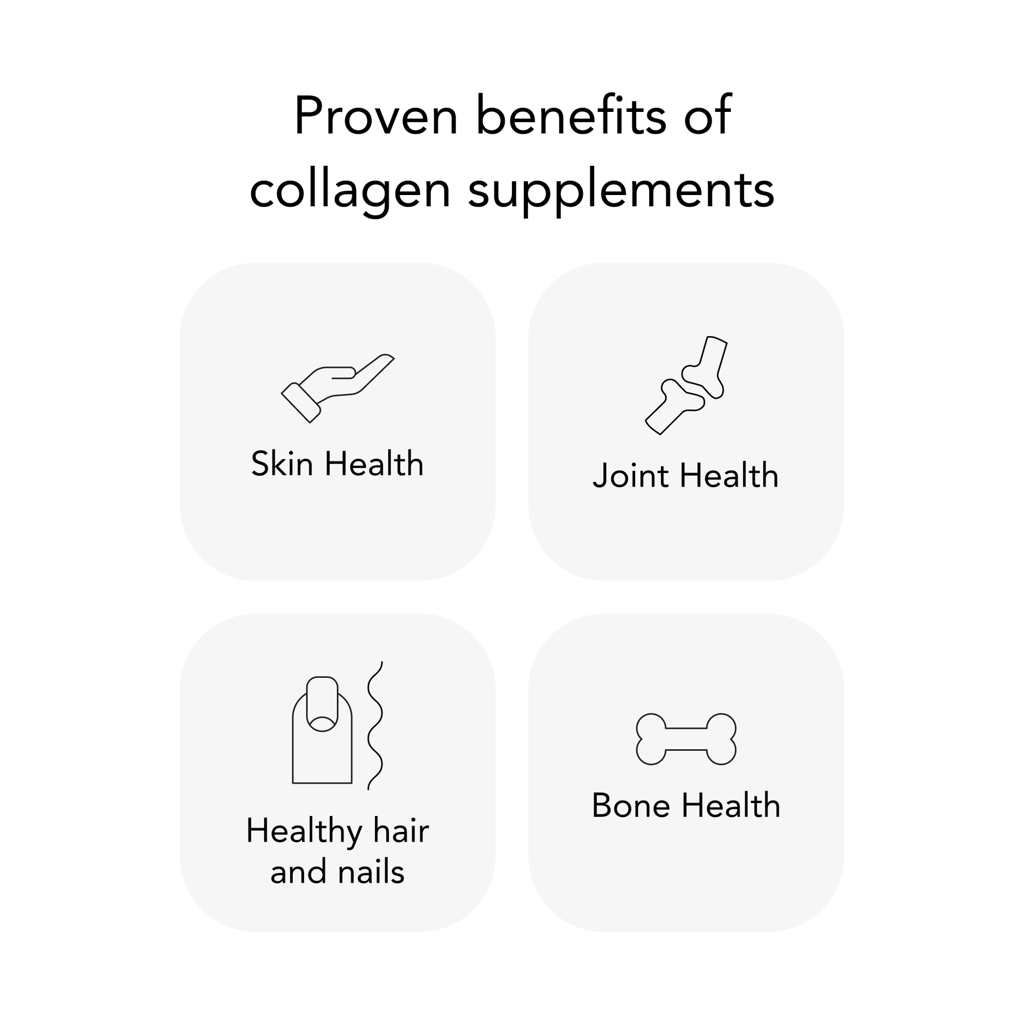
Proven benefits of collagen supplements
Let’s take a closer look at collagen supplements benefits:
Skin health
If you’re passionate about skincare and eager to reduce those squinty lines, keep reading. Walk into any grocery store, health food shop, or pharmacy, and you’ll find entire shelves dedicated to collagen for skin, promising a youthful glow. These products contain collagen peptides or hydrolyzed collagen—forms that are broken down to make them easier to digest and absorb.
As we age, our skin loses collagen density and skin thickness, and the body slows down its ability to produce and replace these structural proteins, leading to visible signs of ageing like dryness, wrinkles, and reduced elasticity. The good news is that collagen supplements may help counteract some of these effects. Studies show they can improve skin hydration and skin elasticity and increase dermal collagen density (firmer and plumper skin).
One randomised, placebo-controlled, double-blind study found that collagen supplements significantly improved skin hydration, smoothness, elasticity, and density compared to the placebo group. Additionally, a systematic review and meta-analysis of 26 randomised controlled trials found that hydrolyzed collagen supplementation effectively enhanced skin hydration and elasticity. If you’re looking for soft, pump, and firmer skin, collagen supplements may be worth considering.
Joint health
Collagen is a structural component of cartilage, the tissue that cushions your joints and allows for smooth, flexible movement. Collagen maintains joint structure and function, so it has potential as a supportive option for joint issues like arthritis.
A small randomised controlled trial found that collagen supplements, when taken alongside acetaminophen, may ease symptoms in people with knee osteoarthritis, a condition where cartilage near your bones gradually wears down over time. Another study found that collagen may decrease osteoarthritis symptoms, like joint stiffness and pain.
Registered Nutritionist Clarissa Lenherr, RNT, mBANT, CNHC, adds that collagen may also support activity-related joint discomfort. A review of 19 studies found that collagen peptides may improve fat-free mass, tendon structure, muscle mass, maximal strength, and recovery after exercise in active adults. However, the overall quality of the evidence ranged from moderate to low across these outcomes.
Bone health
Collagen plays a key role in the structure of bones. As we age, muscle and bone mass tend to decline, increasing the risk of conditions like osteopenia (low bone mineral density) and osteoporosis (weakened bones) among older adults. Research shows that in postmenopausal women, collagen peptides can help improve bone mineral density and support bone formation. Additionally, a meta-analysis of randomised controlled trials suggests that collagen supplements may help relieve pain in people suffering from knee osteoarthritis.
Hair and nails
Evidence linking collagen to stronger hair and nails is limited. “Although many people anecdotally report improvements in hair growth or nail strength, robust clinical trials to support these claims are lacking,” says Lenherr.
One small, uncontrolled study suggested that collagen peptides may reduce nail brittleness and encourage nail growth, but it lacked a placebo group and involved only a few participants. More rigorous research is needed before we can draw firm conclusions.
Types of collagen supplements and what to look for
Not all collagen supplements are created equal, and some are better than others. So how do you know which one’s actually worth it? Here are a few factors to keep in mind when you’re shopping for a high-quality collagen supplement.
Targeted collagen type
There are multiple types of collagen, each supporting different parts of the body. The most common types in supplements are Types I through IV:
- Type I: The most abundant form in the body; found in skin, bones, tendons, ligaments, and teeth.
- Type II: Primarily found in cartilage (joints).
- Type III: Found in the dermis, muscles, and blood vessels.
- Type IV: Found in various body tissues.
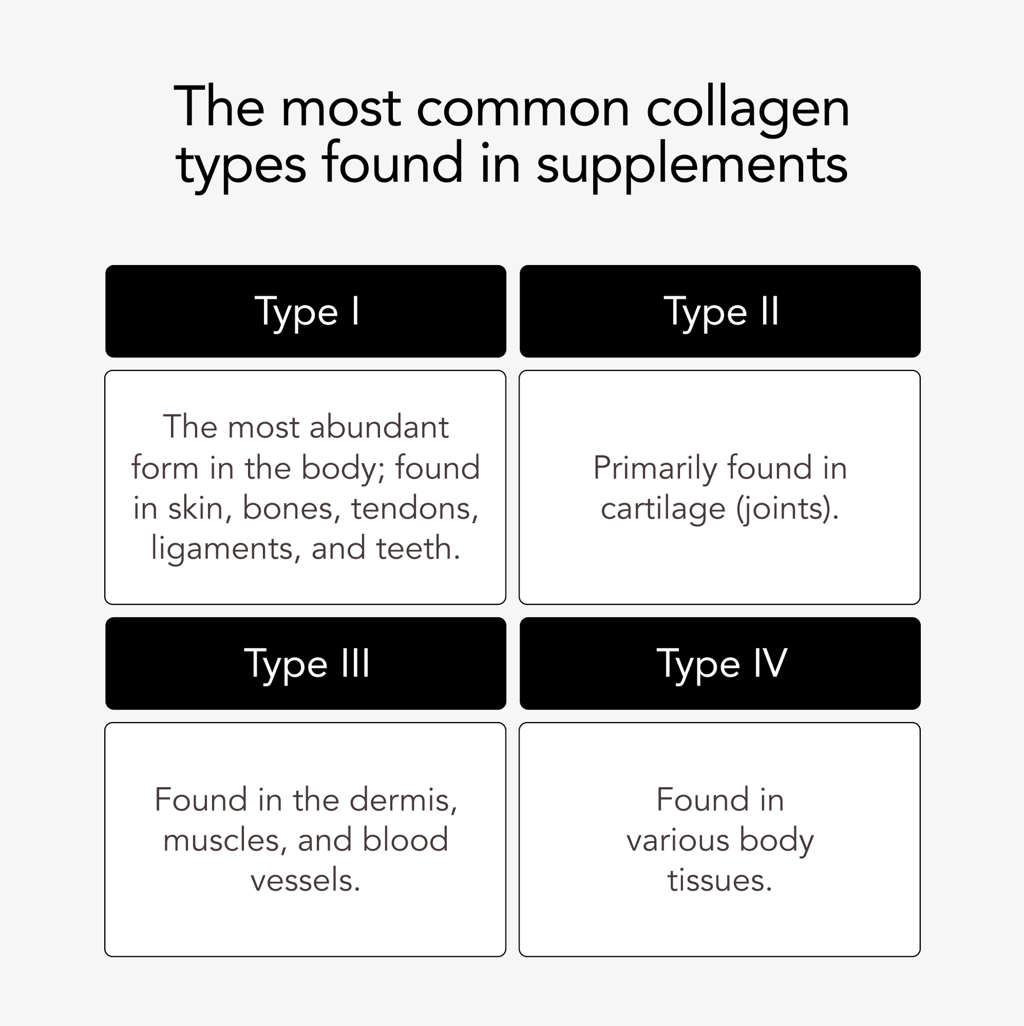
Knowing these distinctions is important because you’ll want to choose a collagen supplement that aligns with the area you’re trying to support.
Third-party testing
The quality of dietary supplements can vary widely, and some have been shown to contain contaminants, hidden ingredients, or amounts that differ from what’s listed on their labels. That’s why quality testing is so important to ensure safety and consistency. Trusted brands often submit their products to third-party testing, where independent laboratories verify their quality, purity, and safety.
“Third-party testing is important to ensure quality and safety and see if the brand has checked for mycotoxins and heavy metals,” says Lenherr. When choosing supplements, look for those tested by trusted third-party organizations such as Eurofins, NSF, and Clean Label Project.
Form
Collagen supplements are available in several forms, including capsules, powders, and gummies. Capsules are convenient and easy to take on the go, while powders can be blended into smoothies or yoghurt bowls. Gummies offer a tasty alternative, especially if you have difficulty swallowing pills. When deciding which form to choose, consider what fits best with your daily routine and preferences. The best option is one you’re most likely to take consistently.
Food allergies and dietary restrictions
Collagen supplements are sourced from animals, such as bovine (cattle), fish, chicken, or pig. If you have food allergies or dietary restrictions, make sure to read the food label to see where the collagen is sourced from before taking it.
Extra ingredients
Many collagen supplements include additional ingredients that can enhance their benefits. Common additives include vitamin C, which supports collagen synthesis, and biotin, for improving hair, skin, and nail health. However, many also contain unnecessary additives like fillers, added sugars, or artificial sweeteners (especially in flavoured powders or gummies), which can cause digestive issues. Carefully read the label and watch out for unwanted extras.
Best collagen supplements
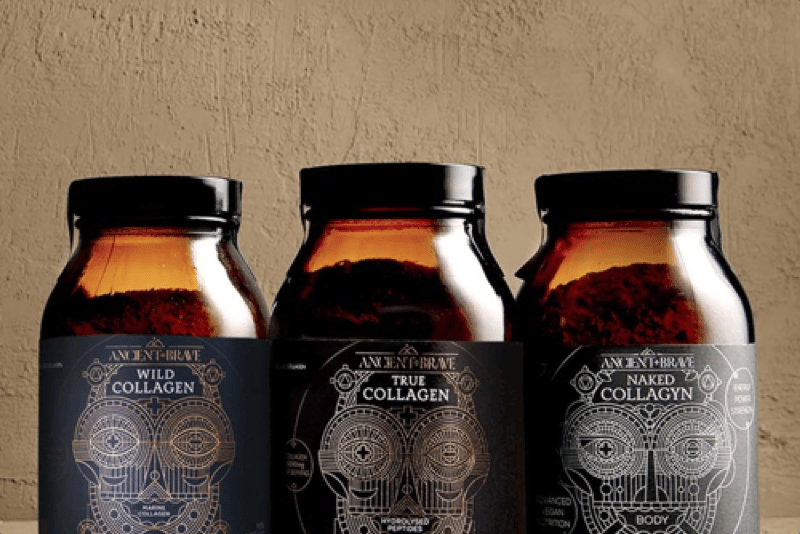
Whether you’re focused on skin health, joint support, or overall wellbeing, here are our top picks:
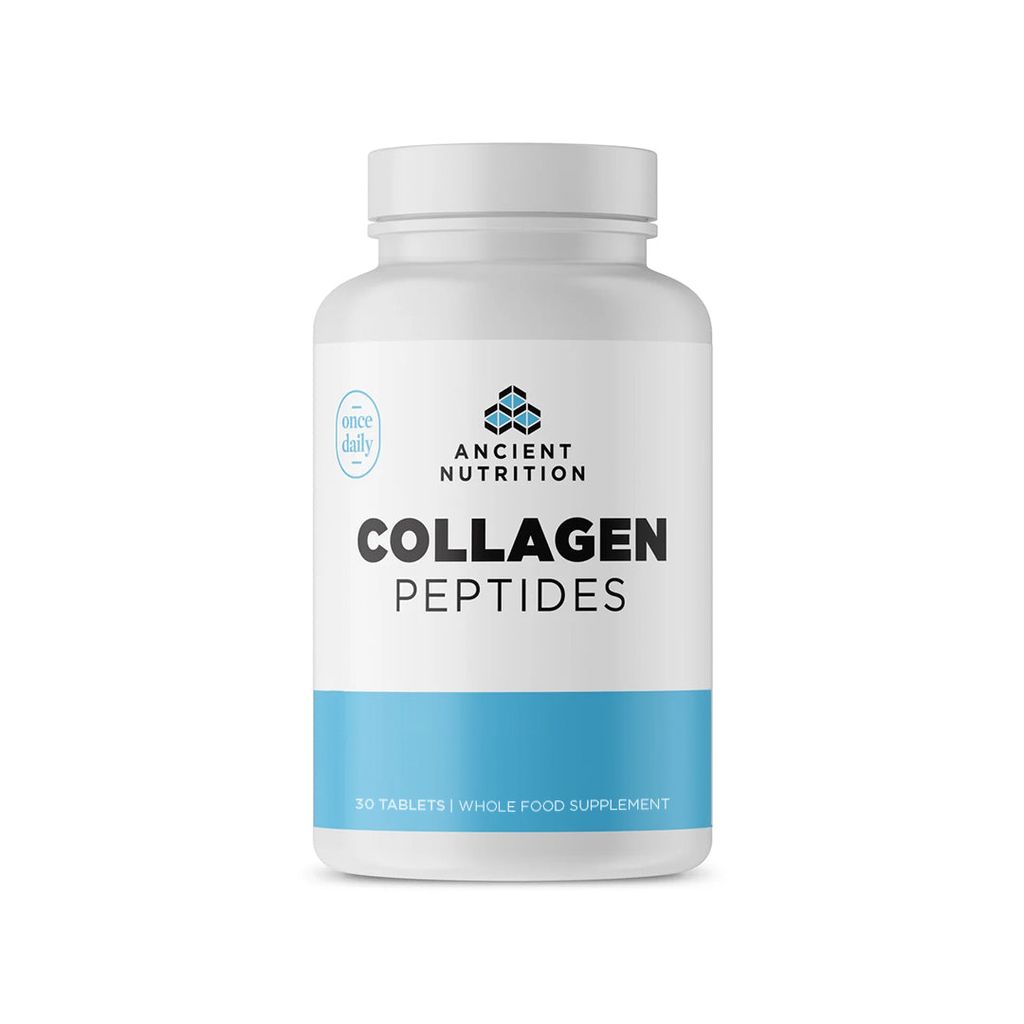
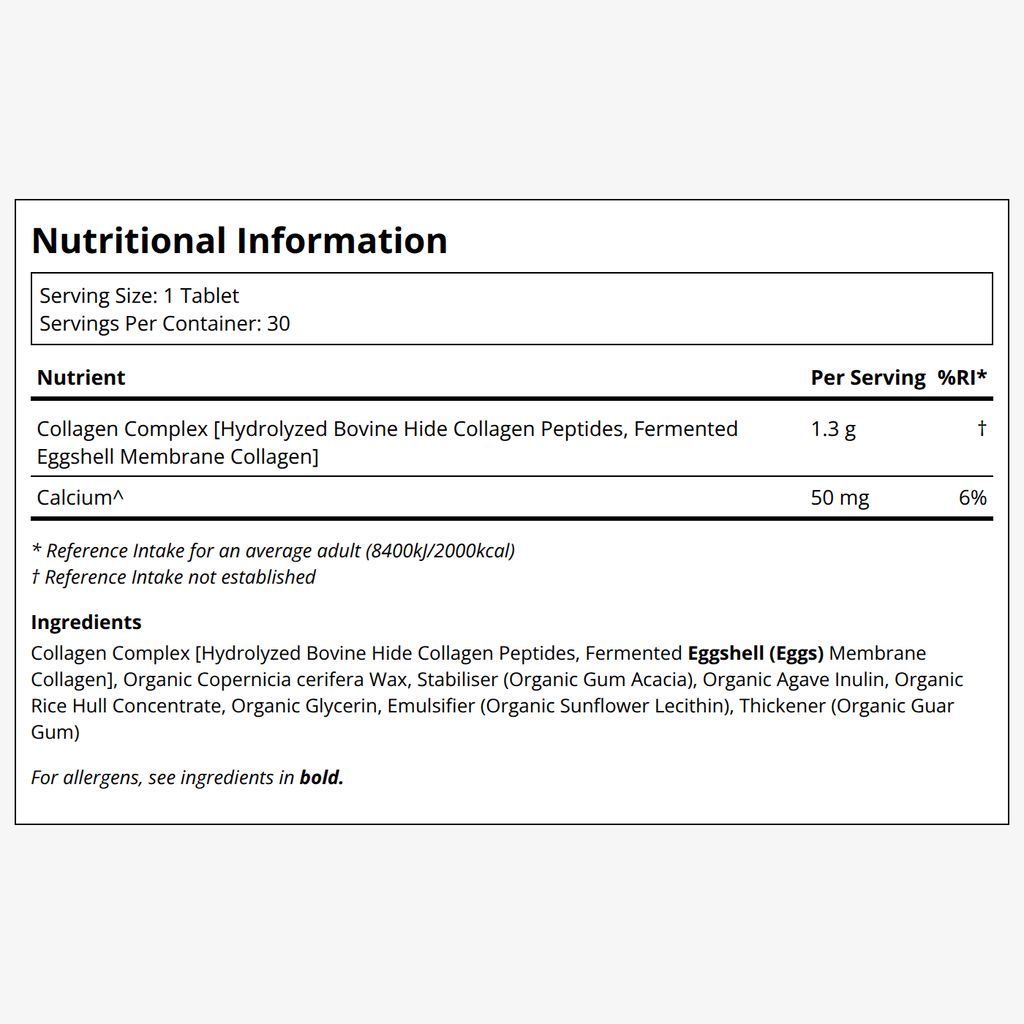
- For a collagen peptide capsules, try, Ancient Nutrition Collagen Peptides
- For a collagen peptide powder, try, Vital Protein Collagen Peptides
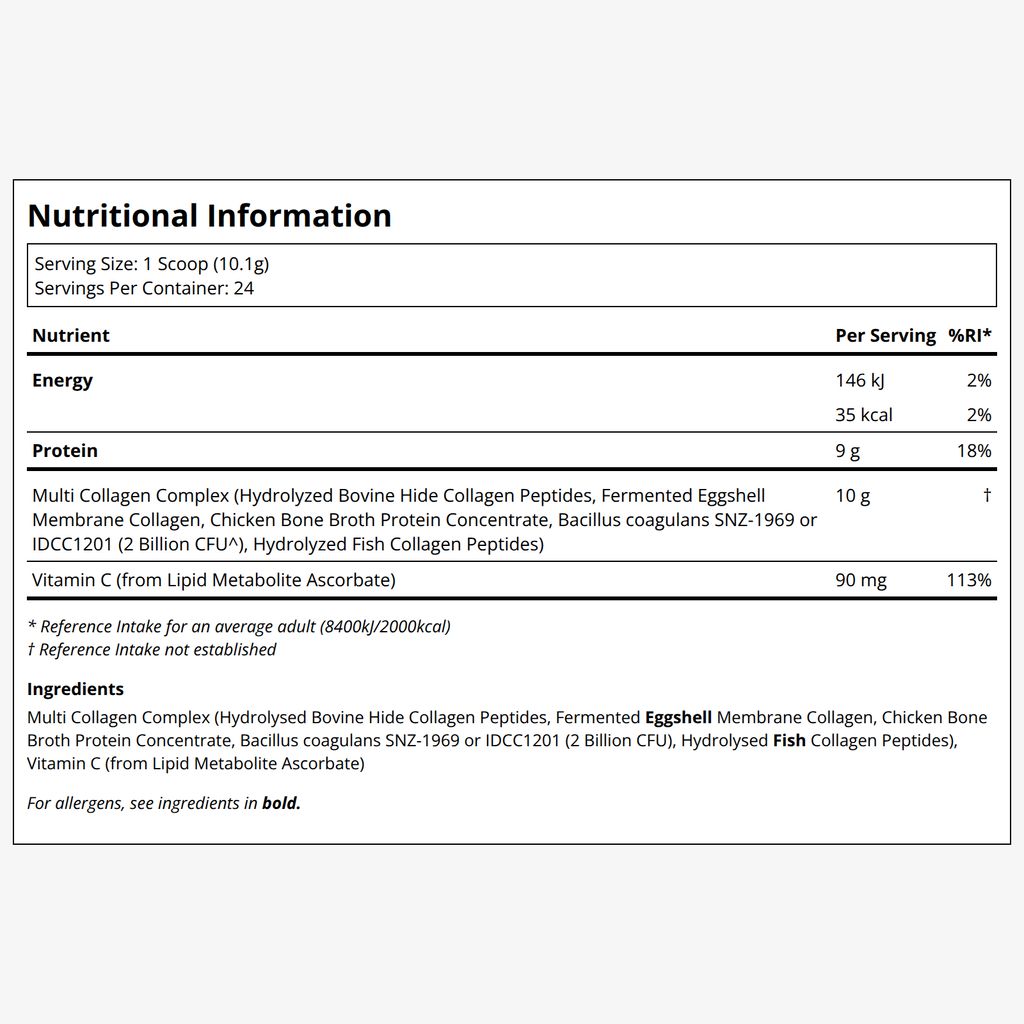
- For collagen + vitamin C, try Ancient Nutrition Multi Collagen Protein
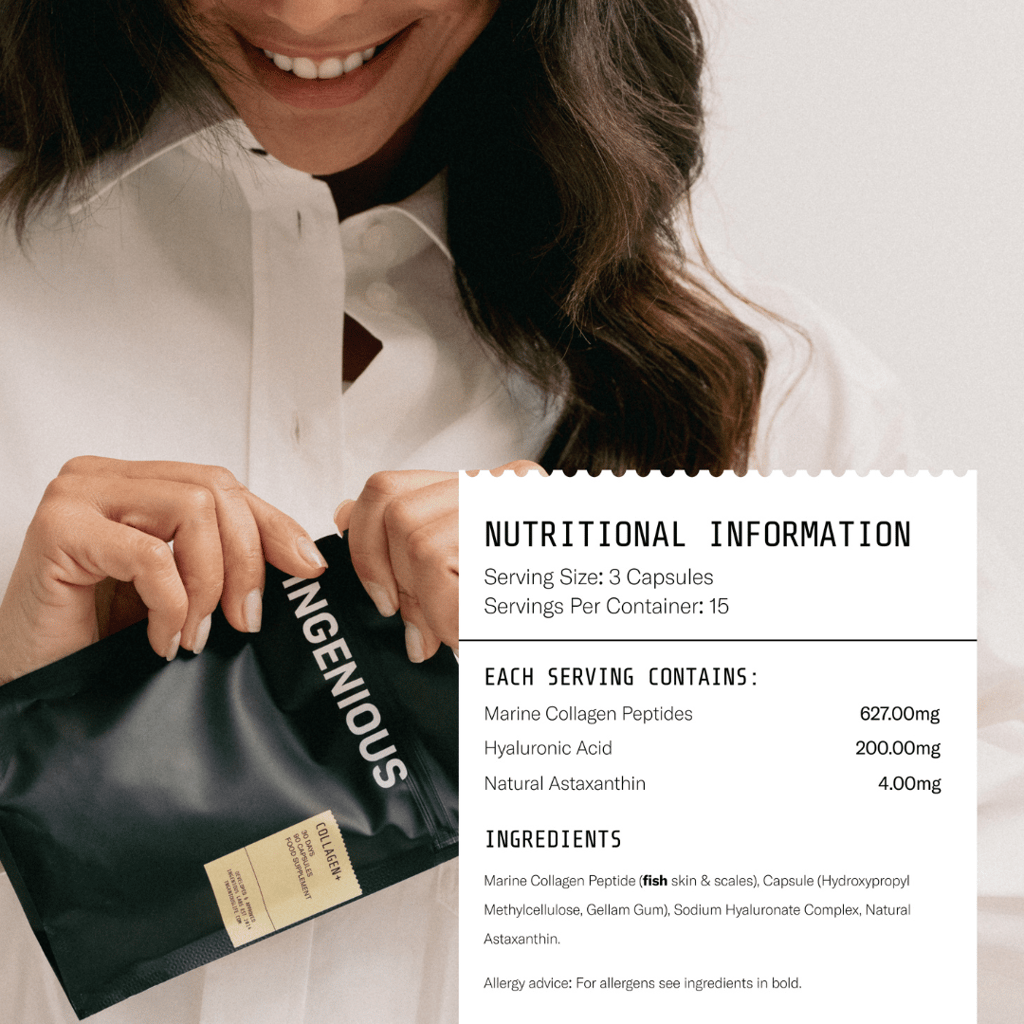
- For marine-sourced collagen, try Ingenious Collagen+ Hydrolysed Marine Collagen Capsules
Need help choosing the right one? Just ask— we’re here to help (say hi to Helix, our new AI support!).


How to take collagen supplements effectively
For the most effective results, Shaw recommends taking 2.5 to 10 grams of hydrolyzed collagen peptides per day. But consistency matters and noticeable benefits typically emerge after 8 to 12 weeks of continued use.
To maximise the effectiveness of collagen, it’s also important to pair it with vitamin C, which plays a crucial role in the body’s natural collagen production. “Vitamin C is essential for collagen synthesis in the body, so I usually recommend pairing collagen with a source of vitamin C,” says Lenherr. This could be through foods like berries, citrus fruits, or simply ensuring your daily diet includes enough vitamin C. Some collagen supplements also include vitamin C.
As for how to take it, Lenherr explains that collagen supplements can be taken with or without food. One of the simplest ways to stay consistent is by mixing collagen into warm drinks like coffee or matcha. If you already have a morning breakfast routine, adding collagen to it can be an easy and sustainable way to remember your daily dose.
Potential side effects and safety considerations
Collagen is generally considered safe and well-tolerated for most people. However, if you have a history of food allergies, particularly to fish, it’s best to avoid marine-based collagen. Lenherr also adds that people with histamine intolerance may need to be cautious, as some collagen supplements can trigger histamine-related symptoms like headaches or digestive discomfort.
Additionally, because collagen is a protein-rich supplement, anyone with kidney issues should consult a healthcare provider before adding it to their routine, as excess protein can strain kidney function. Lastly, if you’re pregnant, breastfeeding, or taking medication, check with your healthcare provider before starting any new supplement.
Who should consider taking collagen?
Certain groups of people may find collagen supplements particularly beneficial due to their specific wellbeing needs or life stages. Here’s a closer look at who might benefit most:
- Women aged 35+: “Collagen production begins to decline around our 30s, with noticeable effects from the age 40 onwards,” explains Shaw. Women experiencing early signs of skin ageing, like fine lines, dryness, or reduced elasticity, may find collagen helpful for maintaining a more youthful appearance.
- Ageing adults: As people age, they become more susceptible to sarcopenia, the age-related loss of muscle mass and strength. Collagen, combined with resistance training, may help preserve muscle and prevent frailty.
- Postmenopausal women: Hormonal changes after menopause can accelerate bone loss. Collagen supplements may help support bone health and reduce the risk of osteoporosis in this population.
- Physically active adults and athletes: Regular exercise, especially high-impact or strength-based training, can put stress on joints. Collagen may support joint health and improve flexible movements.
- People with osteoarthritis or joint pain: Collagen supplementation has been shown in some studies to reduce joint pain and improve mobility in those with osteoarthritis or joint pain.
- Anyone focused on preventive ageing: For individuals looking to proactively support their skin, joints, and bones, collagen can be a useful addition to a wellbeing routine—even before noticeable signs of ageing appear.
When collagen supplements may not be worth it
If you’re already getting enough protein from a balanced diet rich in animal and plant sources, extra collagen supplements may not add much benefit. Since collagen breaks down into amino acids like any other protein, meeting your daily protein needs naturally supports your body’s collagen production without the need for supplements. Additionally, if you're expecting dramatic changes in your appearance or major health improvements solely from collagen supplementation, you may be disappointed.
Collagen supplements are not a magic fix. Their benefits work best when combined with overall healthy habits like good nutrition, regular exercise, quality sleep, and sun protection.
Frequently asked questions (FAQs)
Do collagen supplements really work?
Current research provides moderate evidence that collagen supplements can improve skin elasticity and hydration, reduce joint pain and osteoarthritis symptoms, and support bone mineral density. Individual results can vary, and more research is needed to learn who might benefit most.
Is there a downside to taking collagen?
For most people, collagen supplements are generally safe and well-tolerated. However, there are a few considerations to keep in mind.
- Collagen is typically derived from animal sources and therefore not suitable for vegans or those following a strictly plant-based diet.
- Shaw notes that collagen supplements may be less effective if your overall diet is low in protein. Your body needs a variety of amino acids and nutrients to properly utilise collagen peptides, so if your diet is lacking in protein, you might not see the full benefits.
- Consistency is crucial. “The results in trials are based on consistency so dipping in and out of using collagen may not reap the same benefits as being consistent,” says Shaw. Taking collagen sporadically or in inconsistent doses is unlikely to deliver the same results as a committed, daily routine over several weeks or months.
What is the most effective collagen to take?
There isn't one collagen supplement that's universally the most effective, but certain forms are better absorbed by the body. Collagen peptides and hydrolyzed collagen are broken down into smaller amino acids that are easier to digest and absorb.
What are the first signs that collagen is working?
If you’re taking collagen supplements consistently, you might start to notice some subtle but encouraging changes within the first couple of months. “The earliest signs may be changes in skin hydration and elasticity, as people often report their skin feels more supple after a couple of months,” says Lenherr. “Some people may notice straight away that they feel fuller or have better energy, down to the fact that they are adding in more protein to their diet.” While every experience is different, these small improvements can be a good early indicator that collagen is starting to make a difference.
The bottom line
If you’ve noticed your skin isn’t as plump or your joints feel a bit stiff, collagen supplements might be worth a try. They’ve been shown to benefit skin health and joint comfort, particularly for those over 35 or experiencing age-related changes. While the science is promising, we’re still in the early stages of understanding collagen’s full potential. That said, collagen can be a helpful addition to a balanced wellbeing routine.
Key takeaways
- Collagen is a protein that provides structural and functional support to your skin, connective tissues, and bones.
- It can improve skin elasticity and hydration, support joint health, and strengthen bones.
- Collagen is found in the skin, bones, and connective tissues of animal products like meat, chicken, and fish, as well as in dietary supplements. When shopping for collagen supplements, consider factors like collagen type, supplement form, and third-party testing.
- Collagen is most effective when taken consistently and can be a great addition to your overall diet.




This article is for informational purposes only, even if and regardless of whether it features the advice of physicians and medical practitioners. This article is not, nor is it intended to be, a substitute for professional medical advice, diagnosis, or treatment and should never be relied upon for specific medical advice. The views expressed in this article are the views of the expert and do not necessarily represent the views of Healf
Dahlia Rimmon is a freelance health writer and registered dietitian. She writes for a variety of publications and wellness brands, specialising in translating complex medical and nutrition information into clear, engaging content. Through her work, Dahlia aims to empower readers to make informed choices about nutrition, embrace a healthy lifestyle, and confidently navigate their overall health journey. She lives with her family in the Midwest.