



















_2026-10-13_14-11-48.png)


What Is Collagen Biostimulation?
Discover how collagen biostimulators work to naturally restore skin firmness, smooth fine lines, and boost elasticity. Learn about the best injectables, skincare tips, and how sleep enhances results.
Written by: Olivia A Ferragamo
Written on: 20 May 2025
In the ever evolving skincare world a new phenomenon that is gaining major traction is Collagen Biostimulators. They are powerful tools for rejuvenation at a deep level within the skin’s structure. Unlike fillers and topical products these treatments work by stimulating the body’s natural ability to produce collagen, the protein responsible for the skin’s firmness, elasticity and glow.
What are collagen biostimulators?
Collagen Biostimulators are injectable substances that trigger the skin’s own fibroblasts to produce collagen. They’re like Personal Trainers for your skin. Unlike dermal fillers that just directly add volume by injecting hyaluronic acid directly to the area, biostimulators as the word suggests, stimulates your fibroblasts (collagen-producing cells) to get back to work! Think of them as personal trainers for lazy collagen factories.
What are the most common biostimulators:
- Poly-L-lactic acid (PLLA) known under the name Sculptra
- Calcium hydroxyapatite (AsHA)- known as Radiesse
- Polycaprolactone (PCL) known as Ellanse
- These products are injected by trained professionals and are biocompatible and biodegradable.
How do collagen biostimulators work?
Collagen is a protein found in the skin. Sadly, its production declines as early as in our mid 20s and slows down even more in our 30s and beyond. These biostimulators act like a wake up call to the fibroblasts that are responsible for producing collagen, encouraging them to speed up collagen synthesis.
Once injected into the skin you can expect:
- The product will at first appear to improve skin volume and texture.
- The body gradually metabolises the product creating newly formed collagen.
- The skin appears firmer, more youthful and smoother usually within a few weeks or months.
What are the skin benefits of collagen biostimulators?
Collagen Biostimulators offer a range of skin benefits that are both cosmetic and therapeutic:
- Skin tightening and lifting
- Reduction of fine lines and wrinkles
- Improved skin tone and texture
- Restored skin volume loss
- Natural enhancement over time
The results have been seen to last for up to two years or even more depending on the individual response and type of product used.

How to enhance the results?
Collagen biostimulators work from within so integrating them with a good skincare routine is optimal to create the ideal skincare synergy and maximise the benefits.
- Topical Retinoids: These boost cellular turnover and enhance collagen remodelling.
- Vitamin C Serums: Offer antioxidant protection and also aid in collagen production and synthesis.
- Sunscreen: Protects collagen from UV damage and degradation.
- Hydrating Products: These are essential to hydrate the skin keeping a healthy skin barrier locking the moisture into the skin to keep it supple and radiant.
Dermatologists often recommend pairing biostimulator treatments with other in-office procedures such as micro needling and laser therapies to enhance results.
When to start using collagen biostimulators?
Collagen biostimulators are ideal for those who:
- Are noticing signs of ageing
- Want to achieve a natural looking appearance
- Want longer lasting results rather than quick fixes achieved with fillers (results are usually visible in 6-12 weeks)
- Want to improve their skin texture and quality instead of just volume.
These injectables actually rebuild your skin’s structure. They don’t just fill the gaps. They stimulate a sort of collagen scaffolding, leading to firmer, smoother and more elastic skin over time.
Typically not recommended for those who are seeking instant results and of course individuals with medical conditions or allergies should consult with their healthcare provider beforehand.
Collagen biostimulators are a revolution in the anti-ageing skincare world, initially used to treat lipoatrophy in HIV patients helping them restore facial volume lost due to medication side effects. It works in a regenerative form rather than a replacement by interacting with your skin’s biology as opposed to just sitting where they are placed. By encouraging the skin to rebuild from within, delivering a more sustainable approach to ageing. Paired with a good skincare regime including Vitamin C, retinoids and sunscreen they can be a great product for both a preventative and corrective aesthetic strategy.
The role of sleep in enhancing biostimulator results
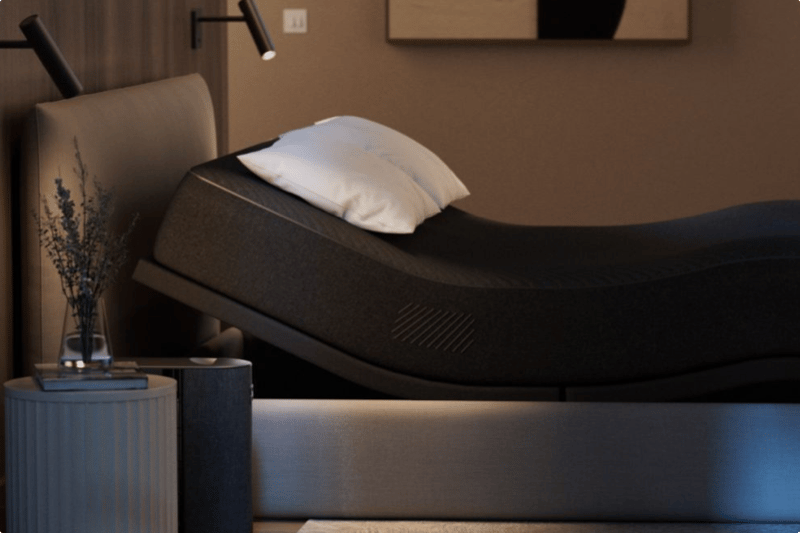
Quality sleep is one of the most underrated yet powerful tools in supporting the skin’s regenerative processes — especially when using collagen biostimulators. During deep sleep, the body enters repair mode, releasing human growth hormone (HGH), which supports collagen production and tissue renewal. This overnight restoration period is when the skin does most of its healing, making it an ideal partner to biostimulatory treatments.
Prioritising consistent, restorative sleep can help to maximise collagen synthesis, reduce inflammation, and improve overall skin texture. For best results, aim for 7–9 hours of uninterrupted sleep each night, and consider incorporating a calming evening routine to lower cortisol levels — as excess stress hormones can interfere with collagen production. Think of sleep as a silent but essential contributor to your anti-ageing strategy, working in synergy with your treatments to promote firmer, healthier skin over time.






This article is for informational purposes only, even if and regardless of whether it features the advice of physicians and medical practitioners. This article is not, nor is it intended to be, a substitute for professional medical advice, diagnosis, or treatment and should never be relied upon for specific medical advice. The views expressed in this article are the views of the expert and do not necessarily represent the views of Healf