
































_2026-10-13_14-11-48.png)

.jpg)
The Nutrient Hiding In Whole Milk That Researchers Didn't Expect To Find
Whole milk has been on our tables for thousands of years. Researchers are now revisiting one naturally occurring nutrient inside it that barely featured in nutrition research until recently.
.jpeg)
Written by: Samantha Nice
Written on: 12 August 2026
For most of human history, nobody thought too hard about whole milk. It was just something that we’ve been consuming for thousands of years, nourishing our bodies with its healthy fats and protein content. Only in the last few decades did the message around milk’s benefits begin to change. Semi-skimmed and skimmed milk became the default in many households while saturated fat and full-fat dairy became things to limit. Now, as scientists take a fresh look at whole milk and dairy fat, one naturally occurring nutrient that has been there all along is attracting unexpected attention.
C15:0, or pentadecanoic acid, is naturally present in whole milk, butter, and cheese, but until recently, it attracted very little scientific interest. It was grouped alongside every other saturated fat, despite having a slightly different chemical structure. Researchers are now investigating whether those differences also change how C15:0 behaves inside the body.
Early studies have linked C15:0 with metabolic health, healthy ageing, and the function of our cells. Some scientists have even proposed that it could become the first essential fatty acid identified in almost 100 years. It's a bold idea for a nutrient that's been part of the human diet for generations. Yet researchers only began investigating it seriously after an unexpected discovery involving a group of ageing Navy dolphins.
How Navy dolphins changed dairy research
Researchers first became interested in C15:0 while trying to understand why ageing Navy dolphins were developing metabolic conditions despite living in highly controlled environments. "Dr. Stephanie Venn-watson and her team were continually working to improve the health and wellbeing of Navy dolphins, which were already living longer than their wild counterparts," explains Sharlyne Poggio, MS, principal scientific educator at fatty15. "As they aged, we noticed some were developing metabolic syndrome, fatty liver disease, and changes similar to those seen in Alzheimer's disease."
These dolphins exercised every day, received regular veterinary care, and weren't eating the kinds of diets normally associated with declining metabolic health. When researchers compared them with healthier wild dolphins living in Sarasota Bay, Florida, one difference stood out: the wild dolphins consistently had higher levels of C15:0 circulating in their blood.
The team then increased the amount of odd-chain saturated fats in the Navy dolphins' diet to test their hypothesis. "Within three months, their insulin and triglyceride levels normalised, chronic anaemia improved, and we saw reductions in a marker associated with biological ageing," says Poggio.
Those findings gave researchers a compelling reason to investigate C15:0 much more closely. As they explored where this fatty acid naturally occurs in the diet, attention turned to whole-fat dairy, including whole milk, butter, and cheese, which remain some of its richest food sources. What started as an investigation into dolphin health has since opened up a much broader scientific question about the role C15:0 could play in human health.
Why haven't we heard about C15:0 before?
If C15:0 has always been in foods like whole milk, butter, and cheese, you may be wondering why it’s only now appearing in nutrition research. According to Poggio, it comes down to the questions scientists were trying to answer.
For decades, nutrition research focused on saturated fat as a whole. Researchers wanted to understand how eating more saturated fat affected health, rather than any potential health benefits of individual fatty acids within it. "It's similar to putting every carbohydrate into the same category," says Poggio. "We know oats and sweets don't have the same effects simply because they're both carbohydrates. We believe the same thinking applies to saturated fats."
That meant there was little incentive to investigate C15:0 on its own. "There were two main blinders," explains Poggio. "First, all saturated fats were treated as though they behaved the same way. Second, C15:0 became the reference fatty acid researchers used to measure other fats. It was treated as a ruler rather than something worth studying in its own right."
As analytical techniques improved, researchers gained a much clearer view of the individual nutrients inside foods. Instead of looking only at saturated fat as a category, they could begin examining the fatty acids within it, one by one.
We've been consuming C15:0 through foods like whole milk, butter, and cheese for generations. But it’s only now that we have the tools to study it on a molecular level.
Why are researchers interested in C15:0?
The growing interest in C15:0 comes from what researchers think it may be doing inside the body. Most dietary fats are broken down and used as fuel or stored for later. C15:0 appears to behave differently.
Researchers believe it becomes incorporated into the membrane surrounding every cell. That might sound technical, but the idea is actually quite straightforward.
Every cell has a thin outer layer that acts a little like a protective barrier. It helps regulate what enters and leaves the cell, allows cells to communicate and keeps everything functioning normally. "C15:0 acts like a sturdy brick within the cell membrane," says Poggio. "By strengthening that structure, cells appear to become more resistant to damage."
Researchers think that could help explain why higher circulating levels of C15:0 have been linked with areas including metabolic health, liver function, and healthy ageing.
It's still an active area of investigation, but it offers a very different way of thinking about a nutrient that's been associated with dairy for decades.
What does the research actually show?
The buzz surrounding C15:0 has grown from a body of research that's beginning to point in the same direction. Large population studies have linked higher circulating levels of C15:0 with better metabolic health. Laboratory studies have explored how it behaves inside cells, while early clinical trials have investigated changes in markers linked to liver function, inflammation, and metabolism.
The findings are encouraging, but they're still early. Much of the evidence comes from observational or laboratory research, making it difficult to know exactly how C15:0 influences long-term health in people. Larger clinical trials will help answer that.
"We're still learning," says Poggio. "What we've seen so far is promising, but this is an active area of research and there's much more to understand." That's fairly typical in nutrition science. Evidence builds over time, with each study adding another layer of understanding.
While dietary guidance in the UK remains unchanged, in the US, new dietary guidelines actually put full fat dairy at the top of the food pyramid. And a nutrient that spent decades sitting in the background is now being investigated alongside omega-3 and omega-6 as researchers work to understand exactly what it contributes.
Is C15:0 in every type of milk?
Yes, but not in the same amounts. Because C15:0 is found naturally in dairy fat, the amount depends on how much fat remains in the milk.
If you're choosing whole milk, you'll naturally get more C15:0 because more of the original dairy fat is still there. Semi-skimmed milk contains lower amounts, while skimmed milk contains very little after almost all of the fat has been removed.
The same applies across the dairy aisle. Butter, cream, and full-fat cheeses naturally contain more C15:0 than their lower-fat equivalents.
Those differences also reflect a broader shift in how scientists think about dairy fat. Rather than treating it as a single ingredient, researchers are beginning to understand that it's made up of dozens of different fatty acids that may not all behave in the same way.
Does all whole milk contain the same amount?
No. Like most naturally occurring nutrients, C15:0 isn't present in exactly the same amount in every bottle of milk. "It depends on factors including the breed of cow, the season, and whether the animals were grass-fed," explains Poggio.
A glass of whole milk from one farm may contain more C15:0 than a glass from another. Grazing appears to influence this, with cows eating more grass producing milk with a different fatty acid profile from those fed predominantly indoors.
That natural variation also makes C15:0 difficult to study through food alone. Unlike nutrients added during manufacturing, the amount occurring naturally in dairy changes from one source to the next.
So, should I start drinking more whole milk?
All of this doesn’t mean you have to swap skimmed milk for whole milk or to start adding butter to everything you eat. Current research is trying to answer a different question: have we underestimated one naturally occurring component of dairy fat?
Whole milk contains protein, calcium, iodine, vitamin B12, and dozens of different fatty acids, one of which is C15:0. "C15:0 naturally occurs in whole-fat dairy, but it's only one part of a much broader nutritional profile," says Poggio.
That means the current evidence isn't a reason to overhaul your food shop but it is a reason to better understand what's already in it.
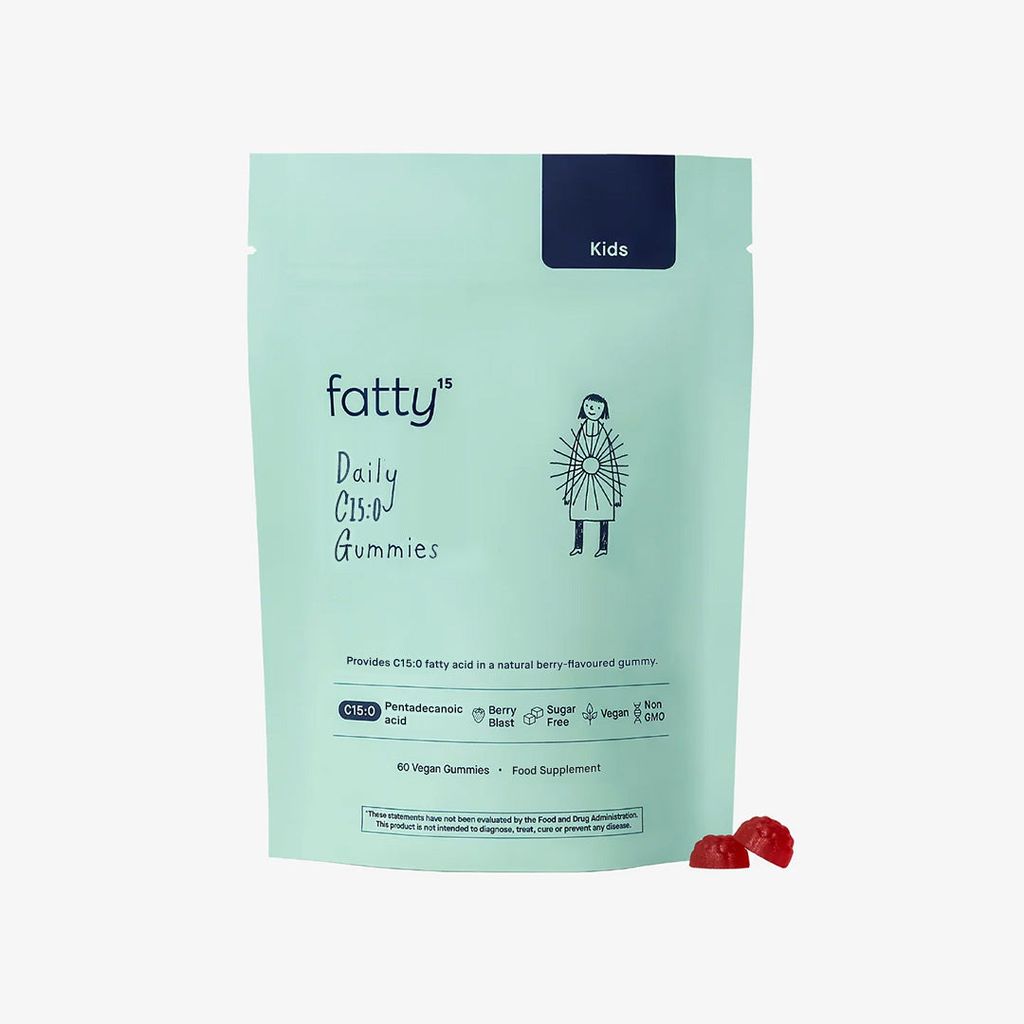

Gummies for Kids

Where does fatty15 fit?
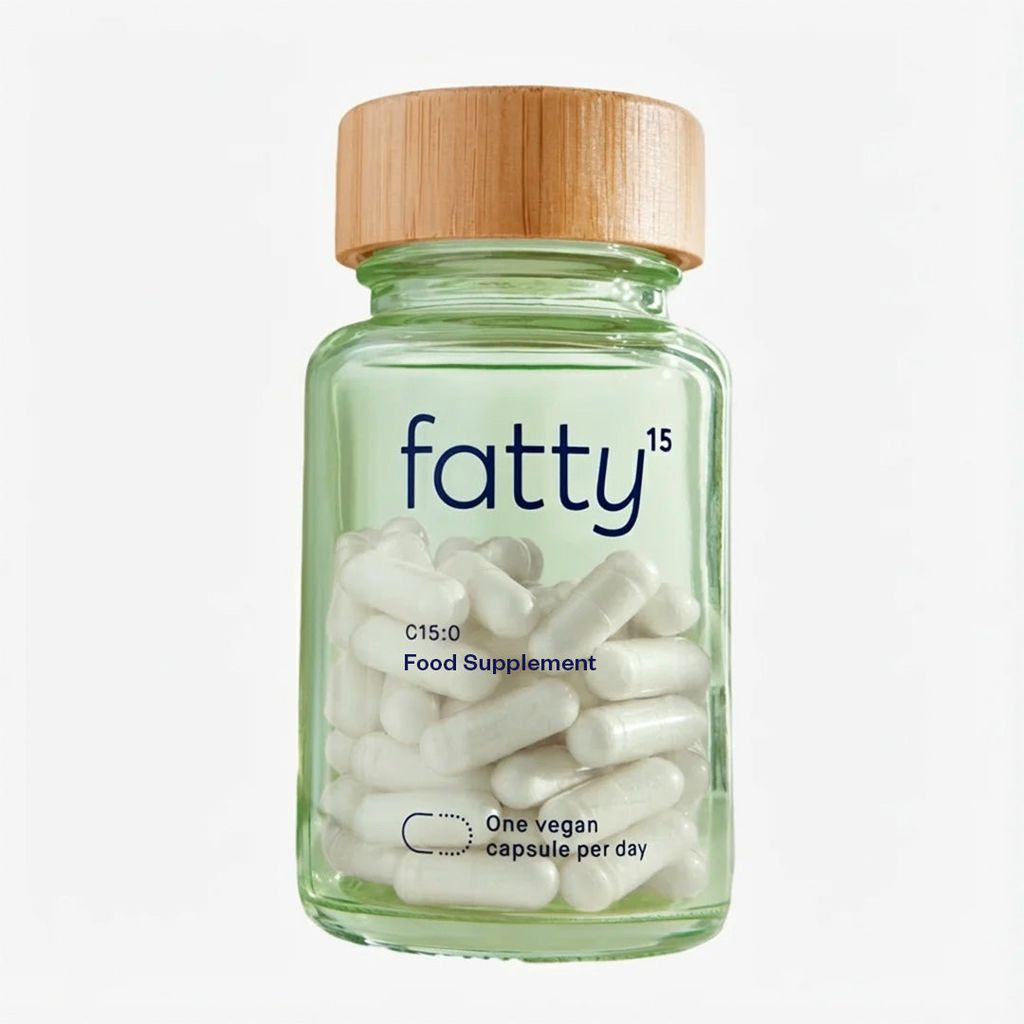
Most people will get their C15:0 from whole-fat dairy, including whole milk, butter, and cheese. According to the team behind fatty15, the challenge is consistency. The amount of C15:0 naturally varies depending on factors such as the type of dairy, farming methods, and whether the animals were grass-fed.
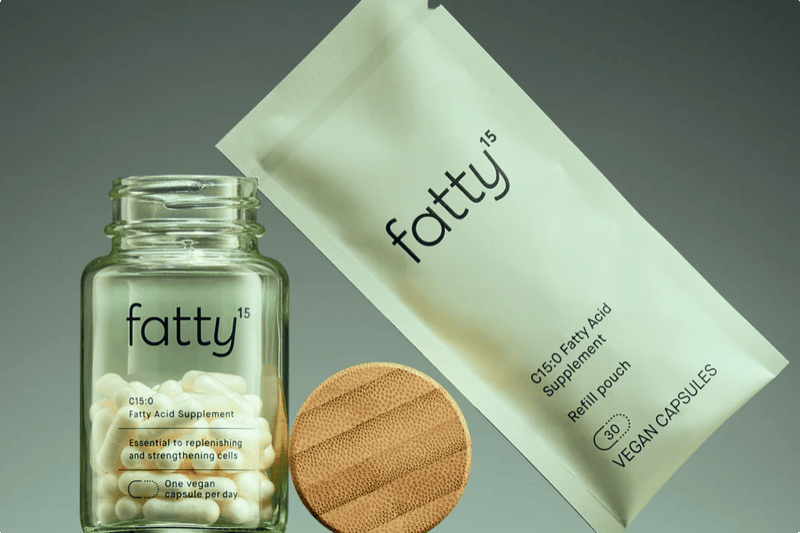
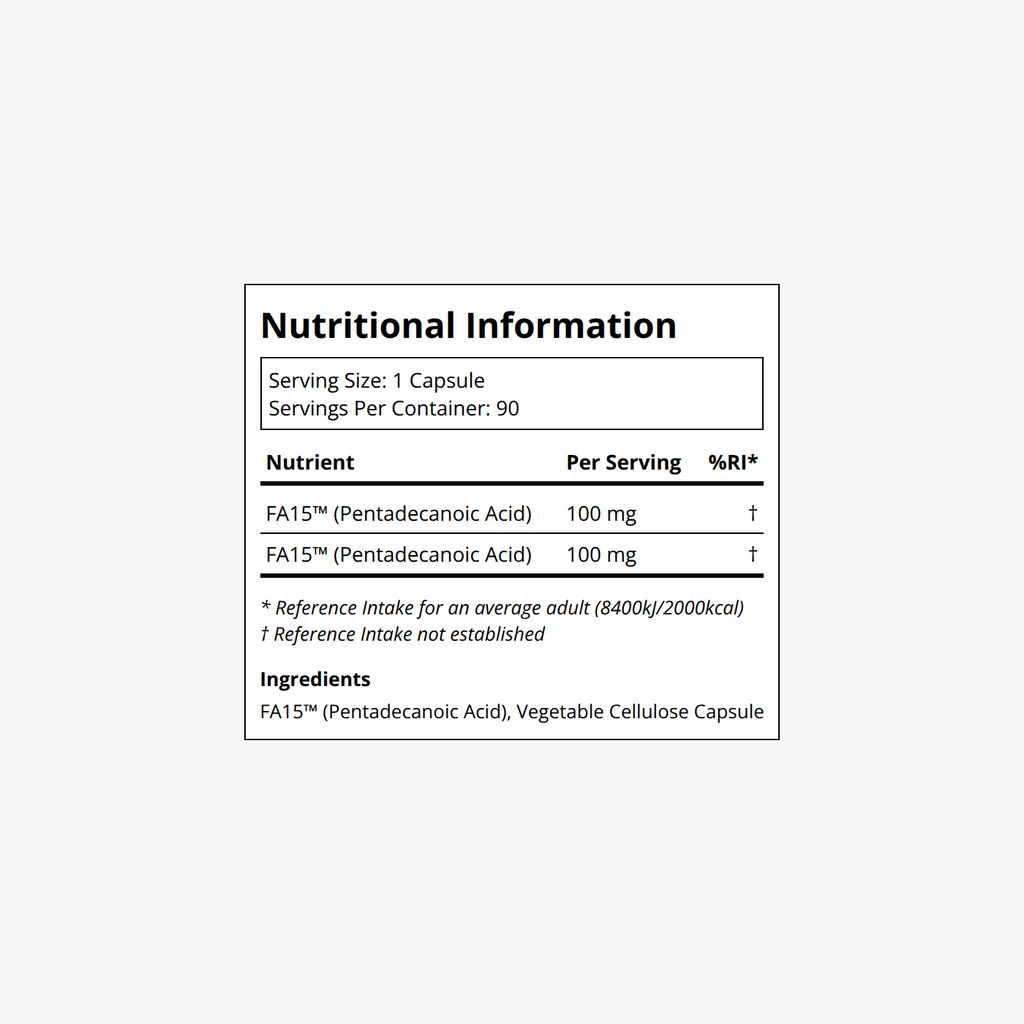
That's what led to the development of fatty15, a purified C15:0 supplement designed to deliver the same amount in every capsule. It's intended to complement a healthy diet, not replace it. "Whole foods will always be the foundation of good nutrition," says Poggio. "Our aim is to provide a reliable source of C15:0 while the science continues to develop."
As with any supplement, it's worth keeping the wider picture in mind. No single nutrient will outweigh the habits we already know have the biggest influence on long-term health, including eating well, sleeping enough, exercising regularly, and not smoking.



This article is for informational purposes only, even if and regardless of whether it features the advice of physicians and medical practitioners. This article is not, nor is it intended to be, a substitute for professional medical advice, diagnosis, or treatment and should never be relied upon for specific medical advice. The views expressed in this article are the views of the expert and do not necessarily represent the views of Healf
Samantha Nice is a seasoned wellness writer with over a decade of experience crafting content for a diverse range of global brands. A passionate advocate for holistic wellbeing, she brings a particular focus to supplements, women’s health, strength training, and running. Samantha is a proud member of the Healf editorial team, where she merges her love for storytelling with industry insights and science-backed evidence.
An avid WHOOP wearer, keen runner (with a sub 1:30 half marathon) hot yoga enthusiast and regular gym goer, Samantha lives and breathes the wellness lifestyle she writes about. With a solid black book of trusted contacts (including some of the industry’s leading experts) she’s committed to creating accessible, well-informed content that empowers and inspires Healf readers.