




















What Does The Newly Released Tired Eyes Emoji Say About Our Attitudes To Rest?
Written by: Pippa Thackeray
Written on: 8 April 2025
It’s that time again. Apple has released more emojis, and everyone seems to be talking about the new tired eyes one. Mainly because it’s pretty relatable. But could there be another level to what its popularity actually signifies?
On a deeper level, it may be revealing something darker about how, as a society we’re normalising a disregard for our bodies. This article takes a look at this new emoji craze from a health and wellbeing perspective. Taking you from tired eyes emoji to one more like the smiley with the halo, glowing and revived.
Why everyone feels seen by the new emoji
Apple's iOS 18.4 update introduces eight new emojis, including things like a harp, shovel, fingerprint, leafless tree, radish, and of course, the zeitgeist: a tired face with bags under the eyes.
Yes, it is humorous and is no doubt making an iconic entrance into every group chat going. Of all the emojis, it may even be a winner in terms of its surging popularity. How come?
Fatigue as the new normal
An argument may be put forward that this emoji acts as an acknowledgment of fatigue as a normalised state, prompting reflection on whether this acceptance perpetuates a culture that undervalues proper rest and other measures to ensure good health.
This may seem like a jump, it’s just a little emoji, right? However, there is evidence that both chronic fatigue and burnout are on the rise, particularly in the wake of the COVID-19 pandemic and the demands of changing workplace dynamics.
25% of UK workers report feeling unable to cope with workplace stress, while 63% now show signs of burnout such as exhaustion and disengagement, up from 51% just two years ago.
The words fatigue and burnout hold a lot of weight
When you’re always tired, it’s not just about being tired. It’s running late. It’s skipping the gym, not having the energy to cook, so you grab whatever’s easy and often not best for you. It’s forgetting things, low libido, mood swings, sugar cravings.
You may even be putting off big changes in your life because you just can’t face it. Or won’t shake the feeling that you should be doing more. So perhaps we laugh it off, drop a tired, droopy eyed emoji into the chat in an attempt to explain a feeling we’re all thinking about but not discussing.
Moreover, we may be overlooking what it means to be tired and how the body may be trying to communicate with us, however frustrating and debilitating the experience of fatigue may be.
Tiredness isn’t always what you think it is
Tiredness, from a medical perspective, is a multifaceted issue. It isn't always just as simple as getting enough sleep or time to rest, it’s the quality of that sleep and rest that counts. You may think of it as “using your time wisely”.
Fatigue is a common complaint in the practices of many nutritionists, herbalists and naturopaths, as well as in GP’s offices around the country.
If you come into a practice complaining about being tired, chances are they will assume a number of issues could be the cause. They may start by ruling out:
High stress: Chronic stress disrupts hormones, making deep, restorative sleep difficult.
Hypothyroidism: An underactive thyroid slows metabolism, leaving the body feeling drained.
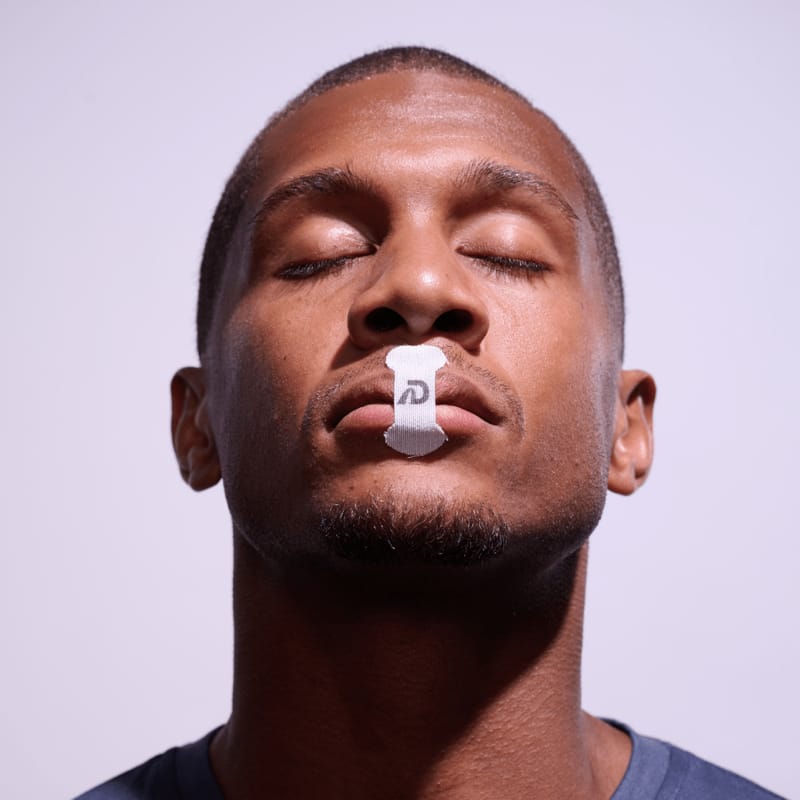
Sleep apnoea: Interrupted breathing increases carbon dioxide, triggering repeated night-time awakenings. Read - Mouth Taping Is Trending Again – Should We Be Doing It?
Poor sleep: Inconsistent routines and screen exposure confuse the body’s sleep rhythm.
From a naturopathic angle, it may also point to a system under pressure, where allergies and inflammation run wild, exhausting our system from the inside-out.
Explaining chronic inflammation and poor sleep
Chronic inflammation is a bit like a storm that never fully clears. Instead of passing through, it lingers in the background. It gets to work dampening everything, slowing recovery, and making the body feel like it’s always bracing for impact.
When that system doesn’t settle, your body stays on alert, repair is delayed, and subtle signs of illness can be missed. Over time, this low-level pressure takes a toll.
There is clear evidence linking sleep deprivation to low-grade chronic inflammation, which may raise the risk of long-term health issues. A peer-reviewed study found that even short periods of restricted sleep can elevate inflammatory markers such as IL-6, TNF-alpha, and C-reactive protein, all of which are associated with an increased risk of metabolic syndrome, cardiovascular disease, and type 2 diabetes.
The real sleep struggle
Sleep deprivation is a significant concern in the UK. A study found that both short sleep durations (less than six hours per night) and long sleep durations (more than nine hours per night) are associated with lower brain volumes and cognitive measures, indicating that poor sleep at midlife is linked to lower brain health.
If you suffer from ongoing, debilitating fatigue and suspect it may be a symptom of something else, speak to your GP or a natural health practitioner. It’s important to explore whether there may be an underlying cause.
But when it comes to sleep, it is often our own daily habits we need to take accountability for. Minute by minute, the choices we make either support or drain us.
Saying no to plans when you already have enough on your plate. Rethinking the all-nighter to get through a load of work, and instead planning better during the day. These are the decisions that help prevent those dreaded eye bags.
Avoiding burnout and fatigue, what to look out for:
- Unsustainable lifestyles: Modern life often deprioritises basic needs like proper nutrition, movement, rest, and purpose.
- Stress outside your control: Ongoing and excessive exposure to global, financial, or environmental stressors can leave your body in a constant state of low-grade inflammation. So be kind to yourself and take some time out where you can.
- The normalisation of burnout: Exhaustion is being socially accepted instead of addressed, try not to ignore how common doesn’t always mean ‘normal’.
- Small daily choices: Consistent habits, like protecting your sleep, reducing screen time, and making space for joy.
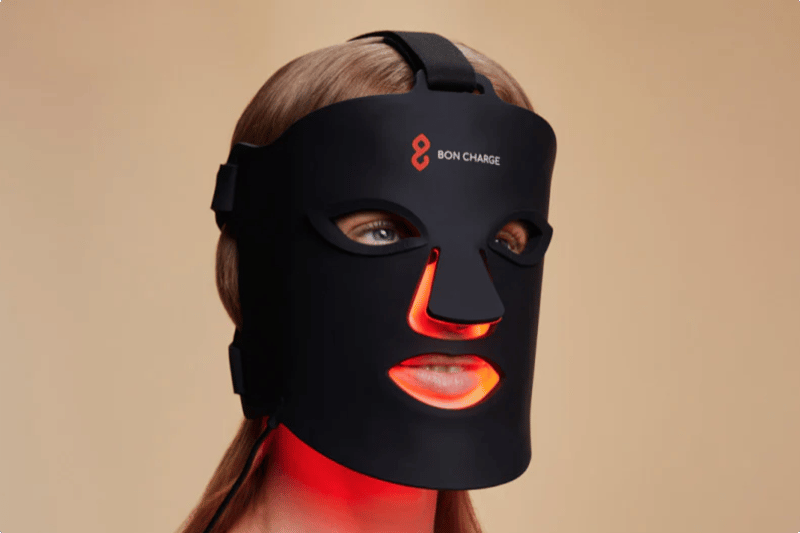
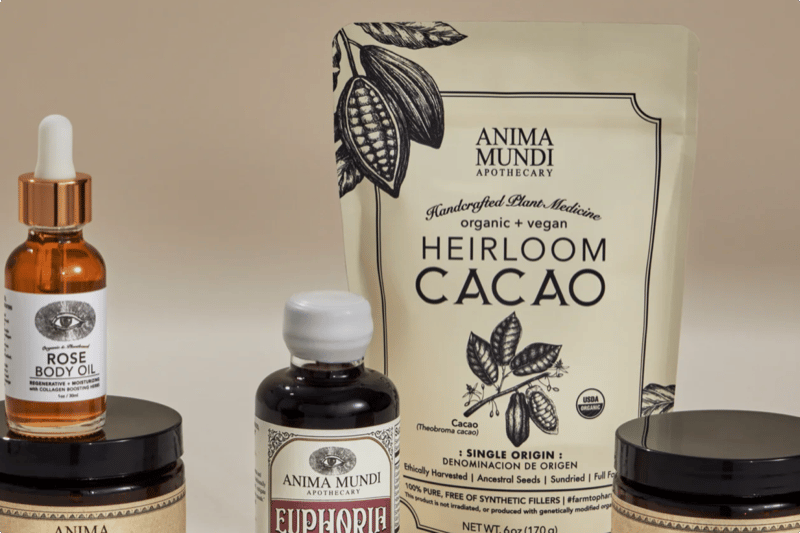
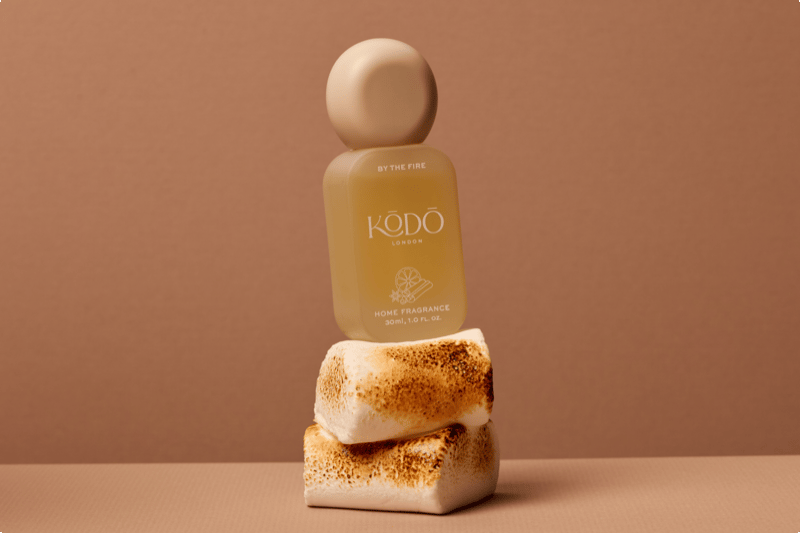
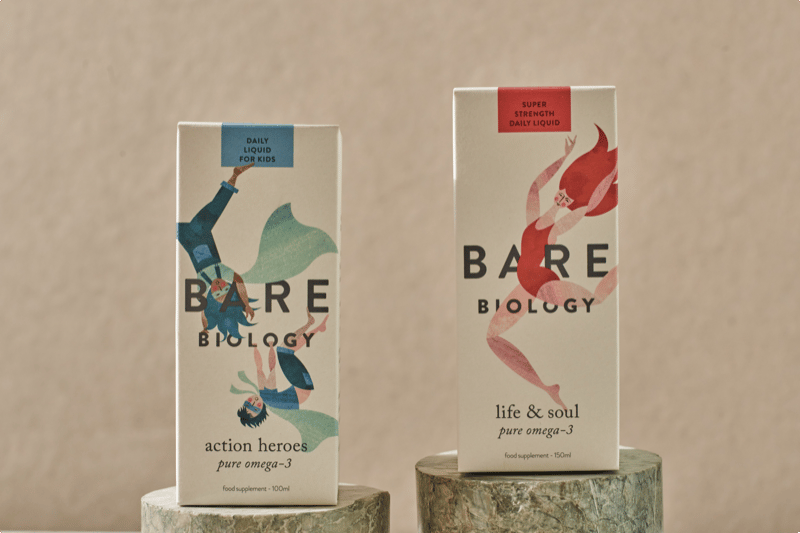
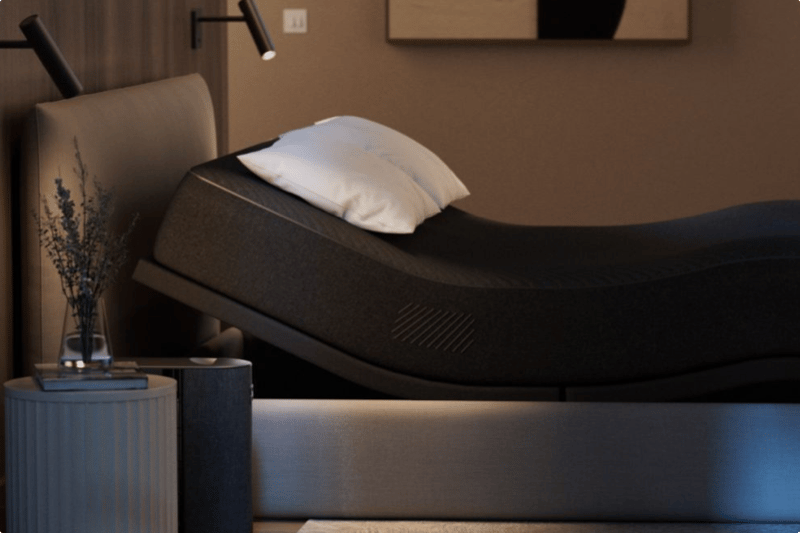
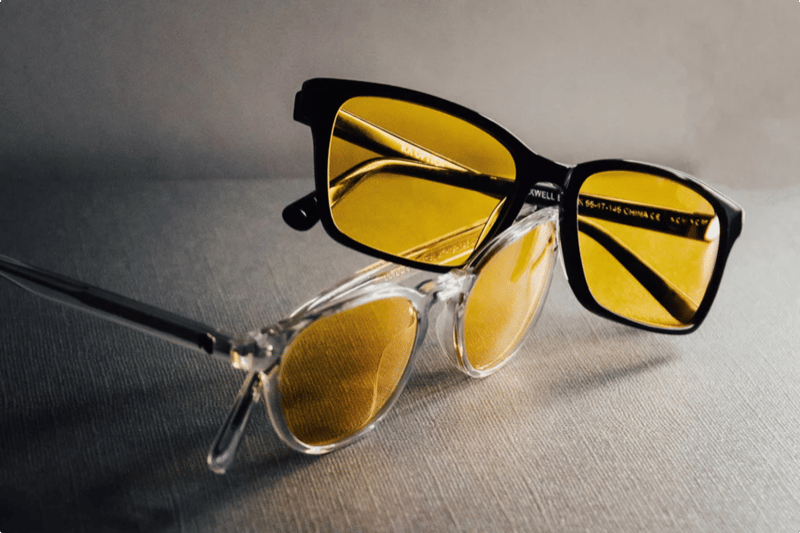
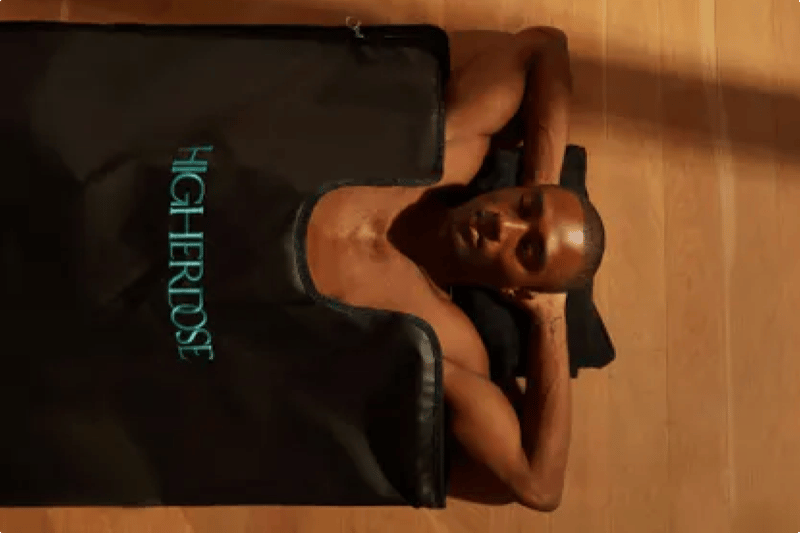
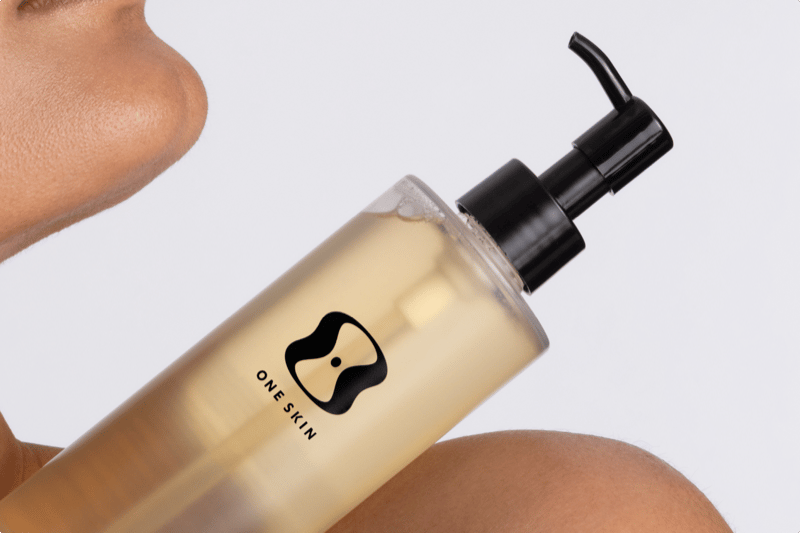
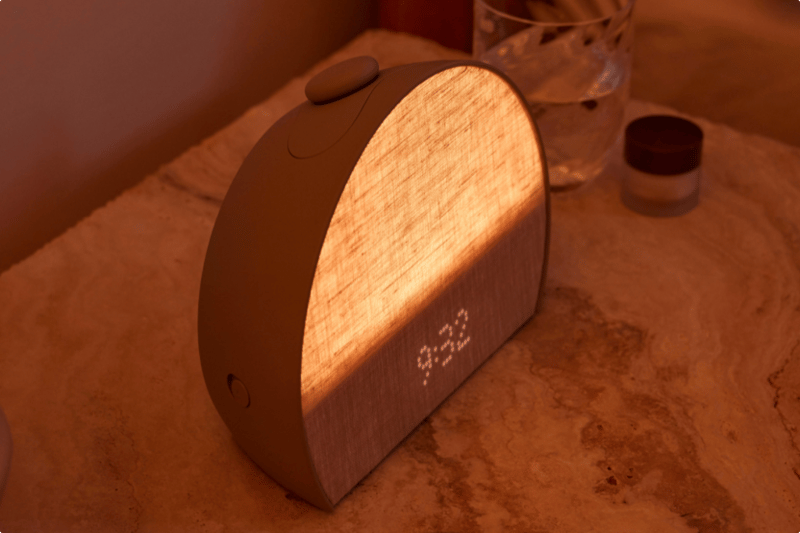
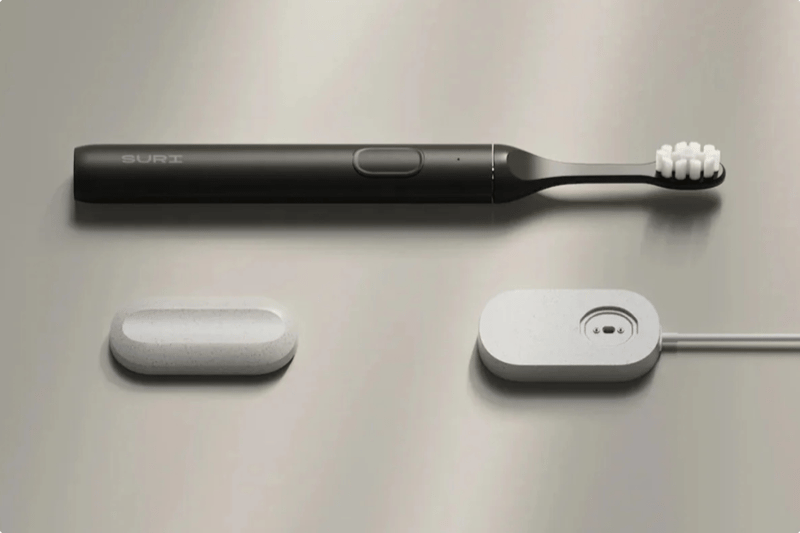
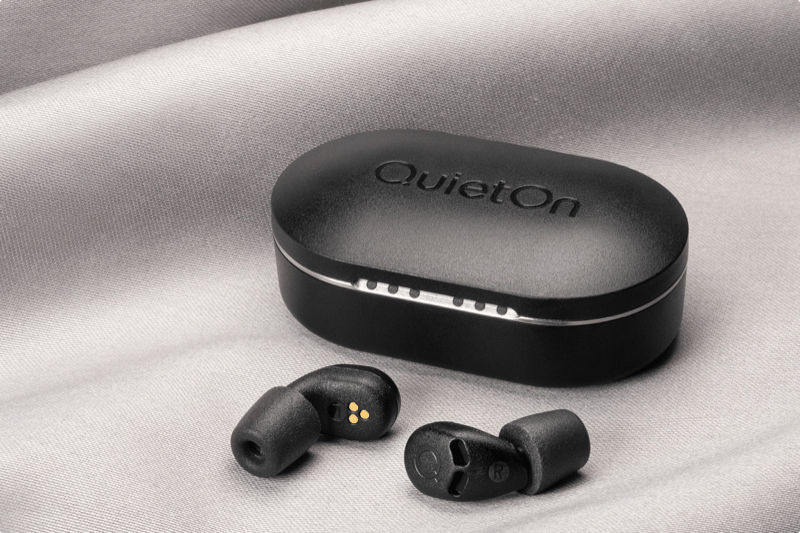
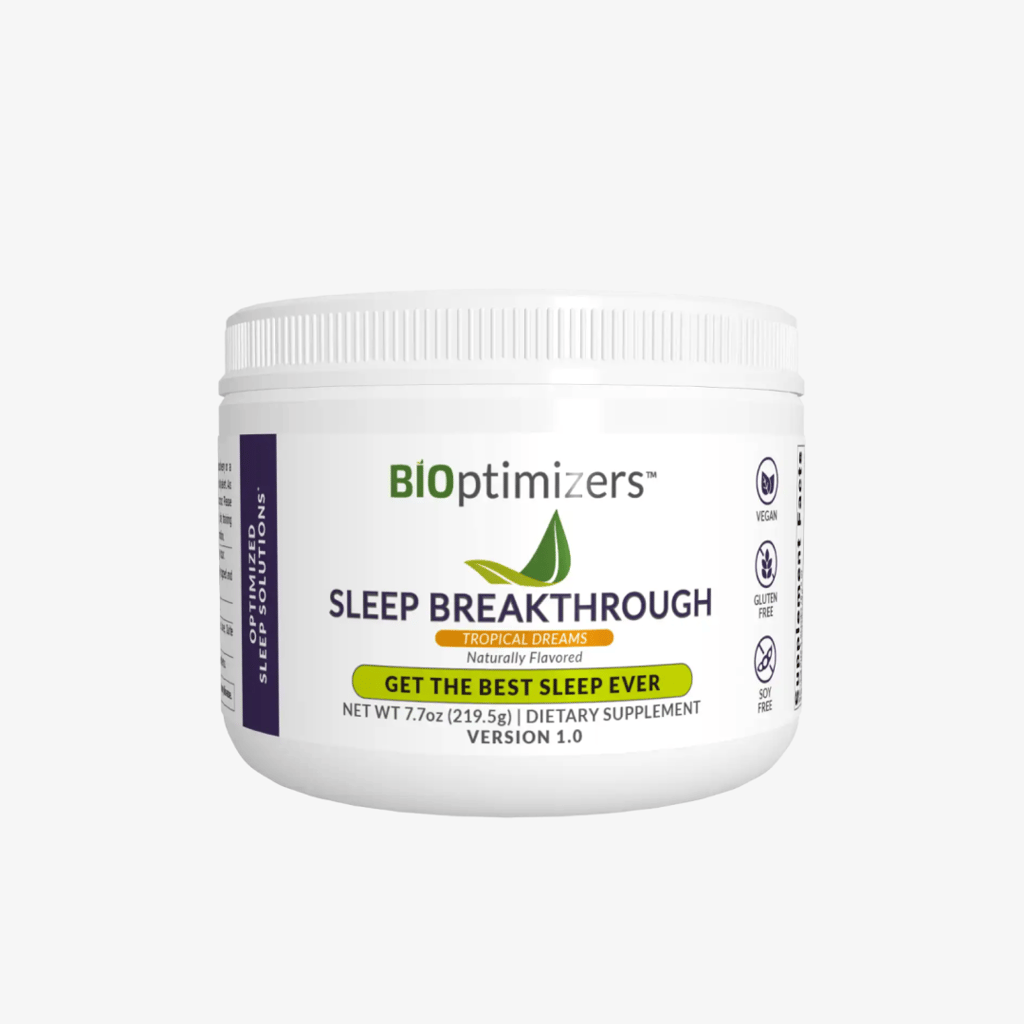
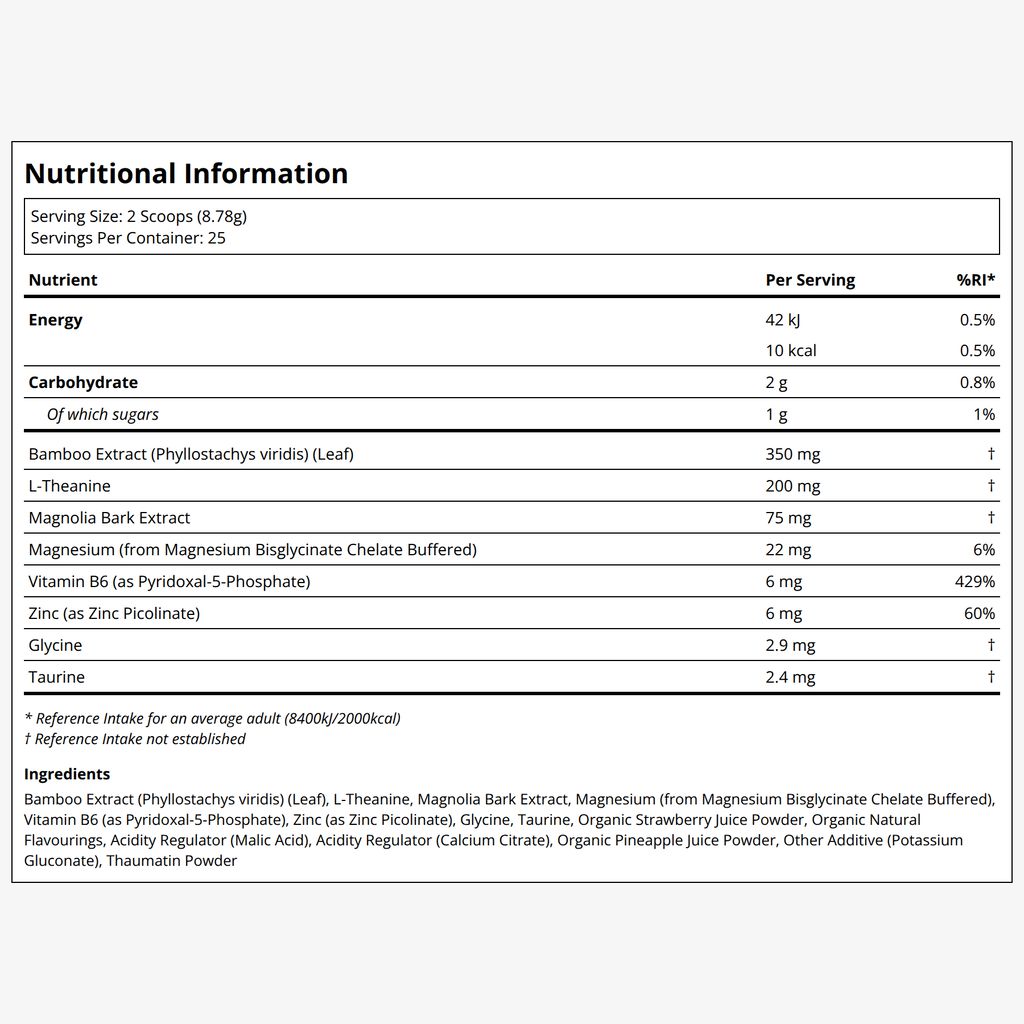
Healf’s SLEEP Edit
Final word on SLEEP
Sleep isn’t a luxury. In favour of success, or the pressure to socialise when we’re already burnt out, we may be neglecting our health.
The tired eyes emoji might be relatable, even quite cute when you look at it, but genuine rest and care for your body is the way out of a fatigue epidemic.
Shop Bedtime Rituals at Healf.


This article is for informational purposes only, even if and regardless of whether it features the advice of physicians and medical practitioners. This article is not, nor is it intended to be, a substitute for professional medical advice, diagnosis, or treatment and should never be relied upon for specific medical advice. The views expressed in this article are the views of the expert and do not necessarily represent the views of Healf
Pippa is a content writer and qualified Nutritional Therapist (DipNT) creating research-based content with a passion for many areas of wellbeing, including hormonal health, mental health and digestive health.
As a contributor to The Healf Source, she regularly attends seminars and programmes on a plethora of contemporary health issues and modern research insights with a drive to never stop learning. In addition, interviewing experts and specialists across The Four Pillars: EAT, MOVE, MIND, SLEEP.
In her spare time, she is an avid swimmer, mindfulness and yoga lover, occasionally bringing a raw, honest approach to the topics she faces. You may also discover some personal accounts of eye-opening wellbeing experiences amidst the reality of a disorientating, and often conflicting, modern wellbeing space.