




















Are Digestive Enzymes The Missing Link In Your Gut Routine?
Sold as the ultimate fix for bloating, sluggish digestion and even clearer skin, here’s everything you and your gut need to know…
Written by: Samantha Nice
Written on: 10 August 2025
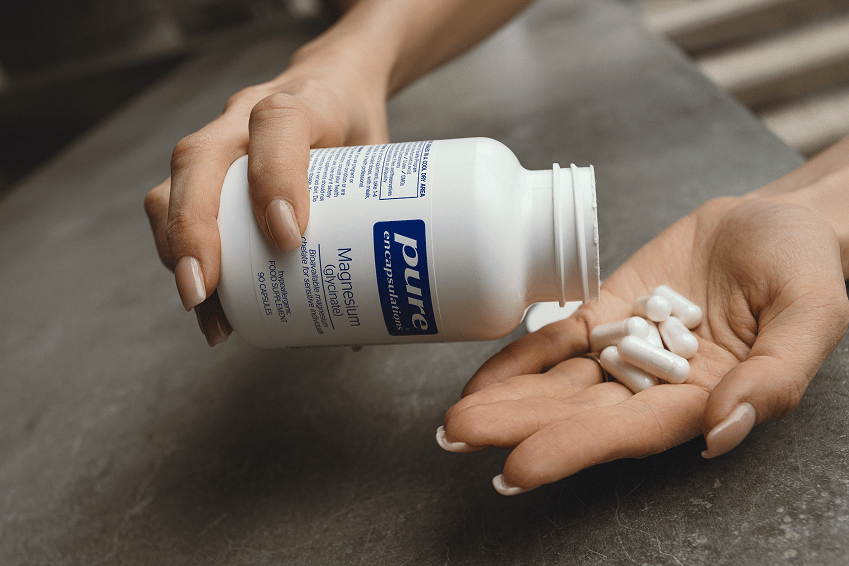
They’re the kind of supplement you start eyeing up once you’ve already cut gluten or certain food groups, doubled your probiotics and still feel bloated after eating. Digestive enzymes have become the quiet MVP of gut health - slipped into supplement stacks by biohackers, plugged on your social feed and that one friend who swears by their debloating capsules before dinner.
On paper, they do make sense. If digestion holds the key to everything (energy, immunity, skin, mood) then why not optimise how we break down the food we are eating. But here’s the thing - your body already makes enzymes. So do you actually need to take more or is this yet another wellness ritual we’ve overcomplicated?
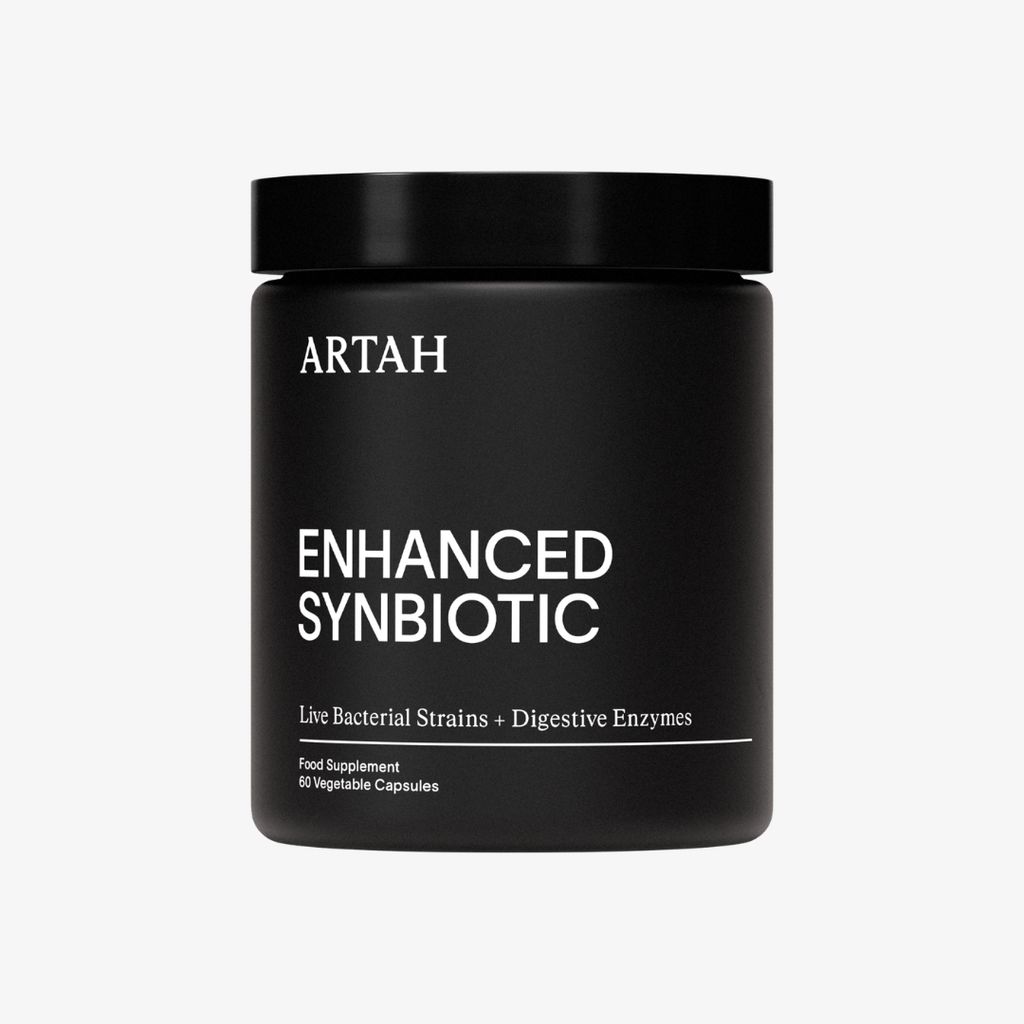
To get the real answers, we spoke to nutritionist and founder at ARTAH, Rhian Stephenson about what digestive enzymes actually do, when they’re helpful and what most people get totally wrong about them.
What are digestive enzymes?
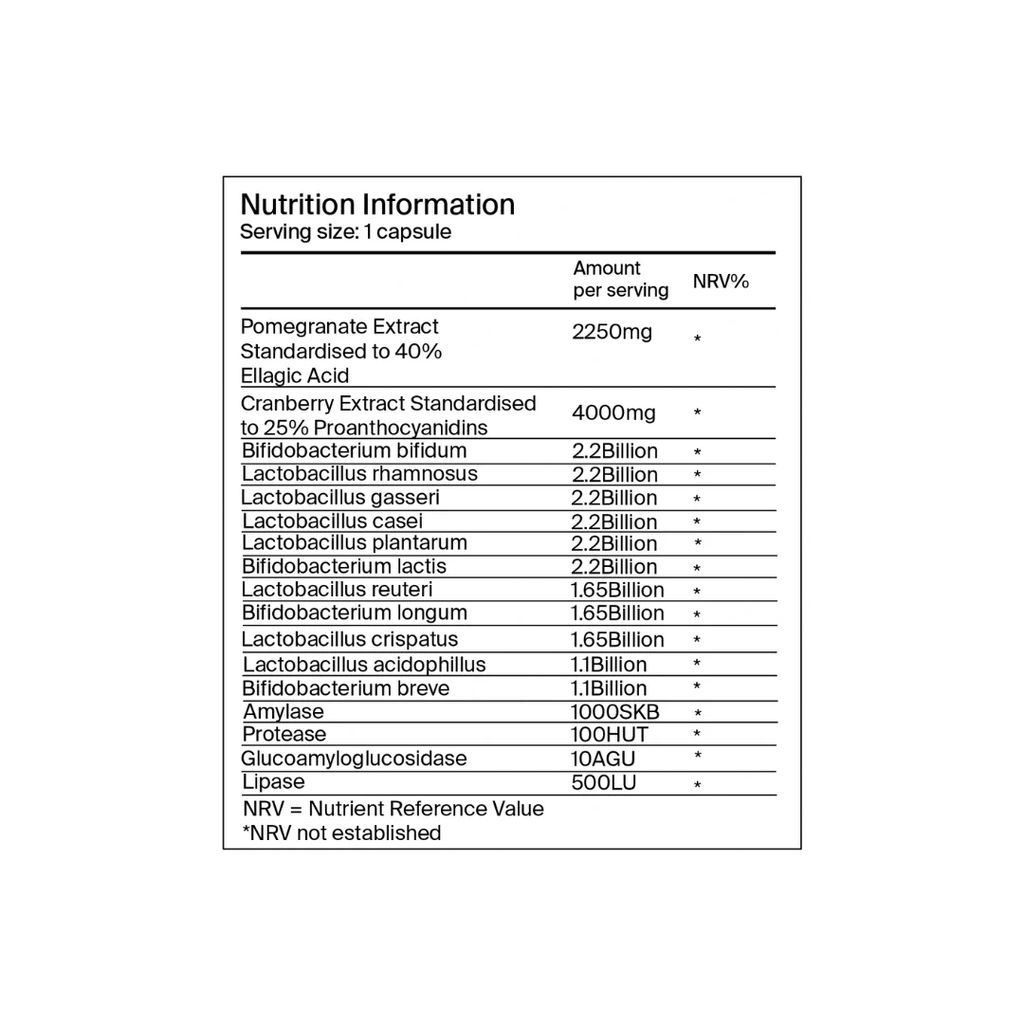
“Digestive enzymes are proteins that help break down food into absorbable nutrients,” explains Rhian. “Essentially, they help process carbs, fats and proteins into smaller pieces our body can actually use,” she adds.
The three main ones? “Amylase for carbs, protease for proteins and lipase for fats. They’re produced by our salivary glands, stomach, pancreas and small intestine, and work at different stages of digestion.”
In a perfect world, our bodies make all the digestive enzymes we need with no supplements required. The human body is brilliantly designed for this, and for many, it works just fine. We naturally produce enzymes through various digestive organs, and when these systems are functioning well, digestion should run smoothly without any extra help.
When digestion doesn’t go to plan
But thanks to modern stress levels, ultra-processed food, poor sleep and erratic eating habits, that enzyme output can take a serious hit. Stress alone can suppress stomach acid and enzyme production, while inflammation, gut dysbiosis and even low-grade infections can interfere with how enzymes are secreted and activated.
The result? Digestion becomes sluggish, nutrients aren’t properly absorbed, and that bloated, heavy, “why am I full after three bites?” feeling starts to creep in.
So should you be supplementing with digestive enzymes?
“Bloating, gas, indigestion, feeling overly full after small meals, floating stools and nutrient deficiencies are all possible signs you could benefit from supplementing with a digestive enzyme,” says Rhian who says stress is largely to blame. “Stress directly impacts digestive enzyme output by shifting the body into ‘fight or flight’ mode, where digestion is deprioritised,” explains Rhian. “This reduces saliva, stomach acid, bile and enzyme secretion, making it harder to break down food properly. Over time, chronic stress can impair nutrient absorption and contribute to bloating, indigestion, and gut inflammation.”
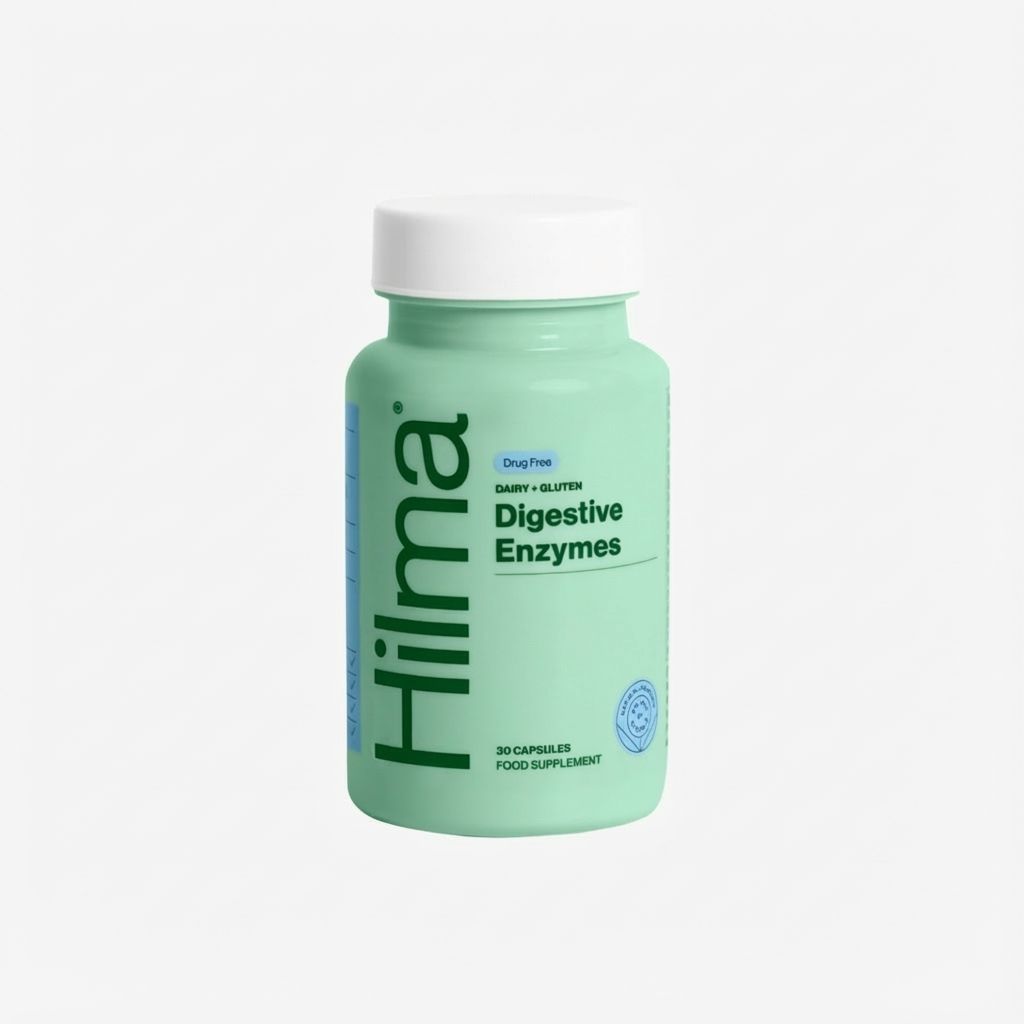
With that in mind, it’s no surprise people are reaching for digestive enzyme supplements - especially if they’re dealing with IBS, food intolerances or just feeling heavy and sluggish after eating.
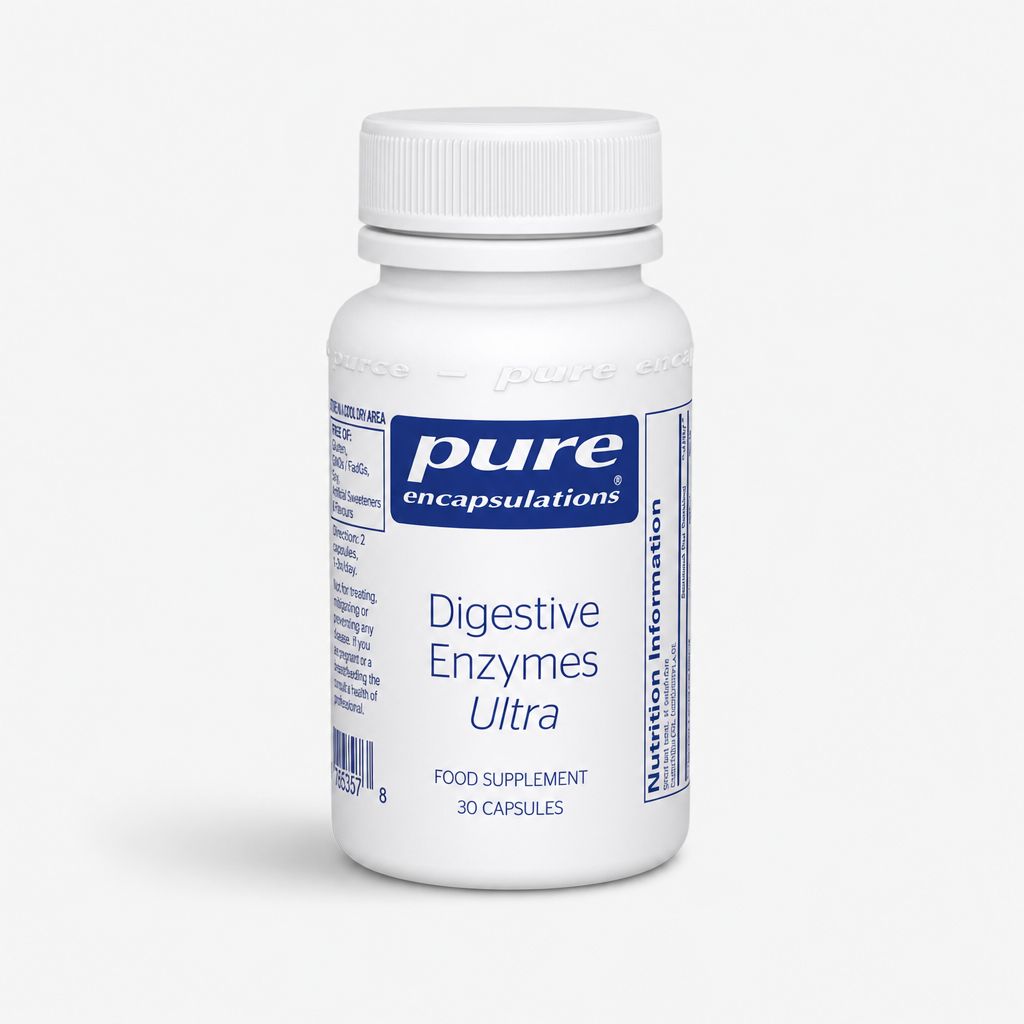
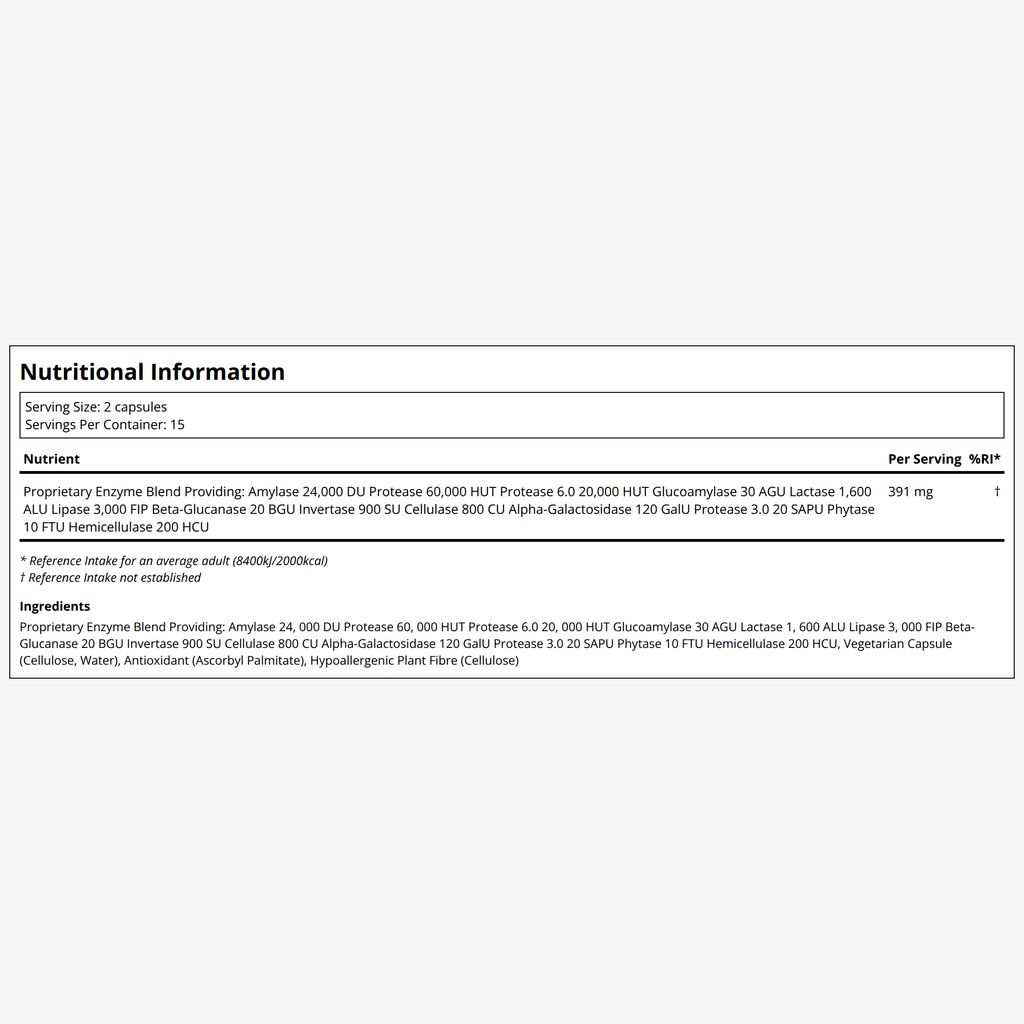
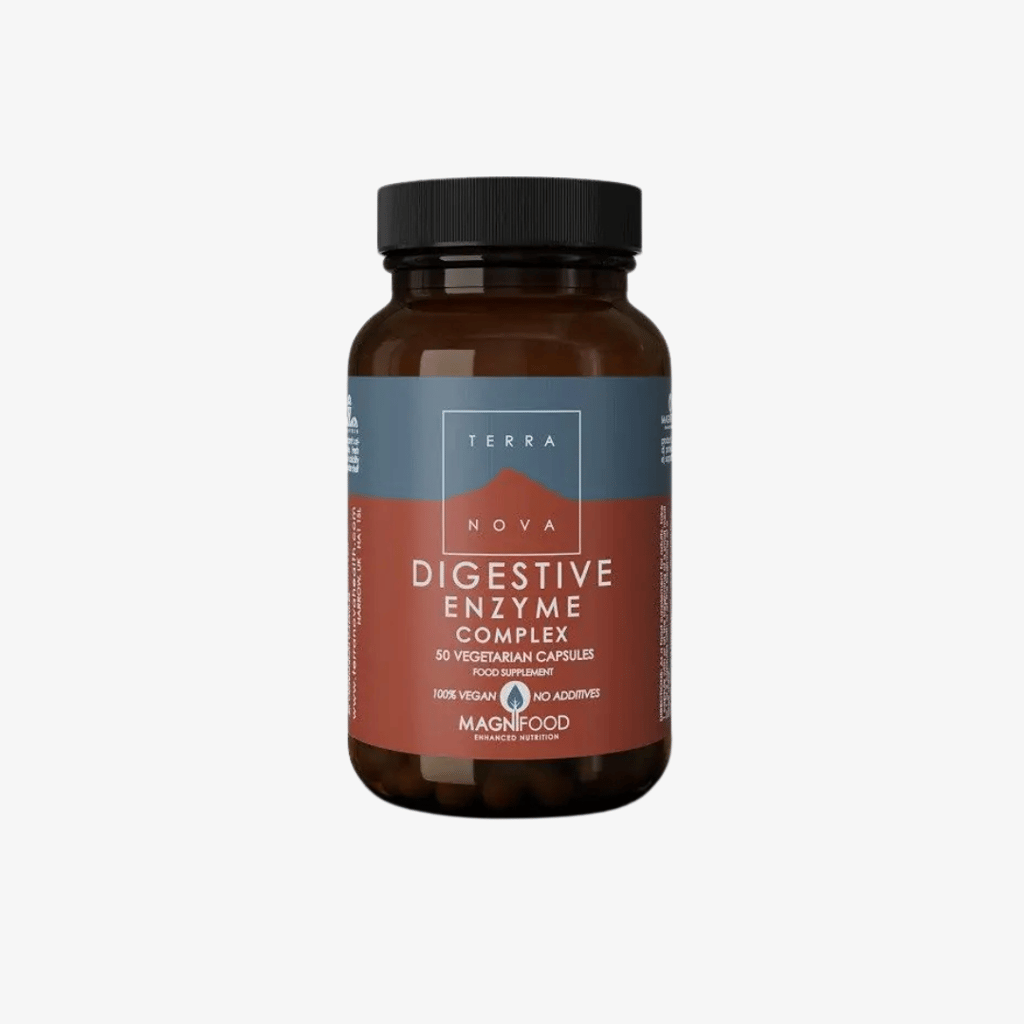
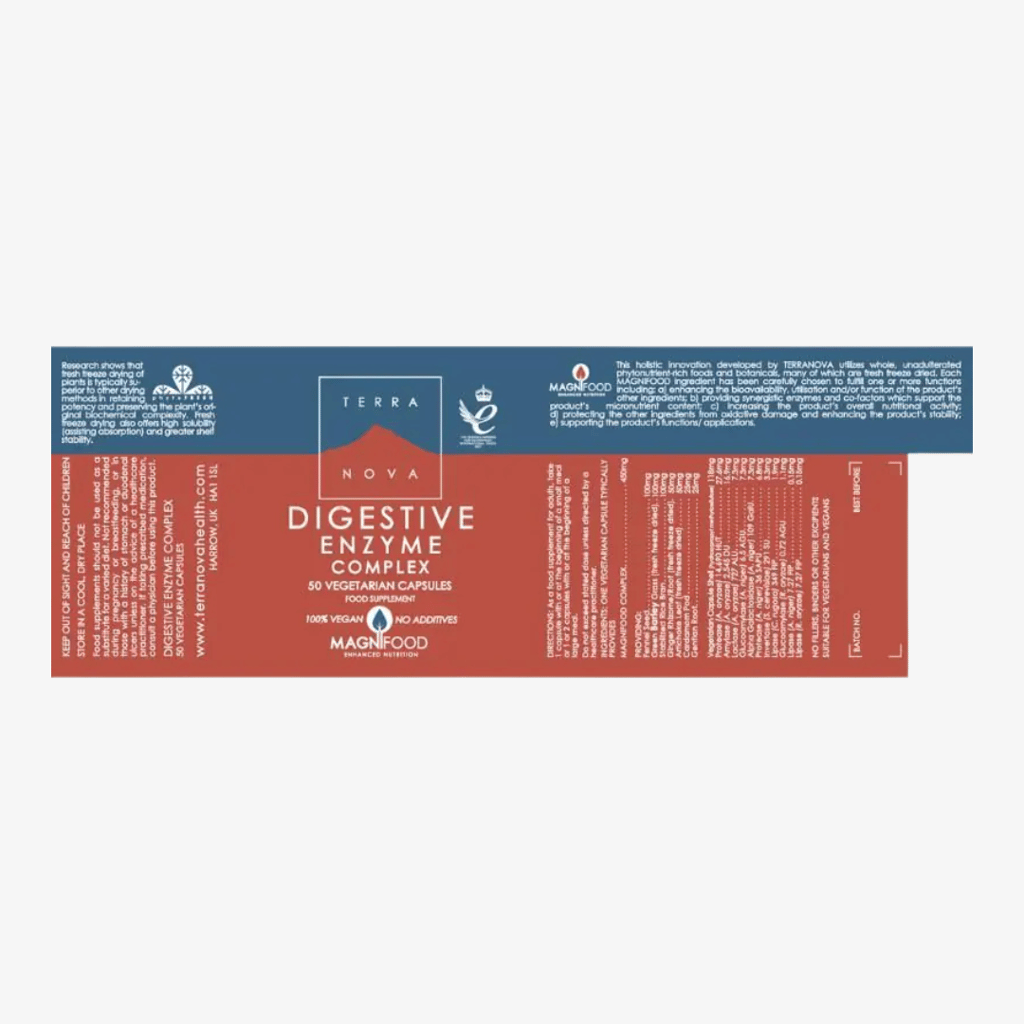

Do they actually work?
If, like with most supplements, you’re wondering whether they’re worth your time, effort and money, this question’s probably top of the list. The short answer is, they can but they’re certainly not magic pills. Rhian puts it clearly: “If you regularly experience digestive discomfort after meals, or have conditions like IBS, low stomach acid, or pancreatic insufficiency, enzyme supplements might help.” But she’s quick to add a caveat: “They're generally safe short-term, but overuse can mask underlying issues so it’s worth speaking to a practitioner.”
And those underlying issues? They're often not mysterious at all. “It’s important to address underlying causes of digestive discomfort, which could be stress, rushing, lack of chewing and lack of sleep.” In other words, don’t expect a capsule to fix what your lifestyle’s breaking down.
When and how should you take them?
Enzymes aren’t the kind of thing you want to take randomly. They only work if they’re in the right place at the right time, so timing matters. “Take them at the beginning of meals because they need to be present when food hits your stomach,” says Rhian. “Always follow dosage instructions and avoid taking them on an empty stomach unless advised by a professional.”
Can food help instead?
You don’t have to rely on supplements. Certain foods naturally contain enzymes or can even stimulate your body to make more of them.
“Fermented foods like kimchi, sauerkraut and kefir contain natural enzymes. Pineapple (as it contains bromelain), papaya (as it contains papain) and kiwi also contain enzymes that can support digestion,” adds Rhian. But one of Rhian’s favourite tools for sluggish digestion? Bitters.
“Bitter foods like arugula, radicchio and gentian root have been used for centuries to support digestion. They naturally stimulate digestive secretions, like stomach acid, bile and enzymes, which help us break down food more efficiently.”
And in supplement or tincture form, they can be surprisingly effective. “Bitter herbs like gentian, artichoke leaf and dandelion root are traditionally used to support digestion,” she adds. “Taken just before meals, they activate bitter receptors on the tongue and throughout the digestive system, triggering the release of stomach acid, bile and digestive enzymes. This primes the digestive system, enhances nutrient absorption and can help ease bloating and sluggish digestion - especially when gut function needs a little support. They can also be taken after eating for immediate relief.”
What the science says
While digestive enzymes aren't a cure-all, there's some emerging science behind their use — particularly for functional gut issues like bloating and indigestion. “A 2024 double-blind trial found that a dietary supplement containing digestive enzymes and herbs reduced post-meal abdominal distension better than placebo in healthy adults prone to bloating.” says Rhian. “80% of participants saw improvement, though the benefits for gas and general indigestion were less pronounced and not statistically significant.”
Other studies suggest digestive enzymes may support functional dyspepsia (that frustrating "I feel off" diagnosis when everything looks normal on tests), and small trials show they may reduce gas in people with specific food intolerances. “A randomised, placebo-controlled clinical trial demonstrated that a multi-enzyme blend improved quality of life, reduced pain severity, and enhanced sleep in patients with functional dyspepsia where indigestion was not explained by other diseases. These benefits were seen without significant side effects,” she adds.
Any digestive enzyme myths to watch out for?
Absolutely. Like most wellness trends, enzymes have picked up some inflated claims along the way. “The one I hear most often is that digestive enzymes will burn fat, which they don’t. They help us break down food. Another misconception is that everyone needs them which isn’t necessarily true as many people make enough naturally.” So, no… they’re not going to replace your metabolism or ‘flatten your stomach overnight’. But they can help some people feel less bloated and more energised after eating, especially if there’s a functional imbalance at play.
Bottom line: do you need digestive enzymes?
If you’re consistently bloated, gassy or uncomfortable after eating, even when you’re doing everything “right,” enzymes might help. But they’re not for everyone, and they’re not a fix for poor eating habits, stress or skipping meals. “What works for one person might not be necessary for another and it’s always better to get personalised advice before jumping on a supplement.” says Rhian.
Start by supporting your digestion naturally: eat slowly, chew well, manage stress and incorporate enzyme-rich or bitter foods. If that’s not cutting it, then it might be time to chat with a practitioner about whether enzymes could support you or whether your gut’s just trying to send you a message.

This article is for informational purposes only, even if and regardless of whether it features the advice of physicians and medical practitioners. This article is not, nor is it intended to be, a substitute for professional medical advice, diagnosis, or treatment and should never be relied upon for specific medical advice. The views expressed in this article are the views of the expert and do not necessarily represent the views of Healf
Samantha Nice is a seasoned wellness writer with over a decade of experience crafting content for a diverse range of global brands. A passionate advocate for holistic wellbeing, she brings a particular focus to supplements, women’s health, strength training, and running. Samantha is a proud member of the Healf editorial team, where she merges her love for storytelling with industry insights and science-backed evidence.
An avid WHOOP wearer, keen runner (with a sub 1:30 half marathon) hot yoga enthusiast and regular gym goer, Samantha lives and breathes the wellness lifestyle she writes about. With a solid black book of trusted contacts (including some of the industry’s leading experts) she’s committed to creating accessible, well-informed content that empowers and inspires Healf readers.