



























Eat Your Skincare: The Foods That Work Harder Than Your Serums
An expert-approved list of foods proven to support elasticity, firmness and glow from within.

Written by: Samantha Nice
Written on: 8 December 2025
We tend to think good skin comes from the outside in with retinol, hyaluronic acid serums and other powderful formulations with active ingredients, but the truth is far less surface-level. What you eat each day shapes the quality of your skin in ways no topical (no matter how advanced) can fully replace.
Collagen production, elasticity, hydration, barrier strength and inflammation is all influenced by internal biochemistry long before your skincare gets involved. And while beauty marketing loves a miracle cream, the science points to something much simpler… your plate.
Yes, you really can eat your skincare. Not in a gimmicky way, but in a genuinely evidence-backed way that supports, strengthens and protects your skin from the inside out. We spoke to aesthetic doctor and host of the Age Well podcast, Dr Sophie Shotter all about the foods that really do deliver a next-level glow…
Does food really matter more than your skincare routine?
Topical skincare and nutrition work on completely different layers of the skin and understanding that difference helps set expectations. Skincare works from the outside-in, affecting things like hydration, radiance, texture and surface-level collagen activity. It gives faster, more visible results because it’s acting right where you apply it.
Diet works from the inside-out, supporting the biochemical systems responsible for collagen quality, inflammation control and barrier resilience. Its impact is slower, deeper and more structural. As Dr Sophie explains, “diet certainly influences the way your skin behaves, but it does so in a way that is supportive rather than transformative.”
Nutrition can improve the quality of the collagen your fibroblasts are still capable of producing, support better hydration and reduce oxidative stress, but it cannot override the natural ageing process. “Intrinsic ageing is surprisingly resistant to modification,” she says, which is why the benefits of eating for your skin are subtle, cumulative and long-term.
Skincare, meanwhile, is better at immediate refinement. “With this, you can see improved hydration, smoother texture, enhanced radiance, better exfoliation and local collagen stimulation through retinoids,” says Dr Sophie.
Where the two meet, and where real change happens, is in the prevention of extrinsic ageing like oxidative stress, inflammation, pollution and UV damage. “Both nutrition and skincare can influence these pathways, sometimes substantially,” Dr Sophie notes.
Essentially you need both. Nutrition shapes the foundation and skincare shapes the finish. Neither replaces the other, but together, they meaningfully improve how your skin looks and ages.
The gut–skin axis: why digestion shows up on your face
If there’s one internal system that reflects on your skin faster than any other, it’s your gut.
“The gut–skin axis refers to the relationship between gut inflammation, microbiome balance, and the health of your skin,” says Dr Sophie. When this internal environment becomes imbalanced, “systemic inflammation increases and can manifest as acne, rosacea, eczema, dullness or accelerated ageing.”
A healthy gut influences the skin in two major ways:
Nutrient absorption: especially vitamin C, zinc and antioxidants needed for collagen synthesis
Inflammatory signalling: a balanced microbiome keeps background inflammation low, helping skin stay calmer, clearer and more resilient
To support this, Dr Sophie recommends combining prebiotic fibre to feed beneficial bacteria, probiotic-rich foods to introduce new, diverse microbes and polyphenol-rich plants to reduce gut inflammation and support microbial balance. These all work synergistically to improve digestion, cellular communication and skin clarity. As Dr Sophie notes, “many people notice improvements in breakouts, redness and glow simply by supporting digestion.”
The nutrients your skin needs
Before diving into specific foods, it helps to understand the nutrients that drive collagen formation, protection and repair. Your body relies on these building blocks and cofactors every single day and without adequate intake, even the best skincare cannot compensate. Dr Sophie highlights that “the strongest research consistently points to foods that provide the nutrients required for collagen synthesis rather than foods that merely contain collagen.” Here are the nutrients that matter most… and why.
Amino acids: The building blocks of collagen
Collagen is made from amino acids, especially glycine, proline and lysine. Dr Sophie explains that “amino acids, particularly glycine, proline and lysine, serve as the literal building blocks of collagen.” Without them, and without adequate protein more generally, fibroblasts cannot manufacture collagen efficiently, affecting elasticity and repair.
Protein: Essential for structure and firmness
“Protein-rich foods supply the amino acids fibroblasts use to build collagen in the dermis,” says Dr Sophie. This directly influences dermal thickness and firmness as we age. Consistent protein intake supports ongoing repair and helps counteract the natural thinning of the skin over time.
Vitamin C: Crucial for collagen stability
Vitamin C plays a biochemical role that skincare alone can’t reach. “Vitamin C is a required cofactor for two key enzymes (prolyl hydroxylase and lysyl hydroxylase) which stabilise and cross-link collagen fibres,” Dr Sophie explains. Without enough vitamin C, your body may still produce collagen, but it will be structurally weak and prone to breakdown.
Antioxidants: Protect collagen from degradation
Making collagen is only half the equation… protecting it matters just as much. According to Dr Sophie, “antioxidants reduce the oxidative stress and inflammation that accelerate the degradation of existing collagen. They also protect fibroblasts from free-radical damage.” This helps maintain elasticity and prevents premature ageing driven by environmental stress.
Minerals and polyphenols: Quiet but essential cofactors
Dr Sophie emphasises that “human skin also relies heavily on zinc, copper and polyphenols.” These minerals support collagen cross-linking, barrier repair and inflammatory regulation, while polyphenols help buffer oxidative damage.
Together, these nutrients form the internal toolkit your skin needs to stay firm, radiant and resilient - AKA the things we all crave.
The best foods to eat for your healthiest and glowiest skin ever
Now that you know the nutrients your skin depends on, here’s how that translates into actual food choices. “The strongest research consistently points to foods that provide the nutrients required for collagen synthesis rather than ones that merely contain collagen,” says Dr Sophie.
Across all the scientific literature, she explains that “fruits rich in vitamin C, protein-rich foods and antioxidant-dense foods have the clearest, most reproducible evidence for preserving skin elasticity and supporting healthy collagen formation over time.”
But not all diet-related skin changes are about collagen. Some show up as dullness, dehydration or a general loss of radiance long before fine lines appear. Here are the foods worth adding to your next food shop and why...
1. Vitamin C–rich fruits for collagen stability and brighter, more radiant skin
Best sources: citrus fruits, strawberries and kiwis (skin on if you can)
“These all directly support the enzymatic reactions that allow collagen fibres to mature and stabilise,” says Dr Sophie. They’re also some of the most effective foods for restoring luminosity. Dr Sophie explains that dullness often reflects “low antioxidant intake, sluggish cellular turnover and increased inflammation.” Vitamin C–rich fruits help counter all three, making them a foundational glow food.
2. High-quality protein for firmness and dermal thickness
Best sources: eggs, fish, poultry, tofu and dairy
Protein provides the essential amino acids your fibroblasts use to build collagen, helping maintain structure, elasticity and resilience. It also plays a role in how evenly and steadily your skin ages. Dr Sophie notes that “high-quality protein sources consistently show benefits for skin texture and firmness.”
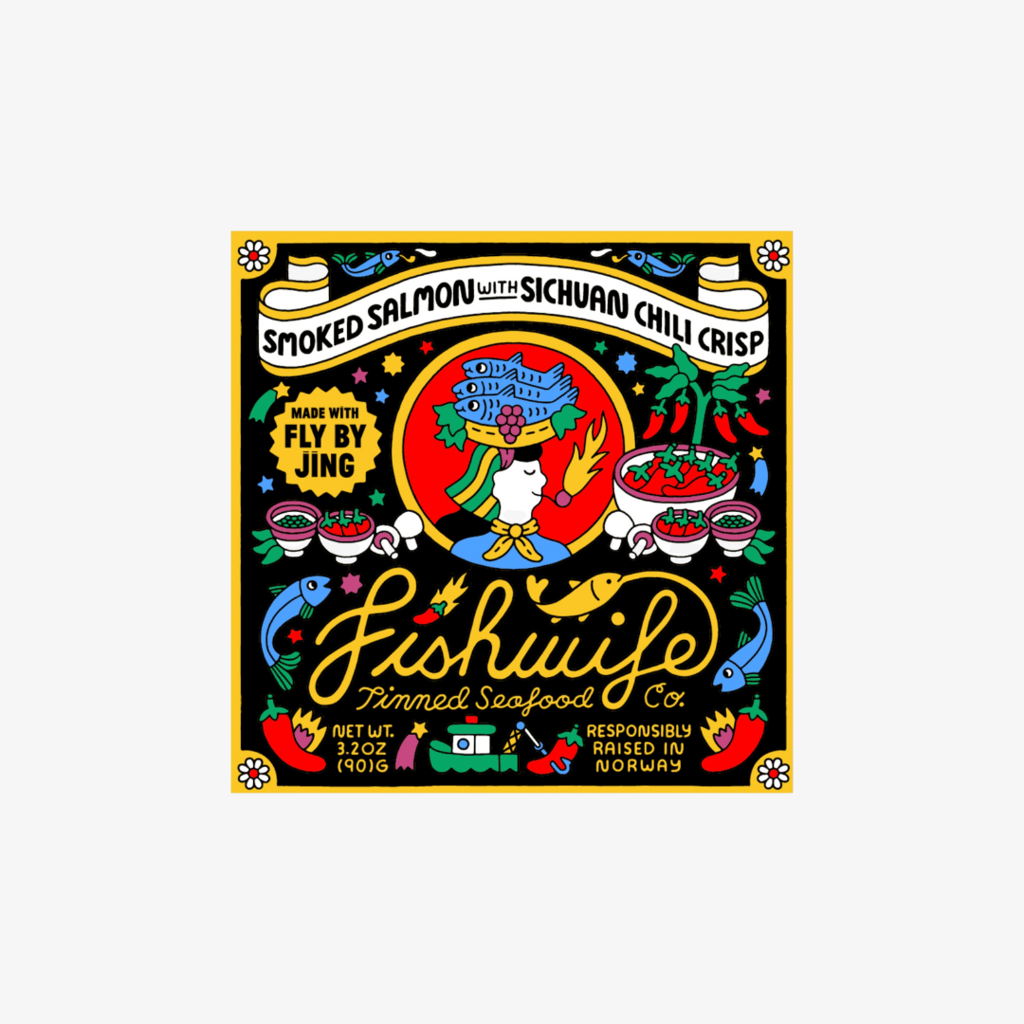
3. Fatty fish for hydration, inflammation balance and visible smoothness
Best sources: salmon, sardines, trout and mackerel
These tick the protein box too but also deliver monounsaturated and omega-3 fats - the nutrients Dr Sophie highlights as vital for hydration. “Foods rich in monounsaturated and omega-3 fats reinforce the lipid barrier that prevents transepidermal water loss,” she says. If your skin often feels tight, rough or dehydrated, these foods have some of the strongest evidence behind it for improving texture and bounce.

4. Antioxidant-dense plants for collagen protection and restoring your glow
Best sources: berries, pomegranate, tomatoes, leafy greens and beetroot
“Antioxidant-dense foods play an equally important role by protecting existing collagen from oxidative and UV-induced breakdown,” says Dr Sophie. They’re also your best defence against dullness. She explains that foods which enhance microcirculation and reduce oxidative stress can help to give a more luminous appearance far more reliably than topical brighteners like your go-to vitamin C serum.
5. Legumes for amino acids, minerals and better gut–skin harmony
Best sources: chickpeas, lentils and beans
Legumes offer plant-based protein alongside zinc, copper and fibre - a trio that supports collagen structure and digestion. A healthy gut is essential for radiant skin, and these foods help nourish beneficial bacteria while providing the minerals your skin relies on for repair.
6. Nuts and seeds for elasticity, barrier strength and smoother fine lines
Best sources: walnuts, chia, flax, sunflower and pumpkin seeds
Rich in healthy fats and minerals, these reinforce the lipid barrier and help maintain smoothness. Dr Sophie notes that nuts and seeds consistently support skin texture and firmness, making them especially helpful for visible ageing. They also contribute to internal hydration. Dr Sophie also highlights chia seeds in particular as one of the water-binding foods that help maintain internal hydration throughout the day.
7. Tomatoes for UV resilience and more even skin tone
Best sources: cooked or concentrated forms (tomato paste, sauces, soups)
Their antioxidant profile helps buffer environmental stress that otherwise accelerates collagen loss, while offering benefits for brightness and long-term texture. According to Dr Sophie, tomatoes support both firmness and skin clarity, especially when consumed consistently.
8. Gut-supportive foods for clearer, calmer, more resilient skin
Best sources:
Prebiotic fibre like onions, garlic, leeks, asparagus, oats, bananas, chickpeas, lentils
Probiotic foods like yogurt, kefir, kombucha, sauerkraut, kimchi, miso, tempeh
Polyphenol-rich plants like berries, green tea, turmeric, ginger
These all support the gut–skin axis by improving microbial balance, nutrient absorption and inflammatory control - three factors that can have a big impact on breakouts, redness and overall radiance.
9. Hydrating foods that support plumpness and dewy skin
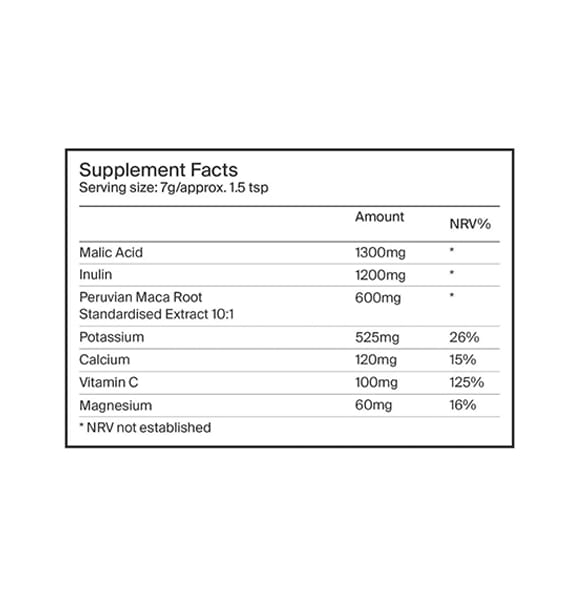
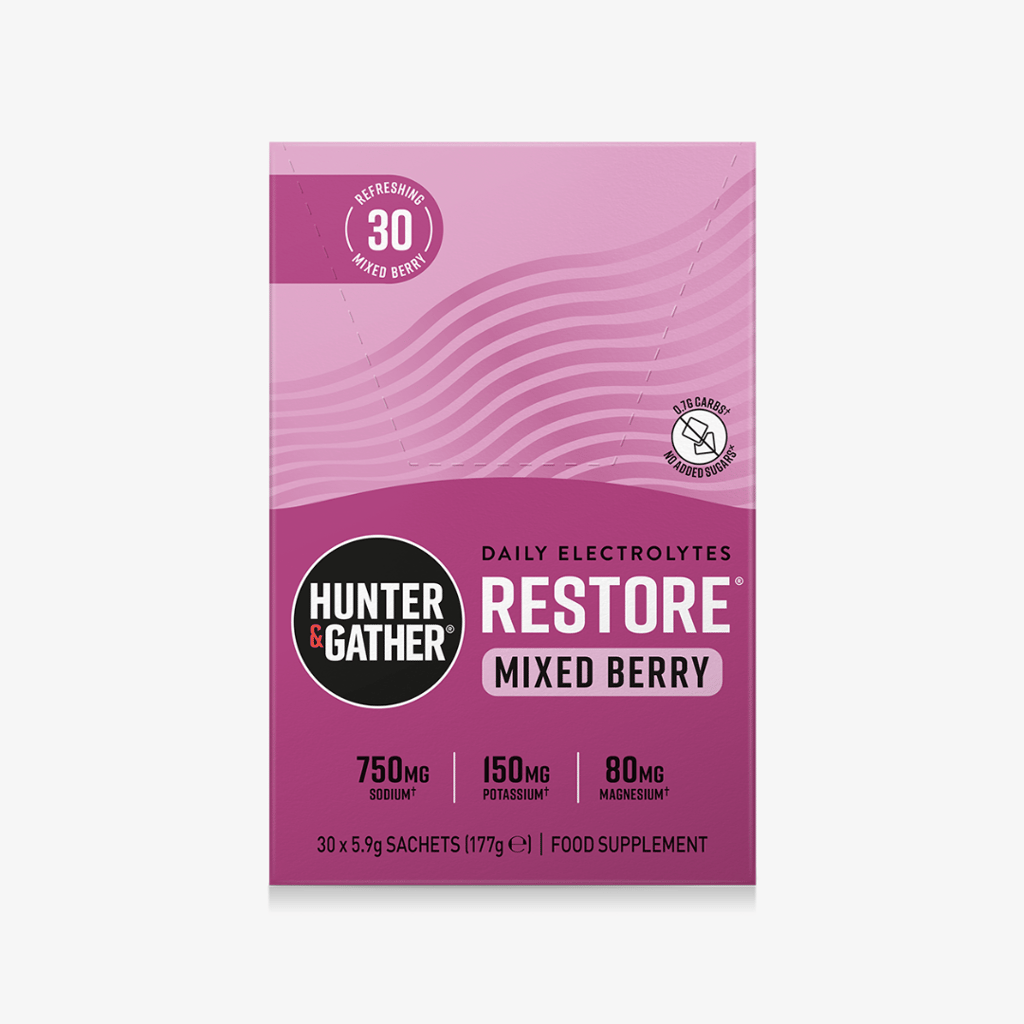
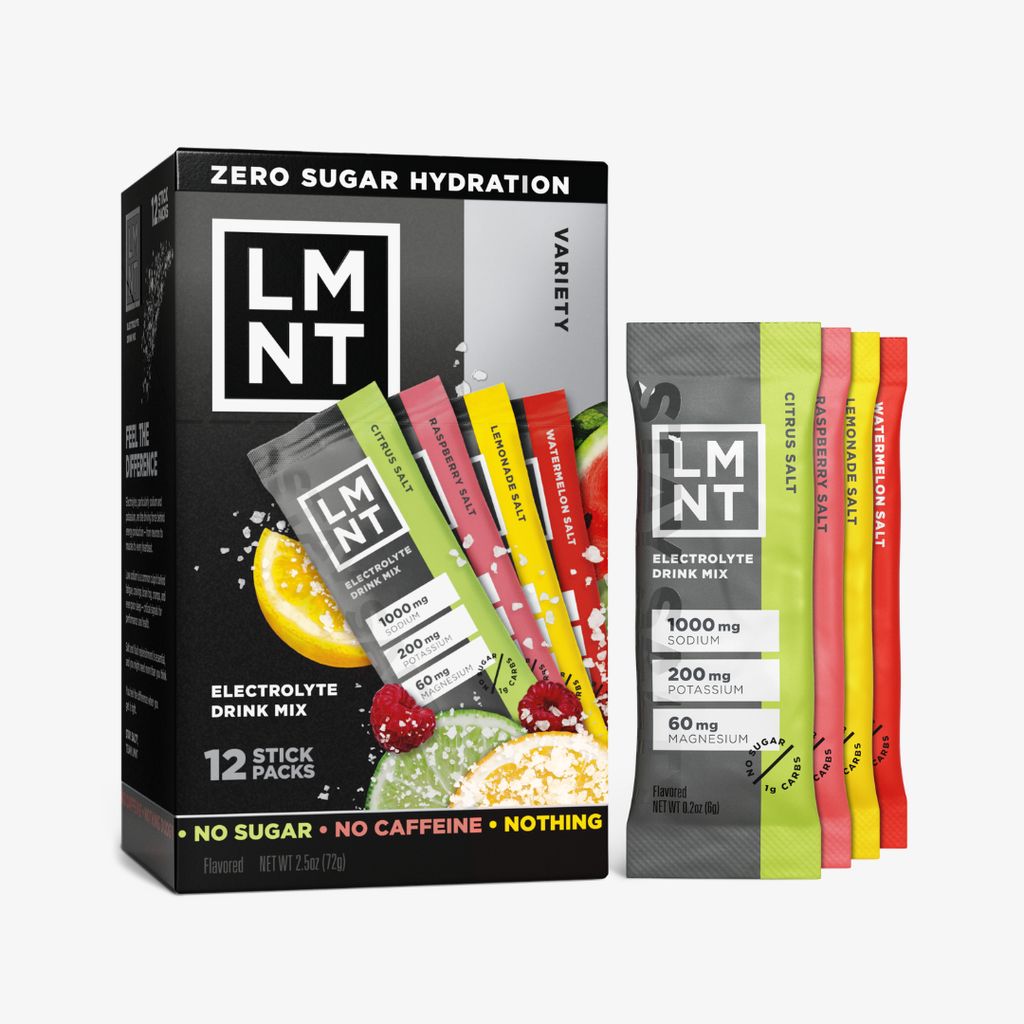
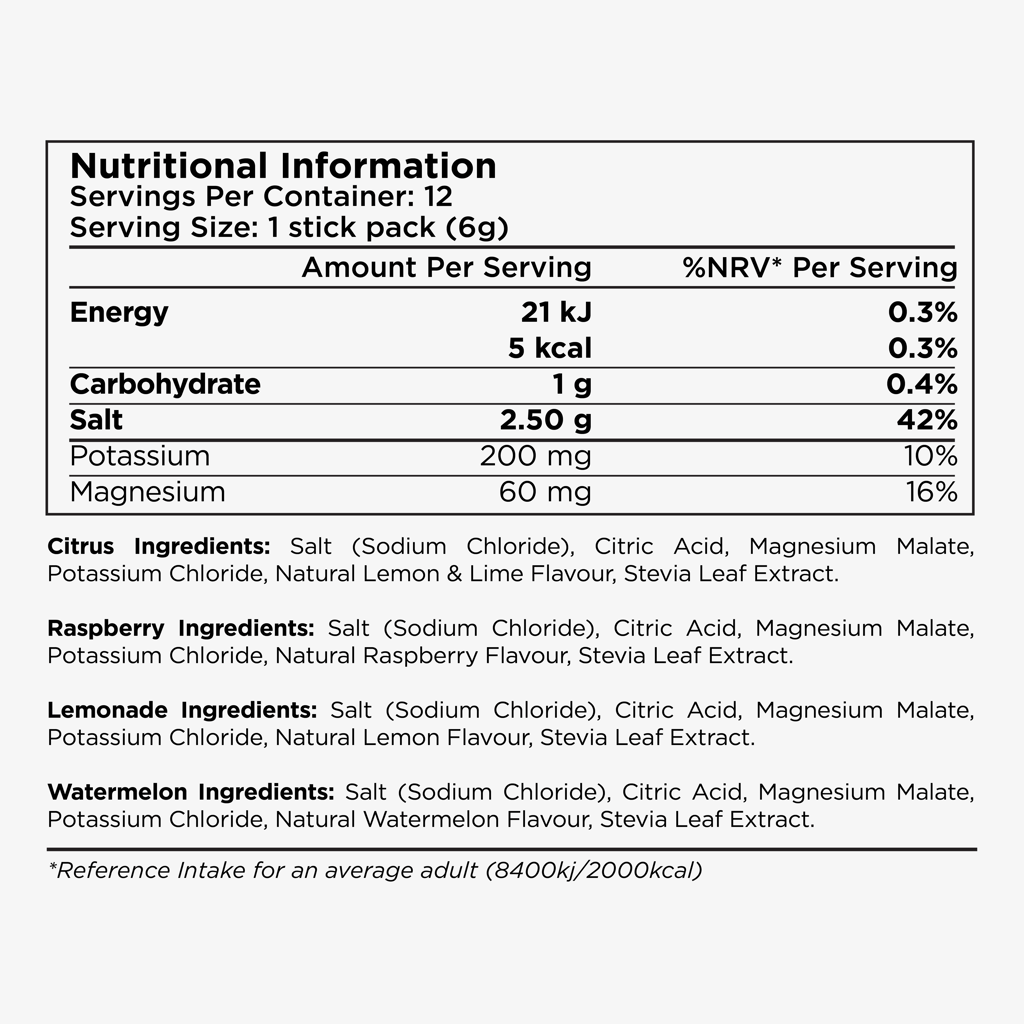
Best sources: cucumber, watermelon, oranges, leafy greens, herbal teas and electrolytes
Because hydration isn’t just about drinking water. “Water-rich fruits, vegetables and electrolytes help maintain internal hydration,” says Dr Sophie. These all work internally to help keep skin supple, bouncy and smooth - especially when paired with healthy fats that reinforce the barrier.

Collagen, bone broth and gelatin hummies: Healf or hype?
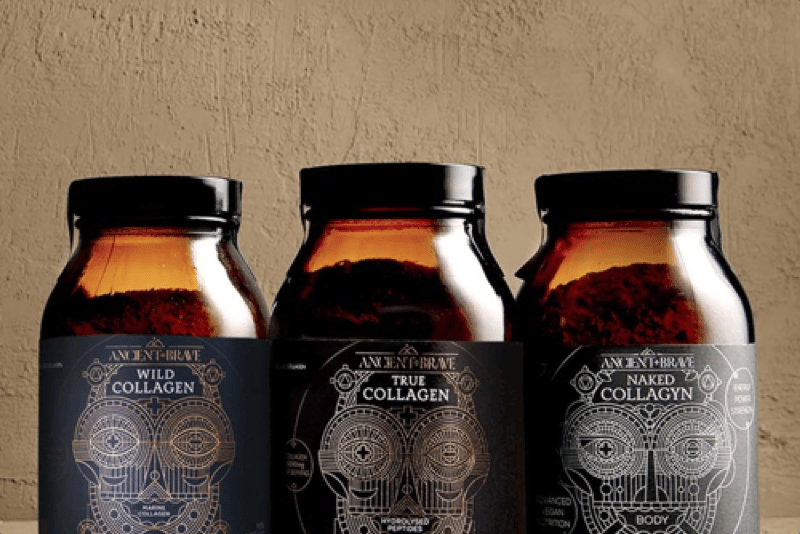
Not all collagen-related products are created equal. Powders, broths, gummies, marshmallows may all sit under the same umbrella, yet their effectiveness varies dramatically. Here’s how to separate the science from the social-media hype:
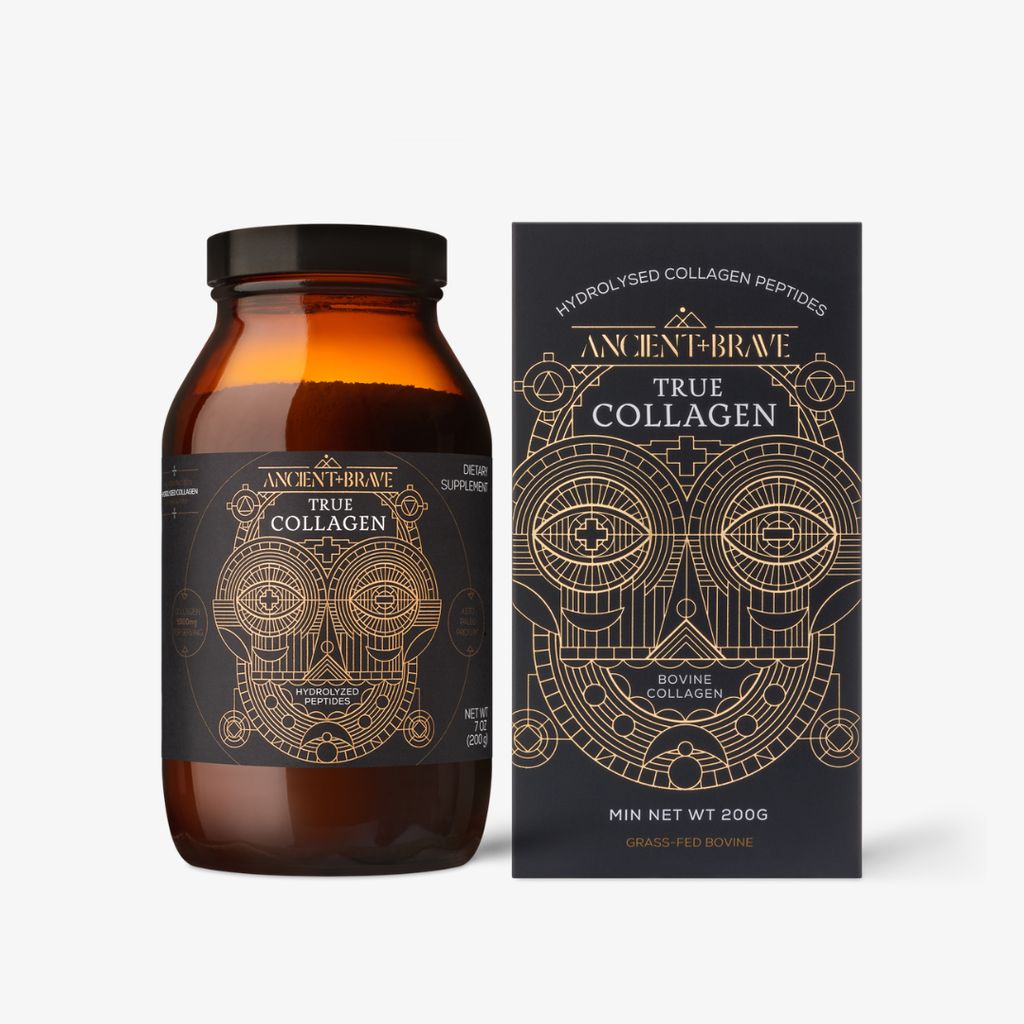
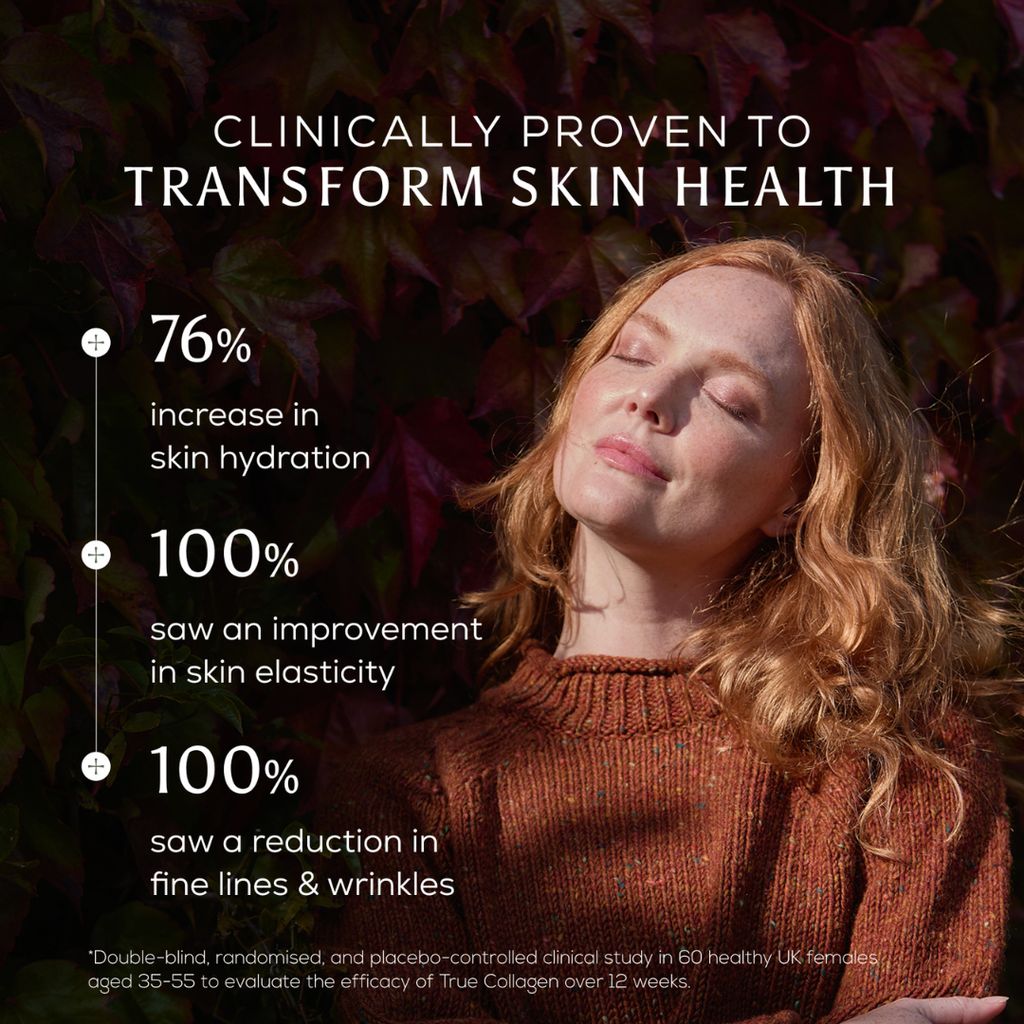
1. Hydrolysed collagen peptides are the only form with real clinical backing
If you’re going to take collagen, this is the form that actually holds up in studies. Dr Sophie explains that “hydrolysed collagen supplements have multiple clinical trials showing improvements in skin elasticity, hydration and dermal collagen density, usually after eight to twelve weeks of consistent use.” Hydrolysation is the crucial detail here as it’s this that breaks collagen into specific peptides your body can absorb and use.
Verdict? Supported by data but needs consistency.


2. Bone broth is nourishing, but it’s not a collagen treatment
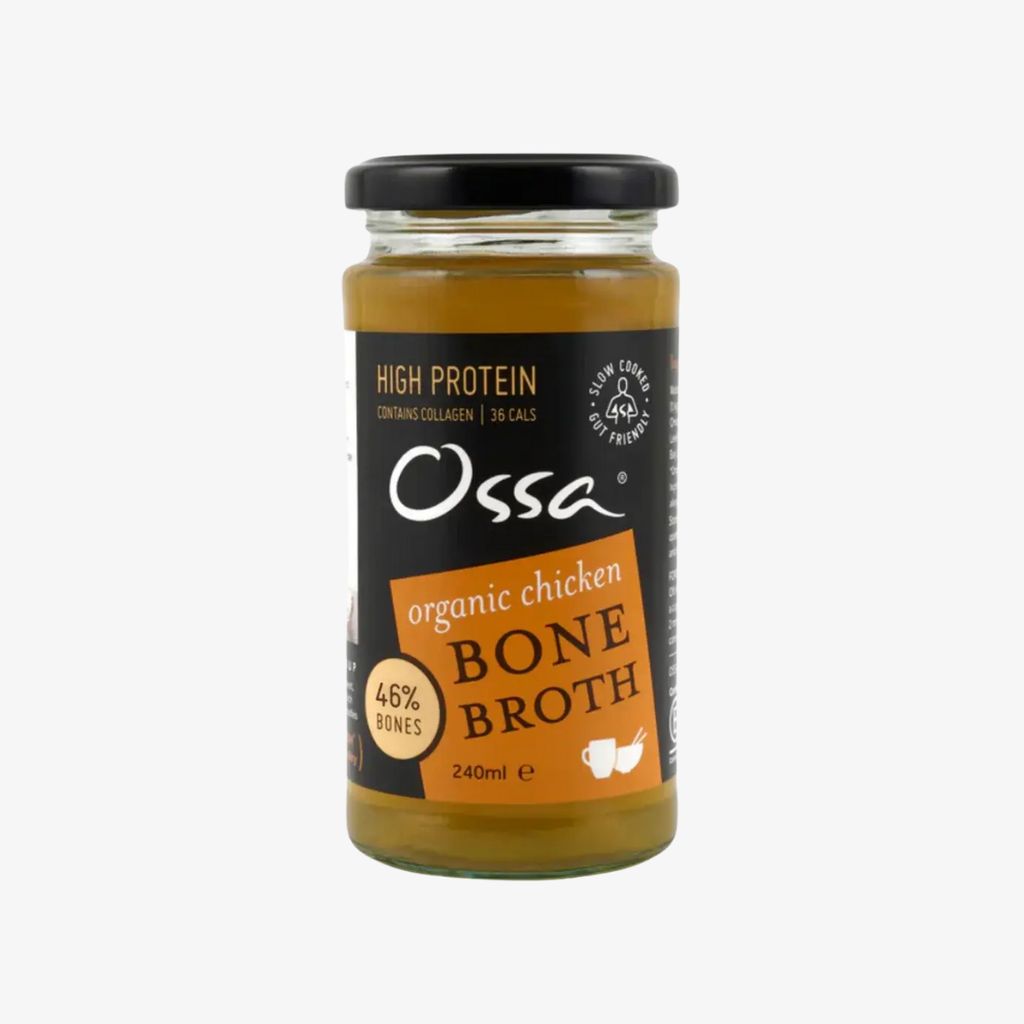
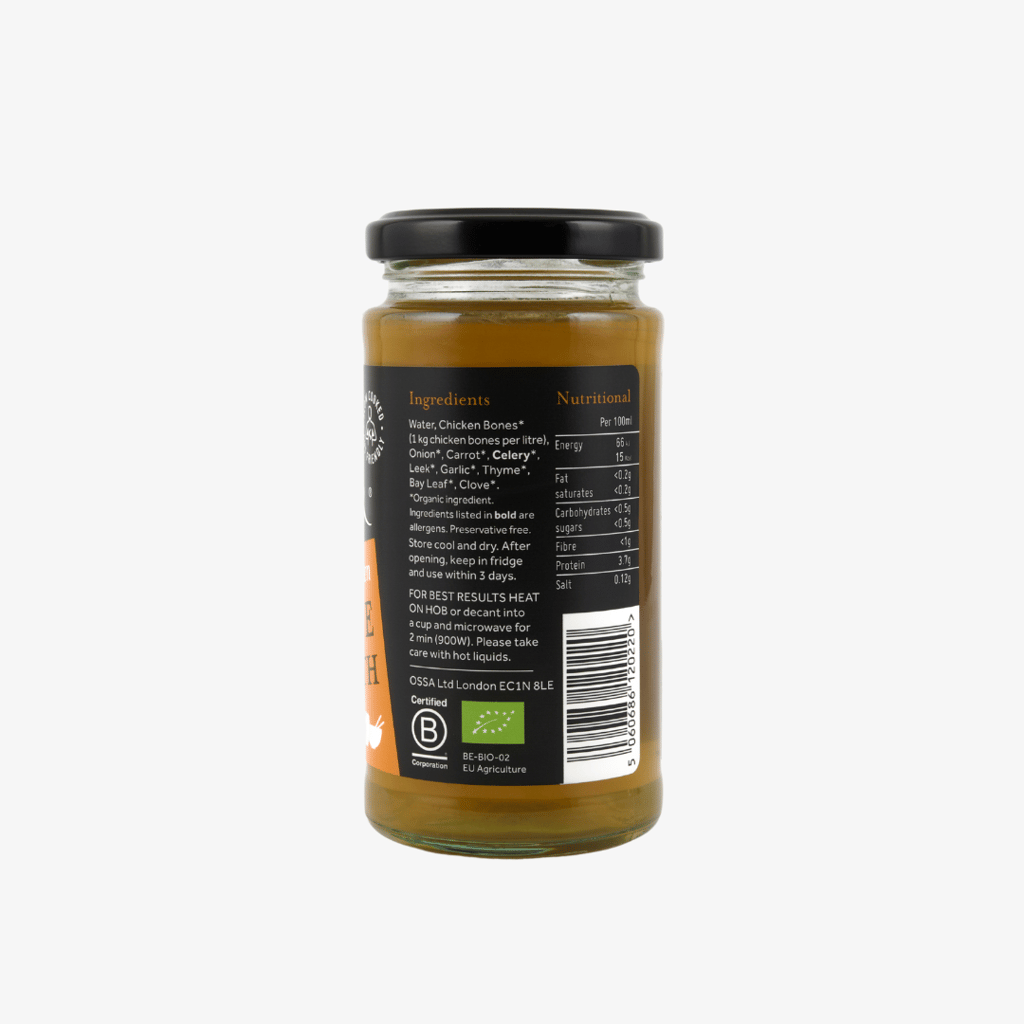
Bone broth is often marketed as a “collagen-boosting” superfood, but the evidence isn’t entirely there. According to Dr Sophie, “bone broth and gelatin themselves have very limited scientific evidence for skin benefits, mainly because their collagen content is variable and not broken down into peptides in a controlled way. When people report improvements from bone broth, they are usually seeing the effects of increased protein, glycine intake, or better hydration rather than a direct collagen-boosting effect,” says Dr Sophie.
Verdict? Nutritious, calming and supportive but not a collagen strategy.


3. Gelatin gummies and collagen marshmallows are only helpful if they contain peptides
Collagen marshmallows may be all over your feed, but whether they work depends entirely on the ingredient list. “Homemade collagen snacks only offer meaningful benefits if they contain hydrolysed collagen peptides rather than ordinary gelatin,” says Dr Sophie. “Gelatin is simply less bioavailable.” Gelatin breaks down into amino acids… not into the collagen-derived peptides found in clinical studies. Without those peptides, fibroblasts don’t get the signal required to increase collagen production.
Verdict? Gummies made with hydrolysed collagen peptides can help, but gummies made with gelatin likely won’t.
So what should you focus on? Go back to our list above and check out the best sources. These all outperform bone broth, gelatin or collagen marshmallows every time because they supply the exact cofactors and building blocks your skin actually needs.
What eating for your skin actually looks like
This is where theory becomes a real routine. Dr Sophie describes a skin-supportive diet as one that “emphasises hydration, antioxidants, essential fatty acids and consistent protein intake.” Here’s how she breaks it down across a day:
Breakfast
A bowl of Greek yogurt with berries and kiwi, or eggs alongside sautéed spinach and tomatoes. Pair this with green tea to provide polyphenols that protect against collagen breakdown.
Lunch
Salmon, chicken or tofu, colourful vegetables, whole grains and healthy fats like olive oil or avocado. These components keep inflammation low while supporting collagen synthesis throughout the day.
Afternoon snack
Greek yogurt, kefir, a handful of nuts, fruit or even a cup of herbal tea. This is ideal for stable energy, antioxidants and probiotics.
Dinner
Go for a nourishing protein source, plenty of vegetables and a portion of healthy fats. Foods such as sweet potato, broccoli, lentils, leafy greens or sardines are a good choice as they all provide micronutrients, fibre and omega-3s essential for elasticity and barrier health.
Across the day
Hydration is key so be sure to be drinking plenty of water, herbal teas and electrolytes. “This kind of diet is not restrictive, it is simply structured to give your skin a steady supply of what it needs to regenerate, repair and glow,” Dr Sophie adds.




This article is for informational purposes only, even if and regardless of whether it features the advice of physicians and medical practitioners. This article is not, nor is it intended to be, a substitute for professional medical advice, diagnosis, or treatment and should never be relied upon for specific medical advice. The views expressed in this article are the views of the expert and do not necessarily represent the views of Healf
Samantha Nice is a seasoned wellness writer with over a decade of experience crafting content for a diverse range of global brands. A passionate advocate for holistic wellbeing, she brings a particular focus to supplements, women’s health, strength training, and running. Samantha is a proud member of the Healf editorial team, where she merges her love for storytelling with industry insights and science-backed evidence.
An avid WHOOP wearer, keen runner (with a sub 1:30 half marathon) hot yoga enthusiast and regular gym goer, Samantha lives and breathes the wellness lifestyle she writes about. With a solid black book of trusted contacts (including some of the industry’s leading experts) she’s committed to creating accessible, well-informed content that empowers and inspires Healf readers.