













_2026-10-13_14-11-48.png)


Move For Energy: Dance Breaks And Movement For Muscle Deoxygenation
Written by: Pippa Thackeray
Written on: 13 July 2025
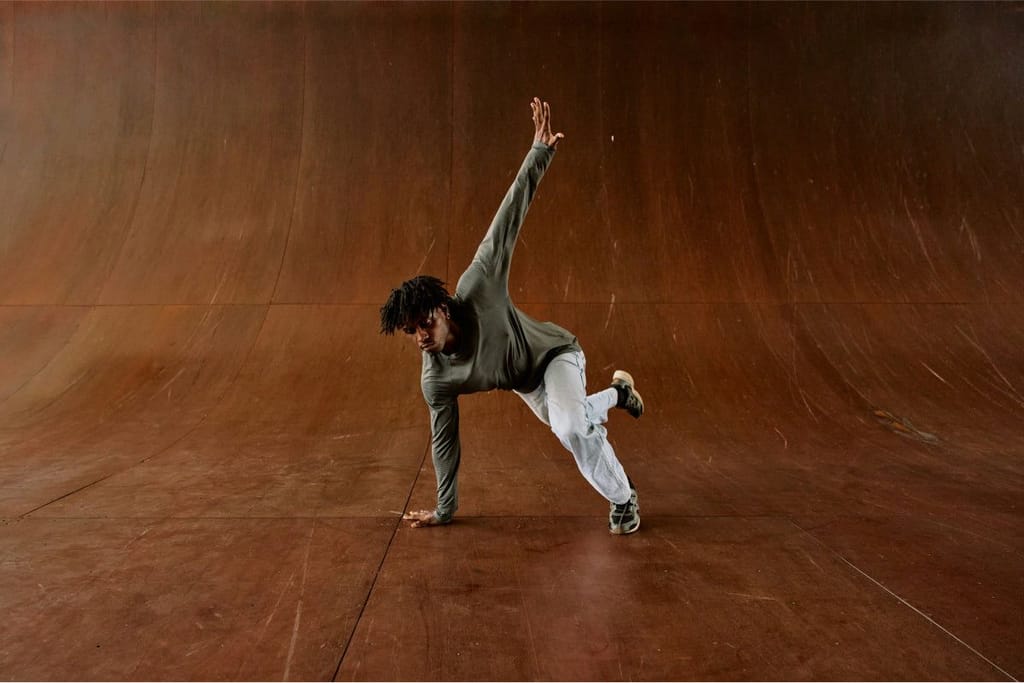
Short bursts of movement, named #DanceBreaks, #DanceSnacks or #MovementSnacks on social media are reminding us of the importance of “shaking it up a bit” for the sake of adding some well-needed daily movement routines into an average working day.
Why are people loving #DanceBreaks?
For the simple reason that movement can be all too easy to overlook in a sedentary job, or even one that involves the same kind of repetitive motion without much variation in how you use your body.
So, imagine taking a five-minute break to move freely to your favourite tune; it's a simple, and very healthy, not to mention joyful way to boost energy for both your mind and body. It also has some other surprising benefits to uncover. Join us as we take a look into the biochemical and physiological factors that propelled Dance Breaks to stardom and what these small incremental changes could mean for your health on a holistic level.
Deoxygenation: The health hacking power of a Movement Break
Dancing isn't just about having fun. It’s a full-body workout that engages muscles, improves cardiovascular health, and counteracts muscle deoxygenation, a process where oxygen levels in active muscles drop during prolonged inactivity, contributing to fatigue and reduced efficiency.
According to an article in the journal, Complementary Therapies in Medicine, dancing for short, energetic bursts can improve heart health, increase stamina, and reduce the risk of cardiovascular diseases.
What’s more, dancing can enhance cognitive function and lead to better productivity throughout your day. Research found that dancing was a great hack to boost the type of physical activity associated with improved neuroplasticity and reduce risk of neurodegenerative diseases such as dementia.
Why movement equals better meetings
Dance Breaks don't just help you feel good, they can also influence how effectively you work and interact with others.
Closely related to Dance Snacks, esteemed biohacker Tim Gray highlights the significance of morning exercise in his daily routine, stating that he engages in 45 minutes of physical activity, including strength training and using a rebounder to stimulate the lymphatic system and support energy levels.
With the popularisation of Dance Breaks, it’s all about working smarter. Research shows that physical activity improves focus, energy levels, and mental clarity. In this way, it is proven that short bursts of dance before a work meeting leave you more alert and open to creative problem solving.
Better decision-making
A systematic review in Sports Medicine highlighted that structured dance interventions improve cognitive performance by combining mental and physical challenges. This makes dance uniquely effective for sharpening focus and decision-making skills in workplace settings, particularly compared to other forms of physical activity.
Beyond individual benefits, the social and rhythmic nature of dance can enhance team dynamics and improve interpersonal relationships in other walks of life. Shared movement enables enhanced connection, helping to dissolve formality, and energising group efforts — all great qualities that translate directly into more engaged and productive meetings.
Dance for healthy ageing: “Movement as Medicine”
Preventing age-related disease starts much earlier in life than most people imagine. Therefore, staying active is essential to maintaining both physical and cognitive health throughout life. In contemporary research, and in light of the Movement Breaks trend, dance has emerged as a standout activity for this purpose, offering a powerful combination of physical and mental benefits.
A review found that dance significantly improves balance, muscle strength, and flexibility, all of which reduce the risk of poor health in later life. It also is known to improve metabolic health by positively influencing cardiovascular fitness and reducing inflammatory markers associated with risk of disease development.
Expert insights on dance for wellbeing
Five ways to make the most of your Dance Breaks
1. Pair it with a recurring daily task: For example, if you have a regular structure to your day such as closing your laptop to go out for a lunch break, you can tie this in with a dance break so that it is easier to form this healthy habit.
2. Do a routine before a meeting: Giving your brain a helping hand by boosting blood flow can help release any stagnation that could be leading to sluggishness throughout the work day.
3. Make it a ritual: Don’t let external distractions get in the way, this is your space. So, take up the floor.
4. Listen to your body: Some days are different from others. By really tuning in, you can listen to what your body needs, moving in the way your body tells you to.
5. Use a rebounder: To get more lymphatic movement out of your dance break, add in a rebounder to level up.
Rejuvenate to the rhythm
By taking short Dance Breaks, you can improve cardiovascular fitness, enhance mood, and stimulate cognitive function for better productivity throughout your day or week. So, next time you feel sluggish or stressed, put on your favourite song and allow the rhythm to rejuvenate you.
Get moving with Healf
Shop MOVE at Healf and discover innovative tools to invigorate your daily routine.

This article is for informational purposes only, even if and regardless of whether it features the advice of physicians and medical practitioners. This article is not, nor is it intended to be, a substitute for professional medical advice, diagnosis, or treatment and should never be relied upon for specific medical advice. The views expressed in this article are the views of the expert and do not necessarily represent the views of Healf
Pippa is a content writer and qualified Nutritional Therapist (DipNT) creating research-based content with a passion for many areas of wellbeing, including hormonal health, mental health and digestive health.
As a contributor to The Healf Source, she regularly attends seminars and programmes on a plethora of contemporary health issues and modern research insights with a drive to never stop learning. In addition, interviewing experts and specialists across The Four Pillars: EAT, MOVE, MIND, SLEEP.
In her spare time, she is an avid swimmer, mindfulness and yoga lover, occasionally bringing a raw, honest approach to the topics she faces. You may also discover some personal accounts of eye-opening wellbeing experiences amidst the reality of a disorientating, and often conflicting, modern wellbeing space.