







































_2026-10-13_14-11-48.png)


Could Nervous System Regulation Be The Missing Piece In Your Recovery?
Why resting more isn’t always the answer and what actually determines how well you recover.

Written by: Samantha Nice
Written on: 26 February 2026
How To Regulate Your Nervous System For Better Recovery
Recovery used to feel straightforward: rest days, stretching, and a good night’s sleep were usually enough to bounce back. Now, with training, work, travel, and constant mental load stacking together, recovery feels different. On paper, everything can look right — days off scheduled, sleep prioritised, and tools like saunas, cold exposure, and supplements all in place — yet energy fades faster, sleep feels lighter, and focus becomes harder to maintain.
What’s becoming clearer, especially as life gets busier, is that rest alone doesn’t guarantee proper recovery. Instead, it depends heavily on whether your nervous system can actually shift out of stress mode in the first place. Your autonomic nervous system is constantly deciding where energy is directed. It can prioritise mobilisation and output, or repair and restoration. When that transition doesn’t happen efficiently, recovery becomes slower and less predictable, even when the right habits are in place.
This is why nervous system regulation is now getting the attention it deserves. Still overlooked in many recovery routines, the nervous system can be actively regulated through practices like breathwork and meditation, which help shift the body into a parasympathetic, recovery-focused state. More direct approaches, such as neuromodulation, use gentle electrical stimulation to interact with the nerves that govern recovery and help guide the system back towards balance. Devices like Nurosym are designed specifically for this purpose.
We spoke to Dr Jo Brown, head of human performance at Nurosym, whose research focuses on autonomic balance and vagal tone, to understand what is really shaping recovery behind the scenes and why the nervous system has become such an important factor.
Why recovery is controlled by your nervous system, not your calendar
Every form of stress, whether it comes from training, work, travel, or even a mentally demanding day, activates the sympathetic nervous system. This is the part of your nervous system that gets your body ready to deal with pressure. It increases your heart rate, releases stress hormones, and sharpens your focus so you can respond and perform. In the right moments, this is helpful. It allows you to train hard, think clearly, and handle challenges. The problem arises when your body stays in that state for too long and struggles to switch back into recovery mode.
“Training load, psychological stress, and cognitive demand all activate sympathetic outflow,” says Brown. “Acute activation is adaptive. However, if parasympathetic reactivation is delayed or blunted, we remain in a catabolic-biased state.” Put simply, the body remains focused on output instead of allowing repair to begin. This has wider consequences than most realise. It affects how efficiently inflammation resolves, how deeply you sleep, how well nutrients are used, and even how clear and focused your mind feels the next day. The real marker of recovery is not how many rest days you take, but whether your nervous system actually allows the body to move into a state where recovery can take place.
What it really means to be stuck in stress mode
There is a familiar pattern where the body feels tired, but the mind remains alert. Even when the day slows down, the nervous system can remain switched on in the background, making it harder to fully relax. Physiologically, this reflects a state where the body spends too much time in stress mode. “We live in a world where everyone is always ‘on’, like their system is stuck in high gear with very little opportunity to downshift,” Brown explains.
When this happens, the body continues to prioritise readiness instead of repair, and energy is used to maintain alertness, heart rate, and stress hormone activity instead of supporting recovery processes like tissue repair, hormone balance, and nervous system restoration. “Over time, this slows adaptation, increases perceived fatigue and impairs executive function and motor precision,” says Brown.
This is why recovery can feel incomplete. Physical rest may be happening, but the nervous system has not fully transitioned out of performance mode.
Why HRV has become one of the most powerful recovery signals
Heart rate variability (or HRV) has quickly become the recovery metric everyone is watching and trying to improve. It’s even starting to shape how people train day to day. “HRV reflects regulatory capacity, which is the ability of the autonomic nervous system to dynamically respond to load,” Brown explains. A higher HRV usually means the nervous system is more adaptable and ready to handle stress. A lower HRV can suggest the body is still under strain and may need more time to recover.
The key, however, is context. People often treat HRV as a linear performance metric and compare individuals, she says, but it’s “most powerful when used longitudinally to assess adaptation, recovery kinetics and resilience.”
In other words, HRV tells you less about how fit you are, and more about how well your system is coping. If yours is not improving, even with good sleep and recovery habits, you may find this helpful - Why Isn’t Your HRV Improving Even Though You Sleep Well?
Recovery signals can change faster than most realise
One of the most interesting things about nervous system regulation is how quickly it can affect recovery. Muscle repair takes time, but nervous system state can change rapidly, influencing how efficiently the body recovers.
“With targeted vagus nerve stimulation, we consistently observe significant increases in vagally mediated HRV within five minutes,” Brown says. Essentially this means the nervous system can move into a recovery state far sooner than most expect. This transition towards parasympathetic activity reduces stress signalling, improves circulation and creates the conditions the body needs to repair. Because the nervous system influences inflammation, fatigue, and mental clarity, even small shifts in state can change how rested, focused, and physically recovered you feel.
“Recovery quality follows state,” Brown explains. This is why the exact same training session, flight, or stressful week can affect people very differently. The deciding factor is not just the load itself, but how efficiently the nervous system is able to reset afterwards.
Sleep is one of the clearest reflections of nervous system balance
Sleep is often treated as something you can fix with routines or supplements, but in reality, it depends heavily on the state of your nervous system. Falling asleep requires the body to downregulate stress and enter a parasympathetic state, where repair and restoration can take place, per Brown.
If the nervous system remains too alert, that transition becomes harder. Sleep can feel lighter, more fragmented and less restorative, even if the total hours look the same. “Autonomic instability is frequently associated with increased awakenings, reduced deep sleep, and impaired overnight recovery,” she says. This is why sleep does not always feel refreshing. It is not just about how long you spend in bed, but whether your nervous system is able to fully settle while you are there.
Why recovery can start to feel inconsistent
One of the first signs the nervous system is under strain is that recovery stops feeling predictable. Energy may feel steady for a while, then suddenly dip. Sleep might still happen, but it does not leave you feeling fully restored. Training sessions that once felt manageable begin to carry more fatigue into the next day. This reflects a change in how the nervous system is regulating itself.
“Repeated sympathetic activation without sufficient parasympathetic recovery shifts baseline autonomic tone,” Brown explains. In other words, the system starts holding onto stress instead of fully clearing it. This rarely shows up as obvious burnout though. Instead, it appears as subtle instability in how the body responds to daily demands.
“In our research and work with individuals, we see more variability in readiness, less consistent performance, and fluctuations in cognitive sharpness,” she says. “The system loses precision before it collapses.”
Because the change is gradual, it often goes unnoticed. The body is still recovering, but not with the same efficiency or reliability as before.
Where neuromodulation fits into today’s recovery routine
As our understanding of the nervous system has evolved, recovery has started to move beyond just rest. Practices like breathwork, meditation and cold exposure help because they send signals that it’s safe for the body to relax. Even small changes in breathing or temperature can help settle the system and create the conditions needed for repair.
Neuromodulation takes a more direct route. Rather than influencing the nervous system indirectly, it interacts with the vagus nerve itself. Often described as the body’s internal “WiFi cable”, the vagus nerve connects the brain to major organs including the heart, gut and immune system. It constantly carries information in both directions, helping regulate heart rate, digestion, inflammation and recovery.
“Transcutaneous vagus nerve stimulation works by activating the body’s autonomic control system,” Brown explains. “The vagus nerve modulates signals between the brain and body within the parasympathetic nervous system. When stimulated, it can increase parasympathetic activity — reflected in higher high-frequency HRV — improve cardiovascular regulation and help regulate inflammatory responses.” This shift helps move the body into a state where recovery can begin more efficiently.
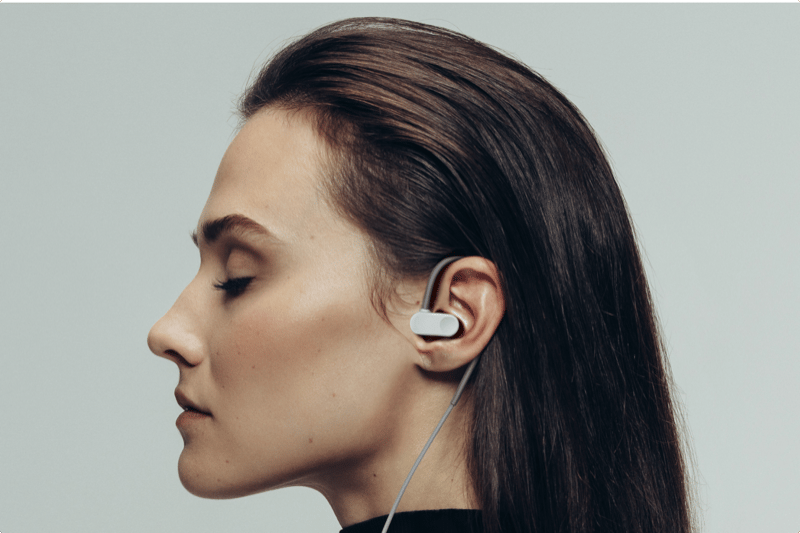
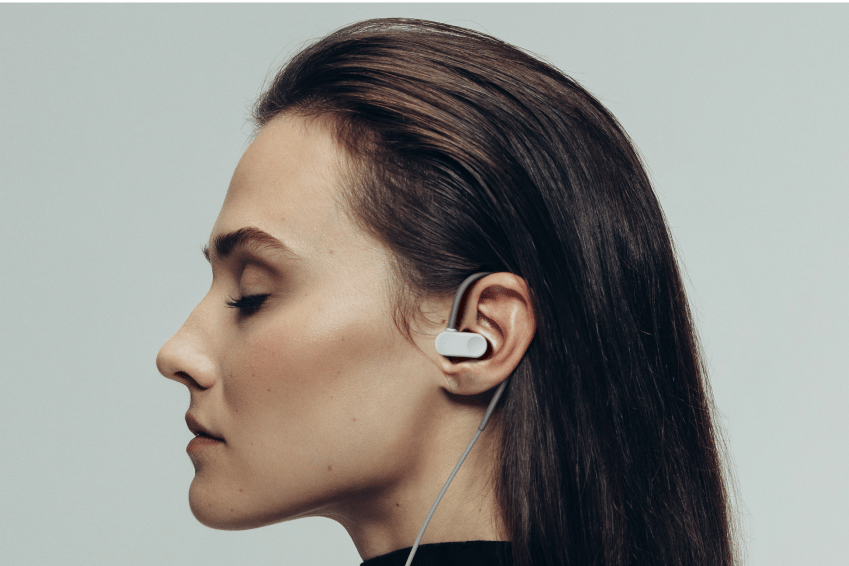
The leading device in this space is Nurosym, a non-invasive vagal neuromodulation system worn on the ear. It stimulates the auricular branch of the vagus nerve, triggering wider effects across the nervous system. Because the vagus nerve helps coordinate communication between the brain and body, influencing it can have far-reaching effects. Research has linked this type of stimulation with improvements in HRV, sleep quality, fatigue and cognitive clarity, all of which reflect stronger nervous system regulation.
Whether the body is adapting to training, recovering from stress or responding to daily demands, this communication pathway plays a deciding role in what happens next. When it is functioning well, the system absorbs the stimulus and adapts. When it is dysregulated, recovery becomes less efficient and fatigue accumulates more easily.


In high-performance environments, it’s often used strategically around times of greater demand (such as before a competition, post-training, or after long travel) to help the nervous system reset quicker. When regulation happens sooner, recovery can begin sooner too. “Regulation is most effective when it occurs early, not hours after sympathetic load has accumulated,” Brown explains. Giving the nervous system that earlier opportunity to reset helps the body move into repair mode more efficiently.
Who nervous system regulation matters most for
Nervous system regulation is most useful for those whose recovery feels slower or less reliable than it used to. This often includes people who are training several times a week, working in high-pressure environments, travelling frequently or sleeping irregularly. It’s especially relevant when recovery habits are already in place, but the body still doesn’t feel like it’s bouncing back.
Some of the clearest signs you’re not recovering well are actually the most subtle. You may wake up feeling unrested despite getting enough sleep or perhaps your HRV scores may have stopped improving or become inconsistent. Fatigue may linger longer than expected after training, travel or busy periods. You may feel functional, but not fully restored. “Regulation capacity becomes critical in those exposed to sustained autonomic load,” Brown explains. In these situations, the nervous system is processing a higher volume of stress and recovery depends on how efficiently it can return to baseline afterwards.
By contrast, those who recover quickly, maintain steady energy, sleep deeply, and adapt well to training and stress are less likely to need additional nervous system support. Their system is already shifting efficiently between effort and repair. “Recovery quality is ultimately determined by the efficiency and robustness of autonomic state control,” she says. Over time, this difference is what separates those who continue progressing from those who feel like they are constantly trying to catch up.
How to start supporting your nervous system day-to-day
Improving recovery often starts with small changes. The nervous system responds to consistency. How you transition out of your day, how much uninterrupted downtime you allow, and how quickly your body can settle after stress all influence how well you recover. Here are three things that can help:
1. Use your morning energy, sleep quality and HRV as your guide
Notice how you feel when you wake up, how quickly you recover after training or travel, and whether your HRV is improving. If you’re waking up tired, your HRV has stalled, or fatigue is lingering, it may be a sign to scale back intensity and prioritise recovery before adding more stress.
2. Create a clear transition between day and night
Give your nervous system a signal that it’s safe to switch off. This could mean dimming lights in the evening, avoiding late night emails, or even taking a few minutes for slow breathing before bed. Small shifts help move the body out of alert mode and into recovery.
3. Add extra support when demand is higher than usual
Heavy training, travel, or stressful periods place more strain on the nervous system. Tools like breathwork or vagal neuromodulation can help the system reset faster and prevent fatigue from building up.
The goal isn’t to avoid stress. It’s to improve how well your body recovers from it. When your nervous system is regulating well, recovery becomes dependable, energy stabilises and your body can keep adapting to whatever you ask of it.



This article is for informational purposes only, even if and regardless of whether it features the advice of physicians and medical practitioners. This article is not, nor is it intended to be, a substitute for professional medical advice, diagnosis, or treatment and should never be relied upon for specific medical advice. The views expressed in this article are the views of the expert and do not necessarily represent the views of Healf
Samantha Nice is a seasoned wellness writer with over a decade of experience crafting content for a diverse range of global brands. A passionate advocate for holistic wellbeing, she brings a particular focus to supplements, women’s health, strength training, and running. Samantha is a proud member of the Healf editorial team, where she merges her love for storytelling with industry insights and science-backed evidence.
An avid WHOOP wearer, keen runner (with a sub 1:30 half marathon) hot yoga enthusiast and regular gym goer, Samantha lives and breathes the wellness lifestyle she writes about. With a solid black book of trusted contacts (including some of the industry’s leading experts) she’s committed to creating accessible, well-informed content that empowers and inspires Healf readers.