























The Post-Workout Skin Protocol Dermatologists Want You To Follow
Your expert-approved guide to preventing post-gym breakouts, calming redness and protecting your skin barrier before and after you sweat.

Written by: Samantha Nice
Written on: 8 December 2025
Sweating it out is great for your body, but your skin doesn’t always share the same enthusiasm. Sweat itself isn’t the problem, it’s what happens after that is. The combination of heat, bacteria, friction, humidity and disrupted pH can create the perfect storm for clogged pores, redness and inflammation if your skincare routine isn’t dialled in.
Sweating it out is great for your body, but your skin doesn’t always share the same enthusiasm. Sweat itself isn’t the problem, it’s what happens after that is. The combination of heat, bacteria, friction, humidity and disrupted pH can create the perfect storm for clogged pores, redness and inflammation if your skincare routine isn’t dialled in.
With hypochlorous acid sprays going viral, derms pushing barrier-first routines and non-comedogenic skincare becoming its own category, post-workout skin is definitely having a moment. The good news is that a few smart tweaks can completely change how your skin behaves after training.
To build the ultimate post-workout skin protocol, we spoke to Dr Nora, who explains what’s actually going on, what to avoid and the ingredients that can help keep your complexion clear and calm. Whether you’re a heavy sweater, an acne-prone gym-goer or someone battling workout-triggered redness, this one’s for you…
What actually happens to your skin when you work out
“During exercise, your heart rate and circulation increase, bringing more oxygen and nutrients to the skin,” explains London-based cosmetic dermatology expert Dr Nora Jaafar. “You also produce heat, which triggers sweating. Sweat itself is mostly water, salts and minerals, but when it sits on the skin it can mix with bacteria, sebum and debris. After a workout, your skin barrier becomes slightly more permeable and more prone to irritation until your temperature and pH levels normalise,” she adds.
So yes, exercising does boost glow and delivers nutrients to the skin. But the moment you stop moving, your skin is vulnerable. Your barrier is slightly compromised, pH is disrupted and sweat is interacting with whatever’s already sitting on your skin like SPF, makeup, oil, pollution, product residue and gym bacteria. This is why your post-workout skincare routine really matters.
Why some people break out after exercise
“Breakouts aren’t caused by sweat itself, but by sweat mixing with oil, bacteria and friction from helmets, hats or tight clothing,” says Dr Nora. “People with oilier or acne-prone skin are more likely to see ‘workout acne,’ but anyone can break out if sweat stays on the skin too long or if they’re using heavy, occlusive products before the gym.” The good news is that all of this is preventable.
The biggest post-workout skincare mistakes
According to Dr Nora, these are the things that sabotage your skin the most:
Not cleansing straight after your workout.
Using harsh scrubs on already-flushed, sensitised skin.
Leaving sweat-soaked clothes on which can cause body acne.
Applying heavy, fragranced products on compromised skin.
Wiping your skin with dirty gym towels or shared equipment.
Essentially, your skin is warm, permeable and vulnerable after a workout so you should treat it like it just had a peel - not like it’s time for a full exfoliation session.
The non-negotiable step: Cleansing immediately after a workout
This is the foundation of your entire post-workout routine. “Cleansing promptly is key to removing sweat, bacteria and oil before they clog pores,” says Dr Nora. Look for gentle gel cleansers, glycerin-based or ceramide cleansers or salicylic acid cleansers (especially if you’re acne-prone). When it comes to work to avoid, Dr Nora is crystal clear. “Stay away from strong exfoliating acids, scrubs or foaming cleansers that leave the skin feeling tight since your skin is already in a sensitised state.” This translates to no AHA toners, no retinoids and no grainy, physical exfoliators. Your skin is asking for TLC, not trauma.
Hypochlorous acid: a post-gym hero
Hypochlorous acid (HOCl) has become the ultimate skincare ingredient - especially among dermatologists, athletes and acne sufferers, but what does it do? “Hypochlorous acid is naturally produced by our immune cells and has antimicrobial and anti-inflammatory properties,” says Dr Nora. “It can help reduce redness, bacterial load and irritation post-sweat. It’s especially useful for acne-prone or sensitive skin and is gentle enough to use multiple times a day.”
HOCl is ideal for post-workout bacterial flush, reducing redness and flare-ups, calming friction rashes, preventing clogged pores, spraying inside hats or helmets and refreshing the skin before you cleanse. It’s basically the product that makes your skin act like you didn't just sweat for an hour. How to use hypochlorous acid Because it's so gentle and microbiome-friendly, you can use it at multiple points in your routine - both before and after you sweat. Think of it as a reset button for skin that’s about to be (or has just been) exposed to heat, friction and bacteria. Before your workout 1. Mist a light layer over clean, dry skin. This reduces surface bacteria before sweat mixes with oil, SPF or makeup - a major trigger for post-gym breakouts. 2. Spray onto areas that experience friction such as under sports bras, around helmet straps or along the jawline. During your workout 1. Refresh skin mid-session. If you’re doing a long class, hot yoga or wearing headgear, a quick mist helps limit bacterial build-up without irritating your skin. 2. Spray inside hats or helmets. This lowers the bacterial load that contributes to congestion and friction bumps. Immediately after your workout 1. Use it straight after cleansing. This is HOCl’s power moment. Skin is warm, permeable and vulnerable, and HOCl helps bring down redness, reduce bacterial load and settle inflammation instantly. 2. Mist chest, back and shoulders especially if you're prone to body acne. This helps prevent clogged pores without the irritation stronger actives can trigger on freshly warmed skin. 3. Any time your skin feels irritated. Because it’s so gentle, you can use it after wiping sweat, after showering, after friction from equipment or whenever redness flares. It’s one of the few ingredients that can be used multiple times a day without disrupting the barrier making it the ideal whenever, wherever skin stabiliser.
Your pre-workout skin protocol and why this also matters
Most people only think about skincare after a workout, but what you put on your face before you sweat can make a big difference. The aim is to keep things breathable, barrier-friendly and minimal so sweat, heat and friction don’t have anything heavy to cling to.
“Lightweight, non-comedogenic products are absolutely fine,” says Dr Nora. “A hydrating gel moisturiser can help protect the barrier and reduce friction, especially if you use retinoids or exfoliants at night.” The real issue isn’t skincare itself, it’s the wrong type of skincare.
“Heavy, occlusive or oily products can trap sweat and worsen congestion,” she explains. That includes thick balms, rich creams, facial oils, full-coverage foundation and pore-clogging SPF formulas. If you’re heading outdoors, SPF is still non-negotiable, but it should be in a fluid or gel texture, not something waxy or occlusive.
Before training, a quick mist of hypochlorous acid is also a smart move. By reducing surface bacteria before sweat mixes with oil, SPF or makeup, it helps lower the chances of post-workout breakouts - especially if you’re acne-prone or sensitive.
Your pre-workout routine
Cleanse (optional but recommended) If you’ve got last night’s skincare or makeup on, rinse with a gentle cleanser first. This stops last night’s active ingredients mixing with sweat and reduces the risk of irritation.
Apply a lightweight moisturiser Go for a gel-based, non-comedogenic formula to lightly hydrate and protect your barrier without trapping heat. This also helps reduce friction from helmets, straps or sweatbands.
Mist with hypochlorous acid Spritz over your face (and even chest or back) to reduce bacterial load before you start sweating. This is ideal if you’re prone to “workout acne.”
Apply SPF if you’re training outdoors Choose a sweat-friendly, gel or fluid SPF. Avoid heavy, oily sunscreens that sit on top of the skin and clog pores.
Skip the makeup Sweat + foundation is a fast track to congestion. If you really want coverage, stick to a light, non-comedogenic tinted mineral SPF instead.
What not to do before a workout
Don’t apply heavy balms, thick creams or face oils.
Don’t layer strong actives like AHAs, BHAs or retinoids right before training.
Don’t work out in full-coverage makeup.
Don’t use rich, pore-clogging SPF formulas.
Your post-workout skin protocol
Once you finish your workout, your skin enters its most vulnerable window. It’s warm, flushed, permeable and covered in a mix of sweat, bacteria and sebum. What you do in the next 10 to 20 minutes genuinely determines whether your skin calms down or freaks out.
Your post-workout routine
1. Cleanse immediately Consider this step a non-negotiable. “Cleansing promptly is key to removing sweat, bacteria and oil before they clog pores,” says Dr Nora. Use a gentle gel cleanser or hydrating cleanser with glycerin or ceramides to remove sweat and debris without stressing the barrier. If you're acne-prone, a salicylic acid cleanser a few times a week can help prevent congestion.
2. Mist with hypochlorous acid This is the fastest way to reduce post-sweat inflammation and bacteria while keeping skin calm. Use it right after cleansing to reset the skin’s environment and prevent flare-ups.
3. Apply a soothing, barrier-supporting moisturiser Go for lightweight formulas with ceramides, niacinamide or glycerin to replenish hydration and restore barrier integrity.
4. Reapply SPF if you’re heading back outside Your skin is still warm and more permeable so again, choose breathable, lightweight textures.
What not to do post-workout
“Stay away from strong exfoliating acids, scrubs or foaming cleansers that leave the skin feeling tight,” says Dr Nora.
Again, don’t use anything occlusive or heavily fragranced.
Avoid active ingredients (like retinoids, AHAs, BHAs or vitamin C) for a few hours. Your skin is still sensitive right now so save these for the evening once your temperature and pH normalise.
The best pre and post-workout skincare products worth adding to your routine
Your gym skincare shouldn’t be complicated; it should be functional. These four products deliver targeted benefits that align perfectly with what your skin needs before and after training: lightweight hydration, barrier support, efficient cleansing and gentle antimicrobial care.
For a gentle cleanse
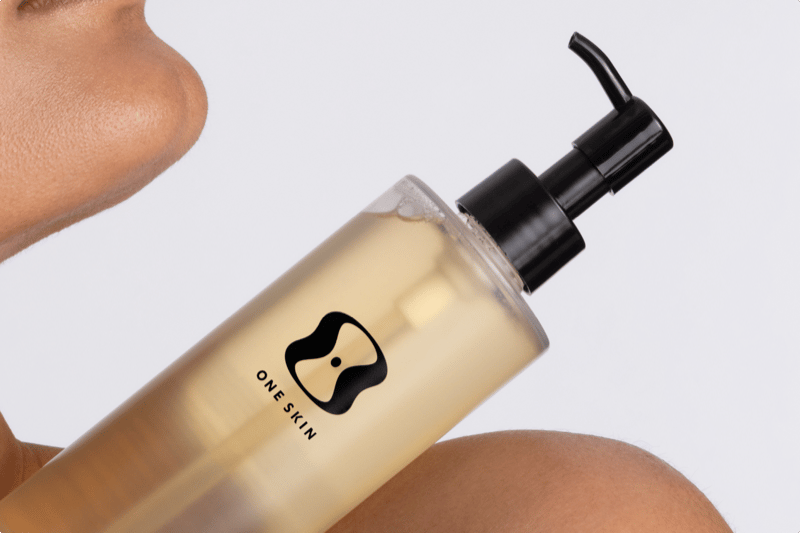
This cleanser uses ectoin and fruit-derived antioxidants to remove sweat and oil without stripping the skin which is great when you need a reset but your face is still warm from training. The hyaluronan complex boosts hydration meaning it not only preps your skin and cleans effectively, but feels refreshing and never leaves the skin tight.
For a skin-soothing moisturiser
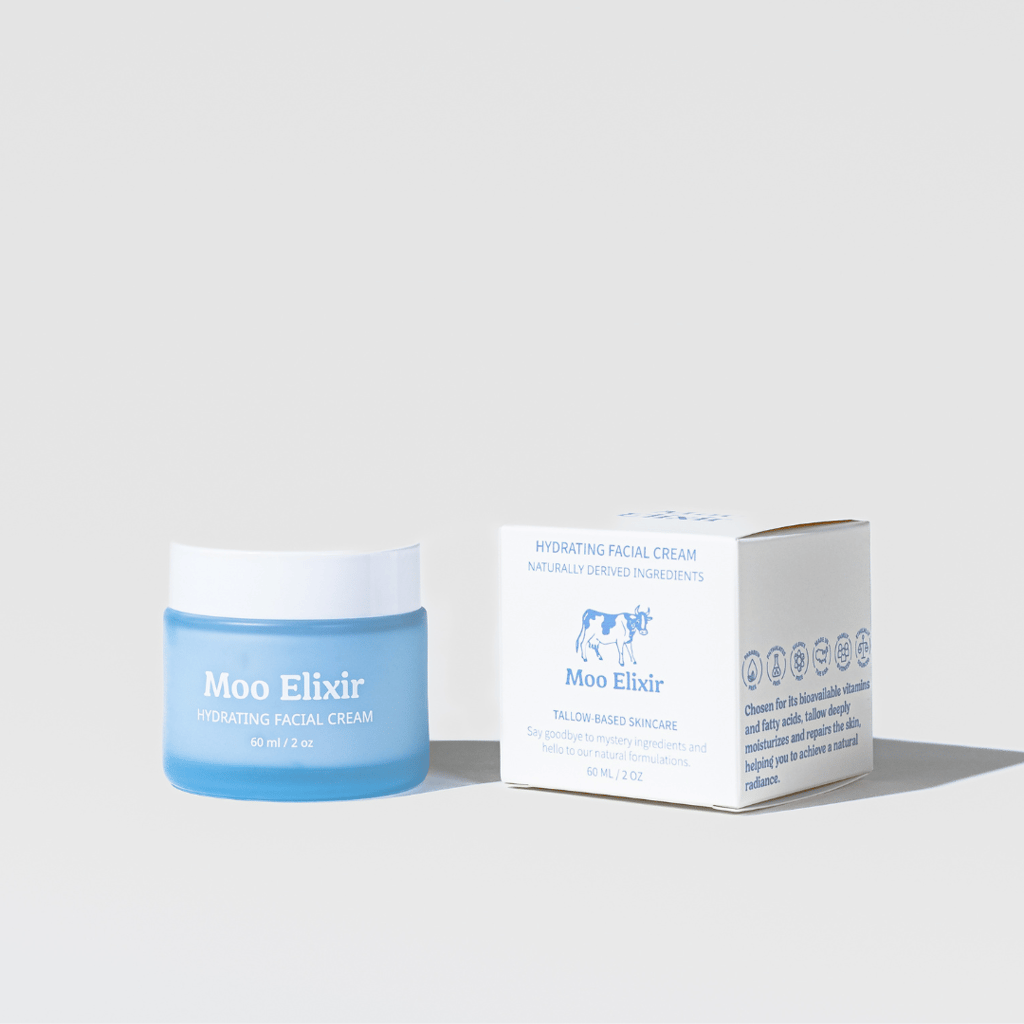
This cream excels at calming skin that’s been exposed to heat, friction and sweat. Tallow replenishes natural lipids, aloe vera settles any irritation from wiping or equipment contact and vitamin E provides antioxidant support. The texture is nourishing but still breathable, making it a good one after cleansing especially if your skin tends to flush or feel sensitive.

For a lightweight SPF
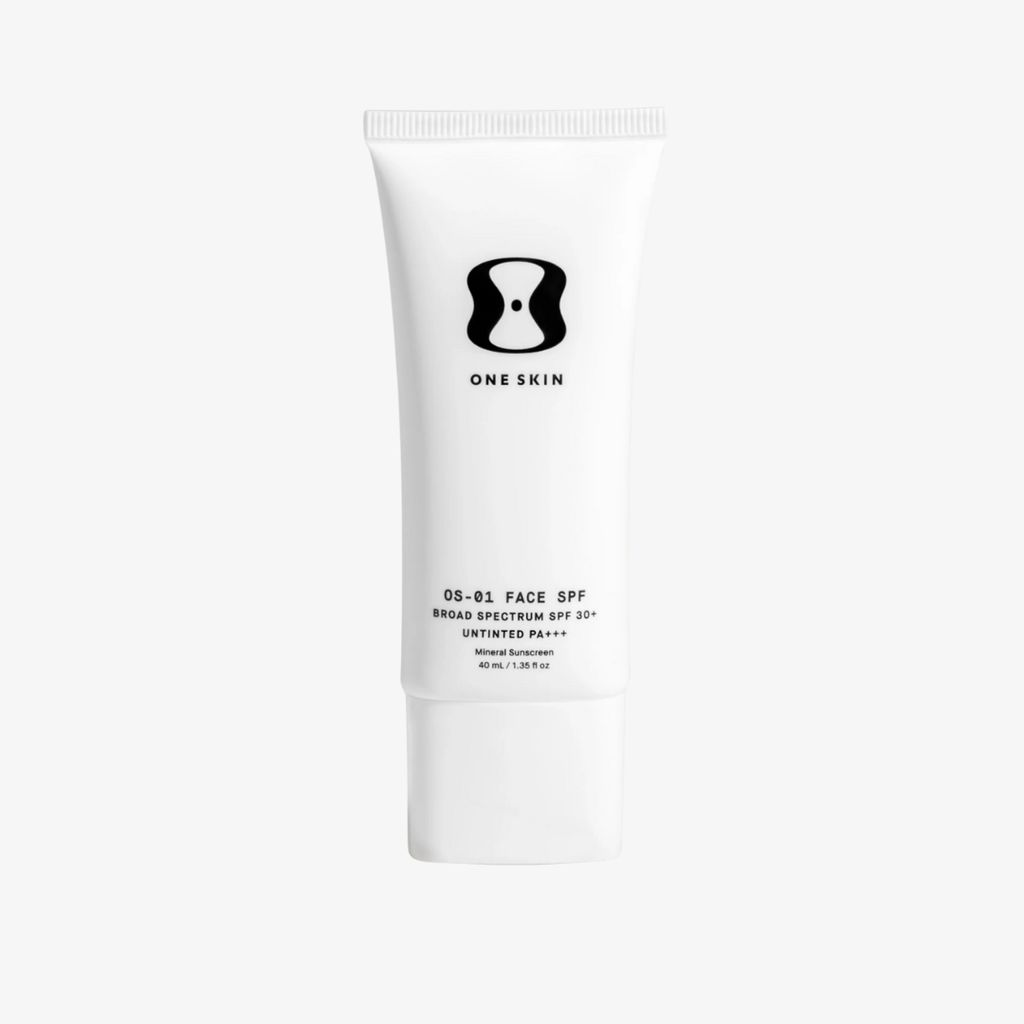
This SPF feels more like a moisturiser than sunscreen, which makes it incredibly comfortable to wear while sweating. The lightweight, non-comedogenic texture won't clog pores or sit heavily on the skin and it layers smoothly over gel moisturisers without pilling which is a rare quality in mineral SPFs. It’s also fragrance-free and dermatologist-tested, making it exactly the kind of breathable, sweat-compatible protection your skin needs.
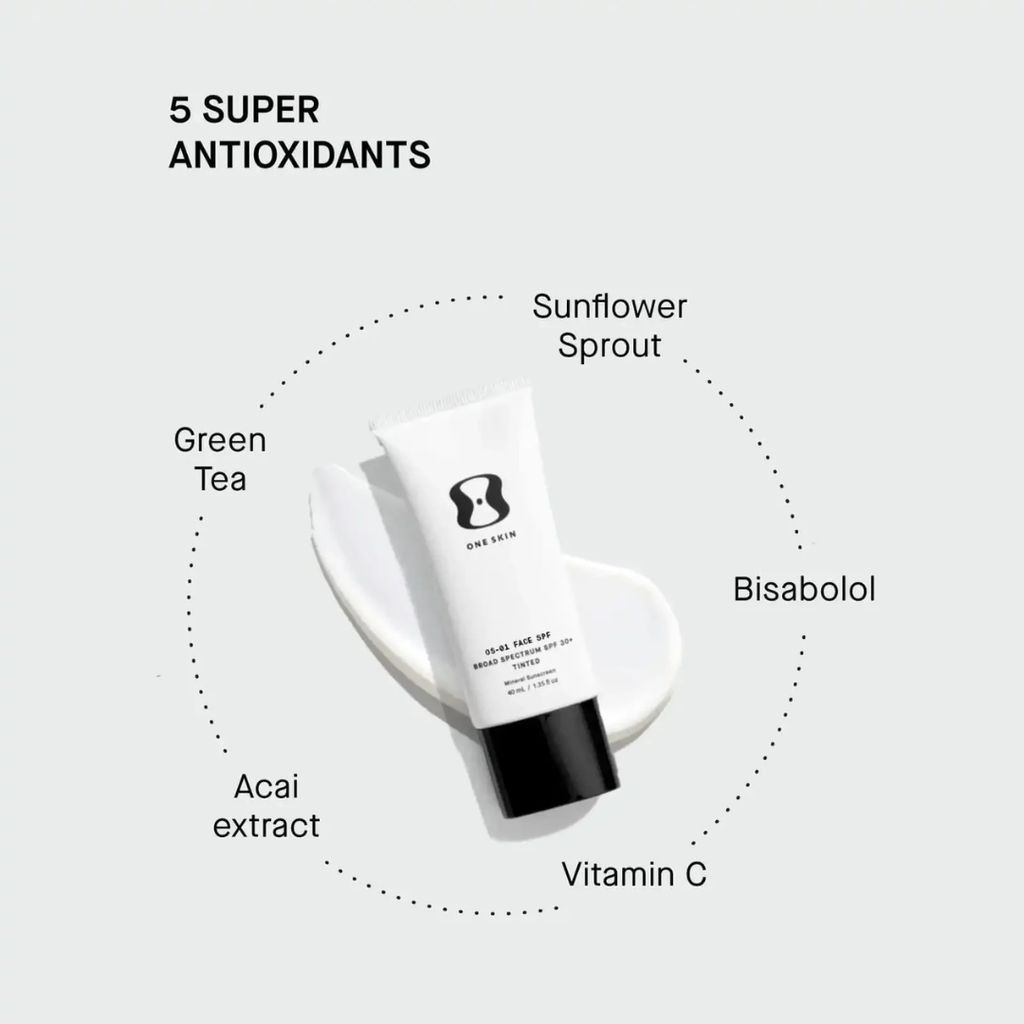
For dosing up on hypochlorous acid
Unlike most other face mists, this is a medical-grade HOCl formula designed to keep reactive or freshly flushed skin balanced and comfortable. The stabilised hypochlorous acid helps maintain skin clarity and calmness when applied before or after your workout, especially on areas prone to congestion like your jawline, chest or back. The spray format makes it easy to apply on-the-go with no rubbing required. If you take one thing away, make it this.
How to prevent (and treat) workout-induced body acne
Body acne is a thing - especially on the back, chest and shoulders. This too is almost always caused by sweat, friction and bacteria getting trapped under your clothing. Dr Nora’s biggest warning? Leaving sweat-soaked clothes on.
Here’s how best to prevent it:
1. Change out of your gym clothes immediately
Don’t sit around in damp clothes as they can trap bacteria and oil against your skin.
2. Use a benzoyl peroxide wash a few times per week
This is the gold standard for body acne. Massage it in, leave it on for 1-2 minutes, then rinse.
3. Use HOCl mist post-workout
Back again, this really is a must for reducing inflammation and bacteria without causing any extra irritation.
4. Go for breathable, loose fabrics
Tight straps and synthetic fabrics can all increase friction which can mean more breakouts.
5. Avoid thick body lotions straight after your shower
Stick to lightweight, non-comedogenic moisturisers while your pores are still open from heat.
If you have sensitive skin, rosacea or eczema…
Heat is your enemy here, not sweat. These skin types flare because of temperature shift, not the moisture, disrupts barrier function and triggers inflammation. “Rinse the skin with cool water to reduce flushing and use a mild, fragrance-free cleanser,” says Dr Nora. “Also avoid hot showers immediately after a workout,” she adds. In other words, the priority for sensitive, rosacea or eczema-prone skin is temperature control and barrier repair, not deep cleansing. What matters more for reactive skin types:
Cool-down comes first. Bring the skin back to baseline before applying anything.
Skip active cleansers entirely. Even salicylic acid can be too much when you're flushed.
Moisturise fast. These skin types lose water quickly after heat exposure, so apply a calming moisturiser within 1–2 minutes of cleansing.
Reparative ingredients over treatment ingredients. Ceramides, glycerin, squalane and niacinamide help restore barrier function after heat stress.
Avoid sudden temperature extremes. Hot yoga, hot showers and post-gym saunas can prolong inflammation and make redness or eczema worse.
If you’re acne-prone…
Acne-prone skin reacts for completely different reasons than sensitive or rosacea-prone skin. This is more about the pore environment, not heat. “Use salicylic acid cleansers or leave-on treatments a few times a week,” says Dr Nora. Use hypochlorous acid mist pre and post-workout and avoid makeup during exercise where possible.”
The goal is to prevent congestion before it forms. What matters most for acne-prone skin:
Sweat needs to leave the skin fast. Lingering sweat mixes with oil and bacteria, leading to congestion.
Salicylic acid is your strategic ingredient. Not daily, but two or three times a week to keep pores clear.
HOCl is especially effective as it reduces the bacterial load without irritating, which makes it ideal for acne-prone athletes.
Fabric matters. Tight straps, helmets and compression clothing trap heat and bacteria which are huge triggers for acne.
Be careful with SPF textures. Even non-comedogenic formulas can clog when mixed with sweat, so go for gels over creams.
The takeaway: Your skin needs a plan
The real mistake most people make is treating their skin as an afterthought. Exercise boosts circulation and oxygen flow to the skin, but the moment you stop, the barrier becomes vulnerable, pores are open, sweat mixes with bacteria and irritation peaks. The right routine doesn’t have to be complicated.
Pre-workout: keep products lightweight + use HOCl to prep
Post-workout: cleanse immediately + calm with HOCl + repair your barrier
For acne: add strategic salicylic acid and BPO
For sensitive skin: cool, calm and hydrate, with no actives


This article is for informational purposes only, even if and regardless of whether it features the advice of physicians and medical practitioners. This article is not, nor is it intended to be, a substitute for professional medical advice, diagnosis, or treatment and should never be relied upon for specific medical advice. The views expressed in this article are the views of the expert and do not necessarily represent the views of Healf
Samantha Nice is a seasoned wellness writer with over a decade of experience crafting content for a diverse range of global brands. A passionate advocate for holistic wellbeing, she brings a particular focus to supplements, women’s health, strength training, and running. Samantha is a proud member of the Healf editorial team, where she merges her love for storytelling with industry insights and science-backed evidence.
An avid WHOOP wearer, keen runner (with a sub 1:30 half marathon) hot yoga enthusiast and regular gym goer, Samantha lives and breathes the wellness lifestyle she writes about. With a solid black book of trusted contacts (including some of the industry’s leading experts) she’s committed to creating accessible, well-informed content that empowers and inspires Healf readers.