




























Red Light Therapy And Your Circadian Rhythm: Morning vs. Evening Use
Written by: Eleanor Hoath
Written on: 7 October 2025
Light is one of the most powerful signals your body gets each day. It tells your brain when to wake, when to rest, and how to stay balanced throughout the day. But in our modern, screen-heavy lives, we’ve lost touch with the natural cues that keep our circadian rhythm in sync.
That’s where red light therapy steps in. By reintroducing wavelengths that mimic sunrise and sunset, you can anchor your daily rhythm, supporting energy, focus, and recovery in a way that feels effortless.
So, should you use a red light in the morning or the evening? The answer is both, but for very different reasons.
Why circadian rhythm matters
Your circadian rhythm is your body’s 24-hour internal clock, dictating when you feel alert, when you feel sleepy, and how well your body performs in between.
Consistency is key. Research shows that people who maintain regular sleep and wake times, within about an hour each day, have a 20–50% lower risk of early death. This link holds true even after adjusting for total sleep length, age, activity levels, and health conditions.
In other words, keeping your rhythm steady matters as much as how long you sleep. And light is the single strongest way to set that rhythm.
The science of red light therapy
Most of us are familiar with blue light, the stimulating wavelengths emitted by phones, laptops, and LED bulbs that can delay melatonin release at night. But red light is different.
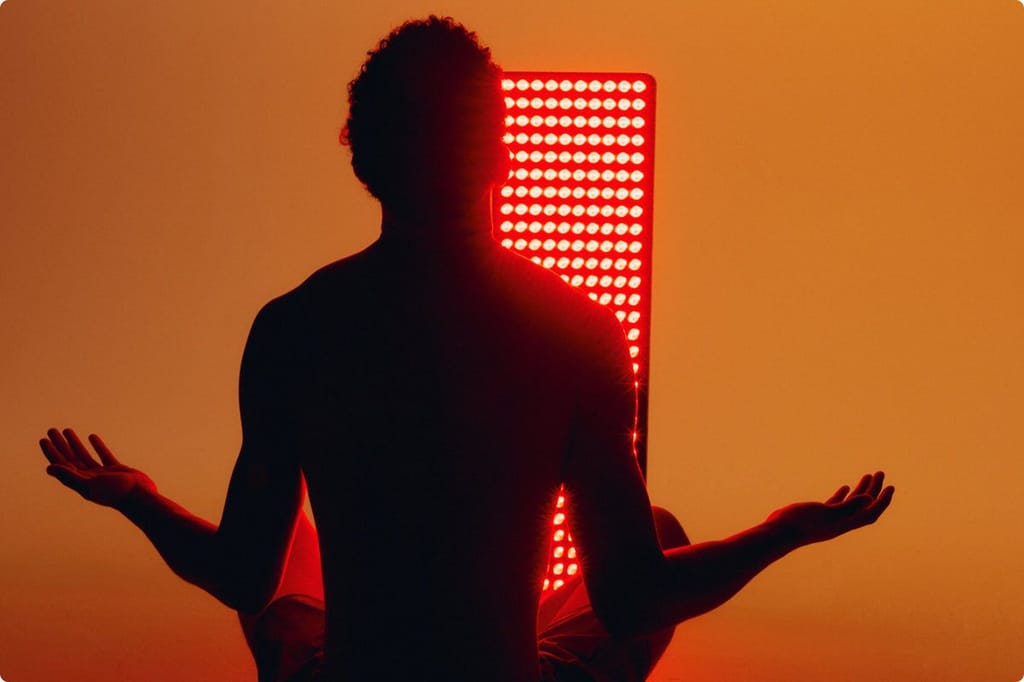
Red and near-infrared light, typically in the 600–850 nanometre range, interact with cells in a way that boosts energy production, enhances circulation, and supports recovery. Unlike bright white or blue light, red wavelengths don’t overstimulate the brain at night. Instead, they provide a gentle cue mimicking sunrise and sunset that we have blanked out and replaced with bright blue lights in the modern world. This makes red light therapy uniquely versatile: energising in the morning, calming in the evening.
Morning red light: wake, energise, reset
When you wake, your body needs a strong signal that it’s time to start the day. Morning red light exposure does exactly that.
- Supports alertness: Red wavelengths signal the brain to increase daytime hormones and neurotransmitters, enhancing focus and energy.
- Anchors circadian rhythm: Exposure to morning light helps “lock in” your sleep-wake cycle, so you fall asleep more easily at night.
- Boosts mood and vitality: By stimulating mitochondrial energy production, red light supports cellular energy and helps reduce that groggy, sluggish morning feeling.
Think of the morning red light as your digital sunrise. Even if you wake before dawn or spend mornings indoors, a short session of red light therapy can remind your body that the day has begun.
Evening red light: calm, reset, prepare
At night, your body needs the opposite, a signal to slow down. Exposure to blue light from screens or overhead LEDs confuses this process, keeping the brain in “day mode” long after the sun sets.
Evening red light rituals help you re-establish the natural pattern:
- Promotes calm: Red wavelengths are non-stimulating, helping you unwind and prepare for rest.
- Offsets blue light exposure: Using red light in the evening counteracts the disruptive effects of screen time.
- Supports restorative sleep: By encouraging melatonin release and reducing overstimulation, red light prepares your body for deeper, more restorative rest.
In essence, evening red light acts like a modern sunset, giving your body the cue it needs to transition from activity to recovery.
Modern life and the loss of natural light
For most of human history, our bodies were guided by natural light: sunrise, daylight, sunset, darkness. Today, we live under artificial light almost constantly. We wake in dim rooms, spend our days indoors, and wind down under the glare of screens.
This disconnect means our circadian rhythms are often out of sync, leading to fatigue, disrupted sleep, and even long-term health risks.
Red light therapy offers a simple solution: bringing nature’s signals back into your day, no matter where you live or how busy your lifestyle.
Bringing red light into your daily rituals
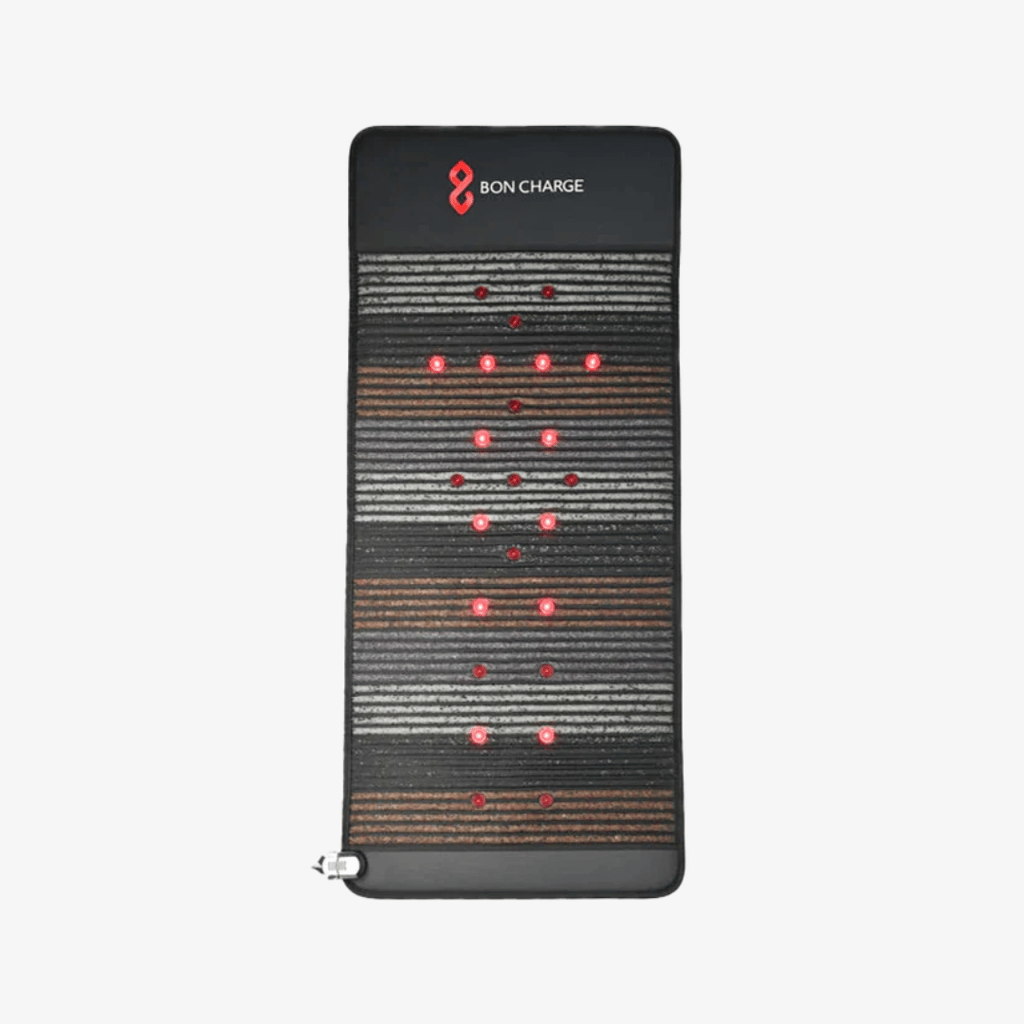
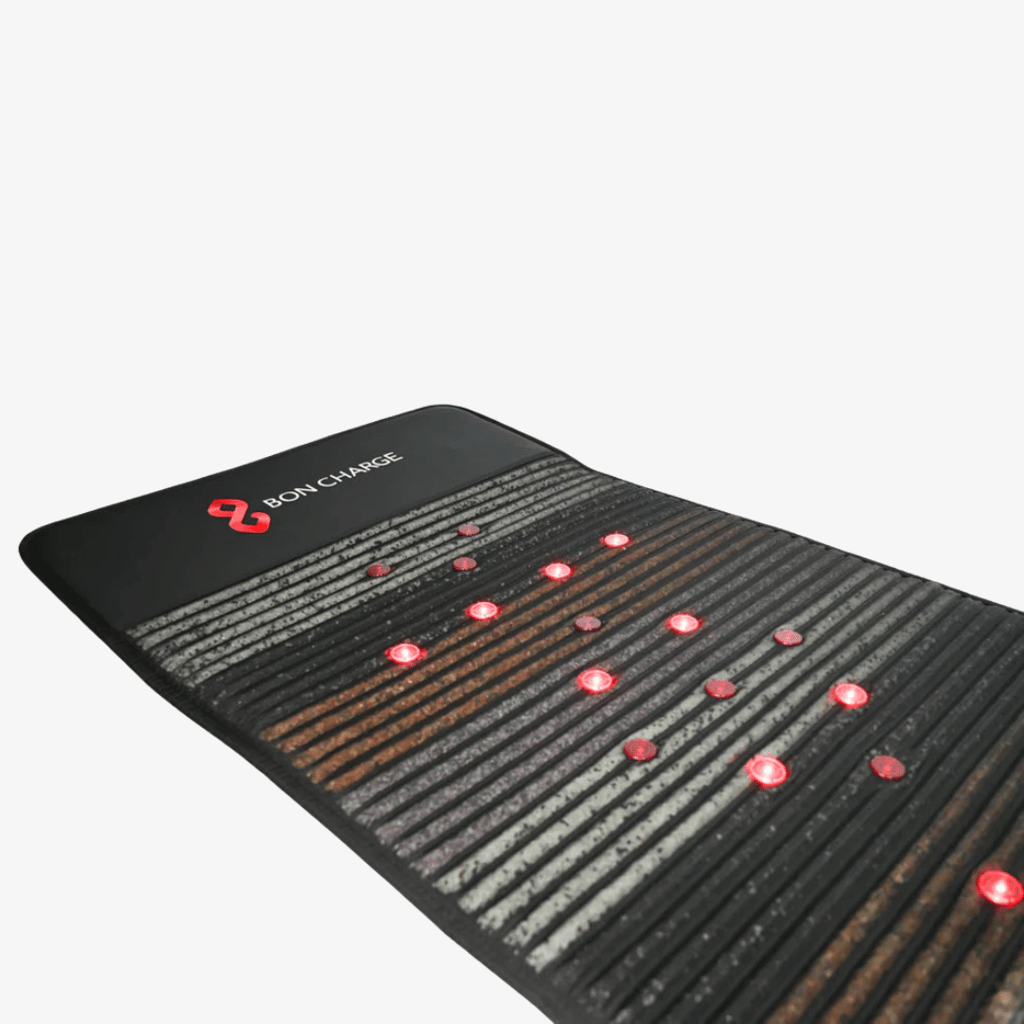
This is where brands like BON CHARGE and Solis Therapy come in. These companies have created red light therapy devices that are designed to fit seamlessly into modern routines.
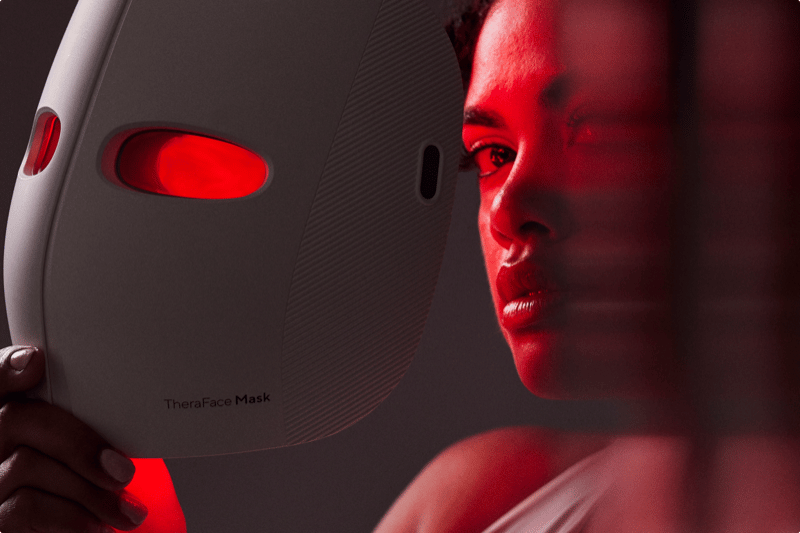
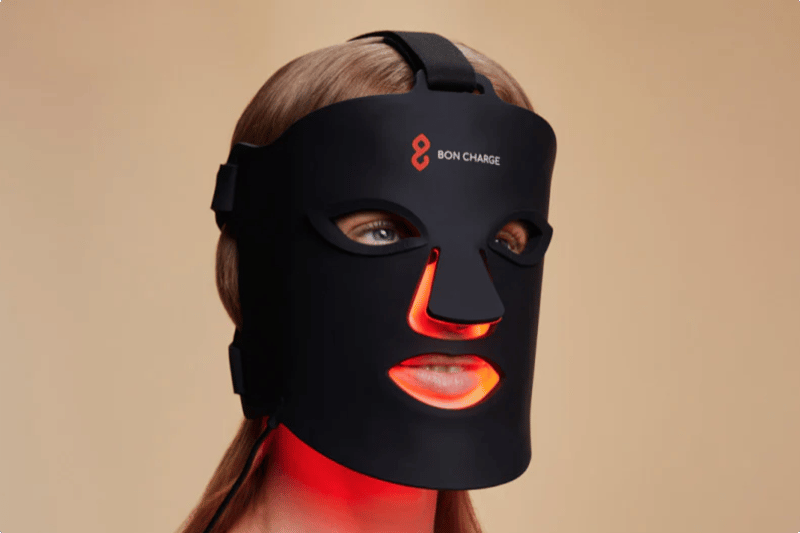
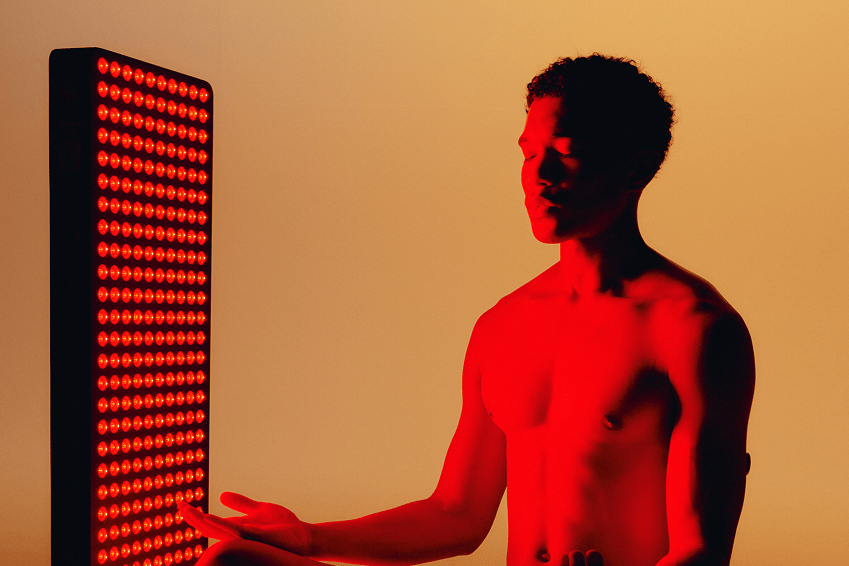
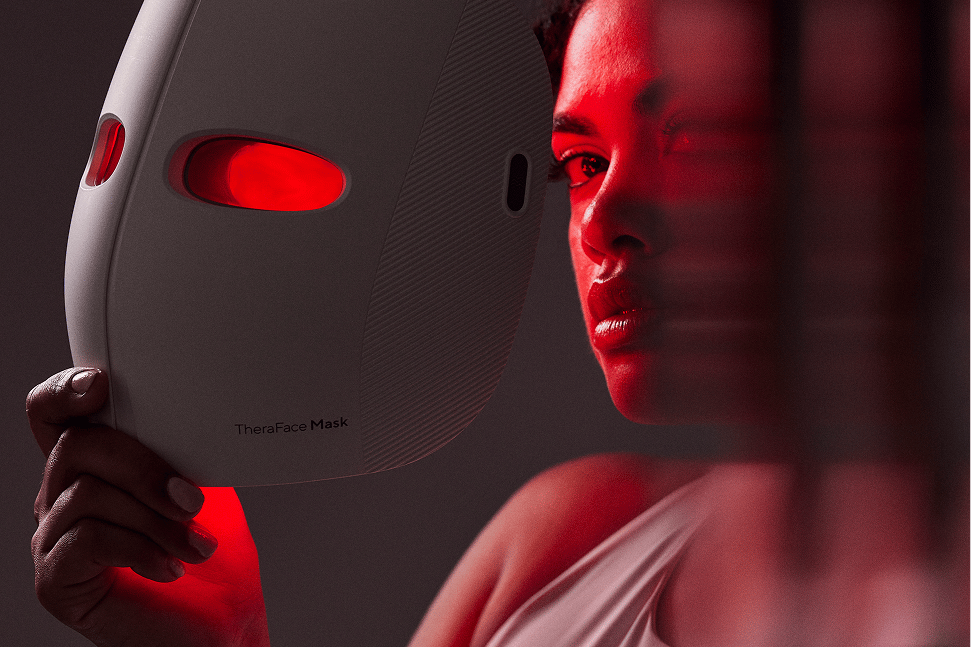
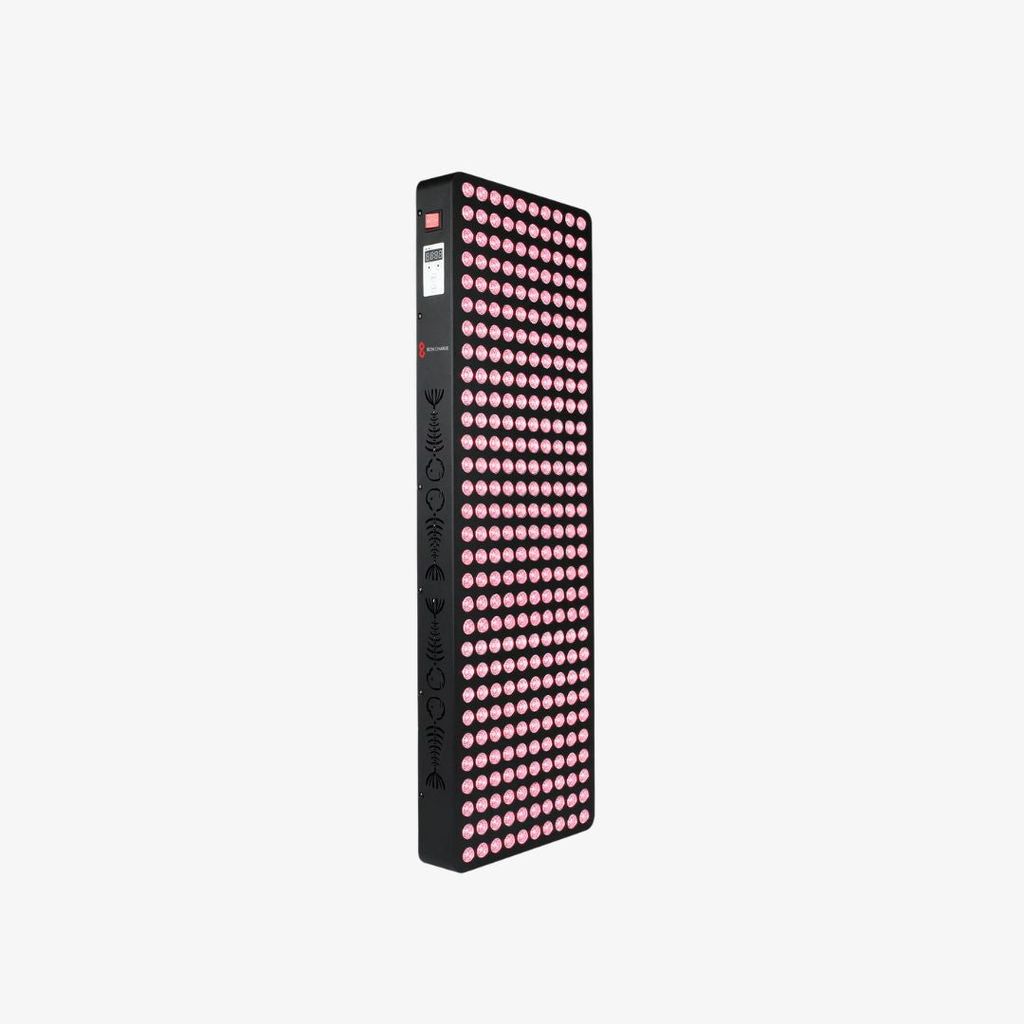
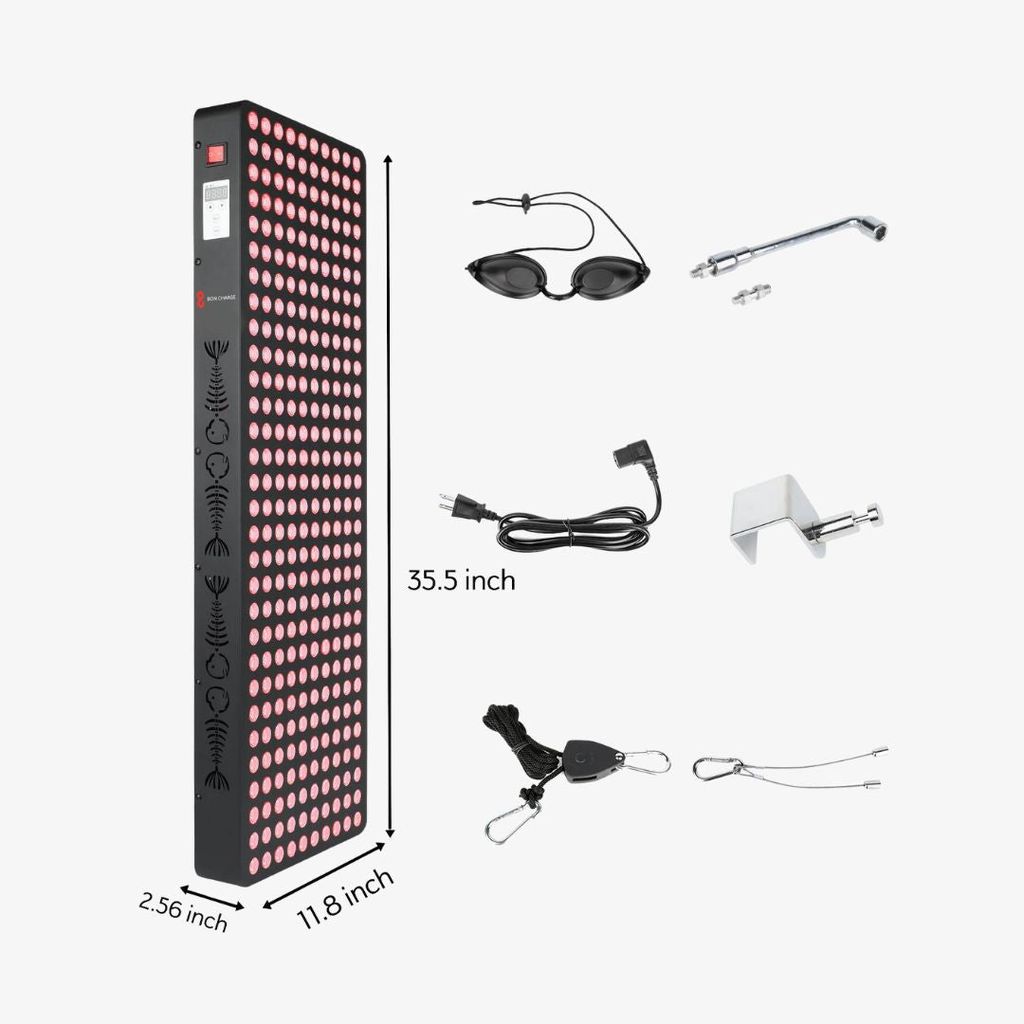
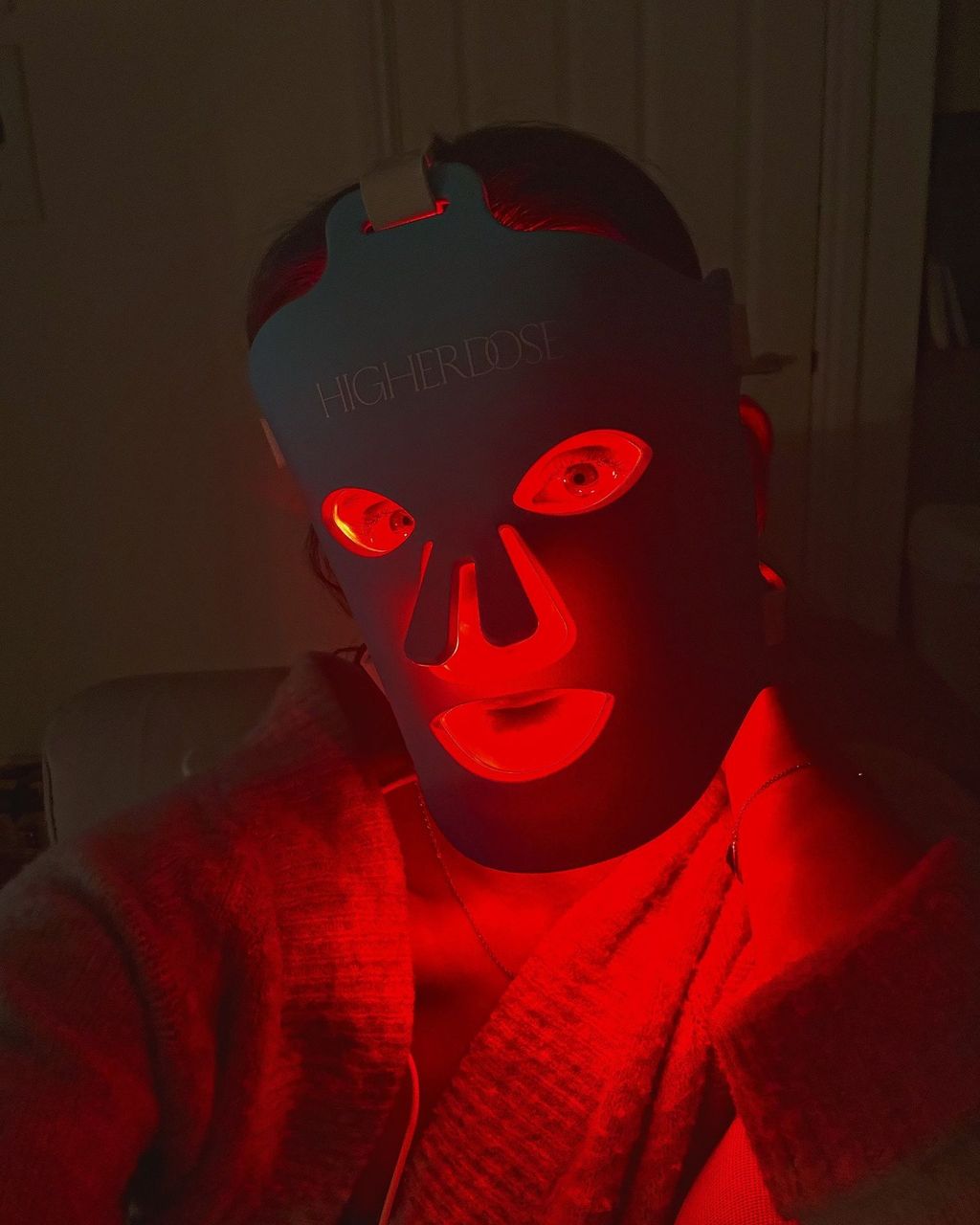
Whether it’s a Red Light Face Mask to start your morning skincare ritual or a full-body Red Light Panel for a deeper reset, each device is engineered to deliver the exact wavelengths your body responds to most.
What makes Solis Therapy unique is its focus on ritual, not complexity. The devices are simple to use, elegantly designed, and built for real life, so you can support your circadian rhythm without adding effort. Just switch on the light, take two minutes, and let nature’s cues do the rest.
Morning vs evening: how to use red light
To get the most from red light therapy, timing is everything:
- Morning: Use for 5–10 minutes shortly after waking. Position a red light device near your face or body to signal alertness and reset your rhythm.
- Evening: Use for 10–20 minutes in the hour before bed. Focus on calming rituals, reading, stretching, skincare with red light as your backdrop to help your body prepare for sleep.
The beauty of red light therapy is that it’s adaptable. Some people prefer a short burst in the morning, others use it exclusively in the evening, and many enjoy both. What matters most is consistency. Creating a light-based rhythm your body can rely on.
The takeaway
Your circadian rhythm is at the core of your health, and light is its master switch. By reintroducing red light rituals into your morning and evening, you can reclaim nature’s signals, boosting energy, focus, and mood in the day, while setting the stage for calm, restorative rest at night.
With the right red light devices, it’s easy to build these moments into your routine. No complexity, no compromise, just simple rituals that help you align with the rhythm your body was designed to follow.
Morning or evening, the answer is both. Red light gives your circadian rhythm what it really needs: balance, energy, and renewal.
This article is for informational purposes only, even if and regardless of whether it features the advice of physicians and medical practitioners. This article is not, nor is it intended to be, a substitute for professional medical advice, diagnosis, or treatment and should never be relied upon for specific medical advice. The views expressed in this article are the views of the expert and do not necessarily represent the views of Healf
Eleanor Hoath is a Registered Nutritional Therapist (DipNT, mANP, mBANT) specialising in gut, skin and women’s health. She is the Editor of The Healf Source and founder of Well Nourished Nutrition Ltd.
Passionate about holistic wellbeing and balanced living, Eleanor combines evidence-based nutrition with a practical, approachable style to help people feel their best through content.
Based in London, she is dedicated to empowering individuals to nurture their health and understand the root cause of their symptoms from the inside out.