





_2026-10-13_14-11-48.png)

Red Light Therapy For Skin Conditions

Written by: Pippa Thackeray
Written on: 26 November 2024
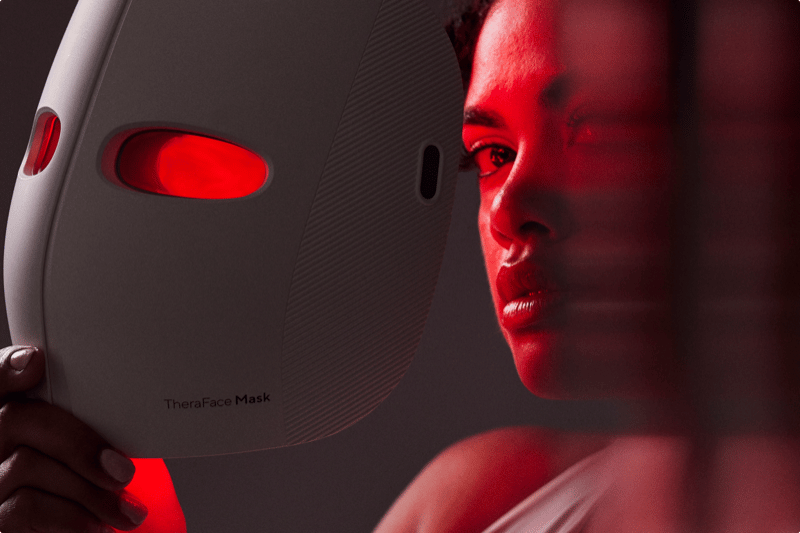
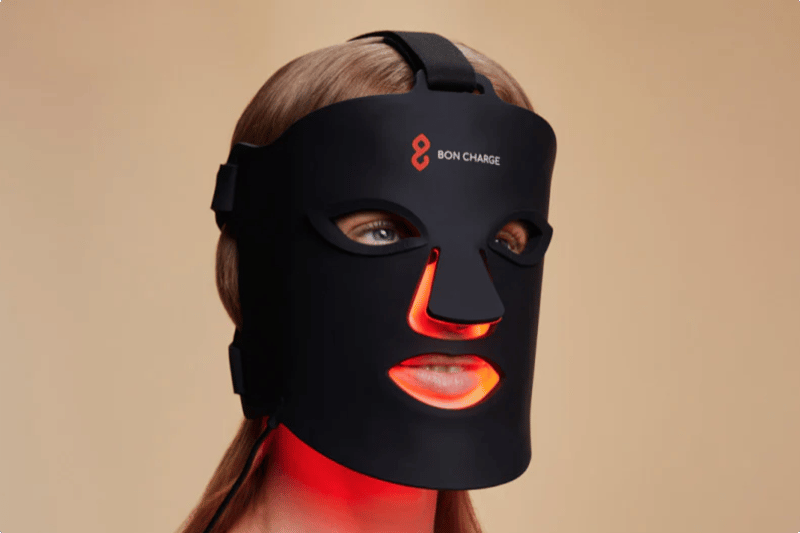
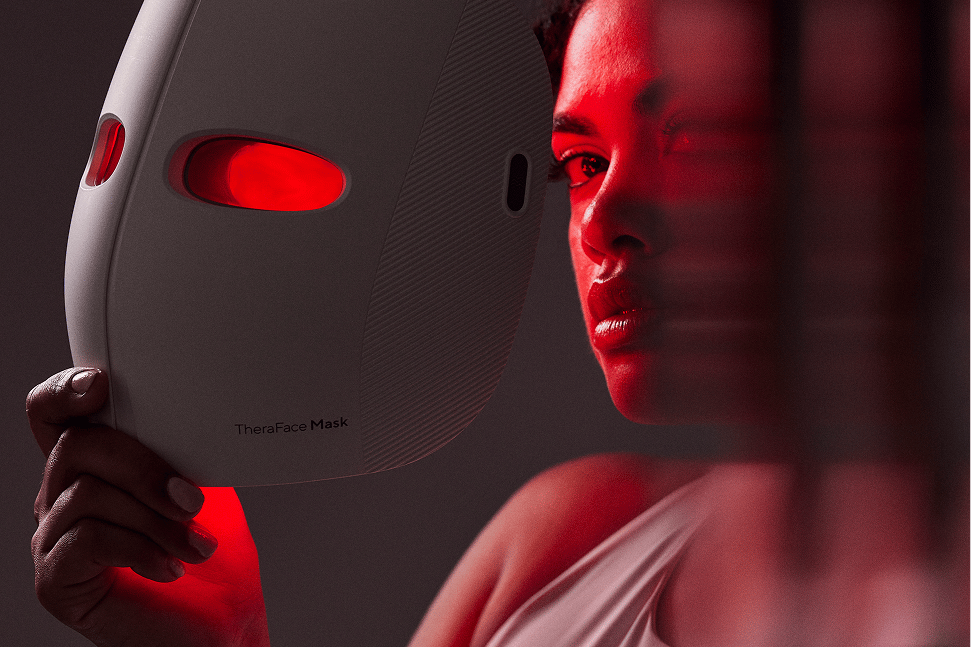
Red light therapy is a natural non-invasive way to improve the health of the skin, particularly if you experience rosacea (redness and visible blood vessels on the face), acne, acne scarring or eczema. In this article we cover the inner workings of RLT for such conditions and evaluate its effectiveness.
Spoiler alert: it’s legit. Celebrities such as Victoria Beckham, Julia Roberts, Jessica Alba, and members of the Kardashian family are all massive fans. And here’s why
How can red light therapy soothe my skin?
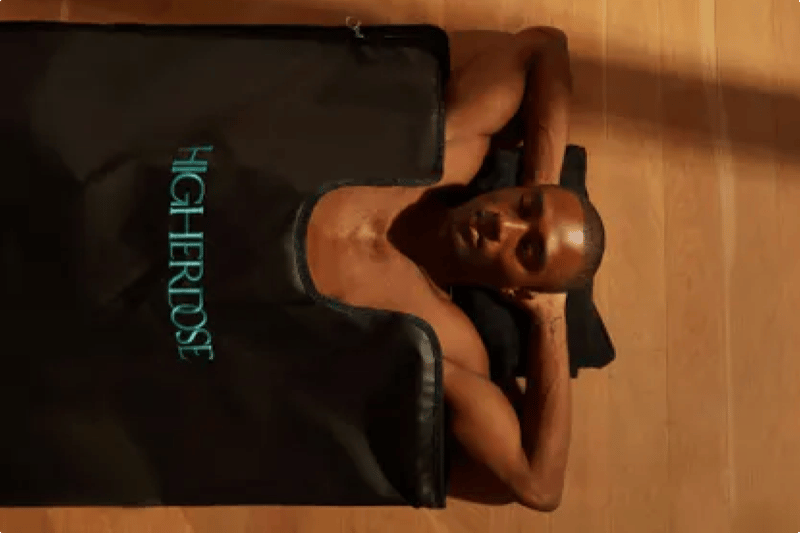
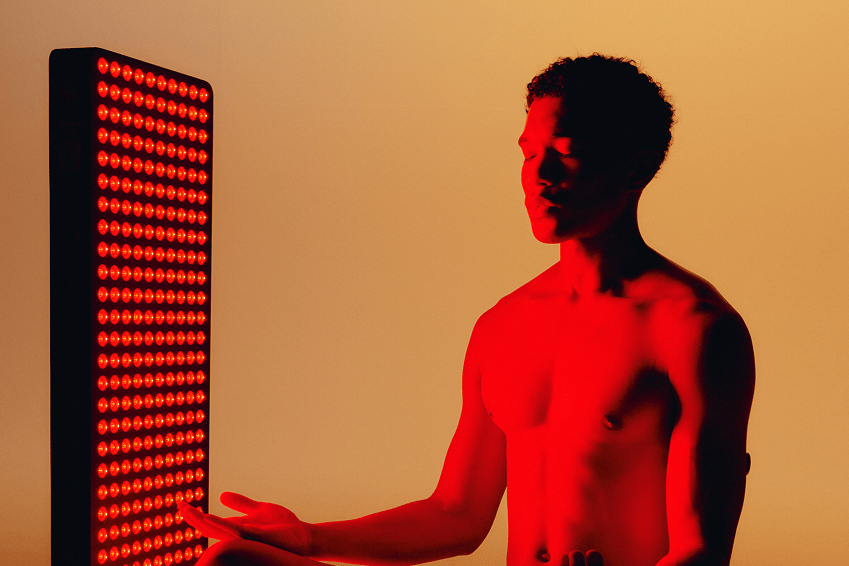
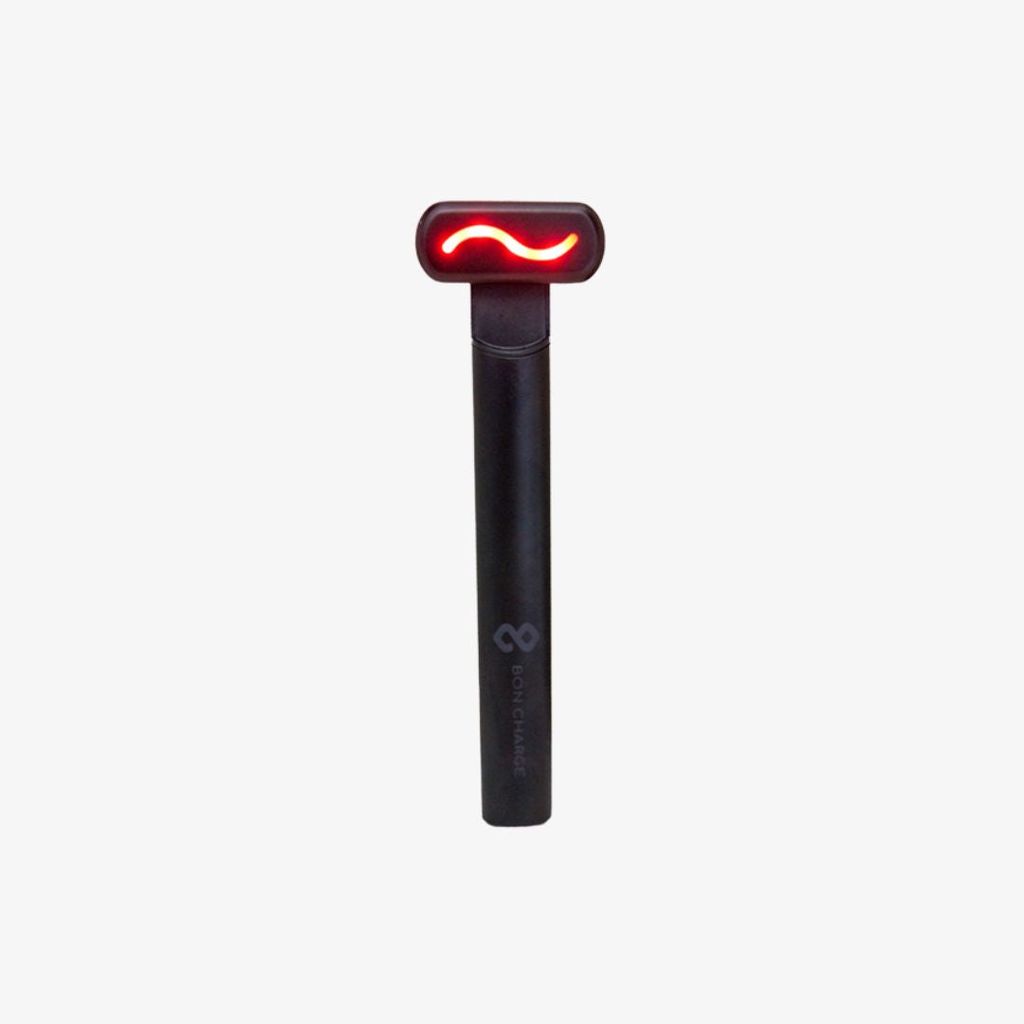
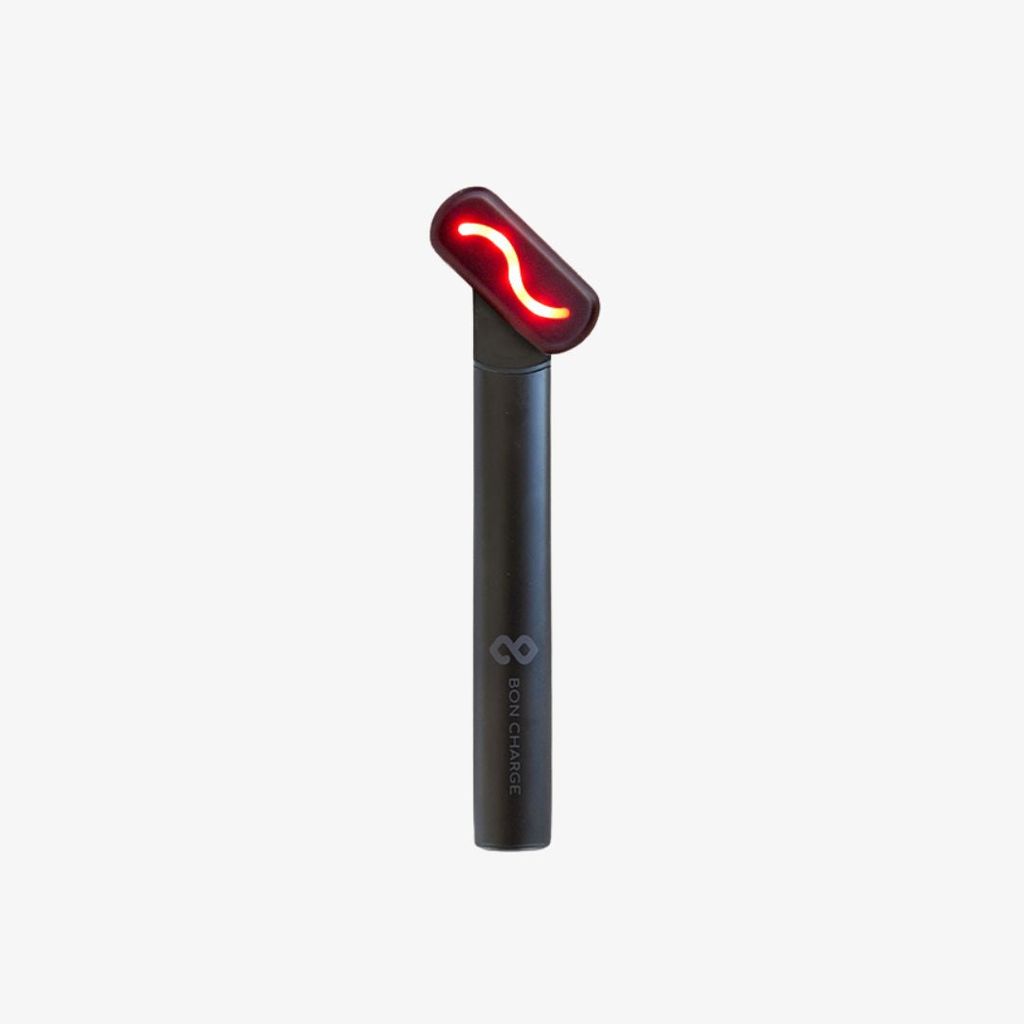
Red light therapy can improve inflammation in the skin via several actions it has on cellular activity. It involves red or near-infrared light to stimulate cellular repair, making it an undeniable force in treating a plethora of skin conditions.
Skin conditions that can benefit from red light therapy
In the current research, red light therapy shows promise for the following skin issues:
Rosacea: Rosacea is a chronic skin condition that causes redness and visible blood vessels, mainly on the face and is often accompanied by small, red, pus-filled bumps, which tend to resemble acne.
Acne and acne scarring: Acne is triggered by clogged pores, bacteria, and inflammation, although it can also be a sign of many other underlying health conditions. The scarring of acne occurs when the skin tissue experiences damage or trauma during the healing process.
Eczema: An inflammatory condition that results in itchy, red, and irritated patches of skin. It comes in many forms and is thought to have many triggers.
How red light therapy can help to calm the skin
Red light therapy is an effective option for calming and soothing irritated skin, through various mechanisms, including:
Reducing inflammation : Inflammation is a major factor behind flares of rosacea, acne and eczema. The anti-inflammatory properties of red light therapy can help calm stressed out skin, reducing visible redness and irritation.
Minimising blood vessel activity : By helping to shrink and calm blood vessels, red light therapy is thought to reduce the visible redness of rosacea.
The promotion of skin healing : Via promotion of collagen production, RLT can be revolutionary in supporting the skin’s natural healing process, helping to fade acne scars and improve overall skin texture.

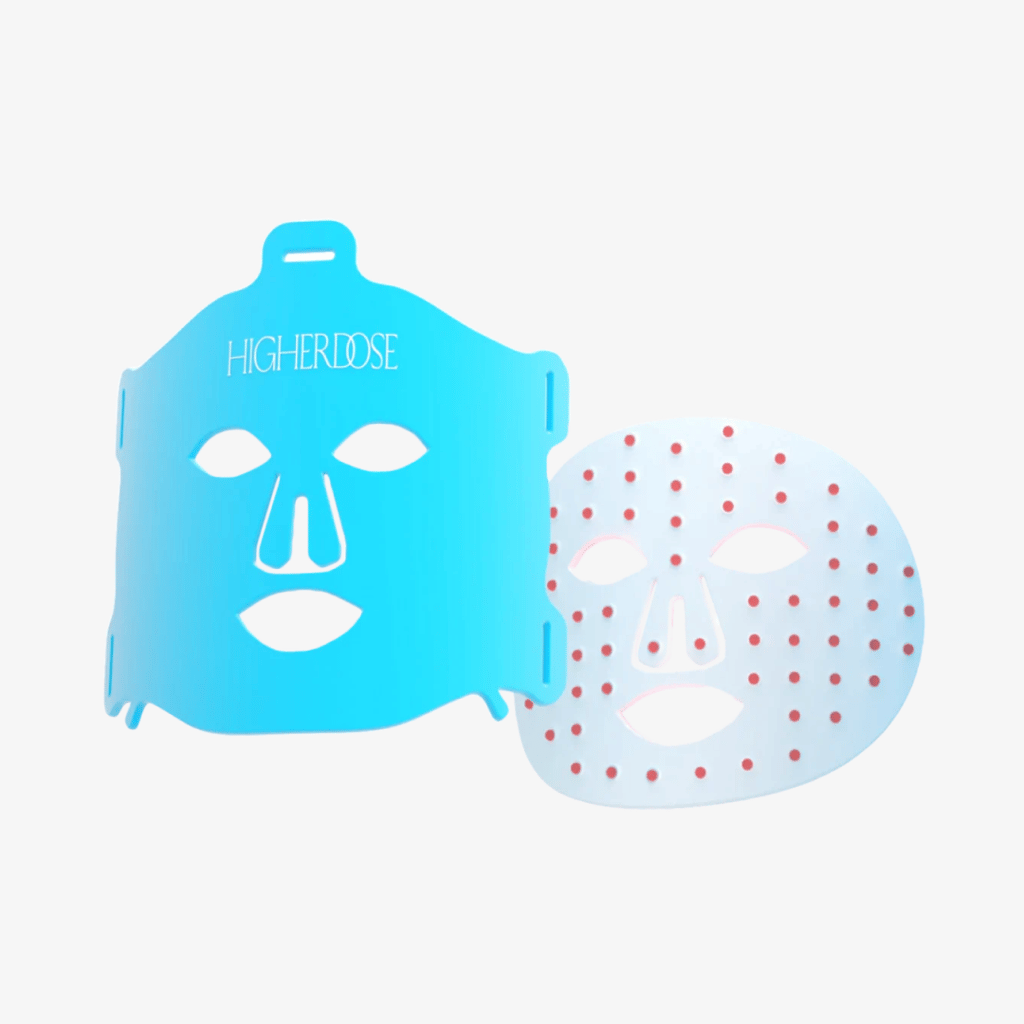
Complementary therapies for skin health
The future of natural and non-invasive skincare is exciting and to get the most out of your RLT products, you can think about pairing red light therapy with other skin-loving routines such as:
Diet: It is no secret that what we consume is closely related to the health and appearance of our skin. So, eating anti-inflammatory foods and staying hydrated can be a great step towards encouraging healing. Don’t forget omega-3 rich foods and cut back on sugar and processed foods too, all of which can worsen inflammation, which is a big problem in conditions such as eczema and acne.
Skincare: We recommend using gentle, non-irritating products, especially on skin that is pretty stressed out. You can tailor your choices to your specific skin condition, some gentle peels and acne related products are designed specifically for this purpose. Look for ingredients like hyaluronic acid, and ceramides to soothe and repair the skin barrier. If you are unsure, our advisors are here to help you select products for your unique skincare requirements.
Expert treatments: Regular facials and other expert treatments, especially those focused on hydration and calming treatments, can be really helpful to maintain skin health and reduce flare-ups — especially under the guidance of an trained expert or professional dermatologist.
Is red light therapy a fresh take on skincare?
It is pretty challenging to find a magic wand for often chronic conditions such as eczema and rosacea but red light therapy could be coming pretty close to being your new favourite tool for managing the inflammation associated with these conditions.
Rather than forcing a quick change, it gently supports your skin’s own repair process — reducing redness, calming inflammation, and speeding up healing. It is a super gentle and non-invasive option to add to your routine that can bring about noticeable improvements to both your bothersome symptoms and your appearance, boosting your health and confidence.
This article is for informational purposes only, even if and regardless of whether it features the advice of physicians and medical practitioners. This article is not, nor is it intended to be, a substitute for professional medical advice, diagnosis, or treatment and should never be relied upon for specific medical advice. The views expressed in this article are the views of the expert and do not necessarily represent the views of Healf
Pippa is a content writer and qualified Nutritional Therapist (DipNT) creating research-based content with a passion for many areas of wellbeing, including hormonal health, mental health and digestive health.
As a contributor to The Healf Source, she regularly attends seminars and programmes on a plethora of contemporary health issues and modern research insights with a drive to never stop learning. In addition, interviewing experts and specialists across The Four Pillars: EAT, MOVE, MIND, SLEEP.
In her spare time, she is an avid swimmer, mindfulness and yoga lover, occasionally bringing a raw, honest approach to the topics she faces. You may also discover some personal accounts of eye-opening wellbeing experiences amidst the reality of a disorientating, and often conflicting, modern wellbeing space.