


















_2026-10-13_14-11-48.png)

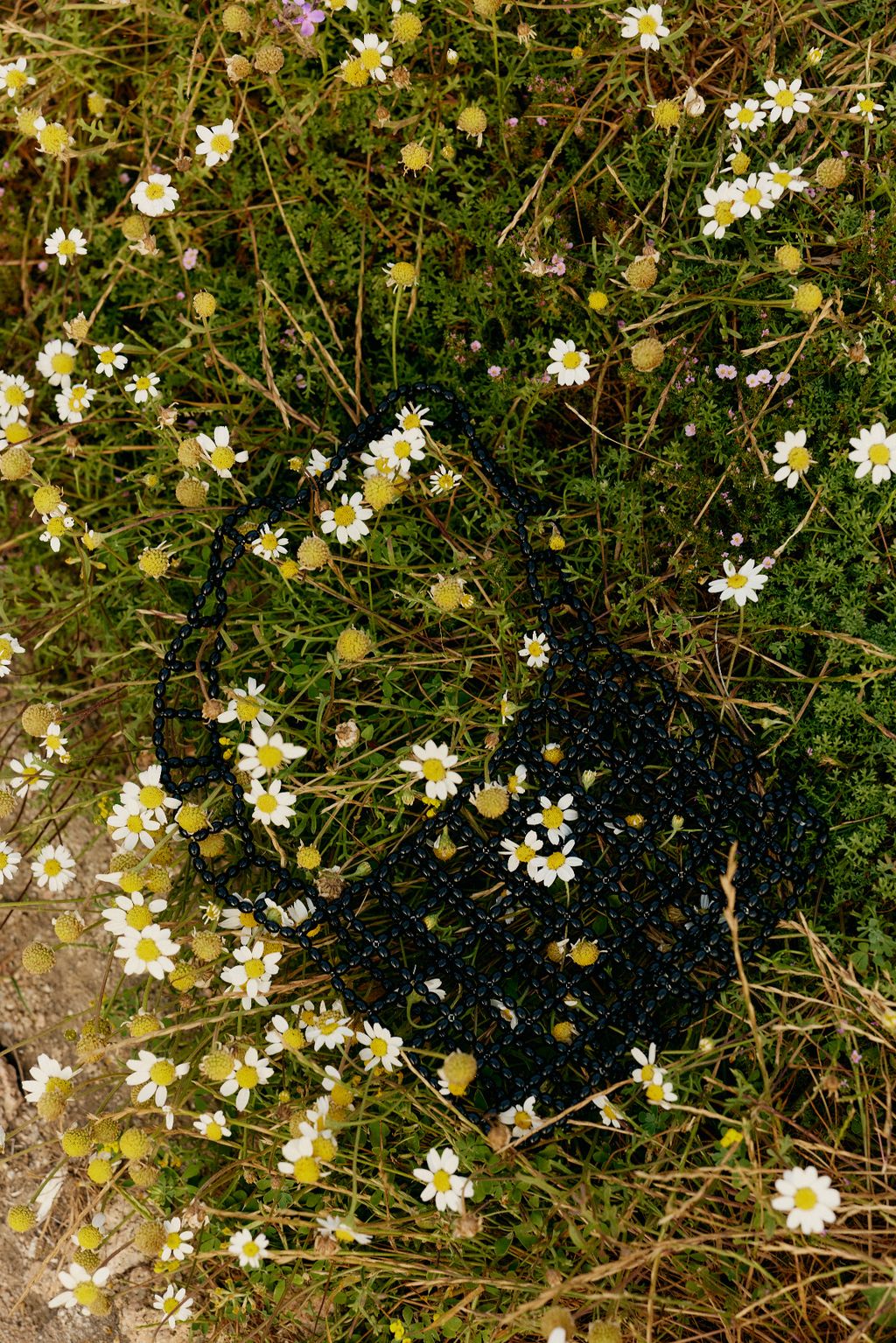
What Does 'Body Whispering' Mean And Should We Listen To It?

Written by: Pippa Thackeray
Written on: 11 March 2025
There’s a saying: If you listen to your body when it whispers, you won’t have to hear it scream. A particular favourite of Healf co-founder Max, it holds a lot in its simplicity, and yet underscores a vast wealth of knowledge for our health and wellbeing.
Modern life, with its toxic burdens and busy, overstimulating environments, has made it far too easy to ignore the body's quiet signals. We dismiss fatigue as just another long day, brush off persistent bloating as normal, and normalise irritability as part of a busy life.
But the body is always speaking to us, every second of every day. If we tune in early enough to these delicate whispers, then small imbalances don’t have to turn into chronic issues. We have the power to intervene to reduce the risk, and the body has an incredible capacity to heal when it’s given the right tools to do so.
Why modern medicine may miss our whispers
This point isn’t about rejecting medicine. It’s about outlining instances where we can address minor imbalances affecting our health before they escalate. That is, before the body has to scream to be heard.
Stress: the slow and silent disruptor
Chronic stress is known to be one of the biggest health issues facing society at present. The World Health Organization (WHO) recognises chronic stress as a major contributor to cardiovascular disease, the leading cause of death globally.
Stress might first show up as mild fatigue, tension headaches, or having ‘a short fuse’. And so it’s all too easy to dismiss. But left unchecked, it can rewire the nervous system, disrupt digestion, weaken immunity, all while increasing the risk of disease in the long-term.
Blue Zone communities, famous for being places in the world where people live longer and healthier, handle stress differently. They build acts of decompression into everyday life, whether through communal meals, movement, faith, or just knowing when to stop. In their eyes, extravagance is not the answer. It’s more about consistency and effectively navigating the daily realities of life.
By stark contrast, modern life runs on overdrive. Notification after notification and deadline after deadline, the body tries to keep up—until it no longer can. If stress is showing up in your life, that’s your whisper. And the answer might not always be another coffee.
Sleep: why we keep getting it wrong
In modern cultures we glorify ‘being busy’ and sacrifice sleep like it’s an optional luxury, and not an entirely necessary bodily function.
Yet, sleep is so precious; this is when the body detoxifies, resets, and heals. Actively cutting down sleep time results in more than just tiredness and takes away from your immune system, cognitive function, and hormonal balance over time. An alarming statistic from a recent study shows us that those sleeping less than 5 hours per night appear to have a 52% higher risk of all-cause mortality compared to those sleeping 7 hours.
Indeed, you don’t always feel the damage happening in real time. But if you miss enough deep sleep cycles, the consequences inevitably will appear, some examples of which being memory lapses, sugar cravings, brain fog and a larger susceptibility to illness from microbial infection or ‘wear and tear’. So when we think we can get away with it, the chances are, we can’t.
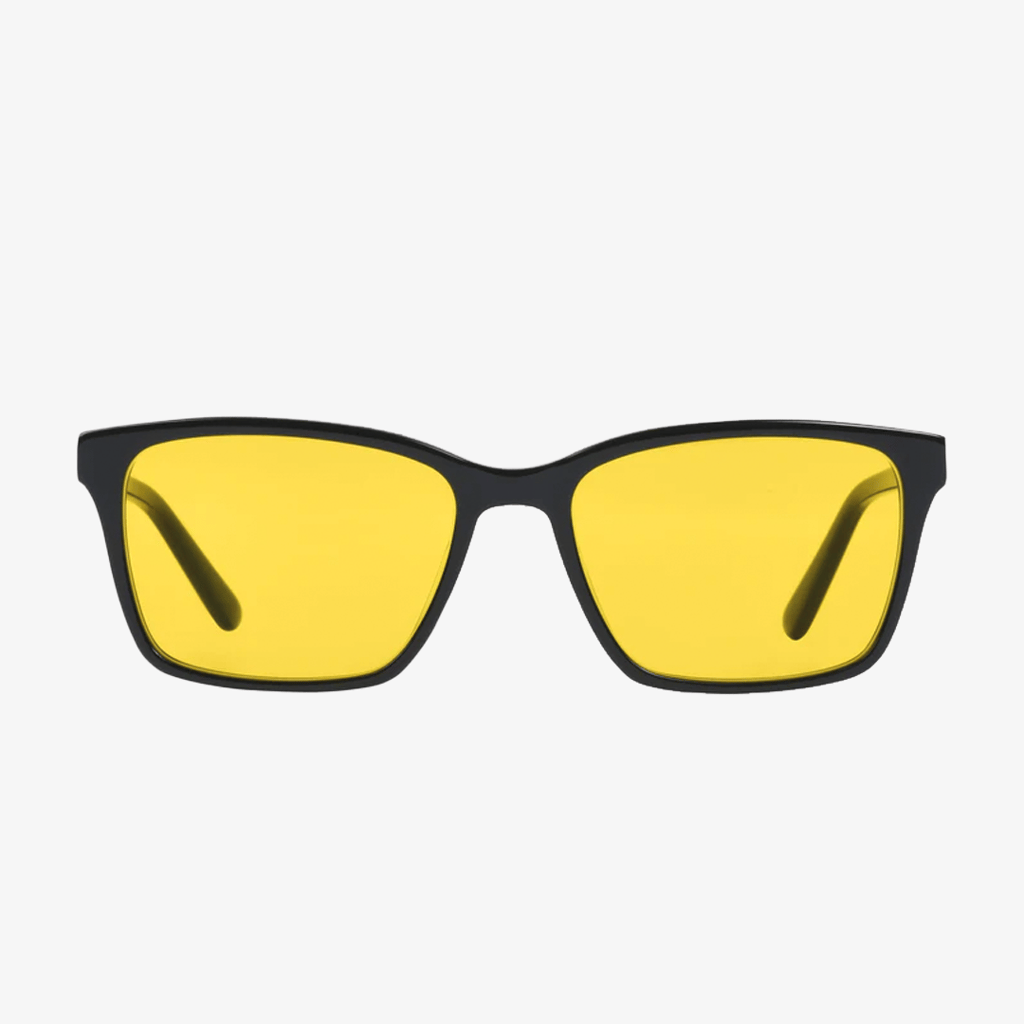
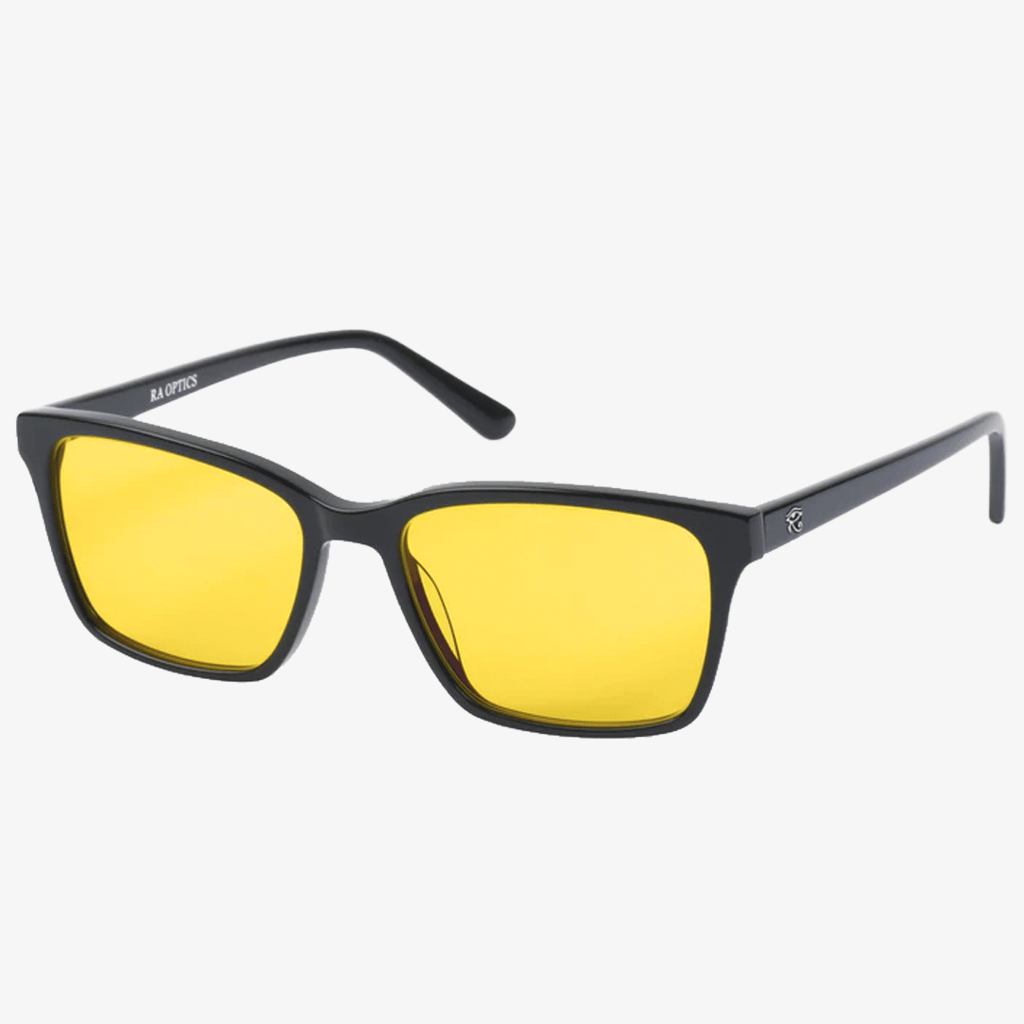
The good news is that simple practices such as darker rooms, fewer screens before bed, and winding down properly can help immensely to increase our health potential. The fact is, the body wants to rest sufficiently, and our job is to stop interfering.
Explore SLEEP



Poor diet: what's missing?
It is possible to eat all the right foods and still be nutrient-deficient. Soil depletion means that even the best diets aren’t always as rich in minerals as they once were. Add to that the allure of the ‘convenience factor’ of ultra-processed foods, harmful plastic packaging, and foods packed with hidden preservatives, refined sugars, and seed oils.
Going back to Blue Zone as a concept, and it’s obvious those diets look a lot different. They prioritise real and uncomplicated foods: unprocessed foods, vegetables, legumes, fermented foods, and healthy fats. They also prioritise the ritual of eating socially and mindfully.
So many of us eat in ways that leave us feeling depleted rather than nourished, when in truth, we know instinctively what is right.
Screen addiction
On the topic of modern interventions, we don’t often talk about technology in the same breath as alcohol or sugar, but our reliance on screens is just as insidious. The average adult now spends over seven hours a day looking at a screen. That, unfortunately, equates to hours of artificial light exposure, poor posture, disrupted circadian rhythms, and less time engaging with ‘real’ experiences.
If the first and last thing you see every day is a phone screen, it’s worth asking what that’s doing to your stress levels, attention span, and sleep. A simple series of adjustments: morning light before screen light, swapping late-night scrolling for an actual book, carving out screen-free time, can be enough to reset the nervous system back to a state closer to equilibrium.
Small habits: they matter more than we might think
Alcohol, sugar, mindless scrolling, negative self-talk. None of these things seem catastrophic in isolation. It’s the daily repetition that does the real damage.
Turn it on its head, and small positive habits are also a valuable consideration. Small actions, however minor they seem, add up. A five-minute ritual, a self-massage, a short meditation, or a moment of stillness, can make more of a difference than we realise. We might not think much of the occasional drink or a weakness for a certain sugary treat, but these choices don’t exist in isolation. They are part of something bigger. You might choose to think of them like a mosaic of combined mental and physical states and efforts, continuously built and shaped over time. Every decision, however small, contributes to the larger picture it eventually forms.
What you should know
- Your body always warns you: Persistent fatigue, bloating, sleep struggles, low mood—these aren’t normal. They’re messages.
- Chronic stress is a health risk: Blue Zone communities prioritise decompression daily. That’s not indulgence, just prevention.
- Prioritising sleep isn’t “extra”: It’s when your body does its most essential repair work.
- Food isn’t just fuel: If what you eat isn’t nutrient-dense, your body won’t function optimally.
- Screens are shaping our health: The way we engage with technology is influencing our stress, sleep, and mental state.
- Small habits add up: The way you care for yourself today decides how you’ll feel in a decade.
How many of us truly know what rested feels like, what real hunger is, what it means to be energised without caffeine?
Tuning in isn’t simply avoiding illness, but understanding what ‘optimal’ actually feels like.
Shop the Four Pillars
EAT, MOVE, MIND, SLEEP at Healf and feed your routine with practical ways to ensure true happiness and wellbeing. Both now and in the years to come.

This article is for informational purposes only, even if and regardless of whether it features the advice of physicians and medical practitioners. This article is not, nor is it intended to be, a substitute for professional medical advice, diagnosis, or treatment and should never be relied upon for specific medical advice. The views expressed in this article are the views of the expert and do not necessarily represent the views of Healf
Pippa is a content writer and qualified Nutritional Therapist (DipNT) creating research-based content with a passion for many areas of wellbeing, including hormonal health, mental health and digestive health.
As a contributor to The Healf Source, she regularly attends seminars and programmes on a plethora of contemporary health issues and modern research insights with a drive to never stop learning. In addition, interviewing experts and specialists across The Four Pillars: EAT, MOVE, MIND, SLEEP.
In her spare time, she is an avid swimmer, mindfulness and yoga lover, occasionally bringing a raw, honest approach to the topics she faces. You may also discover some personal accounts of eye-opening wellbeing experiences amidst the reality of a disorientating, and often conflicting, modern wellbeing space.