
















_2026-10-13_14-11-48.png)

Camping Versus Glamping: Why Outdoor Escapes Are More Than Just Holidays
Written by: Pippa Thackeray
Written on: 6 July 2025
It’s no secret that immersion in nature has its benefits for our health, but we are only just understanding the science behind the reasons why. When it comes to stress reduction, vitamin D, earthing and nature connection, is camping or glamping better for wellbeing?
Clarity and balance are often hard to find in our hectic, everyday busy lives. To reset, many of us take to the woods and sleeping under the stars.
Holidays are one thing, but such prolonged nature exposure has proven benefits for our health, beyond the obvious.
If, for you, this brief escape from the four walls of the office, gym and never-ending to-do lists is a tantalising concept, read on to discover wellbeing benefits supporting focus, energy and calm, as camping and glamping go head to head.
The full wellbeing case for camping
Reduce stress naturally
Camping pulls you away from screens and inboxes. In their place, you get stillness and fresh air. And at this time your cortisol levels can settle, the mind switches gears and feeling present feels much easier.
Spending time in nature can support cognitive reappraisal, helping you step back and reframe stressors in a more balanced, manageable way.
Move without trying
Movement is probably not something you have to remember to do when camping. In itself, it is active, involving setting up your camping spot, carrying heavy camp gear as well as effortlessly getting steps in exploring the local area and scenic views.
Sheffield Hallam University cites a study showing that 98% of UK campers engage in outdoor activities, with 91% going walking and 39% cycling.
Top up vitamin D the natural way
Natural sunlight boosts vitamin D, which helps regulate mood and supports immunity. Those who engage in outdoor activities, such as camping, are more likely to synthesise more vitamin D through exposure to sunlight, even on overcast days.
Better sleep
It may seem counterintuitive, as camping is generally considered a way to forgo comfort as a trade-off to be close to the natural environment. But, better sleep is a possible benefit, both in the short and long term. This is thanks to lower cortisol levels and regulated sleep/wake cycles, thought to be achieved by being in nature.
Get grounded in nature
Surrounded by birdsong, forest air and vast skies, a different pace of life kicks in, reconnecting you to the natural world and to yourself, often with deeper insight. And if you have a barefoot walk you can experience the benefits of grounding with the earth’s natural electrical charge, supporting sleep quality, reducing inflammation and calming an overworked nervous system.
To restore balance, sharpen focus, and promote relaxation at home, shop Bon Charge.
Build real connection
Without a screen full of phone notifications, conversations can go deeper. Shared meals and tasks with fellow campers strengthen bonds. Then, around the fire, people often open up and you remember what matters. Science suggests that face-to-face interactions can lift mood and reduce symptoms of depression and isolation. In-person connection has shown stronger mental health benefits than other forms, particularly during periods of social stress. From this, it could be said that in-person connection is more powerful for mental health than digital communication ever could be.
What glamping brings to the table
Comfort meets nature
Glamping makes the outdoors more accessible. Think comfortable beds, heating, sometimes even a hot shower or bath. It is, perhaps, better suited to the changeable British weather. And you get the same access to fresh air without the added preparation.
Avoiding bad weather?
Whilst uncomfortable to camp in, bad weather doesn’t stop the health benefits. Rainy weather can actually improve mood and health. The UK typically sees around 159 rainy days a year. Plus, in 2024, there were more rain-soaked days than clear ones.
Why is bad weather good for you? In short, the impact of raindrops on the ground surface produces negative ions. Scientific evidence shows that inhaling these charged particles can help improve mood, reduce stress and boost energy levels. But if you are heading out, make sure you pack waterproofs and enough layers for your journey.
Sleep naturally and comfortably
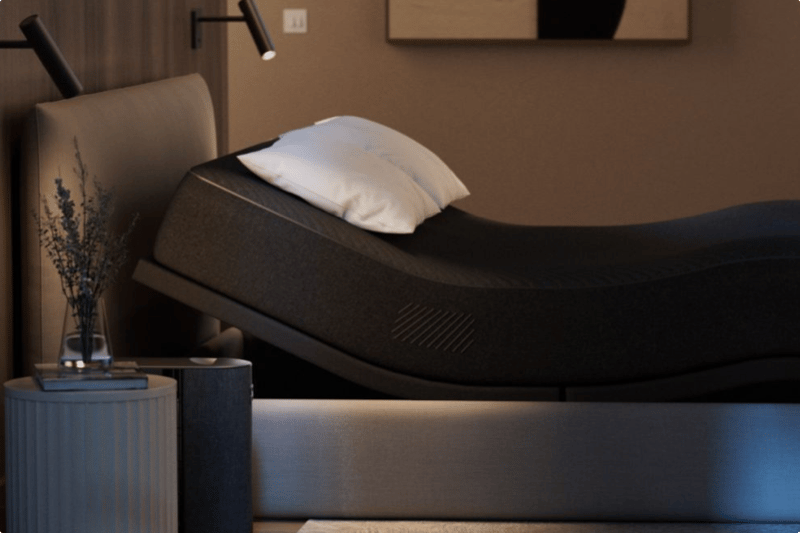
Quality sleep comes easier when you are not freezing on an ever-deflating air mattress. With a chance to get a more solid rest, your mood can improve and mental focus can return. For those who hate the austerities of camping, glamping can offer a much-needed middle ground, through which the healing benefits of nature can still be obtained.
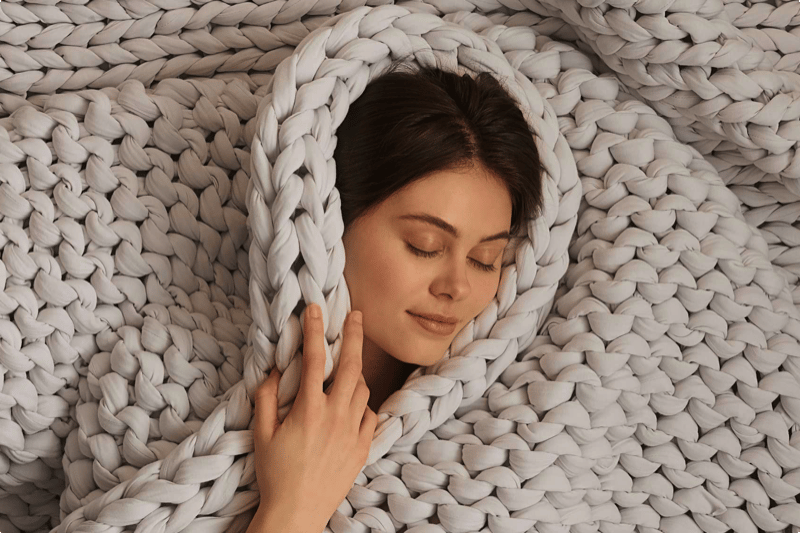
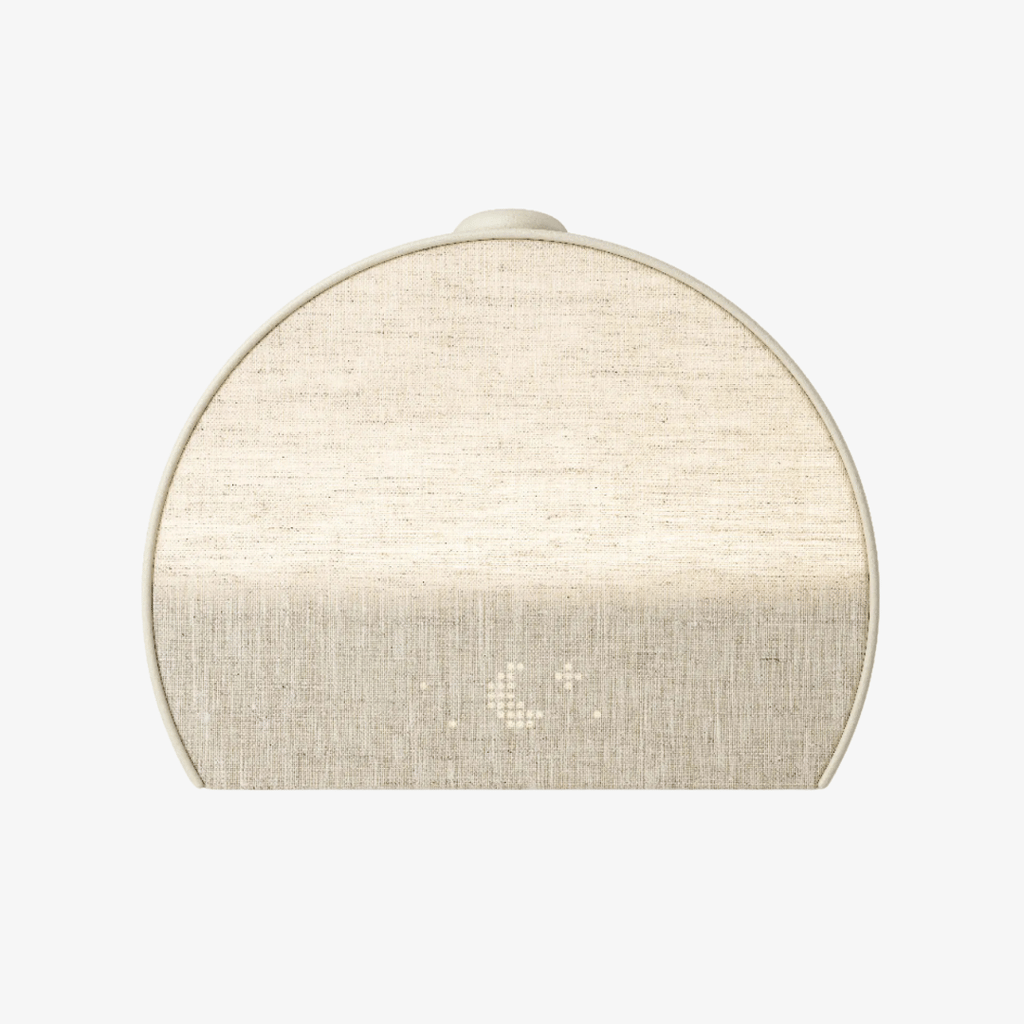
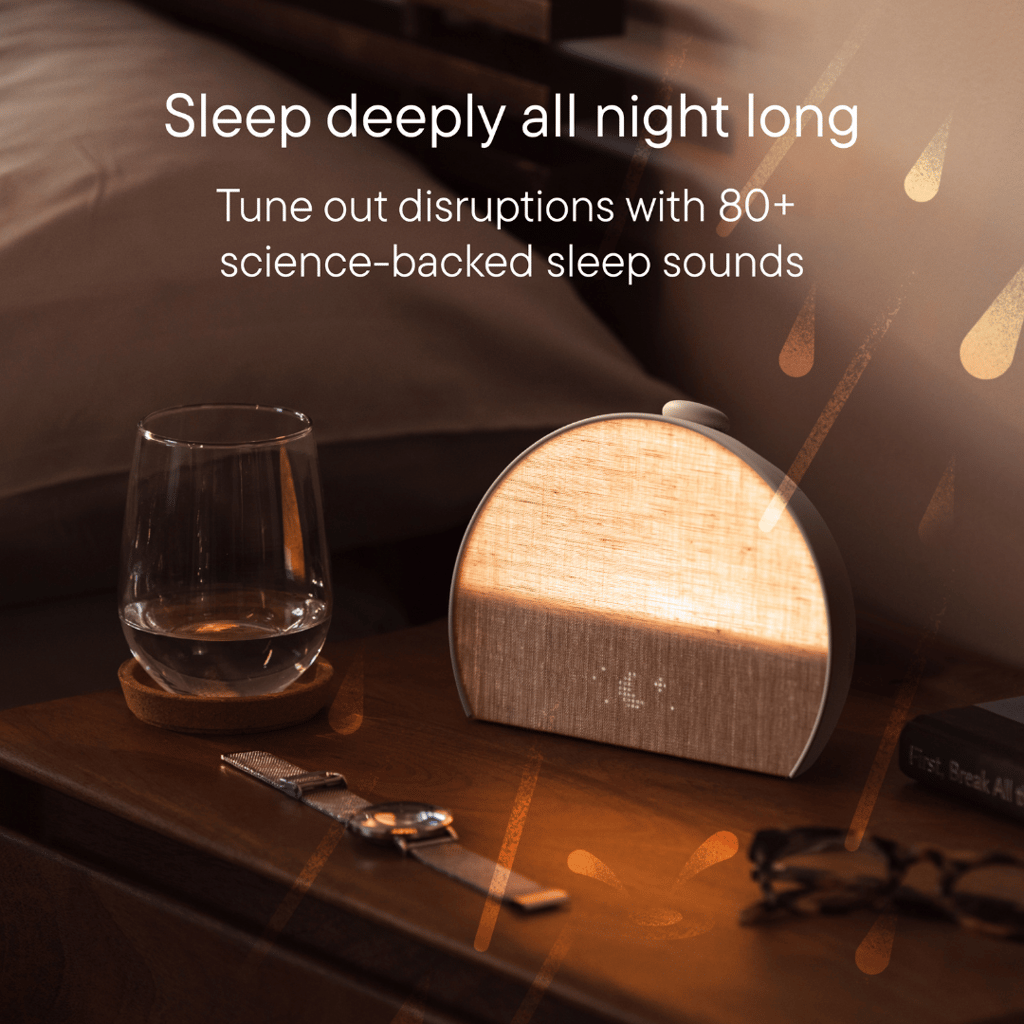
Improve your comfort and deepen your rest while you sleep with Sleep Tech.
Still stress-reducing
Even with comforts, being surrounded by trees and natural light reduces mental strain. You unwind without needing to pitch a tent or chop up any wood.
Connection, minus the cold
Time around a fire pit or dinner table still creates space for conversation and bonding. But in a glamping setup, it comes with proper seating and good-quality shelter.
More nature, less stress
Without gear to set up or the higher physical demands associated with camping, glamping frees up a little more time for walks, reading outside and being mindful in a setting of your choice.


Which outdoor reset is right for you?
If your week has already pushed you to your limits, the idea of a ready-made bed and some level of control over your environment becomes much more appealing. That way, there’s space to rest, reconnect and reflect, without needing to tough it out.
A smart strategy is to alternate. For example, use glamping for midweek resets, and choose camping on weekends or longer holidays when you have time to go all in. Regardless of the option you choose, how much of nature you expose yourself to, is of course, up to you.
Practical ways to boost your wellbeing outdoors
Habits that reap the rewards of nature, whatever the weather and whichever option you choose:
- Keep mornings and evenings screen-free
- Move daily with hikes or stretches
- Eat outside when possible
- Have real conversations
- Meditate or reflect in your own time and space
Key takeaways
Camping and glamping are different doors into the same house. Both offer a route back to calm and clarity.
While camping suits a more intense reset, constant outdoor movement and grounding (without a bed) aren’t always for the faint-hearted. Being away from home comforts, some people just don’t consider camping to be much of a holiday. So, glamping supports deeper rest, with a low-pressure option, and equally provides a return to presence.
Take your pick for what fits your energy and intention. Then commit, letting nature do its magic.
Shop MOVE at Healf and let the pace of nature set your stride.


References:
2. https://pmc.ncbi.nlm.nih.gov/articles/PMC7424049/
3. https://www.shu.ac.uk/news/all-articles/latest-news/outjoyment-camping-report
4. https://pubmed.ncbi.nlm.nih.gov/32365423/
5. https://pmc.ncbi.nlm.nih.gov/articles/PMC3166406/
6. https://pubmed.ncbi.nlm.nih.gov/37108748/
7. https://pmc.ncbi.nlm.nih.gov/articles/PMC10328209/
8. https://pubmed.ncbi.nlm.nih.gov/39684992/
This article is for informational purposes only, even if and regardless of whether it features the advice of physicians and medical practitioners. This article is not, nor is it intended to be, a substitute for professional medical advice, diagnosis, or treatment and should never be relied upon for specific medical advice. The views expressed in this article are the views of the expert and do not necessarily represent the views of Healf
Pippa is a content writer and qualified Nutritional Therapist (DipNT) creating research-based content with a passion for many areas of wellbeing, including hormonal health, mental health and digestive health.
As a contributor to The Healf Source, she regularly attends seminars and programmes on a plethora of contemporary health issues and modern research insights with a drive to never stop learning. In addition, interviewing experts and specialists across The Four Pillars: EAT, MOVE, MIND, SLEEP.
In her spare time, she is an avid swimmer, mindfulness and yoga lover, occasionally bringing a raw, honest approach to the topics she faces. You may also discover some personal accounts of eye-opening wellbeing experiences amidst the reality of a disorientating, and often conflicting, modern wellbeing space.