





































Could A Hidden Molecule In Dark Chocolate Actually Slow Ageing?
Dark chocolate is already known for its health benefits. Now one compound is raising bigger questions about ageing.
Written by: Samantha Nice
Written on: 30 March 2026
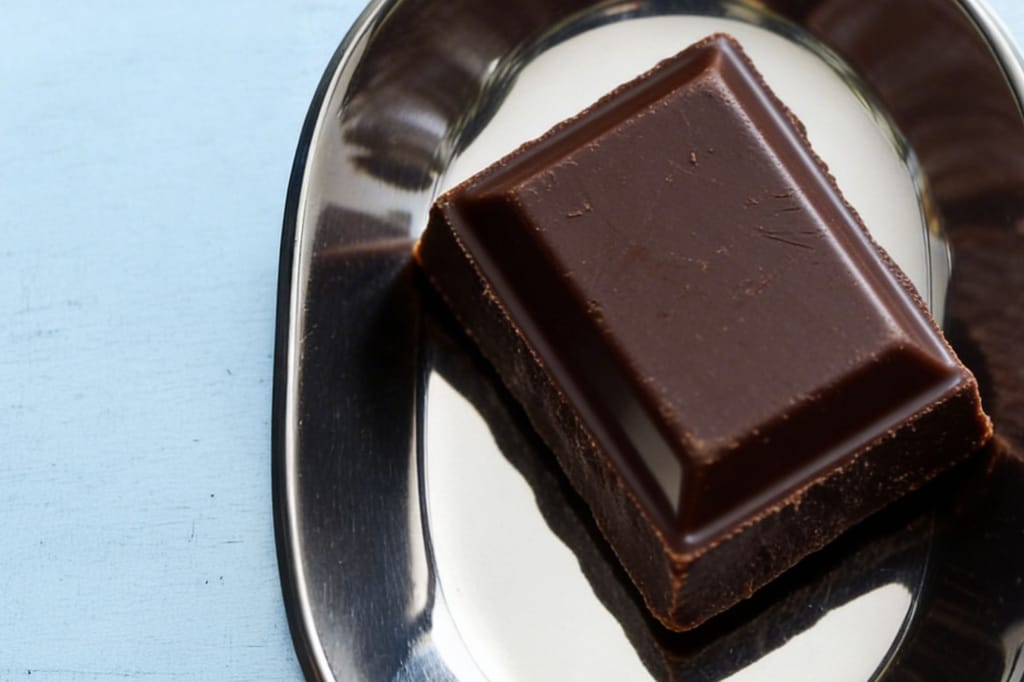
Easter has a way of making chocolate appear everywhere, as if by magic. And whilst it often feels like a sugary indulgence, dark chocolate actually has plenty of pretty impressive health benefits. Not only is it richer and more satisfying, it’s also packed with antioxidants and polyphenols, which are linked to improved blood flow, reduced inflammation, and cardiovascular and cognitive health.
In fact, dark chocolate is packed with healthy minerals, like magnesium and iron, which support energy levels, muscle function, and oxygen transport, and it even provides a decent amount of soluble fibre, with around 5g per 50g in high-percentage cacao (70–85%) varieties.
And while you may already be aware of some of these benefits, newer studies have only just started to explore the connection between biological ageing and a powerful compound in cacao called theobromine. Recent research from King's College London found that people with higher levels of a compound in chocolate, theobromine, in their blood tended to have a younger biological age, with lower markers associated with DNA damage.
Sounds compelling, right? Well, like most things in nutrition, it’s not quite that straightforward. We’re here to cut through the noise to determine the true benefits of theobromine versus the hype.
What is theobromine and how is it different from other cacao compounds?
When people talk about the benefits of chocolate, it’s usually in relation to the flavonoids that dark varieties contain. Flavonoids, a group of polyphenol antioxidants, are typically responsible for cacao’s anti-inflammatory and vascular benefits, acting as antioxidant, cell-protective compounds within the body, according to nutritionist Megan Hallett, mBANT, rCNHC.
Theobromine, on the other hand, is a methylxanthine compound naturally found in cacao. It's present in milk chocolate as well as dark chocolate, just in lower quantities. Theobromine is actually in the same family as caffeine, per Hallett, and acts as a mild stimulant. Importantly, it's less potent than traditional caffeine, with longer-lasting, gentler impacts on the nervous system, and can even help relax blood vessels.
And while flavonoids and theobromine are both found in cacao, each supports the body in distinct ways.
Why theobromine is in the spotlight
Current interest in theobromine reflects a bigger shift in how we think about nutrition, namely, a growing focus on how foods work as a whole and how their components interact within the body over time. “Theobromine is being studied because it has systemic effects, including on inflammation and metabolism. It’s getting more attention as longevity research is moving toward whole dietary patterns and not just single nutrients,” says Hallett.
What the research really shows
The link between theobromine and biological age is based on observational data, which needs to be interpreted carefully. “Some studies (like the recent study from King’s College) show that higher circulating theobromine levels are associated with lower biological age markers,” Hallett says. But there is a significant caveat: correlation does not always equal causation, she points out. “Theobromine may simply indicate higher intake of flavonoids found in cacao, and/or an overall healthier diet and lifestyle.”
So while the association is there, it may reflect wider dietary habits rather than the effects of a single compound.
Does it affect ageing at a cellular level?
There are a few possible explanations for how theobromine might be involved in cellular ageing, but the science is still developing. Hallett explains that it may have mild antioxidant effects and could support blood flow, which helps deliver oxygen to tissues. However, there is currently no strong human evidence showing that it directly reduces DNA damage. “I believe the anti-ageing effects of cacao are more strongly linked to flavonoids than theobromine,” she says. This suggests it may play more of a supporting role, rather than being the main driver.
Where theobromine may still be useful
Even without the ageing angle, theobromine has a few effects that are easier to notice day to day. Hallett explains that it may help support circulation and blood flow, while also providing a mild, more stable lift in energy without the jitteriness often associated with caffeine. It also works alongside flavonoids, which support endothelial function and help regulate blood pressure. Together, this helps explain why dark chocolate can feel both energising and steady at the same time.
Is just eating dark chocolate enough?
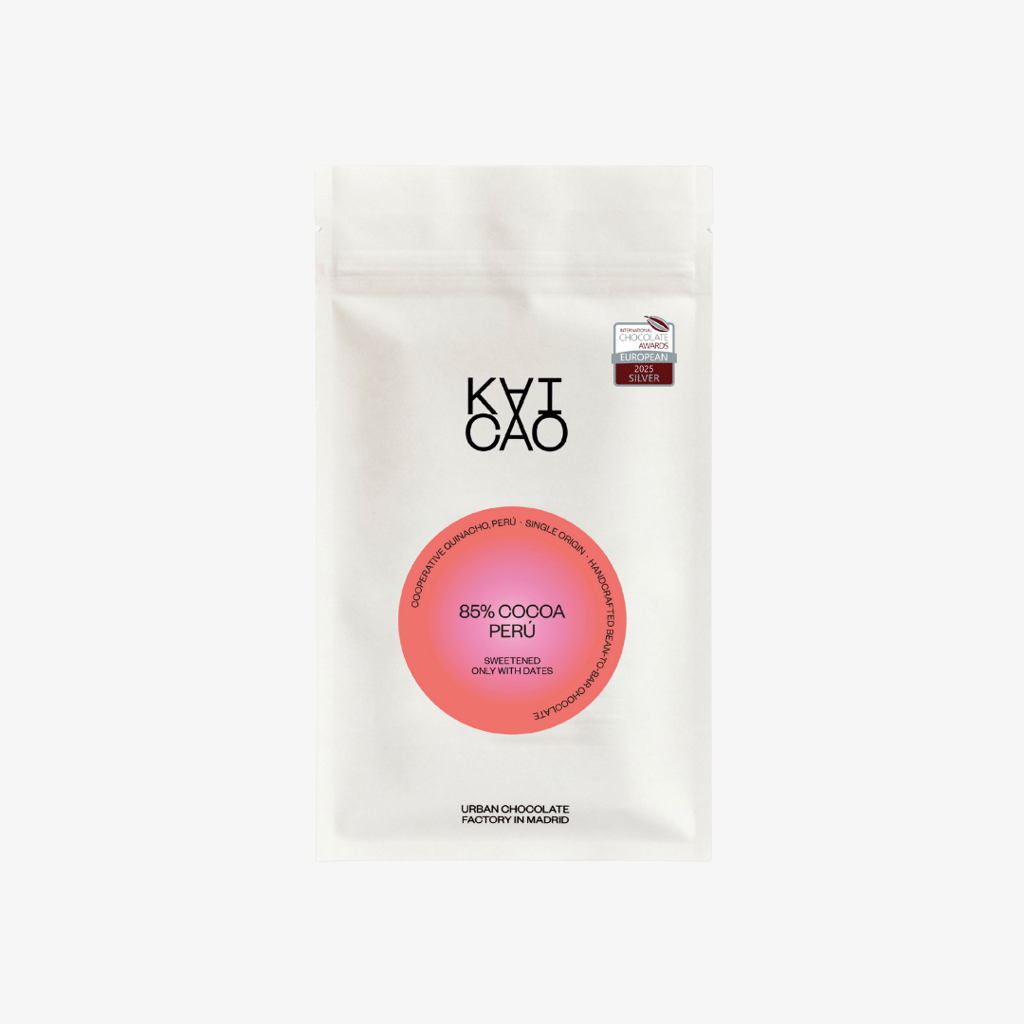
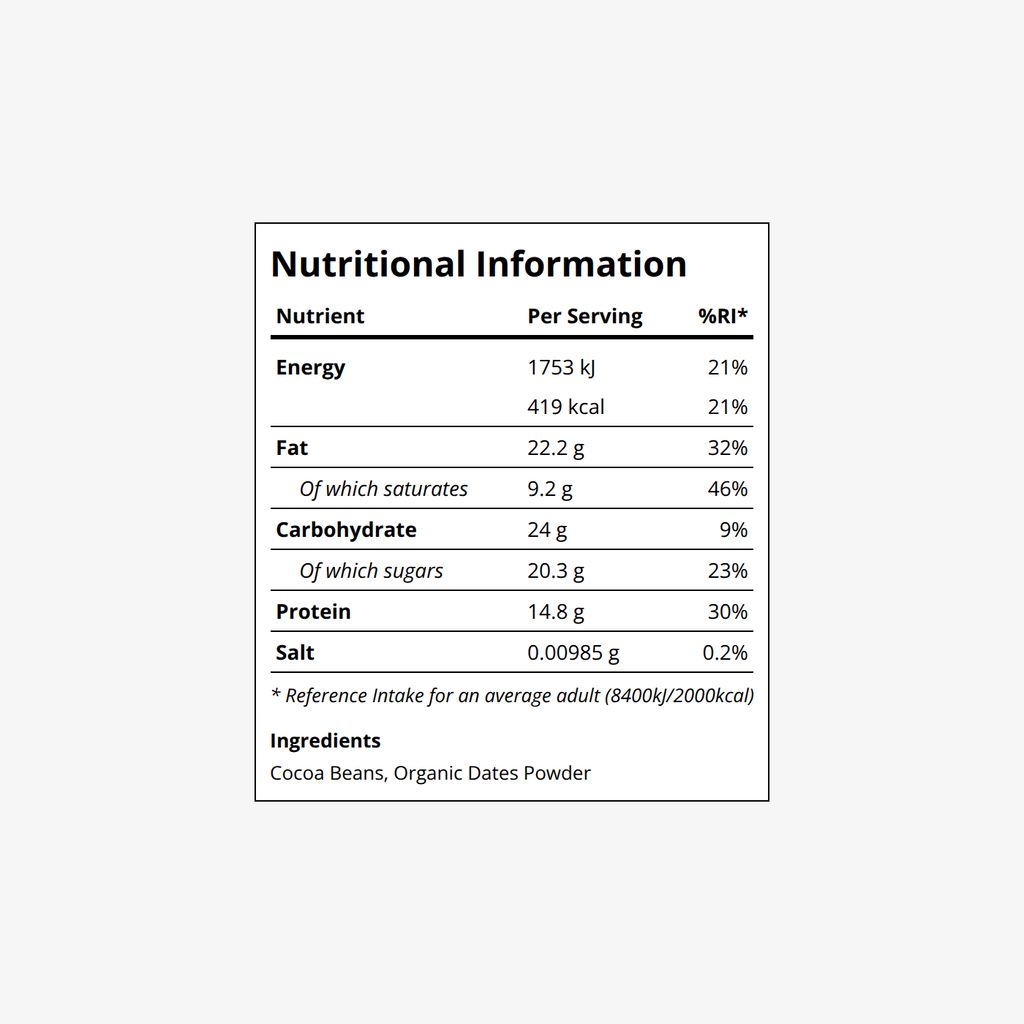
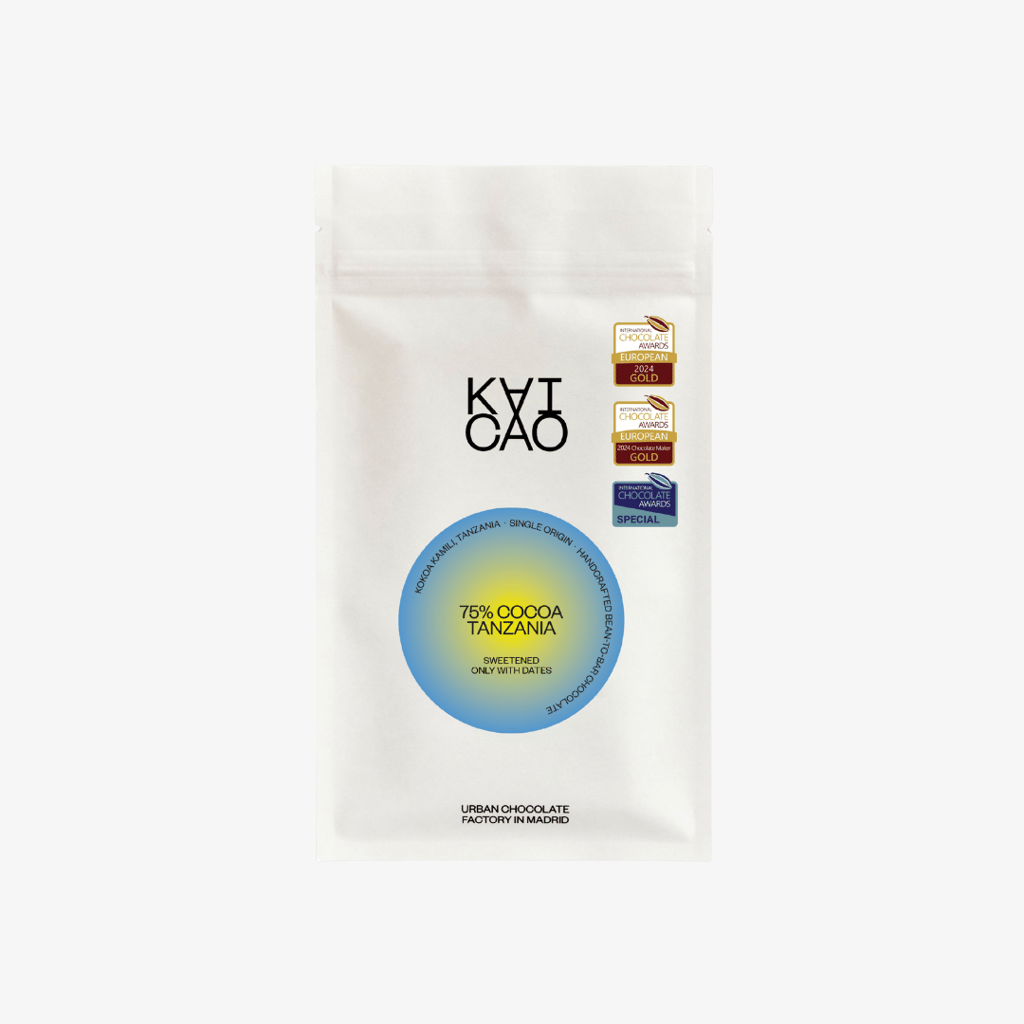
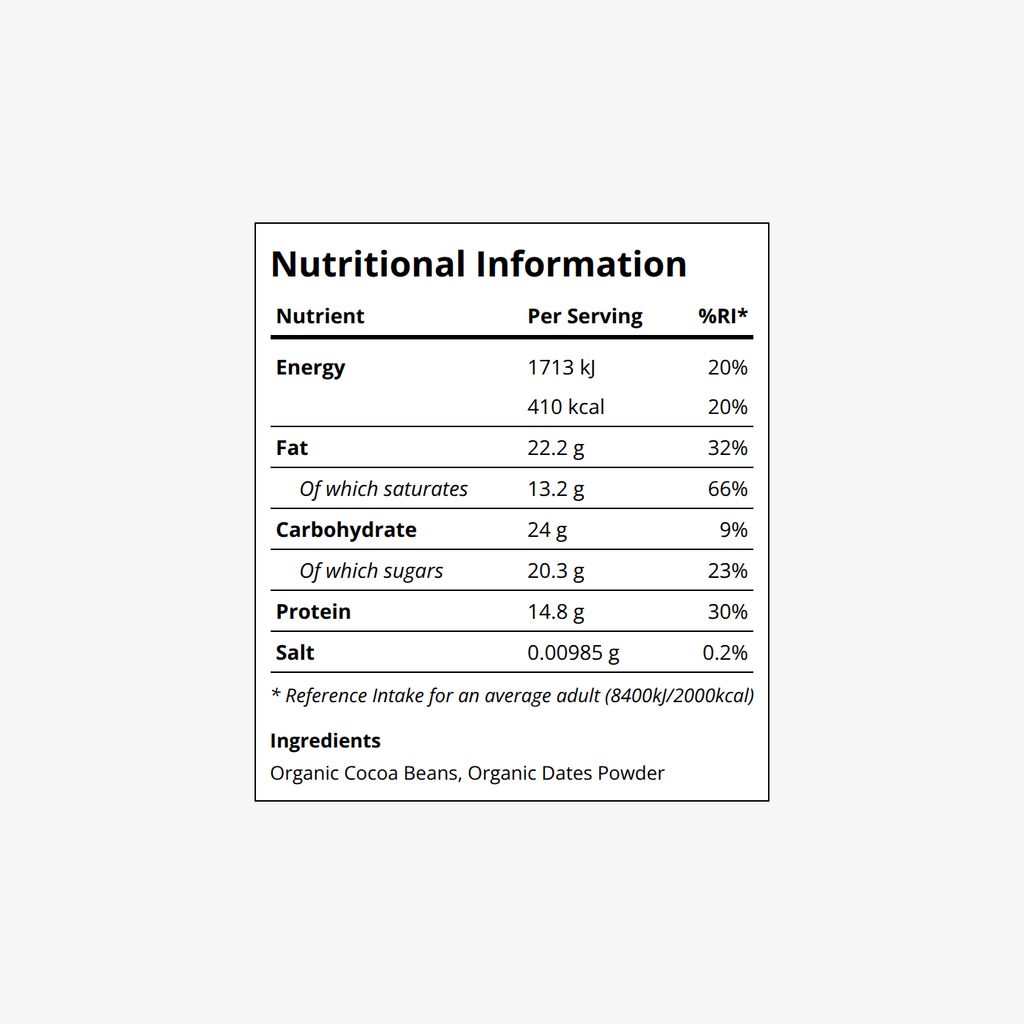
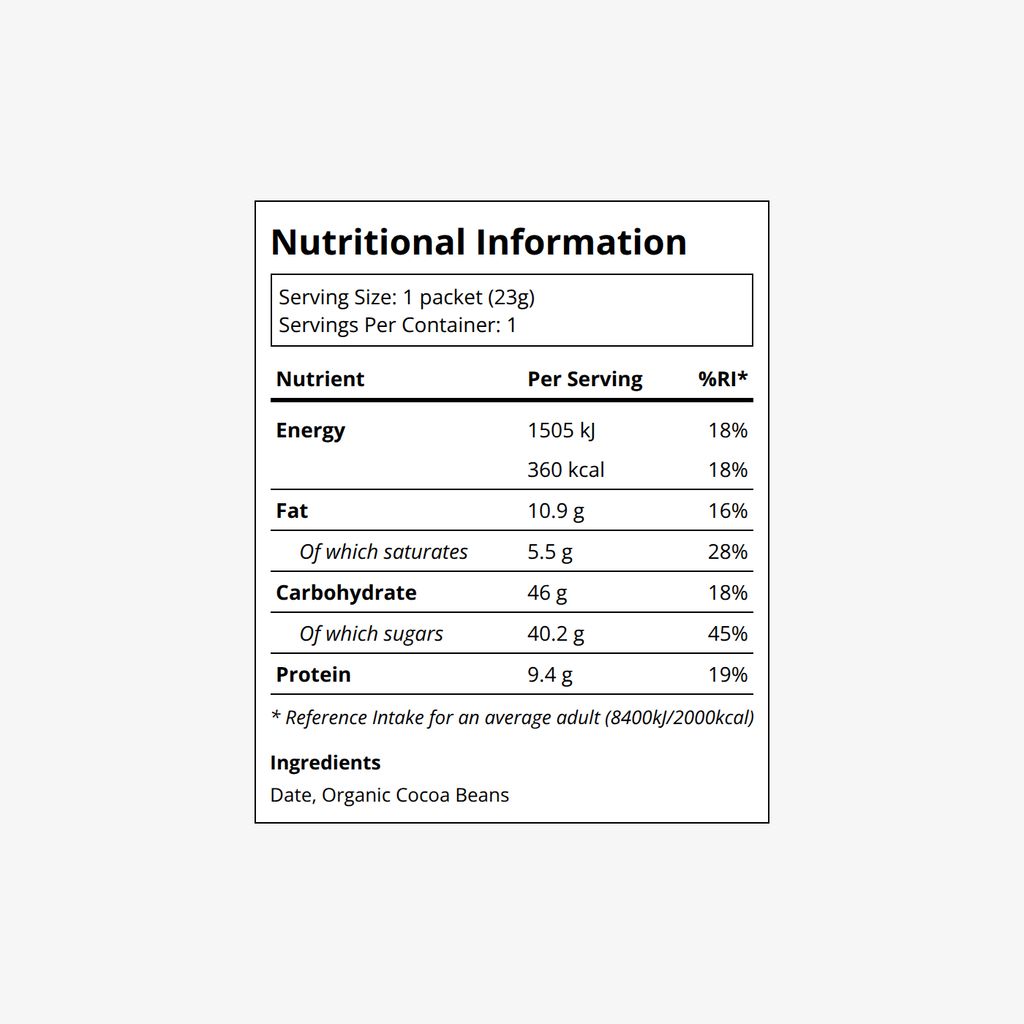
For most, dark chocolate is the most accessible way to get theobromine through food. “It is one of the richest sources,” says Hallett. “Research does not define a clear optimal dose, but benefits are generally seen with 10 to 30 grams of dark chocolate per day.”
Higher cacao percentages (anything over 70%) tend to provide more of these compounds, along with less added sugar.

Where it can fall short
It is easy to lean too far in the other direction and treat chocolate as a health food. As with anything, moderation (and careful consideration of ingredients) is key. Issues can arise when people consume too much dark chocolate or choose lower-percentage varieties that are high in sugar and may have contaminants, says Hallett. “For some, chocolate can also trigger migraines. But it can be an easy and enjoyable way to support your health. When you enjoy what you eat, you are more likely to maintain those habits,” she adds.
Should you be upping your intake of theobromine?
Hallett would not recommend focusing on theobromine as a daily essential or trying to supplement it in isolation. “It is better viewed as a beneficial part of foods, like dark chocolate,” she says.
Essentially, theobromine sits within a wider nutritional picture rather than standing alone as a key nutrient.
So, can dark chocolate actually slow ageing?
Dark chocolate is not a shortcut to slowing ageing, but it seems to play a meaningful role in supporting overall health. Theobromine adds another datapoint for how cacao works in the body, alongside flavonoids, minerals and fibre. The research is still evolving, but right now, the science points toward health benefits that are linked to the nutrients as a collective, rather than a single compound doing all the work in isolation.
A small amount of high-cacao dark chocolate, eaten regularly, fits easily into a balanced diet and can support circulation, energy, and long-term health in a way that feels both realistic and sustainable.



This article is for informational purposes only, even if and regardless of whether it features the advice of physicians and medical practitioners. This article is not, nor is it intended to be, a substitute for professional medical advice, diagnosis, or treatment and should never be relied upon for specific medical advice. The views expressed in this article are the views of the expert and do not necessarily represent the views of Healf
Samantha Nice is a seasoned wellness writer with over a decade of experience crafting content for a diverse range of global brands. A passionate advocate for holistic wellbeing, she brings a particular focus to supplements, women’s health, strength training, and running. Samantha is a proud member of the Healf editorial team, where she merges her love for storytelling with industry insights and science-backed evidence.
An avid WHOOP wearer, keen runner (with a sub 1:30 half marathon) hot yoga enthusiast and regular gym goer, Samantha lives and breathes the wellness lifestyle she writes about. With a solid black book of trusted contacts (including some of the industry’s leading experts) she’s committed to creating accessible, well-informed content that empowers and inspires Healf readers.