

























_2026-10-13_14-11-48.png)


Does Your Vagina Need Probiotics?
Recurring thrush, UTIs or unexplained irritation? It might not just be about hygiene habits or bad luck. Vaginal probiotics offer solutions in trials.

Written by: Pippa Thackeray
Written on: 24 November 2025
“We’re seeing targeted probiotics make a real difference in managing recurrent UTIs and thrush.” – Kristy O’Brien, naturopathic health practitioner, Metagenics Gut Health Team
Research shows that vaginal health-supporting probiotics could offer long-term support through clinically proven strains.
Now, experts are creating specialised formulations to target common symptoms and help to prevent reoccurrence.
Vaginal health and the microbiome connection
When it comes to general health and wellbeing, the most famous and most talked about human microbiome is probably the gut microbiome (and for good reason).
However, there’s much more to it than that.
The human body contains multiple microbiomes, each made up of bacteria, fungi and other microorganisms that live in different parts of the body, including the vagina.
It could be said that the vaginal microbiome plays an equally important role to the gut microbiome in maintaining vaginal comfort and preventing common infections such as thrush, bacterial vaginosis, and recurrent urinary tract infections (UTIs).
But, the vaginal microbiome is also structurally different due to the many factors at play. Here’s why.
A different kind of microbiome
The vaginal microbiome is often reduced to an afterthought in conversations about probiotics, which often centre around gut health. The truth is, the vaginal microbiome is drastically different and cannot really be likened to the gut. Why?
Diversity is celebrated in gut health, whereas the vaginal tract is generally healthiest when it has low microbial diversity and is dominated by specific strains of bacteria, primarily from the Lactobacillus family.
Why lactobacillus is important for vaginal health
This family of microbes help maintain a slightly acidic pH that protects the vagina from some types of ‘unfriendly microbes’. And when the balance tips, symptoms usually follow: pH rises are common, and irritation, itching, or discharge may occur.
Sexual health can also be affected when the vaginal microbiome is disrupted. Reduced lubrication, increased sensitivity, and inflammation can lead to discomfort during intercourse. This may lower sexual desire. At the same time, microbial imbalance can increase the likelihood of infections such as thrush or UTIs.
This balance of microbes in the vagina is, therefore, very sensitive. It can be disrupted by many factors, and, because our microbiomes are unique to us, what works for one person may upset another entirely.
The gut-vagina axis: How the gut connects
It is easy to think of the gut and vagina as entirely separate systems, but they are linked by a shared pathway known as the gut-vagina axis.
This connection allows a possibility for microbes to travel between the two. It isn’t always a good thing, however, as while some microbes are great in the gut, supporting digestion, their arrival in the vaginal tract can unfortunately cause problematic imbalances.
This is one reason general probiotics designed for gut health do not necessarily benefit vaginal wellbeing. To comprehensively support the vaginal microbiome, a probiotic must be designed with that system in mind.
It should contain the right strains, survive the digestive process and reach the area it is intended to help.
What makes the GR-1 and RC-14 strains relevant to vaginal health
Lactobacillus rhamnosus GR-1 and Lactobacillus reuteri RC-14 are two strains that have been clinically studied for their impact on vaginal and urinary tract health.
In trials, those taking these strains daily as oral supplements experienced a measurable reduction in the frequency of infections such as thrush and UTIs.
In a placebo-controlled study with 64 healthy female participants, participants taking GR-1 and RC-14 strains daily for 60 days saw a notable improvement in vaginal balance.
Over a third of the probiotic group restored healthy lactobacilli levels, compared to just 13% in the placebo group. The probiotic also helped reduce yeast and other unwanted bacteria, with no reported side effects.
An intervention of this kind, it can also be said, is efficient in the long-term.
Not just a quick fix
Most people reach for probiotics once something has already gone wrong. But that misses the point in terms of their capacity for disease prevention. In short, GR-1 and RC-14 are not just for treatment, they could help to prevent infections before they start.
As vaginal probiotics, these specific Lactobacillus strains have been shown in clinical research to enhance the function of vaginal epithelial cells, which are the protective lining cells of the vagina. Together, these effects support long-term vaginal health.
So, it’s not just about quick results. For people who experience ongoing irritation, discomfort after antibiotics, or regular infections, daily supplementation with the right strains can be a preventative measure.
Targeted strains for long-term support
Hormonal changes, antibiotics, psychological stress and some contraceptives all play a role in how the vaginal microbiome functions.
When factors such as stress become a regular feature of daily life, it can raise cortisol levels. Over time, this hormonal shift may begin to interfere with oestrogen, which helps to maintain the slightly acidic pH that keeps the vaginal environment stable.
Supporting the microbiome during stressful periods or when infections like thrush or UTIs occur may offer relief and promote recovery. Choosing a supplement with strains that have been studied for their role in vaginal health gives the body what it needs to re-balance.
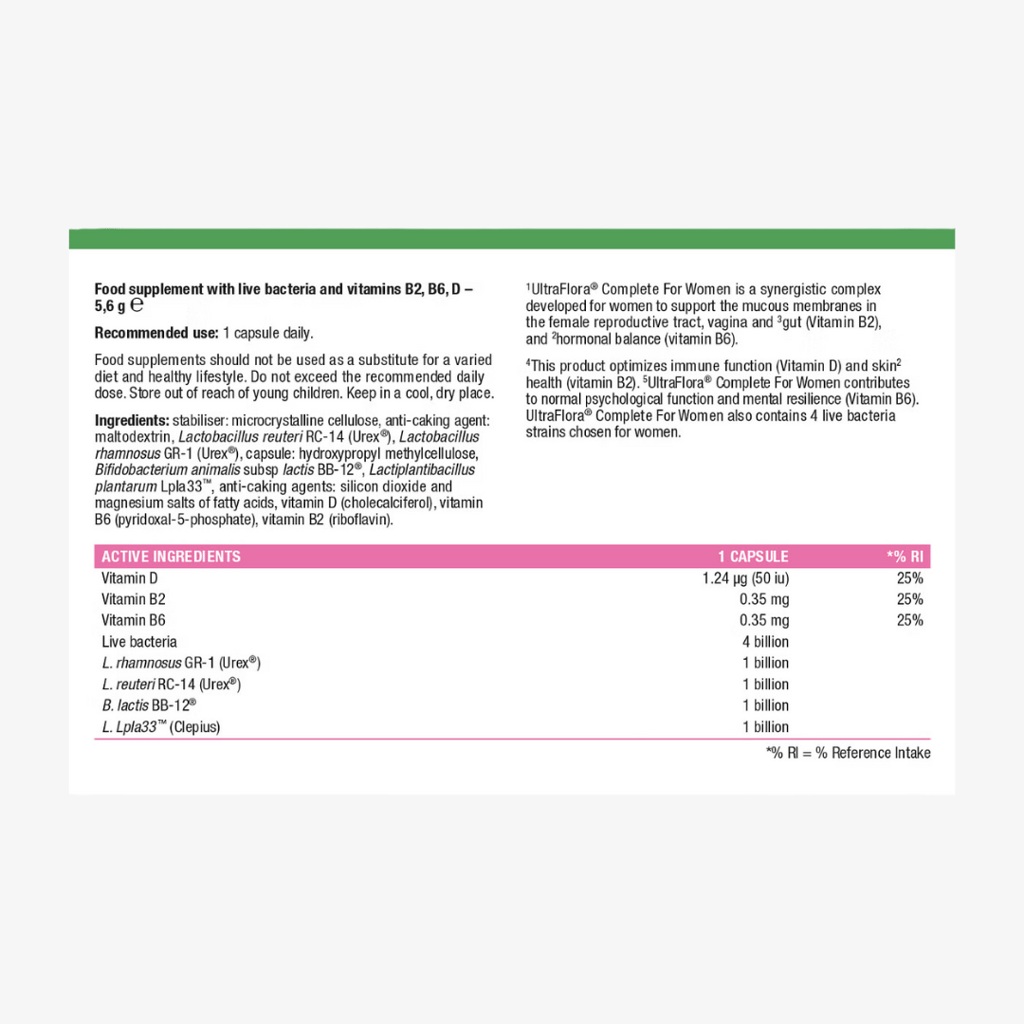
UltraFlora Complete for Women is a daily oral probiotic designed specifically for urogenital health. It contains the clinically studied strains GR-1 and RC-14 and is formulated to survive digestion and reach the vaginal tract.

Hygiene practices for a healthy vulvovaginal microbiome
Avoiding perfumed soaps, shower gels and harsh feminine hygiene products in the genital area is recommended for those who experience recurrent thrush or other vaginal or vulval infections, such as bacterial vaginosis.
Fragrances and harsh ingredients can disrupt the natural balance of bacteria and alter vaginal pH, increasing the risk of irritation and infection. Washing the vulval area with plain water is usually sufficient to keep the pH and the health of the microbiome intact.
If the skin feels dry or tight from using only water, an unperfumed emollient or soap substitute can be used to maintain moisture in the area with a reduced risk of it causing irritation.
Which products to avoid
Products marketed for intimate application such as deodorising sprays, talc-based powders and washes containing synthetic or even natural fragrances, and ingredients like essential oils, can often do more harm than good.
Are ‘natural’ intimate products OK to use?
Be aware that when it comes to vaginal health, products labelled as ‘natural’ are still possibly going to be a hindrance.
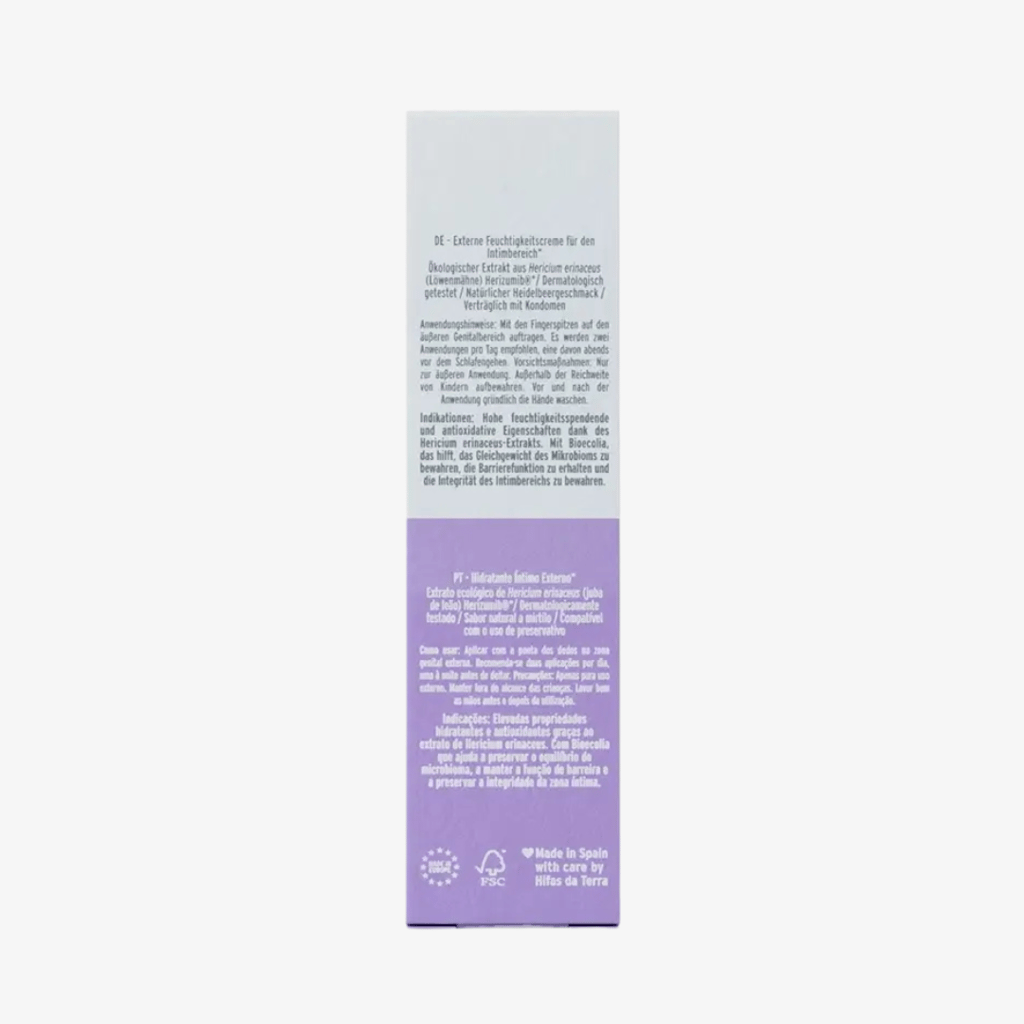
If you are prone to imbalance or irritation, it is best to avoid any wash, wipe or lotion that contains added scent, whether synthetic or plant-based. Look out for products expertly formulated without fragrance and containing natural prebiotics like Hericium and Bioecolia® in Hifas Da Terra Intima Gel to support vaginal hydration and microbiome balance.

Five ways to support balance: A summary
Use unfragranced soap to shower the rest of the body, and where possible, wash the vulva area only with water
Wear underwear made from natural fibres
Prioritise whole foods and high-fibre, limit processed foods and added sugar, which can disrupt microbial balance via the gut-vagina axis
Manage stress to support oestrogen stability
Final thoughts
Flare-ups are usually very uncomfortable and debilitating, yet issues like recurring thrush or UTIs rarely occur at random. This is because they may point to an imbalance that can often be corrected or prevented with the right support.
Recent research highlights that the vaginal microbiome is not a passive system, in that it is constantly responding to what we do every day for the state of our health, for better or worse.
Specifically, probiotics, when chosen carefully, can be a great choice to support vaginal health in the long-term, helping to reduce the risk of reinfection.
It is, essentially, playing the ‘long-game’, but the most useful and proactive interventions are often the ones that help you avoid discomfort later down the line.
Visit the curated Sexual Wellbeing and Women’s Health selections for more.
Shop EAT at Healf and discover microbiome-supportive foods and supplements that help nourish balance from within.
FAQ
What do vaginal probiotics actually do?
They introduce specific Lactobacillus strains that help restore and maintain a healthy vaginal pH. This supports natural protection against common infections such as thrush, bacterial vaginosis and urinary tract infections.
How is the vaginal microbiome different from the gut microbiome?
The gut thrives on microbial diversity, while the vaginal microbiome is healthiest when dominated by just a few strains, mostly Lactobacillus. These help maintain a low pH and protect against infections. What benefits the gut does not always benefit the vagina.
Can I take gut probiotics for vaginal health?
General gut probiotics are not always suitable. The vaginal microbiome requires very specific strains, most notably GR 1 and RC 14, which have been studied for their ability to reach and colonise the vaginal tract when taken orally.
How long do vaginal probiotics take to work?
Clinical studies show changes in microbial balance within a few weeks of daily use. Some women notice improvements sooner, particularly in comfort and discharge.
Can lifestyle habits affect my vaginal microbiome?
Yes. Hormonal changes, stress, diet, underwear fabrics and fragranced products can all influence the balance of bacteria. Small changes often contribute to noticeable improvements.


This article is for informational purposes only, even if and regardless of whether it features the advice of physicians and medical practitioners. This article is not, nor is it intended to be, a substitute for professional medical advice, diagnosis, or treatment and should never be relied upon for specific medical advice. The views expressed in this article are the views of the expert and do not necessarily represent the views of Healf
Pippa is a content writer and qualified Nutritional Therapist (DipNT) creating research-based content with a passion for many areas of wellbeing, including hormonal health, mental health and digestive health.
As a contributor to The Healf Source, she regularly attends seminars and programmes on a plethora of contemporary health issues and modern research insights with a drive to never stop learning. In addition, interviewing experts and specialists across The Four Pillars: EAT, MOVE, MIND, SLEEP.
In her spare time, she is an avid swimmer, mindfulness and yoga lover, occasionally bringing a raw, honest approach to the topics she faces. You may also discover some personal accounts of eye-opening wellbeing experiences amidst the reality of a disorientating, and often conflicting, modern wellbeing space.