

















_2026-10-13_14-11-48.png)


Healf or Hype: Can Nasal Strips Actually Help You Sleep Better?
Experts weigh in on the trendy sleep tech to discover if it's worth the buzz.

Written by: Tom Ward
Written on: 14 July 2026
Everyone from Ronaldo to wellness influencers are swearing by nasal strips these days, but the internet seems divided on the debate around this trendy sleep tech. “Do nasal strips actually work?” one video asks, while another proclaims, “Wow, I can breathe again!” But while wearing them can help you aura farm on TikTok, is the science behind them as rigorous as you’d hope?
Designed to hold open the nasal airways, improving everything from sleep apnoea (a disorder where breathing stops and starts during sleep) to snoring, these little strips can seem like the perfect solution to a bad night’s rest. You don’t need to take a sleeping tablet, your partner doesn’t need to wear earplugs, and you don’t need to decamp to the sofa.
But like some other viral trends, there may be a gap between viral appeal, and clinical reality. Here, we ask whether nasal strips actually work, and if so, who they really benefit? In the cold light of day, should you add a pack to your basket, or swerve them entirely? We asked the experts to break down the science to decide whether they're truly Healf or just hype.
What do nasal strips actually do?
As a medical professional, Dr. David Weinstein, an expert in men’s health at the Sussex Wellman Clinic, knows the value of a good night’s sleep. “Any new device that can improve sleep quality piques my interest,” he says.
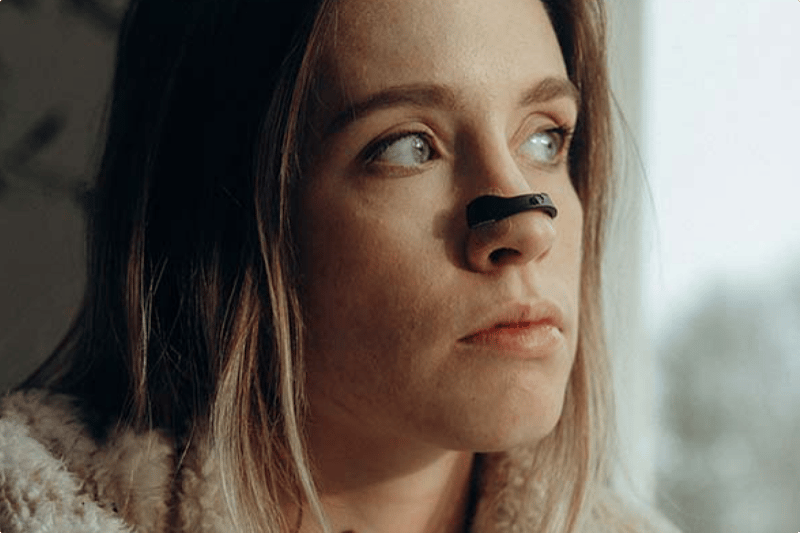
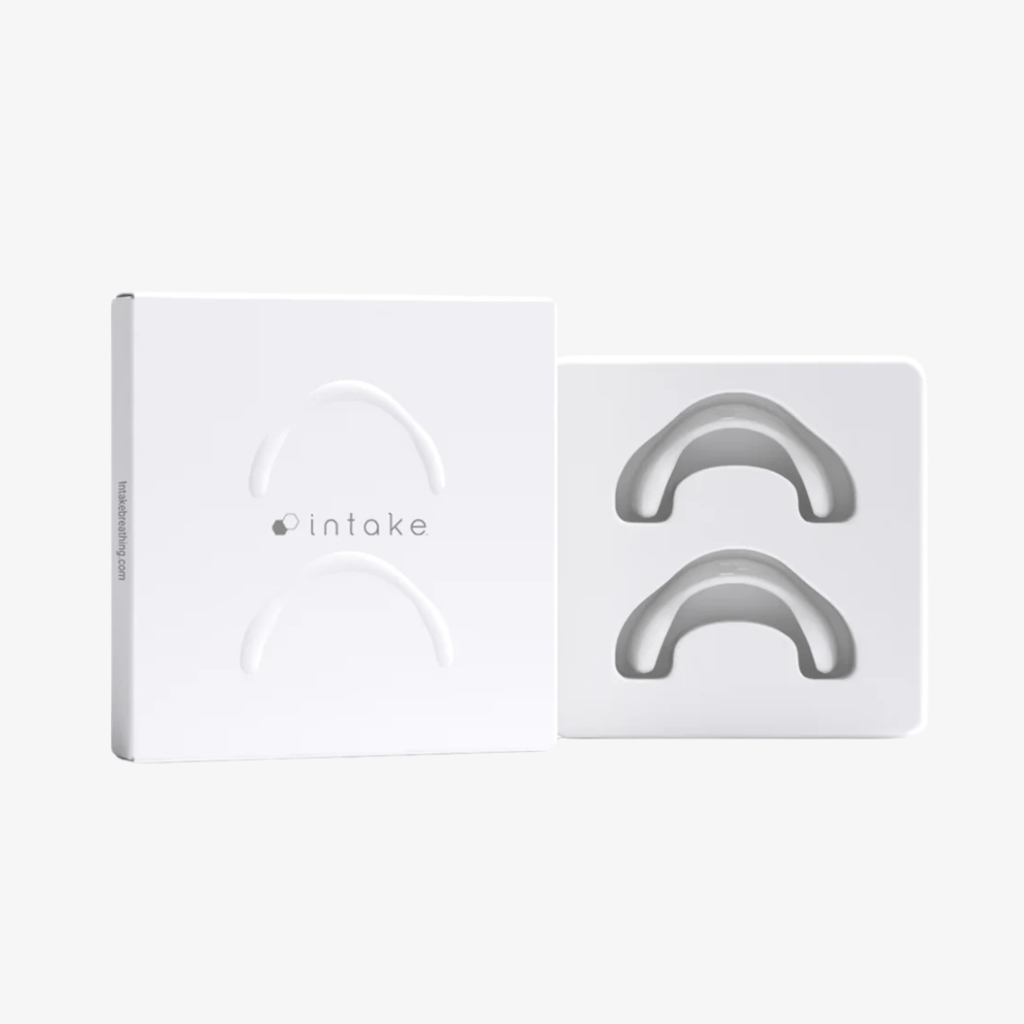
Enter: nasal strips, small adhesives that sit across the bridge of the nose and use flexible bands to gently pull the sides of the nostrils outwards, widening the airway and reducing snoring, while improving breathing. “If mild congestion from allergies or a cold is causing you to struggle to breathe at night, you may notice breathing feels easier almost immediately,” he says.
However, Dr. David Garley, an expert in sleep hygiene and the founder of the Better Sleep Clinic, isn’t convinced of their efficacy. “While nasal strips are often used by athletes to try and improve performance on the pitch, and by those of us who snore or have sleep apnoea at night, the evidence doesn't really support their use.”
It seems even the experts are split here. So, let's explore what's really going on with the biomechanics.
The science: what the evidence really says
When it comes to using nasal strips during sport, Dr. Garley says that issues with airflow through our noses can be easily overcome by opening our mouths. “Athletes using nasal strips often report that it feels easier to breathe, but this has not translated into any increased oxygen delivery, reduced carbon dioxide, changes in VO2max or anything other helpful metric,” Dr. Garley says, pointing to a 2022 study review which found just that.
As for benefits in the bedroom, while many people swear by them for better sleep, a 2025 systematic review pooled 17 studies involving almost 500 participants and found that nasal dilators did not significantly improve objective measures of sleep-disordered breathing, oxygen levels, sleep architecture, or snoring compared with controls. Dr. Garley says this is because most snoring occurs due to obstructions of the airway in the throat, or the due to the tongue sitting back in the airway during sleep. “It isn't usually due to obstruction at the nose.”
But while there isn’t any real evidence that nasal strips can help with snoring or sleep apnoea, Dr. Garley says that they might create conditions in which other, more specific treatments for sleep apnoea are better tolerated – a suggestion backed by a 2016 study review on ‘nasal dilators’.
Finally, a 2019 study in the journal Advances in Therapy reported a placebo effect of those using nasal strips. This last one is interesting because if nasal strips help you feel like you’re getting better sleep, maybe that’s all that really matters?



Who might genuinely benefit — and who won't
Dr. Weinstein says that nasal strips can have a huge impact on people suffering from anything from temporary nasal congestion caused by a cold or seasonal allergies, mild nasal valve collapse, and a blocked nose.
“But,” he says, “nasal strips are unlikely to make much difference if the problem lies further down the airway.”
The mouth-taping and nose-breathing connection
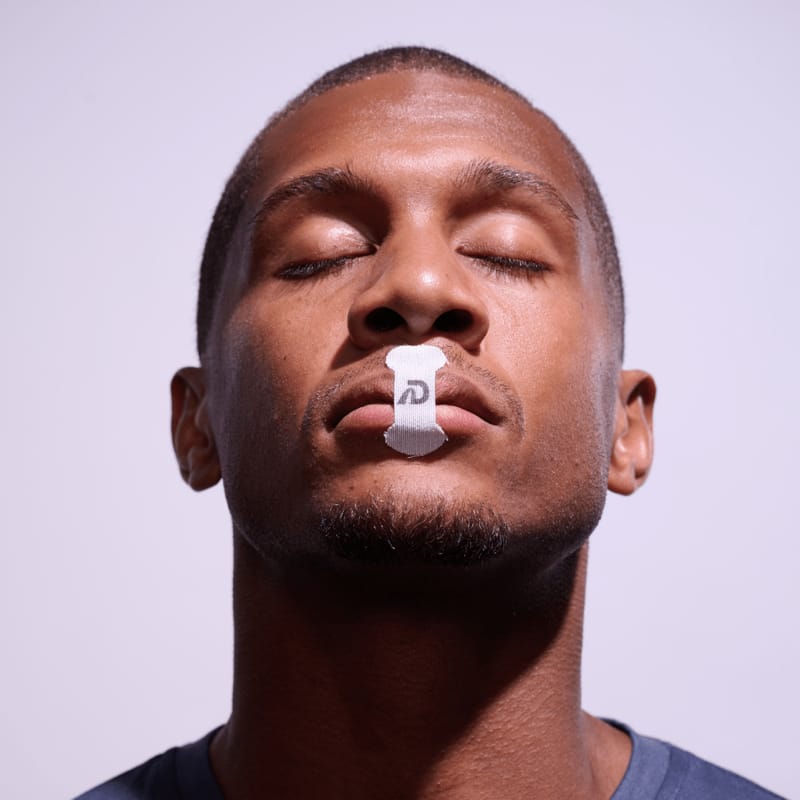
It isn’t that surprising that people are touting nasal strips on TikTok. Just a few years ago, mouth-taping was a big thing online, with footballers like Erling Haaland getting in on the trend. Dr. Weinstein says in that case, at least, “the theory sounds attractive: keep your mouth closed, force yourself to breathe through your nose, improve oxygenation and wake up feeling more refreshed.”
And there is legitimate evidence for mouth taping, including a suggestion of reduced sleep apnoea, although Dr. Garley warns that those suffering from sleep apnoea can actually be at risk since it obstructs the mouth, making this one a bit of a Catch-22 situation.
For Dr. Weinstein, nasal strips are usually the safer option. “My advice is simple: if you cannot comfortably breathe through your nose while you're awake, you certainly shouldn't tape your mouth closed at night,” he says.
Healf or Hype: our verdict
At the end of the day, Dr. Weinstein says that there is something to nasal strips. Just remember they aren't miracle-workers and won’t cure chronic snoring or treat sleep apnoea. But if your sleep is being affected by a mildly blocked nose, they're “inexpensive, safe and worth trying.”
Dr. Garley is also on the ‘no harm trying them’ side of the fence. “They are super cheap, so you can give them a go, but as with so much in health and wellbeing, it's about being given honest and realistic expectations,” he says.
And of course, if your symptoms are incredibly troublesome or really disrupting your sleep, instead of adding a nasal strip, it's important to visit a GP for a proper diagnosis.


This article is for informational purposes only, even if and regardless of whether it features the advice of physicians and medical practitioners. This article is not, nor is it intended to be, a substitute for professional medical advice, diagnosis, or treatment and should never be relied upon for specific medical advice. The views expressed in this article are the views of the expert and do not necessarily represent the views of Healf
Tom Ward is a former Men's Health features editor, and writes regularly on sports, fitness and adventure for the Red Bulletin, Outside, and the Sunday Times. He is the author of the novels The Lion and The Unicorn, and TIN CAT.