





Most Tampons Aren't Built With Real Women In Mind. Valentina Milanova's Are.
The founder of DAYE isn't just interested in period care. She wants to completely change the way we approach health and wellbeing for women.
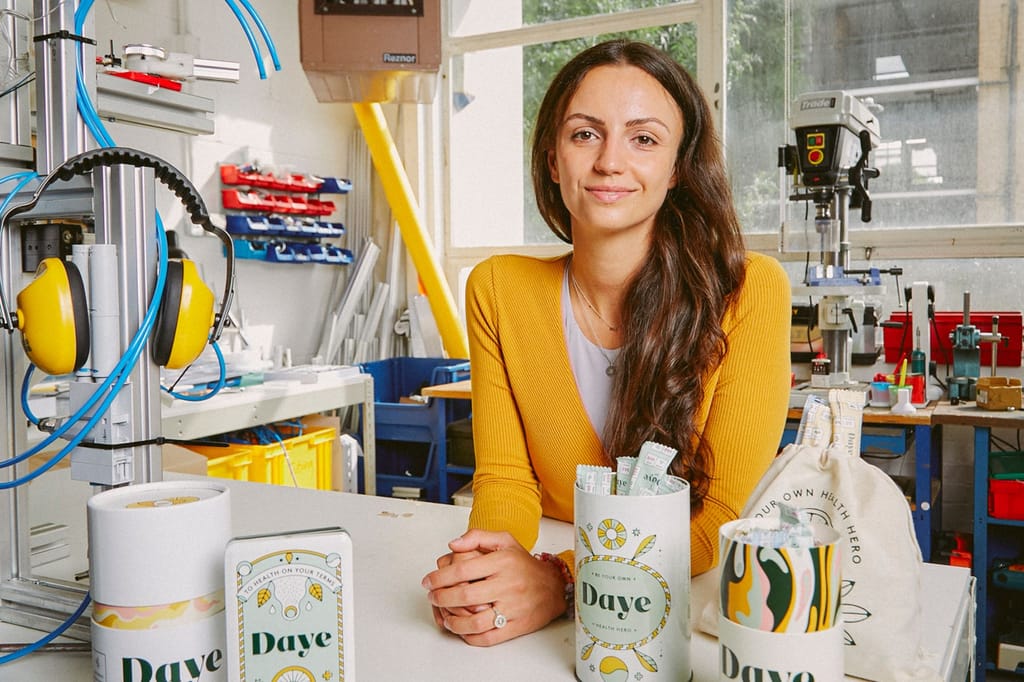
Written by: Currie Engel Weber
Written on: 30 July 2026
Almost every week since she was in high school, Valentina Milanova's email inbox has pinged with an exciting delivery that she quickly devours: a plethora of new papers on the latest and greatest in vaginal microbiome, PMOS, and endometriosis research.
Tampons, she learned through her years of investigative research, could be used as a drug delivery system and for self-sampling for STIs, and had, in fact, been tested for these purposes going back to the 1960s and 80s, respectively. "No one ever really did anything with this information," she says, pointing to a lack of both funding and focus on women's health innovation. In the UK and Europe, women were not included in clinical trials until 1995, a fact that, frankly, pissed Milanova off. "What infuriates me is that most of the time when I share these facts, people are hearing them for the first time."
While Milanova's journey with Daye was borne out of her own struggle with period pain since age 9, it was also her answer to a world that is slow to recognise and innovate, leaving so many women with no other options but to suffer from and push through pain and discomfort. "Women are an incredibly important, and incredibly powerful social and economic resource," she says. "Why should we be held back from achieving our full potential as humans because modern medicine doesn't understand how to diagnose or treat our specific physiology?"
Daye, which Milanova founded and initially self-funded in 2017 at just 22 years old, isn't about period products, although it produces and sells those by the box-full. It is a company focused on building a comprehensive women's health platform that bridges overlooked gender care and health gaps. Instead of asking women to adopt an entirely new behaviour or device, the company decided to simply tap into something most women already do, every single month: put a tampon in. "We're making the tampon smarter, work harder, and be more powerful as a tool for gynaecological health management," says Milanova.
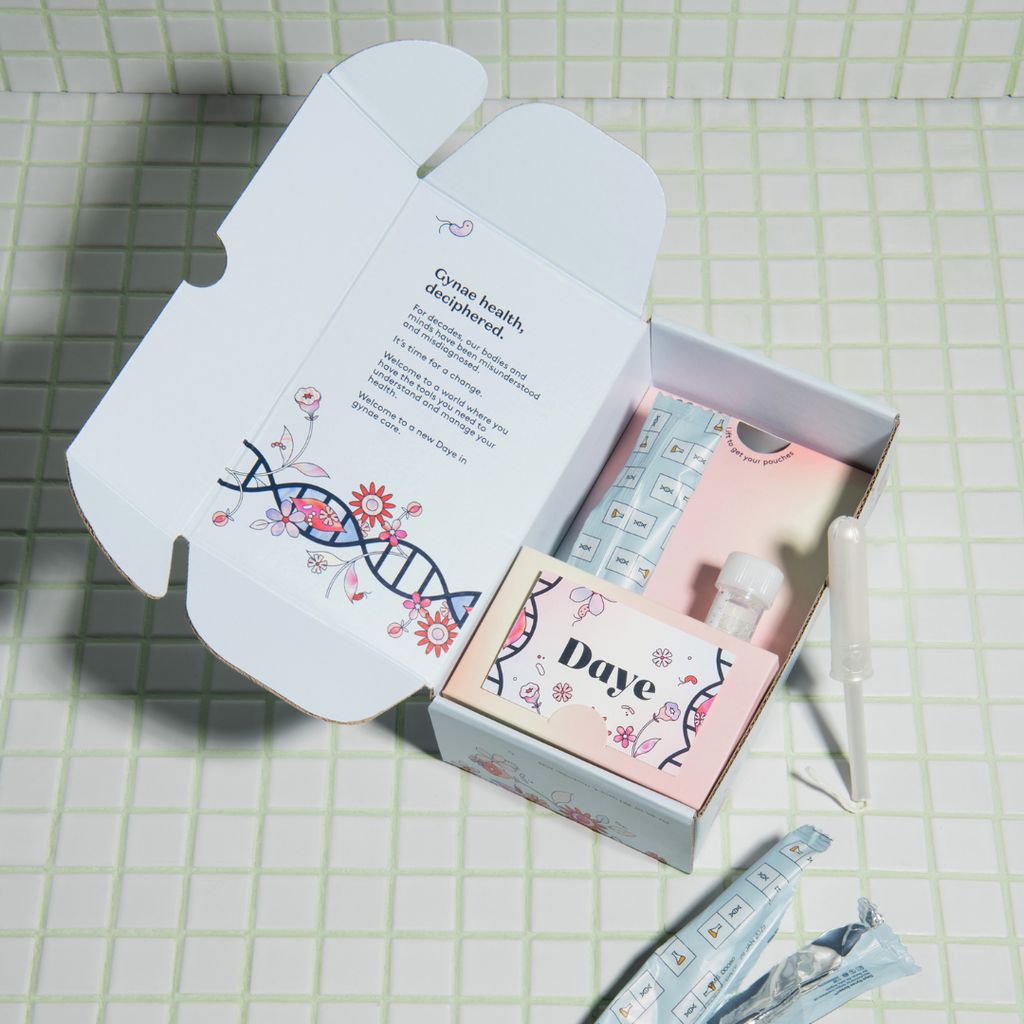
The company offers everything from non-toxic, sustainable, organic everyday period care (think: tampons, pads, and liners) to tampons infused with CBD or ones which provide microbiome, STI, and HPV screening (which is now the leading cause of head and neck cancer as well as anal cancers, and a well-recognised cause of cervical cancer). For the screening, all you do is insert the tampon for 20 minutes, and then send it to an accredited lab using a prepaid kit where your sample is analysed and results posted to a secure, online portal.
You can also purchase hormone health blood tests, gut and vaginal microbiome supplements, and add on consultations with women's health or fertility experts.
The beginning of a revolution
Milanova knew she wanted to completely rethink what a tampon could do, and she had an idea of how to do it, but quickly found herself at odds with the existing industry. Tampon manufacturing is quite a monopolised area, she says, pointing out that the majority of brands in stores today are made in the same facilities, on the same machines, and with the same production standards. And those standards, she came to find out, were not going to work for her.
Even in the US, where tampons are considered a medical device, the production process has no requirement for clean room manufacturing (most tampons are created in open-air environments), sanitisation, metal detection, or continuous lab testing. This is especially concerning considering the vagina is one of the most absorbent areas of your body, due to its plethora of blood vessels and mucosa membrane. "A big part of the struggle was figuring out, okay, what standards do we want? How do we implement the quality management system, and then set up our own production facility."
So, Daye raised funds everywhere from Bulgaria to Germany, the US, and Canada, designed its own machines, and opened its own production facility in Bermondsey. That facility, which has since moved to Bulgaria as production expanded, has achieved the same certifications as those that make surgical implants like heart stents. Every area and surface is sanitised, and workers wear full-body protective gear, all to ensure the products are contaminant-free and lower the risk of vaginal infections.
"This is what it means to build products with respect for the body," Milanova says in an Instagram video where she introduces customers to the production facility while decked out in a full protective bodysuit and surgical gloves.
And in their social series, The Tampon Files, Milanova continues to educate customers on the lengths she and the team at Daye go through to make sure the products are ones you'd actually want to put in your body, from heavy metal detection to biocompatibility testing and continuous lab testing.
This is especially important considering a UC Berkeley researcher found in a 2024 study that tampons from several brands can contain toxic metals like lead, arsenic, and cadmium, whose exposure is tied to an increased risk of issues like dementia, infertility, diabetes, and cancer.
As someone who is in need of period care products every month, I can attest that I have become a lifetime-convert to Daye products. I love knowing how much research and safety testing and care has gone into making sure that the things I put in my body are clean and safe.
Founder's stack
The thing about founding a company on female reproductive health is that all products are personal. "I designed all of these products for myself, for specific needs that I have that I felt weren't met," Milanova says.
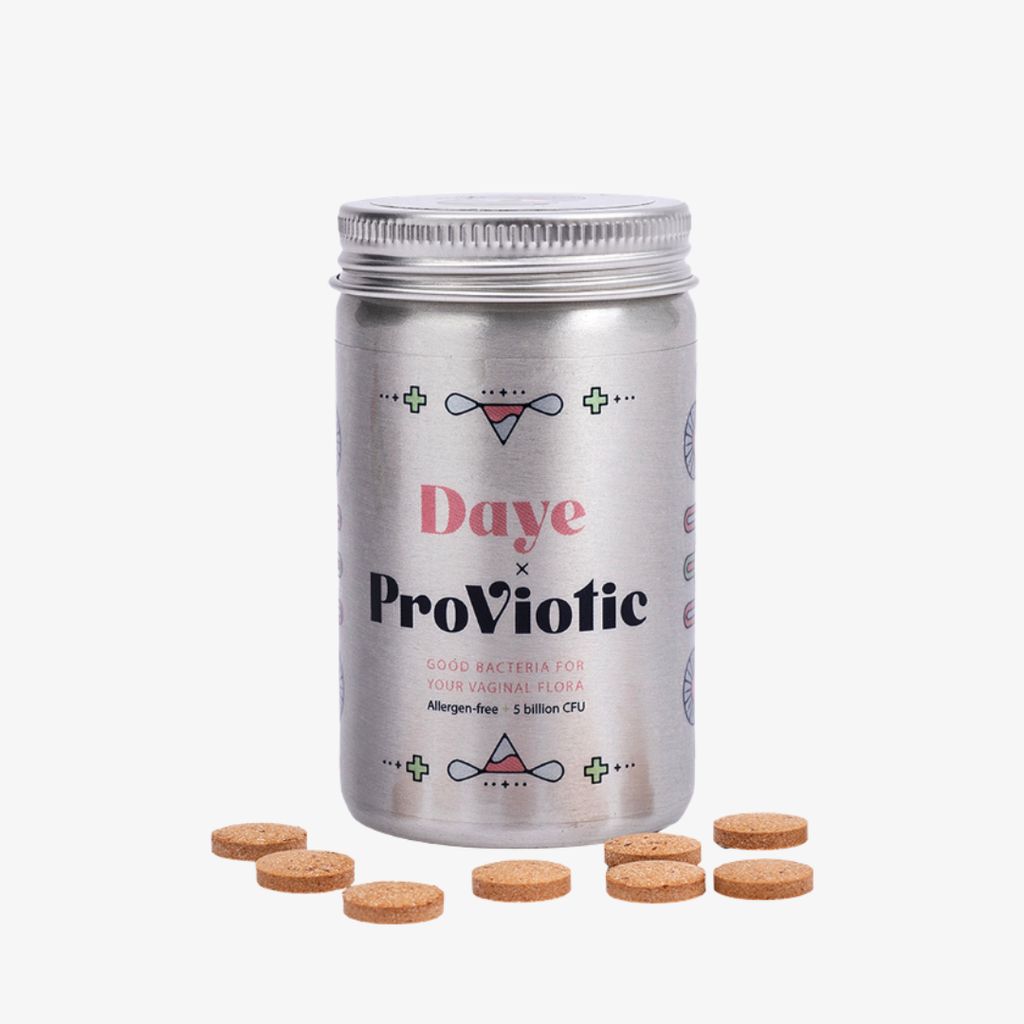
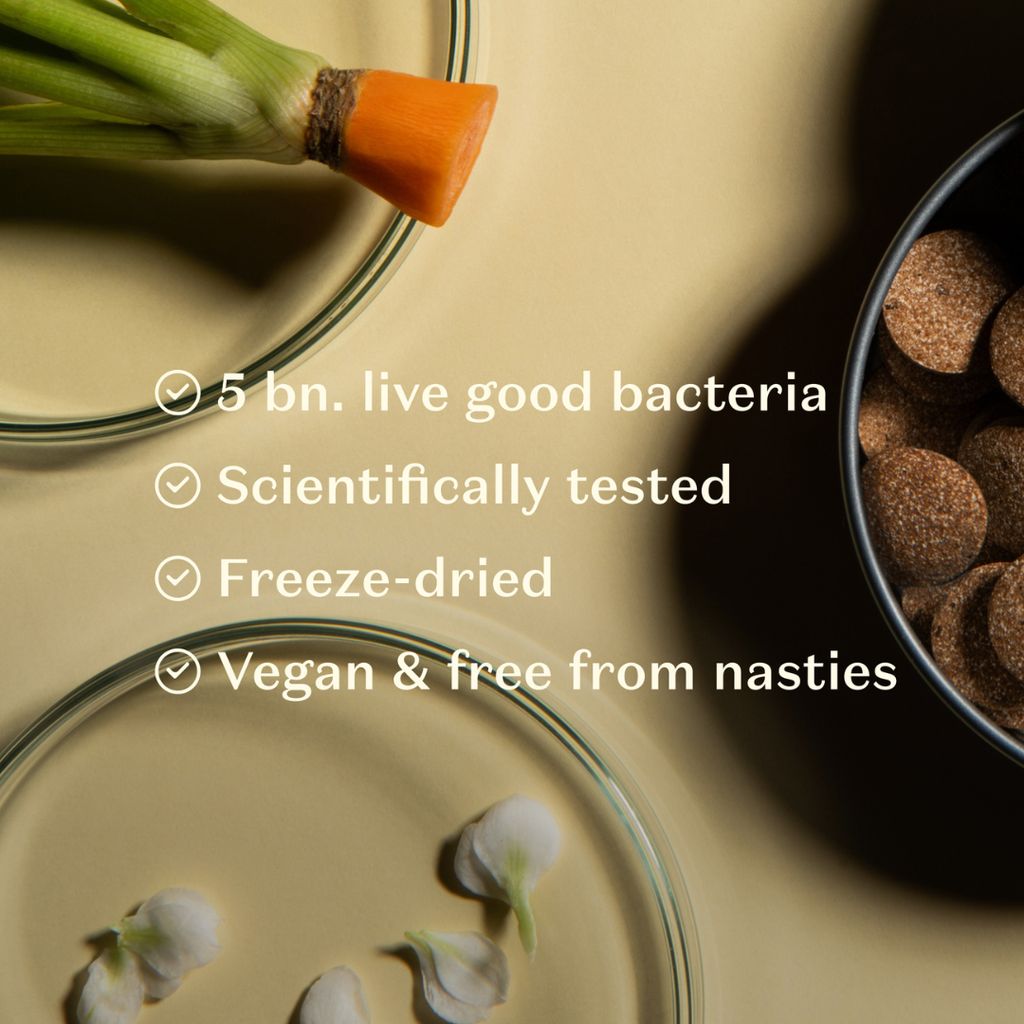
Every six months, she will use the diagnostic tampon set to check in on her vaginal microbiome, STI, and HPV status (of note, you can do each of these separately, or bundled). She uses Daye's ProViotics every day for gut and vaginal microbiome support, which she says are vegan, allergen-free, and freeze-dried so that they're live when they reach you.
"I still have, unfortunately, painful and heavy periods, so I rely a lot on our period care range," Milanova adds, calling out the Organic Non-Toxic Tampons and Organic Hemp Blend Sanitary Pads.



Advice to other founders
The first Daye products launched in April 2020, at the height of COVID. With staffing shortages, thanks to people out sick or caring for family, Milanova rolled up her sleeves and got to work picking and packing boxes and running machines, all while still fundraising for her fledgling company. Some of Daye's early investors even came in to help get the orders out the door, she says. It was a gritty, hard time. "I'm forever grateful for the people that stayed in the business because we were able to keep going."
That, according to Milanova, is the most key part of success as a founder: surrounding yourself with people who support and inspire you, and whom you admire and respect.
Working in women's health innovation is certainly not for the faint of heart, and no one knows that better than Milanova does. "Every day is Day Zero, because you have the lack of data, you have the lack of funding," she says. It also doesn't help that large advertising platforms tend to frustratingly categorise and flag some women's health content as "adult" or "political content", which Milanova says has been "happening to us since Day 1, since the first ad we ever ran."
Still, the work is incredibly rewarding, and the fact that she's helping women solve real life challenges makes all the late nights and difficult decisions worth it. Milanova is so committed to this mission, to making women's lives better, that the company donates 20% of all orders to women's health research.
"We can't afford to have women be de-prioritised," she says. "We can't afford to lose out on the societal and economic resources for women, and we need to put our money where our mouth is."
This article is for informational purposes only, even if and regardless of whether it features the advice of physicians and medical practitioners. This article is not, nor is it intended to be, a substitute for professional medical advice, diagnosis, or treatment and should never be relied upon for specific medical advice. The views expressed in this article are the views of the expert and do not necessarily represent the views of Healf
Currie Engel Weber is the Editorial Lead at Healf. She is an award-winning journalist and editor, and former News & Features editor at Women's Health Magazine in New York. She has written for outlets like The New York Times, Wired, Business Insider, Women's Health. Currie loves writing about the intersection of women's health and culture.