




















_Madeline_Spanier_Photos_ID7424.jpg)
7 Signs Your Body Isn't Absorbing Protein Properly
It's not just about how many grams you can pack into a meal. Your body has to be able to use that protein to power vital functions.

Written by: the Healf Editors
Written on: 3 July 2026
You're packing in protein at every meal to hit your macro goals. You’re prioritising diverse protein sources, and eyeing the ingredients on every package you buy at the supermarket to make sure you’re getting enough. So, why does your body still feel like it's running on empty? If protein is meant to support so many key biological functions, why is recovery taking longer than it should, your hair thinning, your mood flat, your sleep broken? The answer might not lie in how much protein you're eating each day, but in how effective your body is in using it.
Protein molecules are made up of 20 different kinds of amino acids that link and fold together. When you eat a burger or chicken thigh, your body begins to break those proteins down into its component parts — amino acids. These molecular structures then become the building blocks for virtually every part of our biology, from our neurotransmitters, to hormones, enzymes, organs, skin, muscle and bones. When you run low on these raw materials, that shortage can have widespread effects that most of us tend to overlook or blame on something else entirely.
While it’s clear that protein is incredibly important for everything from muscle synthesis to healthspan, immune system function, and hormone balance, few people understand what protein actually does at the cellular level, that there can be a gap between consuming and truly absorbing it, and how that actually shows up in your day-to-day life.
Here are the seven signs that you might not be properly absorbing protein, and what your body might be trying to tell you.
You're taking days to recover from workouts
Recovery is one of the clearest windows into how well your body is using protein. If you're consistently sore for four days after training — or if injuries are taking longer to heal than they once did — your body may not have the essential amino acids it needs to repair and rebuild muscle tissue. Protein isn't just about building the kinds of muscles you get while strength training. It is the literal raw material your body uses to fix itself, and if the supply is insufficient or poorly absorbed, recovery slows down in ways that feel disproportionate to the effort.
Your immune system feels like it's always playing catch-up
Catching every cold that goes around? Taking longer than everyone else to shake it off? Feeling run down without obvious cause? Most of us write these signs off as lifestyle factors. Maybe it’s winter time, or you’re stressed at work, or your family has just been in town visiting. But low immunity is actually a classic sign of essential amino acid deficiency. Your immune system is built from proteins — antibodies, immune cells, signalling molecules — and when the body doesn't have enough of the right amino acids to go around, it will prioritise vital organ function first. Your immune defence often takes the hit.
Your hair, skin, and nails have changed
Thin, weak hair, brittle nails, and skin that feels less resilient than it used to are important biomarkers that get dismissed as “beauty” concerns. In reality, collagen, keratin, and the structural proteins that keep your hair, skin, and nails healthy are all built from amino acids found in protein. When your body is running low on these ingredients, these tissues are among the first to show it. If you've noticed a gradual decline in the quality of your skin, hair, or nails, it's worth looking at what's happening with your protein intake. If you’re getting enough and still not seeing improvements, that probably means that your body isn’t absorbing it properly.
Your mood and mental health feel harder to manage
This one tends to surprise people, but your serotonin and dopamine — the neurotransmitters most closely associated with mood, motivation, and mental resilience — are also produced from essential amino acids. If your body isn't absorbing protein effectively, then your neurotransmitter production is compromised. Anxiety, low mood, and a general flatness that doesn't respond to the usual fixes can all trace back to amino acid insufficiency. It's one of the most overlooked connections in mental health, and one of the most important.
Your sleep is disrupted and your thyroid feels off
Poor sleep and thyroid dysfunction are both deeply connected to protein status. Hormones — including thyroid hormones — are built from amino acids, and when the supply is inconsistent, hormonal balance suffers. Sleep quality, energy regulation, metabolic function, and even autoimmune responses can all be affected. If you're experiencing thyroid issues, consistent sleep disruption, or unexplained shifts in how your body manages energy, protein absorption is worth investigating as a root cause rather than an afterthought.
You're losing muscle despite eating enough
This is perhaps the most counterintuitive sign. If you're eating what feels like a normal amount of protein but still experiencing muscle loss — particularly as you age — the issue is likely how well that protein is being used by your body, not the quantity you’re consuming. Here's the science that changes how you think about this: different protein sources have vastly different utilisation rates. Whole eggs absorb at around 48%. Meat sits at roughly 32%. Whey, dairy, egg whites, beans, and most plant proteins? Around 15 to 18%. That means for every 10 grams of whey protein you consume, your body uses approximately 1.8 grams to rebuild and repair. The rest is broken down into nitrogen waste and glucose. You can be eating a lot of protein and still be functionally deficient in essential amino acids.
Your digestion feels like the bottleneck
This one is a compounding, circular problem that doesn't get spoken about enough. If you have poor digestion, that can lead to fewer amino acids being absorbed by your body. Fewer amino acids means the body can't produce enough digestive enzymes. And fewer digestive enzymes means even poorer digestion. Year on year, this cycle gets worse — which is why many of the symptoms above become more pronounced as you age. The answer isn’t necessarily eating more protein, because the issue isn't supply, it's access.
What to do about it
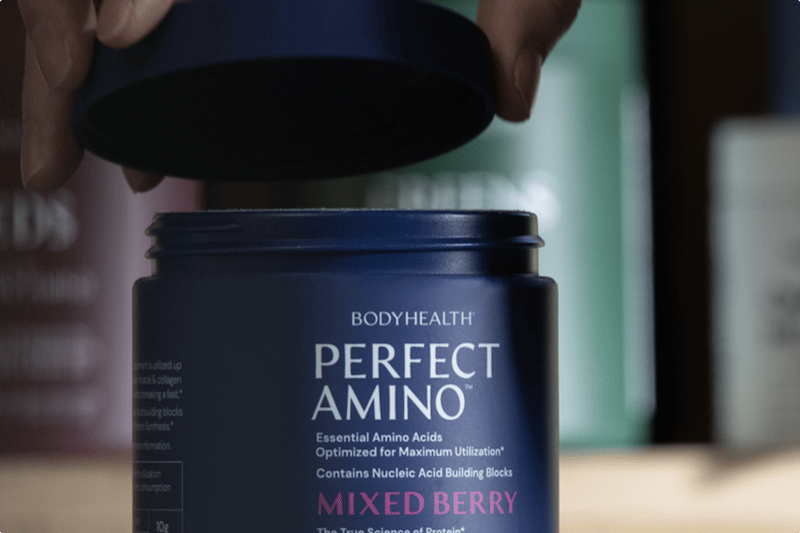
Understanding the gap between the quantity of protein you eat and how well your body uses it is the first step. The next is finding ways to directly address that gap. BodyHealth's PerfectAmino is formulated to provide essential amino acids at up to 99.9% utilisation — meaning for every 10 grams consumed, 9.99 grams go directly to rebuilding and repairing the body. Crucially, it bypasses the digestive system entirely, reaching the bloodstream within 30 minutes on an empty stomach. For anyone caught in the downward spiral of poor digestion and amino acid deficiency, that bypass is the thing that changes the equation.

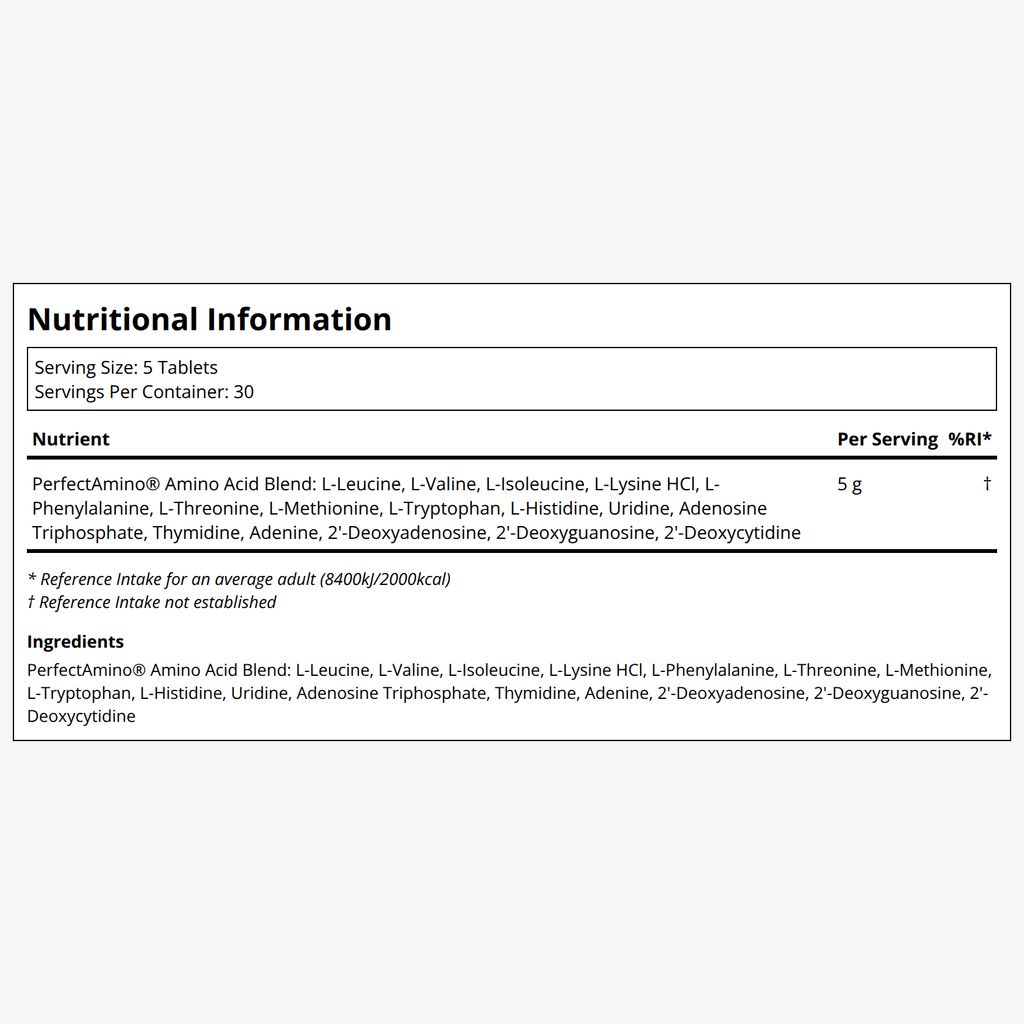

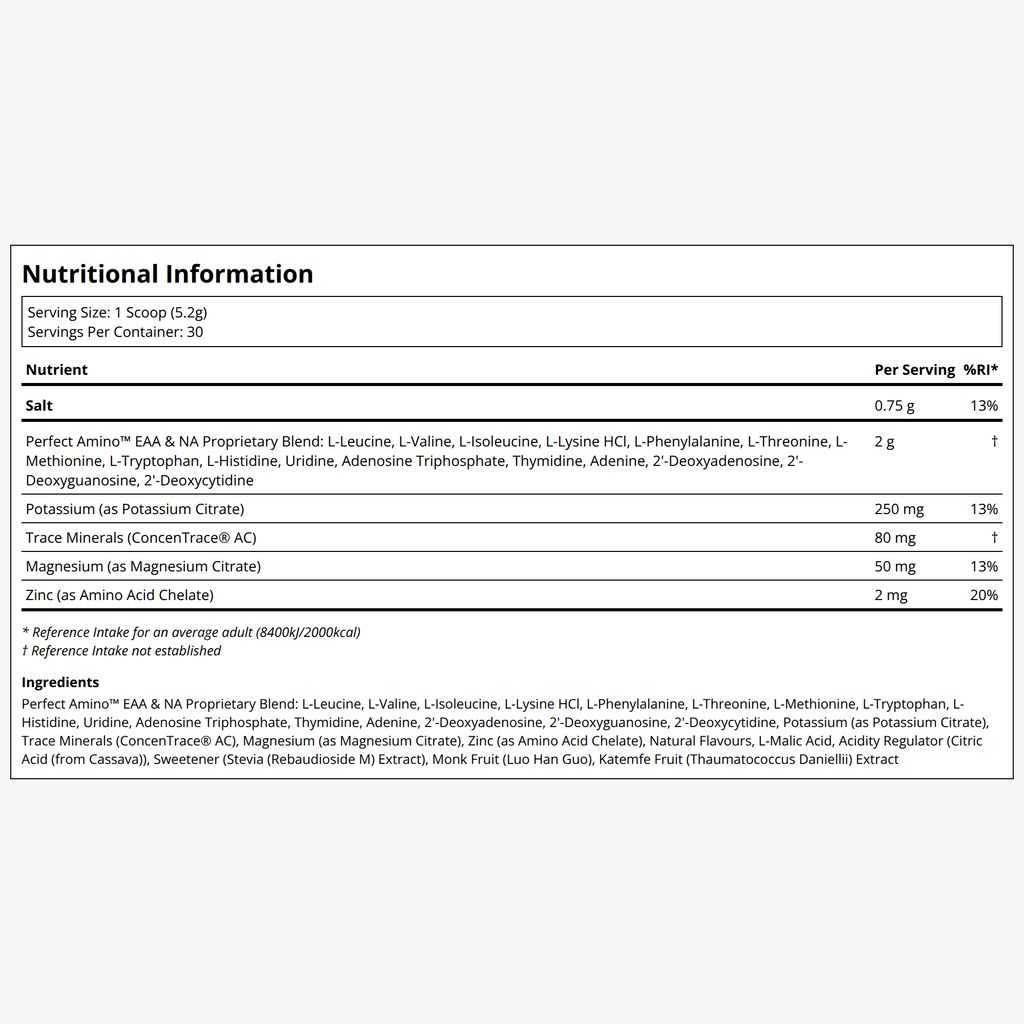
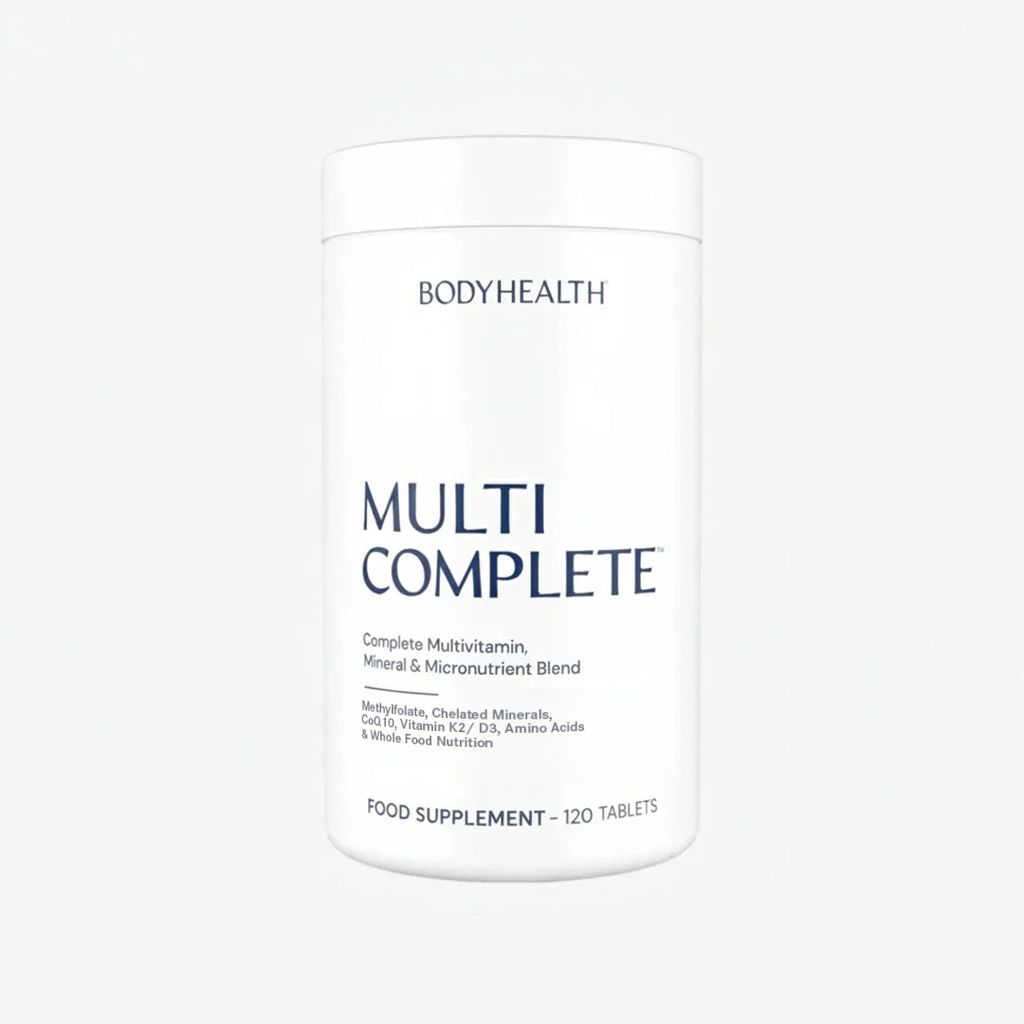

To support the body as it begins rebuilding, BodyHealth recommends pairing PerfectAmino with their electrolytes to maintain mineral balance as old cells are flushed out, omega-3 to support cellular integrity and reduce inflammation, a Multi Complete daily multivitamin for the full-spectrum micronutrient foundation your cells need to function, and Body Calm magnesium powder to support the nervous system and sleep quality that underpins recovery. Together, these tools address not just the deficiency, but the conditions your body needs to actually use what you're giving it.
Protein isn't the problem. Absorption is. And once you understand that distinction, a lot of things start to make sense.

-2.jpg)
This article is for informational purposes only, even if and regardless of whether it features the advice of physicians and medical practitioners. This article is not, nor is it intended to be, a substitute for professional medical advice, diagnosis, or treatment and should never be relied upon for specific medical advice. The views expressed in this article are the views of the expert and do not necessarily represent the views of Healf
Healf's editorial team works hard to produce science-backed, expert-vetted stories to break down trends and cut through the noise in the wellbeing ecosystem. Our team of writers and editors specialise in everything from nutrition, to exercise science, women's health, skincare, sleep, and more.