
























_2026-10-13_14-11-48.png)


Organic Protein Powder: Benefits, Types, And Top Picks
If you want to add more protein in your diet but don’t want more fillers, artificial sweeteners, or pesticides, organic protein powder may be the way to go. Here’s what to consider when picking a product.
Written by: Stephanie Anderson Witmer
Written on: 18 September 2025
Medically reviewed by: Patricia Weiser, PharmD and Jared Meacham, PhD, RD, CSCS
If you want to add more protein in your diet but don’t want more fillers, artificial sweeteners, or pesticides, organic protein powder may be the way to go. Here’s what to consider when picking a product.
There’s no doubt about it: protein is the macro of the moment. Protein powders make for a convenient option to up your intake, but there’s a dizzying array of products to choose from. Focusing on organic protein powders can help whittle down your options.
“Organic powders usually mean fewer pesticides, no GMOs, and fewer artificial additives — all of which matter for my clients with hormonal imbalances, gut issues, or autoimmune conditions who are often more sensitive to chemicals,” says Iwona Meyer, CFMHC, Dip CNM (Dist.), mANP, rGNC, nutritional therapist and functional medicine practitioner. “Many conventional powders contain fillers, gums, or sweeteners like sucralose that I regularly see contribute to bloating, irritation, or microbiome disruption.”
Both plant-based powders and those that include animal products, such as whey protein, can be organic. But there are other factors to consider when choosing a protein powder that will deliver what you need beyond the “organic” label on the container.
“‘Organic’ only tells you about the farming practises, not whether the protein itself is effective,” Meyer says. “For example, an organic soy isolate might still be hard to digest and not deliver the best amino acid profile. So I tell people: Organic is a great start, but you also need to consider quality, digestibility, and whether it’s been properly tested.”
Here’s what to know about the benefits of an organic protein powder and how to choose the cleanest product that will help you achieve your goals.
What counts as “organic” in protein powders
When we think about organic products, we tend to focus on what’s not in them rather than what is — like synthetic pesticides, artificial sweeteners, and other additives. Organic varieties have a reputation for being the most natural protein powders or cleanest protein powders.
“Organic protein powders are usually made without pesticide residues, artificial colors or flavorings, and unnecessary fillers,” says registered dietitian Maria Lucey, BSc. “This often means they have a shorter, simpler ingredient list, which can make them easier to tolerate if you have a sensitive stomach.”
So, how do you know if the protein powder on the shelf is actually organic? UK products may have the Organic Food Federation certification to have an official “organic” designation. Other products may have the green leaf-and-star EU organic logo. American-made powders will have a seal from the U.S. Department of Agriculture (USDA) to certify they’re organic.
The term “organic” doesn’t just refer to the finished product. It includes the quality of the soil that crops are grown in, the types of pest and weed control used on those crops, the food and living conditions of animals, the use of antibiotics on the animals, and the inclusion of artificial preservatives, sweeteners, fillers, or other additives in the product. Non-GMO ingredients are required.
For an extra layer of safety and transparency, look for products that have undergone third-party testing:
NSF (which stands for National Sanitation Foundation) tests all manner of nutritional supplements and other products in laboratories across Europe, the United States, and China. NSF tests a product’s ingredients and amounts to make sure the labelling accurately reflects what’s actually in the product. NSF also tests for the presence of heavy metals, pesticides, mold, and other potentially harmful pathogens and toxins.
NSF Certified for Sport is an additional third-party testing program, specifically geared toward helping athletes, dietitians, and consumers choose the best functional foods and supplements.
Informed Choice tests for contaminants and substances that are prohibited as ingredients in supplements, including certain stimulants, diuretics, and performance-enhancing drugs.
Clean Label Project certification ensures protein powders and other supplements have been tested for heavy metals, pesticide residue, and plasticisers — chemicals added to substances to make them more flexible. Common plasticisers include phosphates and phthalates, which may have endocrine-disrupting properties.
A recent review by the Clean Label Project of top-selling protein powders found even the organic products contain heavy metals, such as arsenic, lead, and cadmium, as they are naturally occurring in soil. Some agricultural methods and other factors can also increase the heavy metal concentration of the soil, and therefore food products grown in that soil. The key takeaway is that choosing third-party certified products can help keep you safe when choosing any dietary supplement, including organic protein powders.
For protein powders that include animal-based ingredients such as whey or collagen, you may also see the term “grass-fed” on the label. “Grass-fed” means the animal was fed only grass or forage material instead of grain. But this doesn’t necessarily mean the product is organic. That’s a separate designation and would be labelled as such.
The benefits of organic/natural protein powder
For those looking for a cleaner protein boost, there are several benefits to choosing an organic product rather than a conventional powder.
First, the ingredient list will likely be shorter, as the powder won’t contain the synthetic additives other powders do. Artificial sweeteners, colours, preservatives, gums, and other fillers that can’t be organic won’t be included.
It’s these ingredients that are frequently the cause of protein powder–related tummy trouble. “Conventional protein powders sometimes use artificial sweeteners, like sucralose or aspartame, or sugar alcohols, such as sorbitol, xylitol, erythritol, or mannitol, to keep calories low,” Lucey says.
“While these are safe, they can be a common trigger for gut symptoms such as bloating, cramping, or diarrhea, particularly for people with IBS or when consumed in larger amounts. Not everyone reacts, but if you have noticed your protein shake leaves you feeling gassy or uncomfortable, it is worth checking the label for these ingredients.”
While “organic” doesn’t mean a product is 100% pesticide-free, organic protein powders will contain lower levels of pesticide residue. Choosing a product that is not only organic but also third party–tested will ensure it also has lower levels of heavy metals and other unwanted substances.
Types of organic protein powder
To help narrow down your search, here’s what to know about the main ingredients and their pros and cons:
Protein powder from organic whey
Whey is a milk-based protein. It typically comes in one of two main forms: concentrate and isolate.
Whey protein concentrate is between 35% and 80% protein by weight. But even though it has a lower protein count than whey protein isolate, it does contain more fat and carbs.
Whey protein isolate is more refined and contains at least 90% protein. Because of the processing, isolate has less lactose and fat than concentrate does.
Pros of whey
Besides its protein content, whey has other distinct benefits. It can emulsify fats and turn into a gel, which can improve the texture of protein powders when they’re blended. It’s rich in all nine essential amino acids, which the body cannot make on its own. Whey also has other bioactive compounds that may regulate immune function and that have antioxidant properties.
“Whey is the gold standard for muscle repair and recovery because it’s rich in leucine and rapidly absorbed,” Meyer says.
Cons of whey
Because it’s animal-based, organic whey protein powder isn’t suitable for vegans. It’s also derived from milk. “It’s not suitable for lactose-intolerant or dairy-sensitive individuals, though isolate tends to be lower in lactose [than concentrate],” says women’s health nutritional therapist Cara Shaw, DipCNM, mANP, mGNC.
Grass-fed protein powder
Grass-fed protein powder contains whey protein that comes from grass-fed cattle. While the research specifically comparing grass-fed and grain-fed whey protein is very limited, other studies have found grass-fed beef to contain more omega-3 fatty acids and fewer cholesterol-raising fats than grain-fed beef.
Protein powder from organic plant proteins
For vegans or those who don’t want a milk-based protein, there are plenty of plant-based protein options. Two upsides of plant proteins are they typically contain additional fibre and phytonutrients, and have less of an environmental impact than animal-based proteins, Shaw says.
Some drawbacks are that single-source powders may be incomplete proteins, they can have a grittier or chalkier texture, and may require larger serving sizes to get the same amount of protein as in whey, Shaw adds.
Pea and brown rice are often paired in plant proteins, as the combo forms a complete protein, as they have complementary amino acids.
Hemp is a complete protein and a good source of omega-3 and omega-6 and fibre. It has a slightly earthier taste and is in the second-place spot after soy in top plant proteins. It’s often combined with chia seeds. Chia develops a gel-like consistency when it comes in contact with liquids, which can improve the powder’s texture.
Organic soy: Also a complete protein, it has the highest protein count of plant proteins. But, soy is a common allergen.
Other milk-free (but not vegan) options: Collagen: Even though it’s animal-based, it’s not a complete protein and should be paired with other proteins if muscle-building is the goal. Egg white: Egg whites are high in protein — about the same as whey protein — but they’re less common in organic form.
How to choose the cleanest protein powder
Here’s what to look for in an organic protein powder, according to Meyer, Lucey, and Shaw:
Look for a short ingredient list that includes organic flavours and sweeteners.
Avoid artificial sweeteners, sugar alcohols, gums, and fillers — especially if you’re prone to bloating or gut irritation.
Check for the USDA Organic or EU organic logo.
Choose a product that’s been evaluated by a third-party for purity and safety.
If you can, buy a smaller tub or packet first to try to make sure you like the taste and texture.
Be aware of its allergen profile, including for eggs, milk, soy, and gluten.
When & how much protein powder to take
Protein powders are a supplement to a well-balanced diet — not a replacement for one. “Whole foods should still be the foundation,” Shaw says.
Before starting any nutritional supplement, talk to your general practitioner (GP) first — especially if you have kidney disease or other chronic illnesses, both Shaw and Meyer caution.
The current UK daily recommended amount of protein needed per day is 0.75 grams of protein per kilogram of bodyweight. So, for a man who weighs 75 kilograms, that’s 56 grams of protein per day. For a woman who weighs 60 kilograms, that would be 40 grams of protein.
But that amount is often disputed, with some experts saying the current reference nutrient intake (RNI) isn’t enough.
“The RDA of 0.8 grams per kilogram per day is just to prevent deficiency,” Meyer says. “In my own practice, I typically recommend 1.2 to 1.6 grams per kilogram per day, adjusting according to the person’s activity level. Many women — particularly in perimenopause — feel best at the higher end of this range.”
While the protein target per day varies for everyone, Lucey recommends picking a powder with at least 20 grams of protein per serving.
When’s the best time to consume protein powder? “Post-workout is ideal for muscle repair, but any time of day works to help meet daily protein needs,” Shaw says.
Taste, texture, and mixability tips
Whey proteins are often creamier than plant proteins, and whey isolates tend to be the smoothest. Paired plant proteins — like hemp and chia or pea and brown rice — typically have a more palatable texture than single-source powders do.
Here are other tips from the experts for using organic protein powders:
Using a blender instead of a shaker can eliminate grittiness.
Adding a fat source, such as nut butter, chia seeds, or flaxseeds, can help you feel full and slow digestion.
To make a fully balanced smoothie, include fruit, nuts or seeds, and greens along with the protein powder. Frozen bananas or avocado can make it even creamier.
In a smoothie rut? Stir protein powder into yogurt, oats, homemade protein bars or balls, pancakes, or baked goods.
Potential downsides & safety
Protein powders can be a great way to get an extra boost of protein in your day, but they do have some potential downsides:
Dairy sensitivity: If you’re sensitive to dairy, choose whey isolate or plant options.
GI discomfort: Oftentimes, these come from sugar alcohols and gums. Pick “low-additive” formulas.
Interactions and contraindications: If you have kidney disease, phenylketonuria (PKU), or other chronic illnesses, or if you’re taking specific medications, consult your GP first. Protein powders may upset nutrient levels in the body or interact with other medications.
Cost: You’ll most likely pay more for organic protein powders than conventional ones.
“‘Organic’ does not automatically mean it is higher quality or more effective,” Lucey says. “A conventional whey isolate that is third-party tested may actually be the better option, depending on your needs.”
Choosing the protein powder that’s best for you
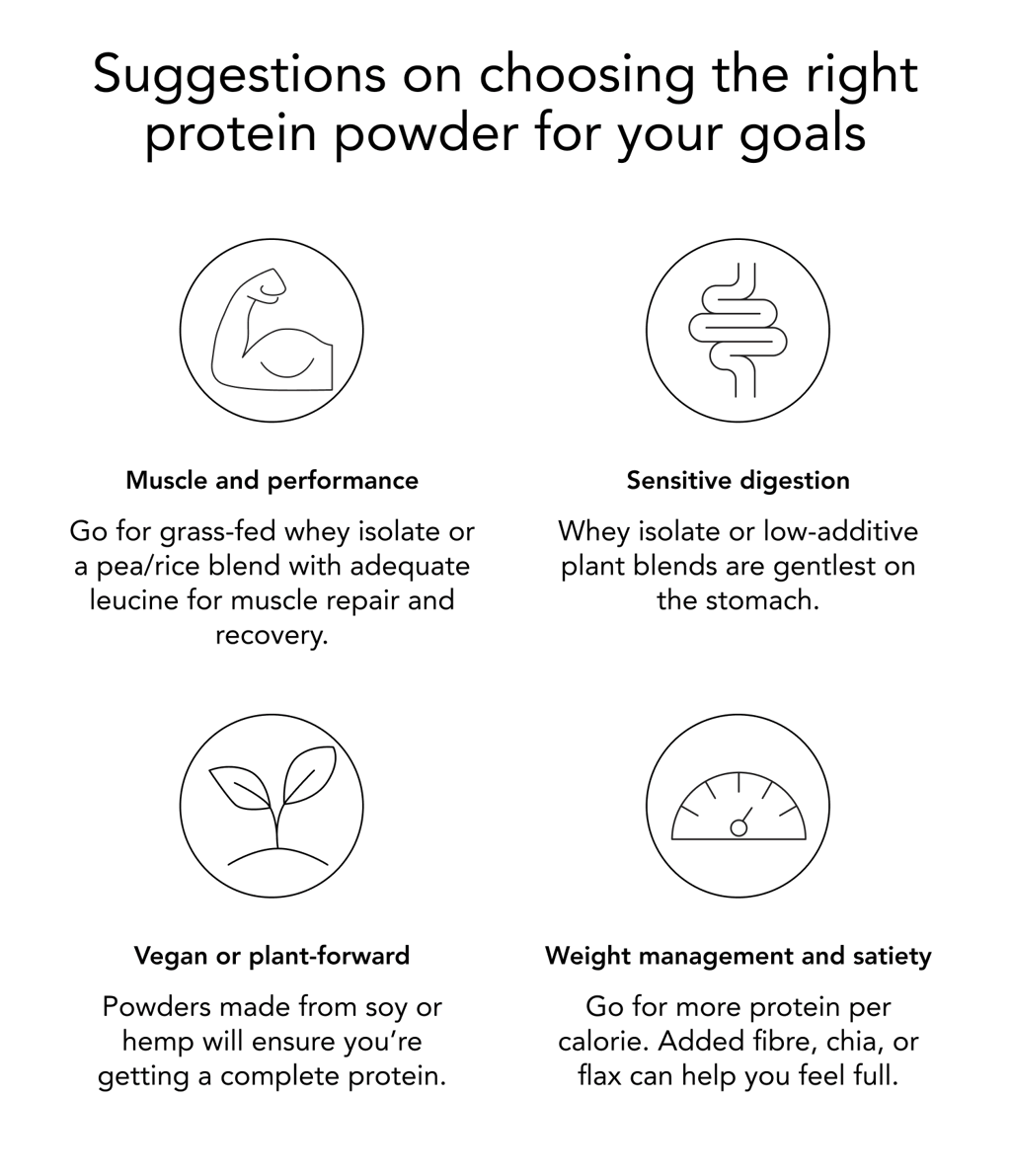
Which protein powder you pick comes down to personal preference — and that’s largely dictated by your own health profile and goals. Here are some suggestions on what to choose for specific goals:
Muscle and performance: Go for grass-fed whey isolate or a pea/rice blend with adequate leucine for muscle repair and recovery.
Sensitive digestion: Whey isolate or low-additive plant blends tend to be gentlest.
Vegan or plant-forward: Powders made from soy or hemp will ensure you’re getting a complete protein.
Weight management and satiety: Go for more protein per calorie. Added fibre, chia, or flax can help you feel full.
Healf’s top picks for organic protein powders
Want more help grabbing your next favorite protein powder? Here are a few great ones from Healf:
The Organic Protein Company Organic Whey Protein Powder: You can’t get much shorter of an ingredient list than this. Besides organic flavours, it contains one primary key ingredient: grass-fed organic whey protein. It has just shy of 20 grams of protein per serving and is certified by the UK Organic Food Federation. It also comes in several flavours: Madagascan vanilla, cacao and maca, banana and lucuma, cookies and cream, and pure unflavoured.
Truvani Plant Based Protein: With just a handful of ingredients, this powder is about as clean as they come. This product is vegan, soy-free, gluten-free, and contains no gums or emulsifiers. It’s USDA-certified organic and non-GMO. Available in a variety of tasty flavours, including vanilla chai and chocolate peanut butter, Truvani plant powder has 20 grams of protein per serving (plus, they’re also available in travel sizes if you’re travelling or trying it for the first time).
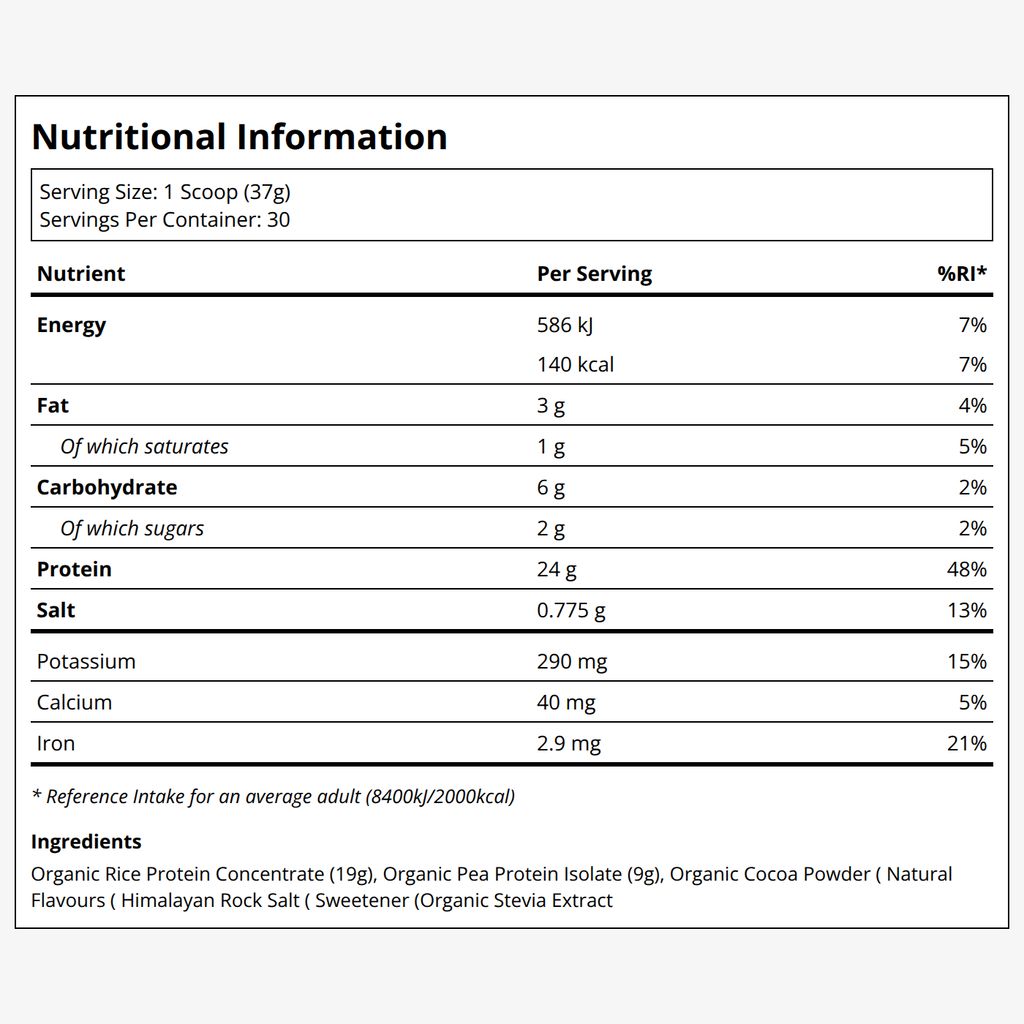
Transparent Labs Organic Vegan Rice & Pea Protein: At 24 grams of protein per serving, this plant protein packs a punch. It also contains other nutrients that help with muscle function: iron, vitamin D, calcium, and potassium. It’s soy-free and non-GMO, plus it’s USDA-certified organic. As the name implies, Transparent Labs makes rigorous testing part of its mission and regular practice to ensure consumers get the very best, safest product.
Nutrivore Organic Whey Protein Concentrate Powder: This product offers 12 grams of protein per serving. Whey concentrate is less processed than whey isolate, so it’s as close to a pure whey protein powder as it comes. The little green leaf on the package indicates it’s been certified organic by the EU.
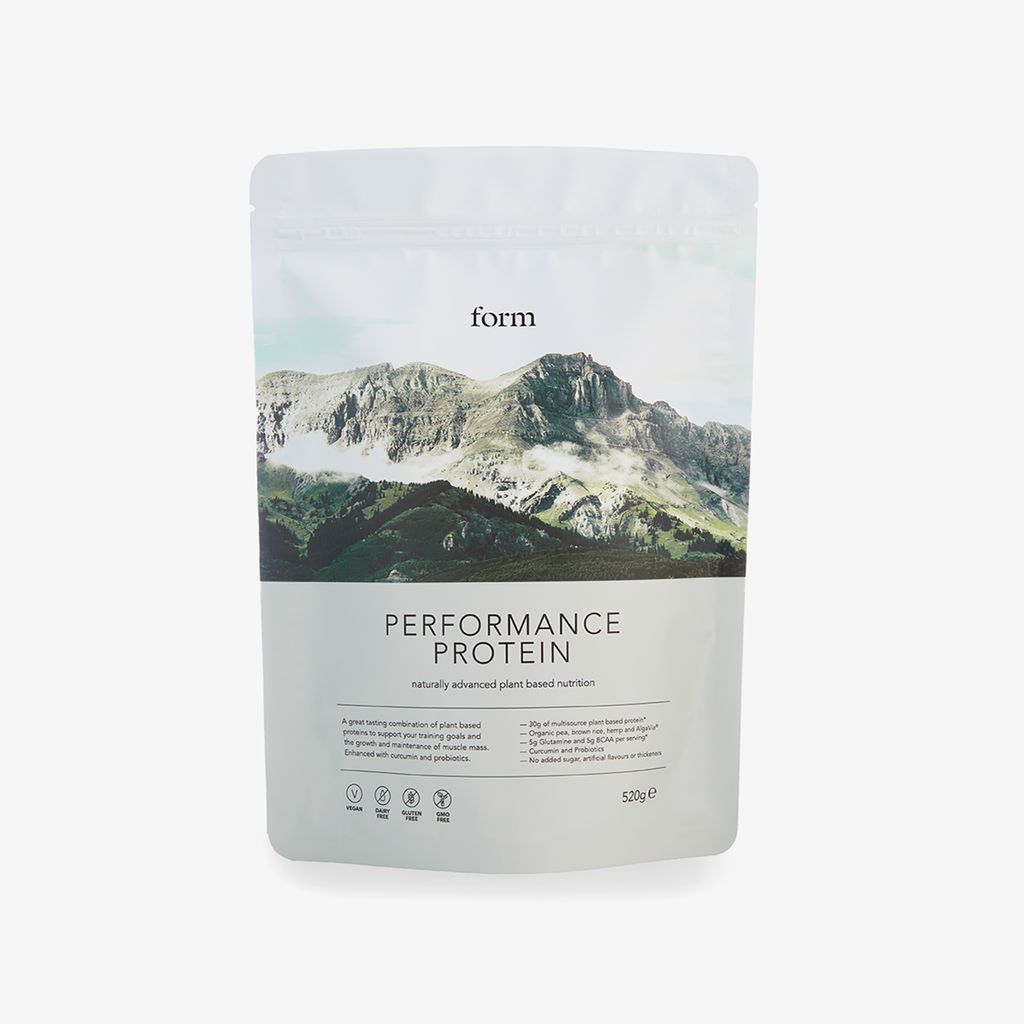
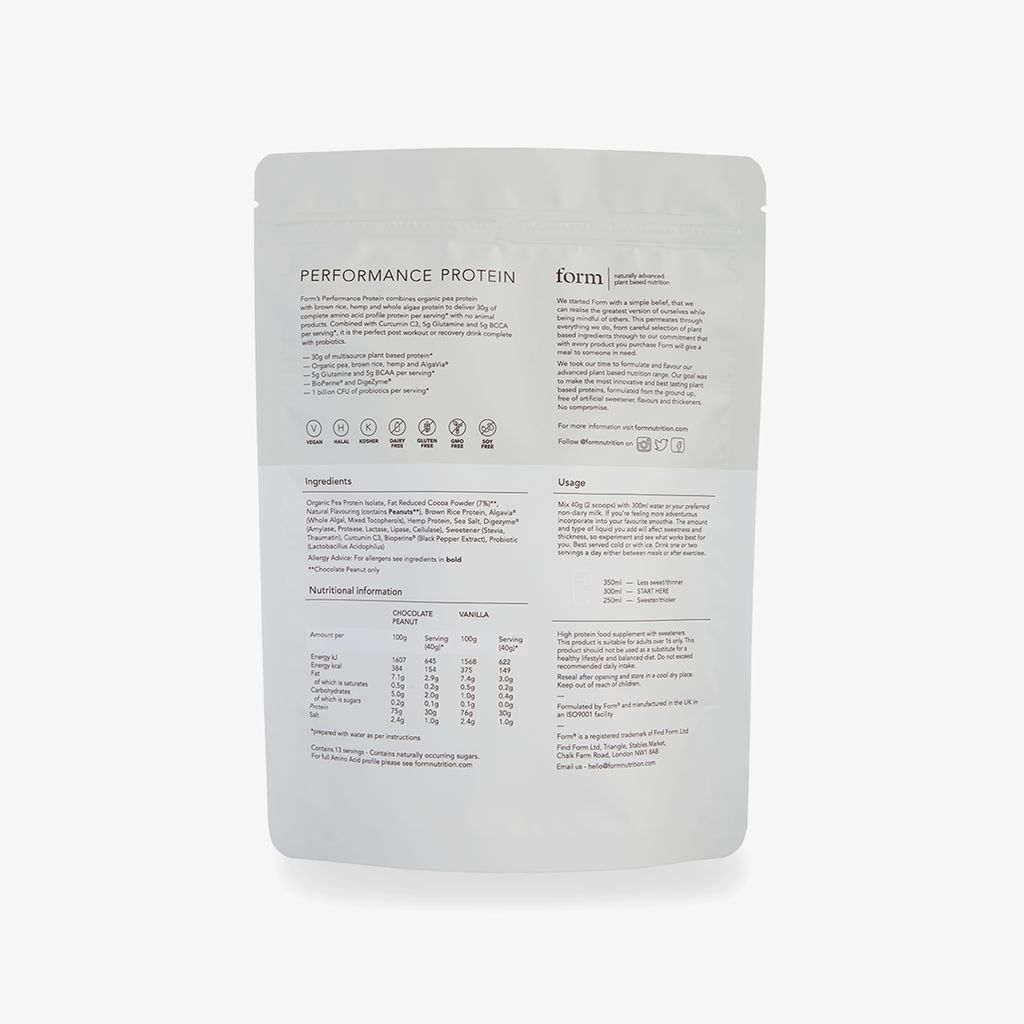
Form Performance Protein: At a whopping 30 grams of protein per serving, Form powder packs a punch. Made from a combo of plant-based proteins, including organic pea protein isolate, it’s vegan, GMO-free, soy-free, and gluten-free. Form powders contain digestive enzymes and probiotics for a boost of goodness for the gut, as well as other ingredients specifically added to aid muscle recovery.

Frequently asked questions (FAQ’s)
Is organic protein powder good for you?
Organic protein powder can be a healthy supplement to your diet. It contains less pesticide residue and fewer artificial ingredients than conventional powders.
Why do doctors say no to whey protein?
Everyone’s health profile is different, but your doctor may caution you against whey protein if you have a milk allergy or are lactose intolerant. They may also want you to skip protein powders altogether if you have kidney disease, other chronic illness, or take certain medications.
What is the healthiest form of powdered protein?
Different types of organic protein powders can be healthy, depending on the ingredients, your health profile, and your individual needs. Generally speaking, organic protein powders that are free from synthetic additives and have been third party–tested for heavy metals and other contaminants are best.
Can I drink organic protein powder every day?
As a supplement to your diet, yes — and as long as you’ve gotten the all-clear from your GP. But protein powders should not be used as meal replacements.
What to avoid in protein powder?
Avoid artificial additives, sweeteners, and fillers. By default, organic protein powder doesn’t contain those ingredients because they can’t be made organically. Protein powders may contain heavy metals, so choose a product that’s undergone third-party testing for safety.



This article is for informational purposes only, even if and regardless of whether it features the advice of physicians and medical practitioners. This article is not, nor is it intended to be, a substitute for professional medical advice, diagnosis, or treatment and should never be relied upon for specific medical advice. The views expressed in this article are the views of the expert and do not necessarily represent the views of Healf
Stephanie Anderson Witmer is a freelance health journalist and content writer with nearly 30 years of experience. Her work has been published in top magazines and digital publications, including Prevention, Good Housekeeping, Health, Women's Health, USA Today, Yoga Journal, Parade, and Today's Parent. She's created content for brands, including Hone Health, GoodRx, Weight Watchers, WebMD, CVS Health, UPMC, and others.