

















_2026-10-13_14-11-48.png)


Creatine For Women: What To Know Before You Start
Not just for gym bros, creatine is trending for a reason. Here’s how it’s redefining wellness for women.
Written by: Rachel Sacks
Written on: 1 April 2026
Creatine for women is having a moment — and for good reason. Once associated mainly with strength training, it's now being explored for everything from performance and recovery to cognitive health and hormonal support.
Creatine monohydrate — the most researched and widely used form — isn’t just for gym bros or bodybuilders. The “most effective ergogenic nutritional supplement currently available,” according to the International Society of Sports Nutrition (ISSN), creatine is a naturally occurring compound that provides our muscles with energy.
An underrated, often-overlooked supplement for women, creatine offers a wide range of benefits, from supporting healthy brain function to improving PMS symptoms and more. Here's what the research says on the exceptional creatine benefits for women.
What is creatine and how does it work?
“Creatine is a natural compound made from amino acids,” says Jordan Hill, MCD, RD, CSSD, a certified sports dietetics specialist at Live it Up. Our bodies make creatine in the liver, kidneys, and brain.
The majority, though, is found in the muscles (up to 95%). “It’s primarily stored in muscle cells, where it serves as a quick source of energy during short, high-intensity efforts, especially in the first few seconds of activity,” Amy Stephens, MS, RDN, CSSD, CEDS, a Sports and Eating Disorder Dietitian for NYU Athletics, further explains. “[Creatine is] found in small amounts in foods like red meat and fish, and also synthesised in the body from the amino acids arginine, glycine, and methionine.”
And while you can get dietary creatine through certain foods like beef, pork, salmon, or chicken, many contain relatively small amounts. Raw beef, for example, only has two grams of creatine. This is where creatine supplements come in. As Stephens mentioned, creatine benefits intense bursts of energy, like HIIT workouts. Here’s how:
- These bursts of high energy are powered by a molecule called adenosine triphosphate (ATP).
- When ATP is broken down and used (like during an intense workout), it’s converted to adenosine diphosphate (ADP). ATP is produced from ADP and another molecule known as phosphocreatine (PCr). PCr replenishes our ATP or energy levels.
- But ATP is used up quickly, and we only have a small amount of PCr.
Fortunately, creatine supplementation increases PCr levels, helping us perform better during intense exercise.
Creatine benefits for women
Creatine does far more than support energy production and replenish ATP levels. Emerging research is highlighting a wide range of benefits for women, from performance and recovery to cognitive health and hormonal support.
“Creatine has traditionally been seen as a supplement for male athletes, but there’s growing research showing incredible benefits for women,” points out Certified Nutritionist, Personal Trainer, and Wellness Coach Lisa Schultz, CN, CPT. “Not just for muscle performance, but for cognitive health, mood… especially for women after the age of 40 and going into perimenopause.”
- Increased muscle strength and improved workout performance: Creatine improves your workouts not just by increasing energy but also by increasing muscle strength. You can think of creatine as a jet pack. Creatine helps your muscles regenerate energy (ATP) during short bursts of activity. It also draws water into muscle cells, which may contribute to muscle fullness and growth over time. This then increases levels of IGF-1, a hormone that increases muscle growth. And creatine for women can result in a 15% increase in exercise performance after 10 weeks, compared to only 6% in men.
- Better muscle recovery and reduced fatigue: A key part of any workout is recovery, and creatine can certainly “help speed up recovery after exercise,” according to Washington D.C.-based behavioural and clinical nutritionist Kate Brock, MA, MS, CNS, LDN. “Amino acids are the building blocks of protein, and protein is what your body uses to repair and rebuild muscle after exercise.” Another way creatine can help muscle repair and encourage new muscle growth is by increasing satellite cell signalling.
- Brain health: mood, memory, and potential neuroprotective effects: Creatine isn’t just for our muscles. The supplement can also improve mood, memory, and overall brain health by increasing PCr levels in our brains. A 2021 review found that 25 women who took 5g of creatine along with an antidepressant experienced remission of depression at twice the rate of women only taking the antidepressant. Cognitive functions like reasoning skills and short-term memory also improved with creatine supplementation across several controlled trials, especially in older participants.
- Bone density support during ageing and menopause: Younger women aren’t the only ones who may benefit from creatine, either. As women get older and hit menopause, both muscle and bone density decrease, thanks to a decrease in oestrogen. Adding a creatine supplement may help prevent muscle loss, especially when combined with resistance/strength training.
- Possible improvements in lean muscle mass without “bulking”: While creatine is useful for many women looking to build bigger muscles, the supplement may also help build lean muscle mass. One study found that men taking creatine before and after resistance training saw an increase in lean body mass. However, it’s unclear whether creatine for women can have the same effects.
Is creatine safe for women?
One of the biggest questions you may have about creatine for women is whether or not it’s safe. The answer is a resounding yes, as creatine is one of the most well-researched and safe supplements available. Still, there are several myths about creatine use that persist.
One of these myths is that taking creatine can cause water retention or bloating, because of how creatine draws water into your muscle cells to promote growth. This fluid retention can cause a weight gain of up to 2 kg in some people.
But while creatine can cause weight gain in some, this is more likely to happen to men and can be remedied by increasing daily water intake. This weight gain also usually only occurs in the first few days and with larger doses.
Creatine is safe for many, but certain groups may want to double-check if taking this supplement will be safe. For those who are menstruating, creatine is safe to take and may even be beneficial for PMS symptoms, helping to keep hormone levels consistent in each phase of your cycle. “Emerging research suggests creatine may play a role in stabilising mood and supporting mental health, particularly in women who may experience mood fluctuations tied to hormonal cycles,” according to Schultz.
Using creatine while pregnant does appear to be safe; however, those who are pregnant or breastfeeding should consult with their healthcare provider before starting supplementation.
Pros and cons of creatine for females
Creatine helps you build stronger muscles, aids faster post-workout recovery, and even improves cognitive function, making it a well-rounded addition for many women.
“[Creatine has] been shown to increase strength, support high-intensity exercise performance, and assist in muscle mass growth,” says Hill. “Beyond the strength and muscle mass benefits, creatine supplementation has been linked to enhanced brain health.”
Adding a creatine supplement to your daily routine could also be beneficial for older women or those going through menopause. “At 30, muscle starts declining, so it’s important to continue lifting in order to maintain muscle mass,” explains Brock, adding that “creatine can aid in lifting heavier or faster.”
There could be even greater benefits of creatine for women, as we tend to have lower amounts of this essential compound. “While men and women metabolise creatine similarly, women tend to have 70–80% lower baseline muscle creatine stores,” Stephens elaborates. “This means women may see greater relative benefits from supplementation, particularly in the areas of strength, performance, and recovery.”
It's also practical to use and typically available as a powder that can be added to many different beverages, like your morning coffee or post-workout recovery smoothie. Creatine supplements are also relatively cost-effective, with several options available starting at £16.
Despite being well-studied, effective, and safe to use, there are a couple of possible downsides to creatine. As with many supplements and medications, side effects are possible. Some people have noted stomach discomfort or muscle cramps, but these were anecdotal evidence and few reported such effects. And while there’s no evidence that creatine causes kidney damage, those with preexisting kidney conditions should consult a physician before taking it.
How to take creatine: timing and dosage for women
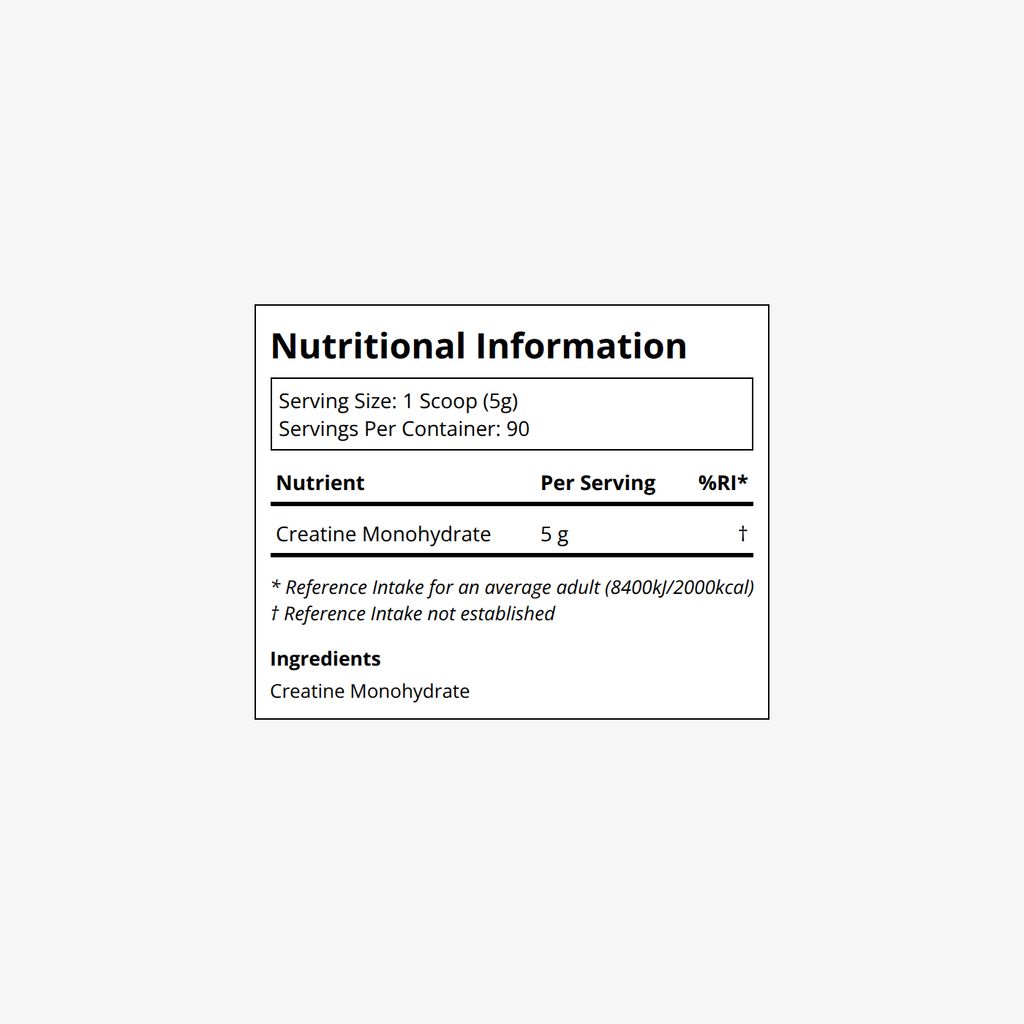
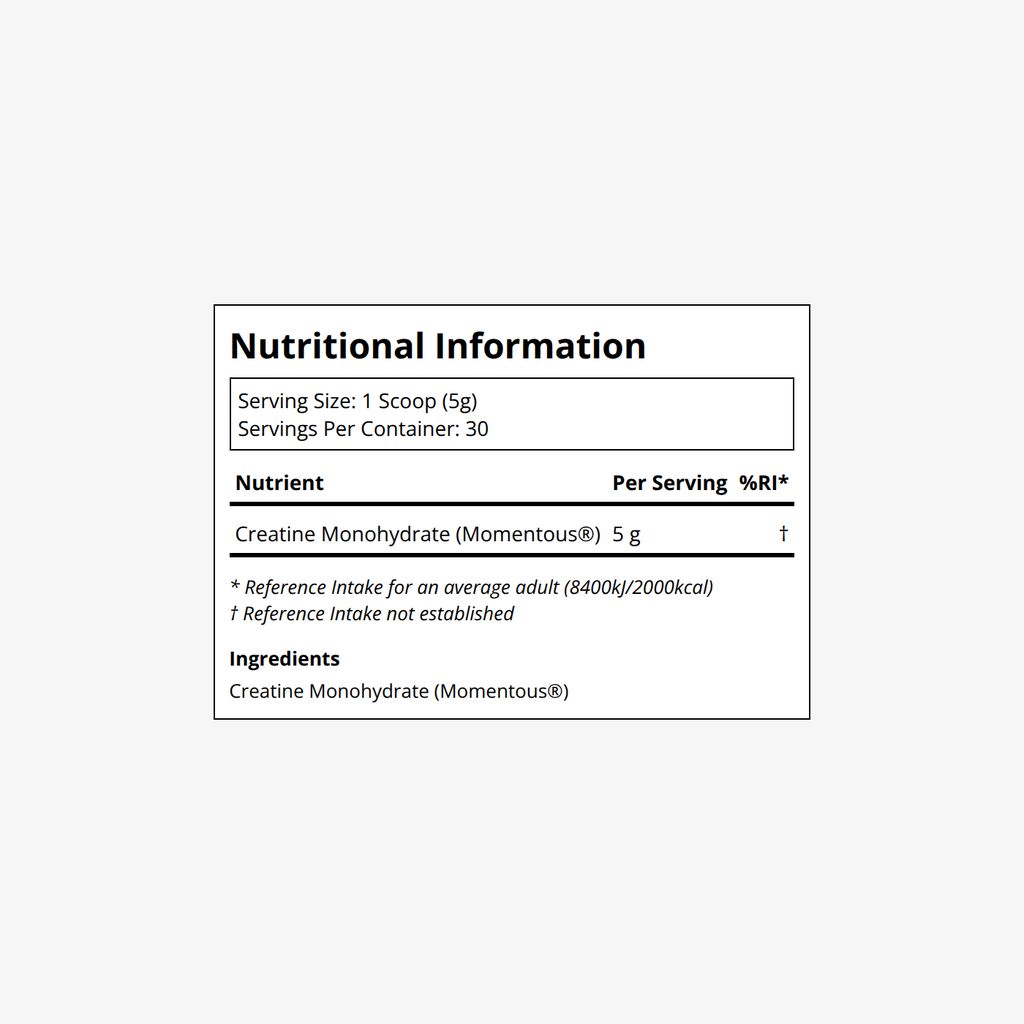
So, how should you actually take creatine and, if so, how much and when? “The general recommendation is to take 5 g creatine monohydrate per day,” says Hill. Creatine dosage for women can vary based on several factors (like fitness level and body weight).
New to creatine? Schultz says to “start with 2.5 g, and see how your body responds. If you don’t have any side effects, eventually you can increase to 5 g.”
You may have heard of a creatine ‘loading phase’, a short period where you consume a higher dose of daily creatine to jumpstart strength training and see faster muscle gains. But Stephens further adds there’s “No need to 'load' unless [you’re] seeking faster results. A loading phase of 20g per day for five to seven days is optional.”
If you haven’t started taking creatine yet, you don’t have to feel like the train has left the station, and you can enjoy its benefits at almost any age. “You can start taking creatine at any time in your adult life. Before 18, it’s best to exercise caution because it hasn’t been studied long term in children,” Brock cautions. “[But the] best time of day is either before or after exercise, as studies show that there’s no significant difference between taking it before versus after.”
Stephens agrees that the time of day you take creatine doesn’t particularly matter, but rather how consistently you take it. “While research suggests that taking creatine after a workout with a meal, particularly one that includes both carbohydrates and protein, may be ideal for absorption, the most important factor is consistency. Creatine can be taken at any time of day as long as it’s taken regularly.”
Best types of creatine for women
There are several forms of creatine on the market, but understanding the differences in each can help you choose the right one.
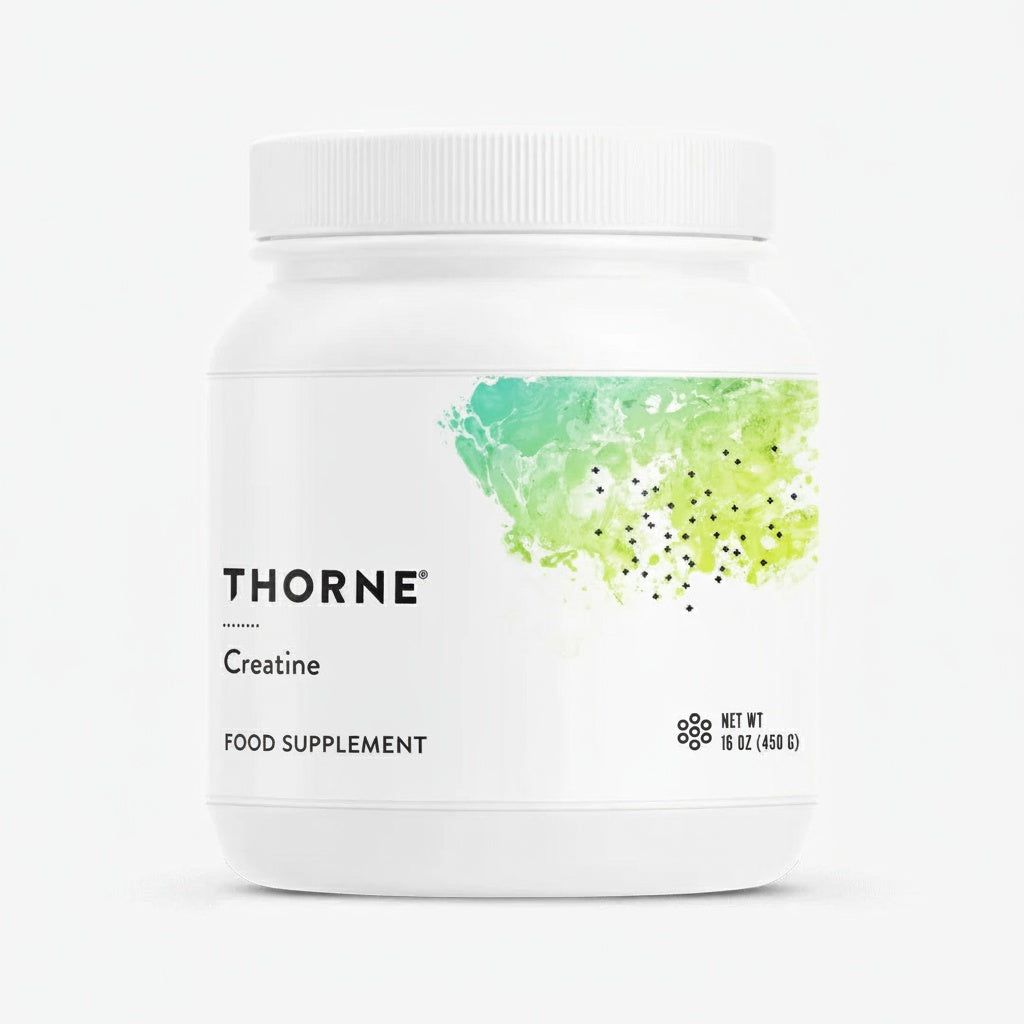
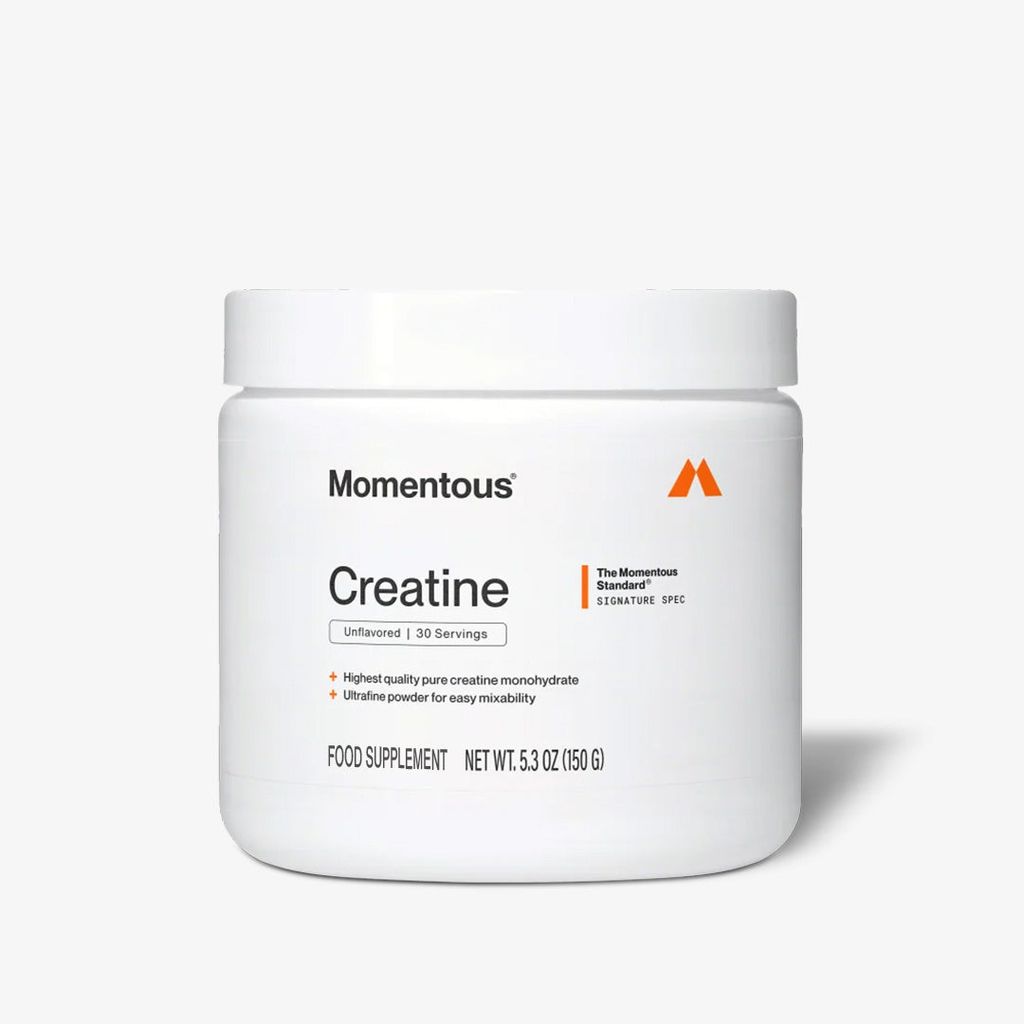
Considered the gold standard when it comes to creatine, creatine monohydrate was used in many of the studies conducted on creatine, showing it to be safe and effective. Stephens, Brock, and Hill all recommend creatine monohydrate, with Hill adding to purchase “from a reputable brand that does third-party testing.”
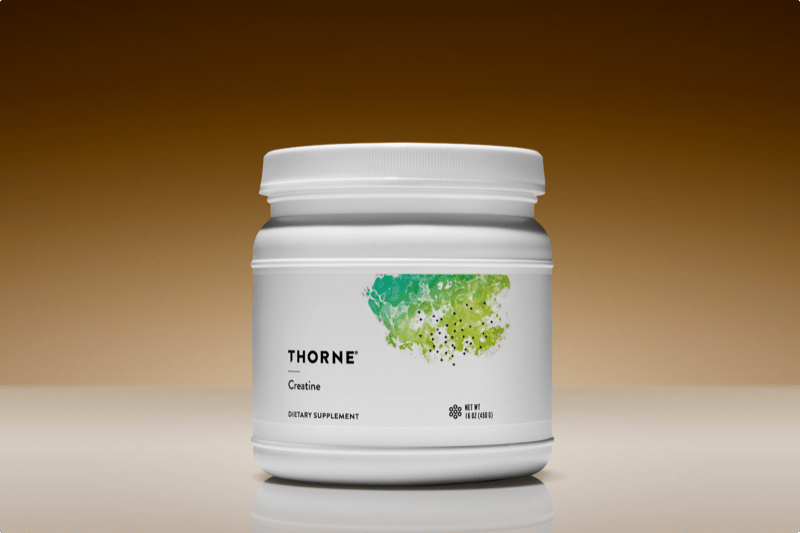
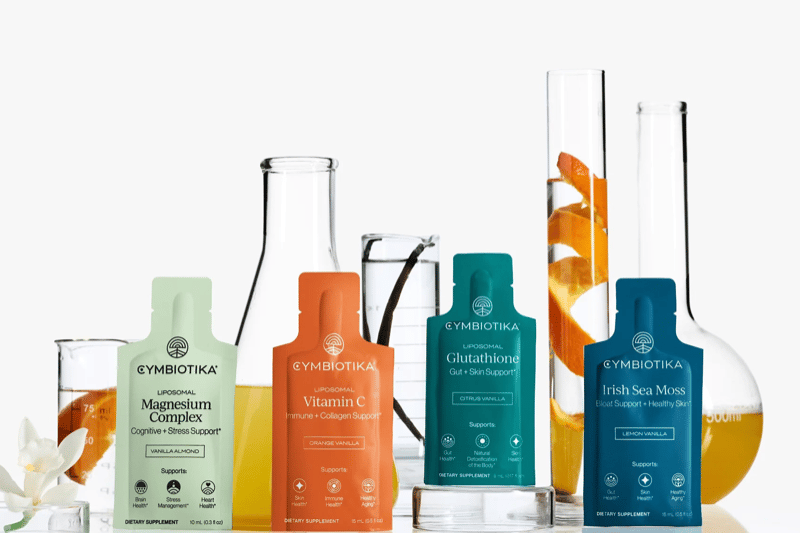
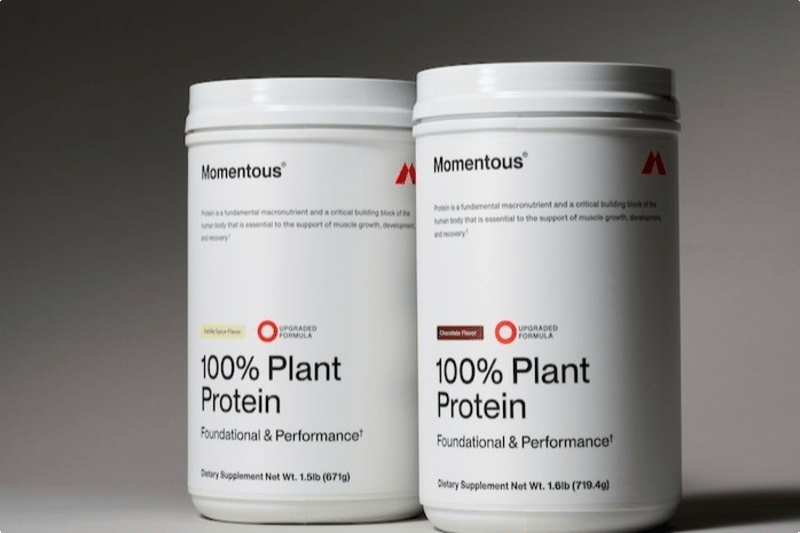
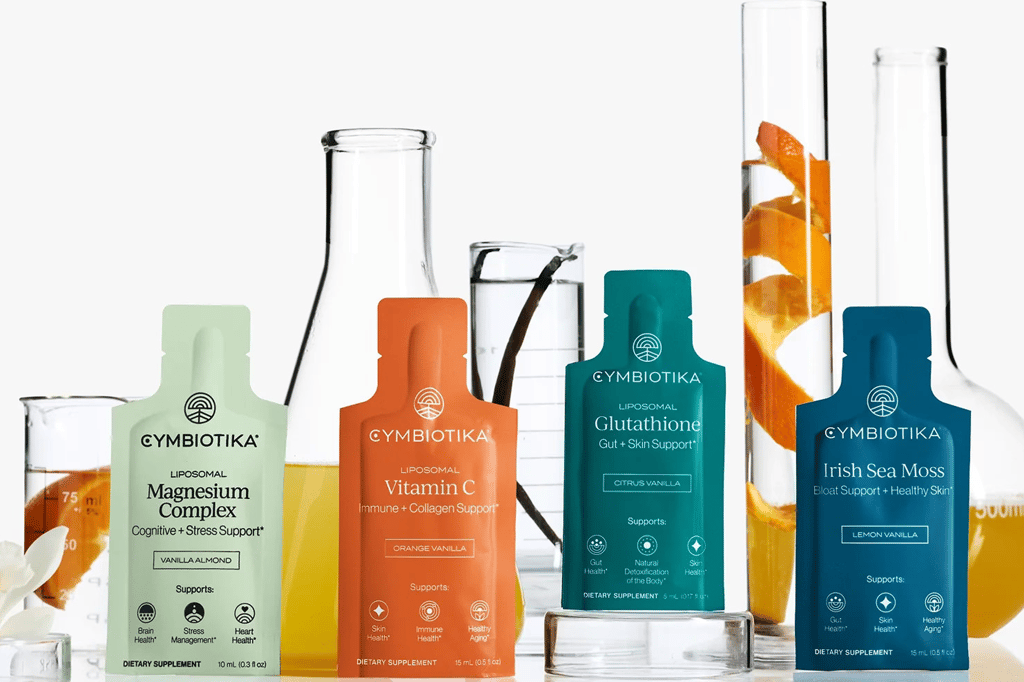
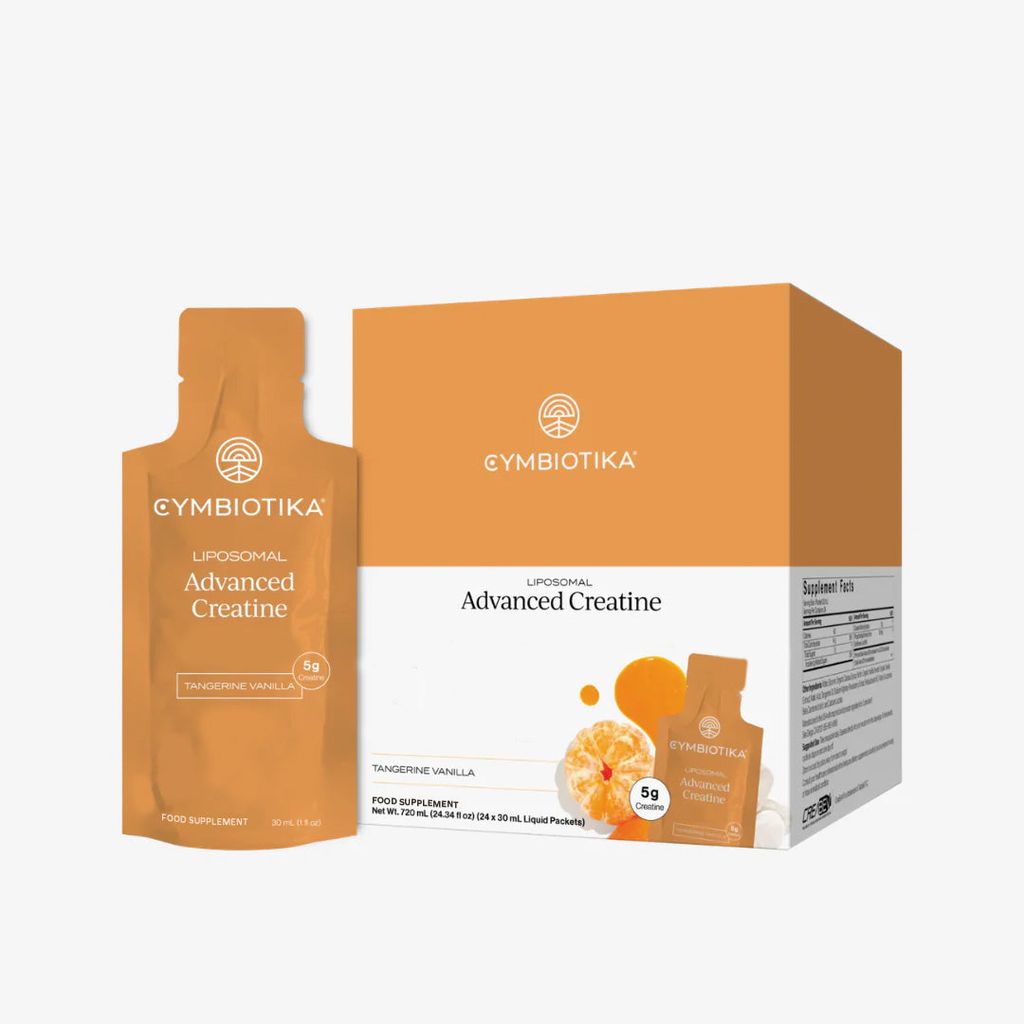
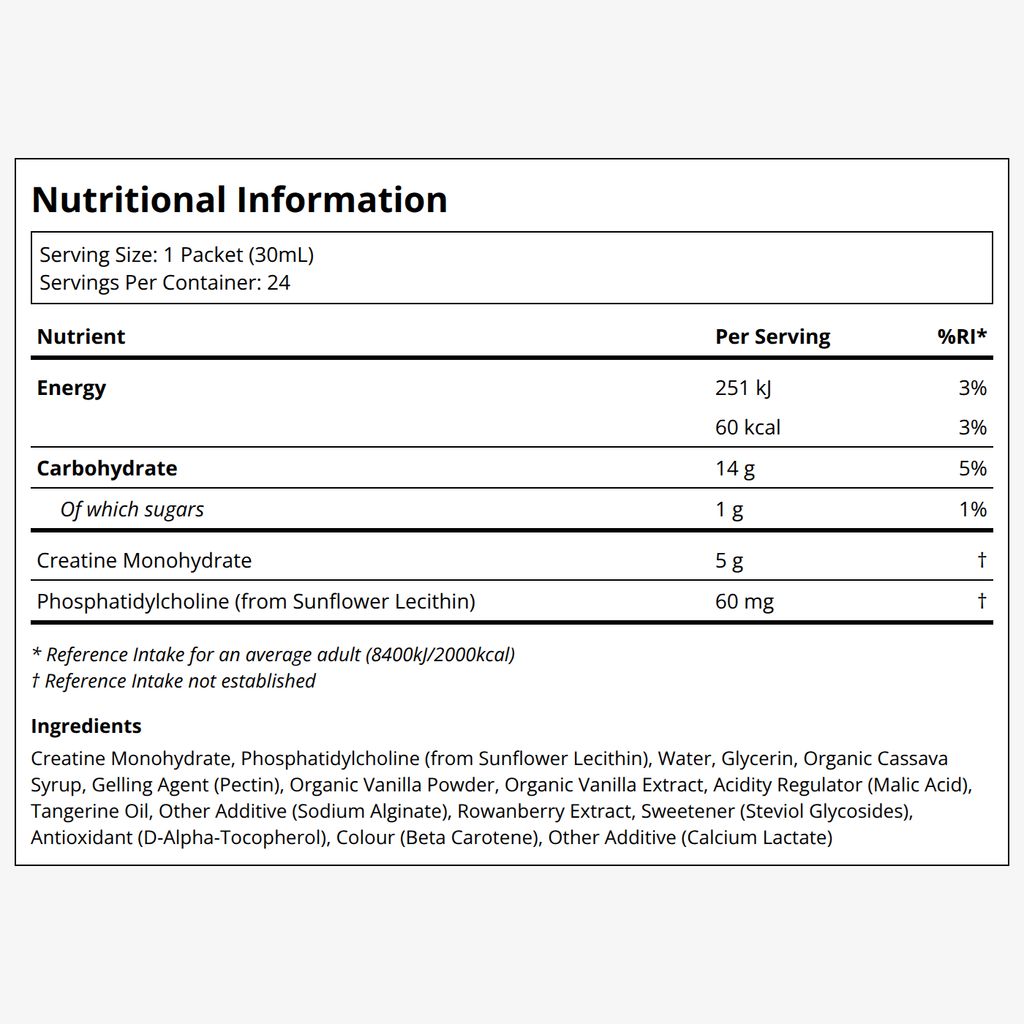
You'll find safe and efficient creatine monohydrate from brands like Cymbiotika, Thorne, Momentous, and Transparent Labs.
Other types of creatine, such as buffered creatine, creatine hydrochloride, and micronised creatine, may be easier on digestion, according to Stephens. “But [they’re] not proven to be more effective,” she adds.
Combining creatine with fitness and nutrition
To get the most out of creatine, incorporate this powerhouse supplement as part of your workout routine, especially when lifting weights or doing HIIT exercises.
Research shows that combining creatine with resistance training or high-intensity workouts increases results and muscle mass, in addition to aiding in muscle repair and less fatigue.
Hydration and nutrition also play an important role. You’ll want to make sure you’re staying properly hydrated while taking creatine, as this supplement works by drawing water into the cells of your muscles to build them.
To get the most out of creatine, how you take it matters — especially when paired with proper nutrition. Stephens recommends taking creatine daily, preferably with a well-balanced meal. “Take it alongside adequate protein and calories to support muscle gains. [Your] energy balance has to be correct in order to experience a benefit.”
The takeaway
Creatine is no longer just associated with strength training or bodybuilding. As one of the most well-studied supplements, there are more pros than cons of taking creatine for females.
- Creatine is a naturally occurring compound made from amino acids that’s stored primarily in our muscles as well as the liver, kidneys, and brain.
- The creatine benefits for women are vast, such as improved workout performance, increased muscle strength, better recovery, improved brain health, increased bone density during aging and menopause, and possibly building lean muscle mass.
- Not only is creatine well-studied, but it's also been proven safe and effective with minimal side effects. Those who are pregnant or have kidney conditions should consult with their physician before using a creatine supplement.
- The general creatine dose for women is 5 g per day, either before or after a workout, and preferably with a balanced meal, although consistency is most important.
FAQ
- Is creatine good for females? Yes, creatine is safe and effective for women, as it's one of the most studied supplements and is considered both safe and effective.
- What are the side effects of creatine for women? Few women have noted side effects while using creatine, with occasional stomach discomfort.
- What should a woman know before taking creatine? If you have a kidney condition or are pregnant or breastfeeding, talk to your doctor before taking creatine. It’s also important to stay hydrated while using creatine and to start with a lower dose of 2.5 g if you’ve never taken it before.
- Can creatine support your weight management goals? While creatine doesn’t directly cause weight loss, combining creatine supplementation with strength training could possibly lead to weight loss as it increases muscle strength as well as builds lean muscle mass.
- What happens when you first start taking creatine as a female? You may notice results from creatine in the first two to four weeks, depending on your dosage. There’s also a possibility of weight gain from water retention or increased muscle mass in the first few weeks of use.



References:
- Kreider, R.B., Kalman, D.S., Antonio, J. et al. International Society of Sports Nutrition position stand: safety and efficacy of creatine supplementation in exercise, sport, and medicine. J Int Soc Sports Nutr 14, 18 (2017). https://jissn.biomedcentral.com/articles/10.1186/s12970-017-0173-z
- Forbes, S. C., Cordingley, D. M., Cornish, S. M., Gualano, B., Roschel, H., Ostojic, S. M., Rawson, E. S., Roy, B. D., Prokopidis, K., Giannos, P., & Candow, D. G. (2022). Effects of Creatine Supplementation on Brain Function and Health. Nutrients, 14(5), 921. https://pmc.ncbi.nlm.nih.gov/articles/PMC8912287/
- Rasmussen, C., Greenwood, M., Kalman, D., & Antonio, J. (2008). Nutritional Supplements for Endurance Athletes. ResearchGate. https://www.researchgate.net/publication/227249571_Nutritional_Supplements_for_Endurance_Athletes
- Dunn J, Grider MH. Physiology, Adenosine Triphosphate. [Updated 2023 Feb 13]. In: StatPearls [Internet]. Treasure Island (FL): StatPearls Publishing; 2025 Jan-. https://www.ncbi.nlm.nih.gov/books/NBK553175/
- Guimarães-Ferreira L. (2014). Role of the phosphocreatine system on energetic homeostasis in skeletal and cardiac muscles. Einstein (Sao Paulo, Brazil), 12(1), 126–131. https://pmc.ncbi.nlm.nih.gov/articles/PMC4898252/
- Aujla RS, Zubair M, Patel R. Creatine Phosphokinase. [Updated 2024 Feb 27]. In: StatPearls [Internet]. Treasure Island (FL): StatPearls Publishing; 2025 Jan-. https://www.ncbi.nlm.nih.gov/books/NBK546624/
- Butts, J., Jacobs, B., & Silvis, M. (2018). Creatine Use in Sports. Sports health, 10(1), 31–34. https://pmc.ncbi.nlm.nih.gov/articles/PMC5753968/
- Wu, S. H., Chen, K. L., Hsu, C., Chen, H. C., Chen, J. Y., Yu, S. Y., & Shiu, Y. J. (2022). Creatine Supplementation for Muscle Growth: A Scoping Review of Randomized Clinical Trials from 2012 to 2021. Nutrients, 14(6), 1255. https://pmc.ncbi.nlm.nih.gov/articles/PMC8949037/
- Burke, D. G., Candow, D. G., Chilibeck, P. D., MacNeil, L. G., Roy, B. D., Tarnopolsky, M. A., & Ziegenfuss, T. (2008). Effect of creatine supplementation and resistance-exercise training on muscle insulin-like growth factor in young adults. International journal of sport nutrition and exercise metabolism, 18(4), 389–398. https://pubmed.ncbi.nlm.nih.gov/18708688/
- Chandler, T. Jeff EdD, FNSCA. Strength and Conditioning Journal: A Key to the Future. Strength and Conditioning Journal 47(3):p 251, June 2025. https://journals.lww.com/nsca-scj/fulltext/2025/06000/strength_and_conditioning_journal__a_key_to_the.1.aspx
- Olsen, S., Aagaard, P., Kadi, F., Tufekovic, G., Verney, J., Olesen, J. L., Suetta, C., & Kjaer, M. (2006). Creatine supplementation augments the increase in satellite cell and myonuclei number in human skeletal muscle induced by strength training. The Journal of physiology, 573(Pt 2), 525–534. https://pmc.ncbi.nlm.nih.gov/articles/PMC1779717/
- Avgerinos, K. I., Spyrou, N., Bougioukas, K. I., & Kapogiannis, D. (2018). Effects of creatine supplementation on cognitive function of healthy individuals: A systematic review of randomized controlled trials. Experimental gerontology, 108, 166–173. https://pmc.ncbi.nlm.nih.gov/articles/PMC6093191/
- Lyoo, I. K., Yoon, S., Kim, T.-S., Hwang, J., Kim, J. E., Won, W., Bae, S., & Renshaw, P. F. (2012). A Randomized, Double-Blind Placebo-Controlled Trial of Oral Creatine Monohydrate Augmentation for Enhanced Response to a Selective Serotonin Reuptake Inhibitor in Women With Major Depressive Disorder. American Journal of Psychiatry, 169(9), 937-945. https://psychiatryonline.org/doi/full/10.1176/appi.ajp.2012.12010009
- Allen P. J. (2012). Creatine metabolism and psychiatric disorders: Does creatine supplementation have therapeutic value?. Neuroscience and biobehavioral reviews, 36(5), 1442–1462. https://pmc.ncbi.nlm.nih.gov/articles/PMC3340488/
- Smith-Ryan, A. E., Cabre, H. E., Eckerson, J. M., & Candow, D. G. (2021). Creatine Supplementation in Women's Health: A Lifespan Perspective. Nutrients, 13(3), 877. https://pmc.ncbi.nlm.nih.gov/articles/PMC7998865/
- Cribb, P.J.; Hayes, A. Effects of Supplement Timing and Resistance Exercise on Skeletal Muscle Hypertrophy. Medicine & Science in Sports & Exercise 38(11):p 1918-1925, November 2006. https://journals.lww.com/acsm-msse/fulltext/2006/11000/effects_of_supplement_timing_and_resistance.6.aspx
- Buford, T.W., Kreider, R.B., Stout, J.R. et al. International Society of Sports Nutrition position stand: creatine supplementation and exercise. J Int Soc Sports Nutr 4, 6 (2007). https://jissn.biomedcentral.com/articles/10.1186/1550-2783-4-6
- Dickinson, H., Ellery, S., Ireland, Z., LaRosa, D., Snow, R., & Walker, D. W. (2014). Creatine supplementation during pregnancy: summary of experimental studies suggesting a treatment to improve fetal and neonatal morbidity and reduce mortality in high-risk human pregnancy. BMC pregnancy and childbirth, 14, 150. https://pmc.ncbi.nlm.nih.gov/articles/PMC4007139/
- Poortmans, J. R., & Francaux, M. (2000). Adverse effects of creatine supplementation: fact or fiction?. Sports medicine (Auckland, N.Z.), 30(3), 155–170. https://pubmed.ncbi.nlm.nih.gov/10999421/
- Antonio, J., Candow, D. G., Forbes, S. C., Gualano, B., Jagim, A. R., Kreider, R. B., Rawson, E. S., Smith-Ryan, A. E., VanDusseldorp, T. A., Willoughby, D. S., & Ziegenfuss, T. N. (2021). Common questions and misconceptions about creatine supplementation: what does the scientific evidence really show?. Journal of the International Society of Sports Nutrition, 18(1), 13. https://pmc.ncbi.nlm.nih.gov/articles/PMC7871530/
- Is the Creatine Loading Phase Worth It? (2024, November 5). Cleveland Clinic Health Essentials. https://health.clevelandclinic.org/creatine-loading-phase
- Kaviani, M., Abassi, A., & Chilibeck, P. D. (2019). Creatine monohydrate supplementation during eight weeks of progressive resistance training increases strength in as little as two weeks without reducing markers of muscle damage. The Journal of sports medicine and physical fitness, 59(4), 608–612. https://pubmed.ncbi.nlm.nih.gov/29722252/
This article is for informational purposes only, even if and regardless of whether it features the advice of physicians and medical practitioners. This article is not, nor is it intended to be, a substitute for professional medical advice, diagnosis, or treatment and should never be relied upon for specific medical advice. The views expressed in this article are the views of the expert and do not necessarily represent the views of Healf
Rachel Sacks is a freelance writer and copywriter with over 10 years of experience writing about health and wellness, e-commerce, and lifestyle topics. She’s blended research, storytelling, and strategy for various brands and digital publications.
Her work has appeared in places like Healthline, Hims & Hers, Business Insider, Ro, Maximus, SheKnows, and Elite Daily. Her work includes feature and editorial writing, copywriting, and content marketing.
Rachel graduated from Miami University in Oxford, Ohio, with a Bachelor of Arts in Journalism and a Bachelor of Fine Arts in Art and Architecture History.