






_2026-10-13_14-11-48.png)


Creatine: Benefits, Side Effects And User Guide
What is it? Is it safe? Does it actually work? Can it cause hair loss?

Written by: Samantha Nice
Written on: 2 December 2024
What is it? Is it safe? Does it actually work? Can it cause hair loss? Your questions, answered.
Whether you're scrolling fitness TikTok or browsing supplement aisles, one word keeps popping up: creatine . With over 100,000 monthly searches in the UK alone, it's clear this compound is more than just a buzzword - it’s a hot topic in both gym culture and mainstream wellness. But what is creatine , really? From claims of improved strength and faster recovery to concerns about side effects and hair loss , there’s a flood of opinions and not enough clarity. Here we break down the benefits of creatine , how and when to take it and what science really says…
What is creatine?
Creatine is a naturally occurring compound made up of three amino acids - glycine, methionine and arginine. It’s best known for its role in energy production within cells, especially during high-intensity workouts or sports. Typically associated with bodybuilders and athletes, it’s becoming increasingly more popular for anyone looking to boost physical performance, mental clarity and cognitive function. Whether you’re trying to power through a workout or stay sharp throughout the day, creatine is fast becoming a go-to supplement for fitness enthusiasts and those seeking mental enhancement.
What are the benefits of creatine?
Creatine is a science-backed supplement with benefits that go way beyond just muscle gains, whether you’re smashing a hard session, tackling a mentally demanding day, or thinking longevity, creatine has earned its place in every daily routine. Here's why…
Boosts Muscle Strength & Power
Looking to lift heavier, run faster, or just feel stronger day-to-day? Creatine works by helping your body regenerate ATP - your muscles’ main energy source during high-intensity exercise. That means more explosive power, better endurance and visible results. This 2024 review confirms creatine’s reliable impact on muscle growth and strength gains across age groups and fitness levels ( Candow & Moriarty, 2024 ).
Speeds Up Recovery
Say goodbye to excessive DOMS. Creatine helps reduce muscle damage and inflammation, which can lead to faster recovery post-workout. Whether you're lifting or sprinting, you’ll be ready to go again sooner which is ideal for anyone chasing consistency and progress. This 2023 study backs this up, showing that creatine promotes better muscle repair and reduces post-exercise soreness ( Stock et al 2023 ).
Supports Brain & Cognitive Function
Creatine also fuels your brain too. Research shows it can enhance short-term memory, mental clarity and decision-making, especially when you’re low on sleep or under pressure. This 2023 study found measurable improvements in cognitive tasks after taking it ( Sandkühler et al., 2023 ).
Protects Muscle & Bone As You Age
Muscle really is the currency of longevity . As we age, we naturally lose muscle mass, but creatine can help fight back. Research shows that older adults who supplement with creatine maintain more strength, function and even bone density making it a smart move for aging well and staying active long-term ( Rawson & Venezia, 2011 ).
Regulate And Improve Your Mood
Feeling low, foggy or just not quite yourself? Creatine could also help here. Another non-physical perk, creatine has emerging benefits for mental wellbeing too. Recent research suggests that creatine may support emotional resilience and even act as an adjunct to traditional treatments for depression. This 2024 review found that it enhanced brain energy metabolism, which plays a role in mood stability and could be especially helpful for those with treatment-resistant depression ( Park et al., 2024 ). Creatine's ability to boost brain energy availability (ATP) may help regulate the same neurotransmitter systems targeted by antidepressants… all without the side effects commonly linked with medication.
What are the side effects of creatine?
If you’ve found yourself Googling ‘Is creatine bad for you?’, you’re not alone. It’s one of the most searched supplement-related questions in 2024. Despite its rising popularity, creatine still carries a bit of baggage - mainly myths and misunderstandings. Creatine is one of the most extensively studied supplements in the world, with decades of clinical research behind it. For those taking recommended doses (3–5g daily after the loading phase), it is considered safe. According to the International Society of Sports Nutrition , long-term creatine use has no adverse effects on kidney or liver function.
But what about the side effects ? Here’s what people are most concerned about and what the evidence actually says…
Water retention and bloating: Creatine pulls water into your muscle cells, which may lead to a slight increase in weight or mild bloating for some. This usually levels out after the first week or so.
Stomach discomfort: Taking too much at once (especially during the loading phase) can cause cramping or an upset stomach. Spread out doses with meals and hydrate well to avoid this.
Breakouts: Some takers report acne flare-ups, but there’s no scientific evidence linking creatine directly to skin issues.
Kidney concerns: This one keeps resurfacing, but multiple peer-reviewed studies have shown no harm to kidney function in people without pre-existing kidney issues.
Does creatine cause hair loss?
Claims are blowing up on social media right now that creatine is causing bald spots and thinning hair are flooding Instagram and TikTok but like with most things, it’s mostly fuelled by half-truths and misunderstandings making it tough to separate fact from fiction.
There is in fact no solid scientific evidence proving creatine causes hair loss. The concern mainly stemmed from this 2009 study that found that creatine supplementation increased DHT (dihydrotestosterone) levels - an androgen hormone linked to hair thinning in genetically predisposed individuals. However, the study didn’t actually measure hair loss, just DHT levels.
A 2022 review published in the Journal of the International Society of Sports Nutrition confirmed that no clinical studies have shown that creatine leads to hair loss. So while some may experience hair thinning due to individual factors like genetics, creatine itself hasn’t been scientifically proven to cause hair loss.
How much creatine should you take per day?
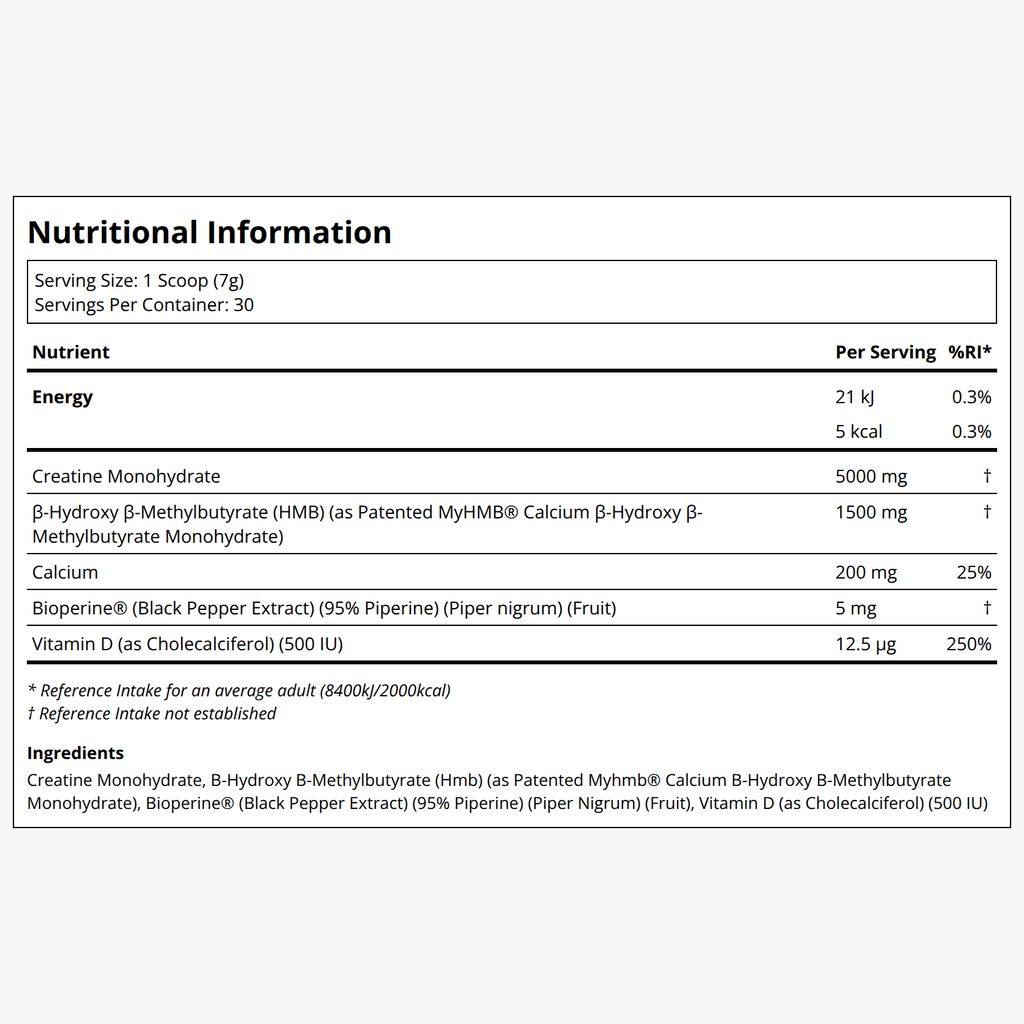
It’s generally advised to start with a loading phase for the first 5-7 days to quickly saturate your muscles and feel the benefits faster.
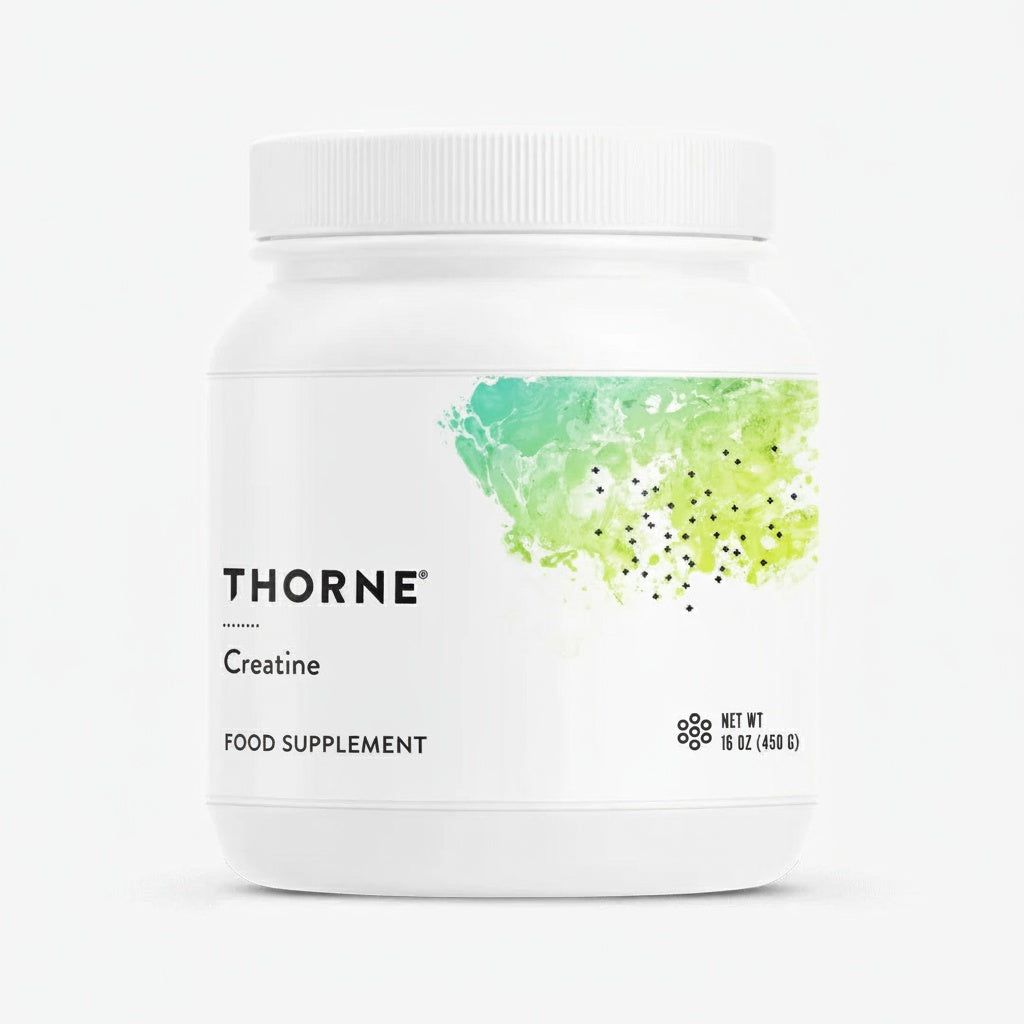
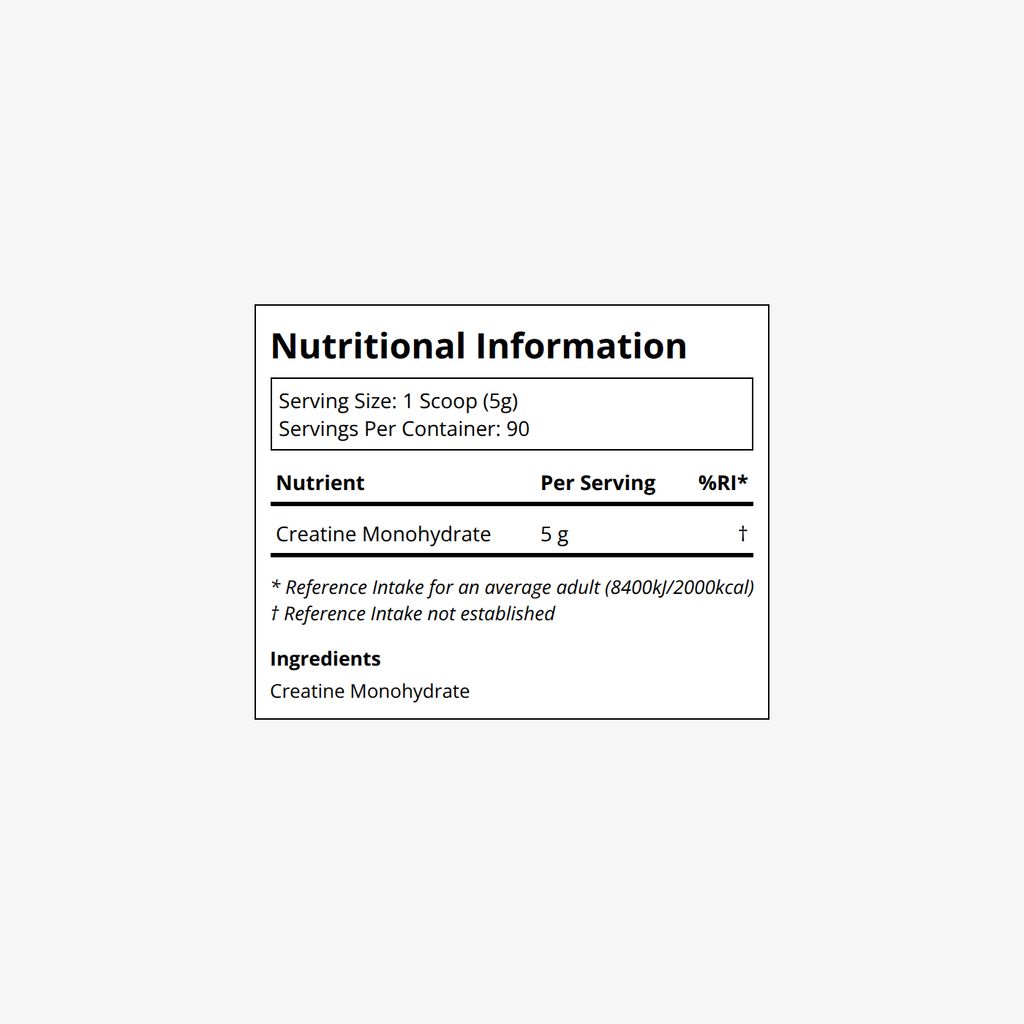
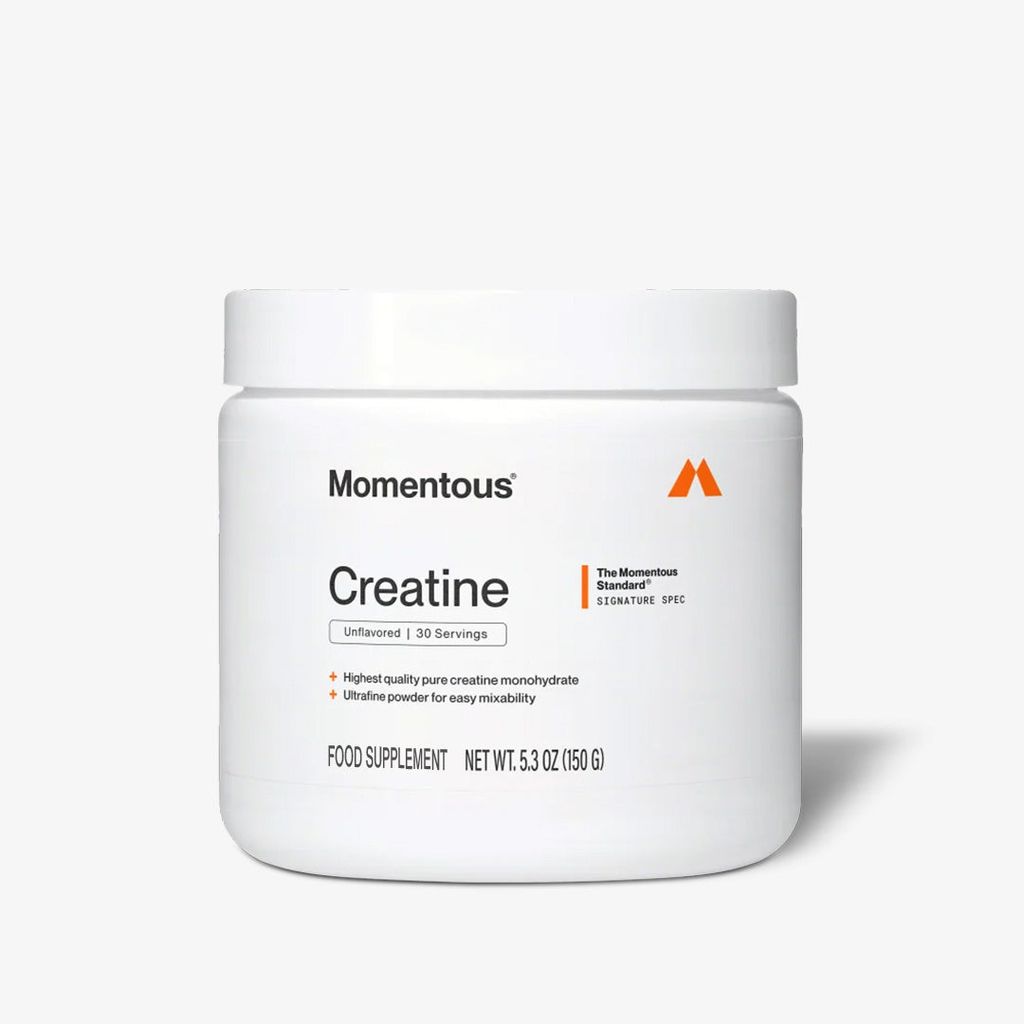
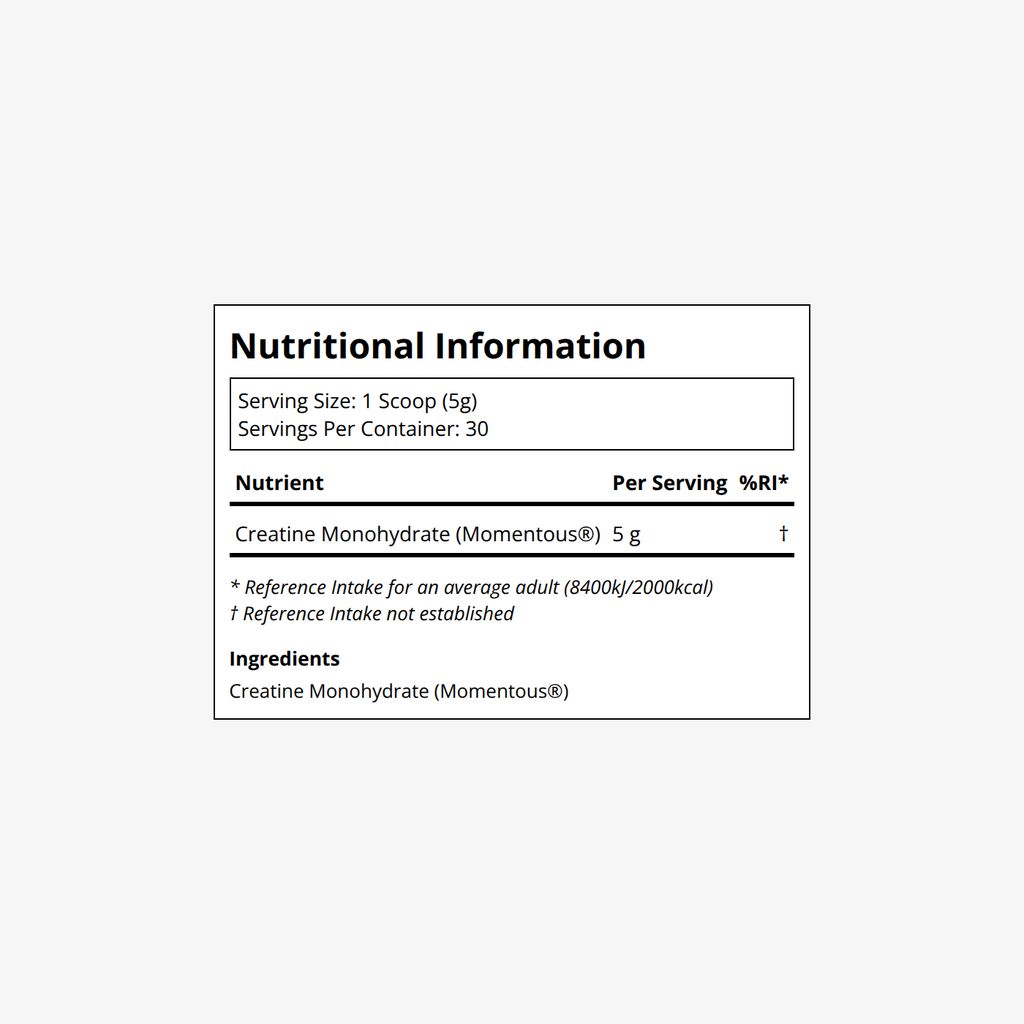
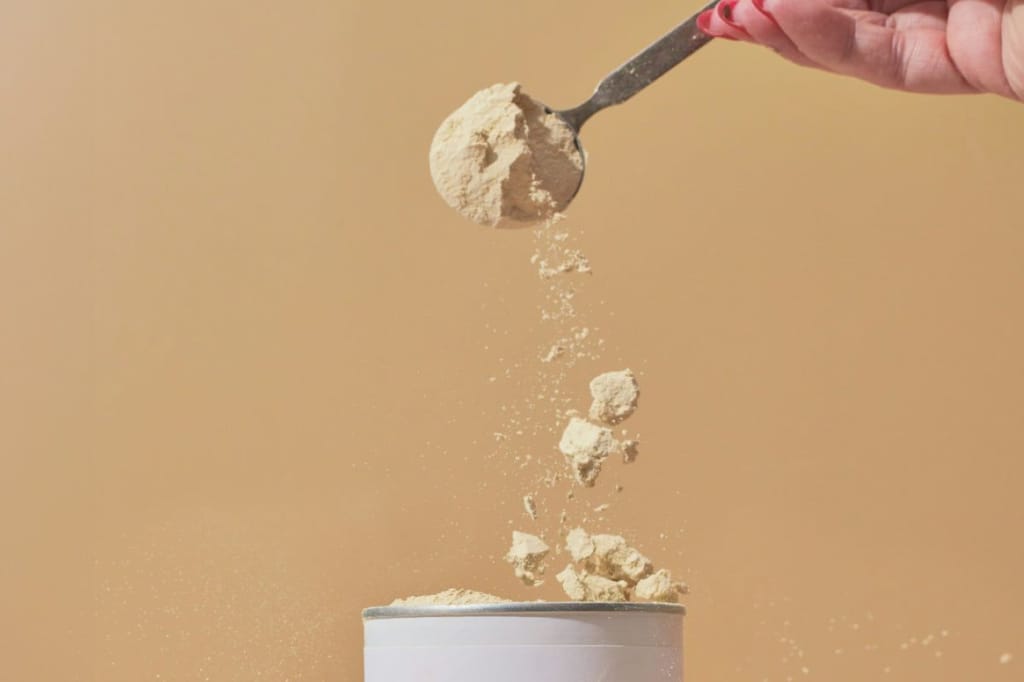
After this, a daily maintenance dose of around 3-5g is the gold standard. Unsure or want to ease into it? Skip the loading phase and start with a steady 3g per day. It takes a little longer to reach full saturation, but it’s just as effective over time and can be easier on the gut, especially if you’re prone to bloating.
For best absorption, take creatine with a meal rich in carbs and protein, and don’t forget to stay hydrated. Creatine draws water into your muscles, so drinking plenty of water can also help avoid cramps or discomfort.

When is the best time to take creatine?
If you’re wondering whether to take creatine before or after your workout, it depends since there are benefits to both. Taking creatine before can help support energy production, whilst after can help with recovery and repair. For the best of both worlds, try splitting your dose and taking half before and half after. It’s a smart and flexible approach that keeps your creatine levels topped up when your body needs it most.
Sandkühler, J. F., et al. (2023). "The effects of creatine supplementation on cognitive performance—a randomised controlled study." BMC Medicine, 21(440). https://bmcmedicine.biomedcentral.com/articles/10.1186/s12916-023-03146-5
Xu, C., et al. (2024). "The effects of creatine supplementation on cognitive function in adults: a systematic review and meta-analysis." Frontiers in Nutrition, 11. https://www.frontiersin.org/journals/nutrition/articles/10.3389/fnut.2024.1424972/full
Candow, D. G., & Moriarty, T. (2024). "Effects of Creatine Monohydrate Supplementation on Muscle, Bone, and Brain in Aging Adults." Current Osteoporosis Reports, 22(4), 277–285. https://link.springer.com/article/10.1007/s11914-024-00895-x
Stock, M. S., et al. (2023). "“Heads Up” for Creatine Supplementation and its Potential Influence on Brain Function in Health and Disease." Sports Medicine, 53(5), 1045–1060. https://link.springer.com/article/10.1007/s40279-023-01870-9
Prokopidis, K., et al. (2023). "Effects of creatine supplementation on memory in healthy individuals: a systematic review and meta-analysis of randomized controlled trials." Nutrition Reviews, 81(4), 416–428. https://academic.oup.com/nutritionreviews/article/81/4/416/6671817
Rawson, E. S., & Venezia, A. C. (2011). "Use of creatine in the elderly and evidence for effects on cognitive function in young and old." Amino Acids, 40(5), 1349–1362. https://link.springer.com/article/10.1007/s00726-011-0855-9
Avgerinos, K. I., et al. (2018). "Effects of creatine supplementation on cognitive function of healthy individuals: A systematic review of randomized controlled trials." Experimental Gerontology, 108, 166–173. https://www.sciencedirect.com/science/article/pii/S0531556518302030
McMorris, T., et al. (2023). "Creatine supplementation research fails to support the theoretical basis for an effect on cognition: Evidence from a systematic review." Behavioural Brain Research, 437, 114149. https://www.sciencedirect.com/science/article/pii/S0166432823000730
Kley, R. A., et al. (2013). "Creatine for treating muscle disorders." Cochrane Database of Systematic Reviews, (6), CD004760. https://www.cochranelibrary.com/cdsr/doi/10.1002/14651858.CD004760.pub4/full
This article is for informational purposes only, even if and regardless of whether it features the advice of physicians and medical practitioners. This article is not, nor is it intended to be, a substitute for professional medical advice, diagnosis, or treatment and should never be relied upon for specific medical advice. The views expressed in this article are the views of the expert and do not necessarily represent the views of Healf
Samantha Nice is a seasoned wellness writer with over a decade of experience crafting content for a diverse range of global brands. A passionate advocate for holistic wellbeing, she brings a particular focus to supplements, women’s health, strength training, and running. Samantha is a proud member of the Healf editorial team, where she merges her love for storytelling with industry insights and science-backed evidence.
An avid WHOOP wearer, keen runner (with a sub 1:30 half marathon) hot yoga enthusiast and regular gym goer, Samantha lives and breathes the wellness lifestyle she writes about. With a solid black book of trusted contacts (including some of the industry’s leading experts) she’s committed to creating accessible, well-informed content that empowers and inspires Healf readers.