

































_2026-10-13_14-11-48.png)


Calories In - Calories Out: Have We Been Lied To This Whole Time?

Written by: Pippa Thackeray
Written on: 11 September 2025
Why “eat less, move more” is misleading.
Have we been lied to about exercise? Calories in, calories out, and all the old mantras oversimplify weight loss. Here’s why the truth of our intricate biology is far more complex.
How the formula is still hanging on
For decades, weight loss has been sold to the general public as a simple maths problem: burn more energy than you consume, and the excess weight falls away.
That kind of certainty is pleasing to most. Possibly because it makes dieting feel like something you can just open your phone to measure in an app or map ahead of time with neat graphs. So simple, right?
Indeed, ask most of those who have tried it, they’ll say that for a while it did work, or appear to work.
But the reason for this could be that the timings of the counting usually correlate with people initiating a calorie restriction routine and also hitting the gym. Time passes, and what happens then is a bit more frustrating. Progress slows and then hunger and appetite creep up. It’s the body’s way of saying “Why have we changed this?”.
Old habits return. And goals get derailed.
It’s important to note, however, that this truly isn’t a failure of willpower. In most cases, it is a failure of the formula itself.
Why “eat less, move more” is too simple
Calorie calculators and food-tracking apps give the impression of precision. It’s about the thrill of getting access to your stats.
You fill in your details, get a number recommended to you, and proceed to follow it in good faith.
Calorie counting isn’t the most accurate way of predicting outcomes
The reality is perhaps a little messier:
Calorie calculators are built on averages, not individual realities. Population-level averages, not individual metabolism, are used, even in so-called ‘refined’ formulas. Take Mifflin–St Jeor, for example, which can leave about 26% of metabolic variability unexplained. The NHS qualify average calorie recommendations, acknowledging individual differences, while researchers emphasize calorie labels and formula-based estimates don’t reflect personal absorption or metabolic handling.
Labels on packaged food can be off by as much as 20%, according to an Australian study. Calories on UK food labels are not misleading but have their limitations and variations, including a legal 20% error margin, which can make them inaccurate for precise tracking, especially for processed foods whereby cooking can alter calorie content.
Studies show that calorie labels in dining settings make only minimal impact. It would appear many people don’t care about calories. A Cochrane review reported in The Guardian found that labelling reduced calories selected by around 1.8%, which is the equivalent of about 11 kilocalories per meal. In England, only about one third of customers noticed the labels, and only a fifth of those changed their decisions, with no significant reduction in overall calorie consumption according to Nature Human Behaviour and summarised by The Times. In controlled simulations, some reductions were observed, ranging from about 19 to 54 kilocalories, although these effects varied depending on the type of outlet, as shown in a study published in the International Journal of Behavioral Nutrition and Physical Activity.
So, if the numbers are unreliable, or even inaccessible from the start, how can the maths ever add up to actionable advice?
Not all calories are the same
Treating a calorie from whole food the same as a junk food (less nutritionally dense food) is a bit like saying water and wine are both drinks, and therefore have exactly the same effect on the body, which of course they don’t.
Let’s take a slice of pizza (usually considered junk food) versus a handful of nuts (a whole food) for example:
It’s thought that over 20% of the energy in nuts isn’t even absorbed. A controlled trial found that a 28-gram serving of walnuts provided 146 kilocalories of usable energy, not the 185 kilocalories listed on labels. In effect, about 21% of the calories were never absorbed, as some fat remained trapped within the nut’s fibrous structure.
Nuts also deliver fibre that keeps you satisfied longer. Beyond their healthy fats and protein, nuts are rich in fibre, which slows digestion and helps regulate blood sugar. Studies show they also influence satiety hormones such as ghrelin and GLP-1, helping to reduce hunger and prolong fullness.
Pizza, by contrast, is digested fast and leaves you wanting more. Made from refined flour with little fibre, pizza is rapidly broken down into glucose. This quick spike in blood sugar is often followed by a dip, triggering renewed hunger. Studies link high-glycaemic foods like white bread or pizza bases to greater appetite and overeating.
The type of food you eat affects your hormones, hunger cues, and even how much energy your body burns just by digesting.
The body fights back
When you cut calories, your body doesn’t always just accept it. Evolutionarily speaking, it reacts as if food scarcity is a threat.
Metabolism slows down, beyond what’s expected just from losing weight. Studies show that when you cut calories, your metabolism doesn’t simply shrink in proportion to weight loss, it can slow by an extra 5 to 15% below predicted levels, a survival mechanism rooted in evolution.
Hormone levels can change. As such, feelings of fullness can be reduced, making food cravings stronger.
Brain activity in the hypothalamus changes. This can cause an effect that weakens control over positive (healthy) food choices.
It can be frustrating, but this is your body’s ancient survival system at work. And although food scarcity is rare in today’s world, the mechanism still functions as if it were protecting you from famine.
The problem of set point weight
Evidence suggests each of us has a genetically influenced “set point” weight range. Your body will try to defend that weight even when you push it down. Hormones and brain signals work to conserve fat stores, preparing for the possibility of future restriction.
This means that you may lose weight short term, but over time your body pulls you back towards its preferred range.
However, this set point is not entirely fixed. There are factors such as ageing, health conditions, and lifestyle changes, including diet and exercise, which can alter it over time.
When calorie counting becomes a real chore
Beyond the battles of understanding complex biology, calorie counting can be destructive, in that it may start to corrode your relationship with food.
It all becomes a chore when:
Meals become numbers instead of nourishment.
Eating out turns into a maths equation.
Pleasure could be replaced by anxiety.
For many, this approach spirals. And, rather than the freedom and fluidity one may have set out to achieve with this apparently ‘simple’ tip, it creates another form of stress.
Who is affected by this?
In the United States, studies suggest that as many as 80% of girls have tried dieting by the age of ten. Neuroscientist Sandra Aamodt has spoken openly about her own experience to highlight why restrictive eating so often backfires.
Drawing on neuroscience, she explains that dieting rarely works long term and can even cause harm, while intuitive eating offers a healthier way to live without constant obsession over food.
So what’s actually meaningful when it comes to metabolism?
Sydney researchers point towards the fact that long-term success depends on habits that nourish both body and mind.
Here’s where to place your attention:
Focusing on diet quality
Swap number crunching for nutrient-dense foods that naturally regulate appetite and energy. Whole foods rich in protein, fibre, and healthy fats keep you fuller for longer.
Prioritising sleep and stress management
Poor sleep and chronic stress raise cortisol, a hormone linked with fat storage. Getting consistent rest and finding ways to ease daily pressure is just as important as what’s on your plate.
Exercising for health, not just weight
Exercise may not burn off enough calories alone to drive significant fat loss, but that doesn’t make it pointless. Its real power lies in reducing inflammation, protecting mental wellbeing, and improving metabolic health. Move for the way it makes you feel, not just for the numbers on your smartwatch.
Building sustainable habits
Quick fixes don’t last because your body is designed to resist them. Gradual changes, built into daily life, stand the test of time. This might mean adjusting portion sizes, cooking more often at home, or setting a consistent bedtime.
5 simple ways to reset your approach to weight management
With small changes you can healthily support your goals long-term:
Eat more protein and fibre: Helps regulate appetite naturally and reduces the urge to snack.
Choose whole over processed foods: The body digests and uses them differently, leading to more stable energy.
Sleep like it matters: Aim for consistent rest to keep hunger hormones balanced.
Move with purpose: Walk daily, lift weights, or stretch, but do it for health, not just the calorie burn.
Hydrate first: Thirst is often mistaken for hunger; keeping water close helps cut unnecessary snacking.
To support these goals, try:
Hunter & Gather Collagen Peptides: an easy way to add extra protein for satiety and recovery.
Four Sigmatic Mushroom Coffee: for a smarter caffeine choice that supports focus without the crash.
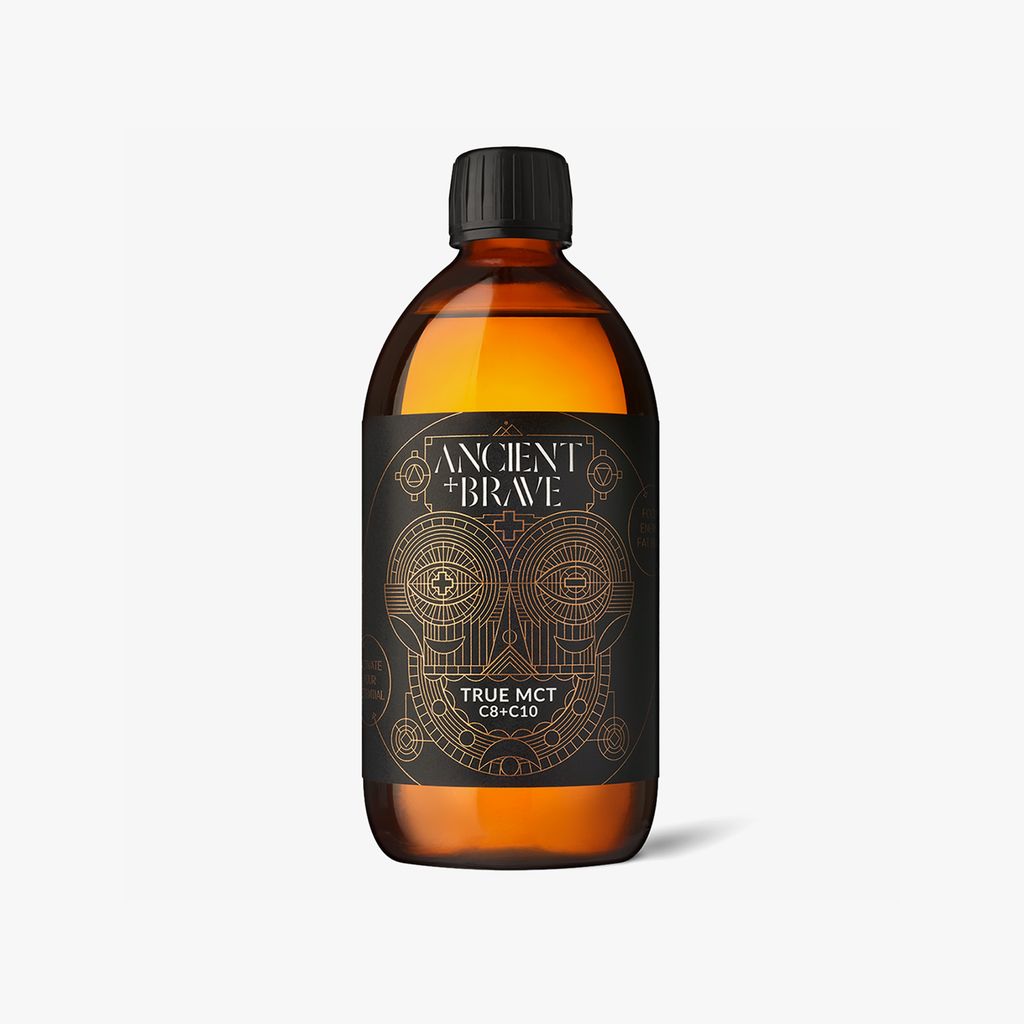
Ancient + Brave True MCT Oil: this fat source sustains energy during busy days.
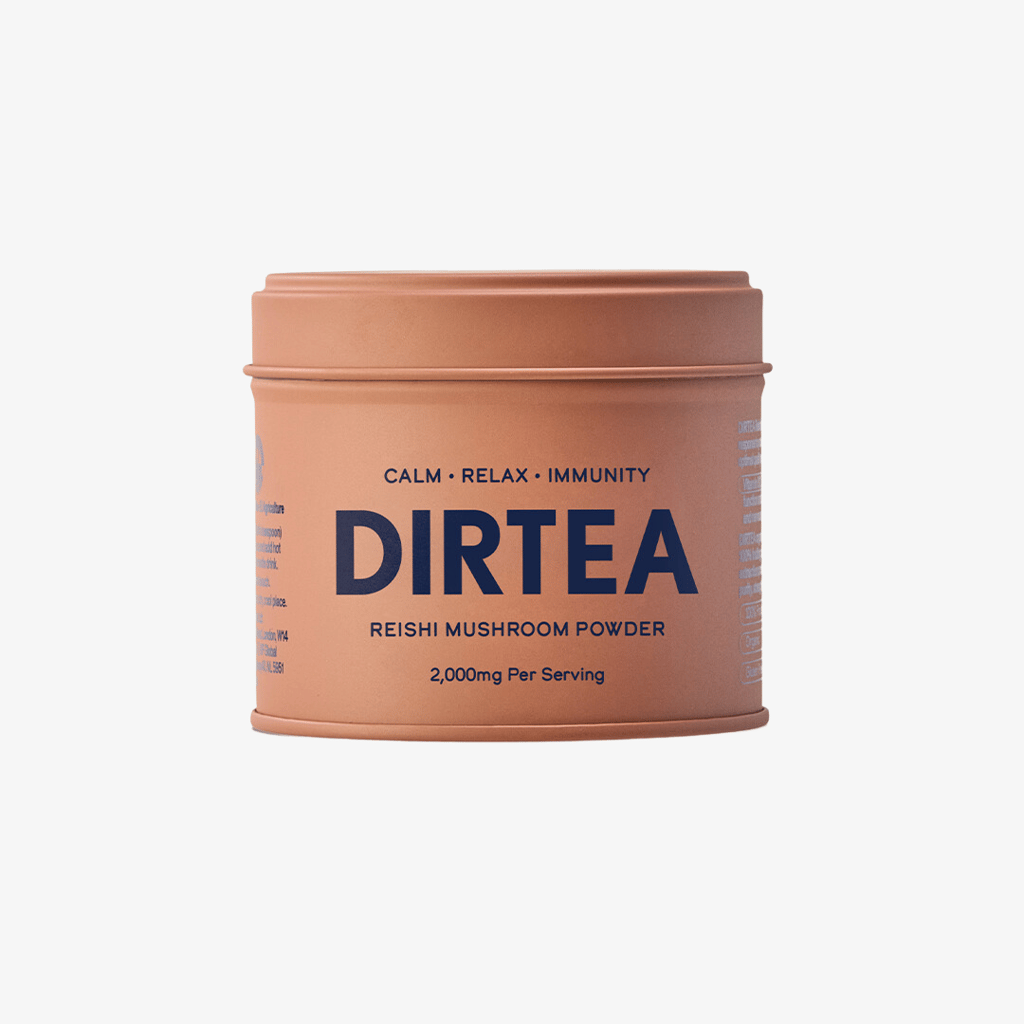
DIRTEA Reishi Mushroom Powder: a calming evening ritual that helps prepare for better sleep.


What to remember
The message is clear: the old “eat less, move more” mantra, however memorable it is, in reality oversimplifies human biology.
Calories matter, but they aren’t the whole story. What you eat, how your body reacts, and the habits you build around food, sleep, and movement shape your long-term health far more than chasing deficits in an app.
The myth endures, maybe because it feels pretty easy to understand. But the body doesn’t work like a car engine does. It’s more intricate, more individual.
Perhaps, therefore, the real challenge (or opportunity) lies in working with your body’s biology rather than against it.
Shop MOVE and EAT at Healf
Explore smarter choices that go beyond calorie counting. Nutrient-rich foods, functional supplements, and everyday essentials designed to support satiety, energy, and balance in the long-term.
Does exercise alone lead to lasting weight loss?
Not usually. While exercise improves cardiovascular health, mood, and stress resilience, studies show it rarely produces significant weight loss on its own.
The body often compensates by increasing appetite or conserving energy elsewhere. That doesn’t make it pointless. It simply means movement should be valued for what it gives you beyond the scales: better metabolic health, improved strength, and sharper mental clarity.
Why is calorie counting unreliable?
Counting calories feels precise but the numbers are riddled with margins of error. Food labels can legally be 20% off, and calorie calculators are built on averages that don’t reflect individual metabolism.
On top of that, cooking methods and how your body absorbs nutrients can drastically alter what you actually take in.
Are all calories equal?
No. The body doesn’t process a slice of pizza the same way it does a handful of nuts. Around 20 percent of nut calories aren’t absorbed at all, while pizza is digested rapidly, spikes blood sugar, and leads to rebound hunger. Diet quality matters more than the maths of calories alone.
What is “set point weight”?
Your body has a genetically influenced weight range it defends. When you drop below it, your metabolism slows, hunger hormones rise, and brain signals nudge you to eat more. This makes maintaining weight loss hard. But the set point isn’t fixed for life. Gradual lifestyle changes, ageing, and improved health can shift it over time.
What’s the best alternative to “eat less, move more”?
Instead of chasing deficits, focus on whole foods rich in protein and fibre, prioritise sleep and stress management, move for health not just calorie burn, and commit to habits you can sustain. Long-term, this approach is more realistic and supportive of wellbeing than any strict calorie-tracking plan.




This article is for informational purposes only, even if and regardless of whether it features the advice of physicians and medical practitioners. This article is not, nor is it intended to be, a substitute for professional medical advice, diagnosis, or treatment and should never be relied upon for specific medical advice. The views expressed in this article are the views of the expert and do not necessarily represent the views of Healf
Pippa is a content writer and qualified Nutritional Therapist (DipNT) creating research-based content with a passion for many areas of wellbeing, including hormonal health, mental health and digestive health.
As a contributor to The Healf Source, she regularly attends seminars and programmes on a plethora of contemporary health issues and modern research insights with a drive to never stop learning. In addition, interviewing experts and specialists across The Four Pillars: EAT, MOVE, MIND, SLEEP.
In her spare time, she is an avid swimmer, mindfulness and yoga lover, occasionally bringing a raw, honest approach to the topics she faces. You may also discover some personal accounts of eye-opening wellbeing experiences amidst the reality of a disorientating, and often conflicting, modern wellbeing space.