




































_2026-10-13_14-11-48.png)


Did Our Ancestors Get Our Diet Right?
From liver capsules to bone broth cafés, a striking shift is underway. Here's what we can learn from old diet trends.

Written by: Eleanor Hoath
Written on: 18 August 2025
From liver capsules trending on Instagram to bone broth cafés popping up in wellness capitals, a striking shift is underway: the return of the animal-based diet. For much of the last few decades, modern nutrition advice has championed plant-centric eating — kale salads, green juices, quinoa bowls. Yet a growing number of people are revisiting the foods that sustained human evolution for millennia: meat, fish, eggs, dairy, and the often-forgotten organ meats.
This resurgence is more than nostalgia; it reflects deeper concerns about ultra-processed foods and a renewed respect for nutrient density. The question at the heart of the conversation is simple: did our ancestors, in their reliance on animal produce, get their diet right?
Why the comeback?
The modern wellness landscape has become increasingly sceptical of processed convenience foods. Ultra-processed products now account for over half of the average British diet, and research consistently links them with obesity, poor metabolic health, and inflammatory conditions. Against this backdrop, the simplicity of ancestral eating, seasonal plants paired with animal produce - feels not just appealing, but almost radical.
Animal foods are compelling because of their unique nutrient profile. They deliver macronutrients in highly bioavailable forms, and they provide essential micronutrients often absent, or less absorbable, in plant foods. In other words, they give us energy and building blocks in forms the body can use with minimal conversion or loss.
The macronutrient foundation
At the most basic level, animal foods deliver the three macronutrients - protein, fat and, in some cases, carbohydrate, in a package well aligned with human physiology.
Protein: Animal protein is considered “complete,” containing all nine essential amino acids in the right proportions. These amino acids are vital for muscle repair, neurotransmitter production, immune defence, and enzyme function. While plant proteins can contribute, they often need to be combined carefully to achieve the same completeness.
Fat: From dairy cream to oily fish, animal sources supply a spectrum of fats. Saturated fats have been controversial, but in balance they play structural roles in cell membranes and hormone production. More importantly, animal foods are the main source of long-chain omega-3 fatty acids (EPA and DHA), which are crucial for brain health, cardiovascular resilience, and anti-inflammatory regulation.
Energy: Fat also provides a dense, steady source of energy, prized by our ancestors during lean times. Certain animal products, such as milk and yoghurt, contain natural carbohydrates in the form of lactose, creating a balanced macronutrient profile.
Micronutrient density
If macronutrients are the foundation, micronutrients are where animal foods truly shine. Gram for gram, many animal products outcompete plant foods for vitamin and mineral density, and more importantly, for bioavailability, how effectively the body can absorb and utilise them.
Iron: Red meat provides haem iron, which the body absorbs far more efficiently than the non-haem iron in plants. This makes it critical in preventing anaemia, particularly in menstruating women.
Vitamin B12: Absent from plant foods, B12 is essential for neurological health, DNA synthesis and energy metabolism. Deficiency can lead to fatigue, memory problems and anaemia.
Vitamin A (retinol): While plants provide beta-carotene, the body must convert it into active vitamin A - a process that varies in efficiency between individuals. Liver offers retinol directly, supporting vision, immune defence and reproductive health.
Vitamin D: Found in fatty fish, egg yolks and dairy, vitamin D works alongside calcium and phosphorus for bone strength and immune regulation. Given the UK’s limited sunlight, dietary sources are especially valuable.
Zinc and selenium: Key minerals for immunity, thyroid function and antioxidant defence. Shellfish and organ meats are particularly rich sources.
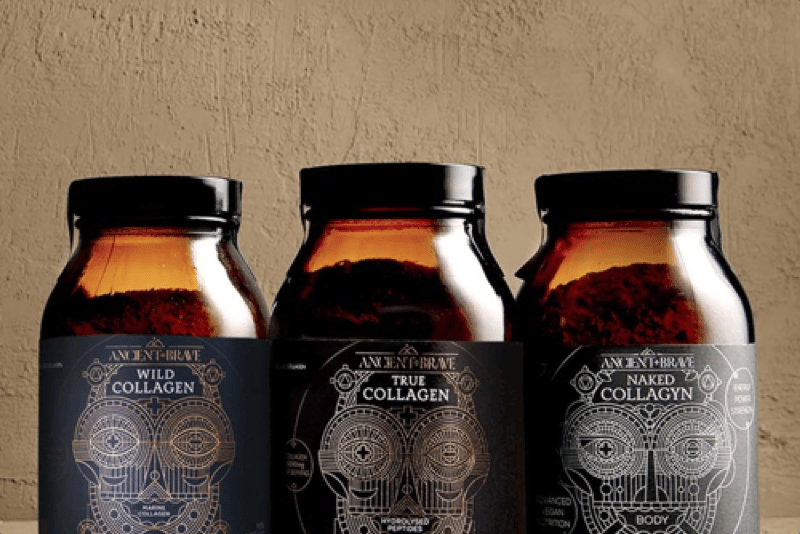
Collagen and gelatin: Extracted from connective tissue, bones and skin, these proteins support joint integrity, skin elasticity and gut health - explaining why bone broth has become a modern wellness staple.
This density and bioavailability made animal foods indispensable to traditional diets. For early humans, eating nose-to-tail, consuming organs, fat, marrow and offal, not just lean muscle meat, ensured nutritional sufficiency without supplements or fortified foods.
The wellness perspective
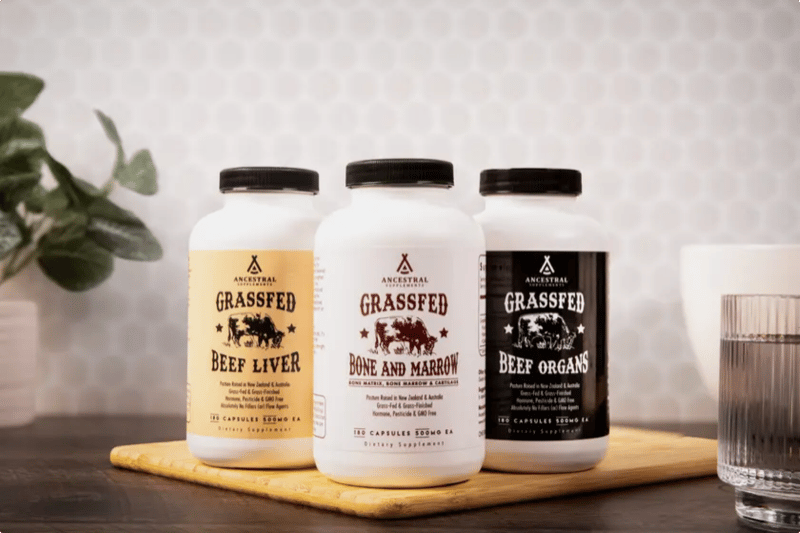
The revival of animal-based eating often overlaps with wellness trends like “ancestral living” and “biohacking.” Advocates argue that in a world of engineered snacks and meal replacements, eating as our ancestors did restores balance. Liver supplements, collagen powders and tinned fish trends on social media all reflect a cultural desire to reconnect with food that feels primal, grounding and effective.
As interest in biologically compatible nutrition grows, some innovators are taking this idea even further. One example is Kēpos' Human Milk-Equivalent Superfood. Using human-milk–equivalent nutrients such as HMOs (2’-Fucosyllactose) and bio-identical lactoferrin, Kēpos aims to deliver compounds the body naturally recognises and absorbs with exceptional efficiency. By offering dramatically higher levels of bioactive protein than standard colostrum, it provides a contemporary alternative for those seeking gentle, highly absorbable daily nourishment.
Importantly, this shift doesn’t have to exclude plants. Most traditional diets were not carnivore but omnivore pairing meat, fish and dairy with seasonal vegetables, fruits and tubers. The emphasis was on synergy: vitamin C from plants enhancing iron absorption from meat, or fat-soluble vitamins in animal foods helping unlock antioxidants in vegetables.
A balanced reflection
So, did our ancestors get our diet right? In one sense, yes. Their reliance on animal produce delivered complete macronutrients, dense stores of vitamins and minerals, and functional compounds like collagen that modern diets often overlook. By necessity, they ate in a way that prevented the nutrient deficiencies now common in societies dependent on refined grains and processed foods.
However, context matters. Our ancestors’ diets were not identical to the modern “carnivore” trend. They involved physical labour, seasonal variety, and periods of scarcity that shaped how those foods were metabolised. Today, where abundance and sedentary lifestyles prevail, balance and moderation remain essential.
The return of animal-based eating is less about romanticising the past and more about reclaiming forgotten wisdom. It suggests that amid the confusion of nutrition science, one truth remains clear: food that nourished us for thousands of years still has a place on our plates.




This article is for informational purposes only, even if and regardless of whether it features the advice of physicians and medical practitioners. This article is not, nor is it intended to be, a substitute for professional medical advice, diagnosis, or treatment and should never be relied upon for specific medical advice. The views expressed in this article are the views of the expert and do not necessarily represent the views of Healf
Eleanor Hoath is a Registered Nutritional Therapist (DipNT, mANP, mBANT) specialising in gut, skin and women’s health. She is the Editor of The Healf Source and founder of Well Nourished Nutrition Ltd.
Passionate about holistic wellbeing and balanced living, Eleanor combines evidence-based nutrition with a practical, approachable style to help people feel their best through content.
Based in London, she is dedicated to empowering individuals to nurture their health and understand the root cause of their symptoms from the inside out.