












































_2026-10-13_14-11-48.png)


The Sustainable Diet Tweaks For Improved Metabolic Health

Written by: Samantha Nice
Written on: 21 April 2025
Simple ways to move away from restrictive methods and instead champion a more intuitive and fulfilling approach…
In a world overflowing with fad diets and quick-fixes, it’s easy to feel like the only path to feeling (and looking) our best is paved with restriction, calorie counting and constant willpower. But what if the key to better energy, blood sugar balance, and longer-term health wasn’t about this?
The truth is, sustainable health doesn’t come from extremes. It comes from consistent, manageable tweaks that work with your body, not against it. Here's a closer look at how many of these ‘diets’ are in fact having a negative effect on your metabolic health as well as some expert-approved tips on supporting a thriving metabolism without falling into the all-or-nothing trap.
Whilst they may get you the results you initially want, most of these heavily advertised and promoted diets fall short when it comes to long term health and sustainability. “Whether it's keto, intermittent fasting, very low-calorie diets, or juice cleanses, these approaches often show short term results due to a calorie deficit or water loss, but they rarely address the root causes of metabolic imbalances or support long-term behaviour change,” explains Nutritionist, Clarissa Lenherr.
“Take keto, for instance, it may help reduce blood sugar levels or curb some cravings, but it’s not realistic to completely cut out carbohydrates long term,” says Clarissa. Carbs also shouldn’t be feared or avoided. They are your body’s primary source of fuel - especially for your brain, muscles and mood. Cutting them completely can lead to fatigue and poor digestion as well as affecting other things like your gut health, mood and performance.
Intermittent fasting is another. “Whilst it may help shorten your window of eating and regulate your appetite for some, it can often lead to overeating later in the day which can contribute to increased stress, poor sleep and even hormonal disruption,” Clarissa says. Other extremely low calorie diets or juice cleanses are also hard to stick to and ultimately, very unfulfilling. “More often than not, they lack the nutrients, protein and fibre your body needs to support stable blood sugar, muscle mass and your gut health,” adds Clarissa. “The common thread between most of these is that they are restrictive, rule-based and often disconnect people from their own internal cues like hunger, satiety and energy levels.”
“Whilst we can appreciate that if somebody were to calorie control they can achieve weight loss, the percentage of those who succeed long term versus the percentage who weight cycle (or ‘yo-yo’ diet) is much smaller,” explains Natalie Burrows, Registered Nutritional Therapist. Unfortunately these approaches just don’t work in the long run which is why so many ‘diets’ are now considered short term fixes and something to turn to before your holiday or special occasion or post Christmas for example.
The bigger effect on metabolic and overall health
There are several consequences of yo-yo dieting far beyond our often volatile relationship with food which are commonly overlooked. “This constant up and down cycle and lack of regularity can pose several problems,” says Natalie. When your body interprets erratic food intake as stress, it sends mixed signals to the nervous system which can cause increased cortisol (or stress) and inflammation. “Our bodies thrive on routine and stability so a chaotic feast-famine pattern can be really disruptive. This stress alone can cause an increase in insulin resistance but there is growing evidence to suggest that repeated cycles of weight loss and gain can also contribute,” she adds. “This unpredictability can also cause dysfunction with your mitochondria which are central to insulin regulation and energy production which in turn means our body is less efficient at managing blood sugar.”
“Another big concern is around not knowing where exactly the weight loss has come from,” says Natalie. The scales can’t differentiate between fat, muscle, water loss and more often than not, this lower number can often mean a loss of muscle mass (especially if you’re not eating enough protein or resistance training) which can hugely impact your metabolic health. “This is because muscle is metabolically active tissue that supports burning energy at rest and also enables us to manage, regulate and store sugar within our bodies effectively. Better blood sugar control also means we are able to manage our weight better overall too. If you’re slowly chipping away at muscle, it will likely result in negative metabolic health,” she adds. Linked closely with this is the fact that these restrictive diets usually miss the mark when it comes to nutritional value.
Your liver and gallbladder function can also be affected. “The liver is another vital part of our metabolic function and fluctuating weight can increase fat in the liver,” explains Natalie. “We also know that low fat diets can influence the way in which the gallbladder functions and can increase the risk of gallstones. Fatty liver is not caused by high fat consumption but instead from poor metabolic process and poor management of sugars, which worsens with insulin resistance which is potentially exacerbated by yo-yo dieting,” she adds. Other potential issues include a higher chance of developing type two diabetes, cardiovascular disease and greater blood pressure.
Viewing your diet as a long term
Seeing nutrition as a long-term, lifelong practice really helps shift us out of that all-or-nothing mindset so many diets promote. “The truth is, a lot of these diets are designed for the masses - they’re not tailored to you, your body, or your lifestyle, so it’s no wonder they don’t always work,” says Clarissa. Our bodies and lives are constantly evolving. Hormones shift, stress levels change, routines come and go, and so it makes sense that our nutritional needs change too. “When we stop chasing quick fixes and start focusing on small, sustainable habits, we build a solid foundation that supports our energy, mood, metabolism and so much more. It’s also about making food a source of nourishment and enjoyment, rather than stress or restriction,” she adds.
Five expert tips for sustainable habits
Now you’re ready to ditch the extremes, here are some easy ways to help you build healthier habits that will actually last…
1. Build your meals around protein
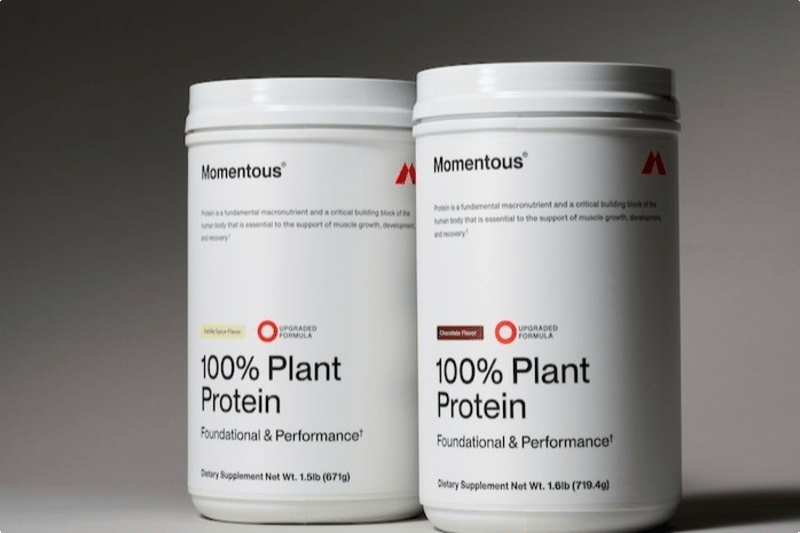
Protein is key for so much more than just muscle. “It helps balance your blood sugar, support your metabolism, keep you full for longer, and is key for hormone and immune function,” says Clarissa. “For most of my clients, I advise them to aim for 20–30g of protein per meal. This could look like Greek yoghurt or eggs for breakfast, lean meats, lentils or tofu at lunch and dinner or perhaps adding a good quality protein powder to your smoothies.”
2. Focus on fibre
Fibre feeds your gut microbes, supports healthy digestion and plays a role in blood sugar balance and keeping cholesterol in check. “Most people are getting far less than the recommended daily intake of 30g per day. To hit that, look at including a variety of foods such as wholegrains, beans, lentils, nuts, seeds and lots of colourful vegetables and fruits - ideally with their skin on,” Clarissa adds.
3. Be mindful of sugar
Being a little more aware of your sugar consumption can make a real difference. “Regularly snacking on sugary foods between meals can spike blood sugar and leave you with more cravings and energy slumps,” says Clarissa. Instead, try enjoying something sweet after meals, when your body is already digesting protein, fat and fibre, so it has less of an impact on your blood sugar,” she suggests. Also opt for naturally lower sugar options such as berries, 70%+ dark chocolate, and use spices such as cinnamon and vanilla for natural sweetness.
4. Try the 80/20 approach
The idea here is to aim to eat nourishing, whole foods around 80% of the time, and leave space for enjoyment and ‘real life’ the other 20%,” Clarissa explains. When you take the pressure off and allow space for both health and pleasure, it’s much easier to stay consistent and not feel the need to restrict, miss out or lose the enjoyment of foods.
5. Make your meals blood sugar friendly
“Balancing your blood sugar doesn’t mean cutting carbs, it means being smart about how you combine your foods,” says Clarissa. Pairing carbs with protein, fats or fibre helps to slow the release of glucose into your bloodstream.









This article is for informational purposes only, even if and regardless of whether it features the advice of physicians and medical practitioners. This article is not, nor is it intended to be, a substitute for professional medical advice, diagnosis, or treatment and should never be relied upon for specific medical advice. The views expressed in this article are the views of the expert and do not necessarily represent the views of Healf
Samantha Nice is a seasoned wellness writer with over a decade of experience crafting content for a diverse range of global brands. A passionate advocate for holistic wellbeing, she brings a particular focus to supplements, women’s health, strength training, and running. Samantha is a proud member of the Healf editorial team, where she merges her love for storytelling with industry insights and science-backed evidence.
An avid WHOOP wearer, keen runner (with a sub 1:30 half marathon) hot yoga enthusiast and regular gym goer, Samantha lives and breathes the wellness lifestyle she writes about. With a solid black book of trusted contacts (including some of the industry’s leading experts) she’s committed to creating accessible, well-informed content that empowers and inspires Healf readers.