













_2026-10-13_14-11-48.png)


I Followed The ‘RFK’ Diet For 10 Days, And I’m Never Going Back
After the US overhauled the food pyramid to mirror Health Secretary Robert F. Kennedy Jr.'s nutritional aims, we tested it out. Here’s an honest review from Healf’s Oscar Guy.
Written by: The Healthy Living Team
Written on: 24 February 2026
In January, U.S. Health Secretary Robert F. Kennedy Jr. unveiled a brand new food pyramid that focuses on loading up on animal-based protein and healthy fats while cutting back on processed foods and added sugars. While RFK Jr. didn’t literally create the new guidelines himself (that would be the U.S. Departments of Agriculture and Health and Human Services), it reflects a lot of nutritional maxims he has pushed for over the past several years to help “Make America Healthy Again.”
"My message is clear: eat real food," Kennedy said at a White House news conference following the pyramid’s release.
But is it really all its cracked up to be? And what happens when you eat a ton more animal meats, dairy, and fats? Oscar Guy, Healf’s Brand Director, raised his hand to test out the diet for 10 days and report back on how it affected him. That meant focusing on high-quality protein (meat, fish, eggs), healthy fats (butter, olive oil, avocado), and full-fat dairy, with an emphasis on eating "real food" in its natural state (meaning, not packaged and processed). He had to try to cut out processed foods, added sugars, and sugary drinks as much as possible, and instead prioritise natural, protein and fibre-rich ingredients. Of course, easier said than done especially when working a busy job in an office with a hectic weekly schedule.
At the end of the 10 days, Guy sat down to share his reflections on the “RFK” diet and how it impacted everything from his gut to his brain health, sleep, workouts, and more. Here’s what he learned.
How are you feeling after 10 days of this new diet based on the new US food pyramid?
I honestly feel so great. I feel like I can eat a lot more intuitively within these nutritional guardrails. And my energy levels are really, really good. I have lost weight, which may be some water weight. Before, I’d sometimes get brain fog towards the end of the day, especially if it’s been a long day of calls, but I don't get that anymore.
What did a typical day of meals look like?
The guidelines suggest aiming to eat 1.2 to 1.6 grams of protein per kg of body weight (up from .8g/kg), along with three servings of full-fat dairy, three servings of vegetables and two servings of fruit per day. So, before the 10 days started, I made a big order online from a butcher for the meat, which was really easy. And then if there was anything I needed, I’d pick it up on my way home from work each day. I'm definitely going to place another order from the butcher, the Dorset Meat Company, in the future—it was so good.
Breakfast
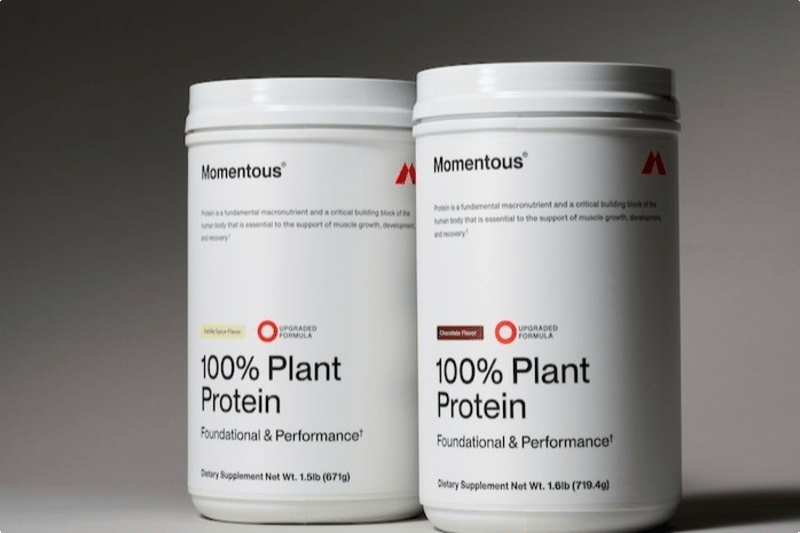
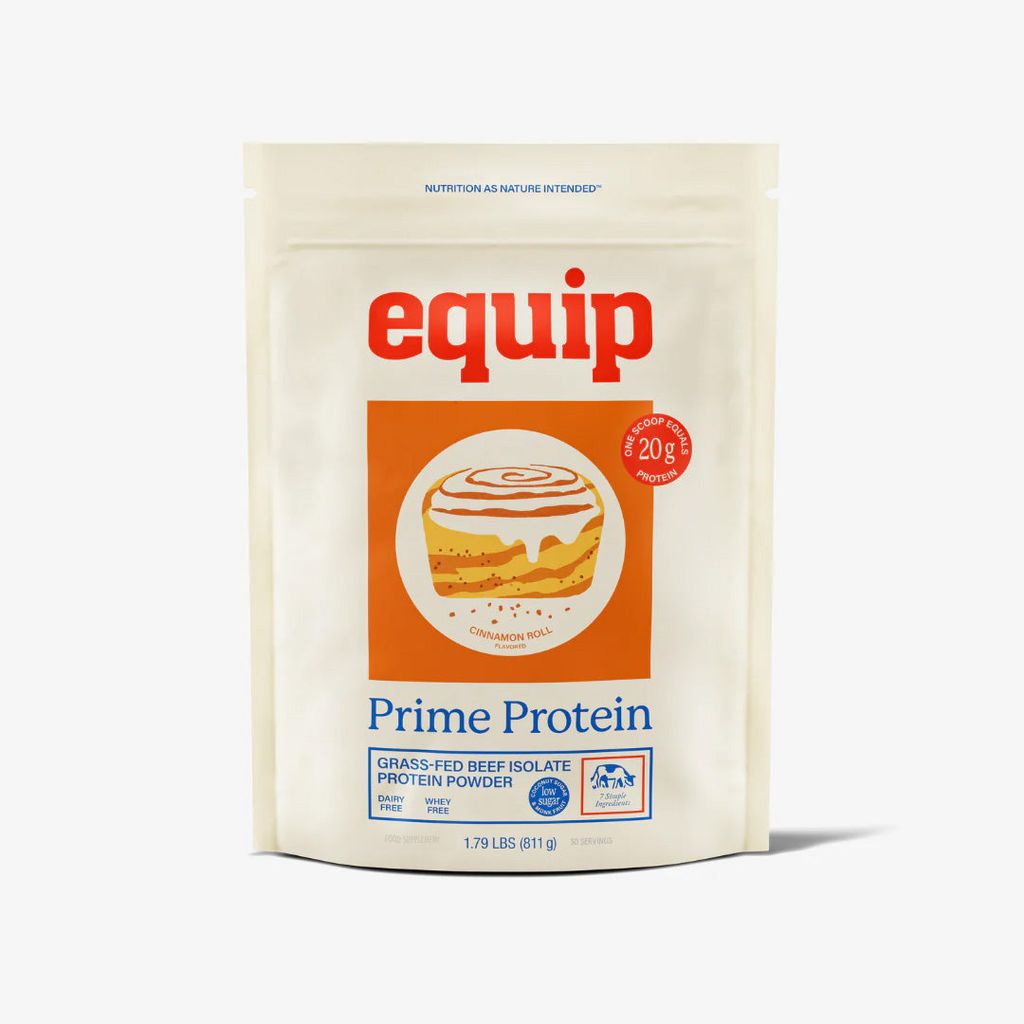
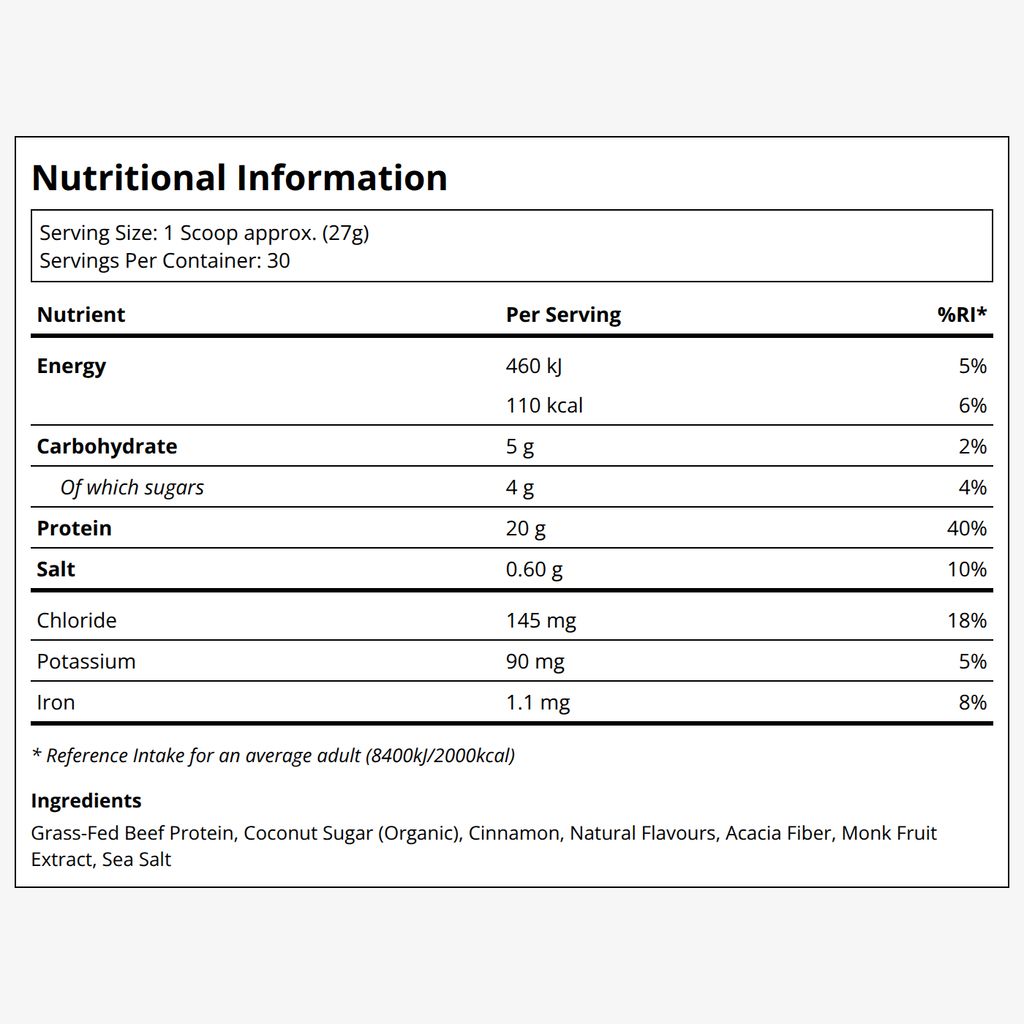
I normally eat porridge every morning, so I essentially started swapping out porridge for a tub of kefir with blueberries, and maybe a bit of peanut butter or protein powder, like Equip’s Prime Protein. That really kept me feeling satiated for ages. I felt like I had great energy.
Lunch
Honestly, by lunchtime, I usually wasn't even that hungry yet, so I'd probably grab something smaller. A couple of times, I just had a tin of sardines to tide me over. I felt light and I felt like I just needed one little boost, and the sardines packed a punch. Otherwise, I would do a salad from Atis with healthy fat add-ons like feta and avocado, while keeping it light on the grains. I wouldn't normally swap out grains for fat, but I was trying to find easy ways to add in more good, healthy fats throughout my day.
Dinner
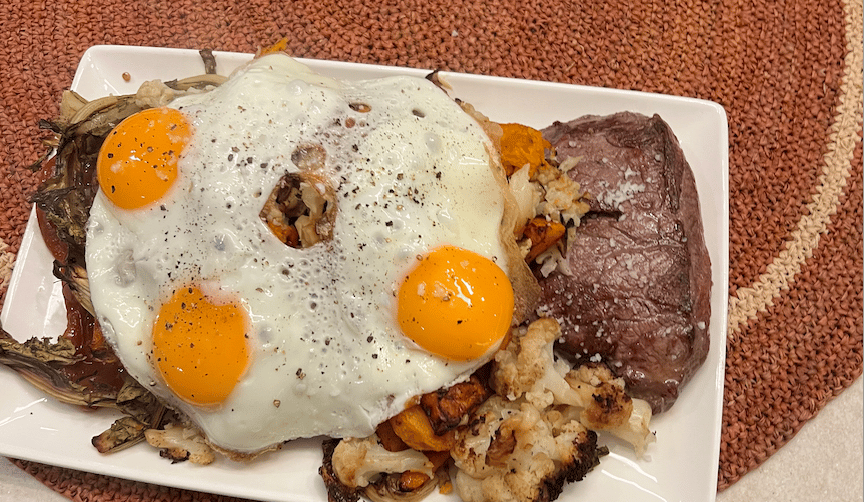
And then for dinner, basically every single night I've had some sort of meat from the butcher. I've had lamb shoulder that I roasted on Sunday and provided around three servings which was really nice. And then I had some incredible venison burgers. I basically do all of that meat with loads of mushrooms, courgettes, peppers, roasted cauliflower, butternut squash, Carb sources—if I was doing carbs—was usually sweet potato.
One big thing I've been noticing is that my stomach didn’t feel full and heavy at night when I was going to sleep. I felt quite light when I went to bed and was not bloated when I woke up. And that was probably the biggest thing I've noticed in the diet.
That’s pretty intense. Was it hard to stick to and cook all those meals for yourself?
I really like cooking. I think I used to think it was a waste of time. But you know, your body craves healthy food and nutrient-rich meals. Giving yourself the time and self-love to cook is a really, really good return on investment. You feel better. You eat better. This has also shown me that if you focus on getting the right ingredients, it can actually make cooking a lot easier too.
Did the diet affect your sleep at all?
There was one night where I had to wake up to eat because I was so hungry, which is interesting, because that's obviously not good for your sleep. I woke up and snacked on some Parmesan—a couple bites is honestly all you need to feel sated.
But I realised that I probably need to consciously try and eat a little more on this diet, especially because I do quite a lot of running and am training for a marathon at the moment.
Tell me more about your brain health and focus. How does that feel right now?
I feel a lot more present and a lot less distracted, which is really fantastic, especially because those are two things I often struggle with.
I've never really thought that I was someone who suffered from the brain effects of blood sugar spikes and crashes, because I'm diabetic so that's just normal for me. But with this diet, I feel like I just have way more stable energy levels. My blood sugar has actually fluctuated less—it’s still a lot more than a normal person—but I think that’s less related to the blood sugar and more related to the nutrients I’m putting in my body.
I started noticing this change really quickly. Probably after only two days. I don’t think I was in ketosis or anything like that, it was just cutting the crap, eating good quality meat, and eating more dairy that I probably responded really well to.
How has your body handled all that fibre and protein?
My gut has felt really, really good with all those vegetables and all that meat. It’s actually made me more regular. I wake up and go to the toilet, which is not what would happen before.
Very impressive. And how did this diet impact your training and workouts?
In the moment, I was like, How am I going to do this without the carbs I usually get from rice and oats, but I really haven't noticed an impact whatsoever. Everyone says you have to carb load for these runs, but I did some research on it, and yes, if you’re doing a full marathon you should probably carb load. But if you just go hard for an hour or less, that doesn't make a big difference. So, I learned something new and this taught me a lot about how to fuel my body for my workouts.
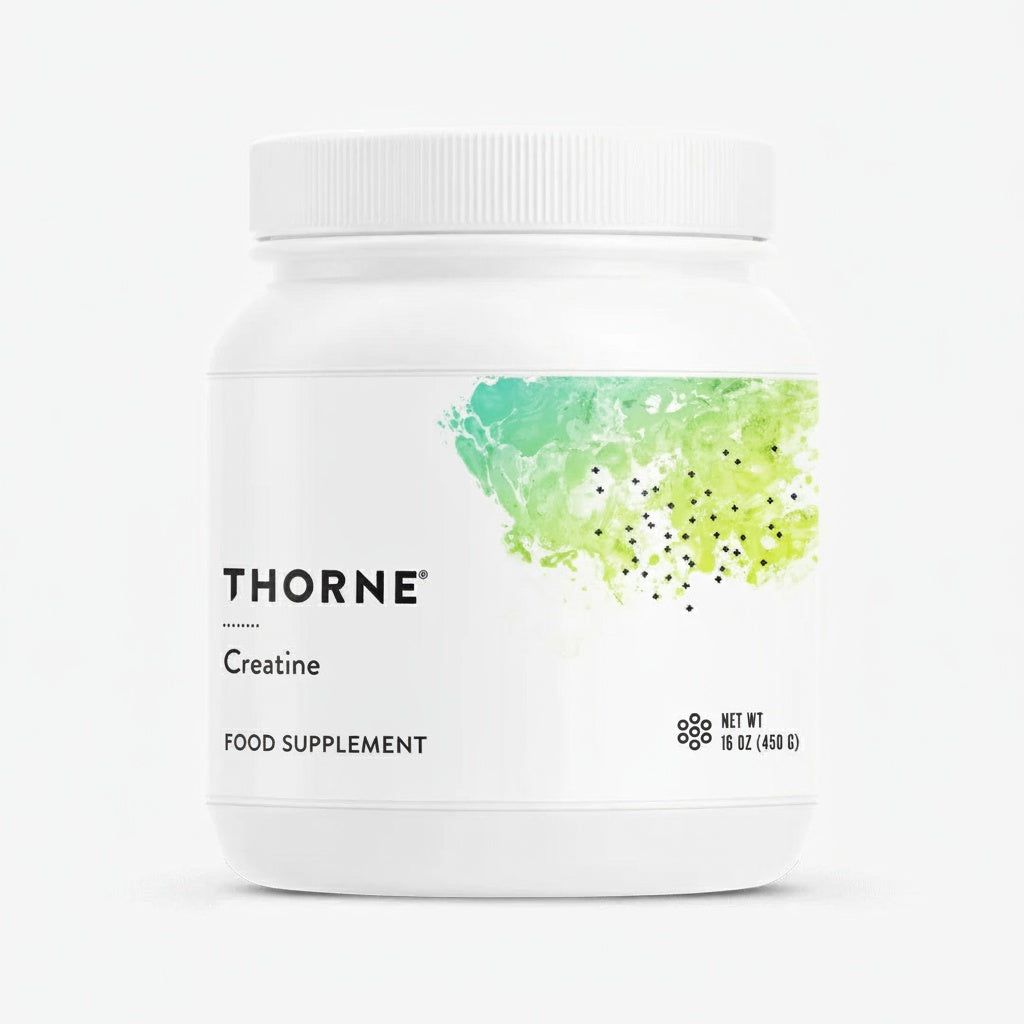
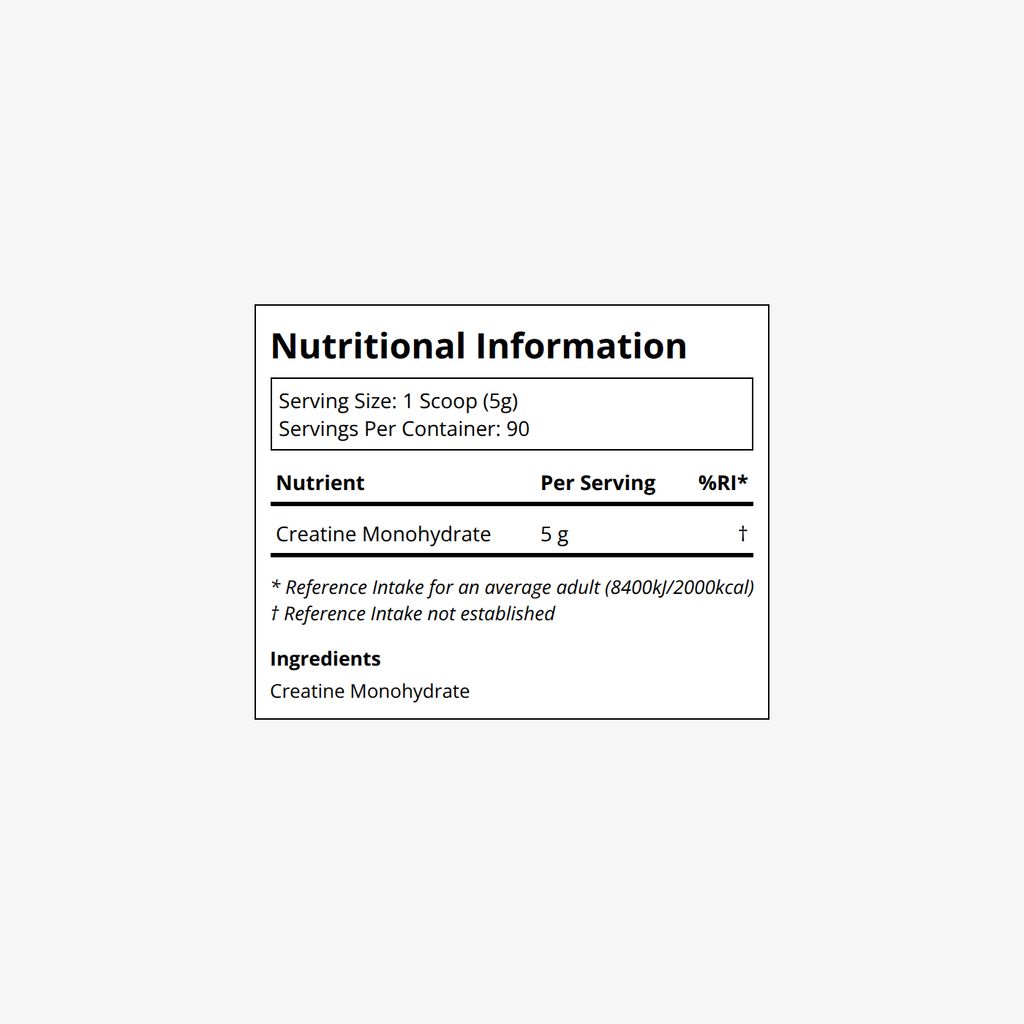
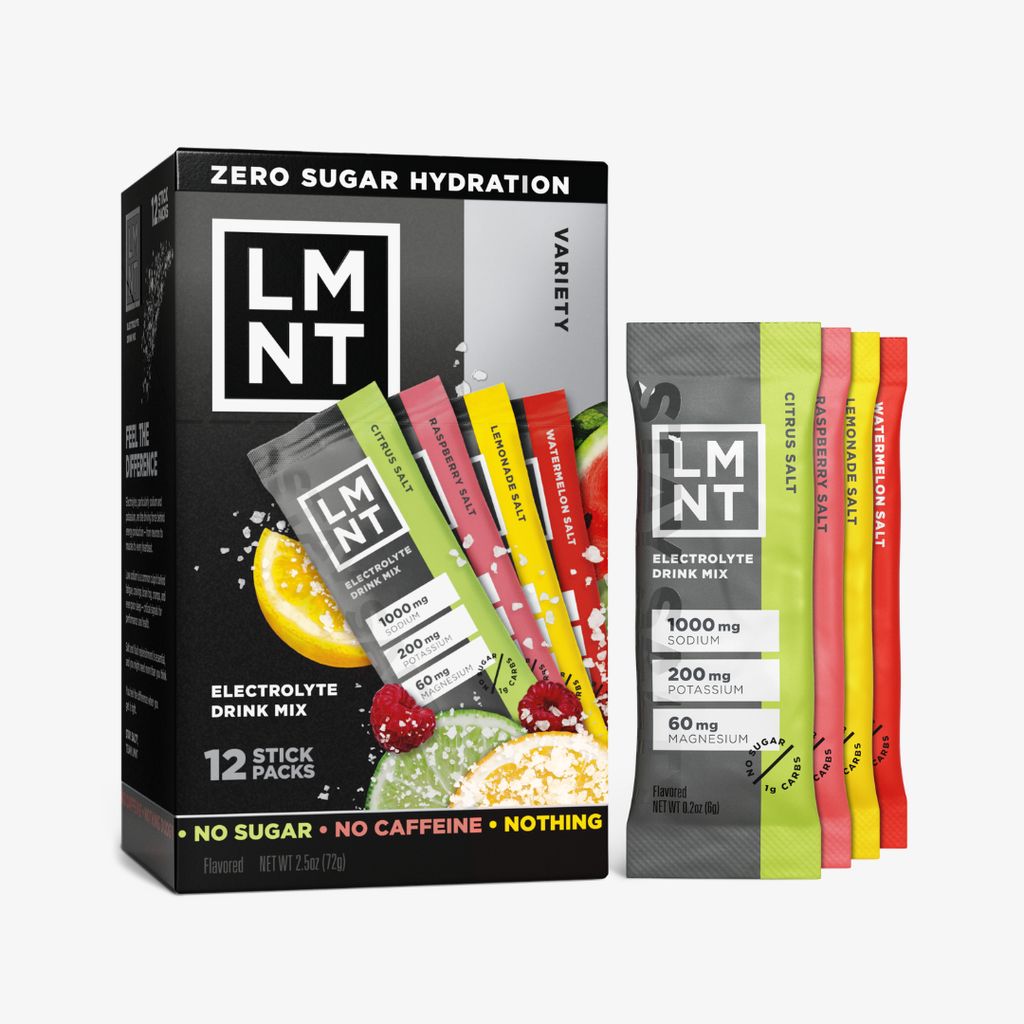
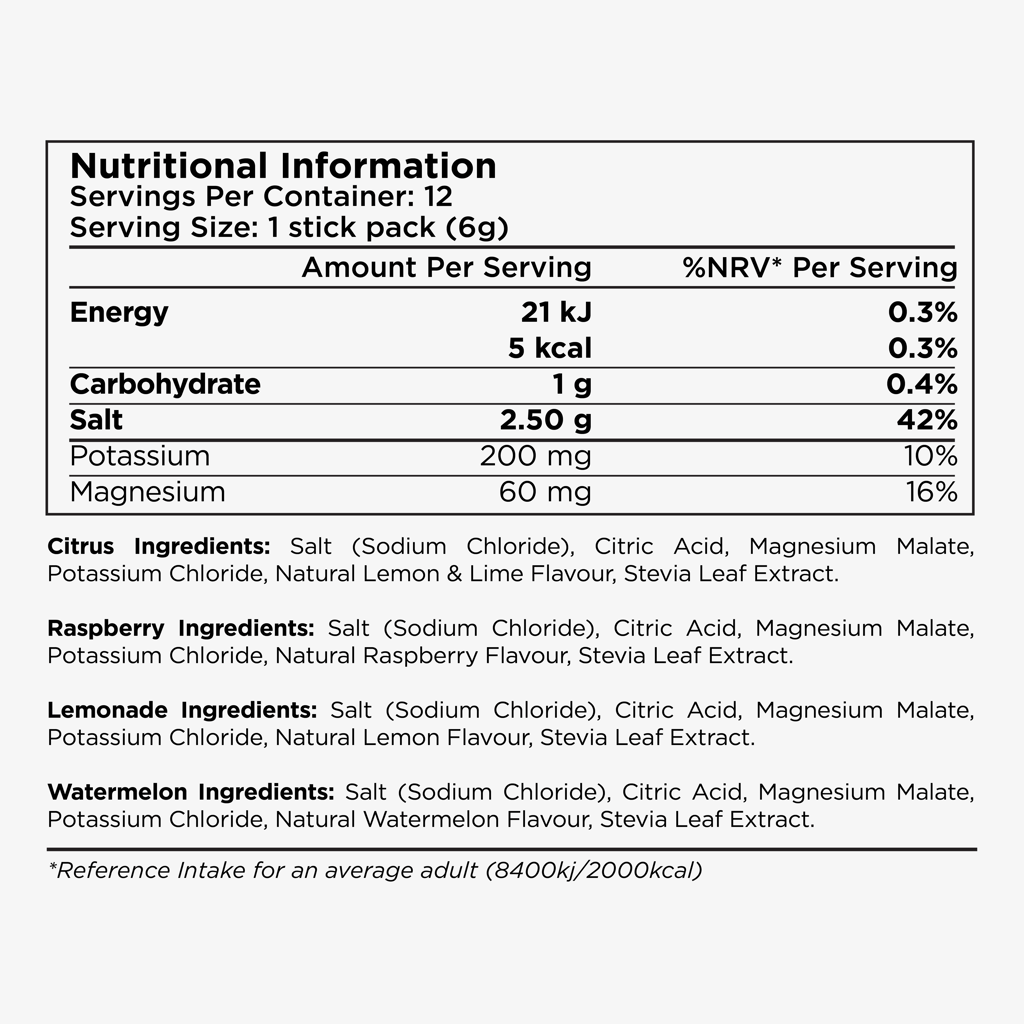
There was one morning, probably, like three days in, where I think I was feeling the effects of not having carbs, but just powered through that. And then it was great. When I do a run that’s longer than an hour, I will have a gel, because I think it's important just to top up glucose levels. I’d also make sure to replenish with electrolytes. But otherwise, my runs and training have been going well, and my recovery has been really good.
What was the hardest part of sticking to the diet?
The hardest part was just trying to work with it while eating out. You realize how insanely hard it is to just order a good piece of meat and good veg. It all comes wrapped with rice or bread or fried.
I went to the River Cafe during the week for a work dinner, and all the starters were dough and pizza and pastas, and it's hard to just order good food. So cooking for myself was fine, but going out was hard.
I did cheat on the diet with some sushi one night. And on Saturday, I had some fried food when I was out—it was really hard to avoid at the restaurant.
What was the easiest part of the diet?
It’s interesting. The easiest part was definitely feeling full and super energised. It's quite reinforcing and made me want to do it more. I lost cravings for the things I usually wanted, and if I did crave something, it was really only good, healthy food. I wasn’t really hungry until 4 or 5 p.m. because I was eating all that protein early in the day. I don't think I’ll go back to eating oatmeal for breakfast.
One thing that I thought was cool is that people are often scared of eating fats and stuff like that. I think this diet shows that if you nourish yourself with good fats, it’s so satiating, you don't put on weight, you feel good. I think my gut has benefited from less volume of food—thanks to eating more protein, more healthy fats—and that feels really nice.
I will be continuing the diet. Probably a bit less strict—I’ll integrate more carbs—but I love the concept and I feel fantastic. So is it really the “RFK diet,” or is it just eating healthy? You tell me.




This article is for informational purposes only, even if and regardless of whether it features the advice of physicians and medical practitioners. This article is not, nor is it intended to be, a substitute for professional medical advice, diagnosis, or treatment and should never be relied upon for specific medical advice. The views expressed in this article are the views of the expert and do not necessarily represent the views of Healf