
















_2026-10-13_14-11-48.png)


What Is The Currency Of Longevity?
Everyone is obsessed with the term right now. Here's how you can actually harness it for yourself.

Written by: Samantha Nice
Written on: 26 April 2025
The biggest buzzword right now, let’s define what it actually means and why you may want to start investing in your muscles.
Longevity… we’re all chasing it in some way in a bid to stay young and live longer. The word is everywhere right now; peppered into wellness podcasts, splashed across supplement ads and hashtagged by biohackers on your Instagram and TikTok feed. But what does it really mean and more importantly, what’s the currency that buys it? Let’s cut through the noise.
What does longevity actually mean?
“Longevity not only refers to how long we are living (lifespan) but how many of those years are healthy (healthspan)” says Kate Woodhouse, CEO at Hooke, one of London’s leading longevity clinics. It’s all about living a better quality of life in your later years by staying active, sharp, mobile and independent. Think quality, not just quantity.
“With advances in science and medicine, more and more of us are living for longer, and will continue to live longer still,” Kate adds. “Seventy years ago, the proportion of the population over 65 was less than 11%. By 2050, it is projected that 38% of people will be aged over 65, and that there will be more people aged over 60 than those aged 10-24.”
Ageing is largely determined by changes in your cell and organ functioning, ultimately resulting in a state called frailty. “In this state, we experience a loss of physical and cognitive abilities and an increased risk of cardiovascular diseases, diabetes and other pathologies,” explains Kate. Thankfully, there are several lifestyle changes we can all make that can have a big impact on the way we age, and if there’s one thing that repeatedly shows up as a key asset in the longevity bank… It's muscle.
Why muscle the currency of longevity
Muscle mass isn’t just about looking fit and feeling strong. Muscle is metabolically active tissue that protects against ageing in ways we’re only now beginning to fully appreciate.
As we age, our muscle mass naturally declines. It’s said to start within your thirties and accelerate after 50. The rate varies from person to person but on average, you can lose around 3-8% each decade. This loss of muscle mass can not only leave us feeling frail and weak but it can also lead to a number of negative health outcomes…
Mobility And Independence
Muscles are essential for maintaining overall physical function and allowing us to continue doing daily activities like walking, climbing the stairs and lifting. Without it, we ultimately lose the ability to do the things we often take for granted.
Metabolic Health
“Since muscle burns more fat than other tissues, having more of it can help to raise your metabolic rate. This can lead to better management of body weight and reduced risk of metabolic diseases,” says Kate. Muscle tissue is even said to help regulate blood sugar levels and insulin sensitivity too.
Risk Of Chronic Disease And Mortality
“Greater muscle mass can also help reduce your risk of heart disease, diabetes and osteoporosis,” says Kate. “There are studies to show a strong inverse correlation between muscle mass index and the risk of all-cause mortality meaning those with more muscle typically tend to live longer.”
Balance And Coordination
“Falls and accidents (which often lead to serious injuries) are more common in elderly people due to a loss of balance which is again associated with muscle mass,” Kate explains.
How can we maintain and improve our muscle mass?
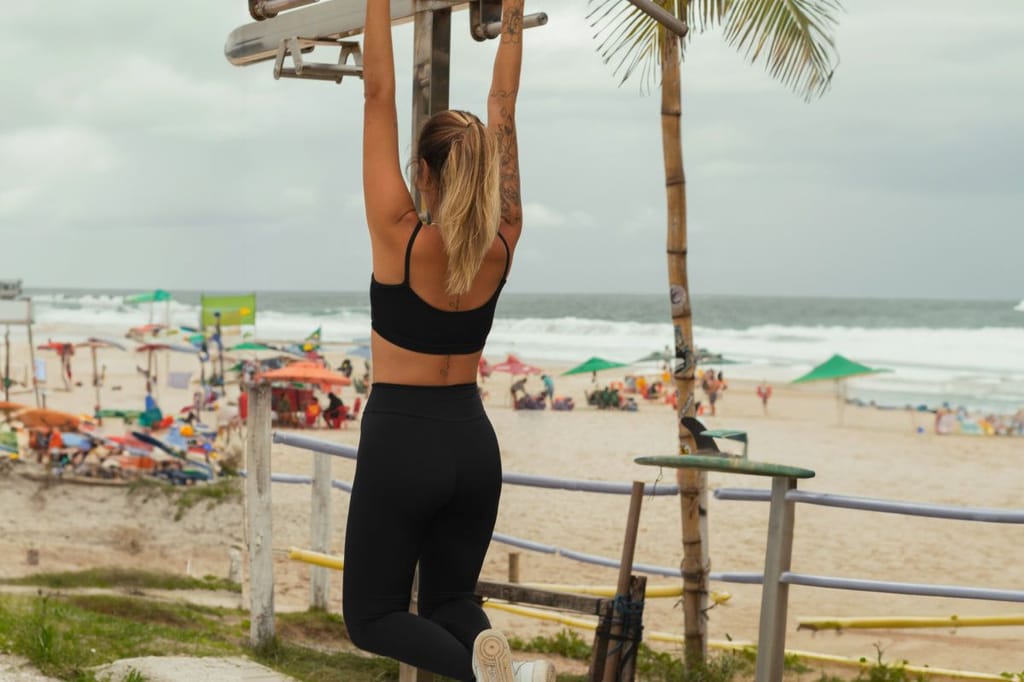
The most effective way is with regular strength training and resistance exercises. “Look at doing squats, deadlifts, bench press or rowing as they all help to build muscle mass,” says Kate. “That being said, it’s important to note that no single intervention can completely prevent the loss of muscle mass and strength because of ageing. Research has however shown that partaking in physical activity can significantly mitigate and even prevent its decline,” she adds.
What else can realistically help improve longevity?
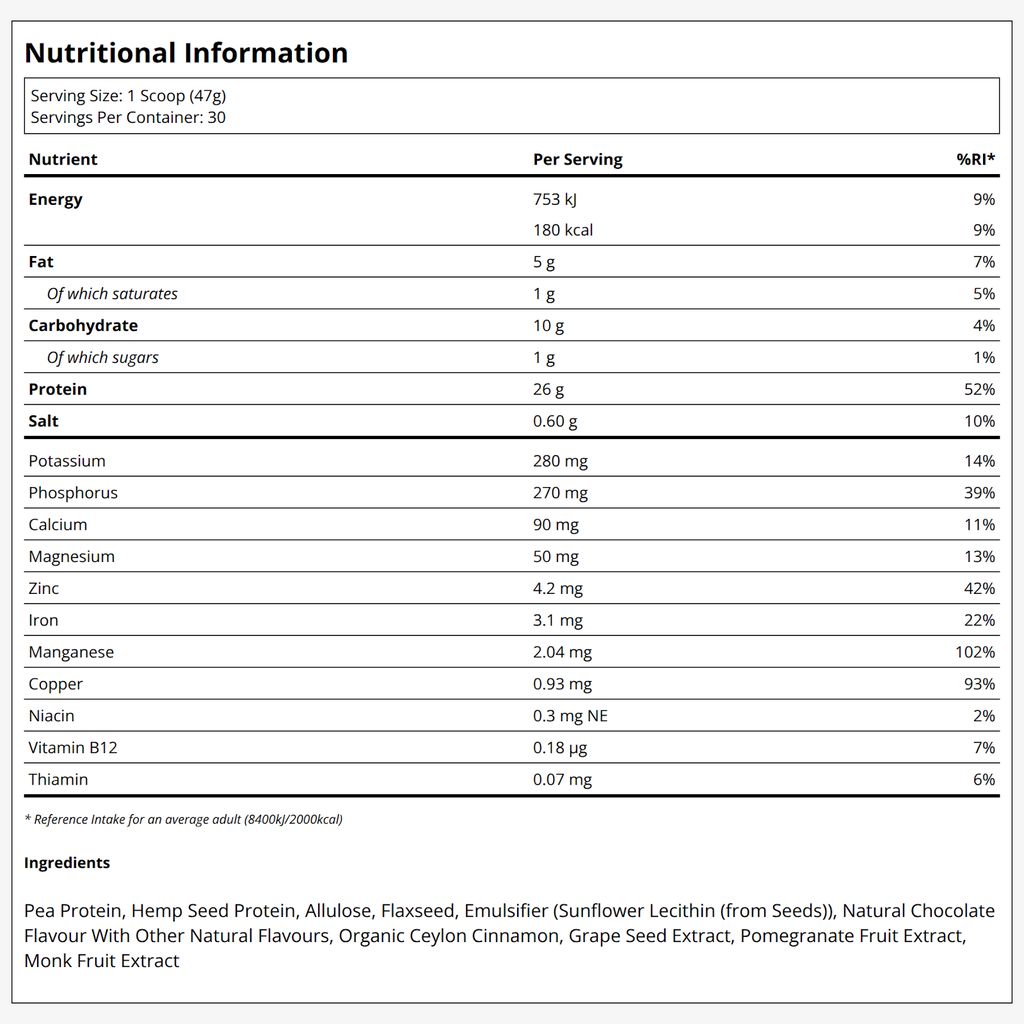
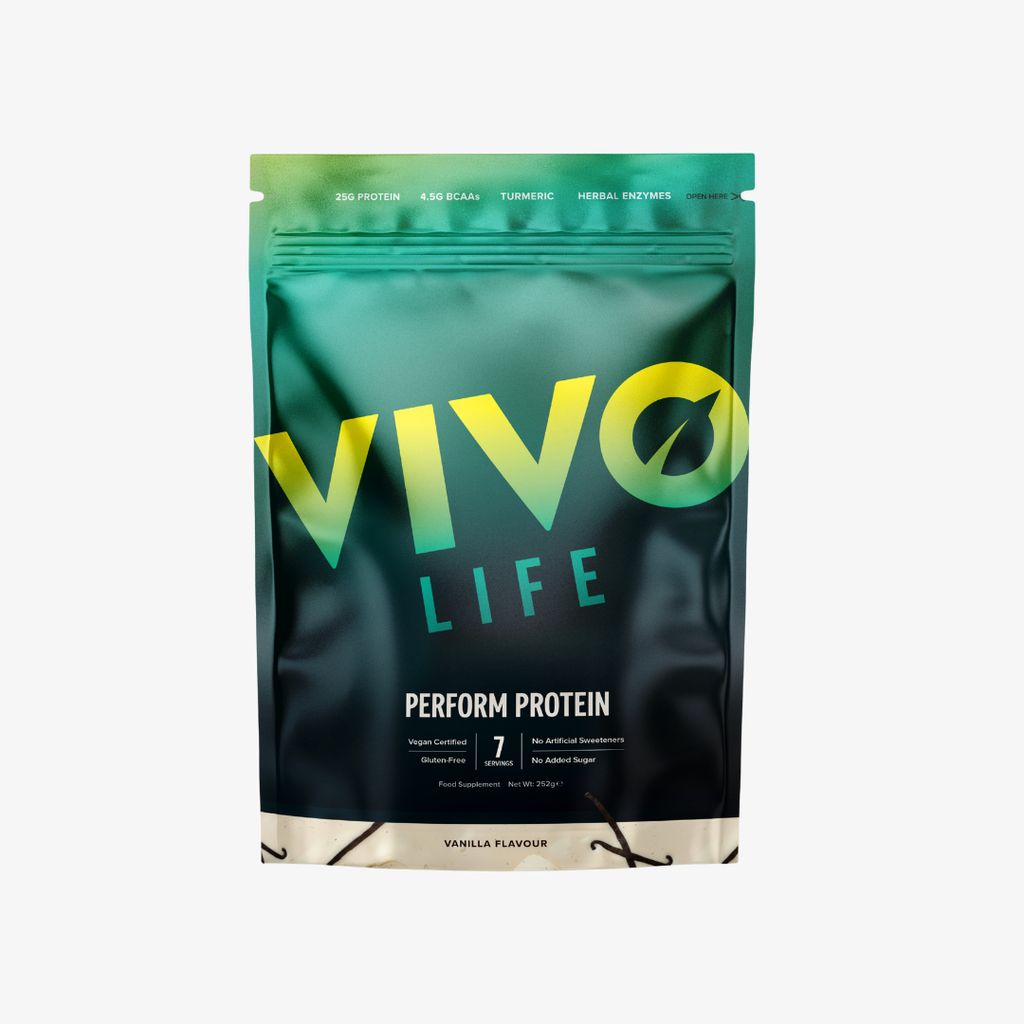
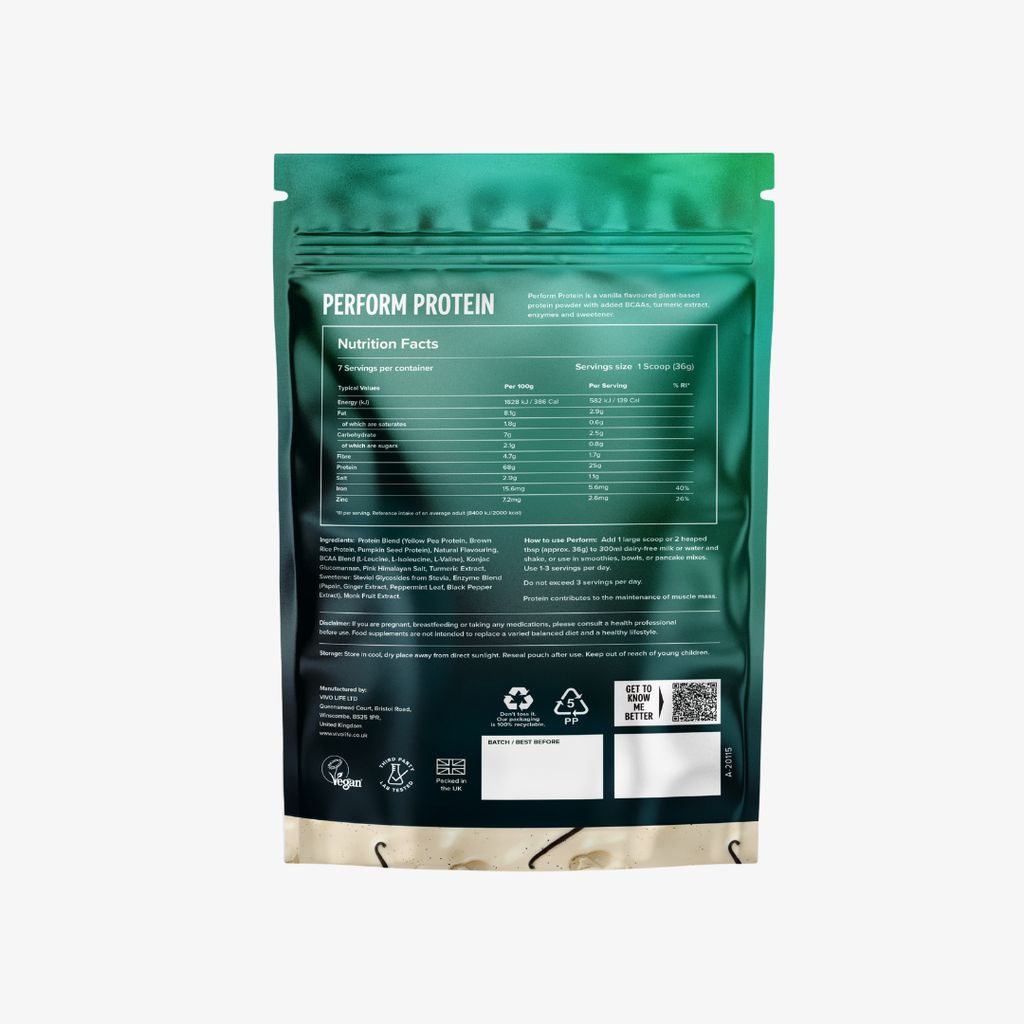
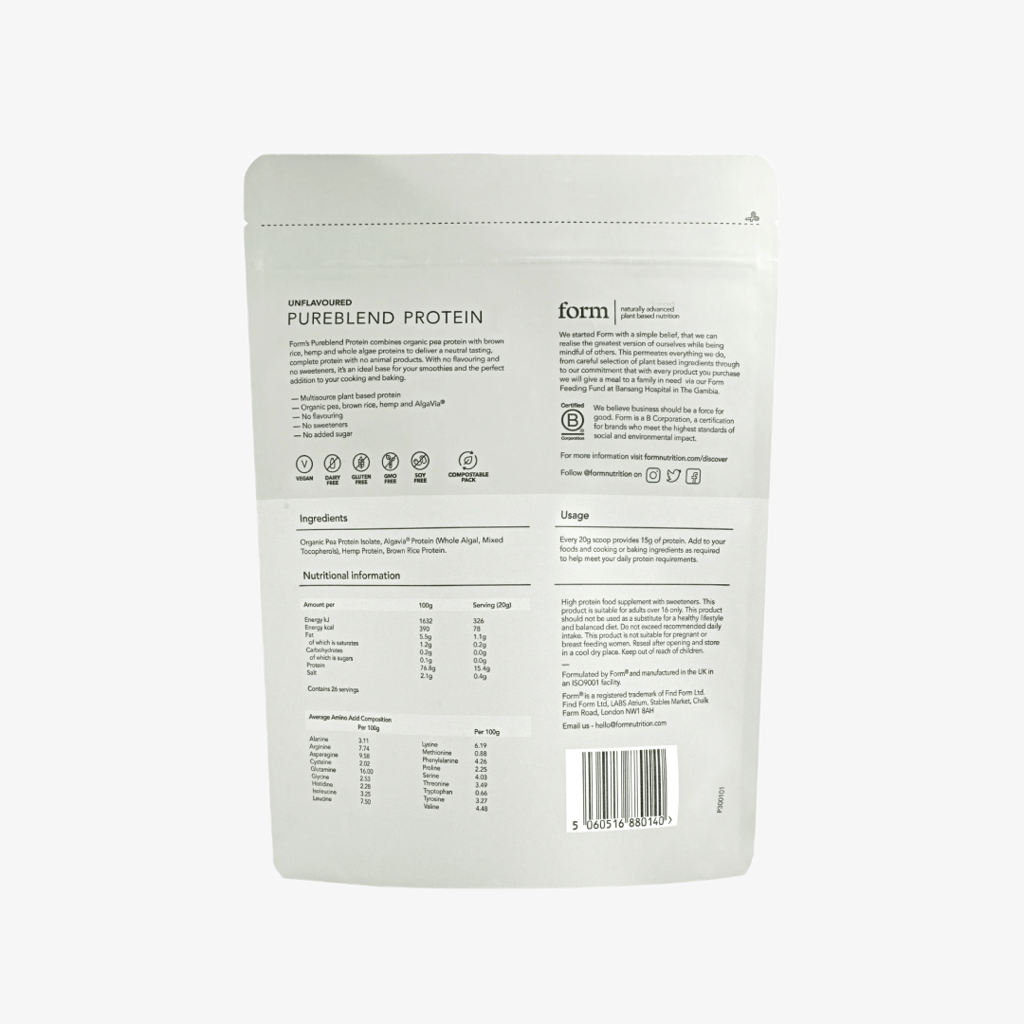
Alongside prioritising muscle strength, optimising your nutrition to ensure sufficient fuelling and protein intake is also essential. Protein becomes even more important with age since it is fundamental for muscle growth and repair and helps ensure we can grow and maintain new muscle tissue. Our best advice is to look to add a source of protein to every meal. “Mediterranean diets consisting of plant-based foods and healthy fats (such as olive oil, chickpeas, and oily fish) have consistently been shown to result in better physical and cognitive functioning at an older age too,” says Kate.
Sleep is another big one since this is the time in which your body recovers, repairs and regenerates - especially your muscle tissue. Also try to be mindful of stress levels and chronic stress can flood your body with cortisol which can break down muscle and impair your immune function too. Keep on top of this with exercises like breathwork, mindfulness, journaling or getting outside for a walk in the fresh air. Focusing on connection and community to stay socially and mentally active has also been shown to have a really positive effect on ensuring we are stimulated and fulfilled.


The takeaway
The currency of longevity isn’t found in a pill or pricey procedure but instead, is built by your small daily habits. Start investing in yourself bit by bit and think of your muscles as a protective asset for your future self.

This article is for informational purposes only, even if and regardless of whether it features the advice of physicians and medical practitioners. This article is not, nor is it intended to be, a substitute for professional medical advice, diagnosis, or treatment and should never be relied upon for specific medical advice. The views expressed in this article are the views of the expert and do not necessarily represent the views of Healf
Samantha Nice is a seasoned wellness writer with over a decade of experience crafting content for a diverse range of global brands. A passionate advocate for holistic wellbeing, she brings a particular focus to supplements, women’s health, strength training, and running. Samantha is a proud member of the Healf editorial team, where she merges her love for storytelling with industry insights and science-backed evidence.
An avid WHOOP wearer, keen runner (with a sub 1:30 half marathon) hot yoga enthusiast and regular gym goer, Samantha lives and breathes the wellness lifestyle she writes about. With a solid black book of trusted contacts (including some of the industry’s leading experts) she’s committed to creating accessible, well-informed content that empowers and inspires Healf readers.