















_2026-10-13_14-11-48.png)


Why The Way You Age Matters More Than How Long You Live
How WHOOP is turning everyday habits into real insight on how you age and why healthspan is becoming the new way to think about longevity.

Written by: Samantha Nice
Written on: 6 February 2026
For years, longevity has been framed as a numbers game. Add more years, push your life expectancy higher, and essentially, live longer at all costs. But WHOOP has been asking a more interesting question:
What if how you age matters more than how long you live?
Because while life expectancy has increased, the reality is less inspiring. Many now spend a significant amount of their later years managing chronic illness, low energy, reduced mobility, and declining resilience. The result? More time alive doesn’t automatically mean more time feeling well and actually enjoying life.
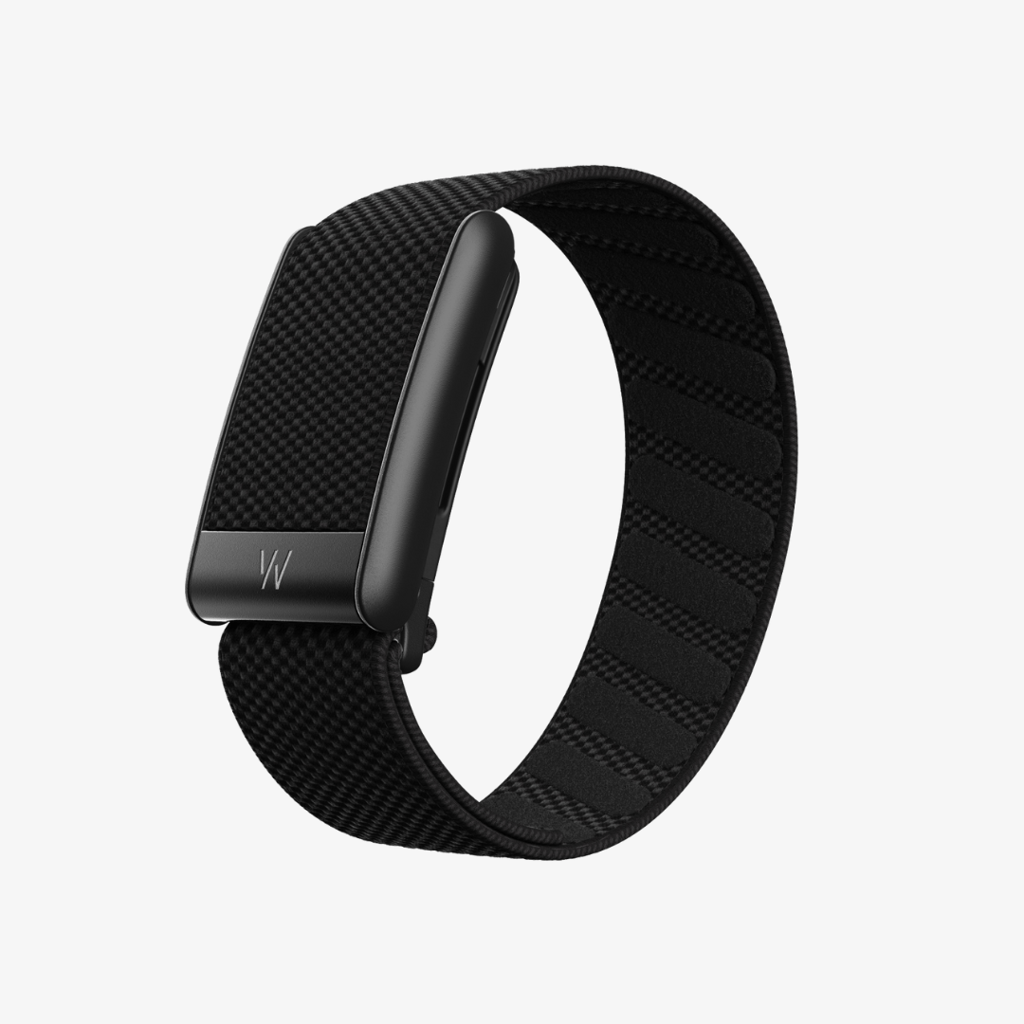
This is where the healthspan framework featured on WHOOP comes in. Built on years of longevity research and powered by continuous, real-world, physiological data, WHOOP shifts the focus away from lifespan alone and toward healthspan… AKA the years you live in good health. And crucially, healthspan isn’t just discussed on WHOOP, it’s measured.
Why healthspan is the focus on WHOOP, not just longevity
Your lifespan tells you how many years you get, but your healthspan tells you how good those years actually feel. That distinction is exactly where WHOOP has placed its bet on the future of longevity. Not on squeezing more time out of life, but on protecting the years where your body still feels capable, resilient, and responsive.
What’s driving this shift is a new wave of longevity science and a new ability to measure what really shapes ageing. We now know that your long-term health isn’t defined by your birthday, but by your daily patterns: How consistently you sleep. How fit your heart and lungs are. How much you move. How much strength you maintain. How well you recover. And how much physiological stress your system carries day to day.
These aren’t dramatic changes you notice overnight. They quietly stack in the background and, over time, they shape how your body actually ages. Until now, that process has been largely invisible. WHOOP changes that. By pairing continuous, 24/7 physiological data with decades of ageing and all-cause mortality research, WHOOP turns everyday behaviour into a live and long-term view of how your body is ageing. This then gives you practical insight into your future health while you still have time to do something about it.
Healthspan, explained the WHOOP way
At the core of the healthspan feature featured on WHOOP are two breakthrough (and pretty impressive) metrics:
- WHOOP Age: A measure of your physiological age, calculated from six months of your sleep, activity and fitness data. It reflects how your body is functioning relative to your chronological age and whether you’re ageing faster, slower, or right on track.
- Pace of Ageing: A dynamic, weekly-updating metric that shows how quickly your WHOOP Age is changing. Think of it as a speedometer for ageing. A slower pace means your habits are supporting long-term health, whereas a faster pace signals that some things need some work.
Rather than relying on generic targets or population averages, WHOOP combines your real-world data with large-scale longevity and mortality science to translate daily behaviour into a meaningful long-term health signal. Together, they move the conversation away from “how healthy am I today?” and towards a far more useful question, “where is my health headed?”
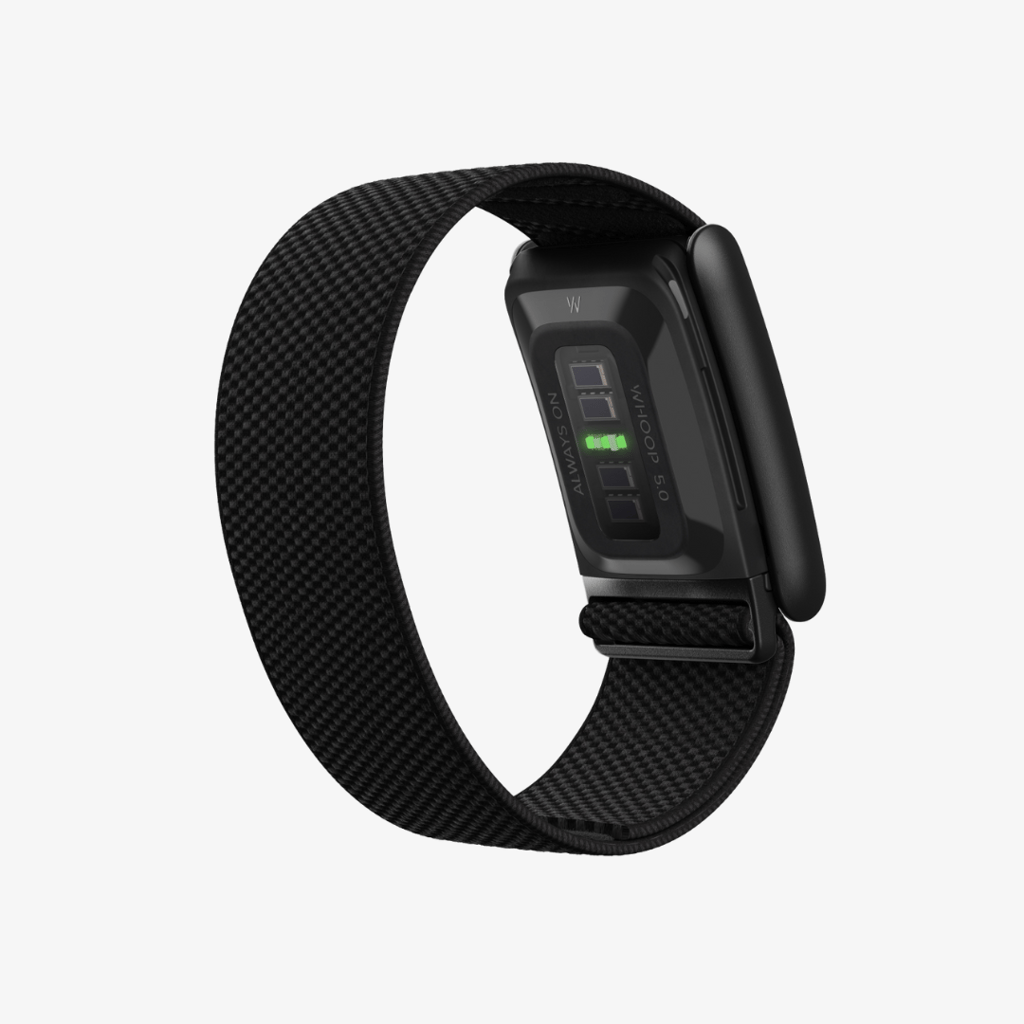
Why physiological age matters more than the number on your birthday
Whilst your chronological age is fixed and something you can’t do anything about, your physiological age isn’t. Two people born in the same year can have very different levels of cardiovascular fitness, recovery capacity, muscle mass, and stress resilience… and those differences matter. They’re closely linked to how well the body functions over time and to long-term health outcomes. Rather than relying on a single marker, WHOOP Age looks at nine science-backed contributors across sleep, activity and fitness:
- Sleep duration
- Sleep consistency
- Daily steps
- Time spent in heart rate zones one to three
- Time spent in heart rate zones four to five
- Strength-based activity time
- VO₂ max
- Resting heart rate
- Lean body mass
Each of these is grounded in published research on all-cause mortality and healthy ageing, and is weighted according to its demonstrated impact on long-term health and ageing. Some contributors therefore influence your overall score more than others. WHOOP also adjusts for overlap between related metrics (for example, VO₂ max and resting heart rate both reflect cardiovascular fitness), so shared physiological signals are not double-counted and your physiological age reflects independent, real-world risk rather than inflated correlations.
The result isn’t a headline number to chase. It’s a clear, forward-looking signal showing how the habits you repeat each day are quietly shaping your future health and the pace at which your body is ageing.
Recovery: Where your healthspan is either built or eroded
If there’s one theme that consistently shows up in data shared by WHOOP, it’s recovery. Recovery is where adaptation happens. It’s where inflammation resolves, tissue repairs, hormones rebalance, and the nervous system resets. When recovery is compromised for long enough, ageing accelerates quietly but measurably. Longitudinal data shared by WHOOP shows that members who consistently prioritise recovery tend to have:
- Healthier resting heart rates
- Stronger cardiovascular efficiency
- More stable nervous system markers
- A slower Pace of Aging over time
In the context of healthspan, recovery isn’t about doing less. It’s about making stress sustainable, so the body can keep adapting for decades rather than burning out early.
Stress, resilience and your pace of ageing
We all know stress isn’t just emotional and that it is a physical load too. Your body doesn’t separate a tough day at work from poor sleep, hard training, or under-fuelling. It all pulls from the same recovery capacity and when that capacity is stretched too often, resilience drops and your pace of ageing starts to climb.
WHOOP tracks stress indirectly through patterns in heart rate variability, resting heart rate, sleep disruption, and accumulated strain. Over time, clear trends begin to show. Members with higher physiological resilience recover faster, tolerate pressure better and maintain a slower Pace of Ageing… even during busy, high-stress periods of life, which is the ultimate goal here.
This isn’t about eliminating stress as we all know that isn’t realistic. It’s about building a body that can absorb it, recover from it, and keep its balance when life gets demanding.
Sleep is the most powerful healthspan lever WHOOP sees
If there’s one habit that consistently shows up in healthspan data from WHOOP, it’s sleep—not just how long you sleep, but how regularly you sleep. Across the healthspan model featured on WHOOP, sleep sits right at the centre because it directly influences the systems that determine how well you age. Your brain, your metabolism, your immune system, your heart, and your nervous system all depend on sleep to reset, repair and stay resilient.
One of the clearest patterns WHOOP sees is around sleep consistency. Going to bed and waking up at wildly different times (even if you still manage to clock enough hours), puts ongoing strain on your nervous system and weakens recovery signals. In contrast, members who keep their sleep routine relatively stable tend to recover more reliably, show healthier HRV trends and maintain stronger long-term ageing trajectories.
Essentially, sleep is when your body does its housekeeping. It’s where stress gets cleared, recovery gets locked in and the foundations for tomorrow are set. Sleep isn’t just rest. It’s one of the most powerful ways to protect your healthspan and something your future self will seriously thank you for.
Training for your healthspan, not just short-term performance
Movement also really matters, but more intensity isn’t always better. Hard sessions are useful as they make you fitter and stronger, but the problem is when the body never quite gets the space to recover and adapt to the work you’re asking it to do.
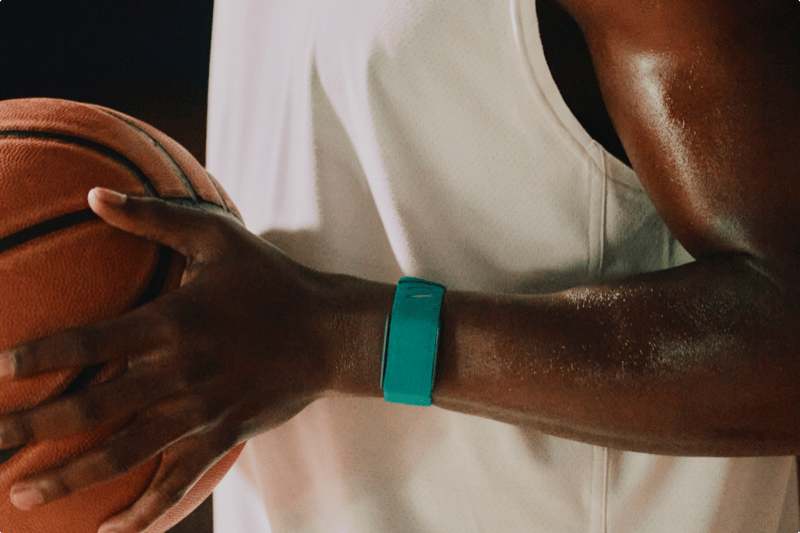
This is where the training approach featured on WHOOP feels genuinely different. Instead of only showing how hard you trained, WHOOP data helps show how ready your body actually is to take on that stress. The strain framework on WHOOP puts your daily training load alongside your recovery, so you can see very easily whether today is a good day to push (green means go) or whether a lower-recovery (or red) day is a better moment to ease off and give your body the space it needs to adapt. This clarity changes things in a big way.
It makes it easier to build a more balanced week by mixing cardiovascular training for heart and metabolic health, strength work to protect muscle, and mobility and lower-intensity movement to support recovery and nervous system balance. Data shared by WHOOP shows that when people match training load more closely to recovery, they tend to stay more consistent, recover more reliably, and avoid the cycle of doing too much, feeling flat, and starting again.
Healthspan isn’t built by going all-out every day, it’s built by training in a way your body can keep responding to both now and for years to come.
From reactive health to proactive ageing
Most of us only really think about our health when something feels off—like a bad run of sleep, low energy, or a niggle that won’t go away. That’s reactive health. Insights from WHOOP make it possible to work the other way around. By focusing on long-term trends rather than one-off readings or daily scores, it shows how what you’re doing today is shaping how your body is likely to feel and function in the future.
Healthspan brings those patterns together in one place and turns them into a simple, ongoing feedback loop. You can see what’s genuinely helping, what might be quietly holding you back, and where a few realistic changes could have the biggest impact over time.
Early WHOOP research shows that WHOOP Age closely aligns with how people perceive their own health, and that members living with chronic conditions tend to have an older WHOOP Age than those without. In other words, the metric reflects real-world health and function; not just the behaviours being tracked. That’s what moves wellbeing out of guesswork and into something you can actually plan for.
The future of ageing, as seen through WHOOP data
For the first time, we finally have a practical way to connect today’s behaviour to tomorrow’s health. The healthspan features on WHOOP turn your sleep, movement, training, fitness and recovery into something most of us have never had before… a clear signal of whether the way you’re living is genuinely helping you age better, or quietly working against you.
Instead of chasing perfect days or isolated metrics, WHOOP gives you a simple weekly read on what actually matters for long-term health. You can see which habits are adding pressure to your Pace of Ageing, which ones are helping slow it down, and where a few well-placed changes can have the biggest return over time.
That shift is what makes this all feel so different. It moves longevity out of theory and into everyday life. It gives you a way to experiment, learn, and adjust, without waiting for symptoms, lab results, or setbacks to tell you something needs to change.
The best bit? This really is only the beginning. As healthspan science evolves, wearables like WHOOP will continue to expand how we understand ageing not as a fixed outcome, but as something dynamic, personal and measurable. The future of longevity isn’t about chasing more years. With WHOOP, it’s about learning how to protect the ones that matter most.
This piece is informed by insights from WHOOP, exploring how data-driven insight is redefining healthspan, longevity and how we age over the next decade and beyond.



This article is for informational purposes only, even if and regardless of whether it features the advice of physicians and medical practitioners. This article is not, nor is it intended to be, a substitute for professional medical advice, diagnosis, or treatment and should never be relied upon for specific medical advice. The views expressed in this article are the views of the expert and do not necessarily represent the views of Healf
Samantha Nice is a seasoned wellness writer with over a decade of experience crafting content for a diverse range of global brands. A passionate advocate for holistic wellbeing, she brings a particular focus to supplements, women’s health, strength training, and running. Samantha is a proud member of the Healf editorial team, where she merges her love for storytelling with industry insights and science-backed evidence.
An avid WHOOP wearer, keen runner (with a sub 1:30 half marathon) hot yoga enthusiast and regular gym goer, Samantha lives and breathes the wellness lifestyle she writes about. With a solid black book of trusted contacts (including some of the industry’s leading experts) she’s committed to creating accessible, well-informed content that empowers and inspires Healf readers.