



































_2026-10-13_14-11-48.png)


Could Your Fatigue Be A NAD+ Problem?
NAD+ sits at the centre of cellular energy, repair and ageing. Here’s what it actually does, why levels decline, and when it’s worth paying attention.

Written by: Samantha Nice
Written on: 13 May 2026
Fatigue doesn’t always have a clear cause. You can be sleeping reasonably well, eating nourishing foods, and still feel like your energy isn’t quite where it should be. It’s not completely depleted, but it’s also not fully there either. Recovery is slower, resilience is lower, and things take more effort than they used to.
That’s where NAD+ has started to come into focus. The molecule plays a key role in how the body produces energy and repairs itself at a cellular level, so when those systems aren’t running efficiently, it tends to show up in how you feel day to day. Understanding what NAD+ actually does, why levels decline, and when it’s worth paying attention to signals helps put that feeling into context, and makes it easier to know what, if anything, to do about it.
What is NAD+?
NAD+ (nicotinamide adenine dinucleotide) is a coenzyme found in every cell of the body. It plays a central role in maintaining how your cells function, particularly when it comes to energy production, repair, and overall cellular health.
“I often describe it as one of your cellular spark plugs. It helps your cells turn the food you eat into energy you can use,” says Alka Patel, MBBS, MRCGP, a longevity and lifestyle medicine doctor.
It’s involved in far more biological processes than just energy production. NAD+ supports DNA repair, mitochondrial function, inflammation regulation, circadian rhythm and how well your cells respond to stress, which is why it sits at the centre of conversations around ageing and longevity. “NAD+ is not a quick energy kick like caffeine. It is part of the cellular mechanisms that make energy at source,” Dr. Patel adds.
How NAD+ links to energy and fatigue
Energy in the body is produced as ATP (adenosine triphosphate). “ATP is the energy currency your cells spend all day long. You use it to walk, think, digest, repair, focus, move your muscles and run your immune system,” says Dr. Patel.
That energy is made inside the mitochondria, and NAD+ plays a key role in getting it there in a usable form. “When you eat food, your body breaks it down and pulls out energy-carrying electrons. NAD+ picks up those electrons and becomes NADH. NADH then carries the electrons into the mitochondria,” she explains.
In more relatable terms, you can think of it like this:
- NAD+ is like an empty shuttle, moving around your cells ready to pick up energy from the food you’ve eaten.
- NADH acts as that shuttle carrying that energy to where it can be used once it’s loaded.
Once those electrons reach the mitochondria, they move through a series of steps that allow your cells to convert it into ATP. “The electron transport chain is like a tiny energy conveyor belt inside the mitochondria,” says Dr. Patel. If that system is under strain, it often shows up in familiar ways:
- Lower stamina
- Brain fog
- Slower recovery
- Reduced exercise tolerance
- That “wired but tired” feeling
At the same time, fatigue rarely comes down to a single cause. “Fatigue is a flag. It is your body waving for attention. NAD+ may be part of the story, but it is rarely the whole story,” says Dr. Patel. That’s why it’s important to look at the full picture before focusing on any one pathway. “Before I consider whether someone needs NAD+ support, I ask why their cells are struggling to make, use or recover energy in the first place.”
Why NAD+ levels decline
NAD+ levels tend to decline with age, but that drop is not driven by a single factor, including the fact that your body may simply become less efficient at making and recycling it, says Dr. Patel.
At the same time, demand for NAD+ increases as the body deals with more repair work. “Think of it like an older house. The wiring, roof, boiler and plumbing all need more maintenance. Your cells are similar. As you age, there is more DNA damage, more oxidative stress and more inflammatory signalling to deal with,” she adds.
On top of that, your body is using more of it day to day. NAD+ is constantly being used to support repair, recovery, and cellular maintenance, so supply can struggle to keep up with demand. All of this creates a system under more pressure, with higher demand and less efficient supply. “NAD+ decline matters because ageing is not just time passing but repair demand rising,” says Dr. Patel.
Signs NAD+ could be part of the picture
“There is no single symptom that proves your NAD+ is low,” says Patel. “Low energy can come from many sources including iron deficiency, poor sleep, thyroid disease, blood sugar swings, hormone shifts, inflammation, under-eating, overtraining, alcohol, medication side effects or chronic stress.”
Where NAD+ becomes more relevant is when fatigue reflects a drop in how well your body recovers and adapts over time. “I become more interested in NAD+ biology when fatigue looks more like poor cellular resilience,” she explains. That tends to show up as a pattern, rather than one clear issue. You might notice:
- You don’t recover from exercise the way you used to
- Your brain feels foggy even after a normal night’s sleep
- Your stamina has dropped
- You feel more inflamed or achy
- Your sleep is lighter
- Your stress tolerance is lower
That general sense of not bouncing back is often what people describe first. “Fatigue may be the symptom you feel, but accelerated ageing may be the biology underneath,” says Dr. Patel who measures biological ageing.



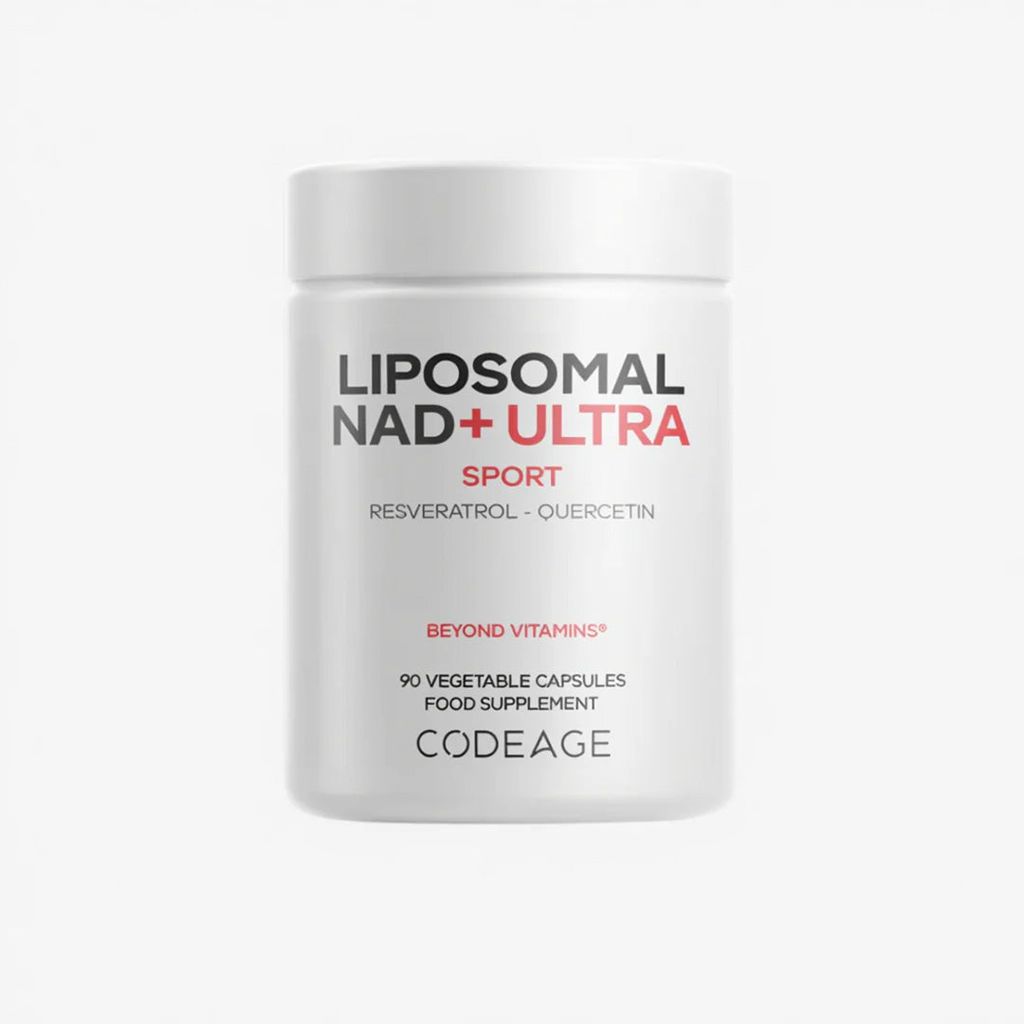
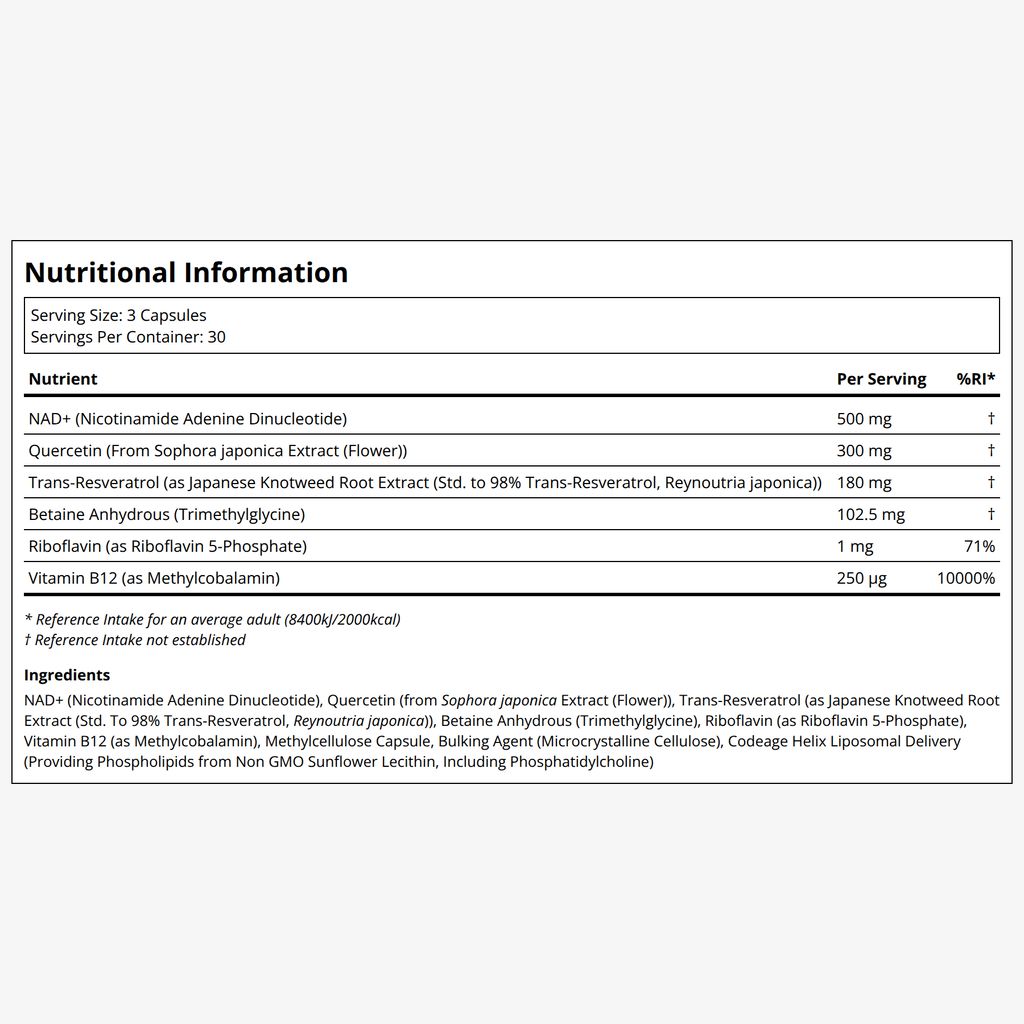
What the research actually shows
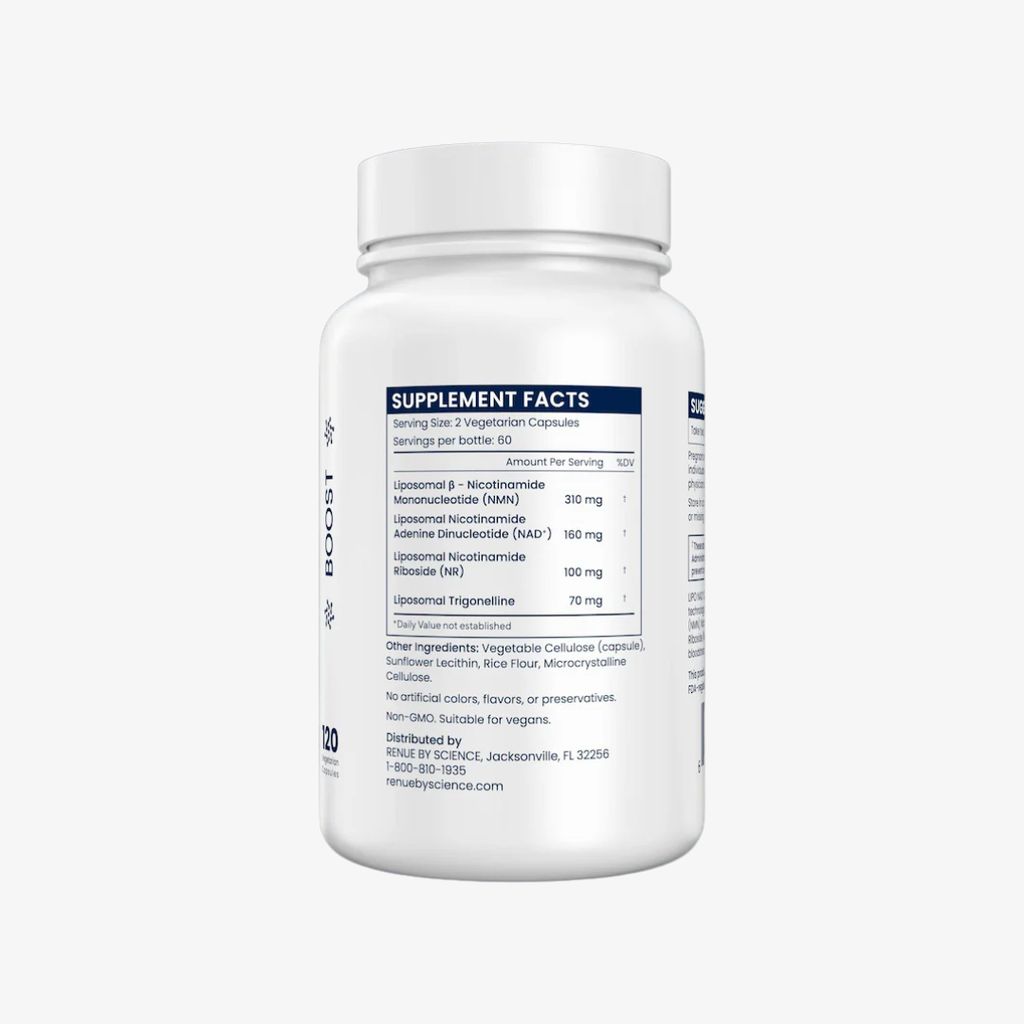
Research into NAD+ precursors such as nicotinamide riboside (NR) and nicotinamide mononucleotide (NMN) has grown quickly, but it’s important to separate what’s been proven from what’s still being explored. “The research is promising, but the marketing has at times run ahead of the medicine,” says Dr. Patel.
What studies do show is fairly consistent: NAD+ precursors can raise NAD+ or NAD-related metabolites in the blood “which means they are doing something measurable,” Dr. Patel explains. There are also some more targeted findings where certain studies have shown:
- Improvements in insulin sensitivity, particularly in people with metabolic dysfunction
- Increases in NAD+ levels in older adults
- Some improvements in physical performance in specific clinical groups
Where things become less clear is how that affects day-to-day outcomes. “The bigger question is whether that always translates into more energy, better function, healthier ageing or lower disease risk,” says Dr. Patel. In other words, we can measure a biological change, but that doesn’t always mean you’ll feel more energised or recover faster in a noticeable way. “The promise of NAD+ is exciting, but the power is in precision,” she adds.
How to support NAD+ naturally
Your body already has systems in place to produce and recycle NAD+, but how well they work often comes down to your lifestyle. “Exercise is one of the most powerful natural ways to support mitochondrial health and NAD+ biology. Aerobic exercise and resistance training both send a signal to your cells that says, ‘Build better energy systems,’” says Dr. Patel.
That’s partly because of how the body maintains NAD+ levels. Rather than constantly producing NAD+ from scratch, the body relies heavily on what’s known as the salvage pathway, a recycling system that allows used NAD+ to be recovered and reused efficiently. “That is a big point,” says Patel. “Your body does not just need to make NAD+ from scratch. It also needs to be recycled efficiently.”
It’s also important to look at what drains the system. “Poor sleep, alcohol excess, glucose spikes, chronic stress, inflammation and overtraining can all increase the burden on energy and repair systems,” Dr. Patel says. Most of the time, supporting NAD+ usually comes back to a few consistent habits:
- Eating enough protein
- Strength training regularly
- Including lower-intensity cardio
- Getting morning light
- Keeping blood sugar stable
- Prioritising sleep and recovery
“NAD+ biology responds to the life you live, not just the supplements you take,” says Dr. Patel.
So, do NAD+ supplements work?
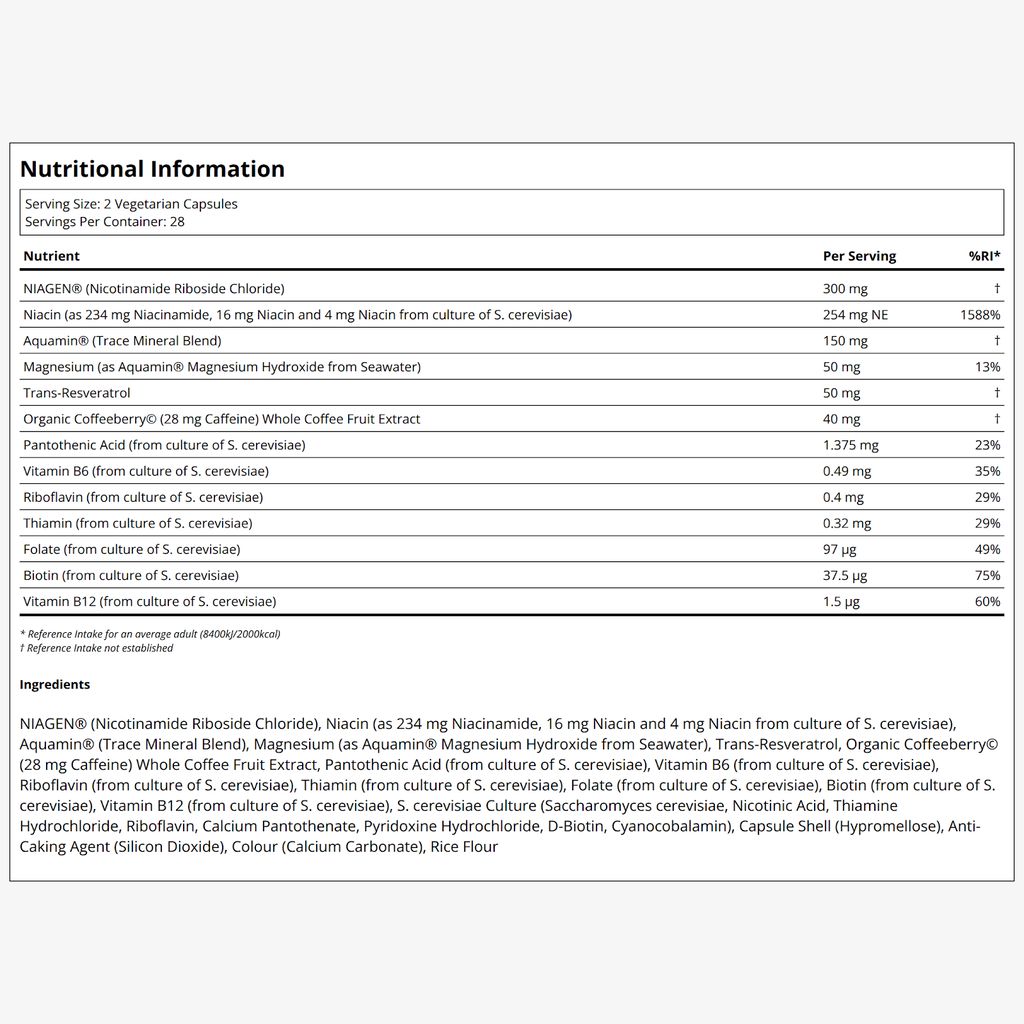
Supplements like NR and NMN, which are precursors to NAD+, are not necessarily a first step. They’re designed to support the NAD+ production line and can be helpful when there is a clear need. That might look like lower stamina, slower recovery, or signs of metabolic strain that persist even when the basics are in place.
Dr. Patel’s approach reflects that. “If I am thinking about fatigue and cellular energy, I also want to know whether the cofactors are in place,” she says. Nutrients like B vitamins, magnesium, iron and CoQ10 all play a role in whether your body can actually produce and use energy effectively.
That’s why her focus is on how the cellular energy system is functioning as a whole, rather than just increasing one marker. “NAD+ is only one part of mitochondrial energy production. I am not just asking, ‘Is NAD+ low?’ I am asking, does this person have the fuel, cofactors, oxygen delivery and mitochondrial capacity to make energy properly?”
So yes, supplements like B vitamins, NMN and NR can be useful in the right context, but they tend to work best as a layer on top of an already functioning system, not as a way to build one from scratch.

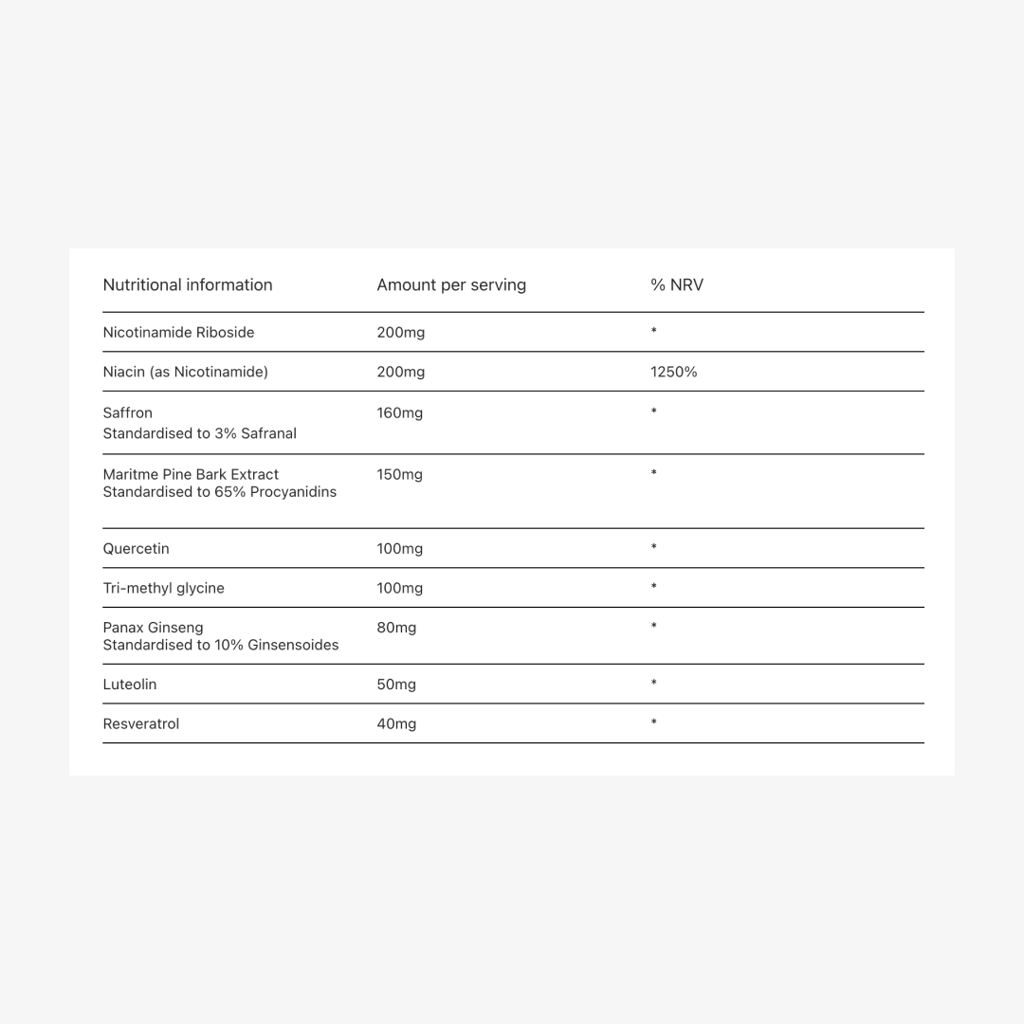
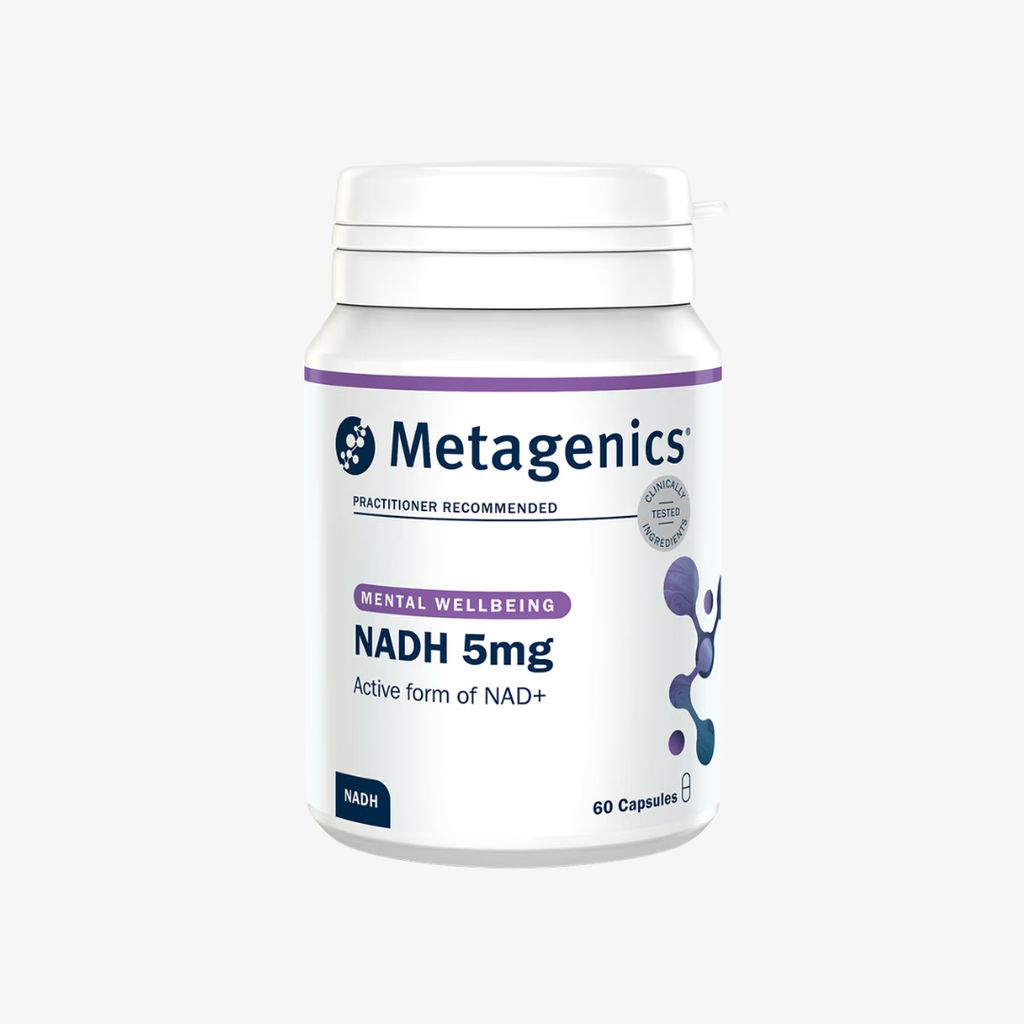


Who should actually be thinking about NAD+?
NAD+ tends to be most relevant in two groups. “The first is people whose energy seems to be struggling to keep up with demand,” says Dr. Patel. “That might show up as lower stamina, slower recovery, metabolic dysfunction, or higher inflammation. The second group is the proactive group: health optimisers, longevity-focused individuals and high performers. These are people who are not waiting to feel unwell before they pay attention to cellular ageing. They are interested in energy production, mitochondrial function, DNA repair and how to protect healthspan over time.” she adds.
In both cases, it’s part of a broader strategy rather than a standalone fix. “The key is not to treat NAD+ as a trendy longevity shortcut. It’s better seen as one marker in a wider cellular energy and repair picture,” she explains. “The better question is, ‘What’s happening in this person’s biology, and would NAD+ support make sense as part of their wider strategy?’”
Her final point brings it together clearly. “NAD+ isn’t an energy hack. It is an energy infrastructure molecule. You do not just want more spark. You want better wiring,” she says.
So, Healf or hype?
NAD+ is worth paying attention to, but it’s not the first place to look if your energy feels off. You’ll get far more from sorting your sleep, diet, and recovery first. That’s what actually moves the needle for most people.
NAD+ becomes more relevant later. If those basics are in place and you still feel like your energy, stamina or recovery aren’t where they should be, then it can be worth exploring, either through lifestyle or, in some cases, supporting supplements.
So it’s not a ‘no’, but it’s also not a ‘must’. It’s something to consider when the obvious things are already working, and you’re looking for what else might be going on.
Your NAD+ questions, answered
What are the benefits of NAD+?
NAD+ supports how your body produces energy, repairs cells and responds to stress. The biggest impact tends to be on how efficiently those systems run, rather than a noticeable “boost.”
Can NAD+ help with fatigue?
It can play a role, particularly if fatigue is linked to slower recovery or reduced cellular resilience. But it’s rarely the only cause.
Do NAD+ supplements actually work?
They may raise NAD+ levels in the body, especially when the right cofactors, precursors, and recycling pathways are in place, and for some people that may translate into better energy, recovery, or stamina. They tend to work best when the basics are already in place.
How can you increase NAD+ naturally?
Regular exercise, good sleep, stable blood sugar and enough protein all support how your body produces and recycles NAD+.
Who should consider NAD+ support?
Usually people experiencing slower recovery, lower stamina or metabolic strain, or those already dialled in and looking to optimise further.


This article is for informational purposes only, even if and regardless of whether it features the advice of physicians and medical practitioners. This article is not, nor is it intended to be, a substitute for professional medical advice, diagnosis, or treatment and should never be relied upon for specific medical advice. The views expressed in this article are the views of the expert and do not necessarily represent the views of Healf
Samantha Nice is a seasoned wellness writer with over a decade of experience crafting content for a diverse range of global brands. A passionate advocate for holistic wellbeing, she brings a particular focus to supplements, women’s health, strength training, and running. Samantha is a proud member of the Healf editorial team, where she merges her love for storytelling with industry insights and science-backed evidence.
An avid WHOOP wearer, keen runner (with a sub 1:30 half marathon) hot yoga enthusiast and regular gym goer, Samantha lives and breathes the wellness lifestyle she writes about. With a solid black book of trusted contacts (including some of the industry’s leading experts) she’s committed to creating accessible, well-informed content that empowers and inspires Healf readers.