















When Should You Start Taking NAD+ And Do You Even Need It?
The signs it might be worth it, how long it takes to feel and how to use NAD+ support properly (without falling for the hype).

Written by: Samantha Nice
Written on: 18 February 2026
NAD+ has become one of the most talked-about molecules in the longevity space, popping up across healthspan conversations, longevity podcasts, and biohacker routines as the quiet star of modern wellness. It’s usually framed as a way to support energy, slow the ageing curve, and help your cells perform better for longer—a behind-the-scenes upgrade for how your body copes with modern life rather than a flashy quick fix.
And while the messaging around NAD+ makes it sound like a shortcut to feeling 25 again, the real story is far more nuanced and interesting. NAD+ is actually a molecule you’ve relied on your entire life. “I often call it the healthy ageing molecule. It’s found in every single cell in your body and is essential for two things your cells must do constantly: produce energy and repair damage,” says Nuchido’s CEO and longevity expert, Nichola Conlon, PhD.
The real question is whether modern life, alongside ageing, stress, poor recovery, and the general chaos of being human, is quietly draining it faster than your body can keep up. To get a grounded, science-led answer, we spoke to Conlon, who explains when NAD+ support actually makes sense, how long it takes to notice changes, what to stack it with, and which expectations you should probably drop.
What is NAD+?
NAD+ sits right at the centre of how your cells make energy and fix everyday damage. “In that sense, NAD+ is truly foundational as every cell relies on it,” says Conlon.
A lot of ageing research now links NAD+ biology to the same pathways that drive how well we age at a cellular level. Large reviews (like this one) describe NAD+ as a central regulator of multiple ageing pathways, including DNA repair, mitochondrial function, and inflammation.
The catch is that your NAD+ levels don’t stay steady throughout life. Research shows that the way your body makes and uses NAD+ changes as you get older, and many scientists now see this gradual drop in NAD+ availability as one of the underlying features of ageing biology. How big that drop looks can vary depending on the tissue being studied and how it’s measured, but the overall pattern is consistent.
When should you start taking NAD+ support?
As we get older, our body’s NAD+ demand increases due to higher levels of cellular stress, DNA damage, and chronic inflammation, Conlon explains. So, not only are we producing less NAD+, our cells are also using it up faster.
If you’re hoping for a neat age cut-off on when to start taking NAD+ support, you won’t really get one. It’s not as simple as “start at 40”. Conlon says the time you start supplementing actually depends on both age and how much day-to-day strain your body is under. “Both age and lifestyle have a huge influence on NAD+ levels,” she says. “NAD+ decline will occur with age, but lifestyle factors determine how quickly that decline happens.”
In other words, it’s not just how old you are. It’s how hard your body is being asked to work, recover, and keep up. The idea that ageing and chronic stress both increase the demand placed on NAD+ is a well-established theme in ageing and metabolism research. (If you want to read the full clinical trial behind Nuchido TIME+ specifically, you can read it here.) As Conlon explains: “A sedentary lifestyle, poor sleep, chronic stress, alcohol consumption, illness, inflammation, ultra-processed diets and even excessive training without adequate recovery can all speed up NAD+ decline.”
So, while NAD+ support often gets framed as something you do later, she sees it as relevant for younger people too. “This is why NAD+ support isn’t just necessary later in life and most of us could benefit, because it’s not just about age, it’s about how demanding modern life is on our cells.”
If you’re under 40, she positions it as more of a resilience play. “For those in their 20s and 30s, NAD+ support is largely about prevention and optimisation to maintain energy, resilience and performance,” she says. “For those who are older, it becomes more about restoring cellular health after years of NAD+ deficit.”
Signs you might benefit (and how to tell if you’re just under-recovered)
This is where people get stuck, because “low NAD+” is not easily identifiable. “As NAD+ supports so many important processes in the body, there isn’t usually one single symptom of decline,” Conlon says. “Instead, people often describe familiar patterns such as ‘I don’t have the same energy I used to’, ‘The same workouts feel harder’, ‘I sleep the same amount, but don’t feel rested’, ‘My brain feels like it’s running on empty’.”
She flags a few recurring signals:
Fatigue that doesn’t improve with sleep
Slower recovery from exercise
Brain fog or reduced focus
Sleep that doesn’t feel restorative
Increased susceptibility to illness
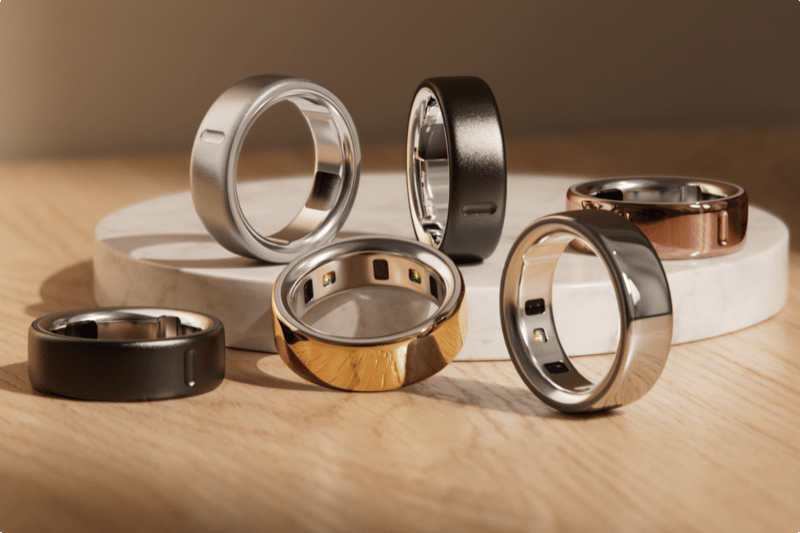
The key differentiator is whether the basic health and wellbeing rules work. “If the issue is simply under-recovery, improvements usually come with better sleep, nutrition and rest,” Conlon explains. “But if you’re already doing all of those things and still struggling, it’s often a sign that your cells need additional support.” For the wearables crowd, she adds a useful marker. “For people tracking sleep, HRV or readiness, consistently low scores despite good habits can be a strong indicator that NAD+ support may be beneficial.”
Why Nuchido’s approach is different
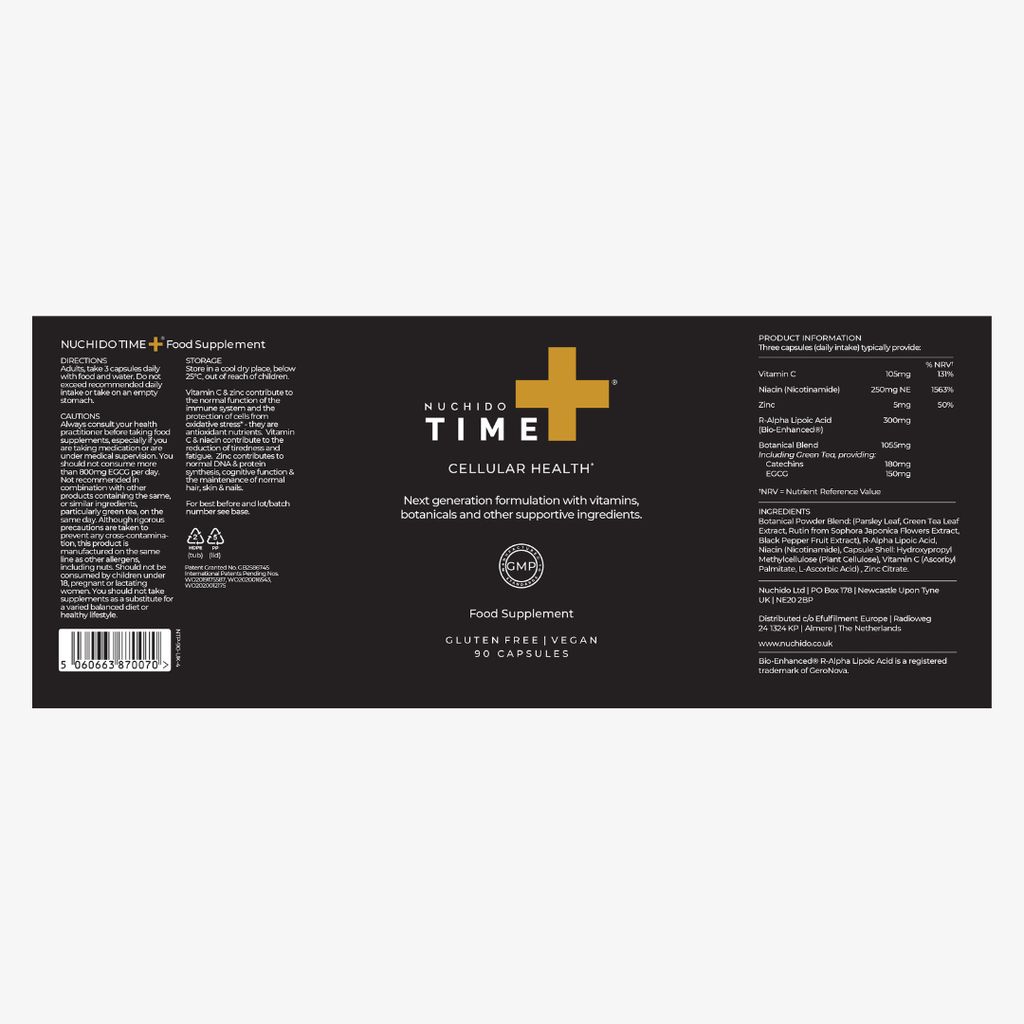
A lot of NAD+ products focus on giving the body the ingredients it needs to make more NAD. Nuchido’s pitch is that the real issue is not that your body lacks the raw ingredients to make NAD+. Instead, the system responsible for recycling and rebuilding it simply becomes less efficient as we age.
“When we’re young, our cells are very good at keeping NAD+ levels healthy,” Conlon explains. “They mainly do this through a recycling process called the salvage pathway.” In simple terms, your body doesn’t constantly make brand-new NAD+ from scratch. It mostly recycles and rebuilds the NAD+ it already has. The problem is that this recycling system slows down with age. The key enzyme that drives NAD+ recycling (called NAMPT) becomes less active with age, which effectively slows the body’s ability to regenerate NAD+ in the first place.
This is where a lot of NAD+ supplements miss the bigger picture. Conlon explains what she calls the “precursor problem” like this: “If you think of precursors as raw materials, you can supply plenty of them, but if the enzyme responsible for converting those materials into NAD+ isn’t working efficiently, you won’t meaningfully raise NAD+ levels.”
Put simply, if the system that recycles NAD+ is running slowly, throwing more raw materials at it won’t do much. That’s why more researchers are now looking at how well the whole NAD+ system is working – not only the precursors added in (you can read a clear overview of that thinking here if you’re curious).
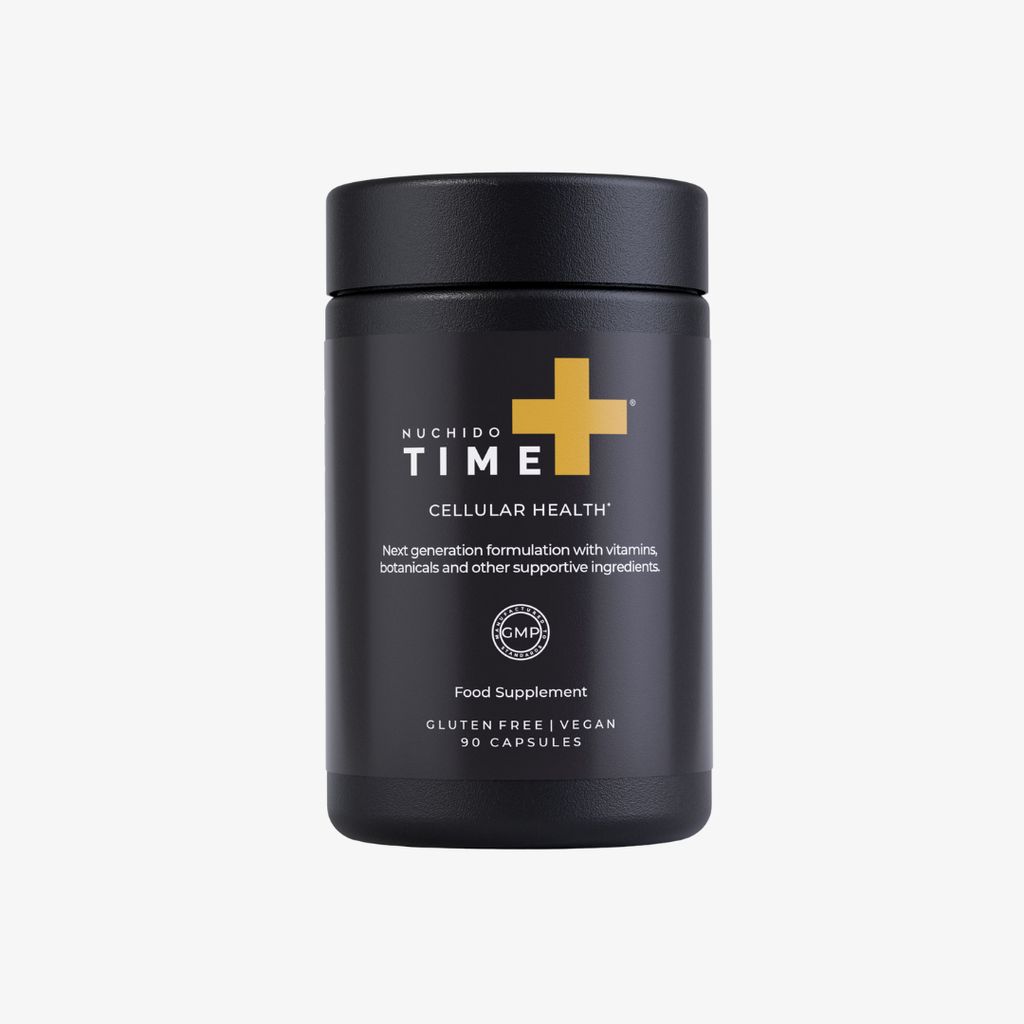
Conlon is directing energy towards supporting that machinery. “Rather than focusing on adding more precursors, Nuchido TIME+ is designed to support and reactivate the body’s own NAD+ recycling enzyme, helping restore the pathway that naturally maintains NAD+ in younger cells,” she says.
How long does NAD+ support take to notice?
This is where expectations need a hard reset. Conlon is very clear that you won’t feel or notice a difference within the first week. “Taking a supplement isn’t an overnight fix,” she says. “For best results, we recommend committing to one to three months so your NAD+ production can be switched back on and cellular repair can begin.”
She breaks it down in a way that feels realistic:
Around 7 days: NAD+ levels increase, which is often felt as steadier, sustained energy rather than the jittery energy boost from caffeine.
Around 28 days: NAD+ production is fully reactivated, helping support cellular repair.
Around one month: People commonly report improved energy, focus and sleep.
After three months: Cells can begin prioritising non-essential processes like skin quality, hair and nail growth.
The best ways to take it
Conlon recommends taking all three capsules together, with your first meal of the day. “Taking it earlier aligns with your natural NAD+ rhythm and allows you to make the most of the increased cellular energy throughout the day,” she says. If you’re someone who forgets supplements unless they’re attached to a routine, this is your cue to anchor it to your breakfast.
What stacks well with NAD+ support and what’s best to avoid
This is where people get excited and accidentally build a stack that overlaps. “If you’re taking other products alongside Nuchido TIME+, it’s always sensible to check for the same (or similar) ingredients across supplements,” Conlon says. “This helps avoid unintentionally exceeding recommended daily intakes.”
Conlon is also a big fan of red-light therapy, and points out that research suggests red and near-infrared light can act directly on mitochondria (the energy centres of your cells) to support more efficient energy production. If you’re already taking high-dose NAD precursors (like NR/NMN) and then layer multiple “cellular energy” products on top, it’s worth simplifying rather than assuming more is better. NAD biology is foundational, but that doesn’t mean you need five products aimed at the same thing.
If you’re already doing everything right, will you even feel anything?
Essentially yes, but the benefits tend to show up as day-to-day consistency, rather than dramatic, overnight changes, per Conlon. “Even with the best lifestyle, ageing still happens at the cellular level,” she says. “Lifestyle habits can slow NAD+ decline, but they don’t stop it entirely.”
So, rather than acting like a replacement for good habits, she positions the supplement as something that supports these routines. “For people already optimising their health, NAD+ support acts as a multiplier, helping cells respond more effectively to healthy behaviours.”
In practical terms, people often notice improvements in recovery, resilience, mental clarity, and consistency of energy, rather than dramatic changes. “In short, NAD+ support isn’t about replacing good habits. It’s about helping your cells keep up with them, so you can continue performing, recovering and feeling your best for longer,” she says.
Who should be cautious?
NAD+ support sits firmly in the everyday wellbeing space, but it still works at a very fundamental cellular level. So, if you’re pregnant, breastfeeding, currently under medical care, or managing a more complex health condition, it’s a good idea to run it past your doctor or healthcare professional first because NAD pathways are involved in core processes like energy production and cellular repair, which are also closely monitored in clinical settings. If in doubt, a quick sense-check with a professional is the smartest move.
The takeaway: Should you start taking NAD+?
If you’re waiting for some perfect milestone age, you’ll probably miss the real point. NAD+ support is less about “anti-ageing” and more about cellular capacity, energy and repair in a world that asks a lot of you. If you’re feeling flat, under-recovered, or like your energy and clarity are getting harder to maintain even when your habits are solid, NAD+ may be worth exploring. Just go in with the right expectations. This is about gentle, cumulative support for how your cells function over time, not a quick hit, buzz, or stimulant-style boost.
As Conlon puts it, it’s about helping your cells function more like they did when you were younger, so you can keep feeling like yourself for longer.


This article is for informational purposes only, even if and regardless of whether it features the advice of physicians and medical practitioners. This article is not, nor is it intended to be, a substitute for professional medical advice, diagnosis, or treatment and should never be relied upon for specific medical advice. The views expressed in this article are the views of the expert and do not necessarily represent the views of Healf
Samantha Nice is a seasoned wellness writer with over a decade of experience crafting content for a diverse range of global brands. A passionate advocate for holistic wellbeing, she brings a particular focus to supplements, women’s health, strength training, and running. Samantha is a proud member of the Healf editorial team, where she merges her love for storytelling with industry insights and science-backed evidence.
An avid WHOOP wearer, keen runner (with a sub 1:30 half marathon) hot yoga enthusiast and regular gym goer, Samantha lives and breathes the wellness lifestyle she writes about. With a solid black book of trusted contacts (including some of the industry’s leading experts) she’s committed to creating accessible, well-informed content that empowers and inspires Healf readers.
_2026-10-13_14-11-48.png)