















_2026-10-13_14-11-48.png)


Bryan Johnson’s 10-Year Review: The Products That Made The Cut

Written by: Pippa Thackeray
Written on: 16 September 2025
In his 10-year product review, Bryan Johnson shares the best longevity supplements and biohacking products that really delivered.
A decade of self-experimentation
Bryan Johnson has tested hundreds of supplements and biohacking tools across a decade of Project Blueprint. His 10-year review shows which products survived strict measurement and which fell away.
The living laboratory
A decade ago, Bryan Johnson began treating his body as a living laboratory. The former tech entrepreneur turned longevity devotee has since poured millions into Project Blueprint, his relentless attempt to slow the tick of biological time.
Every habit, supplement and device is logged, measured and judged by a single rule: to keep what works, discard what does not.
“The $2 million is primarily spent on the research and the measurement and so the actual what I do day to day is very low cost. I’d say the majority of people can afford it, most things are actually free.” — Bryan Johnson in conversation with Jay Shetty
Johnson has made himself into both subject and scientist, claiming gains such as the heart health of a 37-year-old, and an ageing pace that runs at an incredibly low speed.
Yes, Bryan Johnson claims to have reduced his ageing speed to 0.64, meaning he ages only about 7.5 months for every year that passes, according to an article published earlier this year in The Guardian, which documents the infamous Netflix series Don’t Die.
He achieves this through a rigorous and expensive regimen of diet, exercise, sleep, and treatments, supported by a team of scientists.
Whether you see it as a crazy obsession or something truly pioneering, his 10-year review offers a rare look at what survives when the hype wears off and the data remains.
The daily stack: supplements that perform
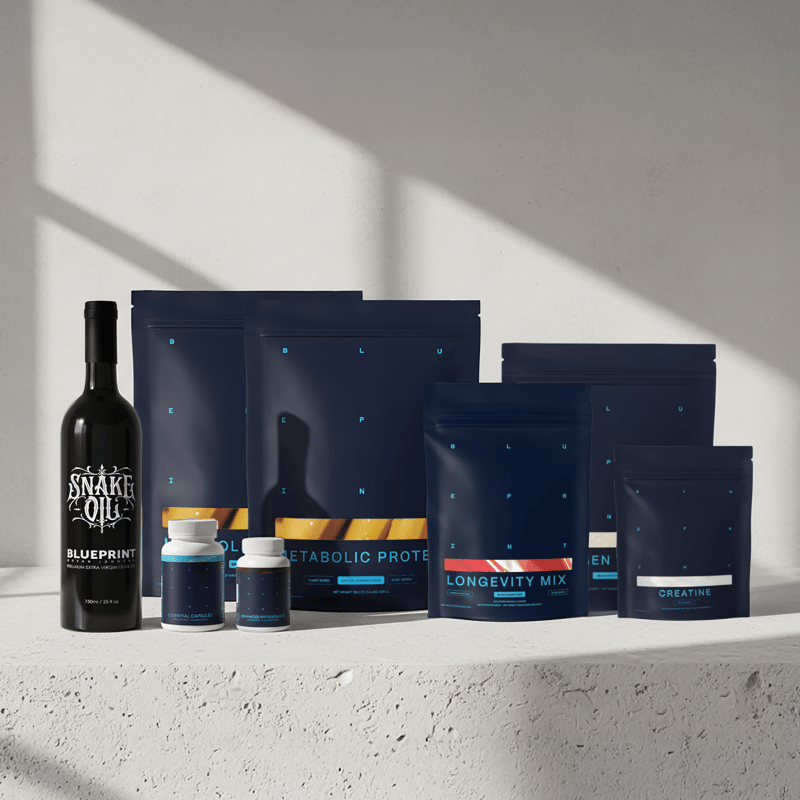
At the centre of Johnson’s protocol sits the Blueprint Range, a selection of products that functions as shorthand for his philosophy.
What’s included:
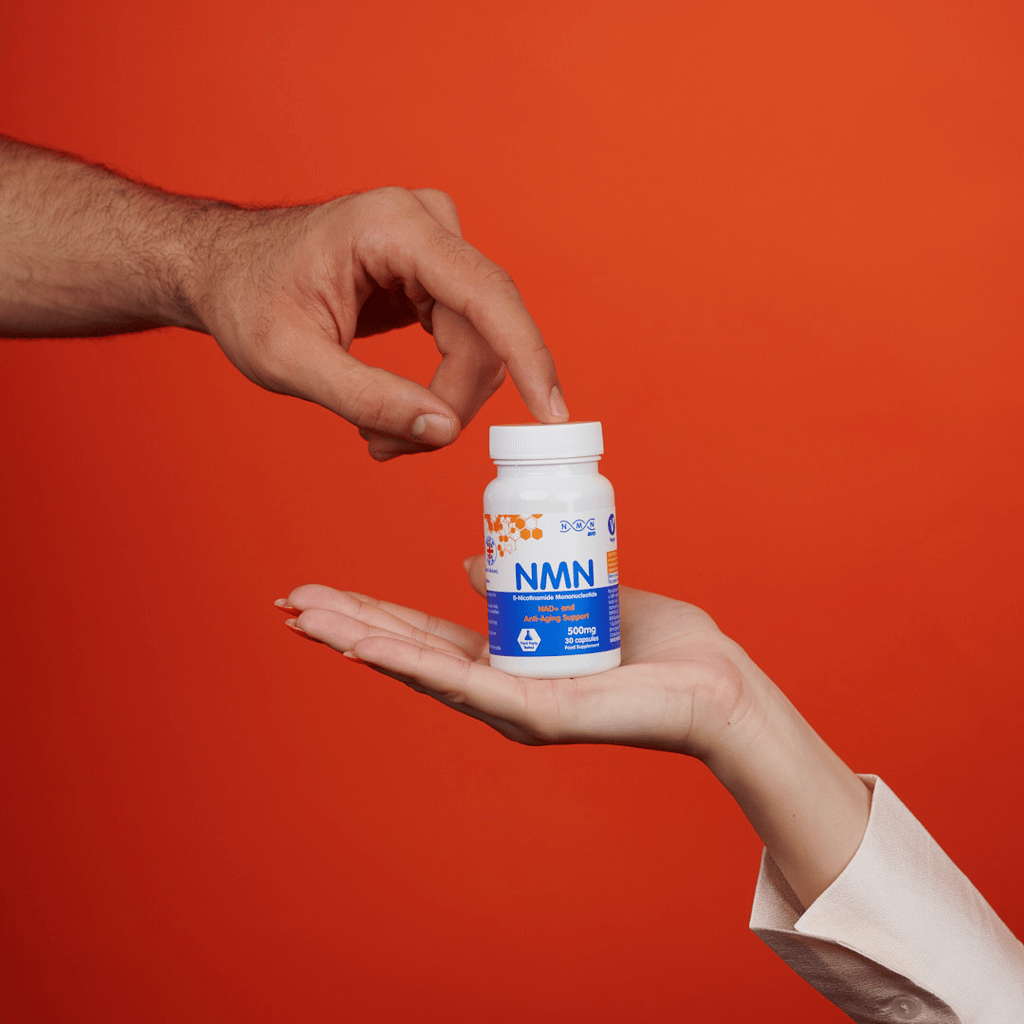
- NMN to support NAD+ production and cellular energy
- CoQ10 for mitochondrial protection
- Vitamin D3 with vitamin K2 to balance bones and heart health
- Turmeric (curcumin) for its antioxidant punch
- L-theanine for calm and focus
- Olive oil for polyphenols and cardiovascular resilience
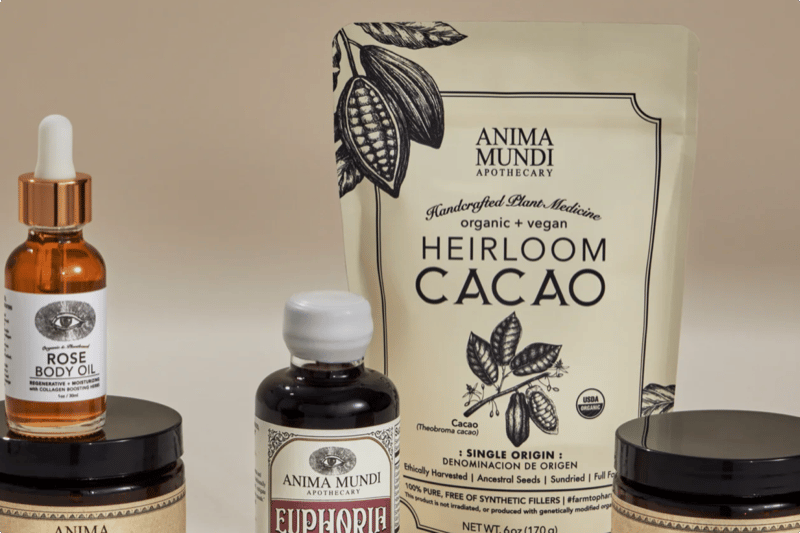
- High polyphenol cocoa for blood flow
A note on the Longevity Mix
His Longevity Mix brings together 13 bioactives in a single scoop, including antioxidants, adaptogens, amino acids, and minerals. From energy to structural health and even focus, it pulls the heavy lifting into a single routine you can actually stick to.
Why did this mix cause a stir? Because each ingredient aims at a different pathway of ageing, bundled together into one drink. Johnson presents it as the distilled result of years of trial, error and attrition.
Why is Bryan Johnson so into supplements?
Johnson is so deeply invested in supplements because he believes that they fit his mission to slow ageing and optimise health through data.
With Project Blueprint, he tracks everything from sleep to blood biomarkers, testing which compounds enhance longevity, energy, and cognitive performance.
In essence, supplements offer him measurable, daily tools for precise self-experimentation.
“If you want the best longevity stack in the world, we’ve put it together— 8 pills and of those eight 8 about 62 or so health actives. They’re some of the best molecules known to anti-aging science.” — Bryan Johnson
What about lifestyle and technology?
Beyond supplements, Bryan Johnson sees lifestyle and technology as essential pillars of longevity. He treats sleep as a profession, relying on precision tools to optimise rest, and prioritises clean air. For him, the environment around the body is as important as what goes into it.
Sleep as a profession
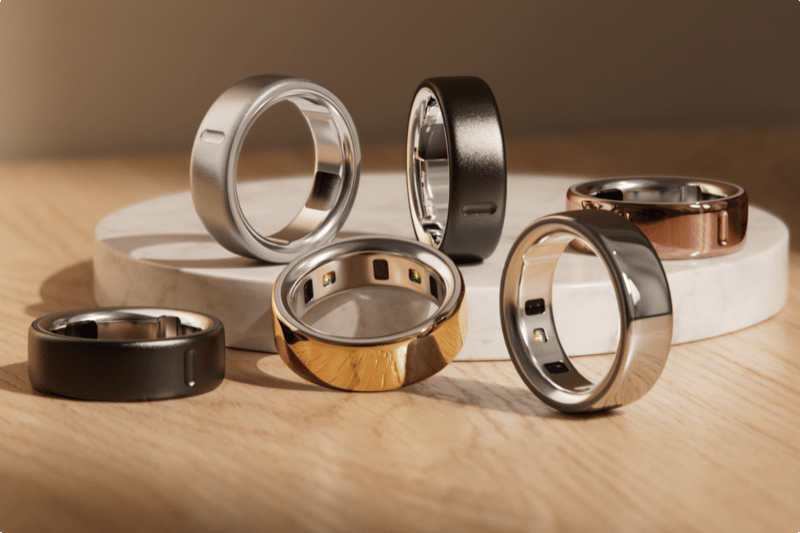
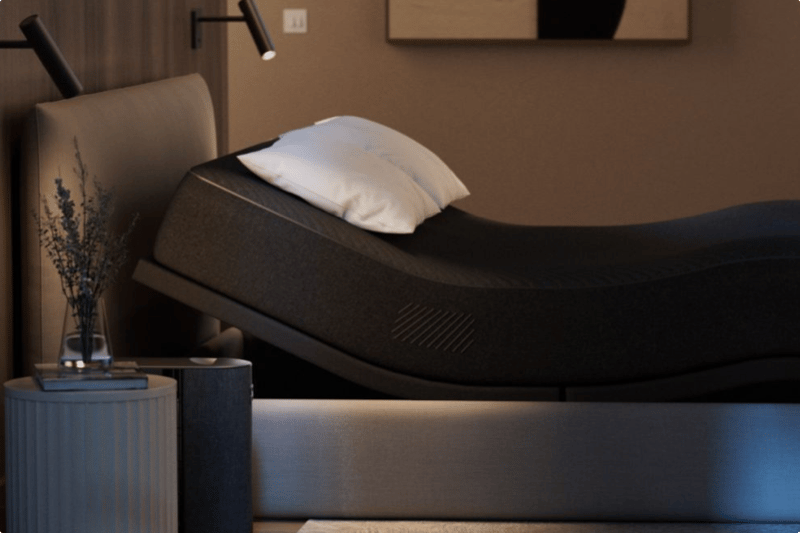
Bryan Johnson views being a “professional sleeper” as a lifestyle priority and a foundation of health. He thinks sleep is the most powerful tool for performance and longevity. Sleep is Johnson’s real tech obsession. His Eight Sleep Pod regulates temperature through the night, while wearables such as Whoop and Oura track every cycle, heart rate and trend.
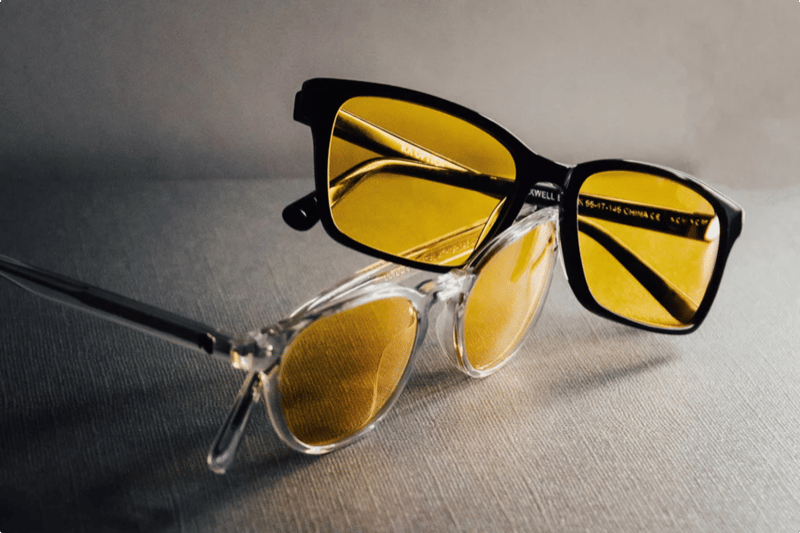
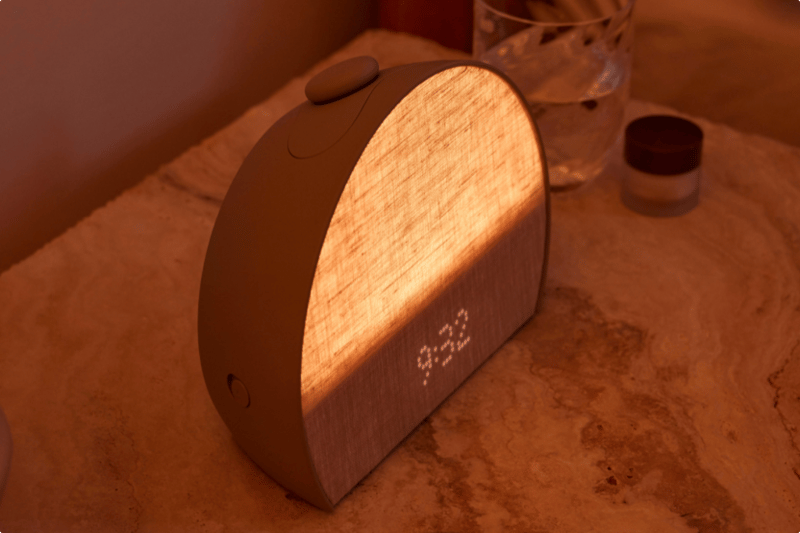
He also believes, alike many other health habits, consistency is what counts. His approach is to treat sleep as a non-negotiable appointment, keep a consistent bedtime, eat earlier in the day, practise a calming wind-down routine, and minimise evening blue light with warm, dim lighting instead. Often this type of discipline is free to access, with minimal kit required.
“Sleep is my profession… for 8 months I went to bed at the exact same time every night, and my body would just knock out.” — Bryan Johnson
Breathing clean air
Air quality is treated with the same scrutiny. He purifies the air in his home, with indoor scores often hitting zero compared to Los Angeles’ average of sixty.
For Johnson, air is as important as food or sleep. He believes polluted air accelerates ageing by driving oxidative stress, inflammation and fatigue. As part of Blueprint, he monitors every breath with certified IQAir sensors, until the readings show near-perfect scores.
Johnson has even compared poor urban air to “smoking multiple cigarettes a day,” a perhaps startling reminder that longevity is not only built in the gym or in the kitchen but also in the air we inhale.
Light and circulation
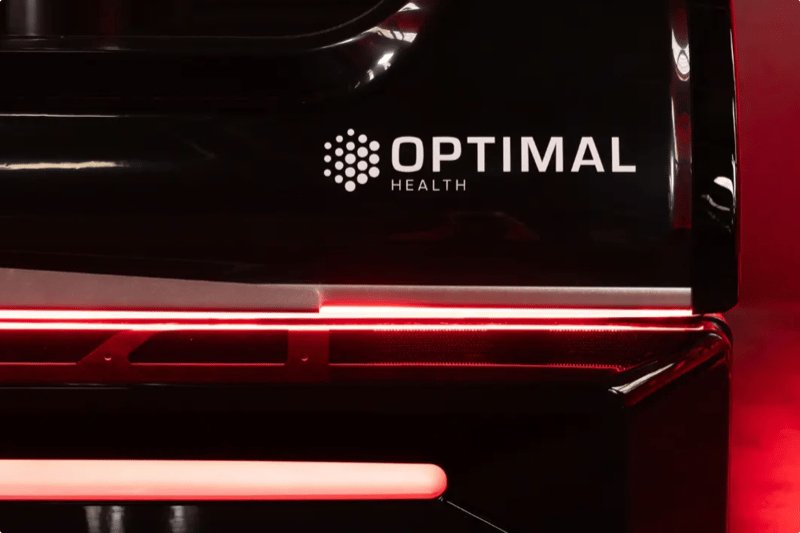
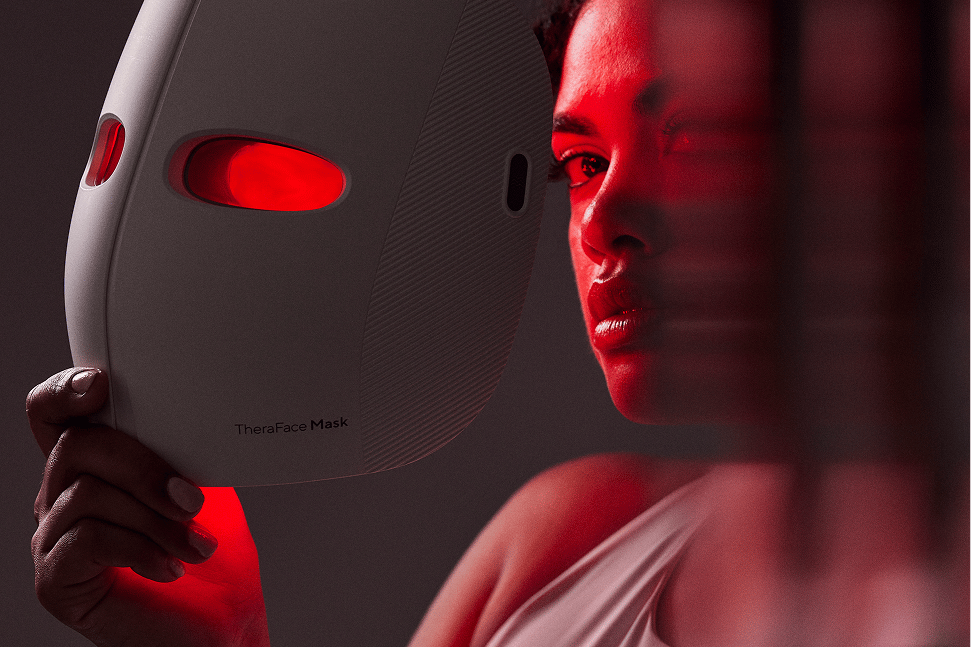
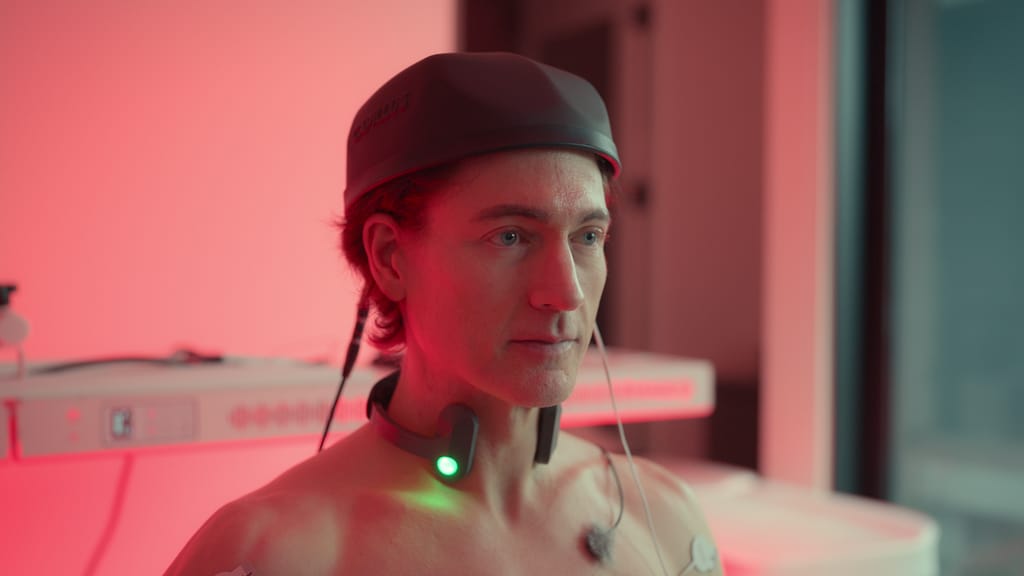
Red light devices are used daily on skin and scalp, designed to stimulate blood flow and reduce inflammation. Even a simple scalp massager is part of the kit.
Nervous system tools
Devices such as Sensate help Johnson regulate stress. He frames these not as luxuries but as engineering. This way, friction can be removed so recovery becomes automatic.
The products Bryan Johnson actually uses
Skincare and personal care:
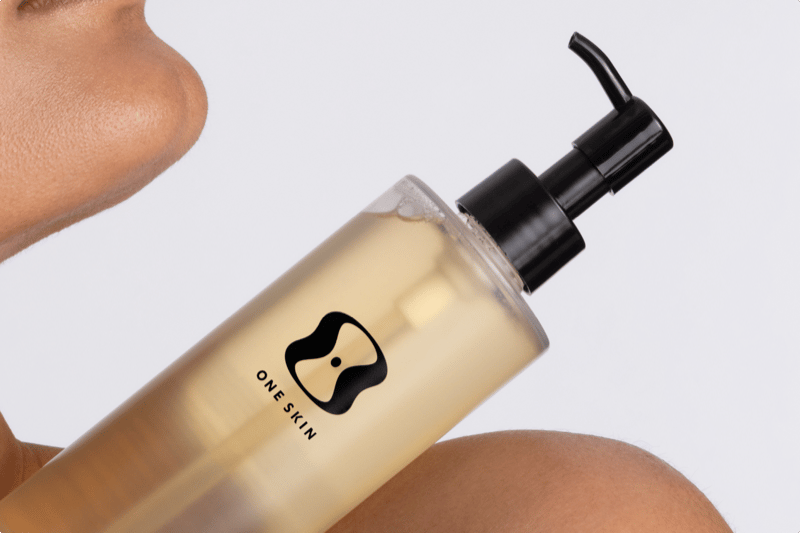
- CeraVe Acne Control Cleanser, daily moisturiser with SPF 30 and night cream
- 7 creams featuring vitamins C and E, B3, ferulic acid and azelaic acid
- Prescription tretinoin at 0.1 percent
- EltaMD sunscreen applied each morning
- Red light therapy devices including Capillus, Celluma Pro and FlexBeam
- UV tinted windows to reduce exposure
Supplements and nutrition
- Blueprint stack with NMN and spermidine, probiotics and digestive enzymes
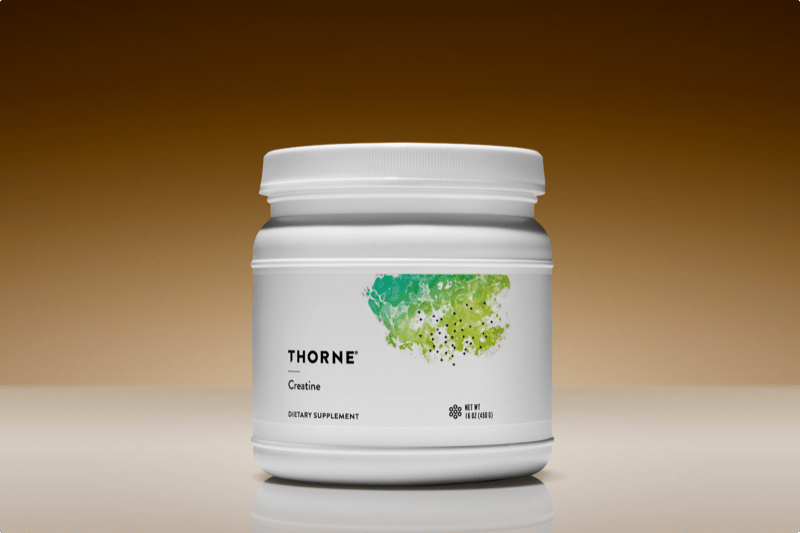
- Collagen protein, creatine and taurine
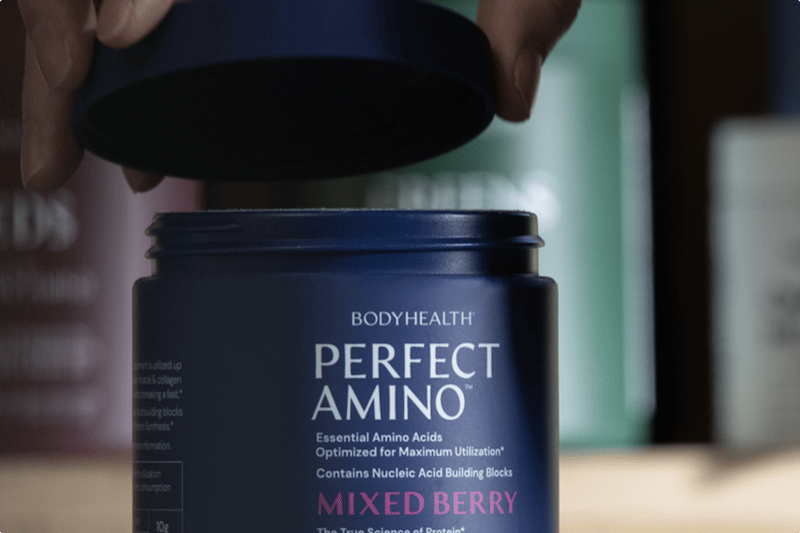
- Blueprint branded protein and softgels
- Blueprint nutty pudding made from nuts, berries and cocoa
- Berberine for metabolic stability (thought to be as effective as metformin for blood sugar regulation)
Other tools
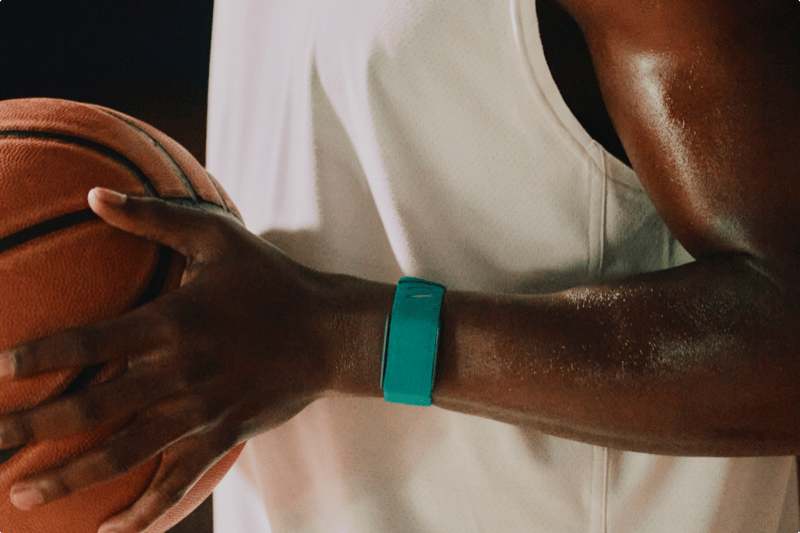
- Wearables such as Whoop for round the clock data. It’s used to track metrics like sleep duration, quality, daily exertion, and recovery to test and improve his body's performance, as shown in his extensive sleep studies and use of the device
- Accutane used sparingly within a dermatology plan
Unseen enemies
“My grandfather was full of lead, my parents are full of asbestos, and I’m full of microplastics, and we don’t know just quite how bad that can be for us yet.” — Bryan Johnson
From heavy metals to microplastics, Johnson treats invisible exposures with the same seriousness as food or light. He prefers steel or glass over plastic, filters his water and keeps monitors running at home. What you cannot measure, he argues, you cannot manage.
The peril of the frontier
Progress brings its own unique risks. Recently, Johnson admitted that rapamycin, a drug once central to his plan, may have backfired. After side effects and a study suggesting it could speed up ageing markers, he dropped it.
“To those of you laughing at home, I’m laughing with you.” — Bryan Johnson, reflecting on his rapamycin misstep.
The lesson was clear. Even the best-hyped interventions have the potential to disappoint. If longevity science were an ocean, we, as humans, are standing only at the very edge of it.
Effectiveness versus cost
If you’re reading this wanting to know what to place trust in for your long-term health, you may ask: “Are these biohacking experiments actually worth the investment?”
Well, Johnson insists the headlines have an annoying tendency to overexaggerate.
He says that the bulk of spending goes to scans and measurement, and not the daily stack: “A lot of people see the $2 million headline and they think this cannot be reachable. But actually it is. The expensive portions have been measuring every organ. The actual protocol is really low cost. I would say the majority of people can afford it. Most things are actually free.”
In his view, the foundation is accessible. Sleep is free. So is turning off the light at night. Then, perhaps, the products are merely helpful additions, and not the whole story.
How personal is his protocol?
One may argue that Blueprint is a system tuned to one person and one dataset. How then can it function as a commercial project? Johnson himself is also blunt that no one should copy him line for line.
He tailors the protocol to his body and keeps adjusting as new data comes in.
The system is openly shared: Johnson publishes every detail of his diet, exercise, sleep and supplement plan online. That transparency may allow others to study or to adapt it to suit their biology. In this way, while his full version is expensive, the core framework is accessible to anyone willing to build habits and measure progress.
It could also be said that choices only matter when they become part of a daily pattern, repeated until they shape behaviour on their own.
“The best health or longevity advice I’ve ever received? Build habits.” — Bryan Johnson
Longevity across the four Health Pillars: EAT, MOVE, MIND, SLEEP
Bryan Johnson treats his daily protocol as a living experiment. You can build your own version with products that support repair, recovery, sharper focus and deeper rest.
- EAT NMN Bio contains high purity NMN to support cellular energy
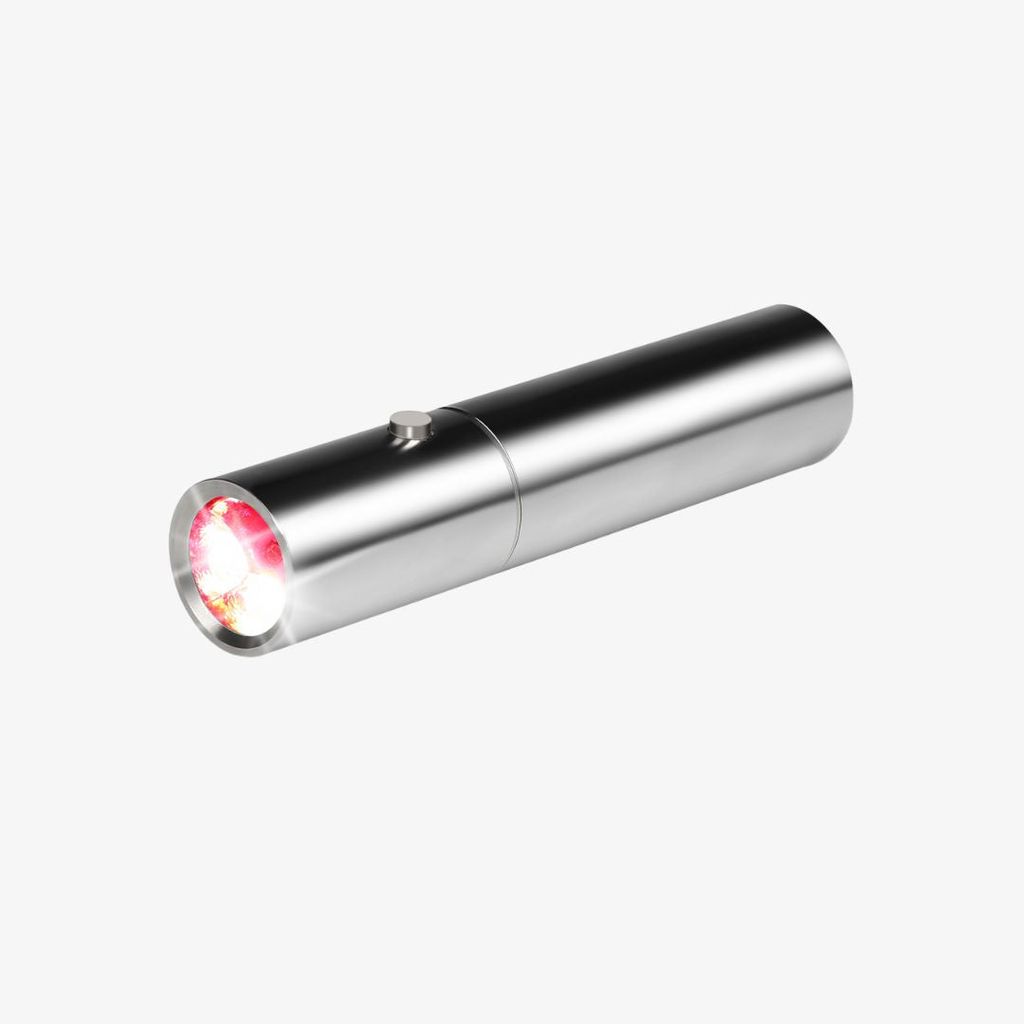
- MOVE BON CHARGE Bullet Red Light Therapy Device portable sessions for recovery and circulation
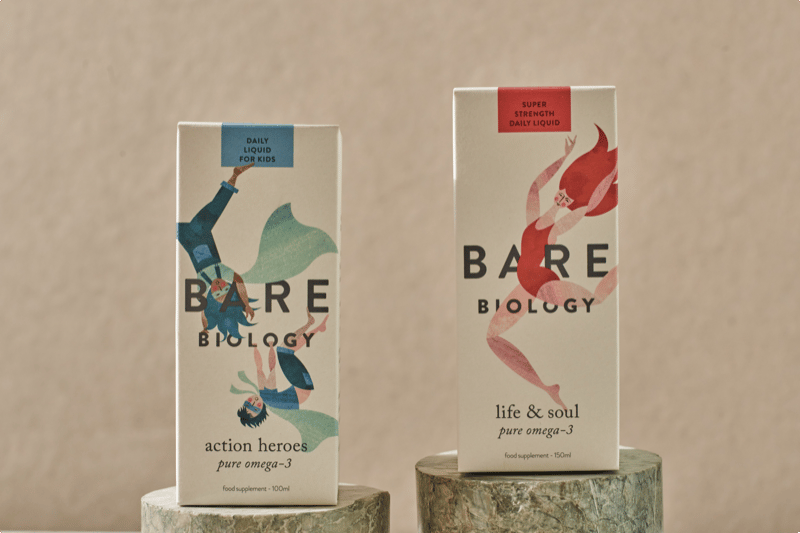
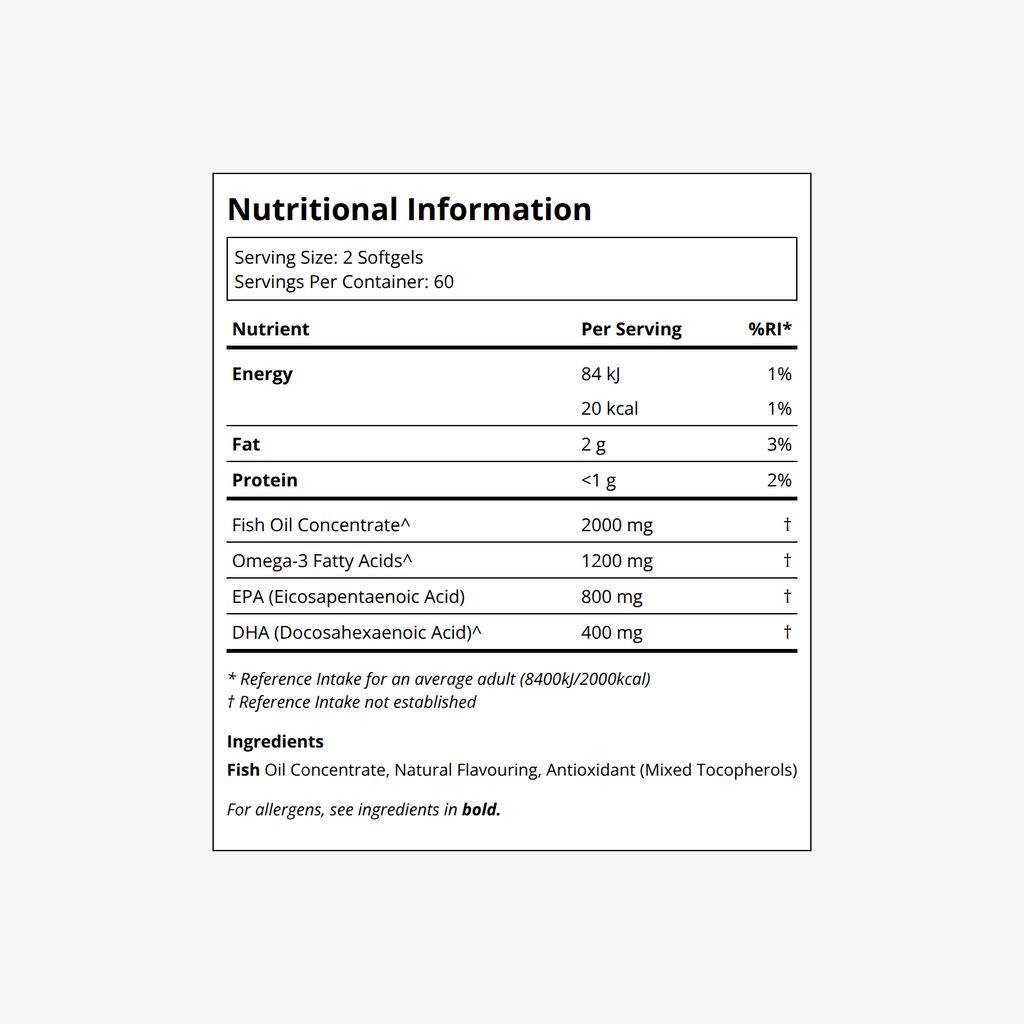
- MIND EPA-DHA Balance - 600mg daily support for cognition and cardiovascular health
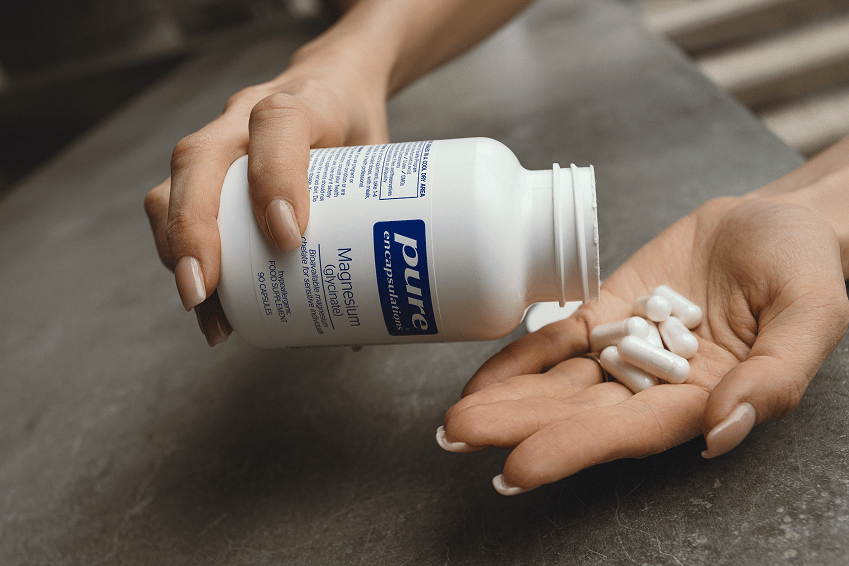
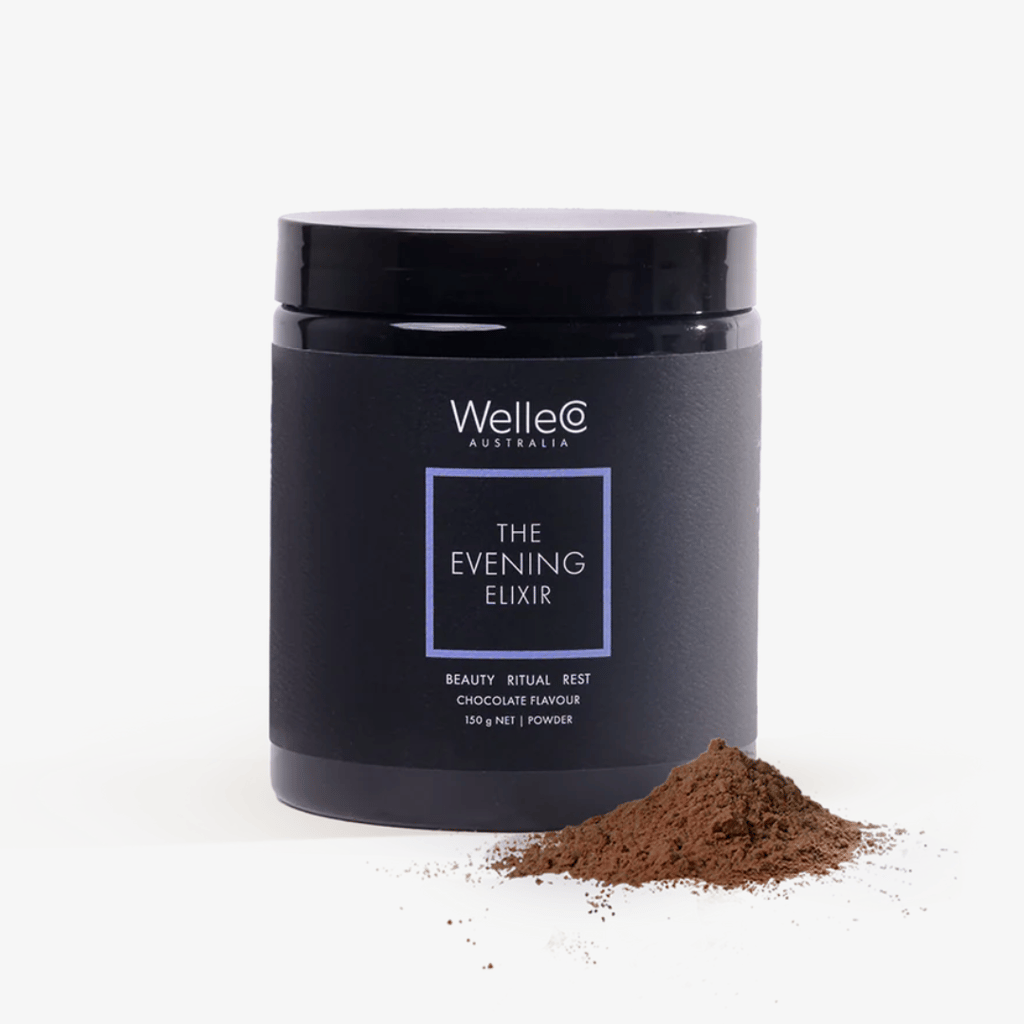
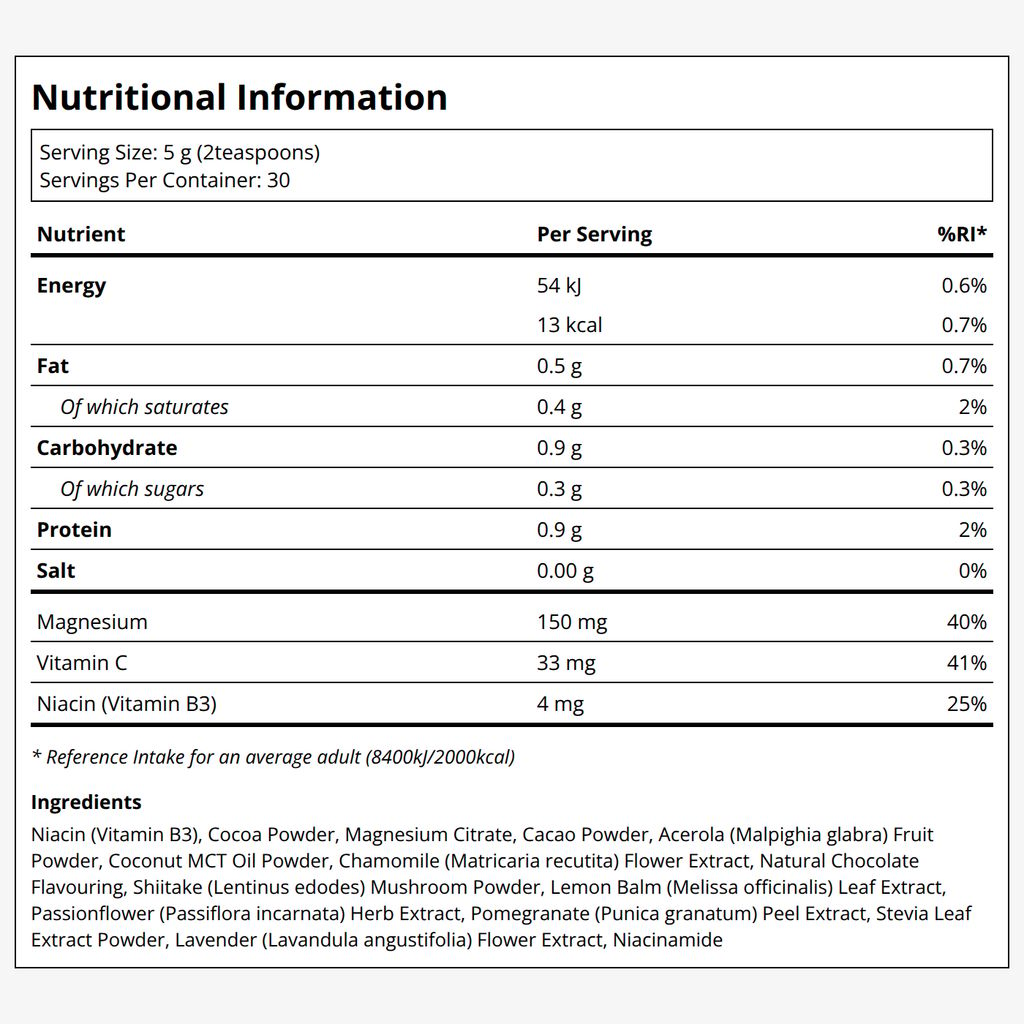
- SLEEP The Evening Elixir - Chocolate formulated with magnesium and vitamin C to ease the nervous system before rest



The takeaways: are products marketed for longevity worth the hype?
Ultimately, it can be taken that longevity is not some far-fetched abstract concept. It is built choice by choice, habit by habit. And the products you select are part of that design.
Which products does Bryan Johnson actually recommend?
He recommends a blend of Blueprint-branded items and proven supplements: the Longevity Blend drink mix, olive oil, NMN, CoQ10, vitamin D3 with K2, turmeric, L-theanine, high-polyphenol cocoa and berberine.
On the tech side, he leans on tools like the BON CHARGE Bullet Red Light Therapy Device, the Eight Sleep Pod, and trackers including Whoop, Oura Ring, as well as the nervous system tool Sensate.
How effective are the products that Bryan Johnson recommends for longevity or biohacking?
Johnson keeps only what moves his biomarkers in the right direction.
Rapamycin was cut after it raised blood sugar and heart rate. NMN, CoQ10 and fisetin remain for their roles in energy, mitochondria and clearing old cells. He also measures benefits from sleep tracking, temperature control and red light sessions.
Are these products worth the investment?
According to Johnson, most of the $2 million went on scans and lab tests, not daily products.
The core habits of sleep, diet and exercise cost little. His supplement stack runs to a few hundred pounds a month, but he insists the best return comes from simple discipline and basic measurement.


This article is for informational purposes only, even if and regardless of whether it features the advice of physicians and medical practitioners. This article is not, nor is it intended to be, a substitute for professional medical advice, diagnosis, or treatment and should never be relied upon for specific medical advice. The views expressed in this article are the views of the expert and do not necessarily represent the views of Healf
Pippa is a content writer and qualified Nutritional Therapist (DipNT) creating research-based content with a passion for many areas of wellbeing, including hormonal health, mental health and digestive health.
As a contributor to The Healf Source, she regularly attends seminars and programmes on a plethora of contemporary health issues and modern research insights with a drive to never stop learning. In addition, interviewing experts and specialists across The Four Pillars: EAT, MOVE, MIND, SLEEP.
In her spare time, she is an avid swimmer, mindfulness and yoga lover, occasionally bringing a raw, honest approach to the topics she faces. You may also discover some personal accounts of eye-opening wellbeing experiences amidst the reality of a disorientating, and often conflicting, modern wellbeing space.