





























_Madeline_Spanier_Photos_ID7424.jpg)

Surprising Tools That Can Help You Build Muscle
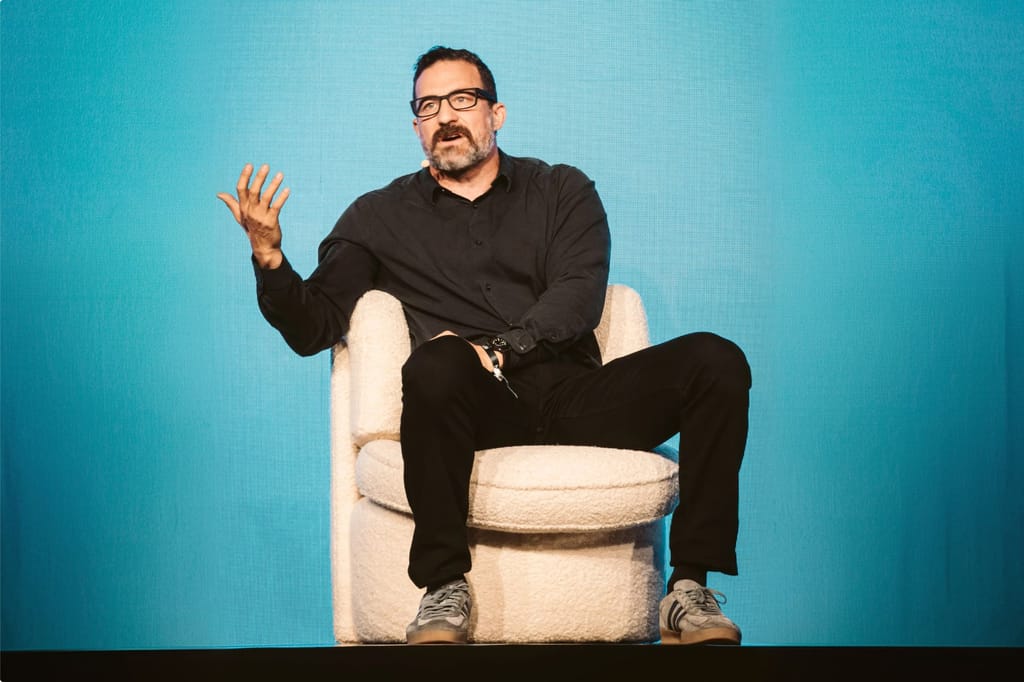
Max Lugavere spoke at HX26 — Healf's two-day wellness event at 180 Studios — in June 2026. This is what stood out.

Written by: the Healf Editors
Written on: 14 July 2026
The old school muscle-building conversation is one that most of us have heard too many times to count — hit your protein target, lift heavy, sleep eight hours, repeat. And while these basics are essential, this guidance tends to leave out some of the more interesting and surprising levers that actually do the heaviest lifting.
When Max Lugavere, host of The Genius Life podcast and author, took the stage in June at HX26, Healf's inaugural wellbeing event at 180 Studios in London, he wasn't interested in retreading familiar ground. Instead, he offered a reframe. Muscle, he argued, isn't just a gym metric. It's one of the most powerful indicators of how well you're ageing — cognitively, metabolically, hormonally. And the tools for building it, when you look beyond the obvious, are more overlooked than you'd expect.
Listen to Max Lugavere's full talk on YouTube.
Resistance training is the one thing you can't outsource
Lugavere is direct about where he thinks most people are wasting their energy. At HX26 he described a kind of triage approach to wellbeing, which involves a pyramid where resistance training sits firmly at the foundation, and everything else layers on top. "The data linking skeletal muscle health and strength to healthy ageing is essentially irrefutable," he said. "The stronger you are in body, your brain directly benefits from that."
This isn't just a motivational point. The research is substantial: resistance training improves insulin sensitivity, shifts hormonal balance, reduces systemic inflammation, and maintains the mobility that makes every other healthy habit possible as you age. A 2019 review in Nutrients confirmed that both endurance and resistance training improve glucose metabolism in older adults, with resistance training specifically counteracting the muscle loss and insulin resistance associated with ageing — the kind of downstream consequences that most people don't connect back to skipping the weights.
The point Lugavere kept returning to at HX26 was that you can't major in the minors. The wearables, the supplements, the protocols — these are only about 3 to 5% of what makes a difference. Resistance training is the 80%.
Creatine does more than you think — including for your brain
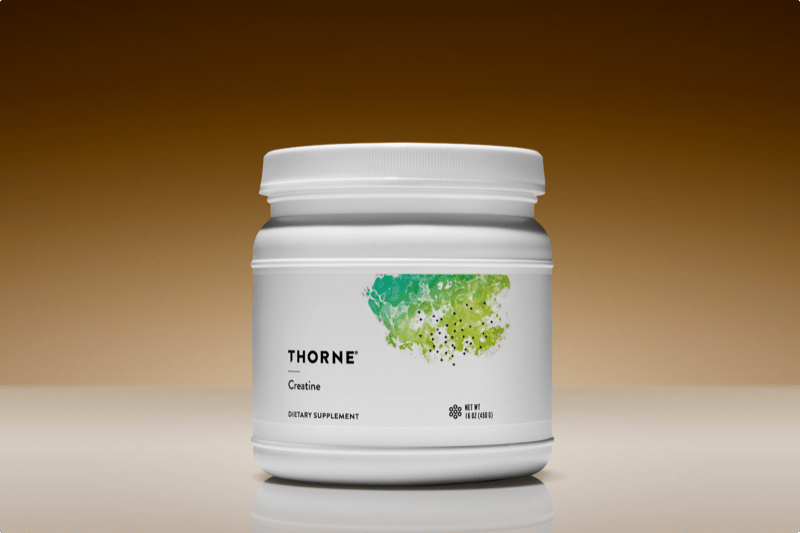
For years, creatine was associated with bodybuilders and bulky frames. Now, it's having what Lugavere called its "day in the sun." He's been paying attention to creatine for a long time, and his read of the current evidence is pretty spot on. "Is it magic? No, but is it worth integrating into your diet? Absolutely."
What makes creatine interesting beyond its well-established role improving strength output, training volume, and recovery is what's emerging around its effects on the brain. Lugavere highlighted research linking dietary creatine, naturally found in red meat and fish, to better cognitive performance across large population cohorts. There is even some early clinical trial data exploring creatine supplementation in Alzheimer's disease. A 2025 pilot study published in Alzheimer's & Dementia: Translational Research & Clinical Interventions found positive signals across cognitive domains in patients with Alzheimer's who supplemented with creatine monohydrate — a small, uncontrolled trial with no placebo group, but significant enough to warrant attention.
Another 2024 systematic review and meta-analysis in Frontiers in Nutrition also found that creatine supplementation had measurable positive effects on cognitive function in adults.
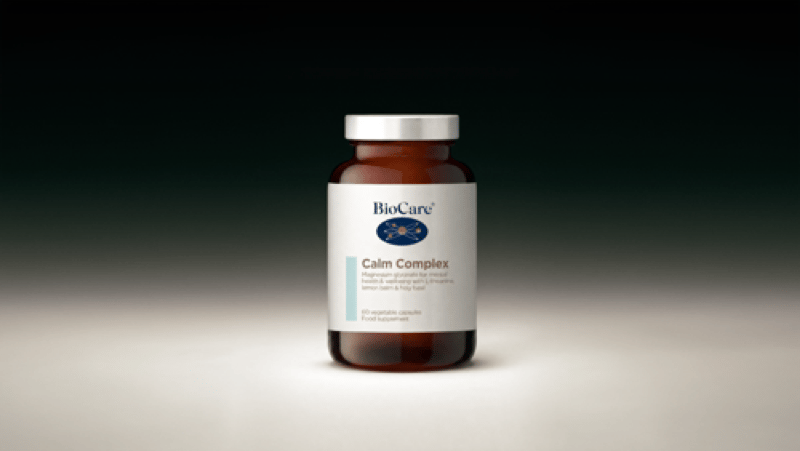
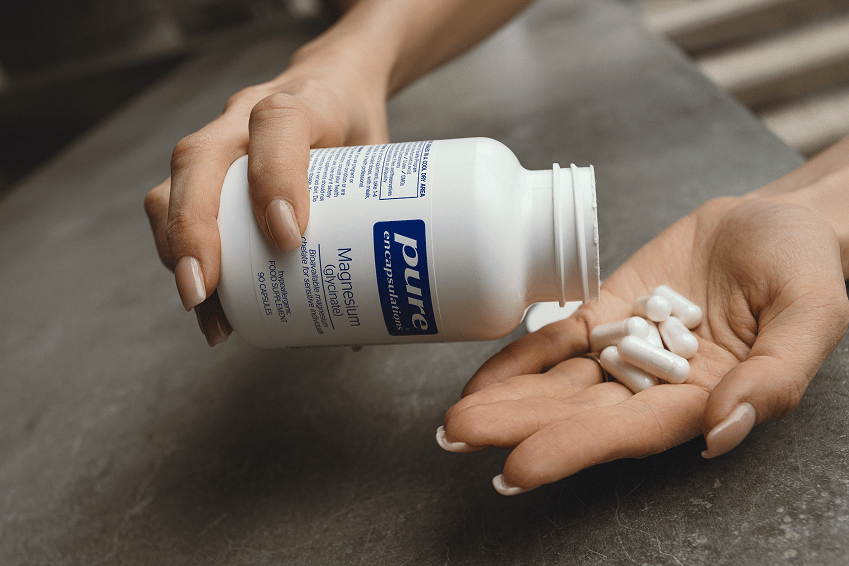
The practical upshot, as Lugavere put it: 3g to 5g daily, taken consistently will make the biggest difference. There's no need to dive straight to the mega-dose loading protocols you'll see online because smaller doses will deliver.
Protein first, but satiety is the strategy
One of the more memorable moments at HX26 came when Lugavere brought up the satiety index — a 1995 study by Dr. Susanna Holt at the University of Sydney that tested 38 foods for how filling they were per 240-calorie serving. The results were counterintuitive. Croissants scored the lowest of any food tested. Boiled potatoes scored the highest — nearly seven times higher, at 323% relative to white bread.
The reason this matters for muscle building may not be immediately obvious, but Lugavere made it clear: building muscle requires a reliable, consistent caloric environment. That means managing hunger well enough to eat with intention rather than reactively. "Once you start to see food through the lens of satiety," he said, "diet tends to make a lot more sense."
Protein is the most satiating macronutrient, which is why it should anchor every meal — not just post-workout, but throughout the day. Fibrous whole foods and minimally processed carbohydrates fill in around it. But the goal is an eating pattern that doesn't require willpower to maintain, because that well is finite and you should try to play the long game to build good habits.
The bodybuilder analogy he kept returning to is useful here. Elite bodybuilders, he argued, have quietly mastered something that the mainstream wellness conversation hasn't caught up to: the art of eating food that's nourishing and filling, without making it so palatable that it takes over. They eat a lot of plain rice. A lot of plain protein. Not because it's glamorous, but because it works — and because the absence of high food reward means hunger stays manageable.
Food quality is a lever most people aren't pulling
The final thread Lugavere wove through his talk at HX26 — and one that connected directly with the other speakers on the day — was the question of food quality. This, he brought up as a functional input, not a lifestyle aesthetic for social media photos and clout.
Why? The nutrient density of the food you eat directly affects what your body has to work with, and that matters when the goal is building or preserving muscle. He recommended animal source foods and dark leafy greens, as each offer unique compounds that support different aspects of brain and body function. Red meat and fatty fish are natural dietary sources of creatine. Eggs, meat, and fish provide the highest-quality complete amino acid profiles. Dark leafy greens offer phytonutrients and micronutrients that create the metabolic environment in which all of that protein can actually do its job.
The broader point — one that ran through the entire HX26 conversation — is that muscle is not built in the gym alone. It's built in the cumulative quality of what you eat, how consistently you train, how well you recover, and how intelligently you manage the hormonal and metabolic environment that makes all of it possible. The surprising tools for building muscle, it turns out, are mostly just the basics done properly — with a little more attention paid to the details than most of us have been giving them.


This article is for informational purposes only, even if and regardless of whether it features the advice of physicians and medical practitioners. This article is not, nor is it intended to be, a substitute for professional medical advice, diagnosis, or treatment and should never be relied upon for specific medical advice. The views expressed in this article are the views of the expert and do not necessarily represent the views of Healf
Healf's editorial team works hard to produce science-backed, expert-vetted stories to break down trends and cut through the noise in the wellbeing ecosystem. Our team of writers and editors specialise in everything from nutrition, to exercise science, women's health, skincare, sleep, and more.