

















































_2026-10-13_14-11-48.png)


The Enteric Nervous System: The Gut's Hidden Brain

Written by: Natalie Louise Burrows
Written on: 4 March 2025
We all know the brain controls many of our bodily functions, but did you know that your gut has its own "brain"?
The enteric nervous system (ENS), often called the "second brain", plays a crucial role in your overall health, especially regarding digestion, mood regulation, and even stress management.
In this blog, Natalie Louise Burrows, Nutritional Therapist and Clinical Director at Integral Wellness, explore what the ENS is, how it communicates with the brain, its role in digestion, common disorders associated with it, and how stress can impact its function.
What is the enteric nervous system?
The enteric nervous system (ENS) is a vast network of neurons embedded within the walls of your gastrointestinal tract. It’s often called the “second brain” because it contains more than 100 million neurons—more than your spinal cord!
Unlike the brain, the ENS can function independently, controlling key digestive processes without input from the brain. However, the two systems are closely connected, allowing the ENS to send and receive signals affecting digestion and other body functions.
How does the enteric nervous system communicate with the brain?
The gut and the brain are in constant communication, thanks to the gut-brain axis. The vagus nerve, a major pathway that connects the ENS to the central nervous system, allows signals to travel between the brain and the gut. This two-way communication influences everything from mood and stress to the digestive processes.
One of the most interesting aspects of the gut-brain connection is the role of neurotransmitters. For example, about 90% of the body's serotonin, the "feel-good” neurotransmitter or “happy” hormone, is produced in the gut.
This is why gut health is closely linked to mental health—imbalances in the ENS can potentially contribute to conditions like anxiety, depression, and even neurological disorders. This is another reason why caring for our gut health is essential for our overall wellbeing.
What role does the enteric nervous system play in digestion?
The ENS is the primary regulator of many digestive processes. From the moment food enters the mouth, the ENS controls how it moves through the digestive tract, how enzymes are released, and how nutrients are absorbed.
The ENS oversees peristalsis (the muscle contractions that move food along) and helps coordinate the release of digestive enzymes that break down food ready for absorption.
The ENS is remarkable because it can operate independently of the brain. Even if the brain is disconnected from the gut (such as in brain injury cases), the ENS can continue managing digestion. It also plays a role in maintaining a healthy balance of gut microbiota, which is essential for nutrient absorption and immune function.
What are common disorders associated with the enteric nervous system?
When the ENS doesn’t function properly, it can lead to various digestive disorders. The most common is Irritable Bowel Syndrome (IBS), a condition which has symptoms like abdominal pain, bloating, and irregular bowel movements. The knowledge behind what drives IBS is unknown - which is why it’s called a syndrome - and the diagnosis doesn’t help the individual experiencing it get any relief. From a nutritional therapist's perspective, you’ve still got to uncover the drivers of the IBS. One such driver could be that the normal contractions of the intestines, controlled by the ENS, are disrupted.
Additionally, the ENS is associated with Gastroparesis, a condition where the stomach doesn’t empty properly, causing nausea, bloating, and vomiting, and Achalasia, a disorder where the oesophagus has difficulty moving food into the stomach.
Understanding how the system works can help to support a pathway to improved symptoms. Still, it’s essential to recognise that the ENS doesn’t work in isolation—its functions are impacted by diet, stress, and other lifestyle factors.
How does stress impact the enteric nervous system?
Stress doesn’t just affect your mental state; it can also wreak havoc on your digestive system. Chronic stress can disrupt the ENS’s delicate balance, leading to digestive issues such as bloating, constipation, or diarrhoea.
Stress activates the sympathetic nervous system, reducing blood flow to the gut and interfering with normal digestive processes. This is why many people with conditions like IBS experience flare-ups during times of heightened stress.
Conversely, managing stress through techniques such as mindfulness, yoga, time in nature, exercise, and breath work can positively affect the ENS, improving gut function and overall wellbeing.
Ways you can help your enteric nervous system
Like the brain, the ENS thrives when given the right support. Here are some key therapies and lifestyle strategies that may help:
- Mindfulness and Meditation: deep breathing, meditation, and progressive muscle relaxation can calm the ENS and reduce stress-related digestive issues.
- Yoga and Tai Chi: these gentle movement practices activate the parasympathetic nervous system, which supports optimal ENS function.
- Cognitive Behavioral Therapy (CBT): studies show that therapy focused on stress management can reduce symptoms of IBS and other ENS-related conditions.
- Acupuncture: this therapy has been shown to support digestive health by improving gut motility and reducing symptoms of IBS.
- Nutritional Therapy: getting to the root cause of a condition like IBS and receiving a bespoke personalised nutrition and supplement protocol can help calm the ENS and improve your quality of life - while addressing other health issues, too.
Supplements to use in conjunction:
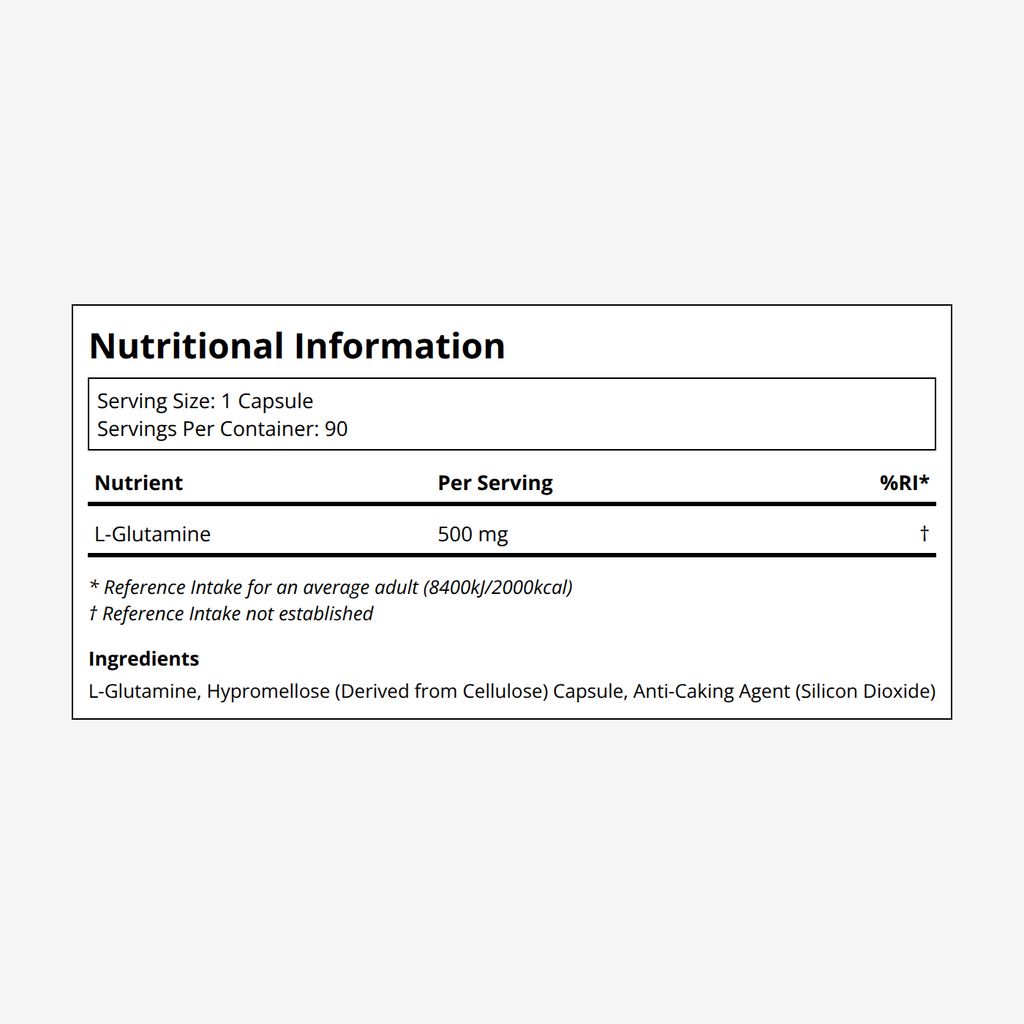
- L-Glutamine: an amino acid that helps maintain the integrity of the gut lining and supports ENS function. Be cautious as glutamine converts into glutamate, which is excitatory and can, therefore, stimulate symptoms such as anxiety in some.
- Magnesium: used in over 300 different biochemical processes in the body, magnesium helps regulate muscle contractions in the digestive tract (and all over the body), preventing cramping and sluggish digestion.
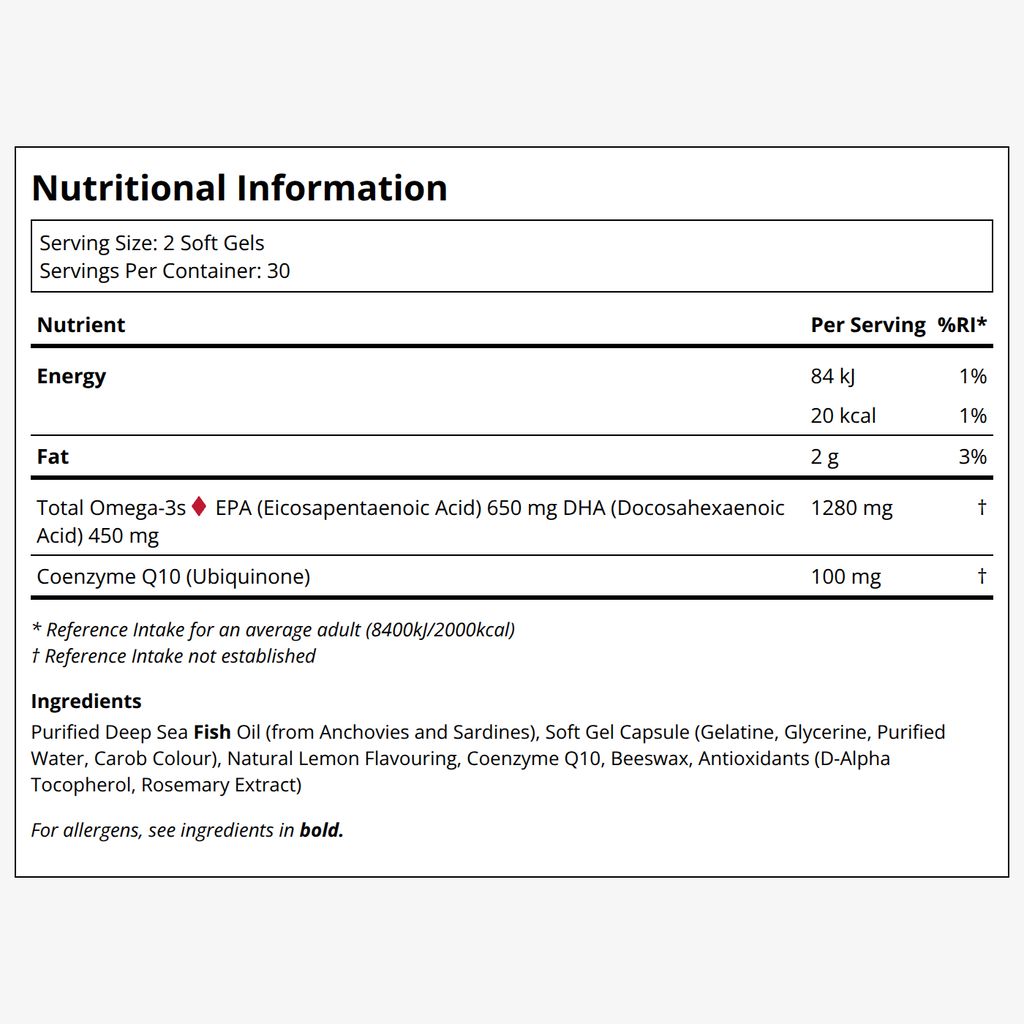
- Omega-3: these fatty acids support gut-brain communication and can reduce inflammation in the ENS.
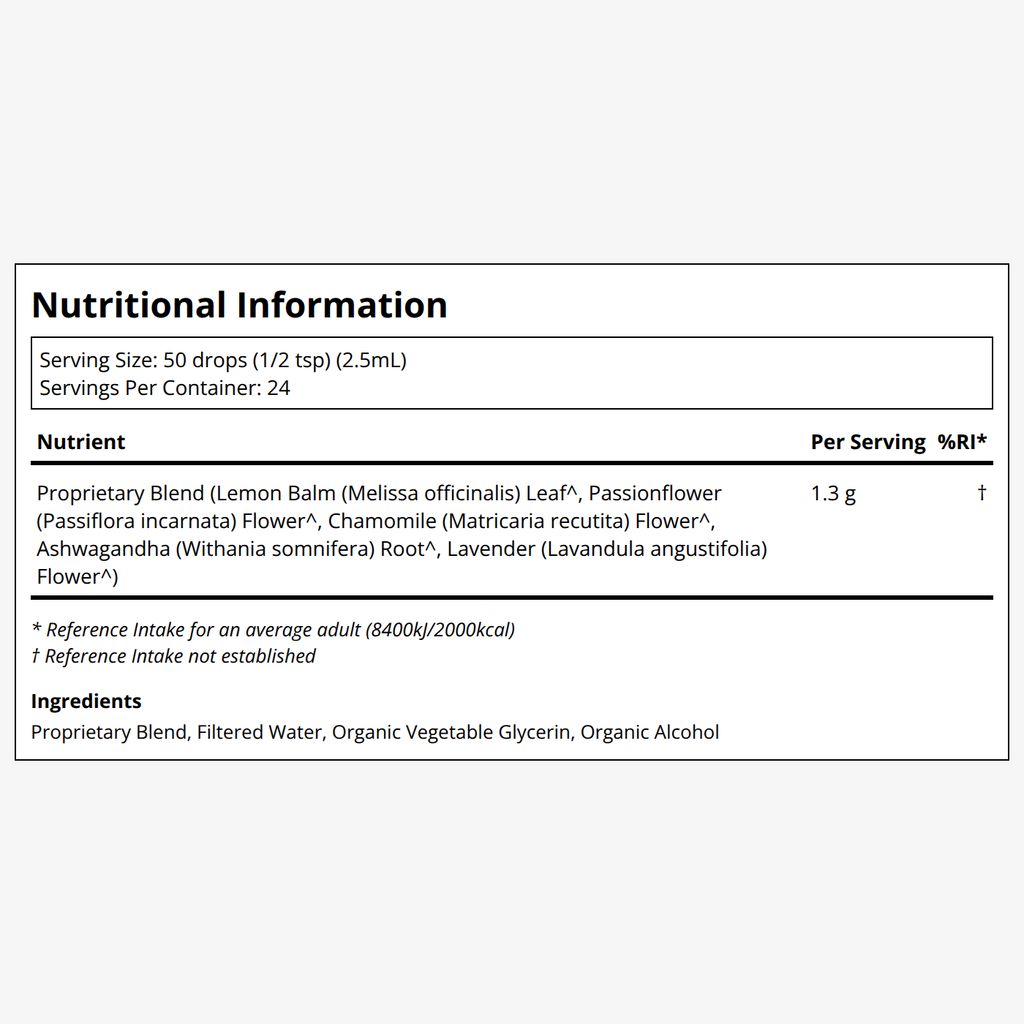
Natalie’s favourite ENS supplements available at Healf:







Love your enteric nervous system
Ensuring our ENS functions at its best is something we all need to pay attention to; after all, our gut's "second brain" might be the key to improving your overall health.
By understanding ENS and how it communicates with the brain, we can better appreciate the importance of gut health and its far-reaching effects on the body.
Good nutrition, stress management, regular exercise and the right supplements can go a long way to support the ENS and your overall health. Support from a qualified nutritional therapist who understands the intricacies of the ENS can help with a personalised approach.



This article is for informational purposes only, even if and regardless of whether it features the advice of physicians and medical practitioners. This article is not, nor is it intended to be, a substitute for professional medical advice, diagnosis, or treatment and should never be relied upon for specific medical advice. The views expressed in this article are the views of the expert and do not necessarily represent the views of Healf