



































_2026-10-13_14-11-48.png)


The Pomodoro Technique: Your Secret Weapon To Smarter, Stress-Free Productivity
If your to-do list feels endless, this simple time-management hack could help you focus better and get more done, without burning out.

Written by: Samantha Nice
Written on: 5 August 2025
Ever feel like your workday is a blur of distractions, endless tasks and little progress? You’re not alone. Many of us juggle multiple projects, meetings and deadlines daily all whilst struggling to stay focused and actually being productive. This is where the Pomodoro Technique could come in handy. A surprisingly straightforward method, it breaks your work load into bite-sized bursts, reducing overwhelm and actually helping you to get more done.
We asked Psychological Coach, Lucy Spicer to explain why this technique is gaining traction among busy professionals and how it can help you to work smarter, not harder.
What exactly is the pomodoro technique?
The idea is refreshingly simple. “The Pomodoro Technique is an easy but powerful time-management method developed by Francesco Cirillo,” says Lucy. “It breaks your workday into 25-minute focused work sessions (called ‘Pomodoros’), followed by a 5-minute break. After completing four Pomodoros, you take a longer break, typically around 15 to 30 minutes.”
“This cycle is designed to create structured intervals of deep focus, balanced with short rest periods, to optimise mental clarity and prevent burnout,” adds Lucy. For anyone overwhelmed by constant distractions, it offers a clear, manageable framework for productivity. Sold? Us too.
Why short, timed sessions help you focus
Lucy explains that the key lies in the brevity of each session. “Short, timed sessions help train the brain to focus more effectively. Knowing there’s a defined endpoint encourages you to fully commit to the task at hand, making it easier to tune out distractions,” she says.
She also points out that Pomodoros reduce the tendency to multitask, which can disrupt attention. “Because the work sessions are more manageable in length, they can work wonders for helping to overcome procrastination and mental fatigue whilst also boosting both motivation and productivity too,” she adds.
What tasks work best with pomodoro?
Wondering if this technique suits your workload? Lucy is a big advocate and says it’s very versatile. “The Pomodoro Technique works well for tasks that require focused attention or sustained effort such as writing, designing, studying, coding, planning or even admin. It’s especially useful for tasks that feel overwhelming or the ones that are easy to avoid, as the time-blocking makes them feel more achievable.” Put simply, breaking work into short sprints helps you get started and build momentum, no matter how big the project.

Common pomodoro pitfalls to avoid
Like any productivity method, the Pomodoro Technique isn’t entirely foolproof. “Some people skip the breaks, thinking they’ll be more productive if they power through when in fact, the breaks are what help reset and refocus the brain. Others get distracted during the 25-minute session and lose the benefit of focused work,” explains Lucy, who also cautions against being too rigid with the timings as this can create pressure or disrupt natural creative flow.
“Some people don’t break down the task into small enough chunks and are overly ambitious with what they can achieve,” says Lucy who says this can also mean you may lose motivation.
Why taking breaks is a must
Those short breaks aren’t just filler time… they’re essential. “The short breaks are just as important as the work sessions. They help clear mental clutter, reduce eye strain and give your nervous system a moment to reset,” she says.
Wondering what you should do in these pauses? “Step away from your screen, stretch your body, hydrate, do a few deep breaths or get some fresh air,” suggests Lucy. “Avoid jumping straight into scrolling social media or checking your emails as this can overstimulate the brain and make it harder to return to focused work.” Essentially your break should be a break and not a reason to get other stuff done.
Adapting the pomodoro technique
The technique also isn’t a one-size-fits-all. For bigger projects, Lucy recommends breaking them into smaller milestones and assigning each to one or more Pomodoros. “This keeps the work moving forward without becoming overwhelming,” she explains.
If you’re in a state of flow, it’s okay to extend a session but still aim to take a short break before exhaustion sets in. “Some people even tweak the intervals and do 45-minute sprints with 10-minute breaks, depending on their energy and focus levels,” she says.
What about teamwork? “Teams can use shared Pomodoro timers during co-working sessions,” says Lucy who explains these can be particularly beneficial in remote or hybrid settings. “It can create a sense of collective focus and help reduce unnecessary interruptions.” Aligning the team’s efforts into Pomodoro-style focus blocks followed by scheduled catch-ups can help balance deep work with collaboration.
Top tips to make the pomodoro technique stick
Once you’ve got the basics down, the key to success is consistency and having the right tools can make all the difference. Whether you’re a tech lover or prefer to keep things analogue, there are plenty of ways to stay on track. Lucy shares some of her go-tos. “The Forest app gamifies focus by growing a virtual tree while you work. If you leave the app, the tree dies, which encourages staying off your phone.”
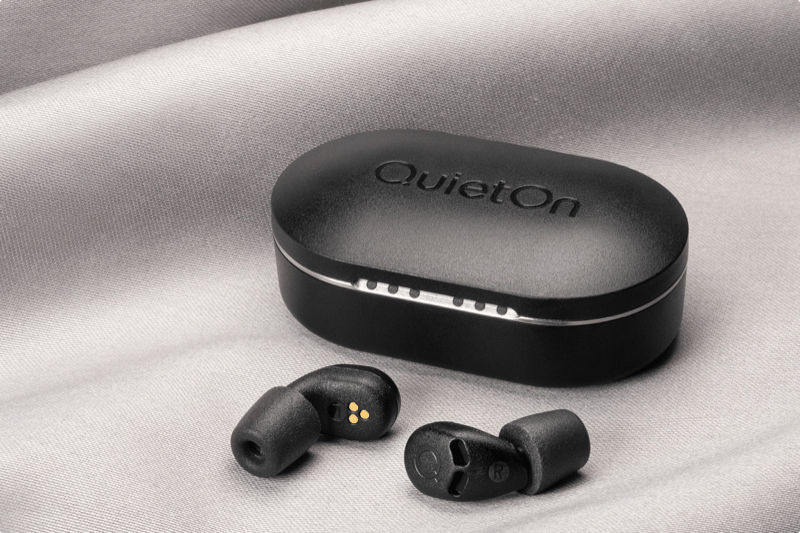
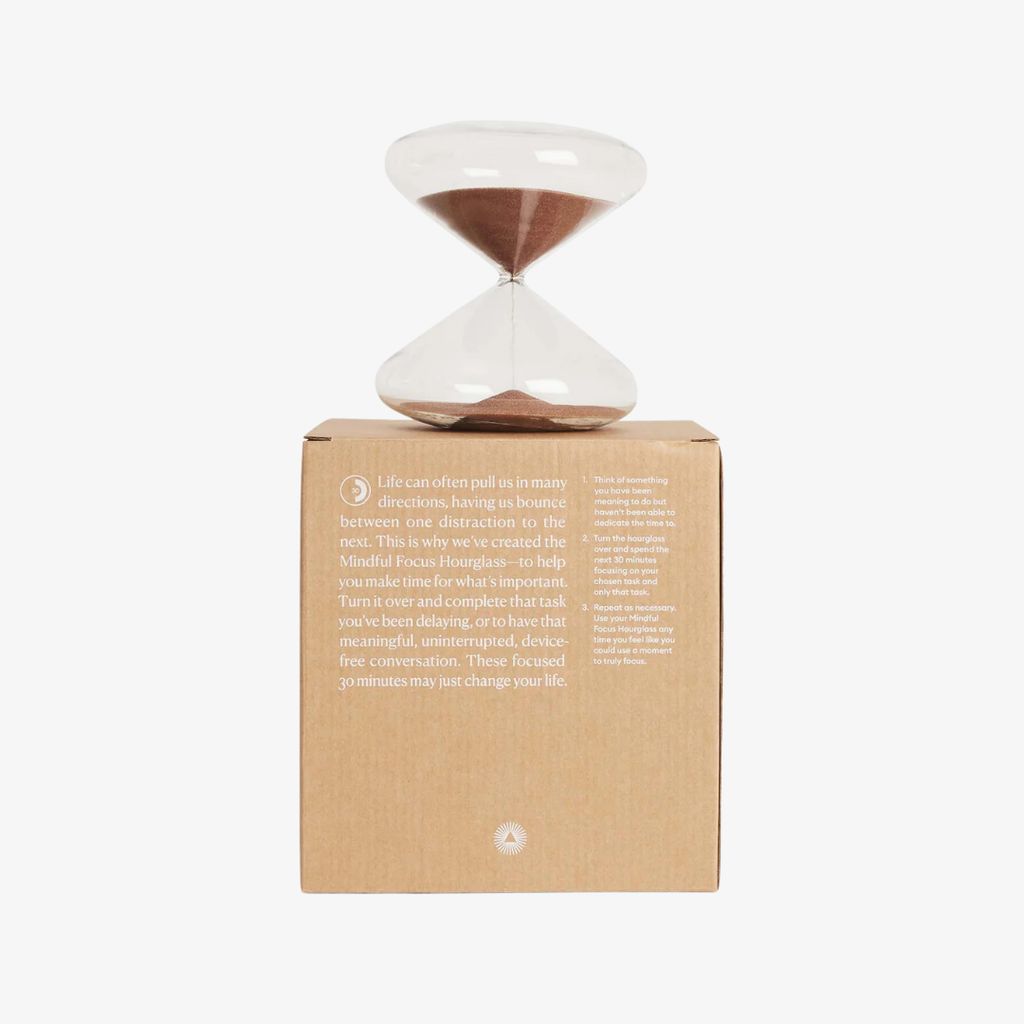
Other helpful apps Lucy loves include Focus Keeper and Pomofocus.io which are both minimalist timers that make it easy to track your Pomodoros. Prefer no tech? “A physical timer or calendar blocking also works well,” says Lucy. To further support your focus, Lucy suggests pairing Pomodoros with noise-cancelling headphones or popping your phone on ‘Do Not Disturb’ mode.




This article is for informational purposes only, even if and regardless of whether it features the advice of physicians and medical practitioners. This article is not, nor is it intended to be, a substitute for professional medical advice, diagnosis, or treatment and should never be relied upon for specific medical advice. The views expressed in this article are the views of the expert and do not necessarily represent the views of Healf
Samantha Nice is a seasoned wellness writer with over a decade of experience crafting content for a diverse range of global brands. A passionate advocate for holistic wellbeing, she brings a particular focus to supplements, women’s health, strength training, and running. Samantha is a proud member of the Healf editorial team, where she merges her love for storytelling with industry insights and science-backed evidence.
An avid WHOOP wearer, keen runner (with a sub 1:30 half marathon) hot yoga enthusiast and regular gym goer, Samantha lives and breathes the wellness lifestyle she writes about. With a solid black book of trusted contacts (including some of the industry’s leading experts) she’s committed to creating accessible, well-informed content that empowers and inspires Healf readers.