





















_2026-10-13_14-11-48.png)


The Best Gut Health Supplements Actually Worth Taking
From probiotics to postbiotics, this expert-backed guide is overflowing with top tips on choosing the right one…

Written by: Samantha Nice
Written on: 5 August 2025
Finding the best gut health supplement can feel like an impossible task with an overwhelming amount of buzzwords. From probiotics and prebiotics to postbiotics digestive enzymes and synbiotics, there’s a lot to consider. Gut health is everywhere right now, and for good reason too. Your microbiome plays a pretty major role in everything from digestion and immunity to your skin and even your mood. But how do you know what actually works? Whether you're already taking a probiotic or just starting to explore gut support, let’s help you to find a smarter way to supplement. Expect to learn which gut health supplements are worth your time (and money) and how to match them to your specific health goals like reducing bloating or improving regularity.
Understanding gut health and why it actually matters
Gut health isn’t just a wellness trend. It is in fact the foundation for your overall health. “Gut health refers to a well-functioning digestive system and a balanced gut microbiome, which is the community of the trillions of microbes in the gut,” explains registered nutritionist, Eli Brecher. “These microbes aid digestion but they affect so much more than that. They are also linked to our energy, hormones, inflammation and even your mood and mental health since they produce neurotransmitters like serotonin - also known as the ‘happy hormone’,” she adds. “It also plays a big role in your immunity too with around 70% of the immune system located in the gut and the microbiome.”
When things fall out of balance (often due to stress, poor diet, antibiotics or lack of sleep) your body can feel the impact in surprising ways. “Poor gut health often shows up as digestive symptoms, such as bloating, gas, constipation, diarrhoea and acid reflux, but it can manifest in other ways too, such as fatigue, frequent illness (due to a weak immune system), brain fog and skin flare-ups, from eczema to acne,” adds Eli. This is because your gut doesn’t operate in isolation. It’s in constant communication with your brain, immune system and hormones. If this sounds familiar, you’re in the right place.
How to improve gut health
The best thing you can do to support your gut health is to feed the beneficial bacteria to help reduce inflammation and keep your microbiome in balance.
And that’s where targeted supplements can really make a difference. But not all gut health supplements are created equal. Knowing what’s actually effective (and what your body really needs) is the first step to smarter supplementation.
“A diverse, fibre-rich diet has been proven (like in this study) to feed beneficial bacteria, while ultra-processed foods and excess alcohol can disrupt the microbiome. Stress, poor sleep and sedentary habits also negatively affect gut health,” says Eli.
What makes a good gut health supplement?
Understanding your personal goal is essential because different supplements are designed to do different things. Here’s some things to look out for:
Understand Prebiotics, Probiotics and Synbiotics
Before diving in, it’s worth swotting up on the different types of gut health supplements. Probiotics are the live beneficial bacteria that help balance your gut microbiome and are often the ones most think of first when it comes to gut health supplements. Prebiotics, on the other hand, are types of fiber that feed the good bacteria already living in your gut. Think of them as fertiliser for your microbiome. Lastly, there’s synbiotics which combine both, offering a boost of beneficial bacteria and the food they need to thrive. “Probiotics can be particularly useful after a course of antibiotics, while prebiotics may be better suited to supporting longer-term gut balance and synbiotics for delivering both in one dose,” says Eli.
Go For Clinically Studied Strains
“Look for well-researched strains like lactobacillus rhamnosus GG,” says Eli. Others include bifidobacterium lactis BB-12 or saccharomyces boulardii. Remember that not all bacteria is created as equal but these ones have all got a credible history of proven benefits.
Consider The CFU Count
This refers to colony-forming units and is a measure of live, active microorganisms. “Effective supplements typically contain anywhere from 5 to 50 billion CFUs, depending on their purpose,” advises Eli. Also important is how well those bacteria survive the journey to your gut. Another top tip from Eli? “Choose supplements with protective capsules (like delayed-release or enteric coatings) as these shield bacteria from stomach acid.”
Look For Additional Ingredients
Some gut health supplements go a step further with supportive extras which can be super useful. These may look like digestive enzymes to help break down food, herbs (like ginger or peppermint) to soothe the gut lining or biber (like psyllium husk) to improve regularity.
Be Mindful Of Quality And Transparency
Choose brands that offer third-party testing, clear labeling and shelf stability. “Do avoid vague, proprietary blends that don’t list the exact strains or amounts,” suggests Eli. Luckily with our expert Curation Process, we’ve done the hard work for you so you can shop our gut health supplements with confidence knowing that they’re all Healf-approved.
“Be sure to speak to a nutritionist or health professional before taking any new supplements to ensure you take the right type, the right dose and that there are no interactions between these and any health conditions or other medications you may be taking.” advises Eli.
Do gut health supplements really work?
With the gut health industry booming, it's natural to question whether these supplements are genuinely effective. The encouraging news is that many gut health supplements can be effective provided you select the right ones and use them consistently. “They can really work, especially when using certain strains for IBS, diarrhoea and immune support,” says Eli.
Studies (like this) have confirmed the positive effects of probiotics on helping to alleviate symptoms of gastrointestinal diseases such as IBS, IBD and diarrhea. This review also highlights that probiotics can restore the composition of your gut microbiome and lead to improved intestinal health and immunity.
Other studies have also shown that prebiotics can benefit the gut microbiota and contribute to greater overall gut health and general wellbeing. Lastly, this study (looking at synbiotic supplementation) proved that it increased the abundance of healthy gut bacteria, particularly Bifidobacterium and Lactobacillus, and positively strengthened gut microbiota richness.
Like with anything, Eli suggests “keeping in mind that gut health supplements are most effective when combined with healthy dietary and lifestyle habits though.”
The healf-approved best gut health supplements
Since we’re all about sourcing the very best, here’s our expert round up of the ones we rate…
OMNI-BIOTIC Stress Repair
Best for stressed-out systems
This targeted probiotic is a game-changer for stress-related gut issues. With nine scientifically studied strains, it’s designed to support your gut when life gets chaotic. It helps strengthen your intestinal barrier, crowd out harmful bacteria and calm inflammation which are all key when stress starts to throw your digestion off track. What sets this formula apart is its focus on the gut-brain connection. By nurturing your microbiome, it also promotes emotional balance and a better mood. If stress tends to hit you in the stomach, this is the probiotic to reach for.
The Nue Co Prebiotic + Probiotic
Best for beating bloat and supporting skin from within
This smart blend pairs prebiotic inulin with a potent 15 billion-spore probiotic to support digestion, reduce bloating and calm IBS-related discomfort. Unlike many live cultures that die off before reaching your gut, this shelf-stable formula only activates when it reaches your small intestine - right where it’s needed. It’s not just your gut that benefits though. It also rebalances your microbiome which can help calm inflamed skin too. Wrapped in gentle, time-delay vegan capsules made from poplar bark, this one’s a modern, minimalist essential for daily gut health.
Microbiome Labs MegaSporeBiotic Plus with Antioxidants
Best for gut resilience and antioxidant support
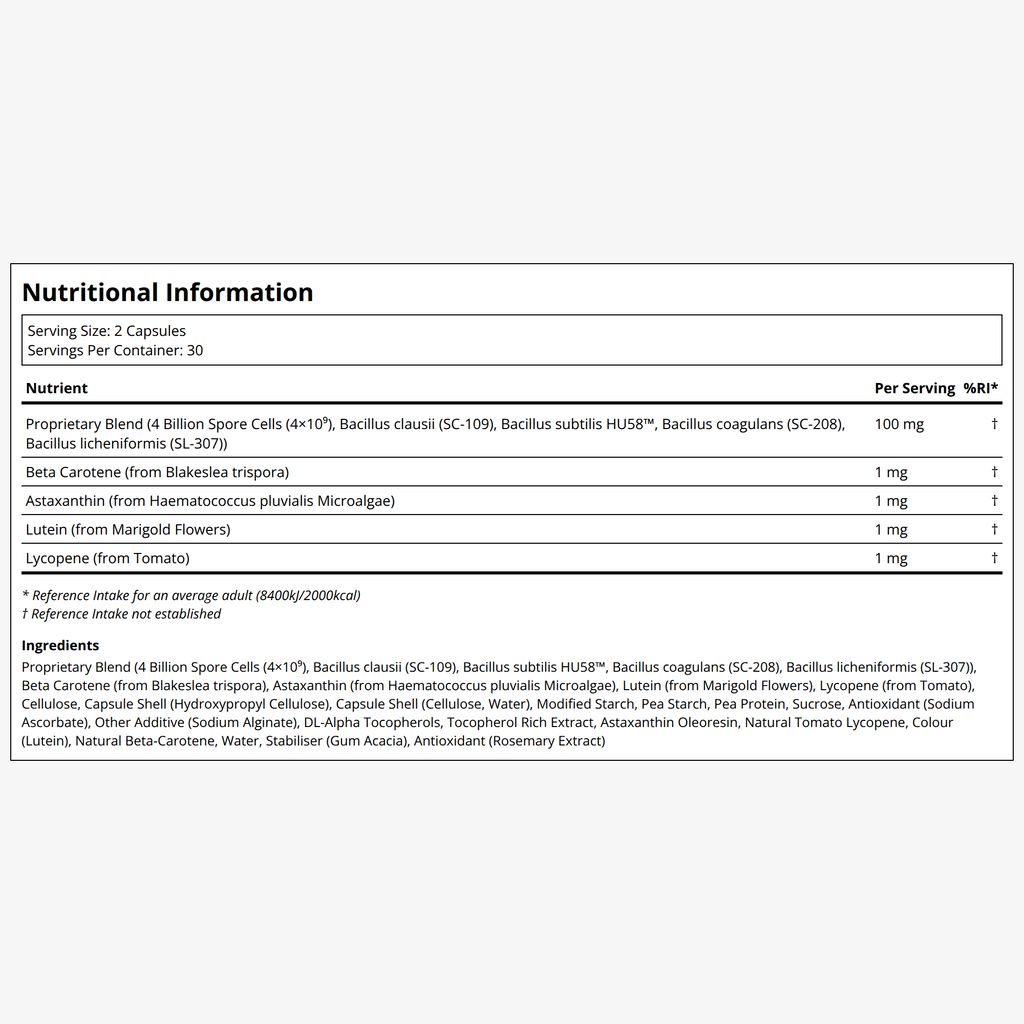
This spore-based probiotic blend is built to survive digestion and deliver targeted gut support. It promotes microbial diversity, strengthens your gut barrier and fights free radicals formed during digestion. With four Bacillus strains, it aids immune function, protein digestion and vitamin synthesis - again activating only once inside your GI tract for maximum impact. It’s also antibiotic-friendly, making it ideal for both daily use and recovery.
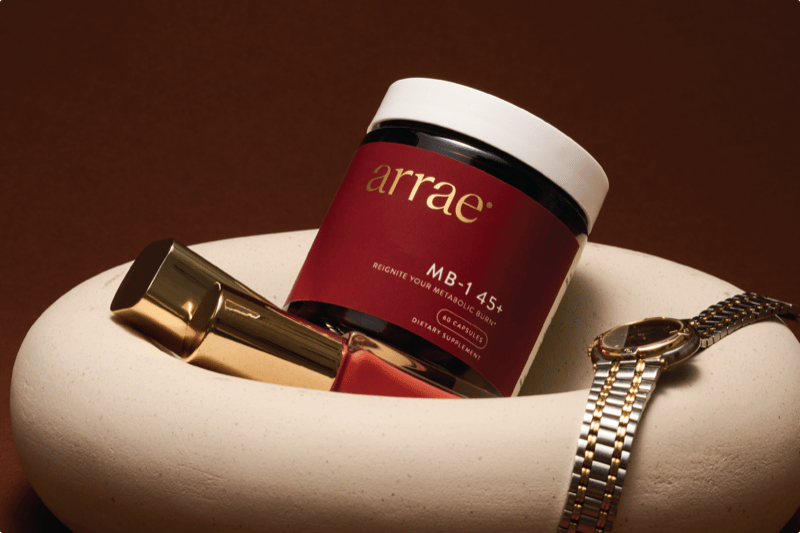
Arrae Tribiotic
Best for: total-body balance specifically for women
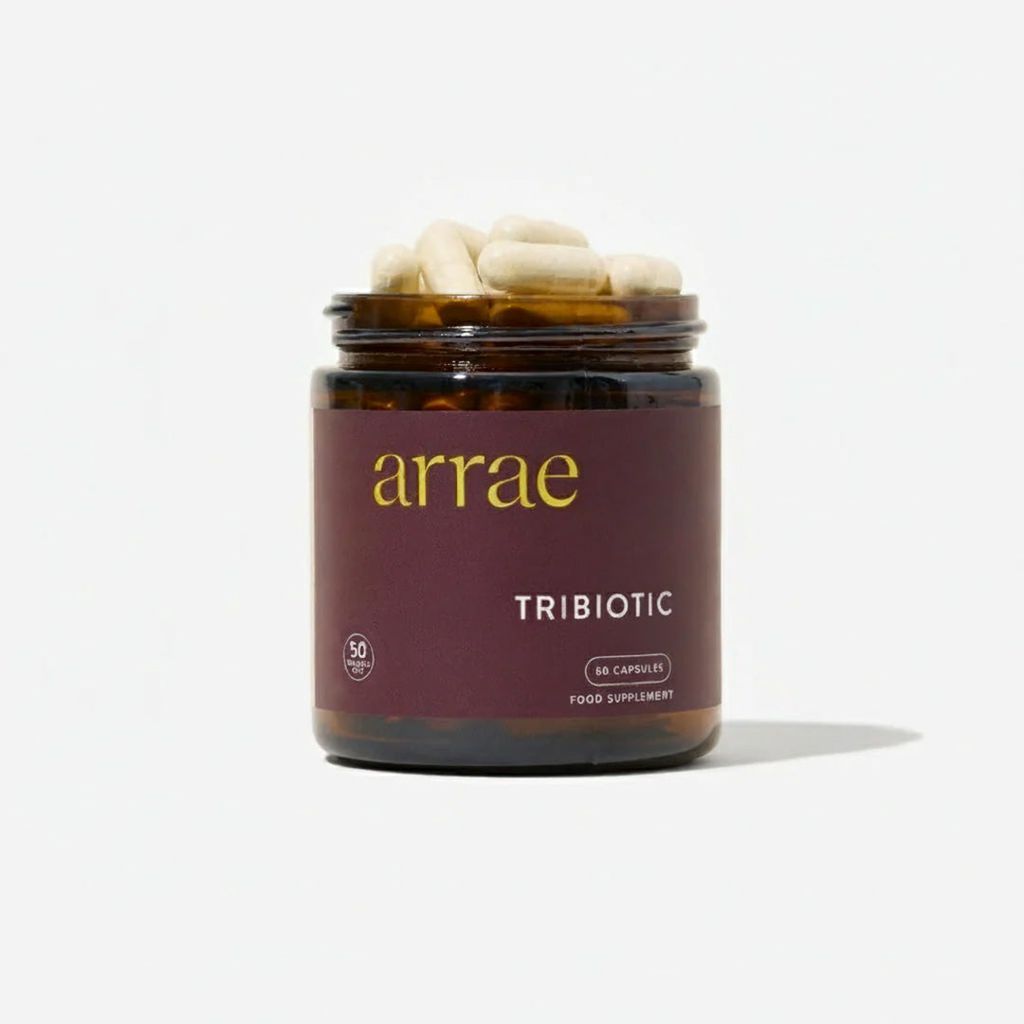
This all-in-one daily formula is powered by a clinical mix of prebiotics, probiotics, postbiotics, and a toxin-clearing immunoglobulin. With 50 billion CFUs, it works wonders for tackling bloating, IBS symptoms and irregularity whilst also helping to clear skin, balance vaginal pH, and strengthen your immunity. Ideal for women navigating hormonal shifts, digestive discomfort, or early signs of aging, it works in one step: feeding good bacteria, removing toxins and restoring balance from the inside out.
Symprove Daily Essential
Best for: morning microbiome maintenance
This is the OG probiotic and honestly, the only shot we’re interested in. Each 70ml dose delivers 10 billion live, activated bacteria in a water-based formula that’s built to survive stomach acid and get straight to work. Symprove’s unique delivery system makes it one of the most effective options for replenishing your microbiome, supporting digestion and training your immune system. It’s dairy-free, gluten-free and gentle enough for everyday use. If you’re into feel-good routines, your gut will really thank you for sipping on this.
Lovebug Probiotics Kids Probiotic
Best for kid-friendly gut support
These naturally berry-flavoured chewables pack a powerful 10 billion CFUs across six kid-targeted strains plus prebiotic fibre to fuel them. Designed to restore balance after antibiotics or support everyday gut health, they’re a delicious, sugar-free way to boost their digestion and immunity. Free from GMOs, allergens, and anything artificial, they make a fuss-free daily habit for growing tummies. Think of it as gut care, disguised as a treat.
BodyHealth Gut Restore
Best for gluten sensitivities and boosting gut barrier health
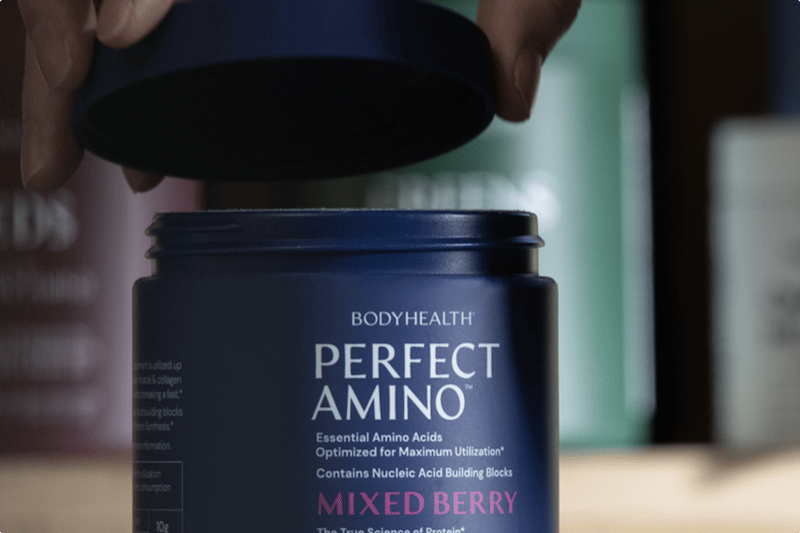
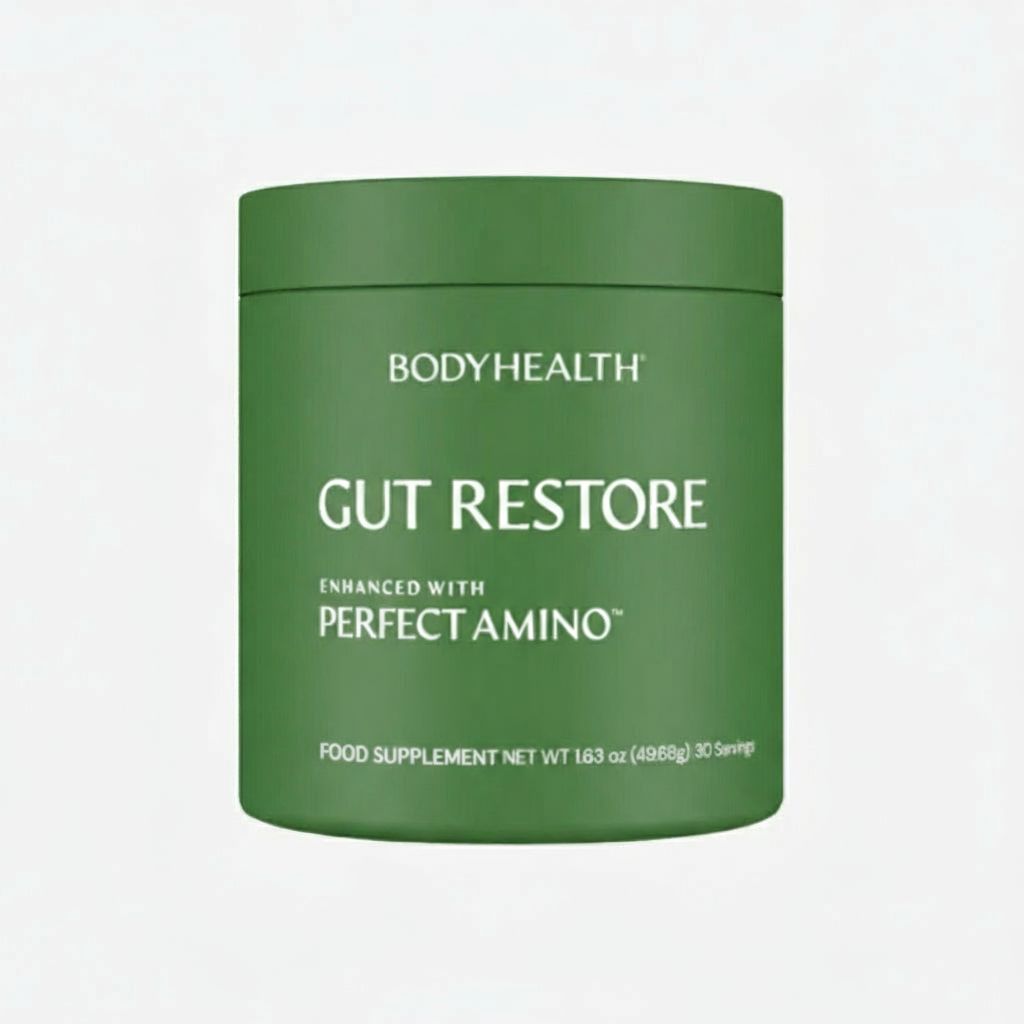
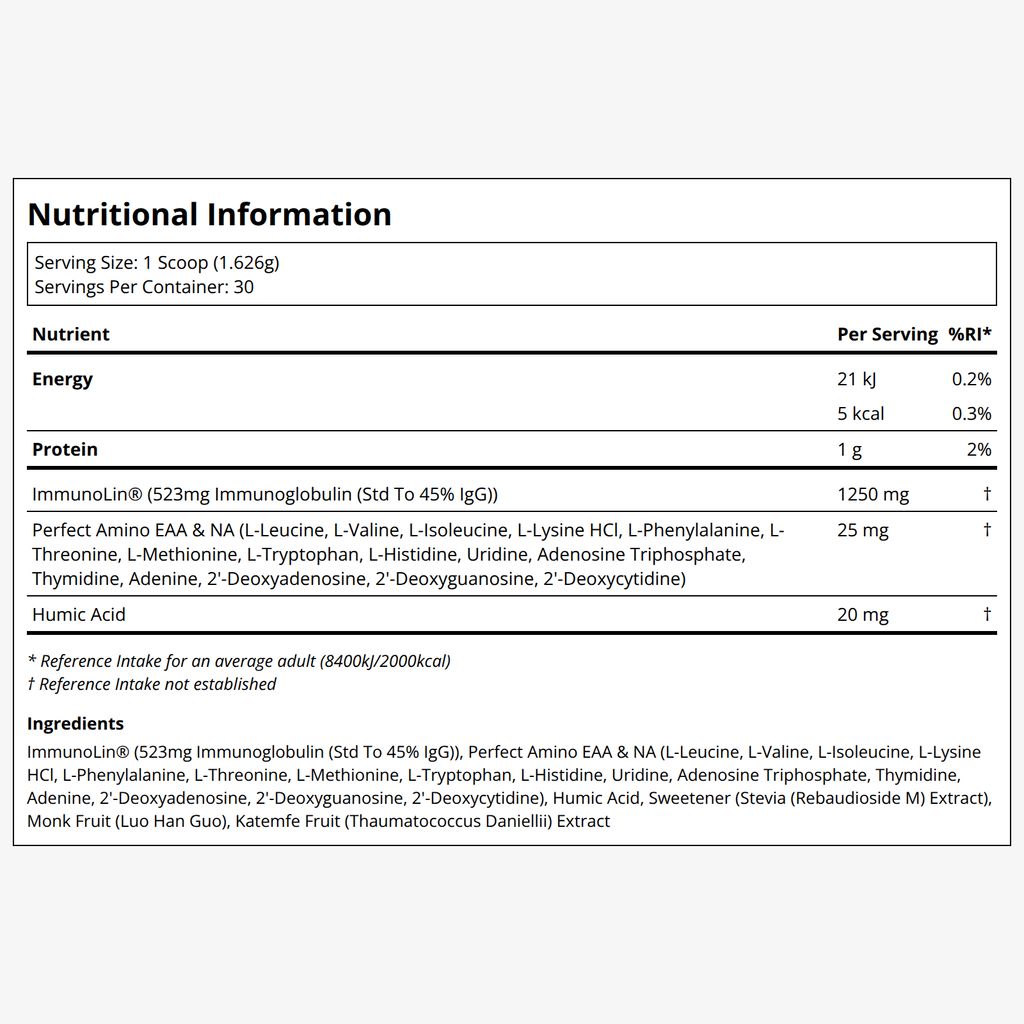
By neutralising gluten-related reactions by targeting gliadin (the problematic protein in gluten) this one also helps address bloating and IBS.Its powerful formula strengthens your gut barrier, heals the intestinal lining and improves nutrient absorption with humic acid and essential amino acids. Perfect for those managing gluten sensitivities or seeking protection against leaky gut, it also aids detoxification, immune balance and overall digestive comfort.
ZBiotics Pre-Alcohol Probiotic Drink
Best for reducing post-drinking discomfort
A game-changer for anyone who enjoys an occasional drink, this unique, genetically engineered probiotic works to break down acetaldehyde (the main culprit behind hangover symptoms) by mimicking your liver’s natural detox process. Not only does it reduce morning-after discomfort, it also supports better sleep and boosts overall wellbeing too. Consider this your secret weapon for waking up feeling refreshed. Think of it as a smart support system to help your body recover faster after a night out.
Organic Olivia Digestive Juice
Best for fast-acting relief from bloating and post-eating pains
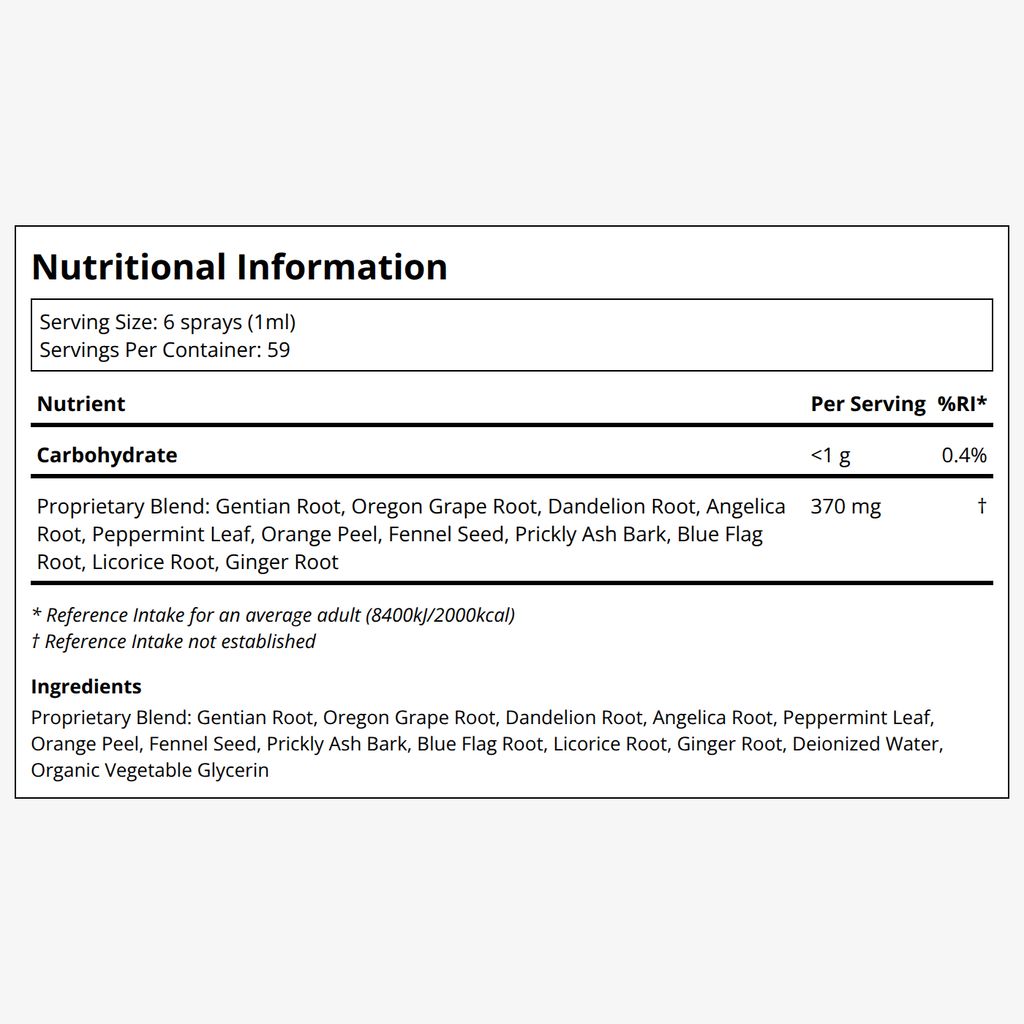
Bringing back the traditional use of digestive bitters to help your gut prepare for meals, just 6-10 sprays of Digestive Juice on the tongue, 15 minutes before eating, is all it takes to ease occasional gas, bloating, and feelings of heaviness. Its potent blend of bitter botanicals (gentian, angelica, orange peel, oregon grape root, liquorice, dandelion, ginger and peppermint) works synergistically to stimulate digestion, support gut balance, aid detoxification and boost immune health. This super simple pre-meal ritual helps get your digestive juices flowing properly.



The best foods to naturally support gut health
While supplements can give your gut an extra boost, good gut health should always come from, you guessed it - food. Eating gut friendly foods on a daily basis can really help nourish your microbiome naturally. “Your gut thrives on diversity,” explains Eli. “Try to aim for 30+ different plant foods each week as this variety feeds a wide range of beneficial gut bacteria, which is key for overall gut resilience and balance.” Here are some of the best foods for gut health:
1. Fibre
“Fibre is your gut’s best friend,” says Eli. “It acts as fuel for the beneficial microbes and helps keep everything moving.” Look for things like lentils, chickpeas, black beans, oats, brown rice, quinoa, and leafy greens like spinach, kale and rocket. Bonus tip: Hydration plays a role too. “Water is essential for digestion and helps fiber do its job effectively,” adds Eli.
2. Prebiotic-Rich Foods
“Prebiotic foods help lay the groundwork for a healthier microbiome by encouraging beneficial bacteria to grow,” explains Eli. These include things like leek, garlic, onion, green bananas and asparagus.
3. Fermented Foods
Fermented foods are packed with live cultures that naturally boost your probiotic intake so are definitely worth adding into your diet where you can. “Kefir and kimchi are some of the most gut friendly foods around,” says Eli. Others include yoghurts with live active cultures, sauerkraut, miso, and tempeh.
4. Polyphenol-Rich Foods
Polyphenols are powerful plant compounds that help reduce inflammation and also promote healthy gut bacteria. They even add a delicious antioxidant hit to your plate too. Find these in berries (especially blueberries and raspberries), extra virgin olive oil, green tea and dark chocolate (70%+).
Other gut health tips that can really help
Supplements can be powerful tools but they’re often just one piece of the puzzle. Lifestyle factors like sleep, stress and movement also play a huge part - especially when it comes to your gut microbiome. “I really urge people to think of gut health as a whole-body picture,” says Eli. “Your gut is deeply connected to your nervous system, immune function and daily habits.”
Here are some smart, simple ways to support yours:
1. Manage Stress
“Stress is linked to altered and often disrupted microbiomes and increased gut permeability (AKA ‘leaky gut’),” explains Eli. Daily stress management with things like mindfulness, deep breathing, walks in daylight or even journaling can really help restore calm to both your mind and your microbiome.
2. Prioritise Your Sleep
“If you’re sleeping poorly, your gut might be feeling it too as poor sleep can also affect your gut microbiota,” says Eli. Studies show that even short-term sleep deprivation can negatively impact microbial diversity and increase inflammation. Aim for 7–9 hours of good quality sleep each night and try to keep consistent sleep and wake times if you can.
3. Move Your Body
“Regular activity can also help to boost microbial diversity,” notes Eli. You don’t need to be in the gym for hours every day - just 20–30 minutes can make a difference to your digestion and bring other benefits to your mood and energy levels too.
4. Be Antibiotic Aware
Antibiotics do have a time and place but they can also wipe out a broad spectrum of bacteria - including the good kind. “Of course take them when needed but if you do need them, try to support your gut before, during and after with probiotics, prebiotics and a fiber-rich diet,” suggests Eli.
The takeaway
Gut health goes beyond digestion. Your microbiome impacts everything from your immunity to your mood and so much more. When it’s imbalanced, symptoms like bloating, fatigue or brain fog can creep in.
Smart supplements can really help. Probiotics, prebiotics and synbiotics work best when tailored to your needs. Look for specific strains and consider the CFU count.
Food first, always. A diverse, plant-rich diet is key so look to eat gut friendly goodness like fermented foods, fiber-rich veggies and polyphenol-packed berries and olive oil.
Lifestyle matters. Sleep, stress and regular movement all directly impact your gut too.
Your common questions… answered
What is the best supplement for gut health?
The best supplement is one with clinically studied probiotic strains, like lactobacillus rhamnosus GG or bifidobacterium lactis.
What is the best thing to take for your gut health?
A combination of a high-quality probiotic and prebiotic fiber alongside a diverse, plant-rich diet.
What is the best gut supplement?
One with proven, science-backed strains, a good CFU count, transparent labeling and protective capsules for optimal efficacy.
What are the signs of an unhealthy gut?
Common signs include bloating, constipation or diarrhea, fatigue, skin issues, food intolerances and low mood.
What is the best over-the-counter product for gut health?
Look for probiotics with well-researched strains and prebiotic support that is free from additives or vague proprietary blends.


This article is for informational purposes only, even if and regardless of whether it features the advice of physicians and medical practitioners. This article is not, nor is it intended to be, a substitute for professional medical advice, diagnosis, or treatment and should never be relied upon for specific medical advice. The views expressed in this article are the views of the expert and do not necessarily represent the views of Healf
Samantha Nice is a seasoned wellness writer with over a decade of experience crafting content for a diverse range of global brands. A passionate advocate for holistic wellbeing, she brings a particular focus to supplements, women’s health, strength training, and running. Samantha is a proud member of the Healf editorial team, where she merges her love for storytelling with industry insights and science-backed evidence.
An avid WHOOP wearer, keen runner (with a sub 1:30 half marathon) hot yoga enthusiast and regular gym goer, Samantha lives and breathes the wellness lifestyle she writes about. With a solid black book of trusted contacts (including some of the industry’s leading experts) she’s committed to creating accessible, well-informed content that empowers and inspires Healf readers.