





























_2026-10-13_14-11-48.png)


Waking Up Without An Alarm May Become The New Cold Plunge

Written by: Pippa Thackeray
Written on: 25 March 2025
Waking up without an alarm is giving people a new lease of life. Yes, we still love cold plunges but this fresh conversation topic is taking over our morning routines.
Picture it: no more jarring ringtones, and certainly no more frantic fumbling for the snooze button. Just a natural, effortless glide from sleep to wakefulness.
Some are even saying that the power of the unconscious mind can be trained to wake up without an alarm, simply through using visualisation exercises the night before. It may even get you up naturally at 5–6 a.m. But, look deeper and this trend isn’t necessarily about becoming an early riser. It’s more about your personal sleep routine and honing it to make getting up an easier task, leading to better energy levels throughout the day.
Can waking without an alarm help you feel more refreshed?
The answer is tied to a term called “sleep inertia”, which is the name for drowsiness felt upon waking. It is often the result of being dragged out of deep sleep at the wrong moment, but there are other factors that may contribute.
The study titled ‘Waking Up Is the Hardest Thing I Do All Day…’, discusses how sleep inertia manifests as a transitional state between sleep and wakefulness, marked by impaired cognitive performance, reduced attention and a strong desire to return to sleep.
How long does sleep inertia last?
Abrupt awakenings, especially from deep sleep, are known to intensify sleep inertia, with the grogginess and cognitive impairment lasting up to an hour until gradual waking allows for the clouds to part. It can be caused by factors including the sleep stages that are reached, deprivation, and circadian timing. And it’s possible to relieve the effects of sleep inertia with short naps, and daily light exposure, helping restore alertness more quickly.
Ditching alarms: is your body ready to take charge?
What happens when you wake naturally?
Your body operates on an internal clock (your circadian rhythm) dictated by light exposure, and hormones, inducing sleep cycles.
When you wake up naturally, you’re simply emerging from the lightest stage of sleep, meaning no grogginess, no “sleep inertia,” just smooth re-entry into consciousness.
Is snoozing bad for you?
Moreover, snoozing can trigger fragmented sleep, this is when sleep is repeatedly interrupted by short arousals. Fragmented sleep is damaging to cognitive function, mental health and physical health, including increased risk of cardiovascular disease, diabetes, and impaired immune response.





How to reset your body clock
A study links circadian rhythms to alertness and smartphone use, showing peak performance when waking naturally at the right biological time. Misaligned wake-ups increase grogginess and reduce productivity. And since sleep inertia is stronger when sleep is disrupted in a 90-minute sleep cycle, waking is thereby thought to naturally boost mood, cognitive function, and increase overall alertness throughout the day.
The reality check: can everyone do this?
Chronotypes, the theory that some people are genetically early birds or night owls, making waking naturally easier for some than others — may challenge this trend
For some, waking up without an alarm is an impossible dream. If your work schedule demands early mornings, or if you find yourself a committed night owl, you may find that waking on cue is easier said than done. But others, such as Andrew Huberman argue that despite chronotype, the benefits could be worth the effort to adjust, and most importantly that this adjustment is possible for everyone, altering the body clock from around 2-8 hours.
Bathing in the morning light
As the clocks go forward and days get longer, it can be harder to control sleep times, but it may also be easier to get light exposure in the mornings. A study published in Sleep found that exposure to bright light earlier in the day was associated with better sleep consolidation and fewer nighttime awakenings, while later light exposure led to more disrupted sleep patterns. Aligning with the body's circadian rhythm and avoiding abrupt awakenings, could help improve morning alertness.
In the same way, it is best to avoid artificial light in the evening, as it can delay sleep. Research shows that the circadian clock is highly sensitive to nighttime light exposure, even in very short bursts of around 15 seconds.
The best way to wake up without an alarm?
Here are some tips to help you adjust to natural mornings, without an alarm clock.
1. The gradual adjustment method
If you rely on an alarm clock, don’t abandon it straight away. Firstly, try a disciplined sleep routine, so that you avoid sleep debt. This may involve going to bed and waking up at the same time every day for at least a week or two. Once you consistently wake feeling refreshed when your alarm sounds, this is when you can start reducing your reliance on it.
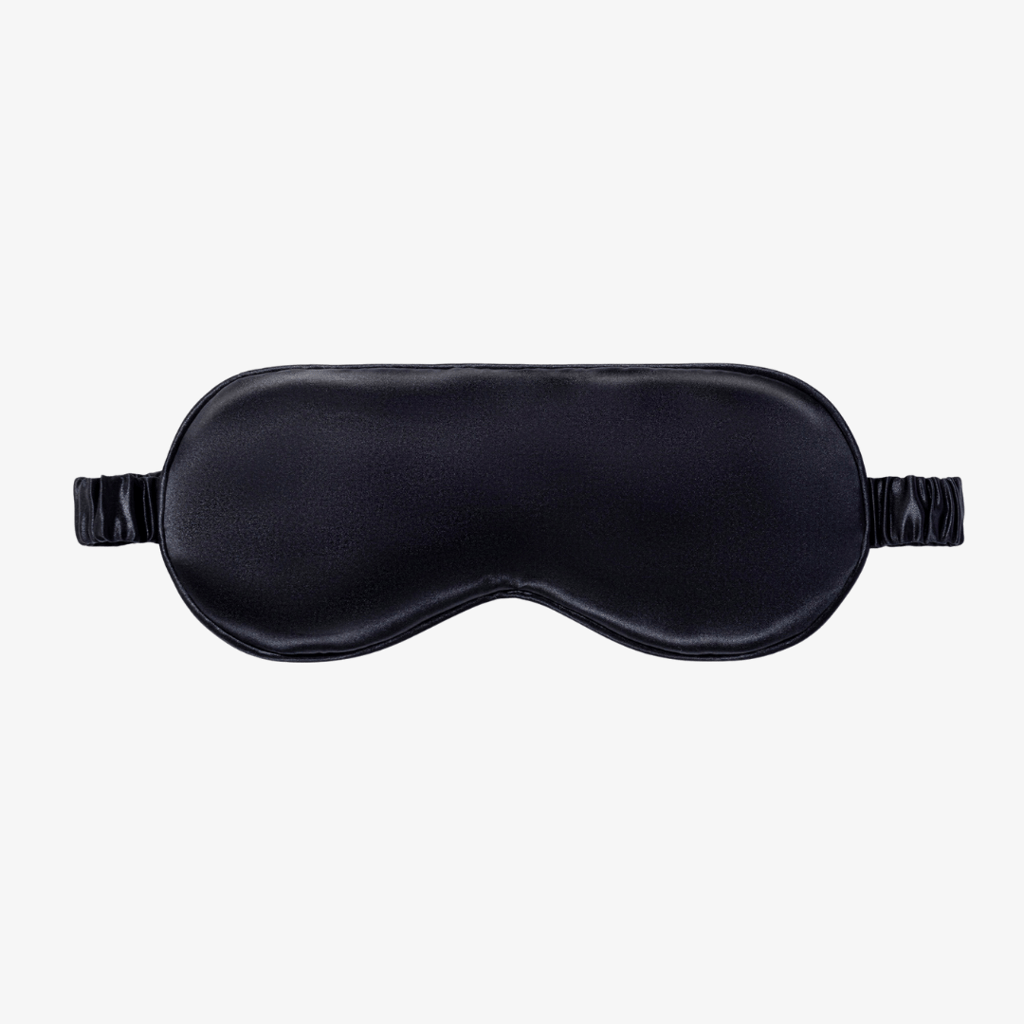
On a morning without commitments, try skipping the alarm. If you always have to be up at a certain time, set it as a backup at the latest possible time. With consistency, your body will begin waking naturally before the alarm. To enhance sleep quality, the Slip Sleep Mask provides blackout darkness, helping to encourage deep sleep and support you in finding a more natural wake-up cycle.
2. The visualisation technique
This method, inspired by the Silva technique, helps train your internal clock through mental imagery. Before sleep, enter a relaxed state and visualise a clock displaying your desired wake-up time. If you want to wake at 6:00 a.m., picture that time clearly on a clock face or your phone screen and repeat: “I will wake up at 6:00 a.m”. Those who believe in this method suggest that, over time, this technique strengthens the body’s natural waking mechanism. While others have found immediate success.
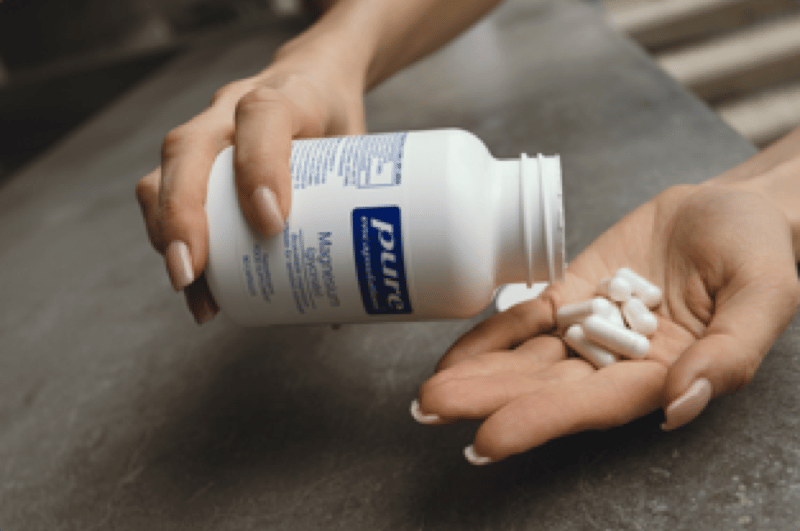
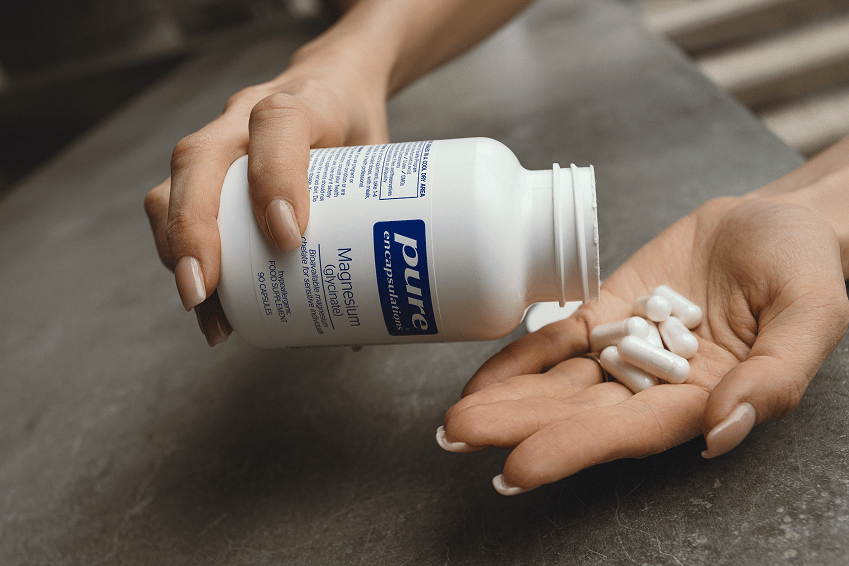
For additional support, Vimergy Magnesium Glycinate can aid relaxation and improve sleep quality, making it easier to fall into a deep, restorative sleep and wake more naturally.
3. The alternative alarm approach
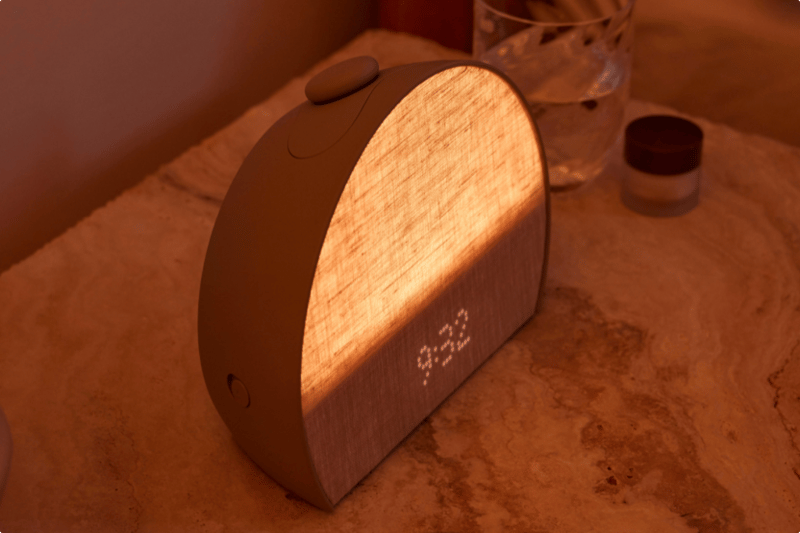
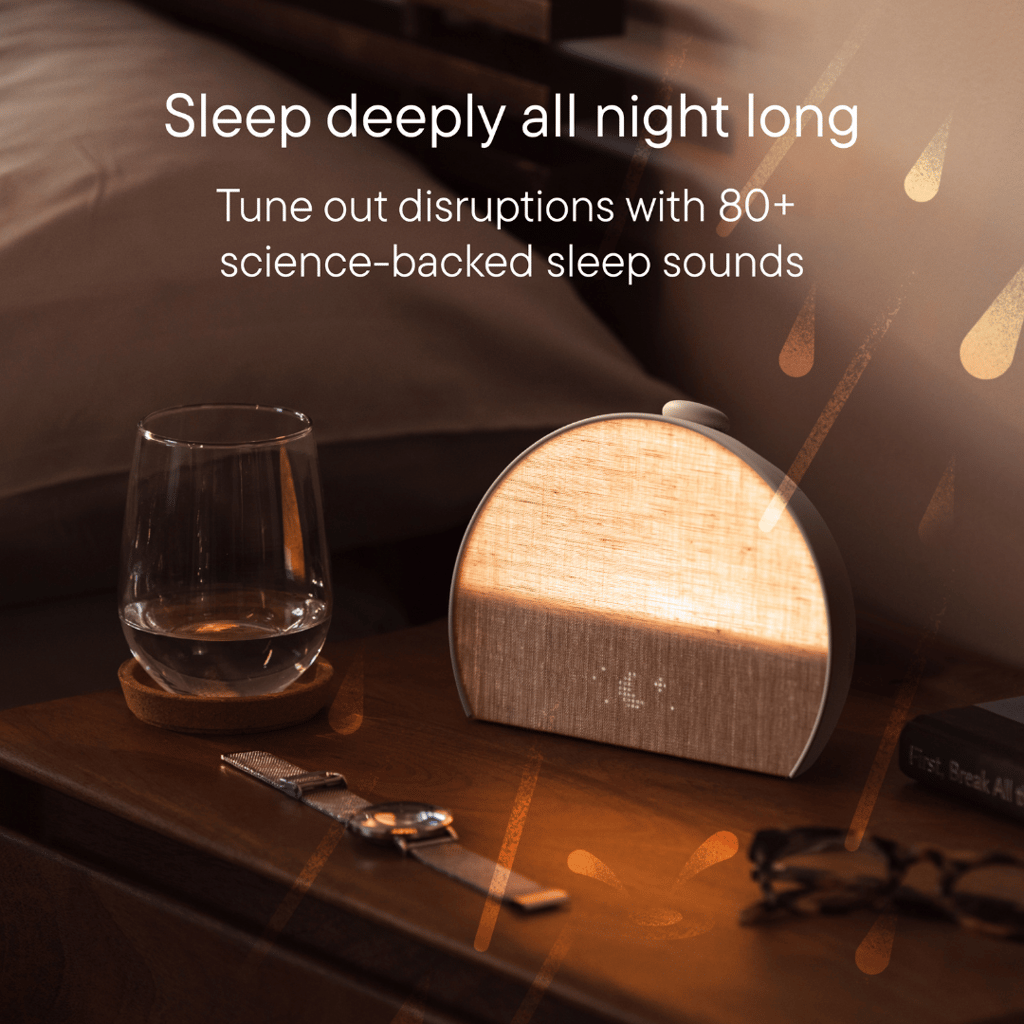
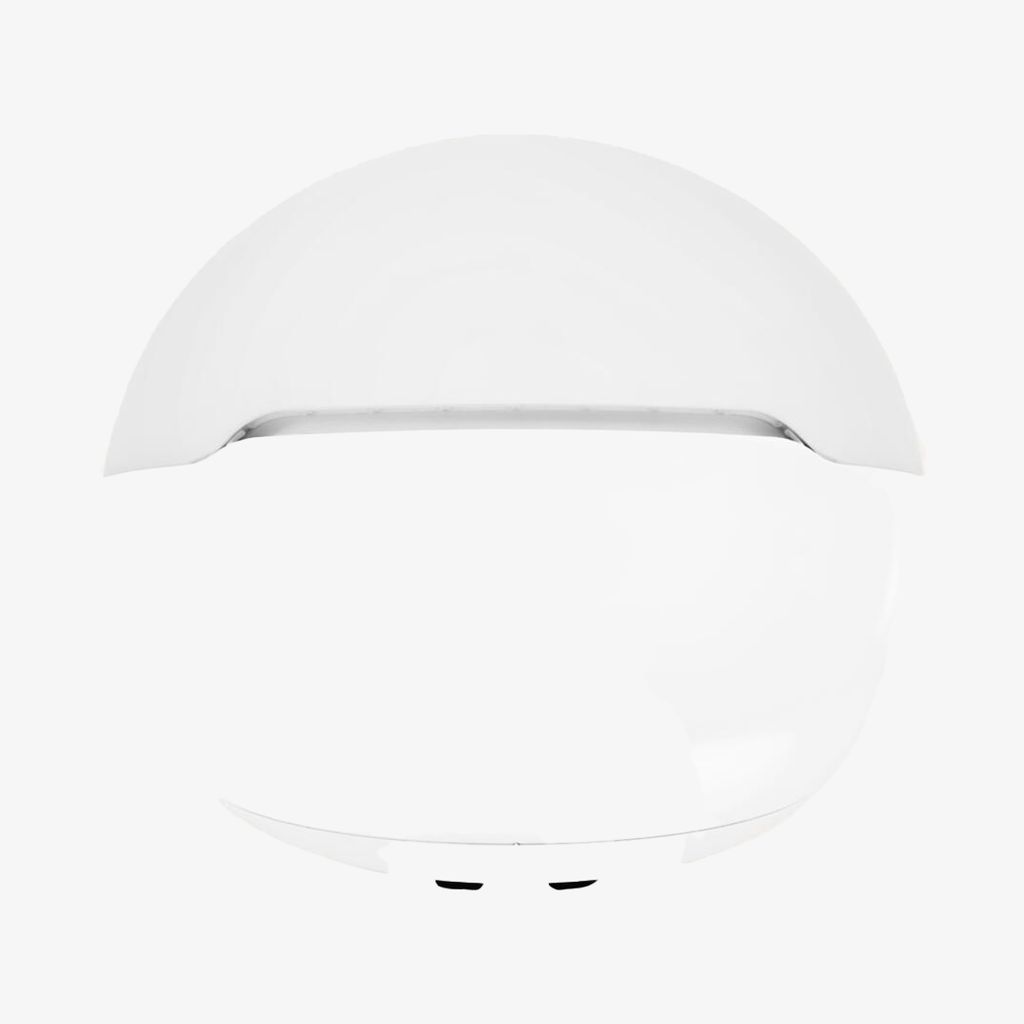
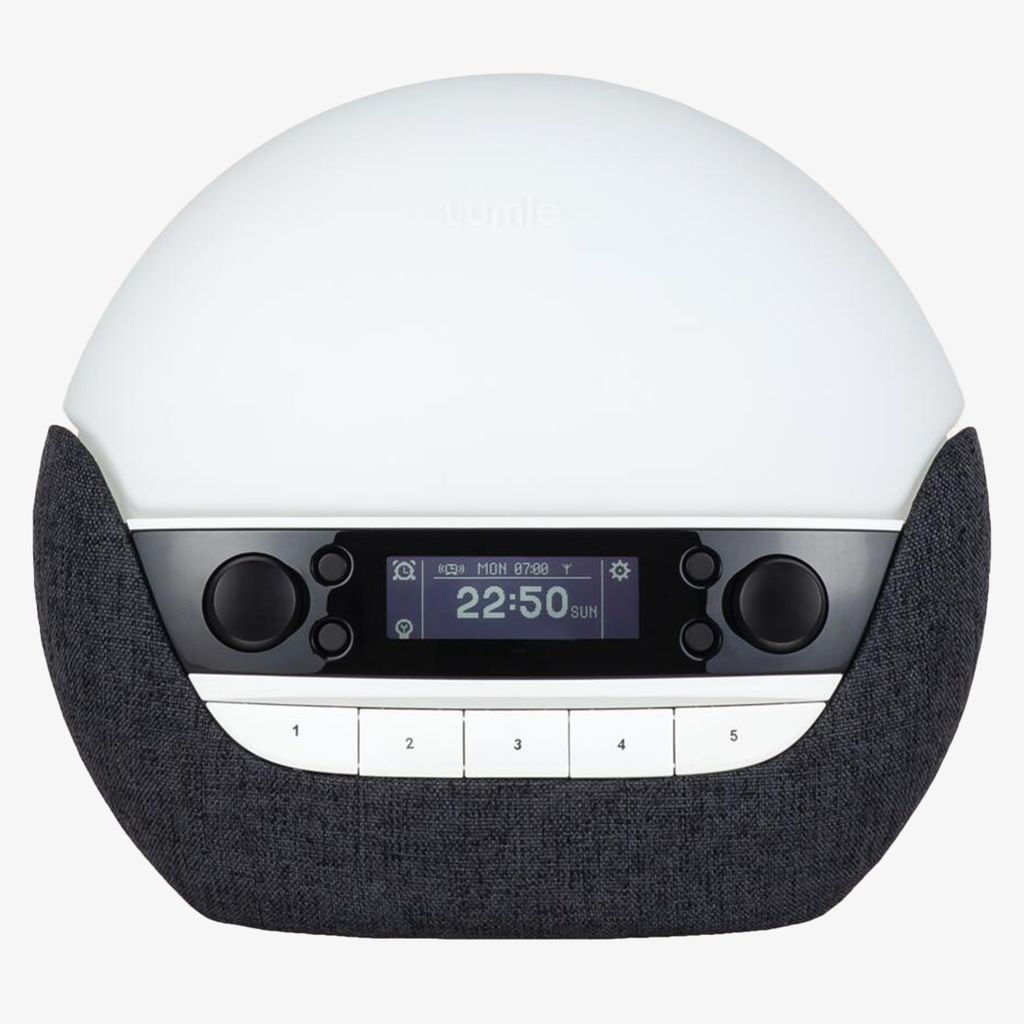
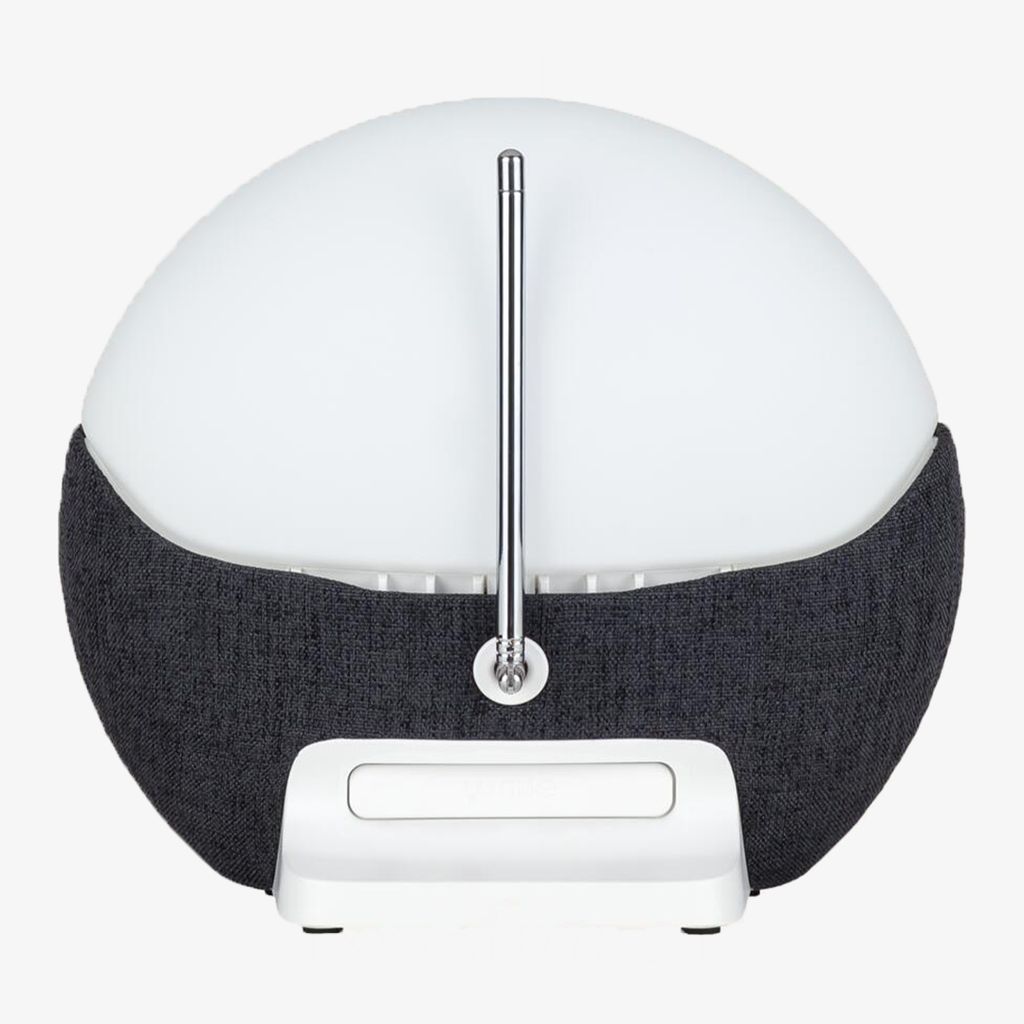
If waking without an alarm isn’t realistic for you at this time, consider a more natural alternative. Loud, jolting alarms can trigger a stress response, making waking up unpleasant. Instead, try a wake-up light or a movement-based alarm — ones that require you to physically get up to turn them off. The Lumie Bodyclock Luxe 750DAB mimics a natural sunrise, gradually brightening to ease you into wakefulness without the harshness of a traditional alarm.
Other ways to wake up naturally
If your sleep routine needs a bit of work before you go alarm-less, here are some pointers to ensure you implement for the best possible sleep:
Stick to a strict sleep schedule – Go to bed and wake up around the same time every day. Your body thrives on routine.
Avoid late-night phone scrolling – Blue light from screens can delay your natural sleep onset, making it harder to wake up feeling refreshed.
Skip caffeine too late in the day – Stimulants can interfere with your sleep cycle, throwing off your ability to wake naturally.
Think about temperature control — Your body temperature rises naturally in the morning, so keeping your bedroom slightly cool at night and warming it before waking can help ease the transition.
Listen to your body’s cues – If you wake up at the same time naturally each morning, trust it, get up instead of rolling over.
Allow for an adjustment period – It takes time for your body to reset, so don’t expect results overnight.
Wake up feeling refreshed
Your body’s internal clock thrives on consistency. A stable bedtime, morning light exposure, and limiting blue light at night all help reinforce natural wakefulness. If you wake up groggy, late nights, caffeine, or poor sleep habits could be to blame. Over time, training your body to wake naturally can help you feel more balanced, aware, and at peace with your own unique rhythm.



References
https://www.theguardian.com/lifeandstyle/2018/oct/29/complete-guide-to-waking-up-feeling-fantastic
https://www.sleepfoundation.org/how-sleep-works/sleep-debt-and-catch-up-sleep
https://www.sciencedirect.com/science/article/pii/S1087079223000205?via%3Dihub
https://www.sleepfoundation.org/sleep-faqs/why-do-i-get-so-hot-when-i-sleep#
https://www.womenshealthmag.com/health/a19993309/sleep-schedule/
This article is for informational purposes only, even if and regardless of whether it features the advice of physicians and medical practitioners. This article is not, nor is it intended to be, a substitute for professional medical advice, diagnosis, or treatment and should never be relied upon for specific medical advice. The views expressed in this article are the views of the expert and do not necessarily represent the views of Healf
Pippa is a content writer and qualified Nutritional Therapist (DipNT) creating research-based content with a passion for many areas of wellbeing, including hormonal health, mental health and digestive health.
As a contributor to The Healf Source, she regularly attends seminars and programmes on a plethora of contemporary health issues and modern research insights with a drive to never stop learning. In addition, interviewing experts and specialists across The Four Pillars: EAT, MOVE, MIND, SLEEP.
In her spare time, she is an avid swimmer, mindfulness and yoga lover, occasionally bringing a raw, honest approach to the topics she faces. You may also discover some personal accounts of eye-opening wellbeing experiences amidst the reality of a disorientating, and often conflicting, modern wellbeing space.