




























_2026-10-13_14-11-48.png)


Should You Worry About Mixing Supplements With Prescription Medication?

Written by: Pippa Thackeray
Written on: 7 July 2025
The emphasis and the hype are usually placed on the benefit of the supplement itself, but what if it ends up doing more harm than good? This can happen in some (not all) scenarios where medication and supplementation are mixed. Here is what to be aware of when taking herbs, botanicals, vitamins and minerals alongside pharmaceutical prescriptions.
Safely integrating a new supplement into your routine relies on good communication with your medication prescriber. There are measures you can take to ensure you are informed on the topic and know the best questions to ask.
Supplementation alongside medication in some cases can also be beneficial, helping to reduce side effects and promote the efficiency of the medication’s action in the body. This article explores the best practices surrounding medication and supplementation combined.
How to safely build a supplement routine around prescriptions
Cross referencing supplements (nutrient, herb and drug interactions) is an expansive topic, spanning vast databases. Therefore, it would be very difficult to fit every interaction in one article.
There are, however, some useful formulas to remember, once you know how the medication you take is processed in the liver. It is also worth knowing which questions to ask your general practitioner or pharmacist if you are taking, or are considering taking a new supplement alongside meds.
Supplements and prescription drugs: combinations worth checking twice
It is recommended to be particularly cautious when combining prescription drugs with herbs or foods like grapefruit, St John's wort, or valerian, as these have been identified as having a higher potential for serious interactions.
In terms of herbal supplements, anti-fungal meds are another one to watch in terms of medications that can interact, as are medications for epilepsy or HIV, the list goes on, so it's always best to be completely transparent about this with your prescriber.
How interactions can affect drug metabolism
Before we get into specifics, it helps to know some basic biology behind how your body deals with medication.
Most drugs are broken down in the liver by a group of enzymes known as the cytochrome P450 system. These enzymes help process and eliminate substances from the body, but they can be slowed down or sped up by certain supplements, which is where problems start.
Certain herbs can actively alter how your body absorbs, processes and eliminates a drug.
This happens through key liver enzymes, especially those in the cytochrome P450 system, and drug transporters like P-glycoprotein. Changes in these pathways can either speed up how quickly your medication is cleared or slow it down. Either way, the intended dose might not behave as expected.
Spotlight on St John’s Wort
St John’s wort is one of the most researched in this area. It speeds up CYP3A4, a major liver enzyme, which can weaken the effects of many common medications, including antidepressants, the contraceptive pill, immunosuppressant drugs and HIV drugs. It also activates P-glycoprotein, further altering how drugs are moved in and out of cells.
Grapefruit and valerian: a need for caution
Grapefruit is another well-known disruptor. It slows certain liver enzymes, which can cause some medications to build up to unsafe levels in the bloodstream. Valerian is a more low-key risk, often taken for sleep, but its full interaction profile still isn’t mapped.
Although rare, cases of liver strain have been reported, making it one to approach with care when mixed with P450 dependent medications.
P450 isn’t the only route drugs take
While P450 enzymes take the headlines when it comes to drug metabolisation, they’re not the only ones involved. Other enzymes like aldehyde oxidase, and transporters such as P-glycoprotein, OATPs and BCRP, also help control how medications are absorbed, distributed and cleared.
These pathways can be influenced by herbs, nutrients, specific foods, and even your genes, which complicates the matter further, as it means your response to a drug might differ from someone else’s. Yet another reason to check in with an expert. You may also be advised to go down the route of testing. Tests may include pharmacogenetics to look at liver enzyme genes, basic liver function tests, an organic acids panel to assess detox pathways, or checking nutrient levels like B vitamins and zinc.
Don’t deplete yourself
Medications can also slowly drain your nutrient stores over time. This might leave you tired, low in mood, or more susceptible to illness. The right supplement might help, but it’s got to be chosen wisely and with a full picture in mind. Here’s the basics.
Antibiotics: the dos and dont's
Don’t: Pair these supplements with antibiotic treatment
Antacids containing magnesium trisilicate and magnesium hydroxide can bind to certain antibiotics, such as tetracycline or fluoroquinolones, reducing their effectiveness.
Avoid taking calcium, magnesium, iron, and zinc supplements concurrently as they can also bind to antibiotics.
Additionally, be cautious with St. John's Wort, ginkgo biloba, and vitamin E, as they can interact with various medications, including antibiotics.
Do: Use a trusted brand of probiotics to support gut health post-antibiotic treatment
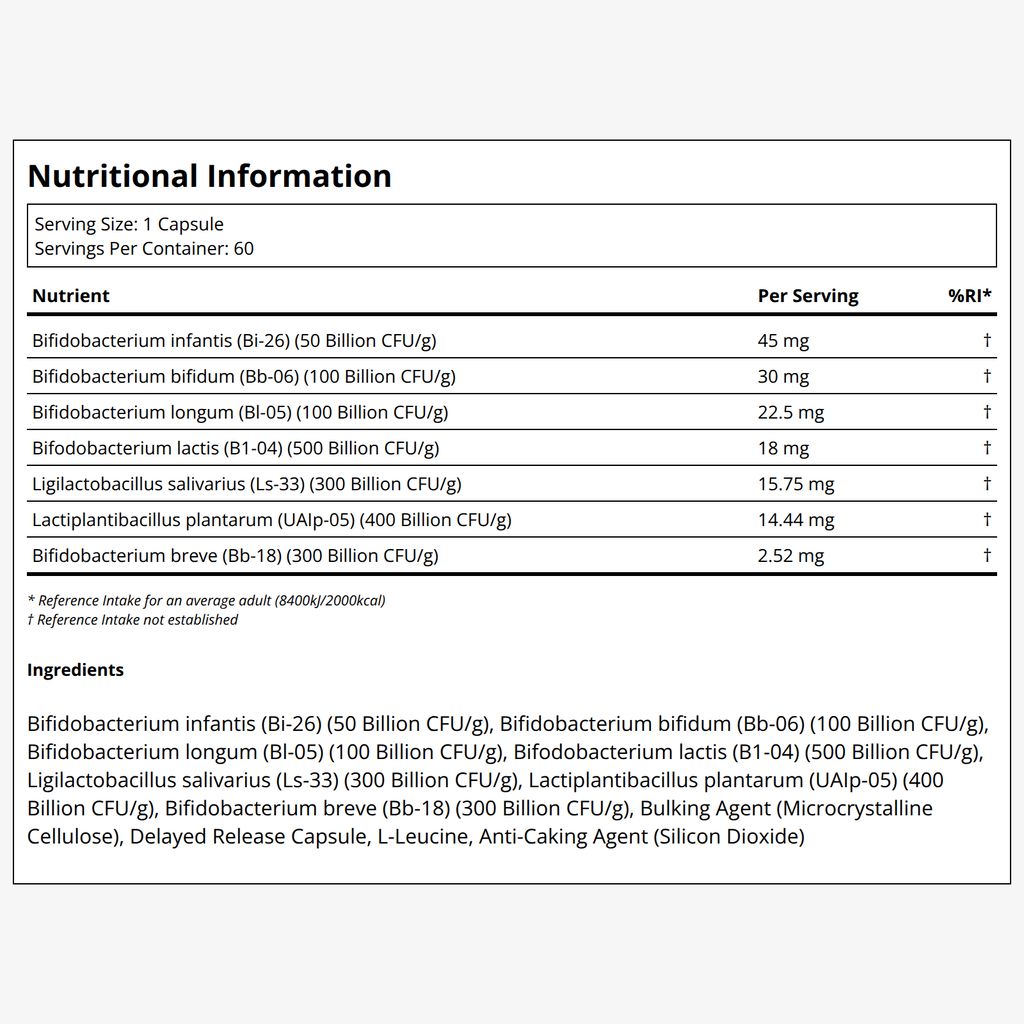
A 2018 study found probiotics to be effective in repopulating the gut after a course of antibiotics and supporting the recovery of gut microbiota health. LactobacilliandBifidobacteria strains in particular have been taken alongside antibiotics in studies and observed to have promising beneficial effects in relation to antibiotic-associated diarrhoea, which is the type of diarrhoea some people experience when taking antibiotics.
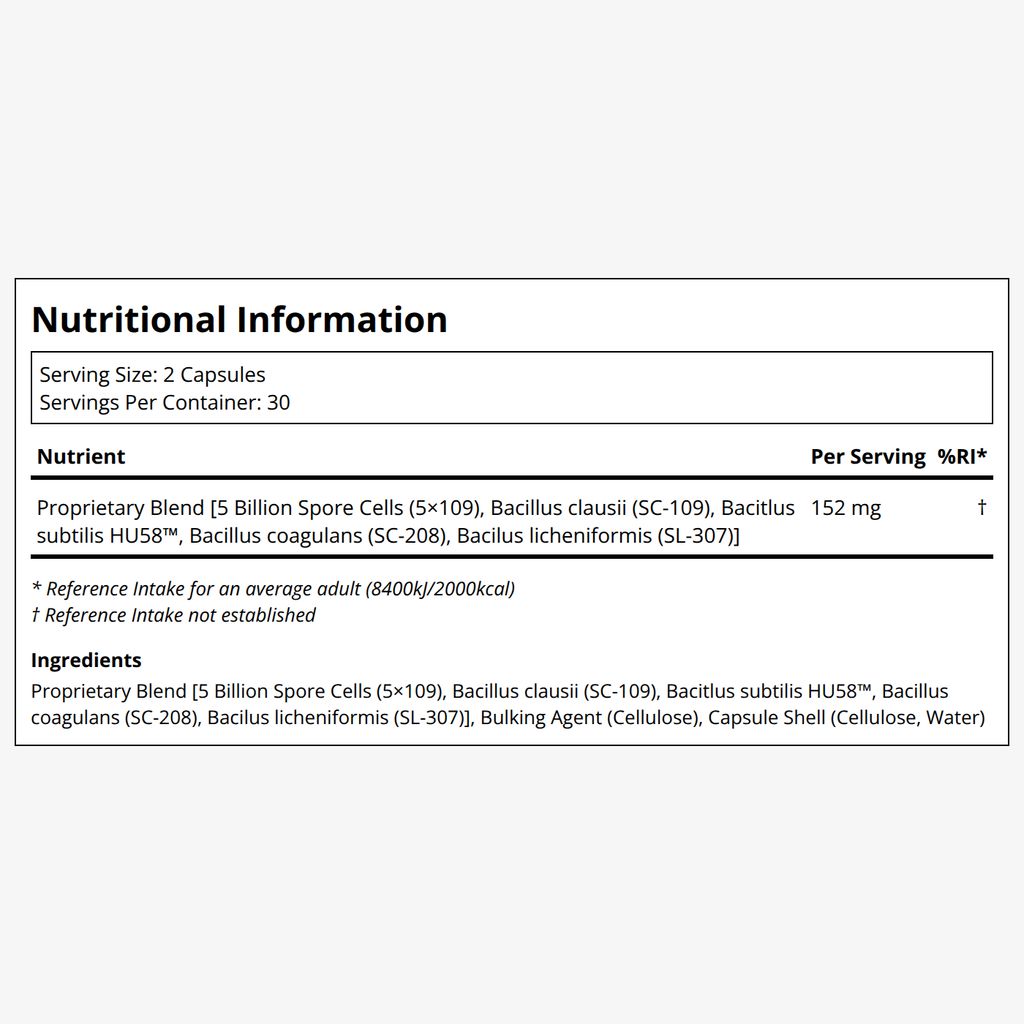
Microbiome Labs offer spore-based probiotics, focusing on maintaining gut health naturally. Their supplements are made to enhance digestive and immune health.
The contraceptive pill and supplement mistakes
Most contraceptive pills contain a mix of oestrogen and progesterone, but some have just progesterone. These hormones are processed by separate pathways in the liver, and in both cases, mixing certain supplements can interfere with how they’re metabolised.
Herbs like agnus castus, St John’s Wort, evening primrose, dong quai, red clover and black cohosh may all affect how the pill works.
Food, drink and the contraceptive pill
It’s not always immediately obvious how what you consume affects the pill. Yes, it says on the packaging no grapefruit. But many additional foods, drinks and food-based supplements can alter how hormones are absorbed, and that means less protection than you think.
In high doses, such as in supplemental formats, soya, garlic, even cruciferous veg like broccoli may interact with how drugs (including hormonal ones) are processed. These food compounds can influence enzymes and transporters that affect absorption, metabolism and ultimately how well the pill works.
It’s best to consume the food and drink you enjoy in moderation to minimise the risk of adverse effects from your medication. And if you are concerned about supplement dosage, check this over with your prescriber or other qualified health professional.
While alcohol doesn't directly impact the effectiveness of the pill, with excessive consumption, it can impair judgment and increase the risk of forgetting to take the pill or engaging in unprotected sex. Excessive alcohol use may also cause vomiting or diarrhoea, which can prevent your oral dose from being properly absorbed into the body.
Always use back-up forms of contraception such as condoms if you think you may be at risk of unintended pregnancy.
What the contraceptive pill takes away
The contraceptive pill has been linked to the depletion of several key nutrients over time.
These include B vitamins (B2, B6, B12), folate, magnesium, zinc, selenium, CoQ10, and antioxidants like vitamins C and E. These nutrients play important roles in energy production, hormone balance, mood, immunity and detoxification, all systems that can take a hit without you even realising.
If you’re taking the pill long term, it’s worth considering targeted nutritional support to help restore and maintain those levels. Consider a comprehensive multi such as Ancient Nutrition’s Women’s Multivitamin to replenish your nutrient stores.
Why mixing isn’t always a mistake
Let’s not forget: some supplements can actually have beneficial effects when taken with medications. Omega-3s might stabilise mood with antidepressant use, while magnesium citrate could support better sleep if your stimulant meds leave you wired.
The best course of action, including the type and dosage, if appropriate, will depend on your individual needs and circumstances.
But trial and error isn’t the way to do this. Please always check that what you are taking is safe to do so with a qualified professional.
Other common interactions to be mindful of:
- Ginseng with long-term use may interact with sedatives.
- Spices like high-dose cinnamon (Cassia), turmeric and ginger may speed up drug metabolism or compound certain medications, though lower doses in food are usually safe. In particular, cassia cinnamon contains high levels of coumarin, which can impact the liver, making it relevant in drug metabolism in the case of medications such as warfarin, apixaban, clopidogrel or aspirin.
- Warfarin paired with vitamin K, ginkgo, garlic, evening primrose, or danshen may significantly alter clotting risk.
- Other commonly used herbs to be aware of in terms of interactions are senna, Boswellia serrata, Calendula officinalis, lemon balm and passionflower. And it is important to note that this is not an exhaustive list.
How to stay on top of your medication and supplement intake:
Sticking to a consistent routine makes it easier to spot any changes or side effects. Keep a current list of everything you're taking, including supplements and herbal teas and bring it to your appointments.
It also pays to check your labels for ingredient overlap, as doubling up can easily happen without realising.


When to seek medical guidance regarding your supplement routine
Always run new supplements past your doctor or pharmacist, especially if you’re already managing a condition.
What might seem harmless can mess with absorption, amplify side effects to a dangerous level or throw off what’s already working. Ask them:
- Could this supplement affect how my medication is absorbed?
- Am I at risk of increased side effects?
- Are there better alternatives for my requirements?
Is your stack putting you at risk?
Some people, more than others, are likely to run into problems when combining supplements with prescriptions:
- If you’re on multiple medications
- If you’ve got long-term conditions
- If your supplement doses are higher than the recommended dose
- If you’re self-treating without expert advice
The side effects aren’t always dramatic. Plus, you’re not expected to know every single interaction. It would take years to learn, and, unless you are a medical professional, it isn’t your job to.
What you can do is keep your healthcare team in the loop every time you add something new. That quick chat could save you from months of confusing symptoms.
The takeaways
Modern health trends mean that more of us are taking more responsibility for our health, including searching for supplements to optimise our wellbeing and get closer to our goals, and that’s a very good thing. But it also means we need to be clued up and remain cautious.
Interactions can do more than cause undesirable side effects and they need to be taken seriously. They might weaken your meds, drain your system of nutrients, or double up on them in ways which are actually harmful.
Look beyond the label
Food and drink matter too. A glass of grapefruit juice or a herbal tea habit might sound harmless, but they can influence how your meds are absorbed.
Certain nutrients or botanicals might reduce drug absorption or intensify side effects, especially if you’re managing more than one prescription.
Being honest about everything you’re taking, even that “innocent” herbal tea or botanical elixir, helps your clinician catch interactions you’d never spot yourself. Every detail counts.
Explore the Vitamins & Supplements collection and shop smarter at Healf for thoughtful tools and formulations that respect the balance between natural support and medical precision.
Reach out for supplement advice
If you are unsure, please do not hesitate to reach out to our advisory team, who will be happy to help with your purchasing decisions.


This article is for informational purposes only, even if and regardless of whether it features the advice of physicians and medical practitioners. This article is not, nor is it intended to be, a substitute for professional medical advice, diagnosis, or treatment and should never be relied upon for specific medical advice. The views expressed in this article are the views of the expert and do not necessarily represent the views of Healf
Pippa is a content writer and qualified Nutritional Therapist (DipNT) creating research-based content with a passion for many areas of wellbeing, including hormonal health, mental health and digestive health.
As a contributor to The Healf Source, she regularly attends seminars and programmes on a plethora of contemporary health issues and modern research insights with a drive to never stop learning. In addition, interviewing experts and specialists across The Four Pillars: EAT, MOVE, MIND, SLEEP.
In her spare time, she is an avid swimmer, mindfulness and yoga lover, occasionally bringing a raw, honest approach to the topics she faces. You may also discover some personal accounts of eye-opening wellbeing experiences amidst the reality of a disorientating, and often conflicting, modern wellbeing space.