















_2026-10-13_14-11-48.png)


The Best Nootropics For ADHD
From Lion's Mane to rhodiola rosea, here are the top picks to aid brain function and focus.

Written by: Chanelle Ho
Written on: 29 April 2026
For roughly 2.6 million people in the UK who live with ADHD, it can sometimes feel like you have 20 browser tabs open in your brain at all times, with no control over which one you’re using. It's overstimulating, overwhelming, and often frustrating, especially when trying to get through important tasks or work projects.
Symptoms like lack of focus, memory loss, hyperactivity, and restlessness all fall under the ADHD umbrella and tie into this crucial 'attention deficit'. “It’s a condition of dysregulated attention,” says Dr. Vijay Murthy, functional medicine doctor and co-founder of The Murthy Clinic in London. “The brain struggles to allocate attention appropriately, oscillating between under-engagement with routine tasks and intense hyper-focus on those it finds stimulating.”
Prescription medication like methylphenidate can help most people struggling with ADHD, but if you’re interested in taking a more holistic approach, that's where nootropics can come into play. Whether they're taken alongside medication or added to other lifestyle and dietary approaches, they can often bring an additional layer of support to your brain health regimen.
We spoke with some experts to explore the emerging nootropics landscape and better understand what they can (and can't) do for our brains and focus.
What are nootropics?
Nootropics are basically substances, often nutrients, herbs, or naturally-derived compounds, that can be used to support different aspects of essential brain functions, like focus, memory, clarity, and mental energy, explains Sophie Barrett, medical herbalist and naturopath. They can come in many different forms, from capsules to powders to tinctures. "The important thing to note is that they’re not a quick fix or replacement for medication, good nutrition, sleep, and healthy lifestyle habits, but rather a layer of support," Barrett says.
Think of nootropics as an add-on, not a cure-all. They are most effective when layered into other nutritional and lifestyle routines that work to support brain health and focus.
How can nootropics help with ADHD?
Unlike ADHD medications, which tend to have a more immediate, direct effect, nootropics “work gradually, supporting the neurotransmitter balance, reducing inflammation and oxidative stress, regulating the stress response, and nourishing the nervous system over time," according to Barrett.
It can take weeks or months before you see meaningful effects, but as Barrett puts it, “nootropics work particularly well for people with milder symptoms or who can’t tolerate medication.”
While there’s more emerging research for certain nootropic compounds being able to support focus, attention, and cognitive function, Barrett is wary of their limits. There isn't strong evidence that nootropics can or should replace medications, especially in moderate to severe cases, she says. Instead, think of them as "an extra dose of support for ADHD to smooth out the edges.”
What are the best nootropics for ADHD?
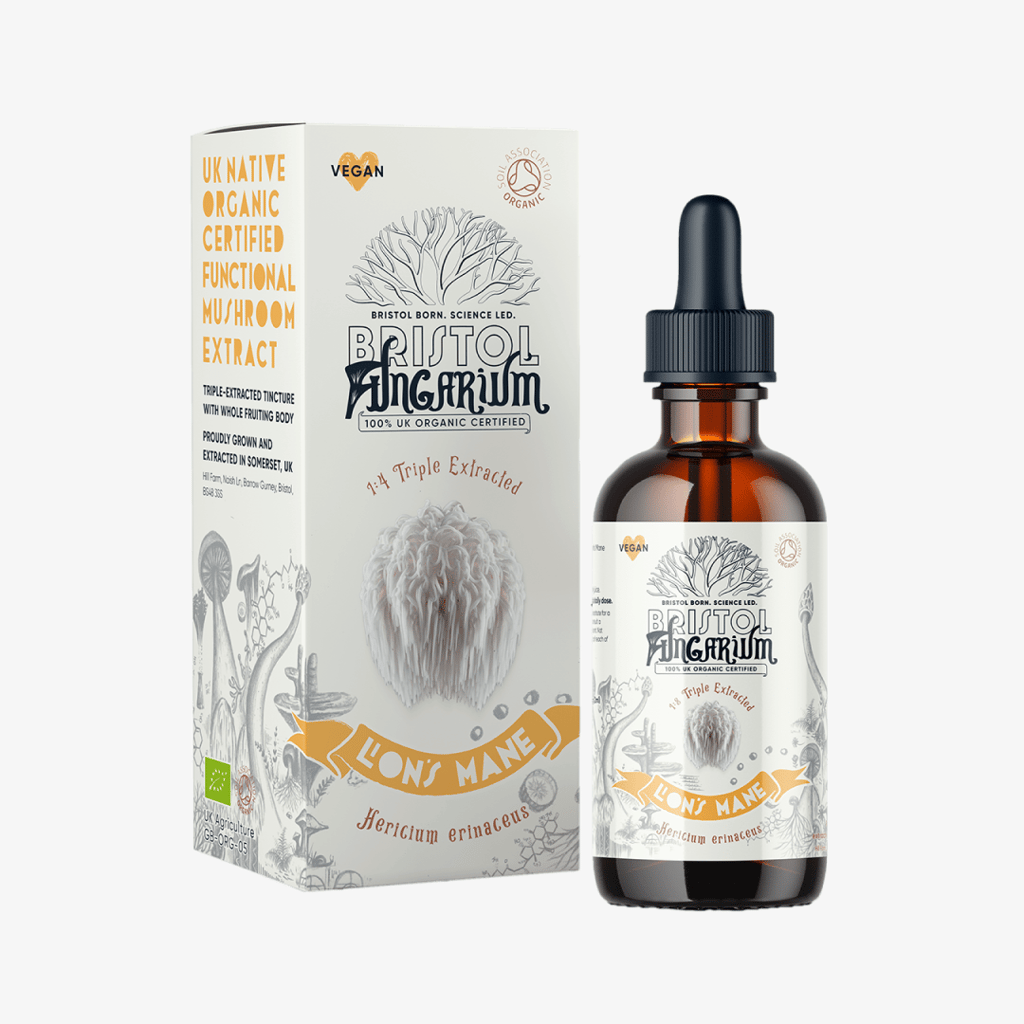
Lion’s Mane
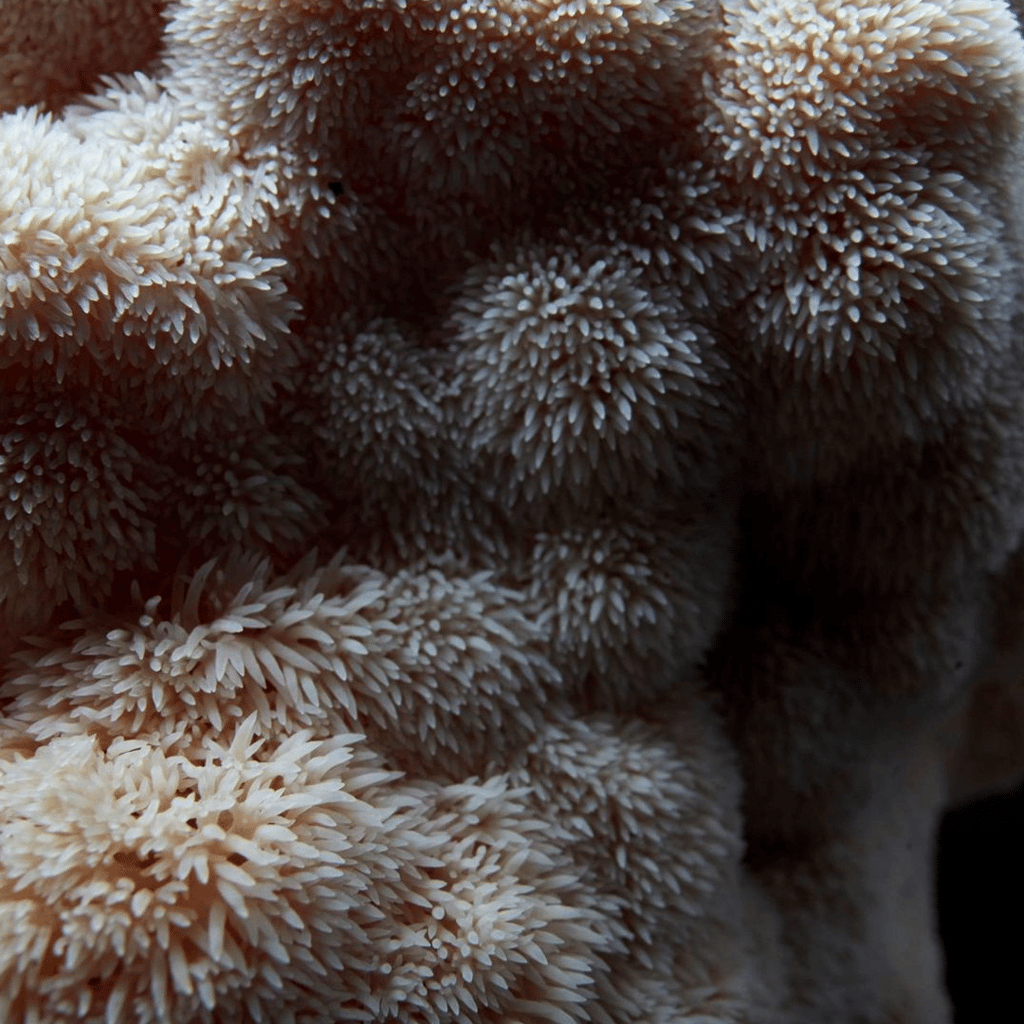
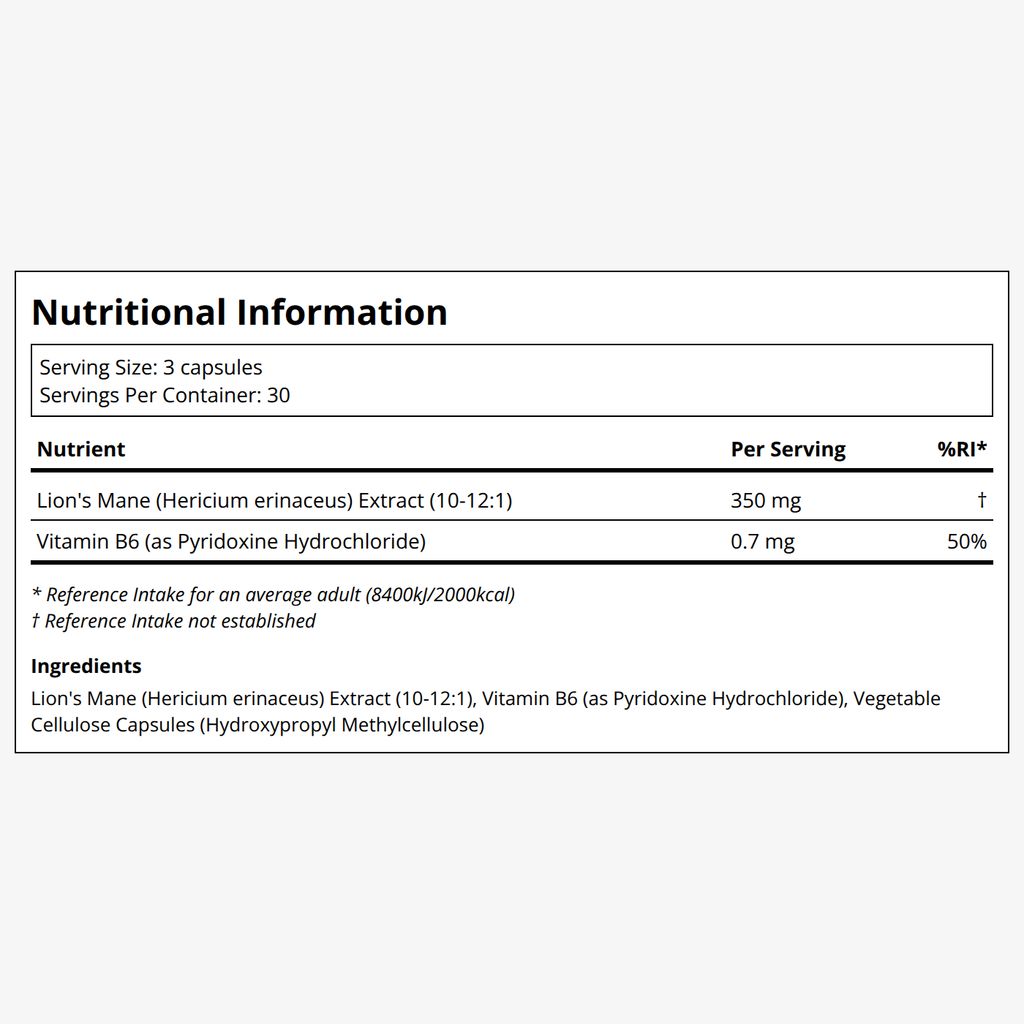
You've probably seen Lion’s Mane listed as an ingredient in everything from coffees to collagens these days. But what exactly is it? “It’s a functional mushroom with a strong affinity for the brain and nervous system,” says Barrett.
Early lab and human studies suggest it supports nerve growth factor production, which is the protein responsible for the survival and growth of your brain's neurons. This is particularly relevant for an ADHD brain. “It’s best suited to those who feel mentally depleted and foggy rather than overstimulated,” says Barrett.

SOOO focused
L-Theanine
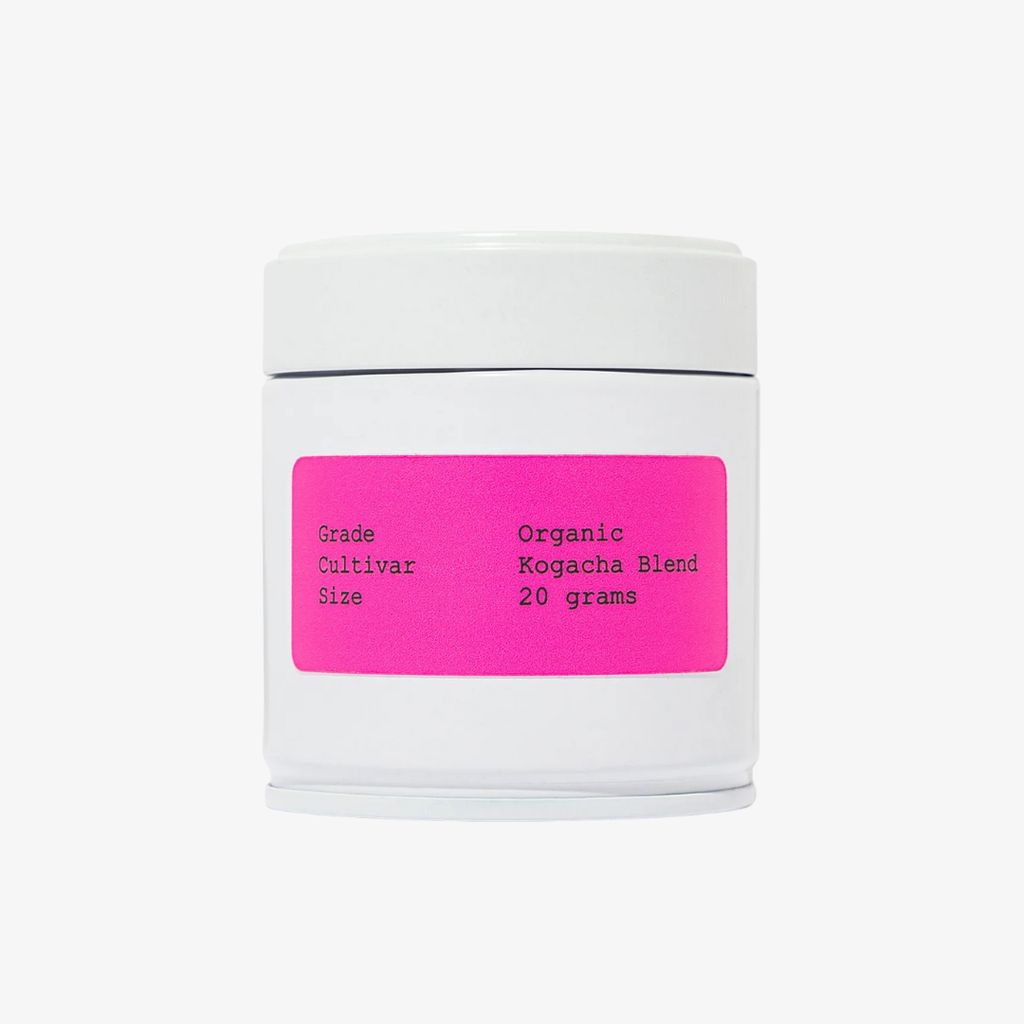
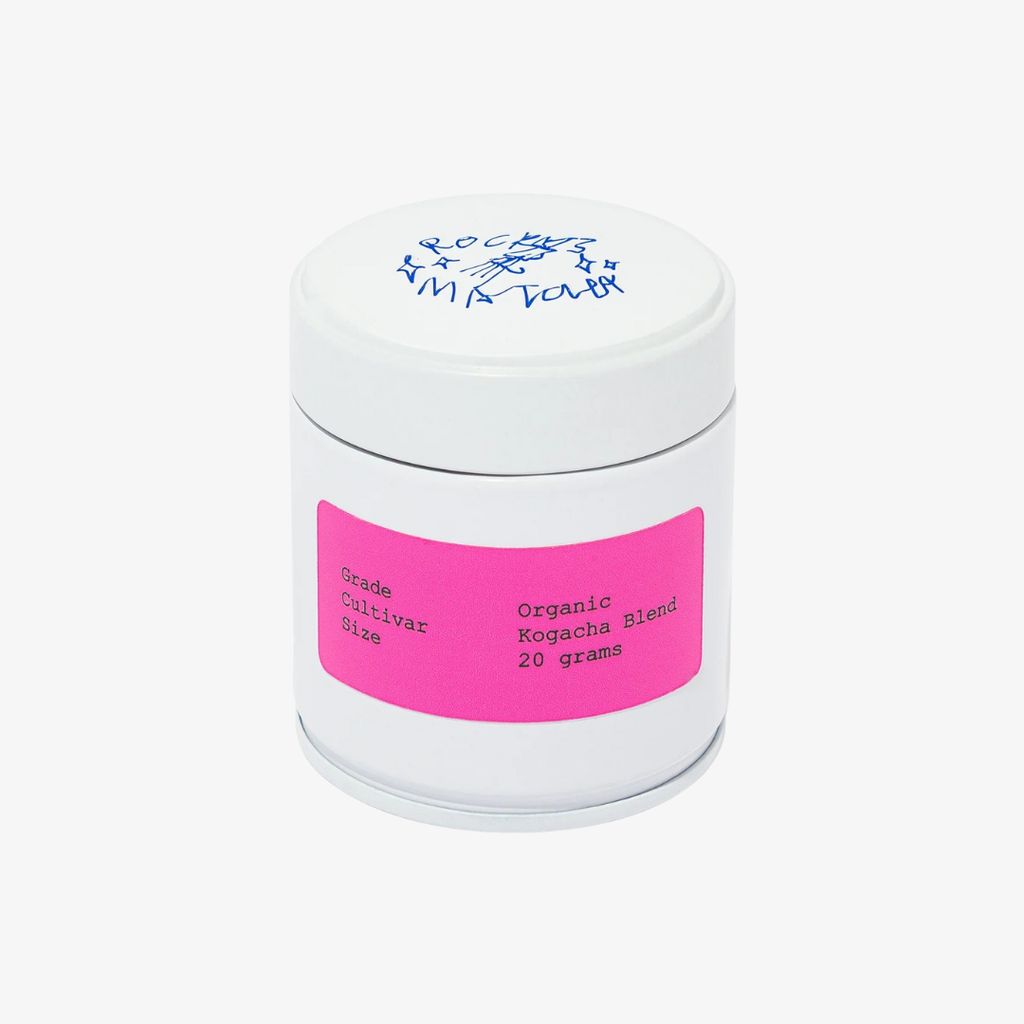
Matcha lovers, you may not know it, but you've already been getting a solid dose of this nootropic in your morning beverage. Found naturally in green tea, this amino acid is one of the better-studied compounds. “It promotes calm alertness by increasing alpha brain wave activity,” says Barrett. In other words: focus without the edge. “When combined with caffeine it creates a smooth and stable kind of concentration. "Think less jitteriness and less anxiety,” she adds.
If your ADHD makes you feel like you're swinging between feeling unstimulated and then overwhelmed, this combination could bring the perfect balance for you to help hone focus and find a steady rhythm.
Bacopa Monnieri
Two brain functions that ADHD tends to hit the hardest? Memory and learning. This Ayurvedic herb, also known as brahmi, actually has more solid evidence backing it as a brain-booster, but the trade-off is, well, time and patience.
“It takes eight to 12 weeks of consistent use before you notice a real difference,” says Barrett, who recommends it for people with high cognitive demand, whether you're a student, starting a new job, or running on multiple deadlines.
Dosage makes a big difference here. Take too much, and the mildly down-regulating effect that makes it useful for memory and anxiety starts tipping into fatigue and brain fog. “Work with a naturopath or herbalist rather than guessing, and always start with a lower dosage and work your way up if needed,” Barrett says.
Phosphatidylserine
Do you misplace your keys every other morning? Or get to the supermarket only to forget what you went there to buy? This nootropic speaks directly to memory.
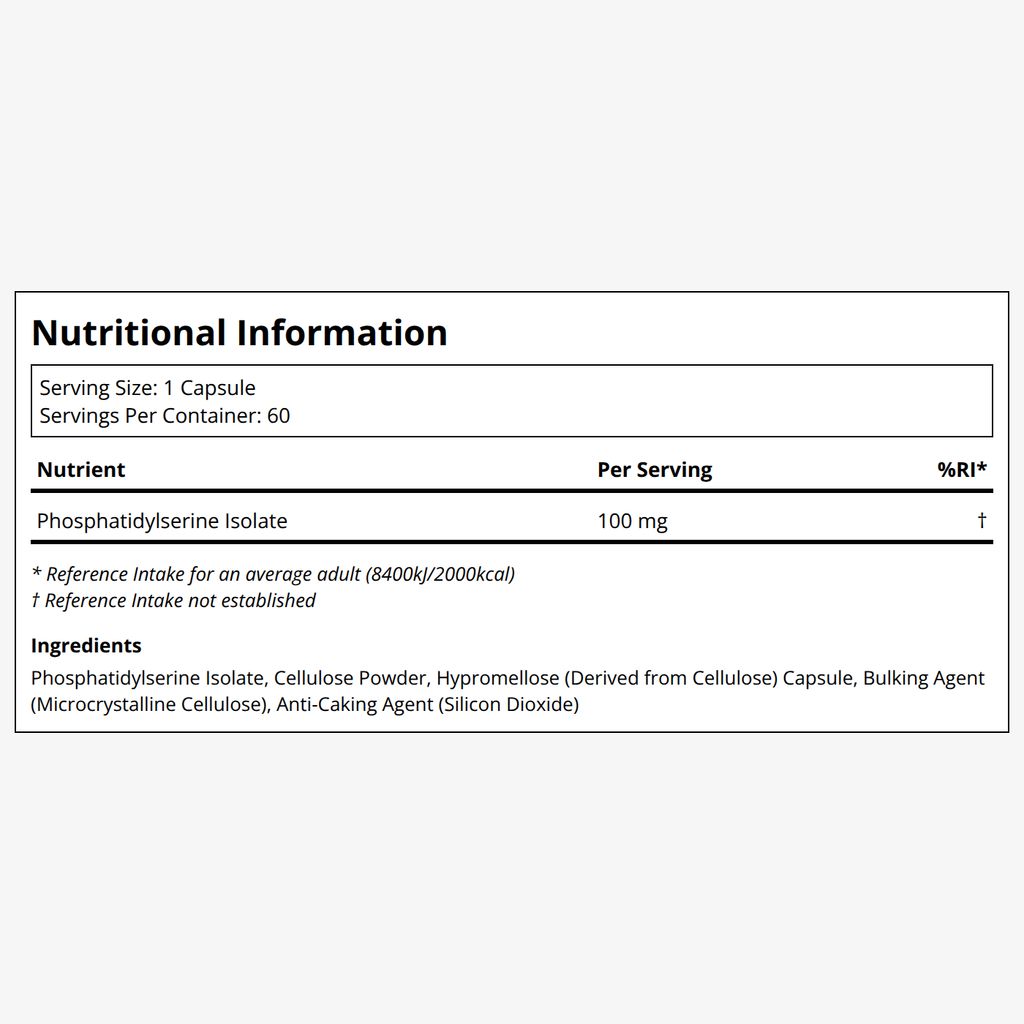
Phosphatidylserine is actually already present in your brain’s cell membranes as an essential fatty phospholipid that supports memory and brain communication as well as cortisol regulation. Barrett flags this nootropic as a particularly useful one for stress-related cognitive decline and the types of memory lapses that track closely with mental fatigue.
If stress makes you more scattered and forgetful, this one could be a good one to try.

Rhodiola Rosea
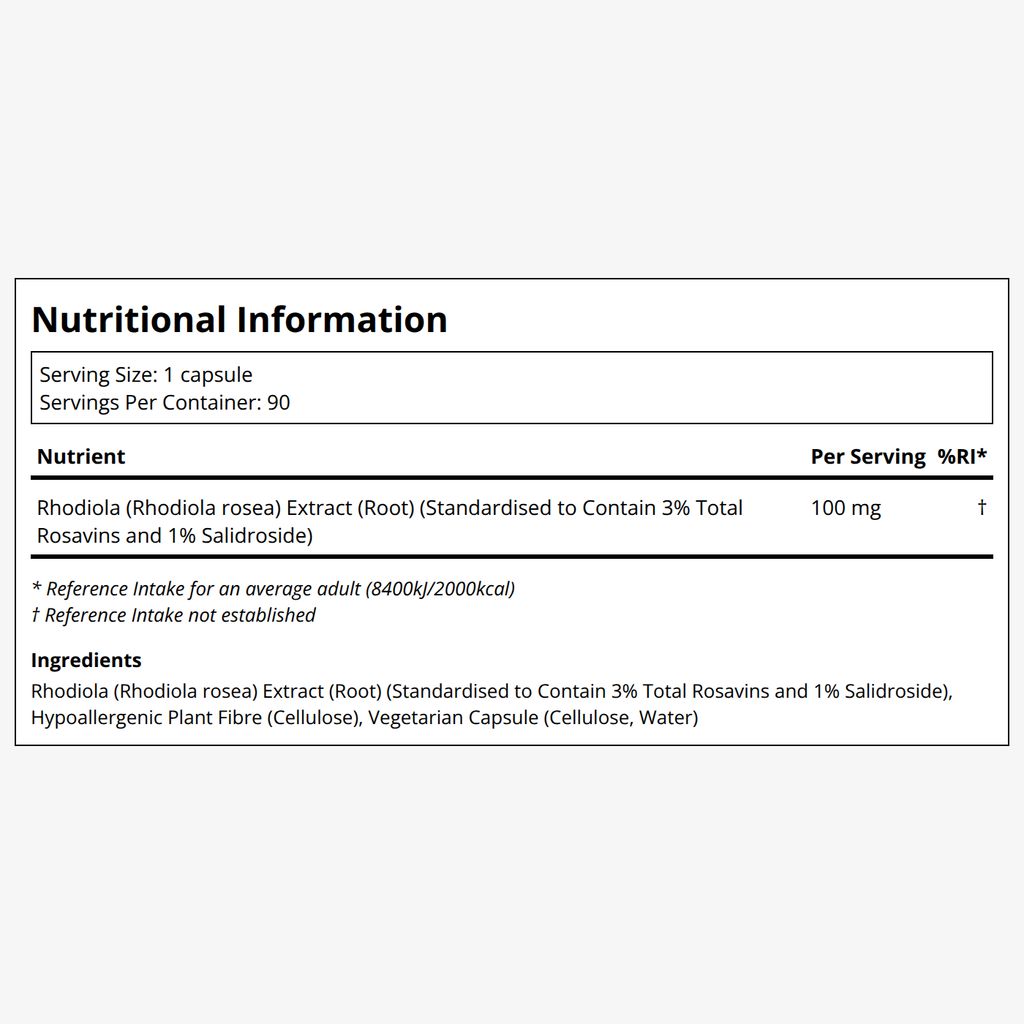
People with ADHD can feel burnt out at a more extreme level. “This adaptogenic help helps to bring calm by improving energy and stress resilience, as well as improving mental performance under pressure,” explains Barrett.
However, dosage is also crucial here. “Effects on the nervous system can be both stimulating and sedating depending on the dose. Too high a dose and you might find it more sedating than sharpening,” Barrett says.

Key takeaways
While nootropics can certainly help with brain function and may help soften some ADHD symptoms, "there is no one size fits all, and natural doesn't always equate to safe," says Dr Murthy.
For instance, caffeine stacked with rhodiola rosea and a high dose of tyrosine can overstimulate, while too much of another nootropic like L-theanine or bacopa monnieri can easily tip into oversedation. You should always work with a practitioner to find your perfect dose, says Barrett.
And remember that taking a more holistic approach that includes proper sleep, nutrition, and exercise will always outperform a single supplement. “Prioritise whole foods and microbiome diversity, keep blood sugar levels stable, move your body regularly to support dopamine signalling, maintain consistent sleep hygiene, and actively regulate your nervous system – nootropics will help but the fundamentals are always more important," she says.


This article is for informational purposes only, even if and regardless of whether it features the advice of physicians and medical practitioners. This article is not, nor is it intended to be, a substitute for professional medical advice, diagnosis, or treatment and should never be relied upon for specific medical advice. The views expressed in this article are the views of the expert and do not necessarily represent the views of Healf
Chanelle Ho is a beauty and wellness journalist with ten years of experience writing for titles including The Sunday Times Style, Grazia, Women’s Health, and Glamour. Drawing on a decade of conversations with the likes of leading dermatologists, aestheticians, and brand founders, she brings expert insights to every story and has a knack for translating complex skincare science, demystifying ingredient lists, and analysing which trends are truly worth the hype.
When away from her laptop, you’ll find Chanelle brushing up on her culinary skills, hiking somewhere in the countryside, filming content for social media, or volunteering with dogs.