












































Can You Biohack Your Way Through ADHD Symptoms?
Adult ADHD diagnoses are on the rise, and for those who don’t want to take medication, there are natural ways to help manage pesky symptoms.

Written by: Pippa Thackeray
Written on: 17 February 2026
We live in an era of self-diagnosis when it comes to ADHD, thanks in part to a vibrant social media ecosystem that has people realising pesky symptoms they've dealt with for decades might actually be the result of a common neurological condition.
And while medication can certainly help some people with ADHD, others prefer to try more natural solutions, managing things as best they can by tweaking daily habits or adding in new routines. Thankfully, there is a litany of lifestyle and dietary adjustments you can try, either on their own or alongside medication, to help manage your symptoms.
The key to all of this is helping your body regulate its nervous system and optimising neurochemicals (like dopamine) in the brain using things like diet and exercise. Want to know how? We chatted with some experts to better understand how to harness these biohacks to calm the chaos in your brain.
What is ADHD? Behavioural scientists weigh in.
Before diving in, it’s worth understanding what ADHD is and how it affects people. Attention-Deficit/Hyperactivity Disorder, or ADHD, is a neurodevelopmental disorder that is characterised by persistent difficulty sustaining attention, hyperactivity, and impulsivity. You might also know it as “ADD” or “attention deficit disorder.” (These days, “ADD” falls under the same umbrella as ADHD.)
Max Davie, MD, a paediatrician, ADHD specialist, and co-host of the ADHD Science podcast, describes the ADHD brain as a “chronically under-stimulated”, hungry brain, which causes difficulties in controlling emotions and sustaining attention. At its most basic level, the ADHD brain simply manages or regulates these tasks differently than a neurotypical brain.
Behavioural experts in the UK often cite Dr. Russell Barkley’s “30% rule”, suggesting that children with ADHD may have a developmental delay that puts them 30% behind their peers in developing executive function skills that affect self-regulation and time management. Sally Cubbin, MD, a consultant psychiatrist, points out that many people, especially women, do not present with disruptive behaviour but rather inattentive, internalised traits, like anxiety.
Whilst most research around ADHD has historically centred around children, newer studies are now catching up to the fact that many adults also struggle with ADHD symptoms at work and in their personal lives. It makes sense when you consider the fact that roughly 60 to 80% of children with ADHD (who may or may not be diagnosed) continue to experience significant symptoms into adulthood.
In England, there are around 2.5 million people with diagnosed or undiagnosed ADHD. Current government data suggests that around 3 to 4% of adults may have ADHD, according to the National Institute for Health and Care Excellence.
What are the typical ADHD symptoms?
On her podcast channel, motivational speaker Mel Robbins learns from experts how ADHD typically manifests in adults through six common traits:
Hyperfocus: intense, prolonged, and deep concentration
Issues with emotional regulation
Impulsive spending habits and/or lack of control over finances
Time blindness, and poor organisational habits in general
Appearing from the outside as ‘high functioning’
High levels of self-criticism
These findings are supported by current NHS guidance.
What happens in the brain when you have ADHD?
ADHD is described as a condition whereby the brain develops, functions, and communicates differently compared to neurotypical brains. In the brain of someone with ADHD...
There is a chemical imbalance: The brain relies on chemical messengers (known as neurotransmitters) to pass signals between neurons. In ADHD, key brain chemicals—such as dopamine, serotonin, and GABA, which help regulate focus, motivation, mood, and emotions—are often dysregulated.
There are structural differences: Research shows that certain areas of the ADHD brain can mature later than usual, such as the prefrontal cortex, which you may think of as the “brain’s CEO”. It runs the show in terms of executive functions like planning, impulse control, and organisation. The basal ganglia and the limbic system, which filter information and regulate emotions, are also thought to function differently in people with ADHD, with evidence emerging that there is reduced connectivity in white matter tracts in these key brain areas. Therefore, this structural connectivity is frequently found to be disrupted.
There are differences in neural networks: The brain uses different networks to perform tasks or rest. The Default Mode Network (DMN) is the brain’s idle mode, which is usually at play when a person is daydreaming. In neurotypical brains, the DMN turns off when focusing on a task. In ADHD brains, the network that helps us perform tasks is often underactive or easily interrupted by the DMN.
You may experience a hyperactive internal motor: Also known as a racing mind. When the brain's “brakes” (prefrontal cortex) are not as strong, thoughts and emotions can feel overwhelming.
ADHD is often seen as a behavioural or attention issue, but at its core it reflects differences in brain chemistry and biology.
Can lifestyle changes help manage symptoms?
From what we already know about ADHD from a biological standpoint, certain significant lifestyle changes can help manage symptoms by improving focus, mood, and impulse control. Here are the main takeaways, divided into our four pillars:
Dietary and nutritional changes
“ADHD is far more complex than behaviour alone,” says Natasha Price, rCNHC, a registered nutritional therapist trained in functional medicine. “It is shaped by a web of interconnected systems, from nutrient status and genetics to gut health, sleep and environmental factors.”
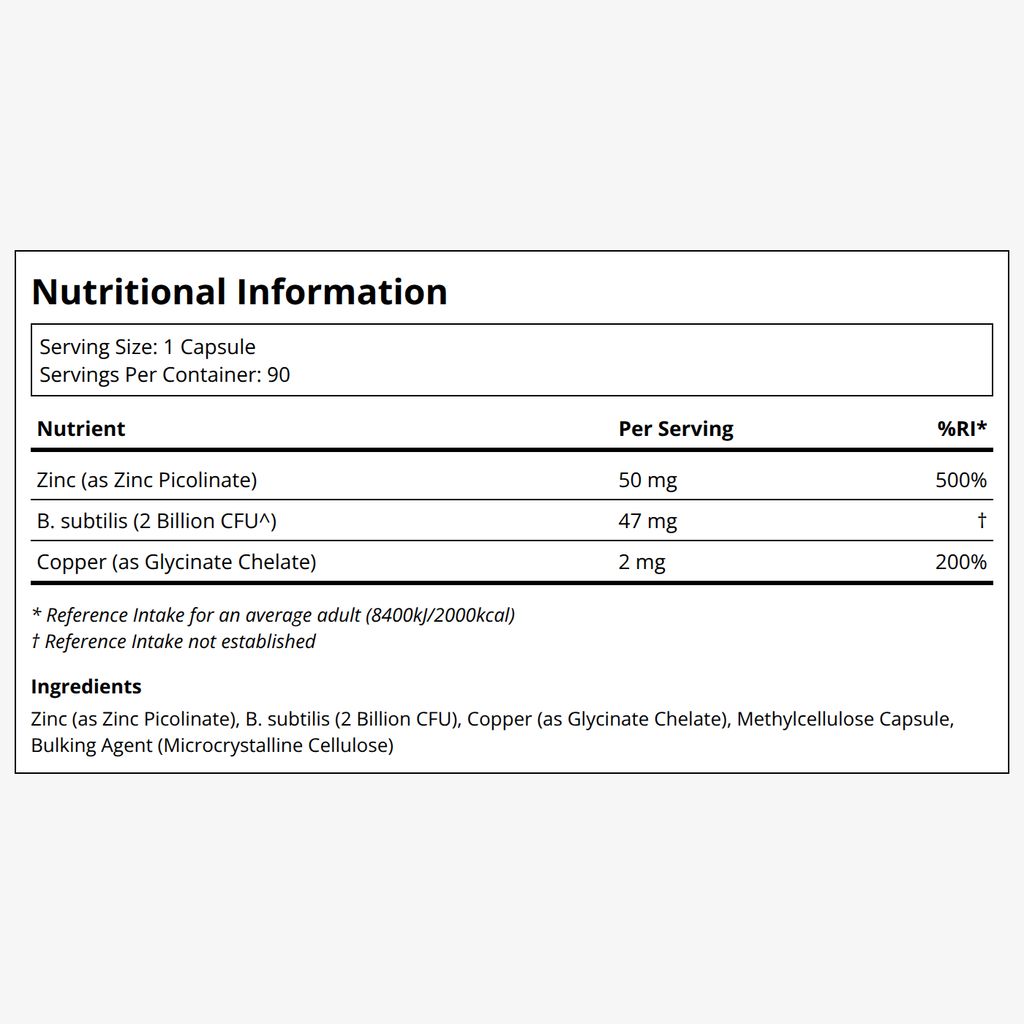
For example, omega-3 levels, which support brain function and mood regulation and also reduce inflammation, are often deficient in people with ADHD. Zinc and copper, which are critical for dopamine pathways and attention, are also often unbalanced, leading to irritability and poor response to stimulant medication, says Price.
In addition, there are various conditions that exacerbate or bring on symptoms, like heavy metal toxicity from lead or excess copper from drinking water, and gut conditions like dysbiosis (imbalanced gut bacteria) and Coeliac disease.
Dysbiosis “can disrupt neurotransmitter production and affect mood and behaviour. Likewise, Coeliac disease (often silent and undiagnosed) or food sensitivities may contribute to hyperactivity, cravings or poor nutrient absorption,” she says.

Exercise and breathwork
While nutrition plays a role in easing ADHD symptoms, other helpful lifestyle factors are often overlooked, says Oliver Connaughton, DipNT, a personal trainer, nutritional therapist and health coach. The big one? Daily movement and exercise, which can have a significant positive impact on brain chemistry, helping people stay focused and regulated. In fact, it’s a well-known antidote to ADHD symptoms.
Connaughton points out that exercise stimulates attention-linked brain chemicals—like Brain-Derived Neurotrophic Factor (BDNF), a protein that supports neuron growth and cognitive health—and increases blood flow to support focus. Neurotransmitters like dopamine and norepinephrine also get a little boost during a sweat sesh, charging up focus and executive functions while dampening impulsivity.
Connaughton recommends getting outside every day, noting that time in green space helps reduce mental fatigue and supports emotional balance. “Research suggests that even a short walk has cognitive benefits, or as little as 10 to 20 minutes of light physical activity,” he says.
Breathwork is another key tool in his approach. “Slow, controlled breathing activates the parasympathetic system and can help settle a mind from racing,” he says.
Circadian rhythm relaignment
Research shows that getting between 30 and 60 minutes of morning bright light therapy (BLT) is an effective treatment for managing ADHD symptoms in adults—especially during the darker months of the year when sunlight is scarce. The method, which involves using a light therapy box, screen, or lamp, helps realign circadian rhythms, which in turn helps your body regulate melatonin and serotonin levels.
Sleep hygiene
People with ADHD often struggle with sleep, according to Sandrine Olmi, a nutritional therapist specialising in the condition. This, she says, can perhaps be explained by low levels of serotonin. The neurotransmitter converts to melatonin, our main sleep hormone, in the brain’s pineal gland. Lower serotonin means less melatonin helping us fall asleep and stay asleep, and without proper sleep, focus, emotional regulation, and other common ADHD symptoms may become more enhanced.
Connaughton also highlights the importance of consistent downtime, and practising a sleep hygiene routine comes especially recommended for those with ADHD. “Building in time and structure for rest helps regulate mood and keeps the nervous system steady. It’s part of how the brain stays balanced, whilst ensuring you have a good wind down before bed helps the brain prepare properly for sleep.”
And here’s where this all comes full circle, showing how what we eat and how we care for our emotional wellbeing tie in to other factors: Certain nutrients (or lack of them) can hinder our rest, says Price, and things like stress can deplete magnesium, which worsens sleep, anxiety, and hyperactivity.
‘Biohacking’ ADHD: What you should know
Oliver Connaughton leaves us with this: “ADHD isn’t just shaped by brain chemistry, but also by how the nervous system is supported day to day. That means daily movement, time outdoors, and mindful practices like breathwork or structured downtime can dramatically improve focus and emotional balance. Ultimately, in a body that’s regulated, the mind follows.”
Shop EAT, MOVE, MIND, SLEEP at Healf, and find practical tools to support clarity, consistency and calm.




This article is for informational purposes only, even if and regardless of whether it features the advice of physicians and medical practitioners. This article is not, nor is it intended to be, a substitute for professional medical advice, diagnosis, or treatment and should never be relied upon for specific medical advice. The views expressed in this article are the views of the expert and do not necessarily represent the views of Healf
Pippa is a content writer and qualified Nutritional Therapist (DipNT) creating research-based content with a passion for many areas of wellbeing, including hormonal health, mental health and digestive health.
As a contributor to The Healf Source, she regularly attends seminars and programmes on a plethora of contemporary health issues and modern research insights with a drive to never stop learning. In addition, interviewing experts and specialists across The Four Pillars: EAT, MOVE, MIND, SLEEP.
In her spare time, she is an avid swimmer, mindfulness and yoga lover, occasionally bringing a raw, honest approach to the topics she faces. You may also discover some personal accounts of eye-opening wellbeing experiences amidst the reality of a disorientating, and often conflicting, modern wellbeing space.