
















































Procrastination: What Your Brain’s Really Doing When You Put Things Off

Written by: Pippa Thackeray
Written on: 27 October 2025
Why do we put things off even when we know it makes us more stressed in the long run? It’s more than just self-sabotage.
Turns out, neuroscience, the psychology of procrastination and functional freeze have a lot to do with turning emotional avoidance into calm, focused action.
You tell yourself you will start after a quick coffee…
The day is gone, but you still haven’t done ‘that thing’ on your to-do list. You wonder why something so simple felt impossible. If this sounds familiar, you are not alone.
Around 20 to 25% of adults worldwide are chronic procrastinators. That means about 1 in 4 of us regularly delay important tasks. But is it just down to laziness?
Why we procrastinate
At the intersection of stress, emotion and self-belief, procrastination can be thought of as a tug of war between the part of the brain seeking comfort and the part chasing growth. Even when we know the cost of delay, we persuade ourselves we will feel more ready later.
As a result, we tend to find the short-term escape brings relief, then the long-term effects are pretty draining.
The American Psychological Association also notes that procrastination is often linked with conditions such as ADHD, OCD and other challenges that affect focus and self-regulation.
Here are common emotional drivers:
Boredom and disinterest
When a task feels meaningless, the brain sees it as low reward. A dull talk, an uninspiring spreadsheet or repetitive admin triggers minimal dopamine, so focus slips away.
Low belief in ability
If you doubt your ability, starting feels almost like being exposed. But many people are unfair on themselves, and overly critical, meaning they can actually underestimate their competence. More on this later.
Fear and anxiety
Fear is a powerful force in prolonging procrastination. Fear of failure, of judgment, of discomfort, all can delay action. The amygdala’s threat alarm perceives the task as dangerous. And so the avoidance continues.
Perfectionism
Perfectionism and procrastination often go hand-in-hand. The belief that you must feel totally ready, or that anything less than perfect equals failure, keeps you stuck.
Distraction
Our environment often encourages avoidance. Phones ping, tabs multiply, meanwhile social media summons you into the productivity abyss. Even other tasks may feel more appealing than the one you’re meant to be doing. That’s because these diversions reward attention with bursts of dopamine, making them feel safer than the harder work at hand.
Perfectionism and procrastination
Over-preparation, in a cocktail of overthinking and over-editing, becomes a default safety net that prevents you from really getting going.
A common trait of the perfectionist brain is that it tightly links self-worth with performance. Anything less than ideal feels like failure.
A healthy amount of diligence is usually helpful. But when things go askew, that’s when a vicious cycle is created. The pressure to perform perfectly triggers anxiety, and anxiety fuels the delay. A 2014 study on student wellbeing found that those who regularly delayed everyday tasks were less likely to communicate their needs and reported significantly higher stress levels as a result.
What’s more, even after finishing a task, perfectionism can still operate in the background. Instead of relief, you ruminate that you could have done more. And so the initial satisfaction of completing a task rarely lasts.
Imposter syndrome and the fear of not being enough
Imposter syndrome, in a way, draws many parallels to perfectionism. The difference being that with imposter syndrome, the belief is centred around your success being undeserved and that, at any given moment, others could see through you.
In their 1978 study of high-achieving women, Clance and Imes identified a repeating pattern known as the imposter syndrome cycle. It begins when people overwork to hide perceived inadequacy. Their effort leads to success, bringing short-term relief, but as soon as the fraud feeling returns, the cycle restarts.
Psychologist Lisa Orbé-Austin, PhD, notes that, in general, this pattern often includes rejecting praise. When we hear anything positive, we want to dismiss it or show others what we did wrong, she explains. The problem is that compliments create connection, and a compliment is relational, she adds. When we reject it, we lose potential for growth in that moment.
Orbé-Austin, author of Own Your Greatness, explains that people of all genders with imposter syndrome often struggle to accept praise. Instead, she encourages simply saying, thank you so much, I really appreciate that. Accepting praise sends a message to the brain to see success as being truly earned.
It might not work the first time you do it, but with repeated action, it should become an effortless habit.
The mental health connection
According to a review spanning 20 years of procrastination research from the Association for Psychological Science, the root issue is not time but emotion, specifically, how we manage our mood on the whole.
Mental health diagnoses and procrastination
Procrastination itself is not a mental health diagnosis, but it frequently coexists with anxiety, depression, ADHD and challenges in emotional regulation.
Anxiety
Anxiety magnifies perceived threats. Simple tasks start to feel loaded with risk, failure, judgment and embarrassment. Anxiety also strengthens perfectionism, such as the fear of making a mistake stopping you from trying.
Depression
Depression and mood disorders, including seasonal affective disorder and many others, dull motivation and drain energy. People with depressed mood tend to dwell on negative thoughts and experience more self-doubt.
ADHD
Procrastination tends to be a symptom of the inattentive type of ADHD (versus the hyper-impulsive type of the condition).
People with ADHD may struggle to start tasks lacking immediate stimulation. They might hyperfocus on something ‘interesting’, while neglecting necessary but less exciting duties. This uneven attention can push essential work further into the future.
Functional freeze
Functional freeze is a trauma response and survival mechanism in which a person appears to function normally in daily life but feels emotionally numb, disconnected, and stuck internally. It stems from a nervous system shutdown, often due to chronic stress or trauma. It leads to symptoms like exhaustion, brain fog, low motivation and difficulty with emotional expression.
Are you a chronic procrastinator?
You might brush off your delay as a minor quirk. But when postponing tasks starts to influence your mood, self-view and daily life, it is worth paying attention to.
Here are signs procrastination has become damaging rather than simply incidental:
Feeling anxious over tasks you once handled easily
Excessive worry about judgment or expectations
Resenting duties or obligations that used to feel manageable
Blaming external factors or others for missed deadlines
Struggling with perfectionism or internal critique that stops you
Persistent fatigue, irritability or mental fog caused by stress
8 ways to break the cycle
The goal is not to force action, but to make it feel emotionally safe enough to begin.
What happens when you replace judgement with curiosity and meet resistance with understanding rather than frustration?
1. Start small
Begin with something so easy it feels almost trivial. Open the document, write one sentence, or spend 10 minutes on the task. Unlock some momentum.
2. Break tasks into clear steps
The smaller the task, the easier it is to begin. Split projects into bite size pieces, with defined endpoints.
3. Shape your environment for focus
Your surroundings influence your state of mind. Tidy your desk, clear visual clutter, silence notifications and set boundaries that tell your brain it is time to focus.
4. Reframe the language you use
Replace “I have to” with “I choose to.” It might sound fairly subtle, but this change gives you agency and makes action feel achievable.
5. Treat yourself with patience
Being overly harsh with yourself rarely helps.
6. Connect effort to meaning
Purpose is the best motivator, so remind yourself why this task matters to your wider goals. Link action to something personal. When the “why” feels strong, the “how” becomes that bit easier.
7. Manage distractions consciously
Put your phone in another room, use focus timers or block social media tabs.
8. Acknowledge progress often
Tick it off, say it out loud. Rewarding effort tells your brain that doing feels better than delaying, and that is what builds lasting change.
Procrastination reversal techniques: Do they work?
Procrastination creates a paradoxical reward loop
A TikTok video posted by @stephaniehson explores this topic. In it, some tips are shared to illustrate the power and potential behind pairing positive experiences with the things you have been putting off.
She suggests pairing study with a reward like seeing a friend, or cleaning while listening to your favourite music, for example.
Psychologists call this procrastination reversal technique.
When you practise this consistently, three things happen:
You show yourself that you can pause between impulse and action, which strengthens confidence.
You replace reactive avoidance with constructive engagement.
You begin to experience satisfaction from self-regulation itself, which becomes a lasting source of motivation.
When it’s complicated: Getting to the root cause
When the usual techniques don’t work it could be that something else is acting as a blocker.
Procrastination can be more nuanced than a singular urge to avoid.
Therefore, it also helps to fully understand the task before you approach it. In Stephanie’s video, this is framed by an example like sending a difficult email to a manager about a project you’re stuck on.
In such cases, maybe you’re still trying to figure out the issue rather than simply procrastinating.
When to seek support
Delaying tasks now and then is part of being human. But when procrastination undermines your relationships, sense of self or wellbeing, seeking help can be the next step.
Therapy
A skilled therapist helps you trace the emotional roots of procrastination, fear, perfectionism, imposter feelings, or low self-worth.
Cognitive Behavioural Therapy (CBT)
CBT targets the thoughts that fuel avoidance. Common distortions include I cannot begin until I feel ready or If it is imperfect, it is worthless. Reshaping these beliefs weakens procrastination’s hold on you.
Executive functioning coaching
If organisational, focus or follow-through struggles hold you back, coaching helps build on this. Tools like accountability, time blocking or emotional regulation strategies reduce friction and make consistency easier.
Neuropsychological assessment
This can identify deficits in attention, memory, flexible thinking or cognitive control. Recognising these areas gives clarity. You can then address what is truly needed rather than guess.
Subtle habit tools: Journaling and planning with intention
Adding structure and reflection tools can directly support your ability to stay present, process emotion and act consistently.
Journaling and planners help externalise stress, track your internal world and get you on the right path.
Support focus and clarity:
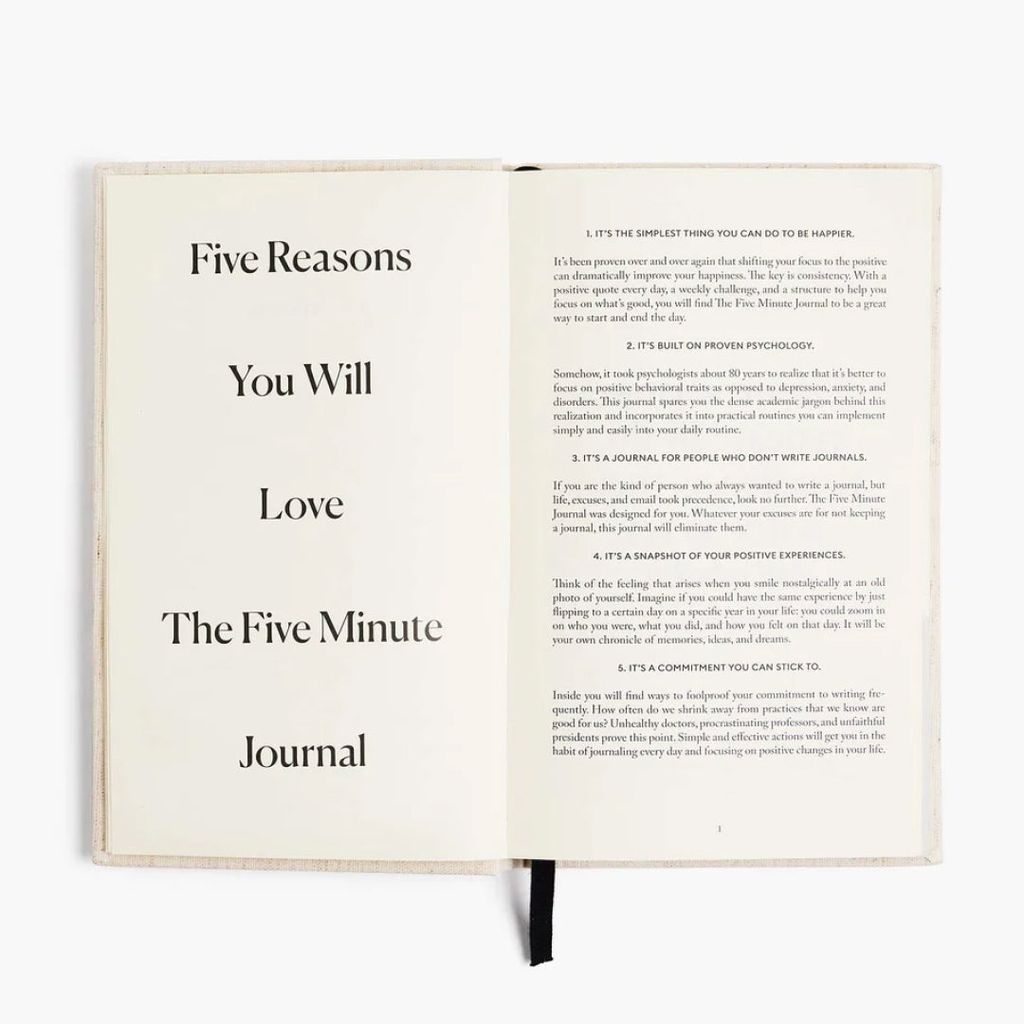
The Five Minute Journal: a guided gratitude and mindset journal that encourages quick daily reflection.
The Positive Planner: a 12-week structured journal with daily intention setting and mood tracking.
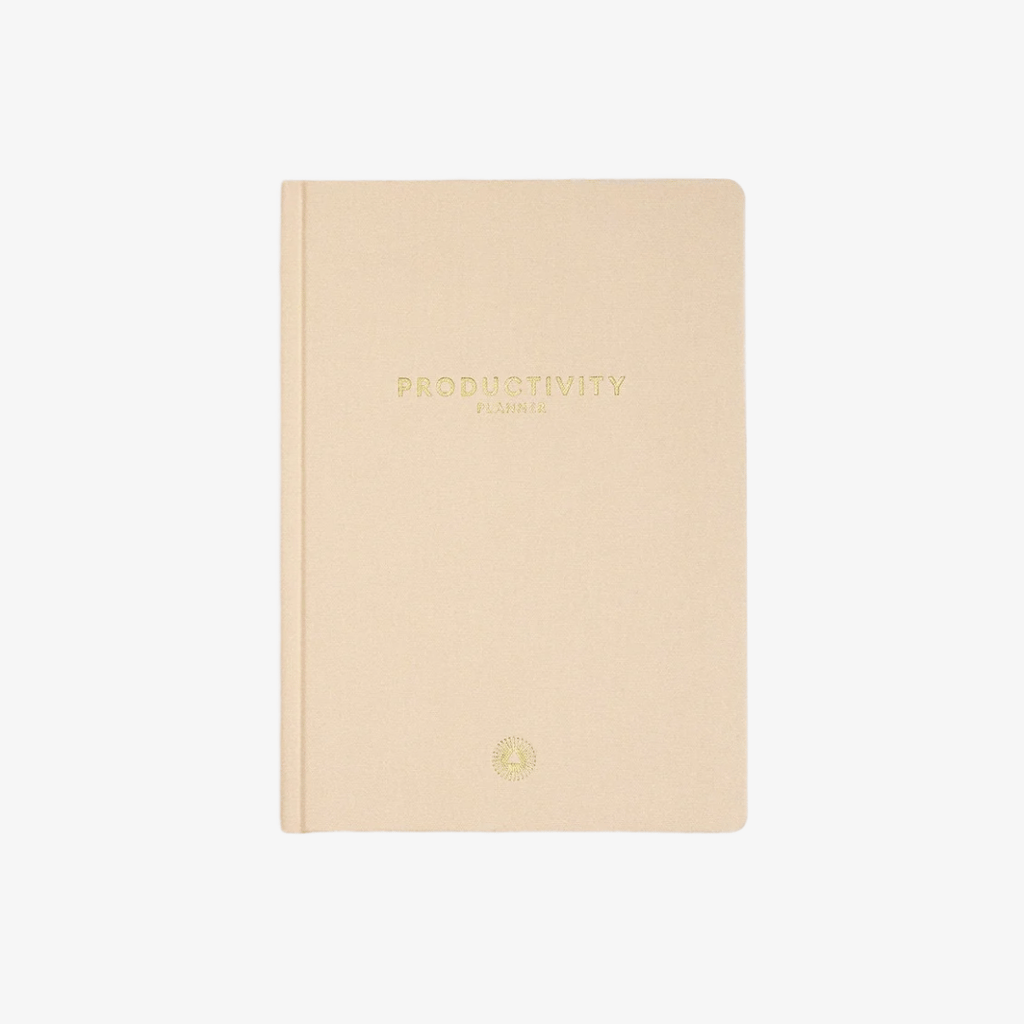
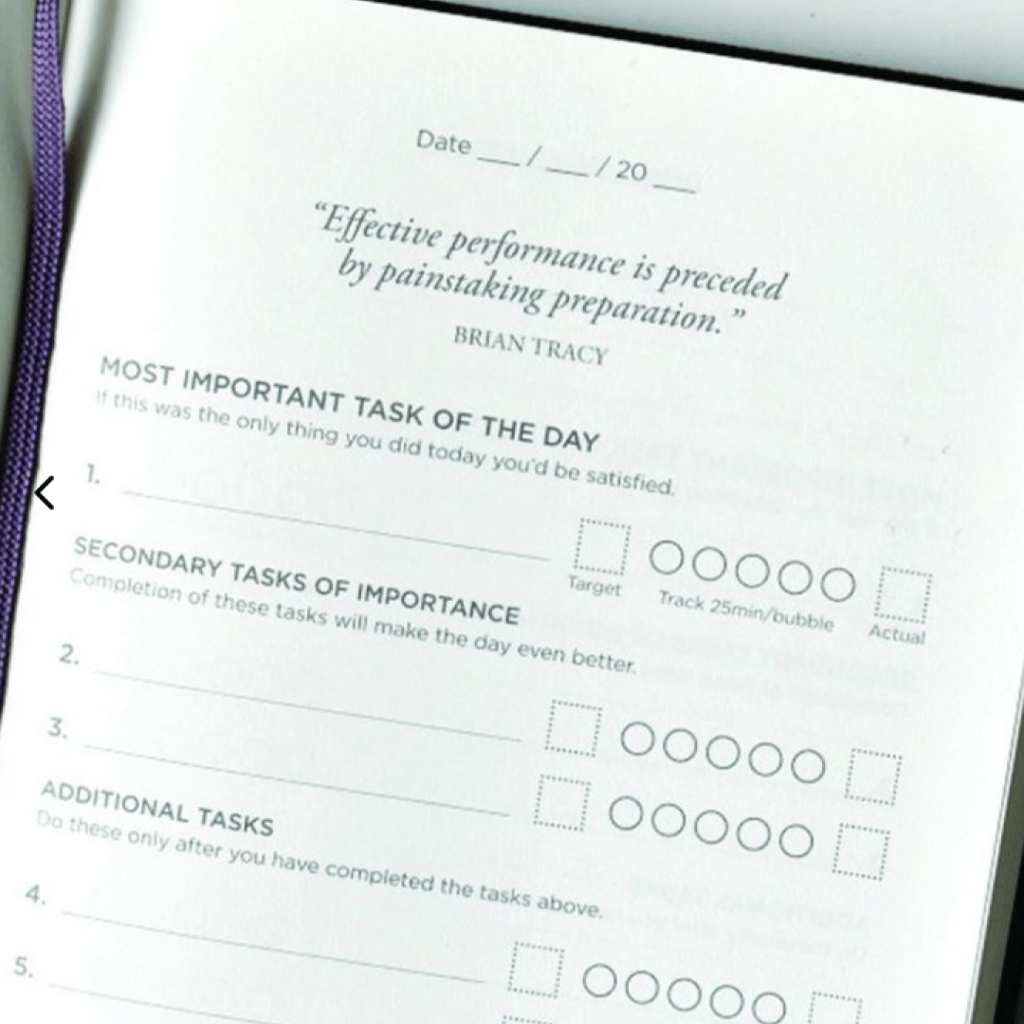
The Productivity Planner: a focus-driven planner that helps you prioritise and break down tasks effectively.

The bottom line
It is very common to slip into bad habits from time to time. So beating yourself up about it can add to another layer of stress you just don’t need.
Plus, procrastination is not simply a lack of discipline. It is your nervous system working to keep you safe from discomfort.
But when the reflex derails your schedule, it needs attention. Ask, what is this urge trying to tell you? When you hear the answer, tune in, because, as the old adage goes: what you resist persists.
When you recognise delay as a signal, that’s when real growth begins.
And if you remember one thing, try this: instead of indulging in the delights of a distraction, reward yourself for resisting it.
Shop MIND at Healf and explore the tools, journals and planners that support focus, rest and a more compatible relationship with your drive.




This article is for informational purposes only, even if and regardless of whether it features the advice of physicians and medical practitioners. This article is not, nor is it intended to be, a substitute for professional medical advice, diagnosis, or treatment and should never be relied upon for specific medical advice. The views expressed in this article are the views of the expert and do not necessarily represent the views of Healf
Pippa is a content writer and qualified Nutritional Therapist (DipNT) creating research-based content with a passion for many areas of wellbeing, including hormonal health, mental health and digestive health.
As a contributor to The Healf Source, she regularly attends seminars and programmes on a plethora of contemporary health issues and modern research insights with a drive to never stop learning. In addition, interviewing experts and specialists across The Four Pillars: EAT, MOVE, MIND, SLEEP.
In her spare time, she is an avid swimmer, mindfulness and yoga lover, occasionally bringing a raw, honest approach to the topics she faces. You may also discover some personal accounts of eye-opening wellbeing experiences amidst the reality of a disorientating, and often conflicting, modern wellbeing space.