




































Dopaminergic Desensitisation: What Is The Stimulant Ceiling?
“Dopamine is about novelty and surprise, we are in constant pursuit of it. It’s the molecule from motivation to action… but, below baseline levels of dopamine, that’s when life feels flat.” - Andrew Huberman in conversation with Chris Williamson

Written by: Pippa Thackeray
Written on: 25 August 2025
“Dopamine is about novelty and surprise, we are in constant pursuit of it. It’s the molecule from motivation to action… but, below baseline levels of dopamine, that’s when life feels flat.” - Andrew Huberman in conversation with Chris Williamson
As Huberman points out, if you get high levels of dopamine with no effort repeatedly, the baseline drops and the system becomes less responsive. Are you launching your dopamine function into overdrive? And where’s the line?
Why we have dopamine
First things first, from an evolutionary perspective, dopamine exists to keep us moving toward what we need to survive and thrive.
It essentially acts as a “go” signal, encouraging us to pursue things that are beneficial, just as the stress and fear systems mobilise us to respond to threats.
The size of the target is arbitrary. It can be a small, immediate win or a larger, more ambitious goal.
Serotonin, dopamine, what’s the difference?
Serotonin, by comparison, is more closely associated with a sense of satisfaction, wellbeing and contentment about what we already have.
Dr Anna Lembke, professor of psychiatry and behavioural sciences at Stanford, explained on the Huberman Lab Podcast that dopamine drives desire rather than the satisfaction of having something. “Dopamine is about wanting, not about having,” she says.
These are broad generalisations, as both chemicals play many roles, but the distinction is useful for understanding how they shape behaviour.
Dopamine in particular has a powerful influence over how we perceive life, our emotional state, and how capable we feel.
When levels are low, motivation drops, enjoyment of activities fades, and even our sense of physical energy can decline.
Our brains monitor dopamine levels closely because a drop in baseline signals a loss of motivation. This built-in sensitivity ensures we keep pursuing food, safety, connection, and other essentials that enable growth and deep fulfilment.
What is the stimulant ceiling?
Understanding why we have dopamine makes it easier to see how modern stimulation can push this system beyond its supposedly ‘natural limits’.
The term ‘stimulant ceiling’ suggests that at some point, the brain’s response to a stimulus will plateau. This is often discussed in the context of digital exposure and social media, where people may need to spend more time on a platform or seek more extreme content to feel the same level of excitement.
However, the effect is not limited to screens. The same pattern can occur with eating habits, impulsive shopping, and even in sexual behaviours, where repeated overstimulation can dull the reward system’s responsiveness.
We take a closer look at what experts such as Huberman have to say on the subject, and whether we should be concerned about our internal reward system, often referred to as the dopamine button.
Why we might need to ‘manage’ our dopamine
Huberman explains that dopamine can be “increased substantially over baseline,” but if it is spiked too often or too strongly without enough recovery time, the baseline level can drop.
When this happens, there can be a “huge drop below baseline,” creating a state where “life feels flat.”
But why is technology a problem according to Huberman?
He notes that modern technology, particularly phones and social media, can drive this process. Activities like “scrolling social media” deliver a “dopamine hit after dopamine hit,” especially when the timing of rewards or novel content is uncertain.
He describes this kind of stimulation as “very dopaminergic” and warns that when pursued without breaks, it can lower baseline levels and reduce the system’s sensitivity.
The way out of the dopamine trap?
To reduce the risk of this dopamine depletion, Huberman advises pairing rewarding activities with effort rather than seeking rewards alone. It’s referred to as Intermittent Reward Timing (RIRT).
As he puts it, “The best way to leverage dopamine reward prediction is to pair the peaks with effort.” For those who feel they have been relying too much on quick dopamine fixes, he says, “you have to let it recover to avoid staying in a low dopamine state.”
Here, the focus is on spacing out high-dopamine activities and giving the system time to reset naturally.
Has dopamine fasting been taken too far?
Fasting from constant stimulation can be a simple way to reduce stress and bring more mindfulness into daily life. Psychiatrist Dr Cameron Sepah suggests in an article for the New York Times a balanced approach that fits naturally into your routine, such as spending a few hours offline in the evening, dedicating a weekend day to time outdoors, or taking an occasional trip without screens.
These pauses are intended to make space for healthy, restorative activities like connecting with people, moving your body sufficiently, as well as getting enough quality sleep.
Some, however, have taken “dopamine fasting” to pretty drastic extremes, cutting out necessary and nourishing experiences such as skipping meals, over-exercising, even banning things like listening to music and socialising.
These overly rigid interpretations plainly miss the point. The aim is not to avoid life’s simple pleasures, but to replace compulsive habits such as endless social media scrolling with behaviours that support wellbeing. Not sabotage it.
Stress can grow you, but it should not be your only teacher
Stepping back from constant stimulation is one thing, but learning to meet life’s demands when the spark is missing is where the real growth begins.
Managing dopamine is not only about avoiding overstimulation. It is also about building the capacity to act when motivation feels low, and this is where our relationship with stress becomes important.
Seeing stress as a form of growth can change how you experience it in everyday life. In a survey of people from different professions, only members of the Navy SEAL teams consistently said that the harder the challenge, the stronger they became.
This mindset turns stress into something that can improve performance, resilience and even lead to positive health outcomes, instead of something to avoid outright.
When pressure builds, it helps to recognise the moment of resistance. This is what some researchers define as limbic friction, the tension between what your mind wants to do and what it resists.
It is the feeling of “starting trouble” or the sluggishness you experience when trying to transition from a state of rest or disinterest into focused action. Noticing this sensation and leaning into it, rather than stepping back, can be a form of mental training that benefits both mind and body.
“I try to get my brain into a linear mode and narrow that aperture, because if I don’t, the distraction from social media and interactions with others can spill into the rest of the day. I experience great pleasure from battling through something mentally challenging… the deep pleasure of figuring something out.” – Andrew Huberman
That said, growth is not dependent on stress alone.
Stress can be a catalyst for change, yet it works best when balanced with recovery and environments that support calm focus.
What should I do instead of constant dopamine seeking?
A quick scan over social media and it’ll tell you to go after more wholesome and healthy activities, away from the allure of our screens. Some advocate for:
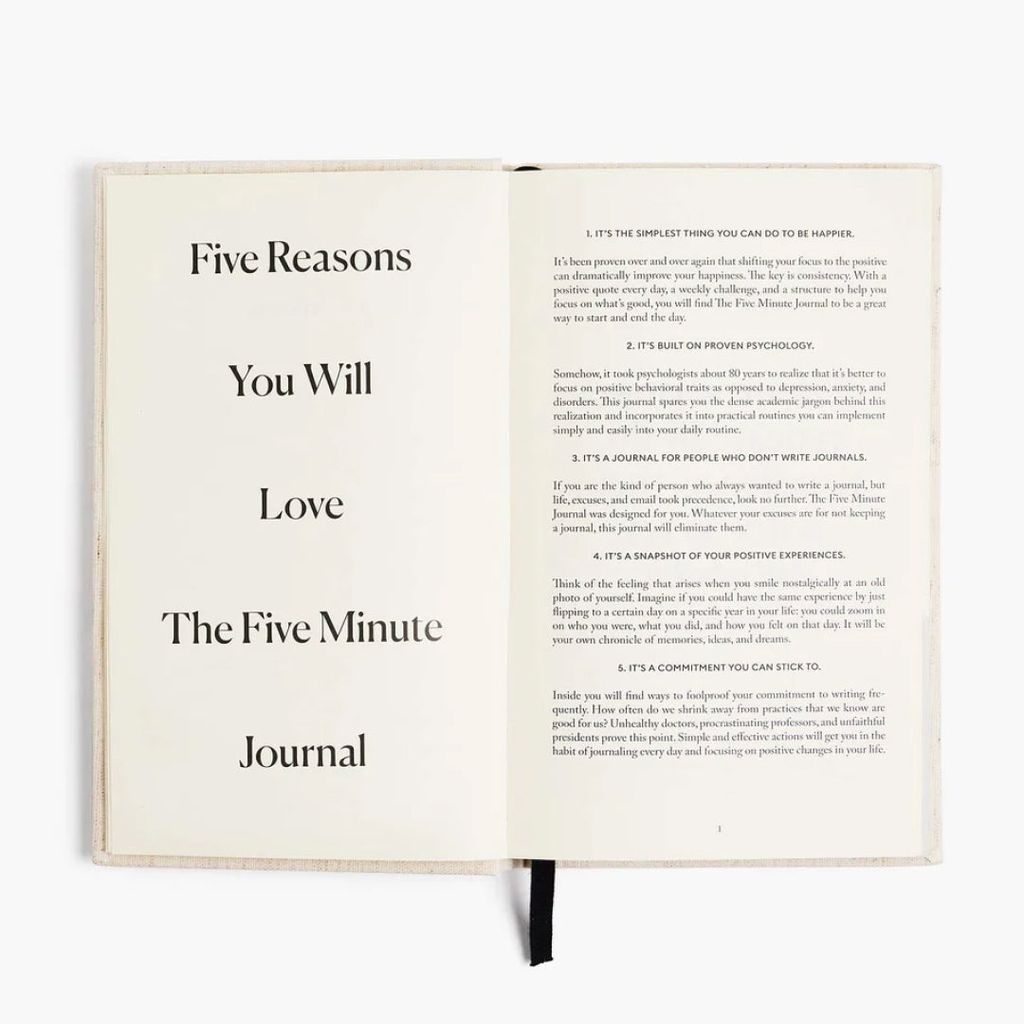
Reading or journalling: Take the example of the Five Minute Journal, designed to boost your happiness.
Spending time outdoors: Fresh air and nature help reset mood and focus.
Meditation and mindfulness: Calms the mind, lowers stress, and improves daily clarity.
Creative pursuits: That creative project you’ve been waiting for, now is the time for it.
What does Huberman suggest?
On Huberman Lab’s site, dopamine detoxing is framed as ‘Tools to Manage Dopamine and Improve Motivation and Drive’. Here, some interesting points are made about the importance of maintaining a balance in dopamine levels:
“Our baseline dopamine levels are influenced by many factors, including genetics, behaviors, sleep, nutrition and the level of dopamine you experienced on previous days. It is critically important to maintain sufficient levels of baseline dopamine to sustain day-to-day motivation. We don’t want the baseline too low or too high.”
His suggestions for this are as follows:
Eat tyrosine-rich foods like lean meats, nuts, or certain cheeses to support dopamine production.
Avoid melatonin supplements unless for jet lag, as they can reduce dopamine and disrupt sleep.
Limit bright light exposure between 10 p.m. and 4 a.m. to protect dopamine levels.
Use caffeine in moderation, preferably earlier in the day, to increase dopamine sensitivity.
Further actionable points on dopamine and focus:
Spotlighting: Dr Emily Balcetis (NYU), speaking on the Huberman Lab Podcast, explains that focusing your attention on a single point recruits dopamine, epinephrine, and other neurochemicals, boosting readiness and concentration. The prefrontal cortex, often described as the brain’s executive centre, links directly to the dopamine pathway and influences motivation through conscious thought and belief. In other words, multitasking may be overrated.
Avoid dopamine overload: Stacking multiple dopamine triggers (e.g., energy drinks, music, socialising to exhaustion, excessive nootropics) can cause a crash; so vary your approach instead.
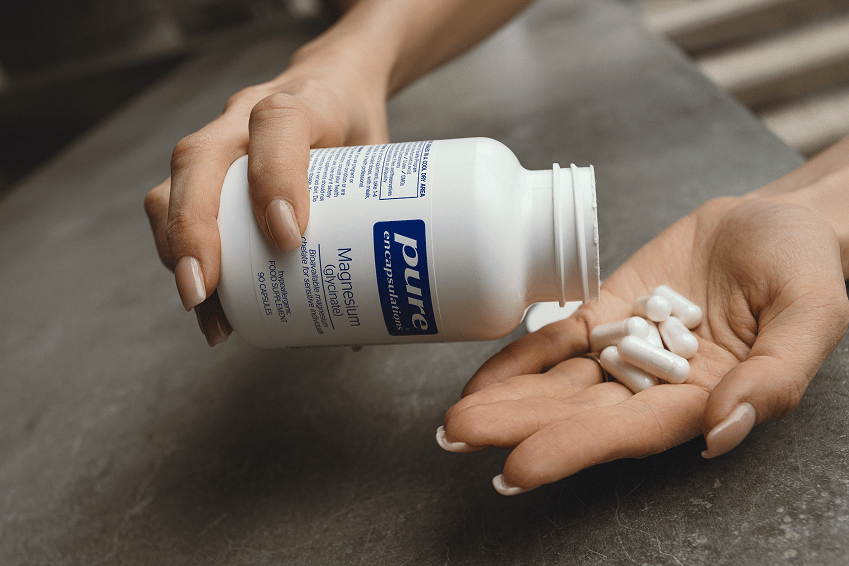
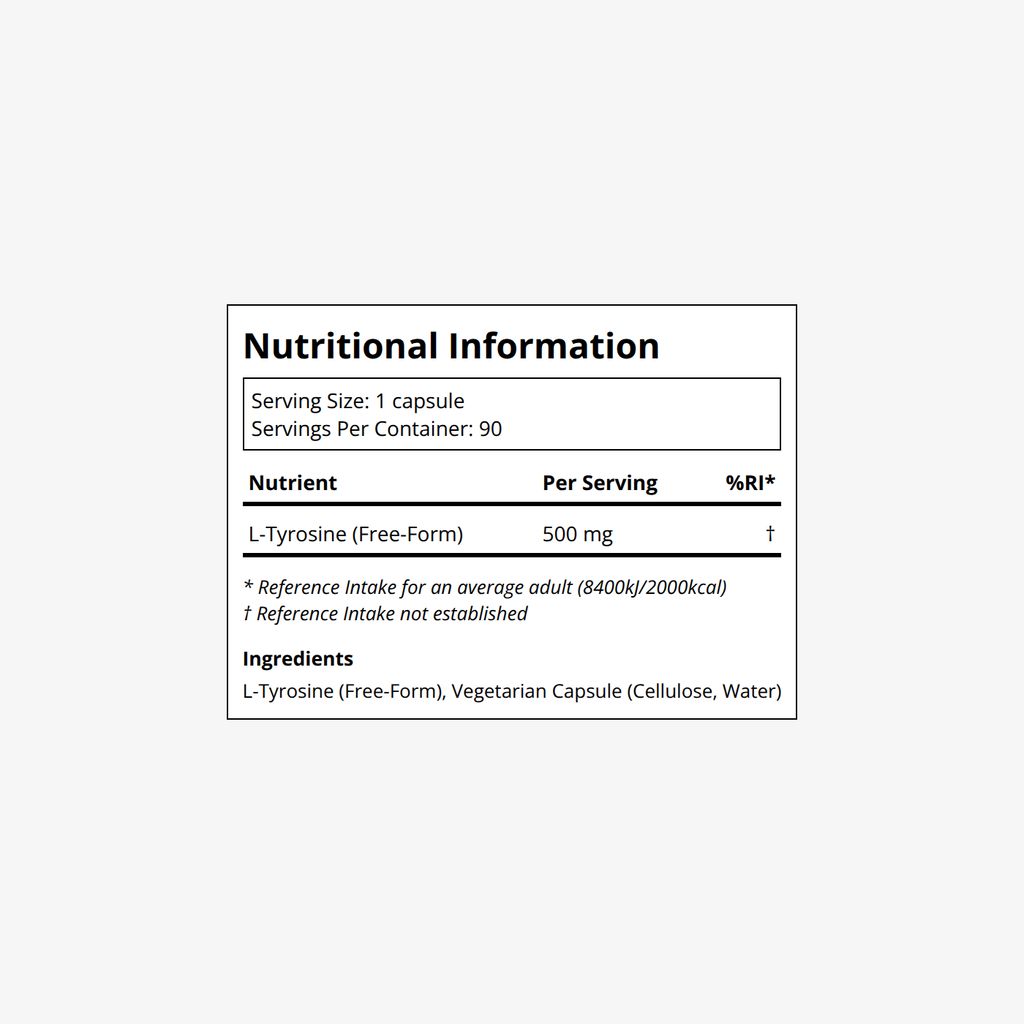
Dopamine ‘Microspikes with Supplements’: Huberman advocates for supplements like L-Tyrosine and Alpha-GPC, which can enhance focus and motivation before workouts or mental tasks. He also warns that they should be used sparingly and with caution, especially if taking prescription stimulant medication for conditions such as attention deficit, in order to avoid dependence or interactions.


What do the studies say?
In simple biological terms, dopamine is a chemical that helps brain cells talk to each other, especially in areas linked to movement and motivation. Dopamine itself isn’t inherently bad. It’s what we do with it that counts.
A recent review of research into dopamine fasting warns that extreme approaches, including prolonged isolation or severe dietary restriction, can be damaging, increasing the risk of loneliness, anxiety, and malnutrition. It emphasises that the effects vary widely between individuals, and there is no single model that works for everyone.
In the studies reviewed, people reported the best results when dopamine fasting was folded into a lifestyle that already made room for mindfulness, decent sleep, nourishing food, supportive relationships, and activities that felt more purposeful.
In other words, it worked best not as a hard-and-fast prescription, but as one tool among many for living with more balance and less ‘mental noise’.
Can I engage in ‘self-improvement’ content on a dopamine detox?
It may be ironic that a lot of people are pretty hooked on wellbeing podcasts and other content channels promoting healthy practices. Is this also malpractice when it comes to dopamine?
While Huberman doesn’t mention which types of podcast or blog content may be detrimental to us, he does say that constant engagement with digital sources is a problem for dopamine.
This likely includes podcasts and video content, even if they are of a wellbeing perspective; not overdoing it is key. Why? Because baseline dopamine levels can be disrupted from overuse of technology, due to what Huberman terms ‘dopamine layering’.
The bottom line
Modern life offers endless dopamine triggers. And the temptation to chase them is pretty much hardwired into us.
And yet, without any pauses, those quick hits on the dopamine button can flatten the very drive they serve to feed.
Therefore, the real skill is not cutting joy out to extremes, but spacing it rationally. Also, mixing it in with effort, and making room for slower-paced sources of satisfaction.
Overall, the advice appears to be: step back often enough to let your brain’s reward system reset, and motivation should stop being a scarce resource.
“Remember, the brain does not know external rewards, no dopamine is dripped in your brain — it only knows the associations of events with internal chemical (in this case, dopamine) release.” – Andrew Huberman
Shop Focus at Healf and find evidence-backed ways to reset your motivation, naturally.




This article is for informational purposes only, even if and regardless of whether it features the advice of physicians and medical practitioners. This article is not, nor is it intended to be, a substitute for professional medical advice, diagnosis, or treatment and should never be relied upon for specific medical advice. The views expressed in this article are the views of the expert and do not necessarily represent the views of Healf
Pippa is a content writer and qualified Nutritional Therapist (DipNT) creating research-based content with a passion for many areas of wellbeing, including hormonal health, mental health and digestive health.
As a contributor to The Healf Source, she regularly attends seminars and programmes on a plethora of contemporary health issues and modern research insights with a drive to never stop learning. In addition, interviewing experts and specialists across The Four Pillars: EAT, MOVE, MIND, SLEEP.
In her spare time, she is an avid swimmer, mindfulness and yoga lover, occasionally bringing a raw, honest approach to the topics she faces. You may also discover some personal accounts of eye-opening wellbeing experiences amidst the reality of a disorientating, and often conflicting, modern wellbeing space.