










































_2026-10-13_14-11-48.png)

The October Mood: Melancholy, Creativity, And Connection

Written by: Pippa Thackeray
Written on: 5 October 2025
As October arrives, daylight fades faster and the air carries more bite. These changes push us to pause, recalibrate, and find ways of living that fit the season better.
October is a month of endings
The last warmth fades, days shorten and the air sharpens with frost. Autumn colour still glows, but beneath it lies a feeling of finality. Summer has slipped away and both body and mind begin to prepare for the stillness of winter.
With the practical advice of Somatic Experiencing and Mindfulness Practitioner, Nadia Miller, here’s how you can consciously support the process.
Introducing Nadia
Nadia Miller, founder of Embody with Nadia, works with Somatic Experiencing, Mindfulness and NeuroAffective Touch, taking a body-based approach to understanding how change, stress and trauma show up in both mind and body, and how we can respond with practical adjustments.
“Working with the body is connected to mind as well, but sometimes mind and body feel disconnected, and it feels like one might be running the show compared to the other” – Nadia Miller
What is Somatic Experiencing?
The bestseller 'The Body Keeps the Score' by Bessel van der Kolk explores the overall connection between trauma, the brain, and the body, and introduces various methods for healing, such as Somatic Experiencing, which was developed by Peter Levine.
Somatic Experiencing focuses on how trauma and stress live in the nervous system.
It works on the principle that our bodies still carry ancient survival responses such as fight, flight and freeze, and these can remain incomplete long after a difficult event has passed.
Something as ordinary as an overflowing inbox can spark the same nervous system reaction as a life or death threat, because the body does not easily separate old survival energy from modern triggers.
Rather than talking through events in detail, Somatic Experiencing helps you notice physical sensations like tightening, trembling or changes in breath.
By paying attention to these elements in a safe environment, the body is supported to finish the responses it could not complete at the time. This can release tension, restore balance and help reconnect mind and body, making it easier to handle stress and recover from experiences such as trauma, PTSD, anxiety or overwhelming life events.
The subtle art of tuning your body to the seasons
How do seasonal mindfulness and somatic experiencing practices help to align the body and mind for better wellbeing through autumn and winter?
The seasonal change is more than the scenery outside. There exists an inner climate of your body and mind. Energy levels can respond, as well as our moods, and then there is the nervous system, which reacts to light, temperature and rhythm.
Why seasons matter for your body and mind
For anyone practising mindfulness or somatic experiencing, noticing seasonal changes can be a useful guide for when to move, when to rest, when to release, and when to go deeper.
As Nadia explains, “Sometimes mind and body feel disconnected, and it feels like one might be running the show compared to the other.” It is a sense of imbalance that may reflect why seasonal awareness matters so much.
These months can either unsettle us or help restore the link between body and mind, depending on how closely we pay attention.
Autumn and the transitional body
As Nadia observes, autumn is often marked by new sensations that are easy to overlook: “A symptom might be an anxious feeling in the stomach, like a fluttering kind of sensation, but we commonly dismiss it.”
The body may stir with restlessness, a prickle of energy, or the urge to both hold on and let go at the same time.
Autumn arrives to mark the end of the summer, yet movement in nature continues, just as light still lingers. Psychologically it could feel like nature is presenting to us an opportunity to review, sorting through what to keep and what to release.
Somatic guide Justine Allen suggests that the season invites attention to detail. The change in air temperature, the sight of changing leaves, even the sound of branches in the wind can all serve as cues for slowing down, and seeking comfort.
Winter presents the inward pull
Nadia invites us to ask, “How does the mind and body feel right now? Are they in harmony with one another? And with this sense of feeling into body and mind, do they feel at peace?”
It’s a question that points to the work we can do in winter, when outer stillness makes inner dialogue easier to listen to.
It could be said that winter has a weight to it. There are shorter days, then the darkness deepens, and, as a result, the body often feels heavier.
Where autumn moves, winter seems to settle energetically.
Somatic teachers often describe this time period as one of incubation. Therefore, instead of pushing outward, energy turns inward, and boundaries grow more important because rest becomes more central to our needs. As such, daily practices may lean towards quiet nourishment and allowing the body to take the lead.
This does not mean giving up movement or mindfulness. It suggests a different approach of gentle resonance practices instead of the effort seen in more energetic months, paired with grounding rituals that create a sense of safety.
10 ways to practise presence in autumn and winter
When winter sets in, practices shift towards containment, stillness and deep rest.
Slowness and rest: Extend the pauses you have in your mindfulness practice. Let intuition step in and your body guide how long to focus on a particular moment. It could be as simple as taking time to drink and enjoy your favourite hot brew, and to concentrate on just that, no multitasking.
Step outside and notice the change: Give your body the chance to register the season by being in it. Feel the cooler air, notice the light changes, take in the colours of the trees. These sensory cues help your system adjust, which you cannot get if you only move between home and office.
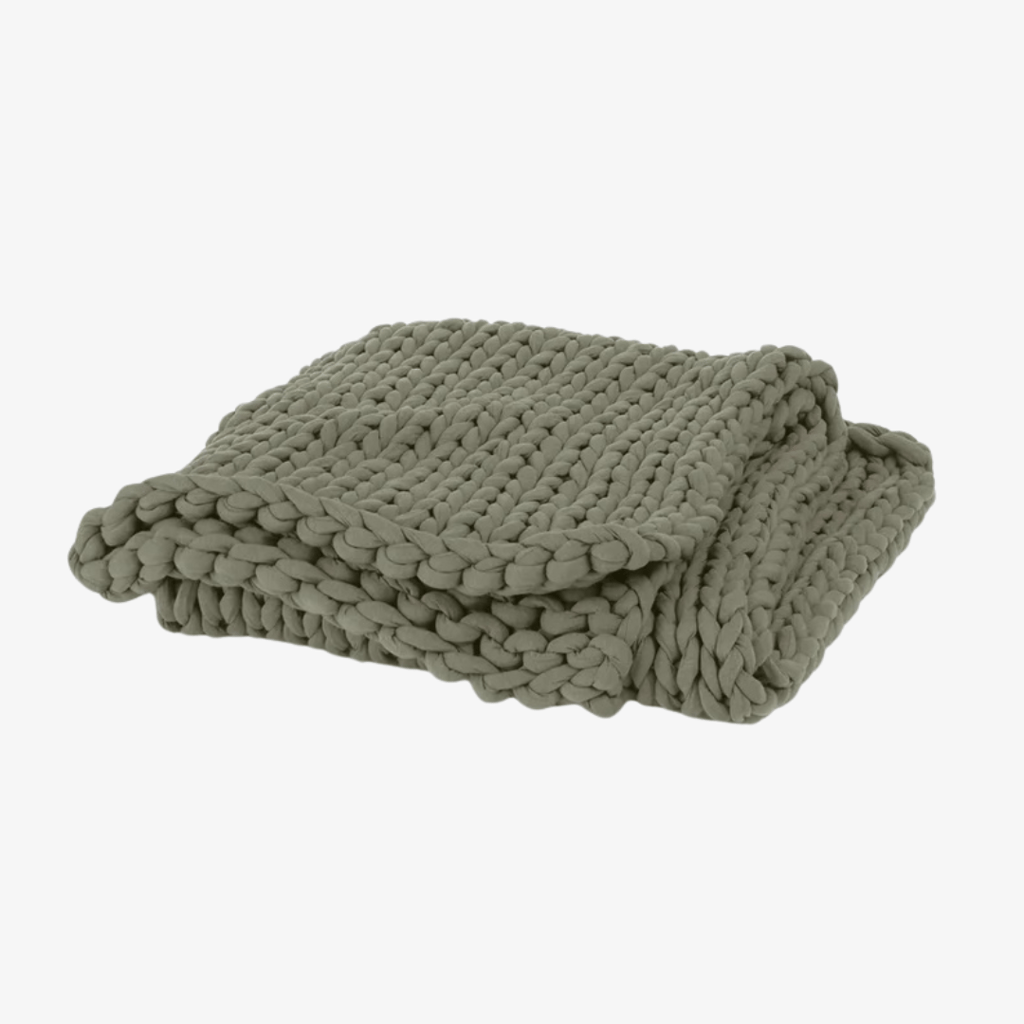
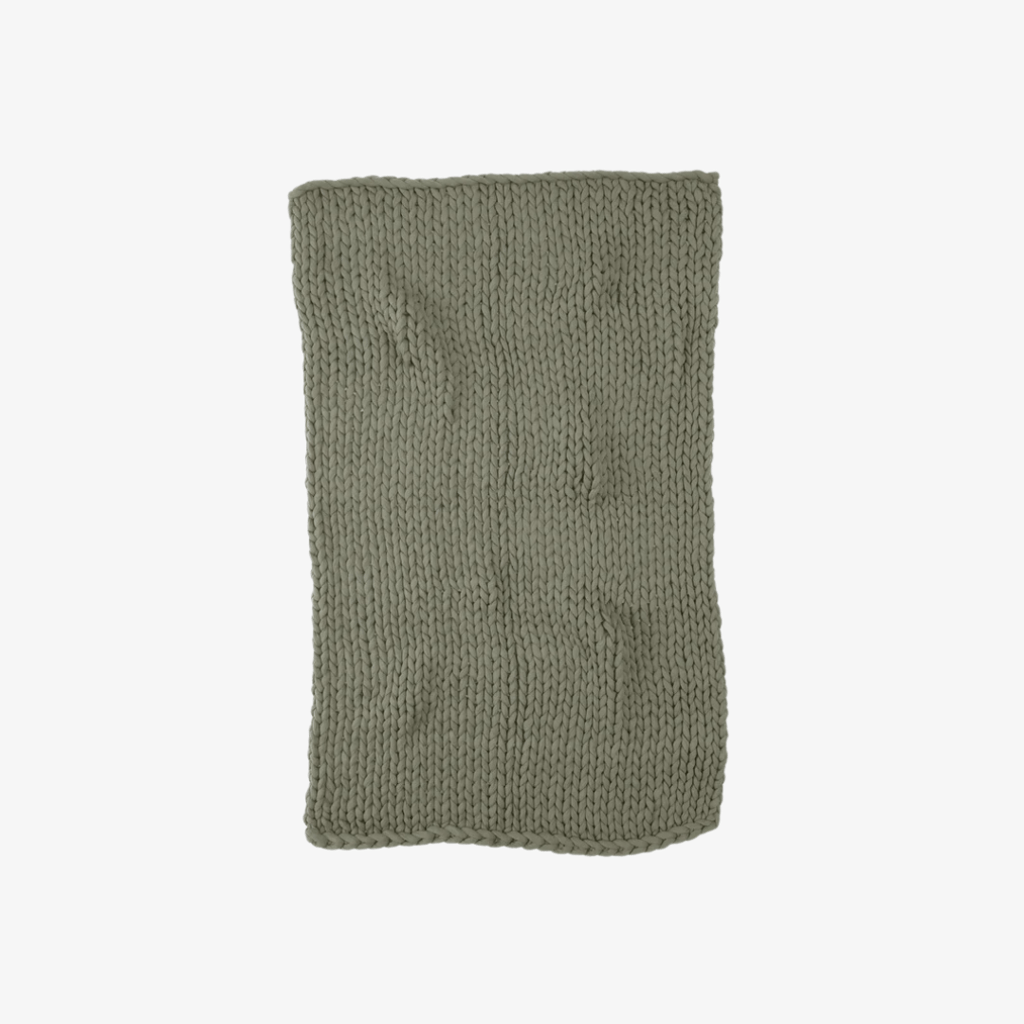
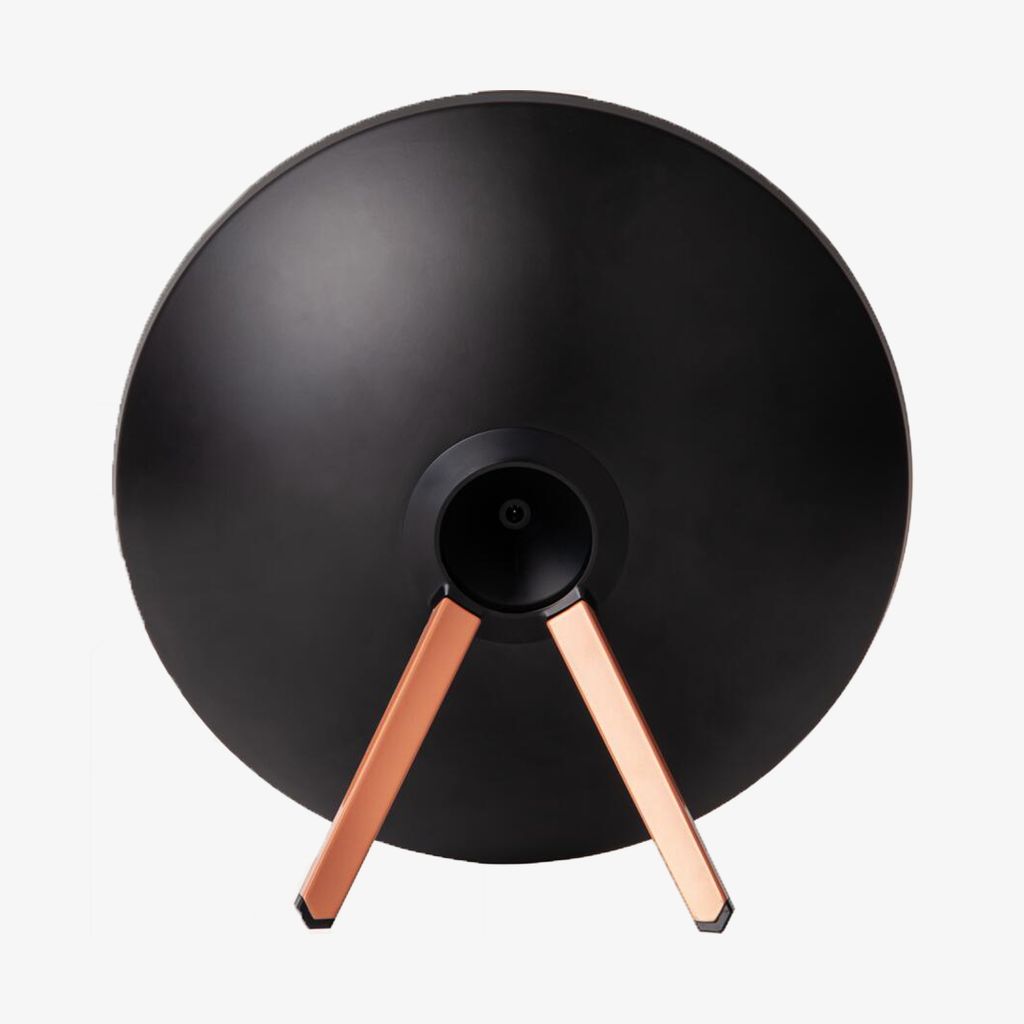
Grounding props: Sometimes, to feel properly grounded requires kit. Use weighted blankets, PEMF devices, cushions or pressing your feet into the floor to anchor yourself.
Micro movements: Instead of dynamic flows or long runs, try something a little more subtle. Think softer stretches, slow and deliberate nature walks or more intuitive yoga flows in your own time to connect to the sensations of the body. And, in the times you feel energised, embrace that too.
Inner reflection: Keep a journal close by, dialogue with inner parts or explore creative writing. Winter and the colder months are contemplative by nature.
Nourishment and seasonal eating: Summer is for crisp salads, but autumn and winter call for warmth. Think roasted root vegetables, squashes, pumpkins, sweet potatoes, yams and carrots. Try blending them into soups and topping with toasted pumpkin seeds for an extra hit of zinc to support the immune system. Raw food still has its place, but cooked foods send the body a signal of comfort and safety in colder months. However, food isn’t the only sensory change. Soften your environment with cosy textures, nourishing reads and warm lighting.
Light exposure: Seek morning sunlight or use full spectrum lamps. This helps your circadian rhythm reset, supporting evening melatonin release and deeper rest.
Restorative breathing: Slow breathing, gentle humming or vocal toning can soothe and regulate via the vagus nerve. There are also devices designed to improve vagal tone.
Reconnect socially: After a summer of travel and scattered schedules, use autumn as a time to gather. Catch up with friends and family, and give your nervous system the reassurance that comes from social safety and belonging.
Adapt your exercise and recovery: Training outside can be refreshing, but colder air makes muscles more vulnerable to injury. Warm up thoroughly, wear layers, and take recovery seriously. Red light therapy or an Epsom salt bath can help repair muscle. Saunas and even regular heated showers keep circulation strong, support detox through sweat and offer a reset for the body in colder weather.



Autumn and winter: the key contrasts
Movement and stillness: In autumn it helps to keep a mix of activity and pause, while in winter the body usually benefits more from rest and quiet.
Outer and inner cues: Autumn practice often follows what is happening outside in nature, while winter is more about listening to what is going on inside the body and mind.
Transition and consolidation:The autumn months are about preparing and adjusting, while winter is about holding steady with what you have.
Letting go and nesting:Autumn is the time to clear out and release, winter is the time to settle in and protect your energy.
The colder months ahead: “Not simply existing”
Summer and spring feel like the time to be present and alive in the beauty of nature.
But seasonal shifts can, for many of us, paint a different picture. People can struggle with motivation, or even feelings of isolation in the colder months. But it is worth holding onto a balance of resting and of continuing to live life with an attitude of abundance.
Nadia frames this well: “I want to know what happens when I do not give up. I want to feel more present in life.” And that is exactly what these seasons ask of us, not perfection, but presence.
Final thoughts
Attuning to seasonal rhythms is something that is both practical and grounding.
Although autumn and winter offer contrasting lessons, one of release, the other of inwardness, somatic and mindfulness practices become richer when they meet those seasonal changes head on.
By adopting a mindset of embracing ancient intuition instead of resisting the darker months, you can learn to flow with them.
Shop MIND at Healf and discover seasonal supports that keep you centred, steady and calm through the arc from autumn to winter.



This article is for informational purposes only, even if and regardless of whether it features the advice of physicians and medical practitioners. This article is not, nor is it intended to be, a substitute for professional medical advice, diagnosis, or treatment and should never be relied upon for specific medical advice. The views expressed in this article are the views of the expert and do not necessarily represent the views of Healf
Pippa is a content writer and qualified Nutritional Therapist (DipNT) creating research-based content with a passion for many areas of wellbeing, including hormonal health, mental health and digestive health.
As a contributor to The Healf Source, she regularly attends seminars and programmes on a plethora of contemporary health issues and modern research insights with a drive to never stop learning. In addition, interviewing experts and specialists across The Four Pillars: EAT, MOVE, MIND, SLEEP.
In her spare time, she is an avid swimmer, mindfulness and yoga lover, occasionally bringing a raw, honest approach to the topics she faces. You may also discover some personal accounts of eye-opening wellbeing experiences amidst the reality of a disorientating, and often conflicting, modern wellbeing space.