






































_2026-10-13_14-11-48.png)


What Does Traditional Chinese Medicine Say About Skipping Meals?
Skipping breakfast and other meals may have been popularised in modern routines, but TCM considers it a major threat to digestion, energy, and mental clarity. Here's how meal timing really shapes your wellbeing.

Written by: Pippa Thackeray
Written on: 23 June 2025
We’ve all heard, with a deep resonance, "Let food be thy medicine and medicine be thy food." Attributed to Hippocrates, it’s an ancient quote, and one, when in stark comparison to modern wellbeing practices, often serves as a reminder to return to the beauty of simplicity and of practical solutions.
It is also a quote that many Traditional Chinese Medicine (TCM) practitioners stand by, viewing diet as not simply what we eat, but observing the ‘when’ and the ‘how’, with equal importance. In fact, many believe skipping meals, especially breakfast, can send your digestion spiralling, sap your energy, disrupt mood and lead to many health complications.
It is an interesting perspective, especially when taking into account topics such as intermittent fasting. Are we truly honouring the body’s ancient wisdom in our daily eating practices? It’s time to hear what TCM has to say.
Defining ‘digestive fire’ in TCM
In Traditional Chinese Medicine (TCM), the "fire of digestion" refers to the energetic state that allows for proper digestion and absorption of food. It's the "warming" or Yang energy of the Spleen and Stomach that transforms food into usable Qi (vital energy) and Blood.
In TCM, the Spleen plays a vital role. It acts as a central processing unit for digestion, extracting nutrients and eliminating waste.
These are fundamental concepts, through which much of the available knowledge surrounding diet in TCM is oriented.
The King's breakfast and Qi
“Eat breakfast like a king, lunch like a prince, and dinner like a pauper. ” – Adelle Davis, American Writer and Nutritionist
While this quote is, in itself, Western, it aptly describes the approach described by many TCM practitioners in relation to daily eating patterns and eating in accordance with the Organ Body Clock, such as aligning your meals with the peak activity times of specific organs.
Let’s take an example of the Spleen and Stomach, which are the central players in digestion and nutrient absorption. According to the TCM body clock, they’re most active between 7-11 am. This is when your digestive “fire” is burning brightest, meaning food eaten at this time is broken down most effectively.
Therefore, if you skip breakfast, you may be missing this prime window. And, if this action is taken repeatedly it could mean the digestive fire starts to weaken. Symptoms like fatigue, bloating, brain fog or even low mood may appear. Over time, this could lead to what TCM calls Qi deficiency, which can essentially be explained as not enough energy moving through your system.
When a lack of vital energy or life force within the body occurs in this way, symptoms like fatigue, weakness, and a general lack of strength affecting various bodily functions, are thought to occur.
Routine over restriction
So if meal skipping is off the menu, what’s the alternative? Simply put, the body loves routine. Routines for rest, exercise and eating are thought to be crucial for maintaining health and balance in TCM.
It is recommended to eat at roughly the same times each day. Not to skip meals, especially not breakfast.
If you can relate to the cortisol spike felt when running on empty, this may make some sense to you. TCM links irregular eating patterns to digestive stagnation and spleen Qi weakening. Meanwhile, Western medicine supports such a concept, as skipping breakfast has been associated with increased blood pressure and belly fat. Researchers suggested that skipping breakfast may lead to insulin resistance, elevated blood pressure, and poor lipid profiles, all of which are established risk factors for CVD. That said, it was hypothesised that people who skip breakfast often adopt unhealthy behaviours such as smoking, drinking alcohol, low physical activity, and poor overall diet quality, all of which compound the risks.
In a review of several studies, it was discussed how irregular eating patterns can disrupt the body's internal clock, negatively affecting metabolic processes like glucose regulation and energy expenditure.
What about intermittent fasting?
Meal timing plans such as intermittent fasting are said to have better health outcomes for males over females, and may even be detrimental to female health, based on results from animal studies.
It is important to recognise, however, that intermittent fasting comes in many formats, with a propensity for variation within the topic. Some approaches involve going without food for a fixed window each day, while others stretch the fast to a full 24 hours, repeated a few times weekly.
Many popular intermittent fasting plans may not require you to miss a meal, and instead preach healthy habits such as simply not eating late at night. In any case, knowing your body, listening to your body and working with a licensed professional is recommended to ensure maximum safety when taking on new eating patterns or introducing any drastic changes.
Ditch the cold stuff?
“Eat to 70% full”
In TCM, moderation matters because overeating is thought to overwhelm the digestive fire.
Eating until you’re about 70% full is a popular perception of a healthy diet in Chinese culture. It makes sense if you consider the delayed reaction in your body registering fullness and satiety whilst eating. In the same way, it is also recommended to consume meals slowly to allow time for this process to occur and avoid overeating.
Blood sugar balance, the nourishing way
The goal is to achieve a steady level of energy without spikes and crashes in blood sugar. That means building your meals with intention, think cooked vegetables, warming proteins and fibres that support the gut function and blood sugar.
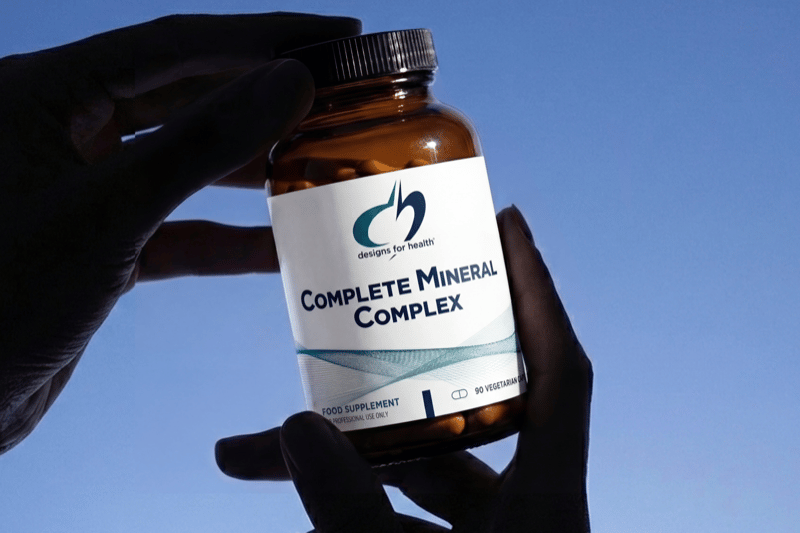
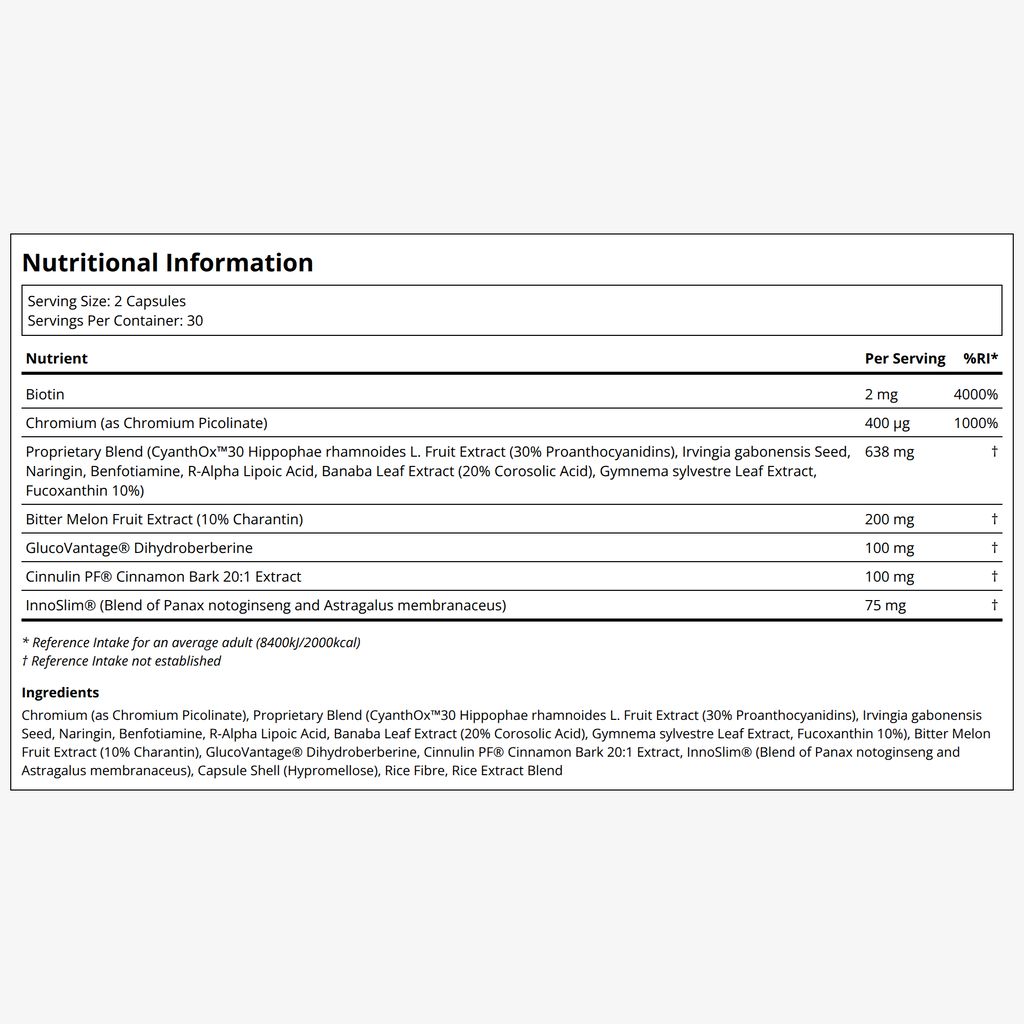
In TCM, in addition to heat, bitter flavours and herbs are often used to balance digestion and metabolism. Things like bitter melon and specific formulas support the Spleen's transformation process. And when life isn’t running like clockwork (when travel, stress, and social activities allow for erratic meals) it can help to have a bit of extra support:
- Add in a portable supplement like Thorne Diabenil or BiOptimizers Berberine Breakthrough, which blend bitter melon and chromium, a mineral classically used to help stabilise blood sugar.
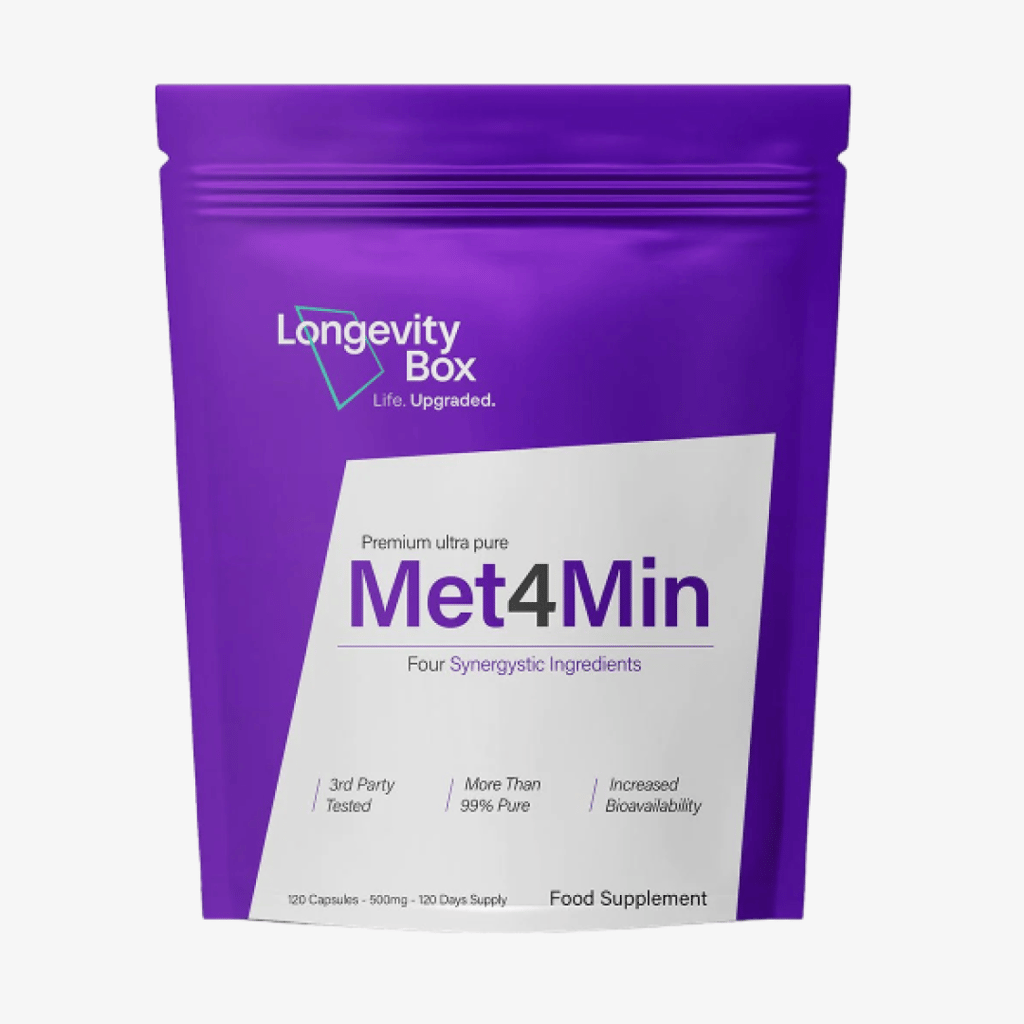
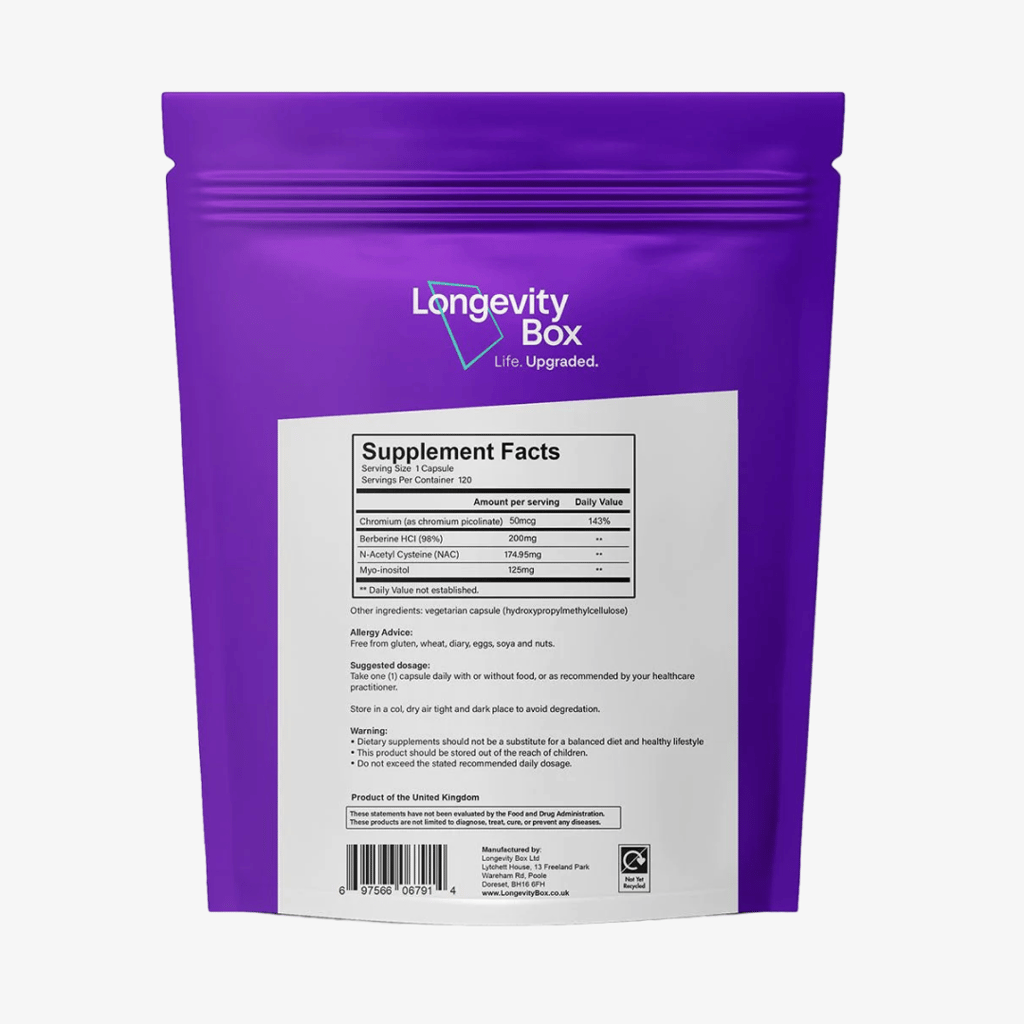
- Longevity Box Met4min includes berberine and inositol, two ingredients with deep roots in both modern and traditional use for glucose handling.
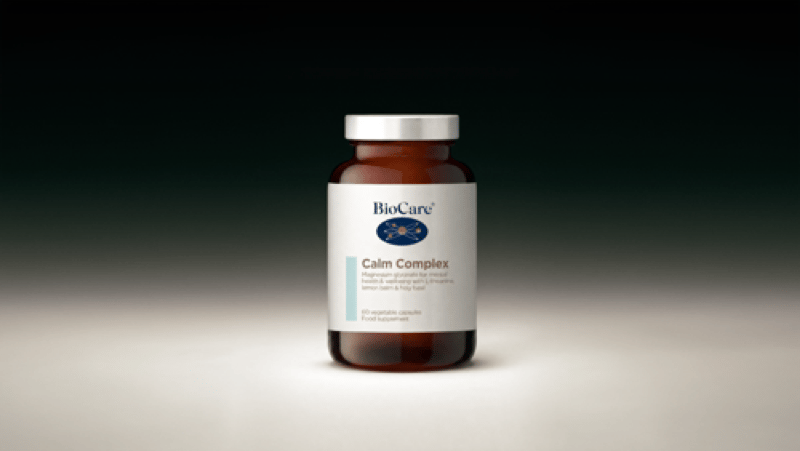
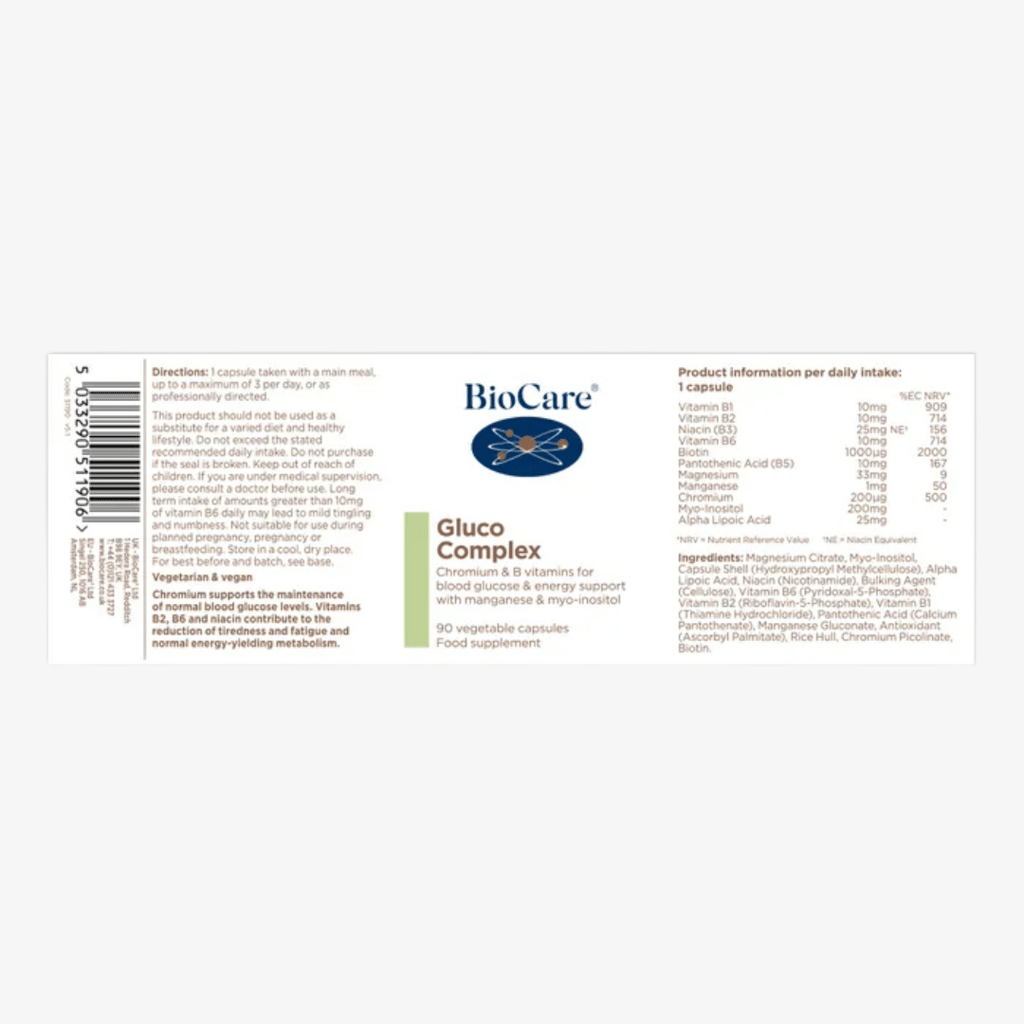
- A formula such as Biocare Gluco Complex adds B vitamins and alpha-lipoic acid, helpful if you’re finding afternoons difficult in terms of energy.
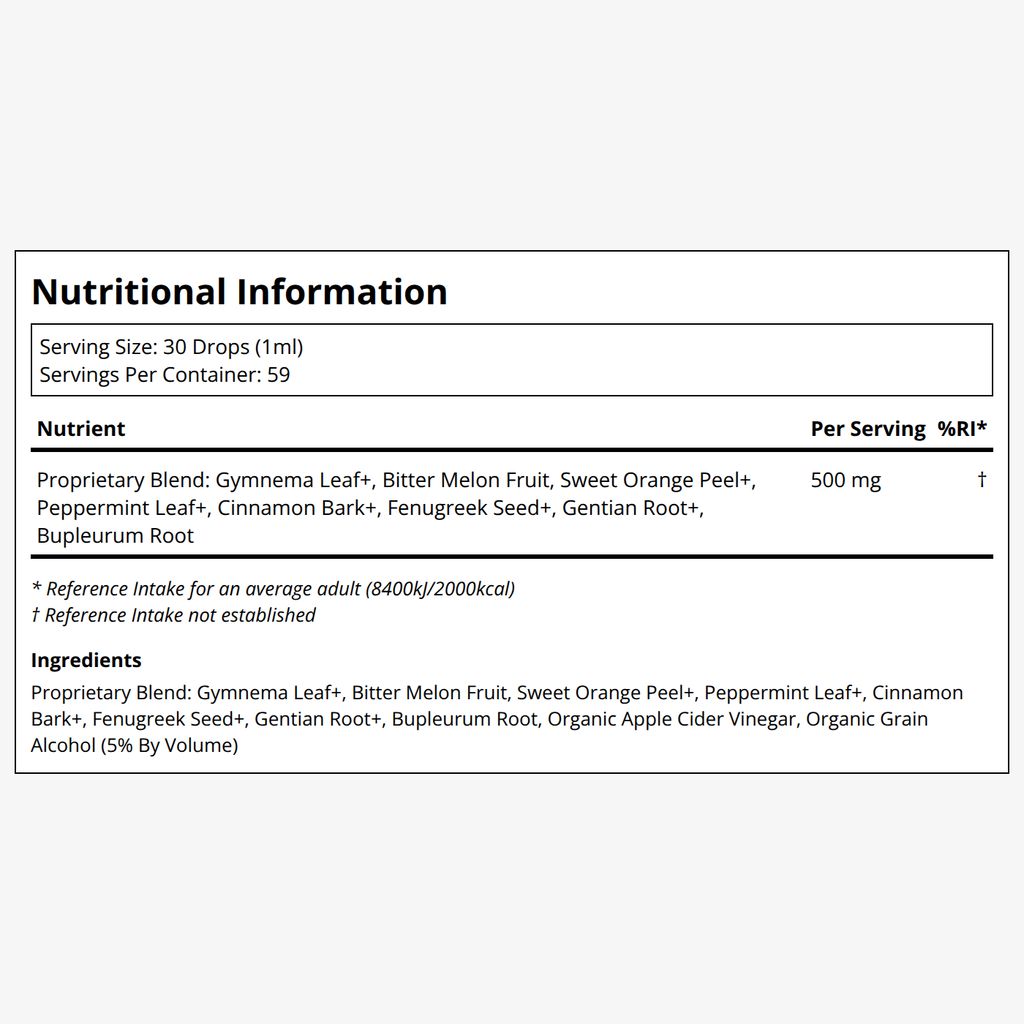
- For something gentle, Organic Olivia Glucobitters is a blood sugar-balancing herbal blend, ideal support after a heavier meal on the go or for sweet cravings.



The bottom line
Meals aren't just about calories, nor is it helpful to view them in overly simplistic nutritional terms — it’s about timing, warmth, and giving your digestion the rhythm it needs to thrive.
TCM tells us to nourish the ‘fire of digestion’ early with breakfast, keep it steady, and you’ll feel the benefits all day long. Smaller evening meals are also recommended for a more restful sleep and rejuvenation in alignment with the Organ Clock.
So next time you’re tempted to skip? Don’t. Make your daily eating habits a ritual fit for a king and make prioritising blood sugar supporting herbs and nutrients second nature.
Shop EAT at Healf and explore how small food habits can fuel bigger breakthroughs in your wellbeing.

This article is for informational purposes only, even if and regardless of whether it features the advice of physicians and medical practitioners. This article is not, nor is it intended to be, a substitute for professional medical advice, diagnosis, or treatment and should never be relied upon for specific medical advice. The views expressed in this article are the views of the expert and do not necessarily represent the views of Healf
Pippa is a content writer and qualified Nutritional Therapist (DipNT) creating research-based content with a passion for many areas of wellbeing, including hormonal health, mental health and digestive health.
As a contributor to The Healf Source, she regularly attends seminars and programmes on a plethora of contemporary health issues and modern research insights with a drive to never stop learning. In addition, interviewing experts and specialists across The Four Pillars: EAT, MOVE, MIND, SLEEP.
In her spare time, she is an avid swimmer, mindfulness and yoga lover, occasionally bringing a raw, honest approach to the topics she faces. You may also discover some personal accounts of eye-opening wellbeing experiences amidst the reality of a disorientating, and often conflicting, modern wellbeing space.