













_2026-10-13_14-11-48.png)

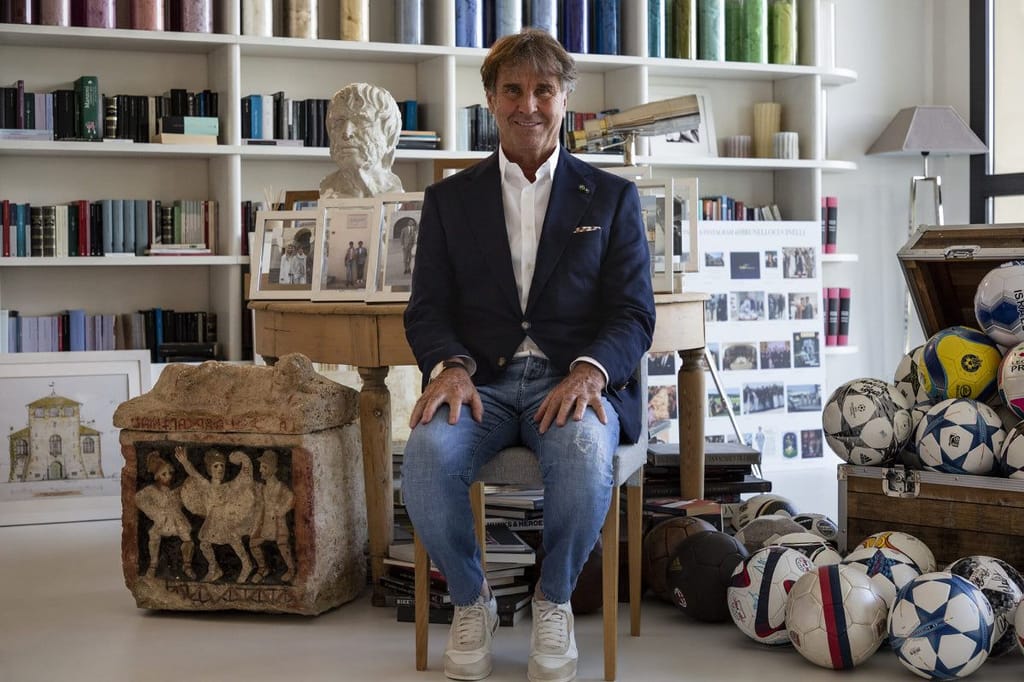
Brunello Cucinelli’s Daily Routine: Balance, Beauty And The Art Of Living Well
Written by: Pippa Thackeray
Written on: 13 April 2025
He weaves ancient philosophy into design, valuing beauty, dignity, craftsmanship, and the moral soul of work. We take you through the daily routine of Brunello Cucinelli to achieve more, with more enjoyment.
Brunello Cucinelli starts his day with silence, swims before breakfast, and finishes work by sunset. His habits exhibit a quiet, yet radical approach to health, productivity, and an authentically creative life, all whilst navigating the challenges of a modern era.
What the ‘Philosopher Designer’ can teach us about work and life
Cucinelli has built more than a hugely successful fashion empire. From his hilltop home in Solomeo, he’s designed an entire philosophy of life, one that places beauty, dignity and, most importantly, rest at the heart of creative productivity.
He doesn’t sprint through the day. He doesn’t multitask, check emails at dawn or work late into the night, instead reading Marcus Aurelius by the fireside.
Why Brunello Cucinelli?
Best known for his refined tailoring and timeless cashmere, he is also revered for the quality of his own presence. He moves through his schedule like someone who uses a life well-lived as a form of subtle defiance.
This isn’t another productivity hack in disguise. The following breakdown explores how Brunello Cucinelli could inspire you with a daily rhythm — it’s one for those who prefer a presence rooted in timelessness rather than urgency and superficiality.
Step 1: Morning rituals with intention
Waking with the sun and starting slow
Cucinelli wakes often at 6 am, valuing quiet, natural light and countryside stillness. He mainly does so as he uses the time in the morning to feel anchored and in place for the day ahead.
Movement as self-respect
Next, Brunello swims for an hour followed by 20 minutes of Five Tibetan Rites. Later, he stays active with tennis or football, always ‘training two hours a day in a variety of disciplines’.
A simple, joyful breakfast
His breakfast is synonymous with Italian tradition, with milk, coffee, toast and jam, sometimes at the village café.
Food is treated as pleasure, not function, yet he avoids habits associated with stress-driven snacking.
Step 2: Designing a mindful workday
Creative focus before distraction
Cucinelli begins at work between 8:15 and 8:30 am for design-led tasks. Key decisions are made in the morning, and admin deferred to late morning or afternoon.
No emails, no phones
Phones are banned from meetings, and email discouraged in favour of real conversation. Emphasis is placed on eye contact and presence among his team.
Lunch as a ritual, not a quick pit stop
Pasta is a favourite, and home is the preferred option for a lunchtime location. A full break away from the desk sets aside time for reflection.
He also likes to share a meal with colleagues — the antithesis to the modern practice of somewhat antisocial desk dining.
Step 3: Rest, reflection and thoughtfulness
The siesta as a return to the natural rhythm
Lunch is followed by a 30-minute nap, a lifelong habit originating from farm life. Brunello sees rest as non-negotiable for achieving sustained output in the long run.
The wisdom hour
Evenings are spent reading or discussing philosophy: talking with friends about politics, economics, and faith — conversations are always reflective.
He proudly keeps over 5,000 books, and makes a point of reading daily.
Eating light at night
Cucinelli follows a monastic-style supper: allowing for mindful eating practice.
It is not a concept linked to self-denial or dieting, but rather energy and elegance.
Step 4: Lessons in sustainable productivity
Work finishes at 5:30 PM, always
Yes, he strictly enforces this rule for not only himself, but all colleagues.
As mentioned earlier, the morning equals decision-making and the afternoon is a time set aside for admin or reflection.
Organisation and 'beautification' of the physical workspace are also paramount to feeling a sense of ease in the working environment.
Dignity, rhythm and long-term thinking
Cucinelli works to craft a slower, more respectful culture at work. There lies dignity in every task, and this is applied also to a long-view on growth.
Moreover, goals should be added gradually and reviewed to nurture this approach.
Brunello’s way: Some thoughts to remember
Even though copying this — let’s face it — rather idyllic daily routine may be out of reach for many of us, lessons can surely be learnt and slowly adopted in increments.
We propose trying out just one new Brunello-inspired habit per week, adding or subtracting any that are or are not helpful to you as an individual. This way, you will find a path toward a more health-promoting pace and diurnal pattern that honours your body, mind, and spirit.
Ultimately, taking in the bigger picture, this routine forms a beautiful embodiment of devout dedication to true balance: of work, nature, craft, and thought.


References:
1. https://www.brunellocucinelli.com/en/my-life.html
2. https://investor.brunellocucinelli.com/yep-content/media/Men's_Health_EN.pdf
3. https://x.com/joincolossus/status/1676955849066168322
4. https://www.brunellocucinelli.com/en/thoughts/a-fair-working-life.html
6. https://www.brunellocucinelli.com/en/decalogue/to-our-gracious-co-workers.html
This article is for informational purposes only, even if and regardless of whether it features the advice of physicians and medical practitioners. This article is not, nor is it intended to be, a substitute for professional medical advice, diagnosis, or treatment and should never be relied upon for specific medical advice. The views expressed in this article are the views of the expert and do not necessarily represent the views of Healf
Pippa is a content writer and qualified Nutritional Therapist (DipNT) creating research-based content with a passion for many areas of wellbeing, including hormonal health, mental health and digestive health.
As a contributor to The Healf Source, she regularly attends seminars and programmes on a plethora of contemporary health issues and modern research insights with a drive to never stop learning. In addition, interviewing experts and specialists across The Four Pillars: EAT, MOVE, MIND, SLEEP.
In her spare time, she is an avid swimmer, mindfulness and yoga lover, occasionally bringing a raw, honest approach to the topics she faces. You may also discover some personal accounts of eye-opening wellbeing experiences amidst the reality of a disorientating, and often conflicting, modern wellbeing space.