









































_2026-10-13_14-11-48.png)

Meditation Isn’t That Scary: What 31 Consecutive Days Did To Me
Meditation is a primary practice for your wellbeing. Here’s how to prioritise it consistently for your mind, body and sleep.
Written by: Pippa Thackeray
Written on: 25 August 2025
It would appear the answer to everything these days is very simple: meditate.
That’s certainly how it felt for me, the ‘M’ word plastered almost everywhere the eye can reach. But the thought of sitting still, ‘not thinking’ was, at one time, far too alien for me to comprehend. Little did I know it held many answers.
Taking ownership of your mind
I had meditated as a child and a troubled teenager, but as an adult, I first came to the practice of meditation as part of a mental wellbeing course I participated in last year. We were told that meditation was a crucial element, if not even more important than the counselling we were receiving.
I remember that struck a chord, a pretty uncomfortable chord, as I realised: “You mean, I’m responsible?”
Until that point, I assumed any success in ‘fixing my brain’ was that of the therapist. Just like you hand over your car to the mechanic for repairs.
Now, I was in the centre, with the outcome of the course depending on my core commitment to the daily practice of the meditation exercises provided.
It was a lot of pressure. But a lesson learnt.
Day 1: Going it alone
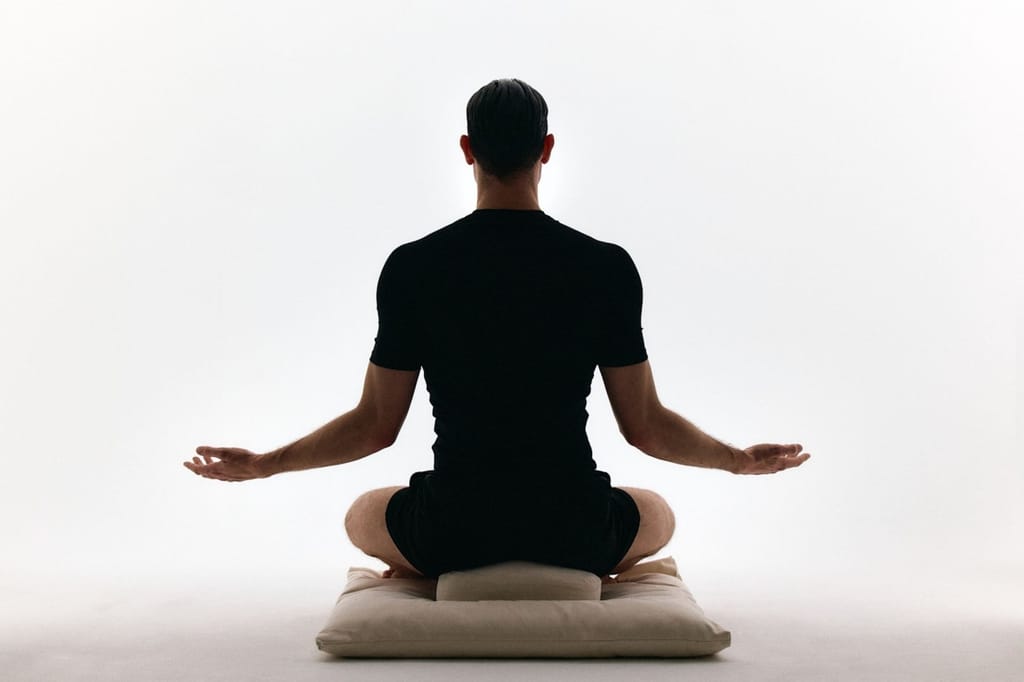
Sitting down on my new meditation cushion for the first time, I suddenly resonated with the well-known Chinese idiom: “A journey of a thousand miles begins with a single step.”
I felt comfort in knowing I was at last starting out on a journey I had pushed away for so long. But I was also a little concerned. Counting breaths up to 10, I couldn’t even get to 3!
I indeed had a long way to go.
Day 7: Golden stars
Having downloaded 'Insight Timer' to track my progress, I felt a sense of self-righteousness looking at my neatly aligned ‘consecutive days counter’, a little like a school kid gets excited about receiving golden stars on a behaviour chart.
But was it actually doing anything? Or was it just eating into the time I should be at my desk on a morning?
Day 14: Great minds think alike
I meditated amongst others for the first time, and I have to say, I was surprised.
I enrolled in a weekly, in-person meditation course.
Before you ask, I kept my daily streak all the same. Only now I was meditating openly, in the company of strangers.
It opened my eyes to a sense of not being alone. We shared similar complaints with one another. Frustrations, blockers and downfalls. Spiralling thoughts, endless and uncontrollable self-criticism, even battling with the urge to fall asleep.
Finally, I shed the label I had given myself as a ‘rubbish meditator’, and at last simply commended myself for my sustained efforts.
I was instead a human being with a brain that does its very best to pitch in on whatever I’m doing, especially (and rather annoyingly) when I’m trying to clear the clutter of my thoughts.
“Is this all there is?”
Despite my best efforts, and the wonderful feeling of togetherness I felt in a room full of like-minded meditators, I found my willpower grasping for attention on my at-home meditation pillow.
In my own company, those critical thoughts grew louder. “You’re wasting your time, you will never be good at this…”
It appeared I may have hit a wall. And I needed a solution to my wavering determination.
“Thoughts are just leaves floating atop the river”
Now, you’ll be proud of me.
The week followed, I went all-in, ‘extra-curricular’, and joined a 5-day meditation retreat. Each morning, I had effectively completed 2 hours of meditation before I even had my breakfast, with further exercises taking place throughout the afternoon and evening.
It left no room for the procrastinator in me. The morning bell rang every morning at 6:30, summoning us to the main hall. I silently took my half lotus stance and closed my eyes.
This time, I had to show up and get on with it. There was no way about it.
In terms of helpful guidance for meditation beginners (and those, well versed, who have also hit a brick wall), I may recall the words of one of my fellow retreaters:
“If thoughts are like leaves floating down a river. If you should sit and observe them approaching you on the stream, you can choose to pick them up, or let them float on by.”
This engagement, or non-engagement with arising thoughts is what the author of Moments of Joy, Sister Chân Diệu Nghiêm, calls ‘active’ and ‘passive’ thinking.
“I would watch thoughts pass by. If one caught my attention and I began to engage with it, elaborating on it, it was like lightning through my mind… I used to say to myself, ‘Don’t think, don’t think.’ I made a distinction between what I called passive thinking, when thoughts simply pass by, and active thinking, when I choose to engage with one.” — From The Way Out Is In: I Have Arrived, I Am Home; What a Blessing (Episode #14)
Day 25: The mindfulness of breathing
To put it plainly, I used to think meditation was all about counting. And although I’ve mentioned counting earlier on in this piece, it isn’t all that essential to meditation practice.
On realising this, things began to change for me.
Particularly when I came across a mindful breathing technique, commonly practised in Buddhist traditions, and known as The Mindfulness of Breathing. Yes, it encourages one to count in the first 2 stages, but what’s more important is the awareness of the breath. And if numbers are problematic for you (as they are for me), you can just focus on the act and sensations involved with the breath, if you wish.
The breath is a tool used to anchor a person to the present moment. The present moment is otherwise elusive and can easily pass you by. The present moment is also all we have; soon it will be history, just as the coming moment is the future. Not quite ours yet.
If we live our lives out in this way, we are, in a sense, sleepwalking through our lives. We might get up, walk to the station, get on the train to work, arrive, and not even realise how we got there. This is how time escapes us, how life escapes us.
Through mindful practices, like mindful breathing, we can reclaim this time. And have some precious minutes to sit, simply 'being breathed', existing, being human.
Getting into the body
It may seem pretty obvious, but the one thing I didn’t realise I would struggle with was my connection to my body. I expected to have trouble with my mind, more so.
But, here’s the thing. When we spend all of our time up inside our minds, racing after thought, after thought. The body and all its sensations are often ignored.
We may only come to terms with it if we feel extreme sensations, like pain. Subtleties like the joy of breathing are forgotten.
Sitting with the body can also be uncomfortable. Those niggling aches and pains that are suppressed when we are rushing around come to the surface. We meet them face to face. Come to terms with them. It can, depending on your particular circumstances, be a real hindrance to meditation.
If you are not in extreme pain, however, there are ways around this. Most uncomfortable sensations can be linked to the tension we carry, and on finding a focal point of discomfort, and shining a light on it, it will, very often, soften and relax.
My advice here would be to start each meditation with a quick body scan. Body scans are often associated with NSDR (Non Sleep Deep Rest), or Yoga Nidra. However, they can be more light touch, and used to bring a person’s awareness, not only to the breath, but the current condition of the body, as well as any emotions that may be surfacing.
Once I have done this, I usually feel more prepared for what the meditation I’m about to participate in has to offer me.



Day 31: Why stop now?
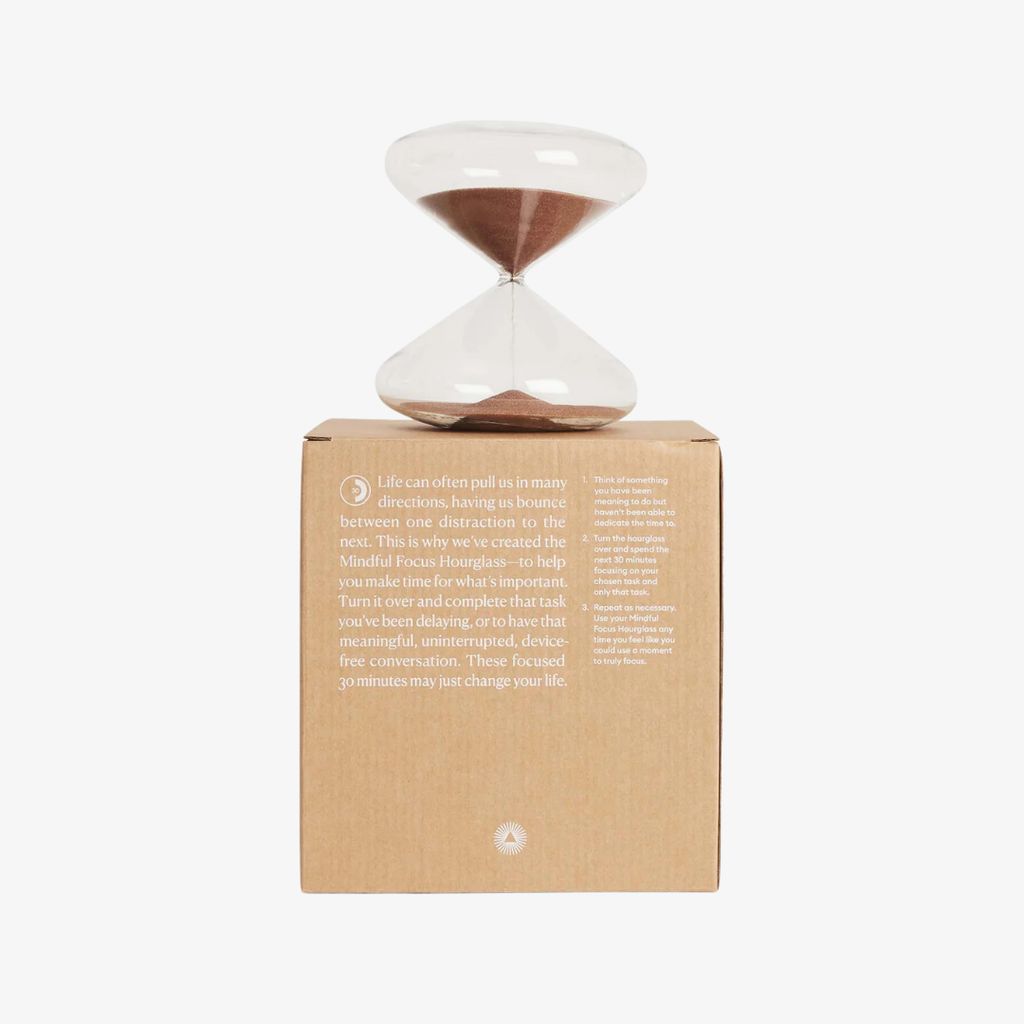
At the end of my practice today, I had the urge to press the ‘start timer’ button once more, to go again.
Not because I wanted to be an extra-diligent student, but because meditation has become enjoyable to me now. It’s not really a chore anymore. It is almost pleasurable.
This is the time in the day that is truly my own. I have noticed improvement in my behaviour too, and how I relate to others. I’m more patient and I have more time for people. Without a thought, I find myself smiling kindly at strangers, aware of them as a whole person, each with their own story to tell. I’m less self-conscious.
I’m impressed by what I’ve learnt so far and maybe even excited for the person I am becoming.
But this is just the start.
I know there are more barriers ahead of me, more hurdles and learning curves to overcome. Only this time, I’m ready.
Shop Mental Wellbeing at Healf
This curated collection is designed to promote mental health. To protect the mind and nourish every breath.



This article is for informational purposes only, even if and regardless of whether it features the advice of physicians and medical practitioners. This article is not, nor is it intended to be, a substitute for professional medical advice, diagnosis, or treatment and should never be relied upon for specific medical advice. The views expressed in this article are the views of the expert and do not necessarily represent the views of Healf
Pippa is a content writer and qualified Nutritional Therapist (DipNT) creating research-based content with a passion for many areas of wellbeing, including hormonal health, mental health and digestive health.
As a contributor to The Healf Source, she regularly attends seminars and programmes on a plethora of contemporary health issues and modern research insights with a drive to never stop learning. In addition, interviewing experts and specialists across The Four Pillars: EAT, MOVE, MIND, SLEEP.
In her spare time, she is an avid swimmer, mindfulness and yoga lover, occasionally bringing a raw, honest approach to the topics she faces. You may also discover some personal accounts of eye-opening wellbeing experiences amidst the reality of a disorientating, and often conflicting, modern wellbeing space.